Fitness Tech
Garmin HRM 600 Review: A Year-Long Verdict on Garmin's Premium Heart Rate Strap
After hundreds of workouts, we look at how the HRM 600 performs on accuracy, battery life, running dynamics, and whether the premium features justify the price.
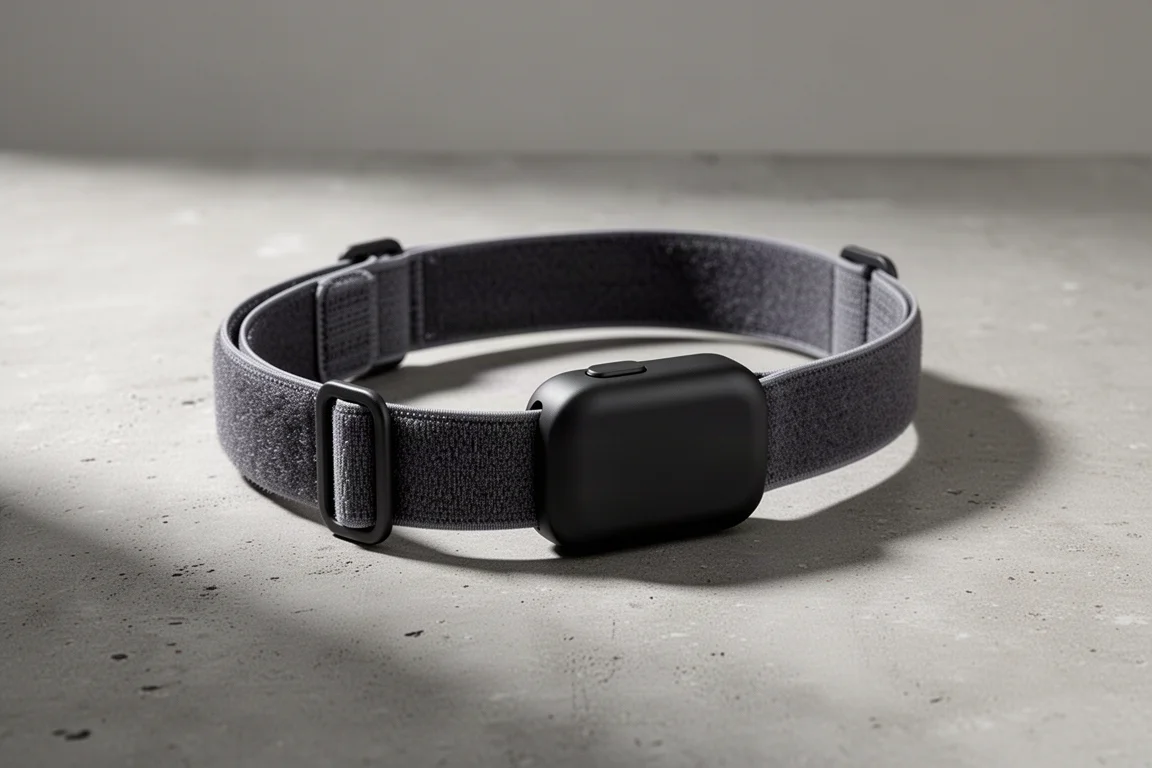
Introduction
Most chest straps do one job: send reliable heart rate data to your bike computer, watch, or training app. Garmin’s HRM 600 aims higher. It stores heart rate data on the strap itself, adds advanced running dynamics, and now recharges over the same cable as Garmin watches. At $169 it is one of the more expensive heart rate monitors on the market, more than double the price of Garmin’s own HRM 200, so the real question is what that extra money buys.
After a full year and hundreds of workouts covering running, cycling, swimming, and weight training, this is a long-term look at whether the strap lives up to its price.
Design, Fit, and Everyday Comfort
Like the HRM 200, this is an ECG-style chest strap that detects the electrical signals from your body, which has long been the standard for accuracy in heart rate tracking. The strap comes in two sizes, and the medium-to-large version offers plenty of adjustability. It stays put remarkably well: even during swimming, with less-than-graceful pushes off the wall, it never flipped or shifted.
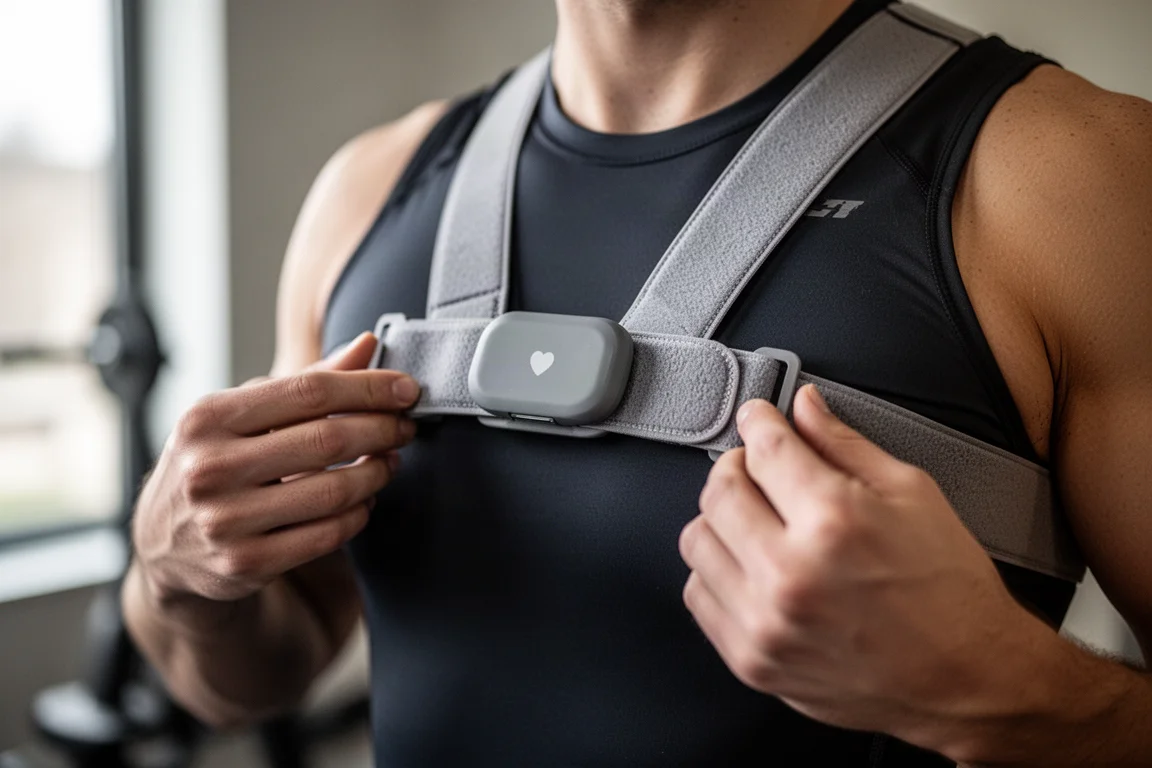
The strap material feels comfortable against the skin and closes with a hook and loop fastener. A practical change over the previous generation: the sensor pod is now detachable, so it can be replaced and the strap itself can go in a washing machine. The pod does take some effort to remove, enough that it initially felt like it might damage the strap, though after a year of detaching and reattaching, the strap has held up fine and removal has actually gotten slightly easier.
One habit worth adopting: rinse the strap well after swimming in a pool or open water. Also note that unlike many straps, it does not always wake automatically when worn; a single button press gets it going.
Rechargeable Battery That Lasts for Weeks
The move to a rechargeable battery is one of the headline changes. It uses the same charging port as Garmin watches, so if you already own one, no new cable is required. Garmin claims up to two months per charge at roughly an hour of use per day, and with the LED indicators active the strap consumed between 1.2 and 1.8% per hour in practice, even while paired to multiple devices at once. Training around two hours a day meant charging every three to four weeks, which feels entirely reasonable.
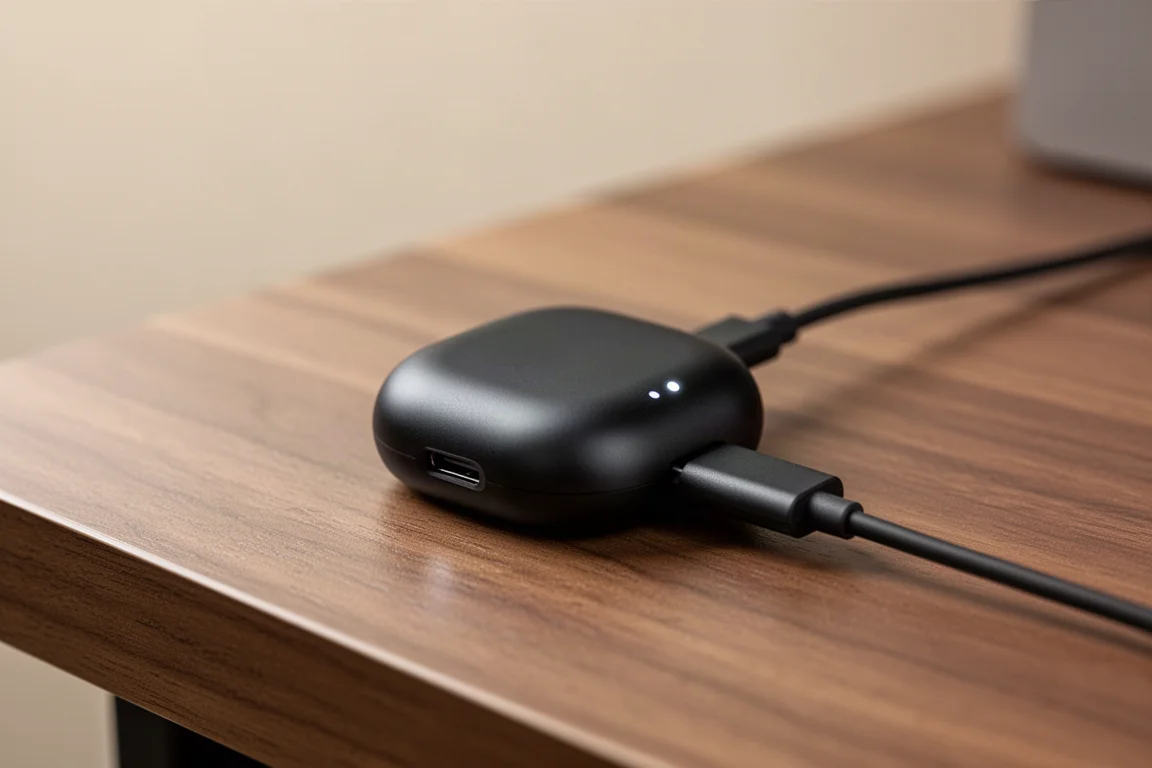
Short on battery before a workout? A 10-minute charge is said to deliver around two hours of use. The strap also shuts off automatically when it stops sensing heart rate for a couple of minutes.
Since the battery is built in rather than replaceable, long-term degradation is the obvious concern. Garmin claims the battery should retain 90% of its capacity after 100 recharge cycles, which at an hour per day works out to roughly 15 years before a 10% loss. A new front-facing LED gives a quick read on battery status and the active connection type.
Pairing and Connection Modes
Compatibility is broad: the strap works over Bluetooth or ANT+ with essentially any device that accepts an external heart rate sensor. It has been used happily alongside a Wahoo Elemnt Roam bike computer and non-Garmin watches, and it can even connect to an iPad.
There are two connection modes. Open connection mode behaves like any standard heart rate strap, indicated by three blinking LEDs. Secure connection mode, reached by double-pressing the button and shown with two blinking LEDs, requires a one-time manual pairing, after which only paired devices can connect. This mode grew out of EU rules around transmitting health data and is now the path for some newer Garmin features. Leaving it in open mode worked fine for everyday use, and even then, pairing with a fully compatible Garmin watch triggers a secure Bluetooth connection automatically.
Running Dynamics and Treadmill Accuracy
Garmin watches already collect cadence, ground contact time, vertical oscillation, and running power. The HRM 600 adds more on top, most notably ground contact time balance for spotting left-right imbalances, and a new metric called step speed loss, which estimates how much you slow down with each foot strike. Lower is better, and the idea is that gliding through each step beats landing hard. Step speed loss also feeds into Garmin’s running economy metric, an overall efficiency number that blends stride length, ground contact time, heart rate, and speed. Building that number requires at least 5 to 7 outdoor runs over 30 minutes at easier efforts on flatter ground.
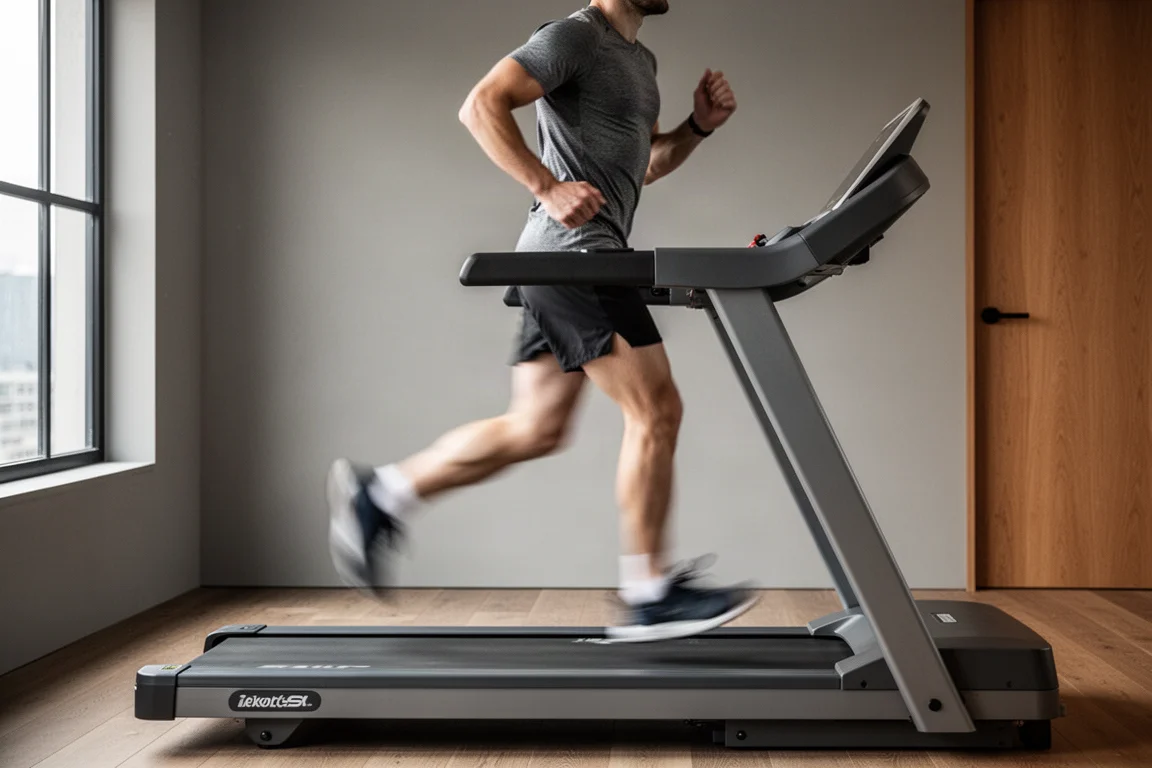
One caveat: step speed loss requires pairing over secure Bluetooth with one of Garmin’s newer high-end watches. The rest of the running features still work over ANT+ with older compatible watches.
For indoor running, the strap promises more accurate pace and distance than a watch alone on a treadmill. In a steady-state run it landed close to the treadmill’s numbers. In a harder session with frequent pace changes, a dedicated foot pod tracked the treadmill more closely, and the HRM 600 ended up about a third of a mile off. It also took a couple of runs for the strap to learn running dynamics, so expect a calibration period. The calibrate-and-save option when finishing an indoor run is buried in the menu rather than offered first, which is a small but genuinely annoying design choice.
Onboard Storage for Swimming and Watch-Free Sports
Because Bluetooth and ANT+ signals travel poorly through water, storing heart rate on the strap itself is what makes swim tracking possible. After the swim, the data syncs to your watch and merges into the activity. The strap can also be used for sports where a watch is impractical or not allowed, such as mixed martial arts or some team sports: start the activity on your watch, set the watch aside, do the workout, then return and download the stored heart rate data.
The flexibility goes further. You can start an activity in the Garmin Connect app on your phone, leave the phone behind, and sync everything afterward, no cell signal required at the start. This also opens the strap up to non-watch setups, such as pairing with a Garmin Edge bike computer while cycling and still recording gym workouts through the app, or recording a session entirely from the strap and phone if your watch battery is dead. The strap can even track heart rate and steps on its own and feed them into Garmin Connect. The app’s activity screen has room for improvement, though, with plenty of empty space that could show heart rate zones or a heart rate graph.
Accuracy and Reliability After a Year
Compared side by side with the Polar H10, long the benchmark chest strap, on a nearly three-hour gravel ride, the HRM 600 produced essentially identical heart rate data. With modern chest straps, accuracy is rarely the question; reliability and consistency over time matter more, and here the HRM 600 sits at the top. Across a year of running, cycling, and weight training, it served as a dependable reference device.
The rare blips came in activities where strap contact can shift, such as rowing or hard pushes off the pool wall, and those are limitations of chest straps in general rather than this model. Cold conditions or a dry strap can also reduce accuracy at the start of a session, which again applies to the category broadly.
Things to Consider Before Buying
At $169, this is a genuinely expensive strap, and the value equation depends heavily on the rest of your gear. Many of the special features require one of Garmin’s higher-end watches; basic heart rate works broadly, but step speed loss and similar metrics are locked behind premium watches, which is a frustrating position for less-seasoned runners who would arguably benefit most from that form feedback.
If you already own a working HRM Pro or HRM Pro Plus, the upgrade is hard to justify. Those remain excellent straps, especially bought on sale. Compared to the HRM 200, the HRM 600 costs more than double but genuinely delivers double the features.
Buying Advice
For a runner who already owns a fully compatible high-end Garmin watch, the HRM 600 is easy to recommend. It is a clear step up from the previous generation thanks to the detachable pod, replaceable strap, and rechargeable battery shared with Garmin’s watch ecosystem, and with its battery longevity claims it could plausibly last for years, potentially through a strap replacement or two.
It can also make sense for someone who owns a Garmin Edge bike computer but no watch, though that is more of a stretch. A small tip for those tempted: Garmin Connect Plus subscribers can get $30 off the strap. It is a fantastic strap overall, and roughly $30 to $40 cheaper it would be an even easier sell.
Conclusion
After a year and hundreds of workouts, the Garmin HRM 600 proves itself as one of the most reliable and feature-rich chest straps available, with excellent accuracy, genuinely useful running dynamics, and versatile onboard storage for swimming and watch-free sports. Its main limitation is not the hardware but how much of that capability is gated behind Garmin’s premium watches. If you already own the right watch, it is a confident buy; if not, the older Pro models remain strong alternatives.
Product link
View more details for Garmin HRM 600
This product is mentioned in the review. Check the specifications, options, and compatibility before buying.
View more details for Garmin HRM 600Further reading
Related Reviews
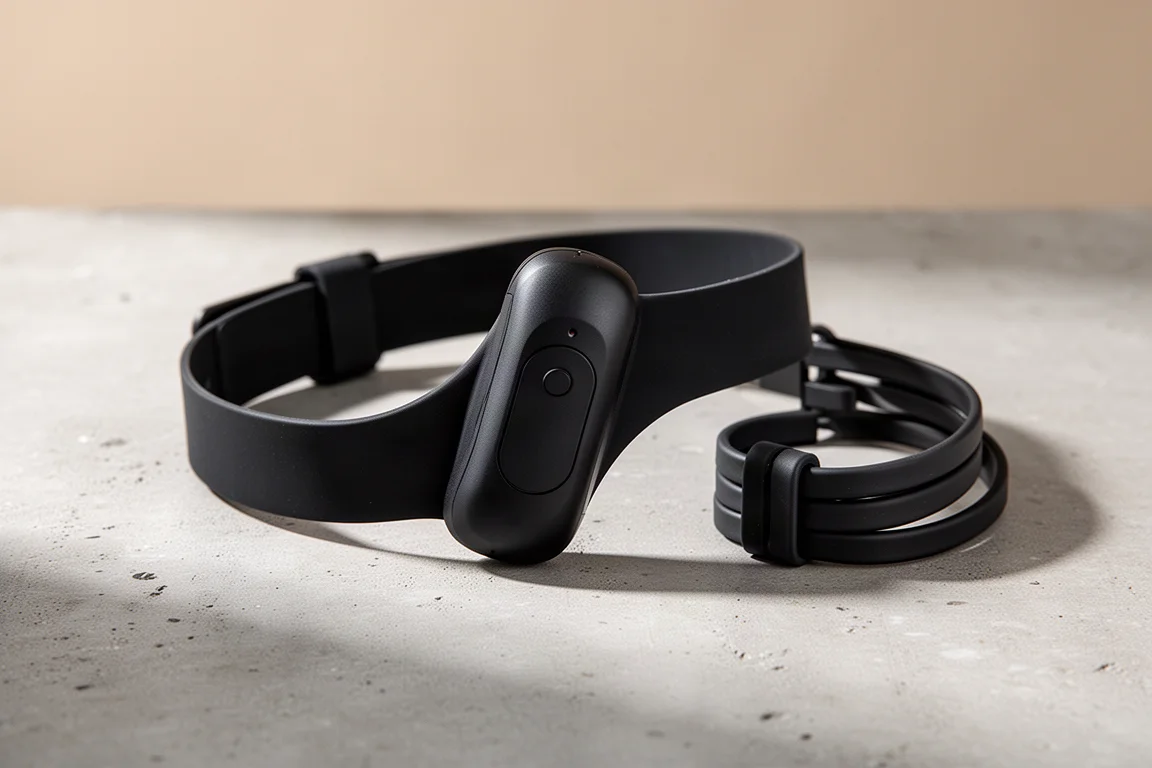
Fitness Tech
Garmin HRM 200 Review: A Heart Rate Strap Built for the Next Few Years
Garmin's new HRM 200 adds a button, a light, and encrypted heart rate broadcasting to a familiar chest strap formula, at a reasonable price.
Fitness Tech
Garmin Connect Plus Nutrition Logging: A Hands-On Look at Food Tracking Inside Garmin Connect
Garmin has added food and nutrition logging to its paid Garmin Connect Plus tier. Here is how the feature works, where it excels, and the trade-offs to know before subscribing.
Fitness Tech
Garmin Forerunner 255 Review: A Complete Beginner's Guide to Garmin's Mid-Range Running Watch
A practical walkthrough of the Garmin Forerunner 255, covering the interface, training tools, HRV status, race widgets, GPS accuracy, battery life, and music support.