Fitness Wearables
Garmin Heart Rate Straps Compared: HRM Dual, Swim, Pro, Pro Plus, Tri and Run
A practical comparison of Garmin's chest strap line-up, covering accuracy, connectivity, swimming storage, running dynamics and which strap makes sense for your setup.
Introduction
A common question that comes up around Garmin’s premium heart rate straps is whether they work with a particular watch. The answer is almost always yes: Garmin’s high-end straps can connect to nearly any watch, cycling computer, or other device that supports Bluetooth or ANT+. The catch is that the HRM Pro and HRM Pro Plus have advanced features that only unlock with certain Garmin watches, so while the strap may connect, you may not benefit from everything it can do. In many cases, you could save money with a cheaper option like the HRM Dual, which is just as accurate.
This guide walks through the differences between the HRM Dual, HRM Swim, HRM Pro, HRM Pro Plus, and the older HRM Tri and HRM Run, so you can figure out which one fits your training.
Why You Might Need an External Heart Rate Monitor
Optical heart rate sensors on watches improve with every generation, but there are still scenarios where wrist-based readings fall short. Weight training is a classic example: gripping dumbbells flexes the wrist and introduces a lot of varying arm movement that throws off optical sensors.
Mountain biking and gravel riding are similar, with constant vibration from the handlebars over rough terrain making a watch bounce on the wrist even if it is cinched tight. Cold weather changes blood flow, and tattoos on the wrist can interfere with readings as well. In these situations, an external chest strap gives you more accurate heart rate data and, in turn, more reliable training feedback.
Garmin HRM Dual: The Budget Pick
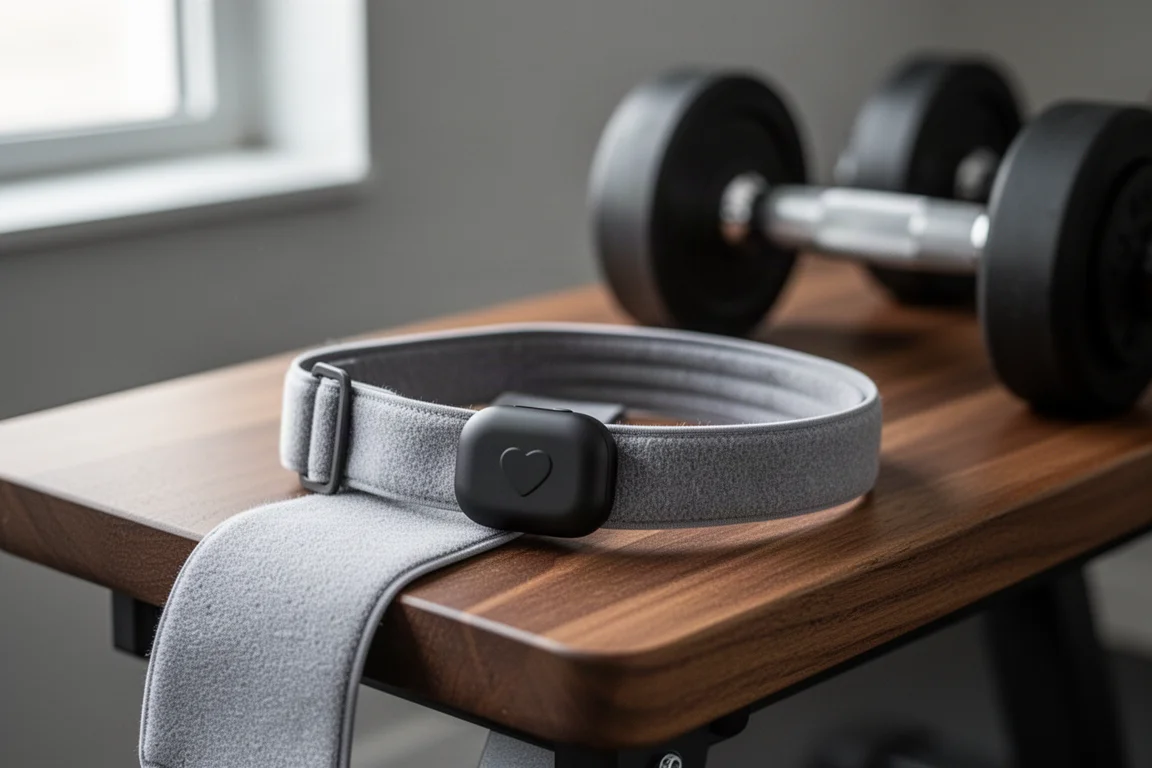
The HRM Dual is the least expensive option in Garmin’s line-up, yet it is just as accurate as the HRM Pro and HRM Pro Plus. For connectivity it supports both ANT+ and Bluetooth, with two Bluetooth connections and unlimited ANT+ connections.
Those two Bluetooth channels are more useful than they sound. If your watch only accepts Bluetooth accessories, such as an Apple Watch, a Polar watch, or more recent Coros watches, but you also want to pair the strap with a training app like Zwift or TrainerRoad on an iPad or Apple TV, two simultaneous Bluetooth connections let you do both at once.
The strap is soft, comfortable, and adjustable, and it is the only strap Garmin currently makes with a detachable pod. That matters because straps do not last forever: expect roughly two to three years of use before the electrodes wear out, depending on usage and the pH level of your sweat. With a detachable pod, you can simply replace the strap for about half the cost of a brand-new unit. The advertised battery life is about three and a half years, replaced via a back cover held by four small screws. You need to seat the rubber ring correctly or risk water getting inside. Water resistance is rated to 1 ATM, but this strap is not designed for swimming.
It also transmits real-time heart rate over Bluetooth for HRV, or heart rate variability, tracking. In short, the HRM Dual is a great option for accurate heart rate in nearly any activity except swimming: running, cycling, indoor training platforms, and more.
Garmin HRM Swim: Built for the Pool
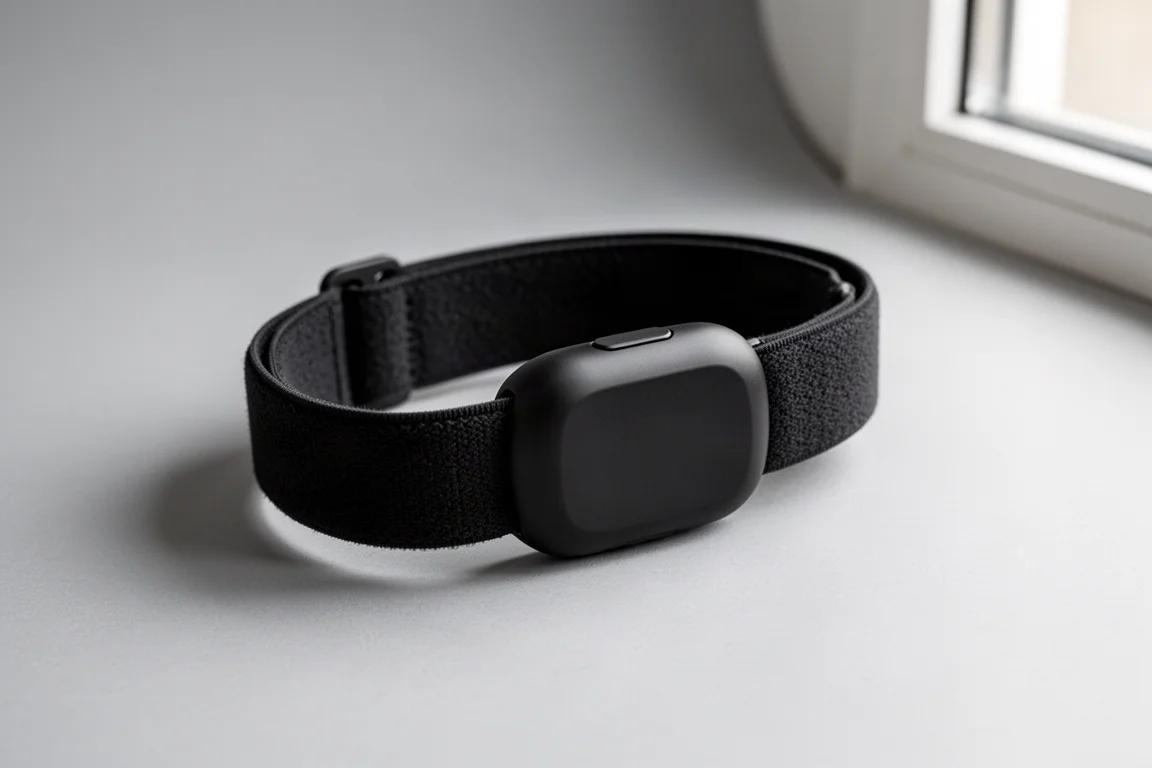
The HRM Swim is specifically designed for swimming. Its strap is wider than all the others, which keeps it in place and prevents it from flipping over during hard pushes off the wall between laps, something that can happen with other swim-capable straps during breaststroke. The inside of the strap has plenty of grippy material that holds onto your skin and stops the strap from sliding down your chest.
The strap is also more resistant to pool chemicals. The HRM Pro, HRM Pro Plus, and HRM Tri can all be used for swimming, but their straps do not resist pool chemicals as well, so the HRM Swim is the better choice if you spend a lot of time in the pool.
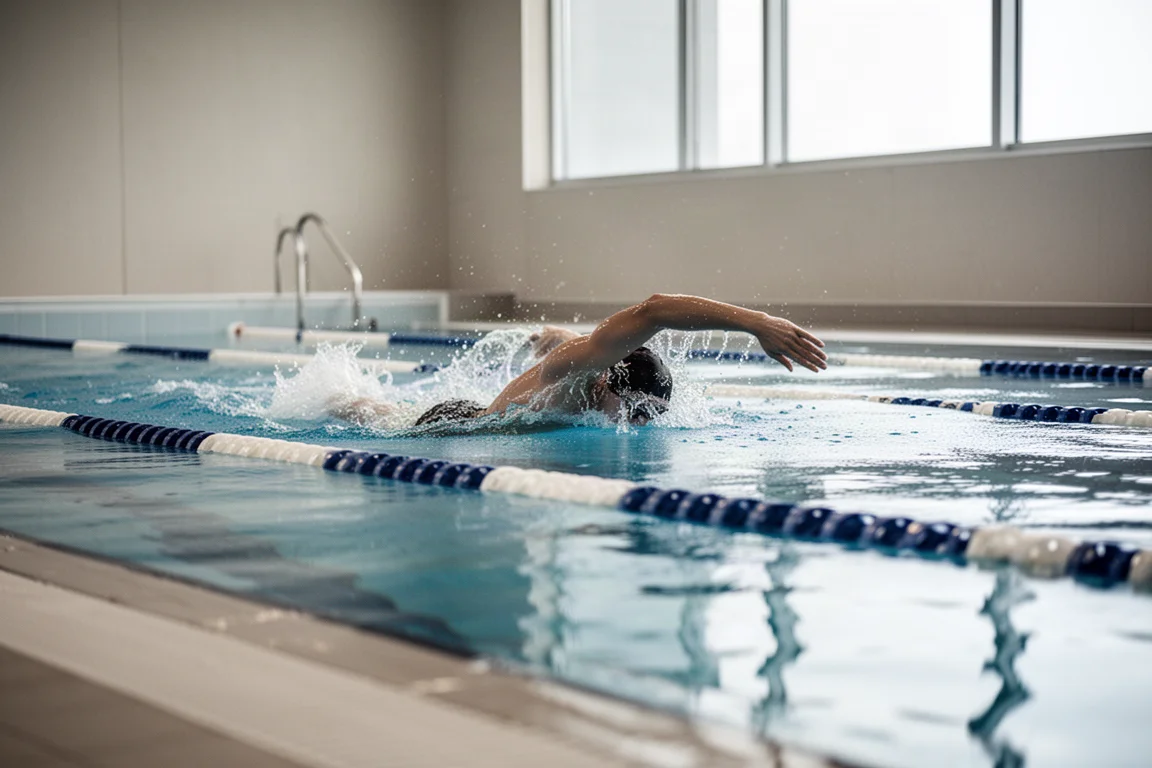
It can also store heart rate data on the strap itself, downloaded later by compatible Garmin watches. This matters because ANT+ signals do not travel well through water: even if the strap is paired before you start, data will not transmit consistently while your chest and wrist are underwater. When you save your swim session, the watch searches for the stored heart rate data on the strap and merges it with your swim stats.
On the limitations side, it only supports ANT+ with no Bluetooth, it lacks the HRV feature, and it does not have a replaceable pod like the HRM Dual. Battery life is rated at about 18 months with around three hours of swimming per week, and battery replacement works the same way as the HRM Dual: four screws and a rubber seal that must be seated correctly. You can use it for running and biking, but the wide, grippy strap makes it less comfortable as an all-rounder.
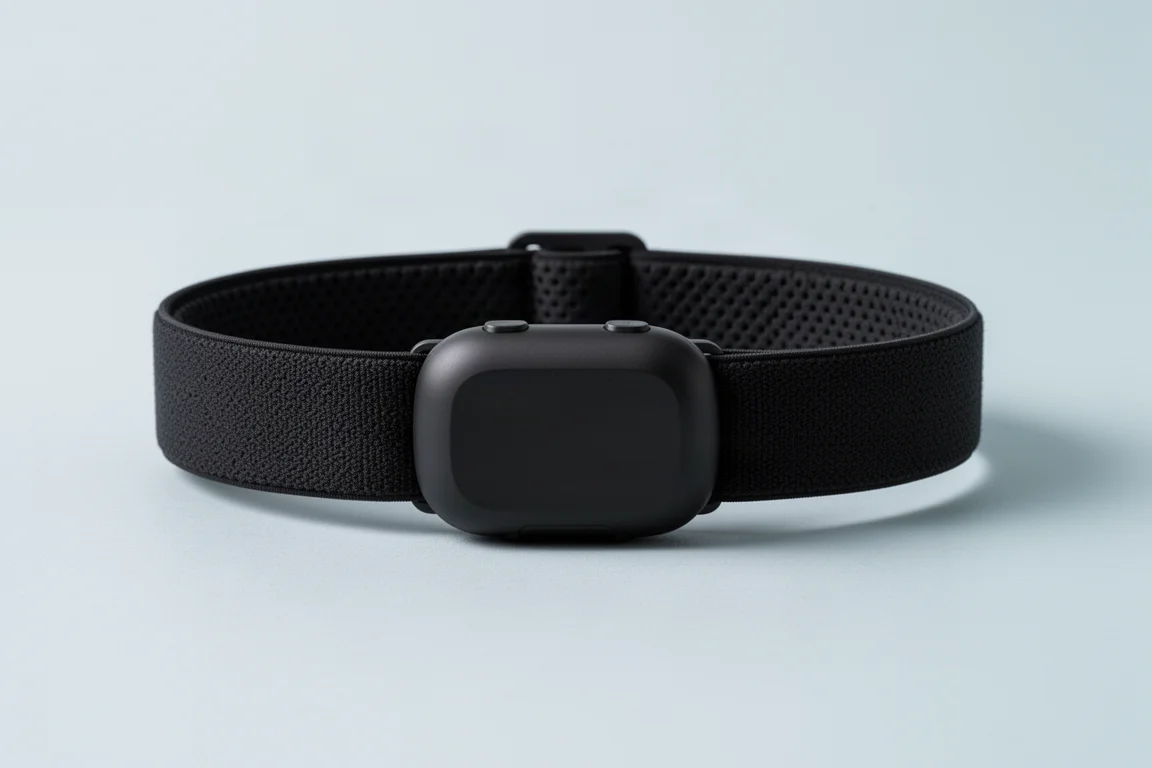
Garmin HRM Pro and HRM Pro Plus: The Feature-Loaded Pair
The HRM Pro and HRM Pro Plus share all the connectivity of the HRM Dual, with unlimited ANT+ connections and two Bluetooth connections, but they add features beyond that. The key caveat is that only certain Garmin watches can collect some of this data.
Advanced Running Dynamics and Running Power
These straps can collect more advanced running dynamics, including vertical oscillation, ground contact time, and ground contact time balance, plus running power. Which features your watch supports gets tricky. Watches like the Garmin Forerunner 245, 255, 745, 945, 955, and Garmin Instinct 2 (but not the original Instinct) can collect the advanced running dynamics, and Garmin’s Fenix line can as well. For running power, the 245 is likely not supported, but the others mentioned are. After a recent update, many newer high-end Garmin watches such as the Fenix 7, Epix, and Forerunner 955 can also collect running power from the wrist without a strap at all.
Watches like the Forerunner 45 or 55, the Venu and Venu 2, the vivofit series, and most of Garmin’s smartwatches cannot collect any of this data, though they can still pair with the strap for heart rate.
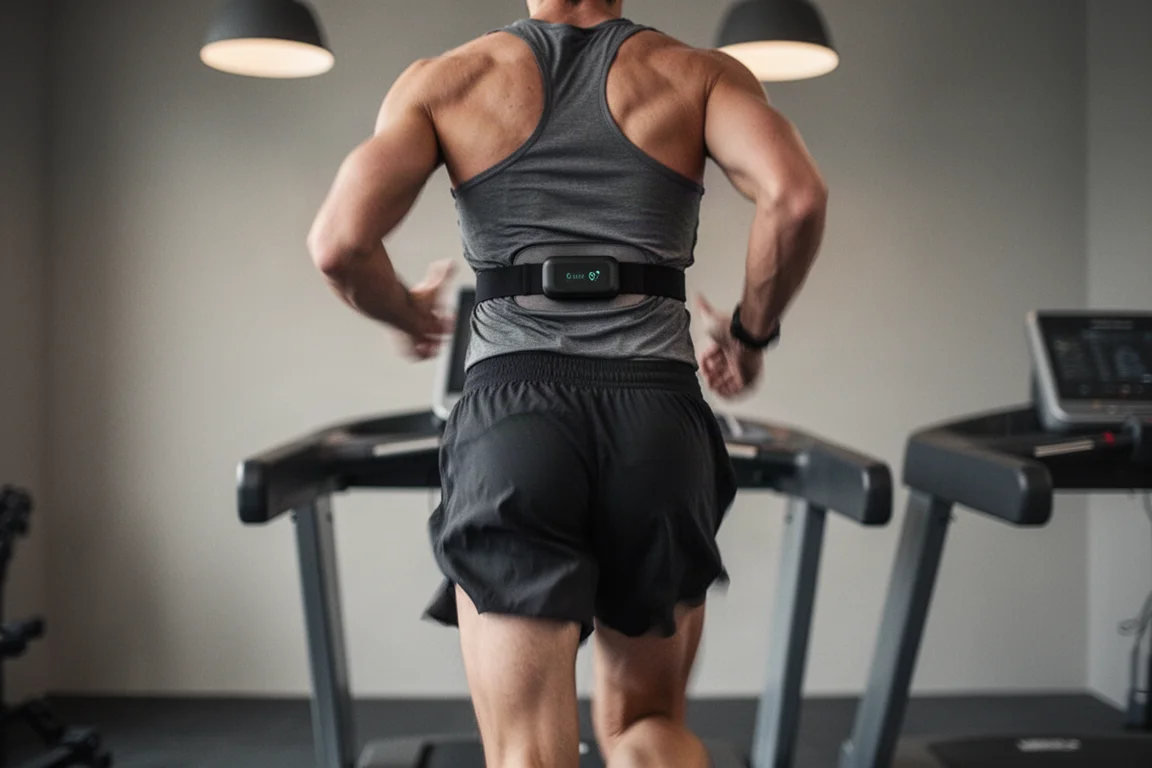
Another running-related bonus: because these straps capture all that running dynamics data, they provide a better distance estimation when running indoors. If your watch relies only on its accelerometer on the treadmill or track and you are not getting accurate pace and distance, this can help. Again, not all Garmin watches benefit from this feature.
Storing Data Without a Watch
Like the HRM Swim, these straps store heart rate data on the strap for swimming, but they do it for other sports too. You can wear just the strap, start an activity on your watch, set the watch aside, and do your workout out of range. When you finish, you stop the activity and download the heart rate data from the strap, and everything merges together. Not all Garmin watches can download heart rate data from these straps after an activity, so check compatibility first.
Heart Rate and Steps Without Any Watch at All
There is one feature that is not tied to your watch at all, only your smartphone. The HRM Pro and HRM Pro Plus connect to the Garmin Connect app on your phone via Bluetooth, letting you capture heart rate and steps without wearing a watch. Put the strap on, go do whatever you want, whether that is HIIT, rock climbing, or yard work, and the strap stores your heart rate and steps. When you sync with Garmin Connect afterward, everything transfers, and you get credit for calories burned since it collected heart rate.
It does not count floors climbed, since there is no altimeter, and it does not provide sleep data such as sleep stages if you wear it overnight. The data feeds your overall daily activity on the heart rate page, steps page, or day view in the calendar, but it does not create a separate timed activity the way a paired watch would. The strap can store up to 18 hours of offline data.
So What Is the Difference?
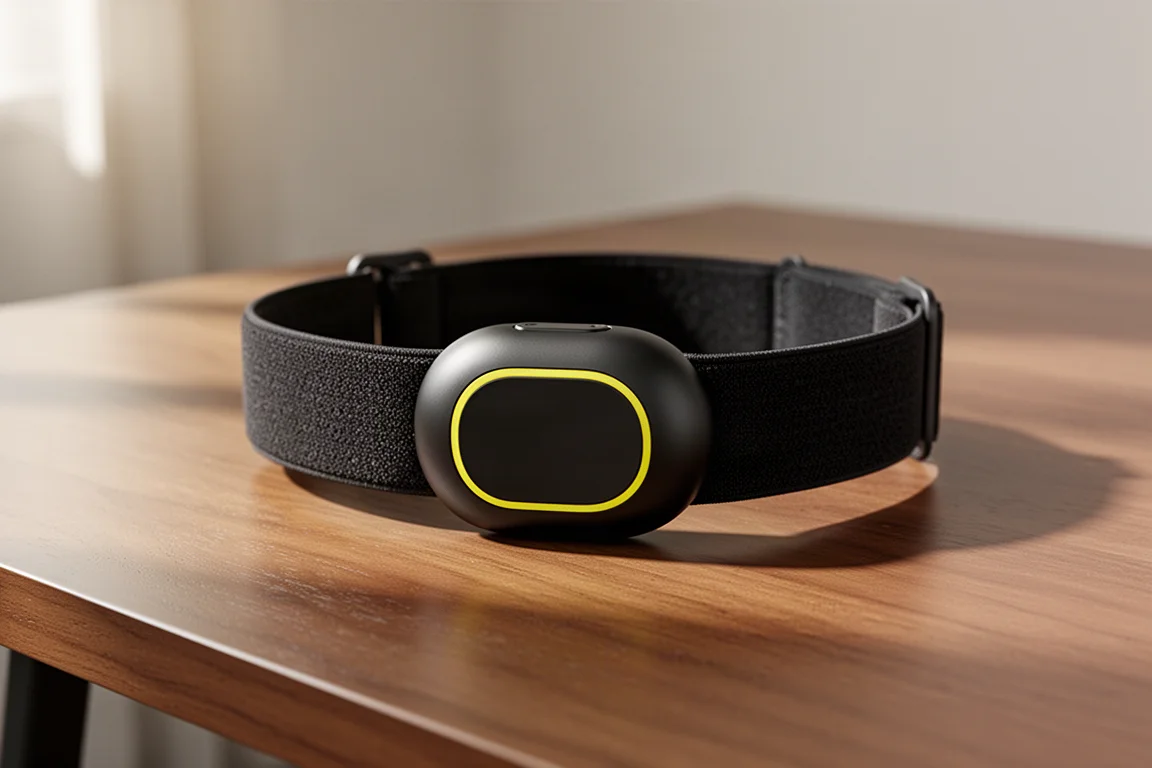
It comes down to the battery compartment. The HRM Pro has a yellow ring around it and requires a screwdriver to open, and you must be careful with the O-ring when replacing the battery, similar to the HRM Swim. The HRM Pro Plus needs no tools at all: you simply rotate the cover to access the compartment. The only reason both exist, apparently, is that the HRM Pro Plus is not available in Australia due to laws around its easily removable battery compartment door. Otherwise the two straps are identical in features, and both get up to a year of battery life with about an hour of use per day.
Realistically, you only want these straps if you own a Garmin watch, and specifically one of the more sports-oriented models that can use their full feature set. If you currently own something like a Garmin Venu but plan to upgrade to a watch that supports these capabilities, buying one now can future-proof your setup.
Garmin HRM Tri and HRM Run: The Older Generation
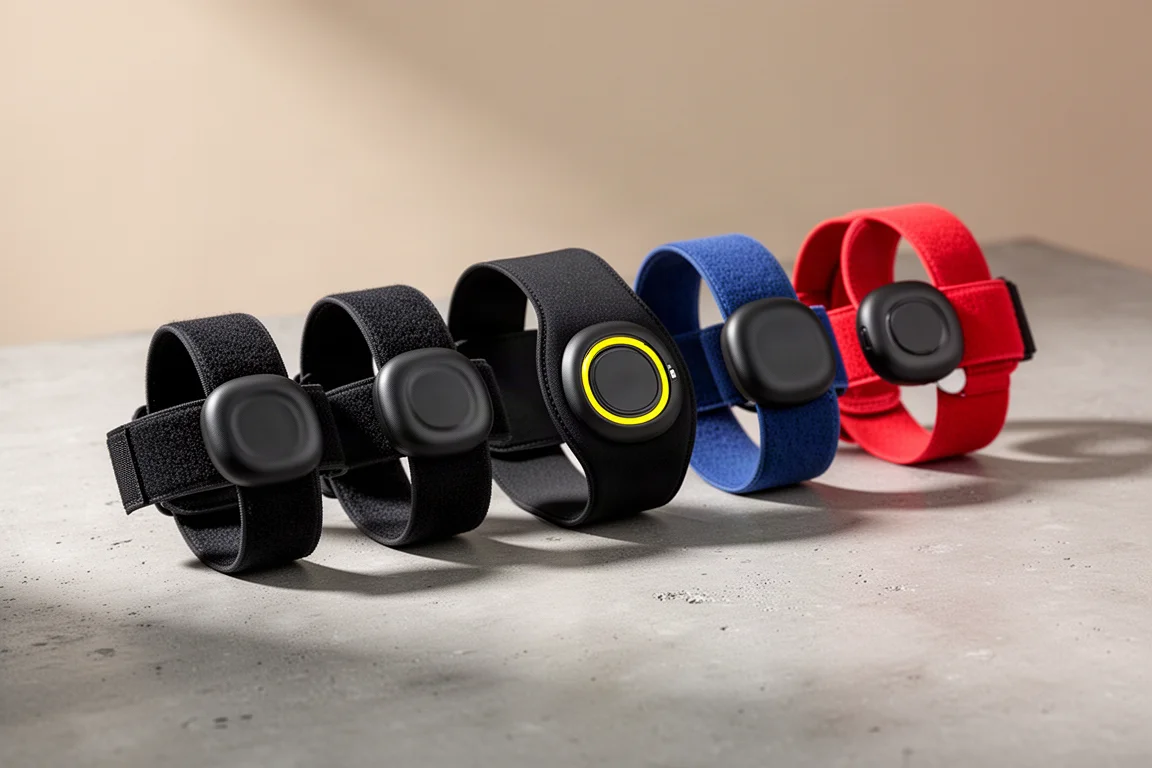
The HRM Tri, which is blue, and the HRM Run, which is red, are older generation Garmin straps. They are still available for sale and offer many of the same advanced features, which is why they are worth covering.
The big caveat is that both only support ANT+ with no Bluetooth, so they are essentially for Garmin watch owners, since few other watches support ANT+ (the Wahoo Rival and some older Coros watches are exceptions). They are also a poor fit if you do a lot of indoor training on something like Zwift on an iPad, since there is no Bluetooth connection for that.
Both straps can collect the more advanced running dynamics, just like the HRM Pro and HRM Pro Plus. The HRM Tri can also store heart rate data for swimming, downloaded later on a compatible Garmin watch. Because it has no Bluetooth, though, it cannot pair with the Garmin Connect app on your smartphone, so it lacks the steps and heart rate sync feature.

Pricing Overview
The HRM Dual usually runs around 70 dollars, the HRM Swim around 99 dollars, and the HRM Pro and HRM Pro Plus around 130 dollars, though sales do come up. The HRM Tri and HRM Run are older generation hardware, so their prices can vary. Check current pricing before buying, since these figures are typical street prices rather than fixed amounts.
Which Garmin Strap Should You Buy?
If you want accurate heart rate for running, cycling, and indoor training apps without spending more than you need to, the HRM Dual is the clear value pick. Swimmers who spend serious pool time should look at the HRM Swim for its wider strap, chemical resistance, and on-board data storage. If you own a sports-oriented Garmin watch and want running dynamics, running power, strap-stored workouts, and phone-free heart rate and step tracking, the HRM Pro or HRM Pro Plus justifies its higher price, with the Pro Plus being the more convenient option thanks to its tool-free battery door. The HRM Tri and HRM Run make sense mainly for ANT+-only Garmin setups that still want running dynamics, and the Tri adds swim data storage.
Conclusion
All six straps are accurate heart rate monitors; what separates them is connectivity and extra features. The HRM Dual covers nearly everyone outside the pool at the lowest price. The HRM Swim is the pool specialist. The HRM Pro and HRM Pro Plus add advanced metrics for compatible Garmin watches, and the HRM Tri and HRM Run remain serviceable ANT+-only options. Match the strap to the activities you actually do and the watch you actually own, and you will not overpay for features you cannot use.
Further reading
Related Reviews
Fitness Wearables
COROS EvoLab VO2 Max Review: How Close Is the Estimate to a Lab Test?
COROS EvoLab estimated a VO2 Max of 61 against a lab result of 63.5. Here is what the estimate gets right, where its limits sit, and who should trust it.
Fitness Wearables
Coros HR Monitor Review: A Simple Optical Armband That Mostly Delivers
The Coros Heart Rate Monitor broadcasts accurate heart rate over Bluetooth with a comfortable strap and solid battery life, but a few steady-state wobbles and missing features give some pause.
Fitness Wearables
Garmin Circa vs Whoop, Fitbit, Amazfit and Polar: Which Wearable Gets the Data Right?
We compare eight wearables across workout heart rate, automatic activity detection, sleep, steps and calories to see where each one earns its place on your wrist or bicep.