Avionics
Garmin GI 275 Review: Modern IFR Capability While Keeping a Classic Panel
How a set of GI 275 instruments brought real IFR capability, multi-tank fuel visibility, and autopilot convenience to a 1952 Bonanza without erasing its vintage character.
Introduction
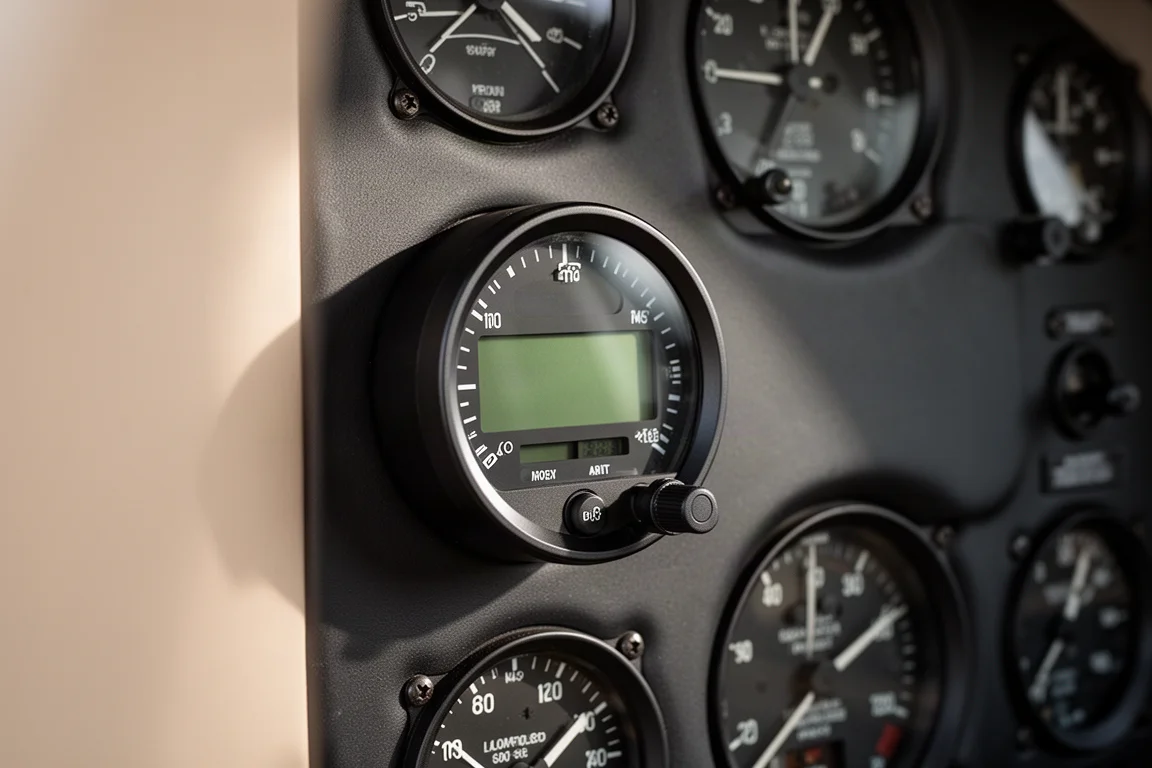
Upgrading the panel of a classic aircraft is a balancing act. You want the safety, information, and workload relief of modern avionics, but you do not want to strip out the character that makes the airplane worth flying in the first place. The Garmin GI 275 has become a popular answer to that problem, and one owner’s experience with a 1952 Beechcraft Bonanza shows why: it is possible to bring a genuinely vintage panel into the modern IFR era without turning it into a glass cockpit.
A Vintage Panel with Modern Intent
The airplane in question is a 1952 C35 Bonanza, one of the earliest of its kind. The owner, a commercial pilot and flight instructor, set clear goals for the upgrade: add real IFR capability, get more information from the engine, and do it all without installing large screens that would erase the airplane’s identity.
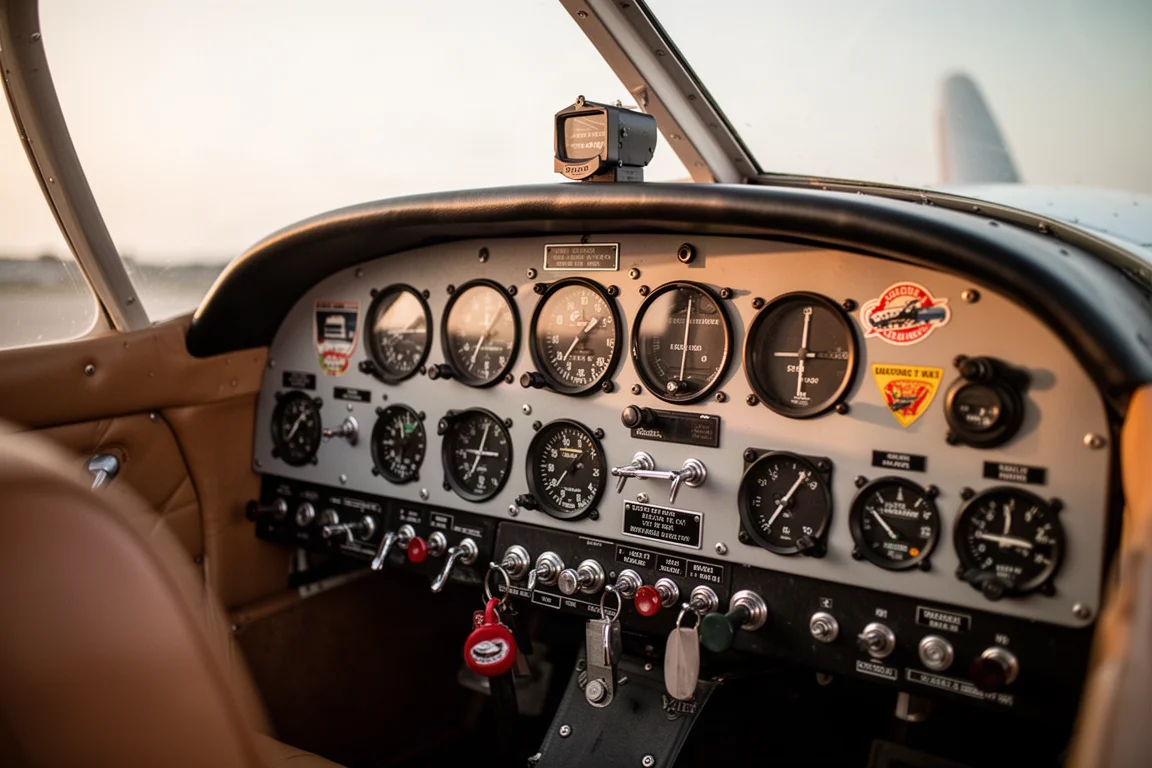
That meant preserving the round gauge look, keeping the radios on the left side, and retaining the piano keys and vintage decals throughout the cabin. The GI 275’s compact round form factor made that straightforward. Everything fit into the existing radio stack on the left, and the autopilot ended up in the same spot as the old engine instrument cluster, so the panel layout looks remarkably close to the original.
The Quirks That Shaped the Upgrade
Old Bonanzas come with quirks. The throttle and mixture sit in unusual places, the brakes and the engine priming pump are on the left side only, and it is very much a left-seat pilot airplane. One of the more significant safety concerns was the fuel system: the original panel had a single fuel gauge, and the pilot had to toggle between the three tanks to see levels one at a time.

Managing that was possible, but it demanded constant attention. Being able to view all three tanks simultaneously removes a small but real source of workload and risk on every flight.
What the GI 275s Change in Practice
The upgraded panel makes daily flying noticeably easier. The fuel system is the clearest example: all three tanks are visible at once, with no toggling required. The autopilot’s yaw damper is another practical win. The Bonanza is known for a back-and-forth sway in turbulence, and the yaw damper mitigates that even when the autopilot is not otherwise in use.

The longest test so far was a cross-country flight from California to Oshkosh shortly after the upgrade. The owner describes the autopilot as a genuine game changer on that trip, making workload management dramatically easier over long legs.
Things to Consider Before Upgrading
If you are considering a similar panel refresh, a few points from this experience are worth weighing. First, fitting modern instruments into an older panel is a planning exercise: the owner was not certain everything would fit in the left-side radio stack, but with compact round-dial units and small navigators it did. Second, think about what you want to preserve. Round gauges, radio placement, piano keys, and decals can all be kept if you choose components sized for the job.
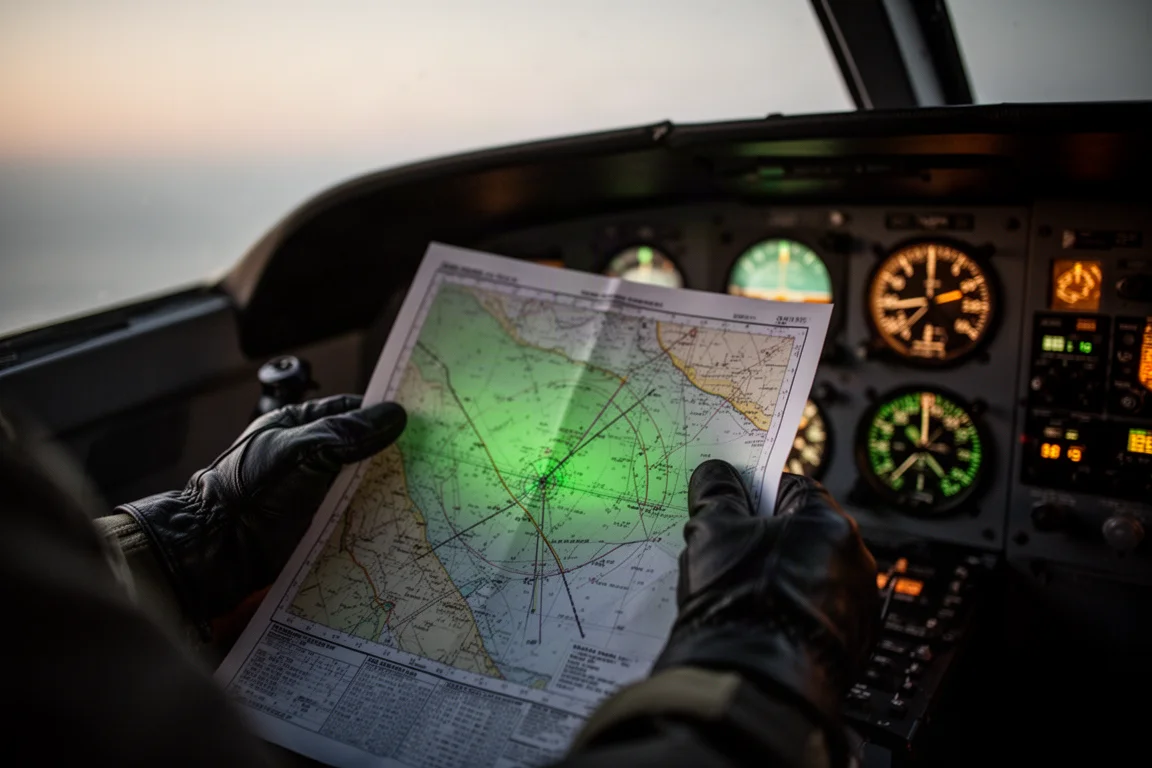
Third, be realistic about the aircraft’s systems. The Bonanza was technically IFR certified before the upgrade, but not practically IFR capable. The instruments alone do not change that; what changes it is having reliable attitude, engine, and navigation information presented clearly, plus an autopilot to share the workload.
Getting IFR Current Again
With the new panel in place, the next goal is returning to instrument currency. The airplane’s previous setup made practical instrument flying unrealistic, so the owner’s currency had lapsed. An instrument proficiency check and a refresher course are next on the list, and with the new panel the expectation is that the process will be far smoother than it would have been before. For pilots in a similar position, that is arguably the biggest argument for this kind of upgrade: it does not just modernize the panel, it reopens the airplane’s full capability.
Buying Advice
For owners of classic aircraft who want modern capability without a glass cockpit conversion, compact round-dial instruments are worth serious consideration. The key is to define what you need before you start: IFR capability, better engine data, fuel system visibility, or autopilot support. This project shows that you can have those capabilities while keeping the vintage feel intact, and in the owner’s view the panel looks even better than it did when it was purely original.
Conclusion
The Garmin GI 275 proves that a classic panel and modern capability are not mutually exclusive. In this 1952 Bonanza, the upgrade delivered simultaneous fuel tank visibility, a useful yaw damper, and autopilot support that transformed a long cross-country flight, all while preserving the round dial look, radio placement, and vintage details that give the airplane its character. For anyone hesitating to modernize a classic because of its charm, this panel is a strong example that you do not have to choose.
Product link
View more details for Garmin GI 275
This product is mentioned in the review. Check the specifications, options, and compatibility before buying.
View more details for Garmin GI 275Further reading
Related Reviews
Avionics
Dynon SkyView 10-inch Display: A Practical Avionics Choice for Experimental Builders
Why this dual-screen glass panel setup appeals to homebuilders, from plug-and-play wiring kits to battery backup and clever panel ergonomics.
Avionics
Garmin Axiom Review: A Generational Leap in Glass Cockpit Avionics
Garmin's Axiom flight display brings synthetic vision, configurable HSI views, widgets, and integrated EIS into a single panel upgrade for certified piston aircraft.
Avionics
Garmin Bonanza Panel Upgrades: The Avionics Worth Knowing About
Two Beechcraft Bonanzas, two very different Garmin panels. A closer look at the avionics that make a vintage panel feel modern without losing its character.