Fitness Smartwatches
Garmin Forerunner 265 vs Garmin Venu 2 Plus: Which Mid-Range Garmin Fits You Best?
Two AMOLED Garmin watches at a similar price with very different personalities: one leans sports and training, the other leans smartwatch. Here is how to choose.
Introduction
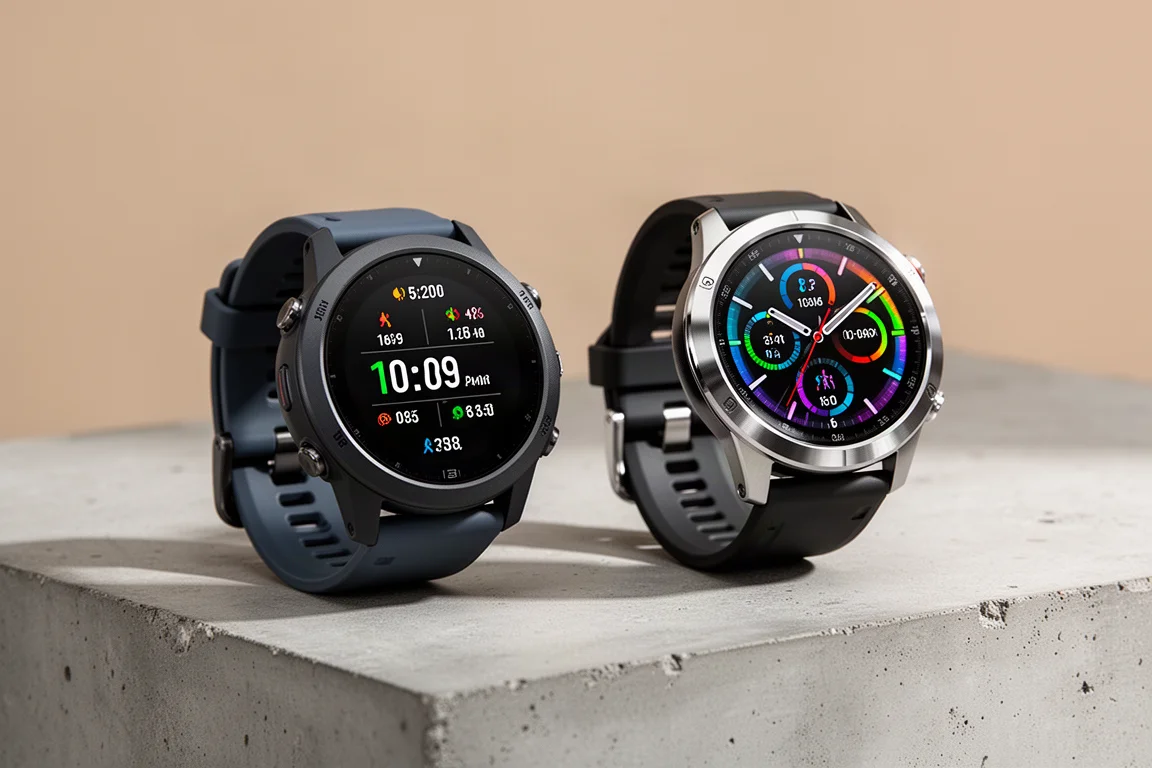
Garmin’s Forerunner and Venu lines used to be easy to tell apart. Forerunner meant a sports watch, Venu meant a lifestyle smartwatch. The Forerunner 265 blurs that line, because it now wears the same kind of bright AMOLED touchscreen display that defined the Venu 2 Plus. Both watches also sit in roughly the same 400 to 450 dollar price range, which makes the choice genuinely tricky. They track a very similar set of health metrics, support a long list of sports, and share a very polished display experience. Yet each has a clear personality once you dig into the details.
Two Watches, One Shared Foundation
Both watches deliver the biggest recent upgrade in this segment: an AMOLED touchscreen that is very usable outdoors in bright conditions. Garmin has optimized these panels so they no longer carry the battery penalty you might expect from the category. Where many AMOLED smartwatches manage one to three days per charge, both of these stretch from around four days up to a week or more depending on settings.
Battery life mostly depends on whether you enable the always-on display. With it on, expect around four to five days on either watch. Turn it off and the display sleeps between interactions, stretching the Venu 2 Plus to about nine days and the Forerunner 265 to nearly two weeks. Your actual mileage depends on how many outdoor activities you track, screen brightness, and whether you enable the SpO2 sensor during sleep.
The two watches also share a 1.3-inch display in their larger versions, with a smaller Forerunner 265S offering a 1.1-inch panel. Both support standard watch bands and both carry a 5 ATM water resistance rating, so showering and swimming are fine on either. The Venu 2 Plus leans a little more fashion-forward with stainless steel elements, while the Forerunner 265 keeps a more functional design.
View more details for Garmin Forerunner 265
Buttons and Everyday Usability
Here the Forerunner 265 has a practical edge. It keeps all five classic Forerunner buttons plus the touchscreen, so you can navigate menus by touch or use the up and down buttons on the left side. You can even disable the touchscreen per activity, keeping it on for hiking but off for running.
The Venu 2 Plus has a touchscreen and three buttons. The start and back buttons behave much like the Forerunner’s, but certain functions, like swiping through widgets, switching data pages mid-activity, and saving an activity, require the touchscreen. It works, but the 265 is simply easier to operate with sweaty fingers or gloves.
The Venu 2 Plus Extras: Speaker, Microphone and ECG
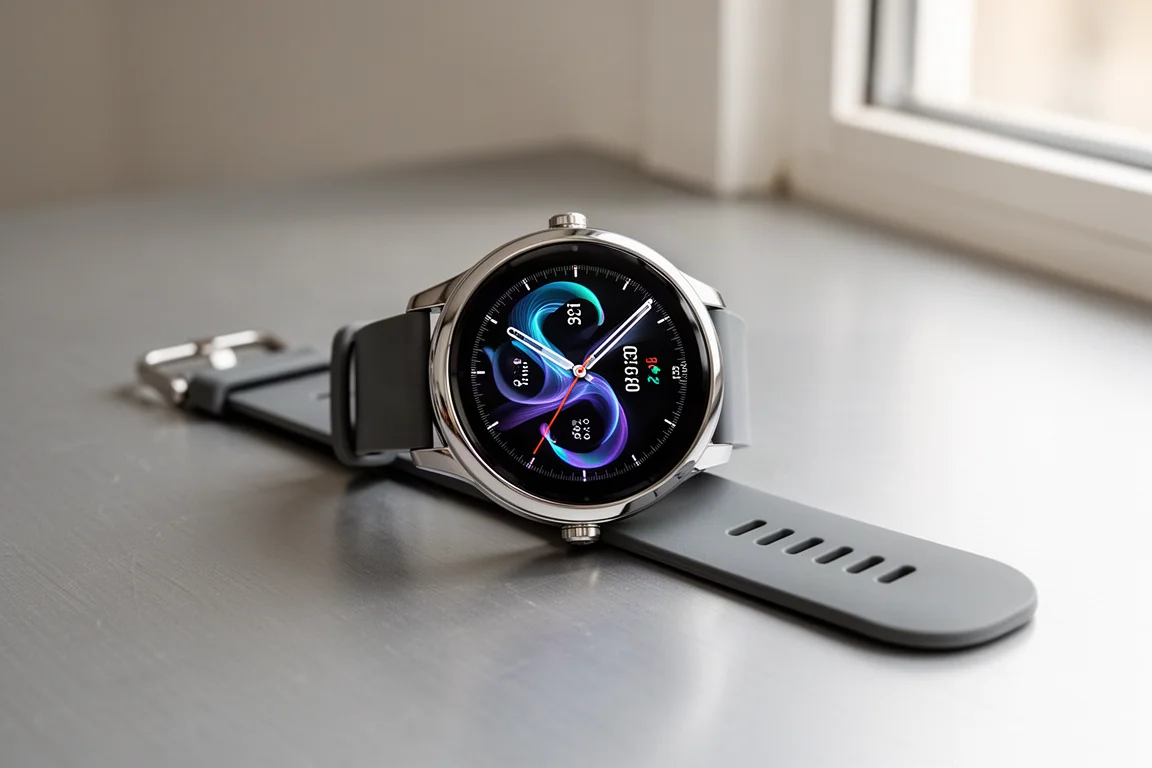
The Venu 2 Plus has a distinct hardware trick the 265 lacks: a built-in microphone and speaker. You can access your phone’s voice assistant from the watch, and on an iPhone that unlocks something unusual: you can use Siri to send a text reply through iMessage, something normally reserved for the Apple Watch. Android users can reply with predefined quick responses on both watches.
The speaker also lets the Venu 2 Plus take calls directly from the wrist with either phone platform, as long as your phone is in range, since neither watch has cellular capability. Beyond calls and alerts, you can even play music through the onboard speaker. It sounds like what you would expect from a watch-sized speaker, but it works.
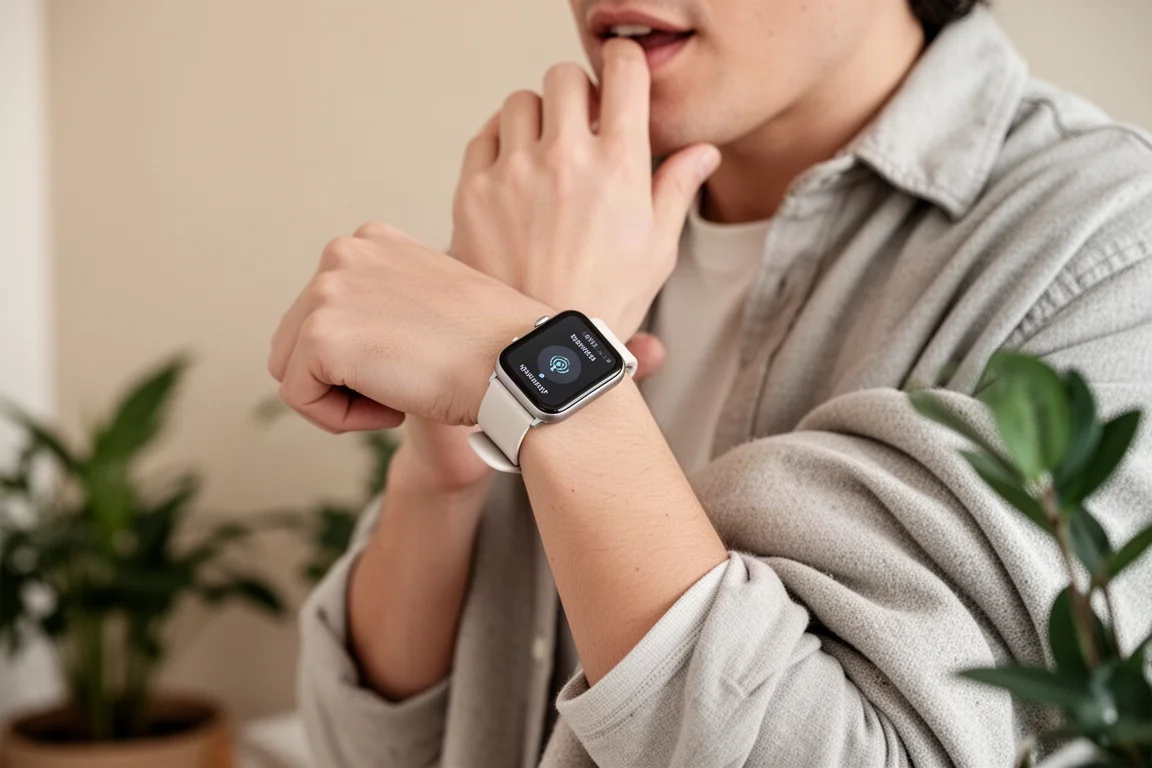
The other headline feature is ECG. The stainless steel bezel acts as one of the hardware components needed to record an electrocardiogram, a capability added after FDA approval and not available on the Forerunner 265 at all, since that watch lacks the required hardware.
Training Feedback: Where the Forerunner 265 Pulls Ahead
If you train rather than just move, the Forerunner 265 offers substantially more. Both watches track heart rate around the clock, blood oxygen, stress, respiration, calories, sleep, steps, floors climbed, Body Battery and intensity minutes, and both use the same generation of Garmin’s Elevate heart rate sensor for comparable accuracy.
The 265 builds on that foundation with running VO2 max plus cycling VO2 max when paired with a power meter, a race predictor for common race distances, a training status widget that weighs VO2 max trends, HRV status, exercise load focus and recovery time, and the training readiness feature, which tells you how primed you are for your next session based on sleep, recovery time, HRV status, exercise load, sleep history and stress history. It also automatically tracks HRV status over time, a metric many athletes use to judge recovery. The Venu 2 Plus does not offer automated HRV status, but it does include a health snapshot feature for on-demand measurements of heart rate, breathing rate, blood oxygen and HRV.

Sports Profiles and Advanced Metrics
Both watches cover the everyday bases: running and cycling indoors and out, pool swimming, plenty of gym profiles and outdoor recreation profiles. The Forerunner 265 adds profiles like ultrarunning, trail running, extra cycling modes, open water swimming and triathlon. Curiously, the Venu 2 Plus counters with indoor climbing, bouldering, snowshoeing, tennis and golf. Activity lists can shift with software updates, but as things stand, each watch carries a few profiles the other does not.
For serious runners, the 265 also collects wrist-based running power and advanced running dynamics such as vertical oscillation and ground contact time, useful for assessing form and pacing effort on hills or in wind. The Venu 2 Plus captures pace, distance, cadence and stride length only.
GPS, Sensors and Navigation
Both watches have built-in GPS for recording speed, distance and location without your phone. The Forerunner 265 goes further with a dual-band, multi-band GNSS chipset that taps two satellite frequencies at once. That matters in challenging environments, like between tall buildings, in steep canyons or under heavy tree cover, where reflected signals can skew your data. The Venu 2 Plus is accurate in normal conditions, but the 265 holds the advantage where signals get tricky.
External sensor support also differs. The Venu 2 Plus pairs with heart rate sensors, cycling speed and cadence sensors, running foot pods, temperature sensors and Garmin Varia radar and lights. The Forerunner 265 adds cycling power meters, Garmin’s RD pod for advanced running dynamics, smart bike trainers, e-bikes and extended display support for compatible Garmin bike computers. It also supports breadcrumb route navigation: load a route in Garmin Connect, transfer it to the watch, and follow along. The Venu 2 Plus can navigate to saved locations with a standalone navigate profile, but it cannot load pre-planned routes.
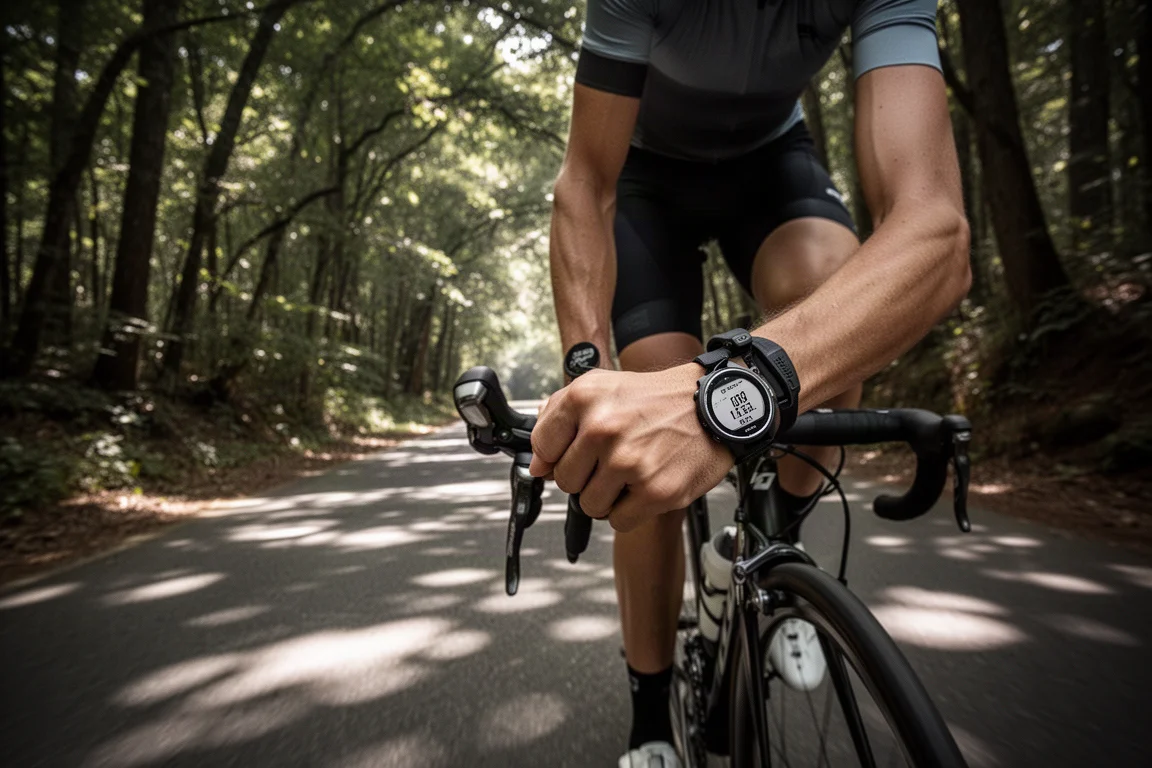
Which One Should You Buy?
Choose the Forerunner 265 if your priorities are training insight, running analytics, multi-band GPS accuracy, richer sensor support and route navigation, and you value button-first control. Choose the Venu 2 Plus if you want a smartwatch experience that still tracks fitness seriously, with the convenience of calls from the wrist, voice assistant access, and ECG readings. Neither is a compromise; they simply answer different questions.
Conclusion
The Garmin Forerunner 265 and Venu 2 Plus share a display, a price band and most health tracking, but their differences are decisive. The 265 is the stronger tool for runners and data-driven athletes, while the Venu 2 Plus is the better pick for those who want more smartwatch polish, on-wrist calls and ECG. Matching the watch to how you actually train is what will make either one feel like the right choice.
Further reading
Related Reviews
Fitness Smartwatches
Garmin Venu 3 vs Garmin Forerunner 265: Which Fitness Smartwatch Fits You Best
Two Garmin watches with the same price and very different personalities. Here is how the smartwatch-focused Venu 3 stacks up against the sports-focused Forerunner 265.
Fitness Smartwatches
Garmin Vivoactive 5 vs Garmin Venu 3: Which Fitness Smartwatch Makes More Sense
Two closely related Garmin fitness smartwatches with very different prices. Here is how the Vivoactive 5 and Venu 3 compare on design, battery, health tracking, and sport features.
Bike Computers
Best Bike Computers 2026: Wahoo ELEMNT ACE, Garmin Edge 1050 and Two Value Alternatives
A practical comparison of the Wahoo ELEMNT ACE and Garmin Edge 1050, plus two cheaper computers that cover the essentials for far less.