Outdoor Watches
Garmin Fenix 7 Solar vs Garmin Epix: Which Outdoor Watch Fits Your Adventures?
Two top-end Garmin watches share the same build and feature set. The screen technology decides battery life, daylight readability, and how much detail you can pull from a map.
Introduction
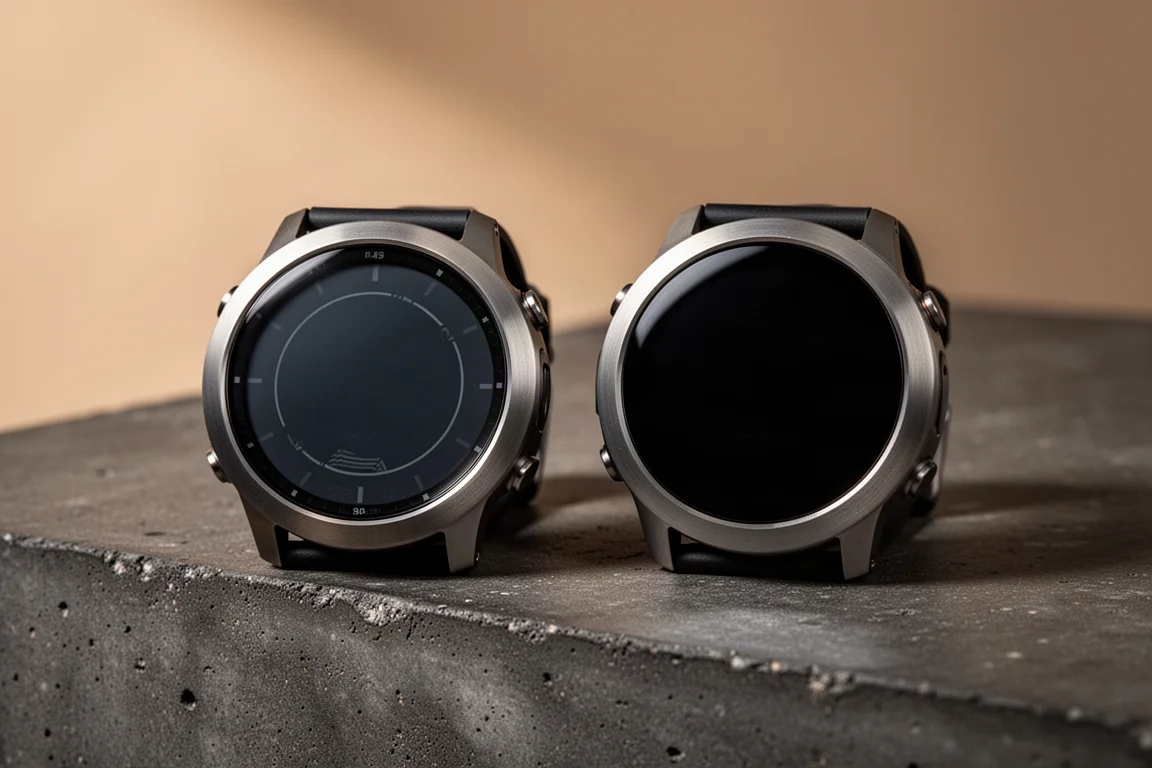
Two watches sit at the top of Garmin’s outdoor range, and in the versions compared here they share the same titanium bezel and sapphire glass construction. They also share on-device mapping and navigation, the same outdoor activity tracking, and the same overall design language. What separates them is the display, and that single decision ripples through almost everything else.
The Garmin Fenix 7 Solar uses a transflective screen with solar panels built into the face. The Garmin Epix uses an OLED panel, the same class of display found in smartwatches and smartphones. That difference shapes three things that matter on a trail: how readable the watch is in bright sun, how long it runs between charges, and how much fine detail you can pull out of maps and charts.
Screen Technology: Transflective Solar vs OLED
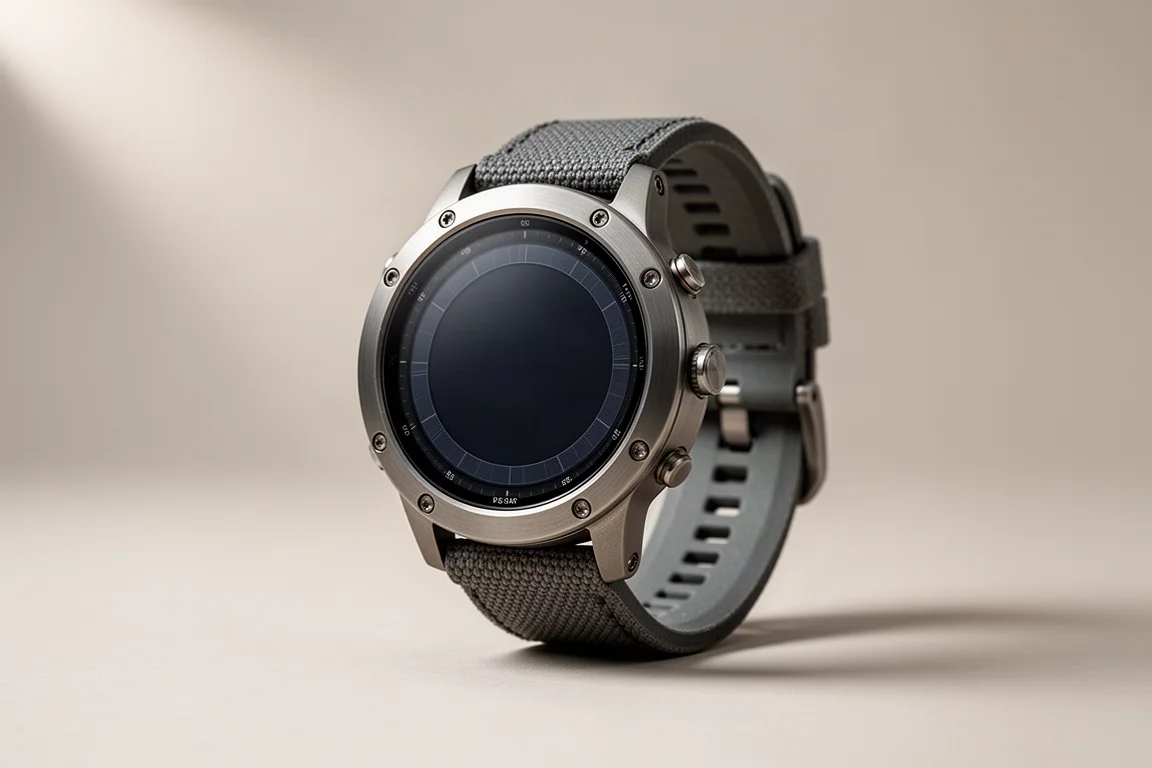
The Fenix 7 Solar’s transflective display is built to be read by reflected light, and the solar layer covers the whole face. The outer ring gathers roughly 100 percent of the sun’s rays, while the central data area takes in about 10 percent. Spend around three hours a day in direct sunlight and the solar version adds roughly 20 to 30 percent more battery life than a non-solar equivalent.
OLED behaves differently. Black pixels switch off completely, which is why Garmin keeps backgrounds black across data fields and screens on the Epix. That saves power, but it removes the white background option that the Fenix offers. In exchange, the Epix gets resolution: 426 pixels per inch against 200 on the Fenix. Maps, charts, and very small text are easier to read on the OLED panel.
Data fields follow the same split. The Epix allows eight fields for an activity such as a hike or a run, while the Fenix allows six.
Garmin Fenix 7 Solar: Endurance and Outdoor Visibility
With 24-hour wear plus an hour of GPS activity each day, the Fenix 7 Solar runs for about two weeks on a charge, roughly four times the runtime of the Epix under identical use. On a five-hour hike with matched settings, the Fenix finished at 90 percent while the Epix fell to 76 percent.

Visibility is the other half of the argument. The Fenix’s white background makes pace, time, and distance easy to read at a glance in harsh sun, and because checking the watch barely touches the battery, you can look at it as often as you like while navigating off trail.
Garmin Epix: OLED Sharpness and Daily Use
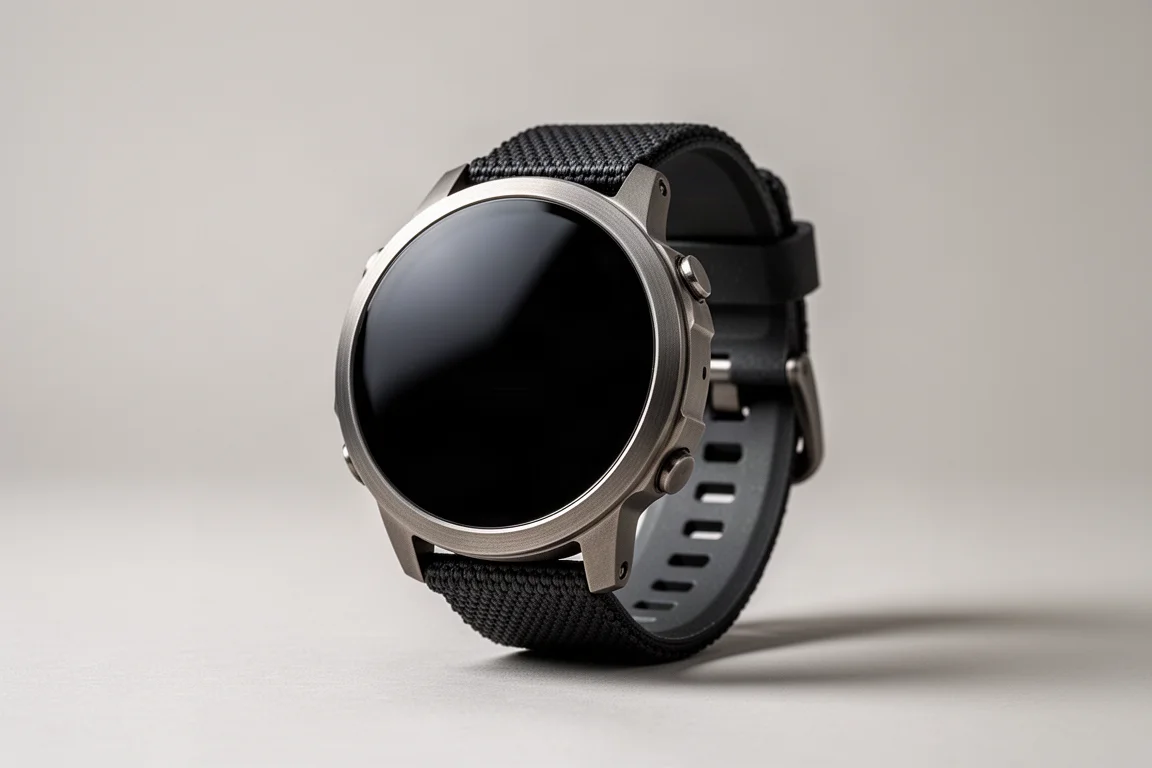
The Epix delivers a brighter, sharper screen and a more modern feel day to day. Always-on mode gives quick glances at the time without a wrist gesture, and the gesture alternative can require a more exaggerated motion than a casual look provides. With always-on enabled, a full charge covers around three days of use with an hour of GPS activity per day.
Where the OLED pays off is detail. Zoomed maps, elevation charts, and dense data screens all read better, and the extra data fields put more information in view during a hike or a run. The trade-off shows up when you lean on on-device mapping and navigation, since repeatedly checking the watch to stay on route drains the Epix faster than the Fenix.
Battery Life in Real-World Use
The numbers are worth putting side by side. Same daily routine, same hour of GPS: about three days on the Epix with the screen set to always on, about fourteen days on the Fenix 7 Solar. Both watches handle on-device mapping and navigation, but the cost of checking the screen is far higher on the OLED model.

Solar charging widens the gap further for anyone who spends long days outside. Three hours of direct sunlight a day is enough to add roughly 20 to 30 percent more battery life on the solar Fenix compared with a non-solar version. For multi-day hikes and long runs, that is the difference between charging on a schedule and charging when it suits you.
Which Watch Should You Choose?
If outdoor visibility and endurance come first, the Fenix 7 Solar is the more practical tool. It is the watch you can glance at constantly, navigate with off trail, and still finish a two-week stretch without reaching for a cable.

If a sharp, high-resolution display and a brighter screen matter more than charging intervals, the Epix is the more enjoyable watch to live with, particularly for everyday wear and for reading detailed maps. The resolution advantage is real, and the eight data fields are a genuine upgrade. Plan on charging more often, and expect the screen to be harder to read in direct sun.
Conclusion
Both watches are built from the same foundation, so the choice comes down to which compromise you prefer. The Fenix 7 Solar trades pixel density for battery life and daylight readability. The Epix trades endurance for a sharper, brighter OLED panel. For long days outside and off-trail navigation, the Fenix 7 Solar is the one that keeps up.
Further reading
Related Reviews

Backpacking Gear
Building a 10 lb Base Weight: An Ultralight Backpacking Gear List
A practical walkthrough of the ultralight pieces behind a 10 lb base weight, from a 765 g pack and a roomy one-person tent to a full camp chair and a dependable water filter.
Road Bikes
10 New Road Bikes Worth Watching: Aero, Titanium, Steel and Endurance Standouts
A practical roundup of 10 new road bikes, from aero flagships chasing single-watt gains to titanium, steel and endurance platforms built for real roads.
Bikepacking Gear
11 Bikepacking Essentials for Long-Distance Cycling
Eleven bikepacking essentials for long-distance cycling, from a steel gravel frame and a two-person tent to helmet lights, packable gloves, and a frame bag that puts weight in the right place.