GPS Smartwatches
Garmin Epix vs Fenix 7: Which Premium GPS Watch Should You Buy?
The Epix and the entire Fenix 7 family share nearly every feature. The real differences come down to display technology, battery life, case sizes, and the Fenix 7X flashlight.
Introduction
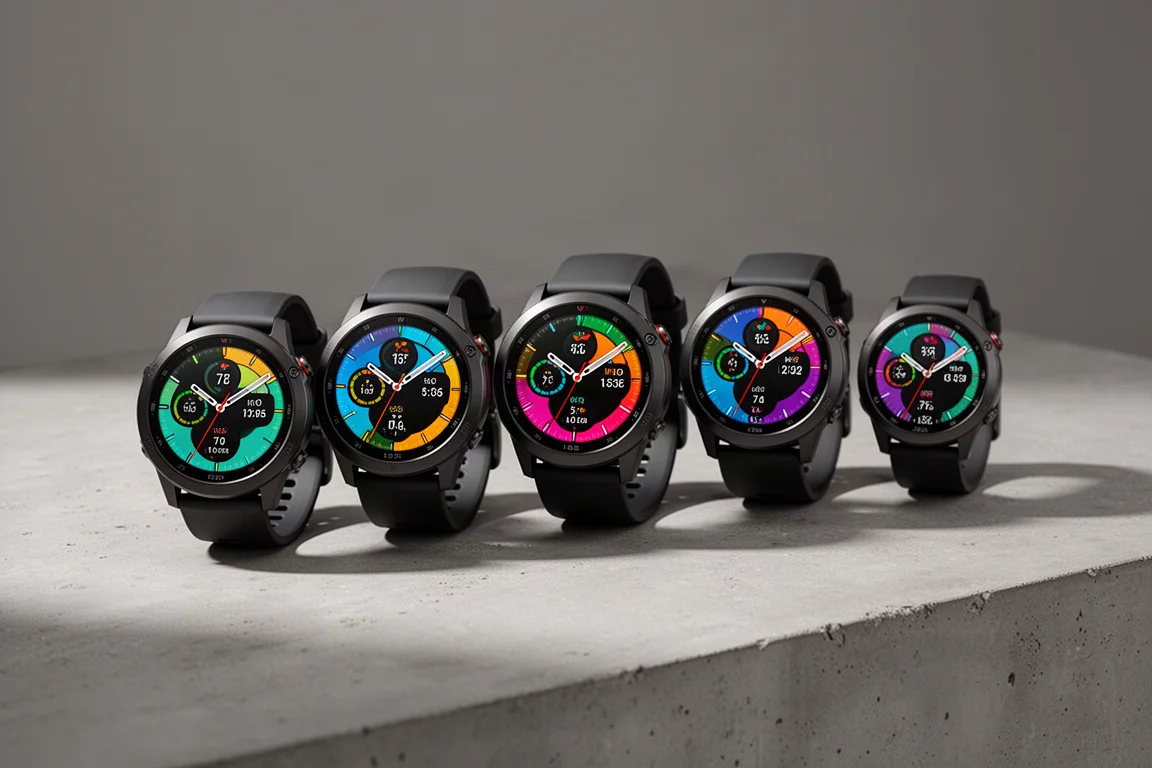
The Garmin Epix and the Fenix 7 series are Garmin’s latest high-end GPS smartwatches, and on paper they share an enormous amount. The cases are essentially identical, both have touch screens, both carry the updated fourth-generation Elevate heart rate sensor, and both offer the same long list of sport profiles, training feedback tools such as real-time stamina and the visual race predictor, plus contactless payments, Wi-Fi, maps, and music.
So why do they carry different names? It almost entirely comes down to the display, and what that choice means for battery life and daily use. This guide walks through the differences across the whole Fenix 7 family, including the 7S and 7X, and also considers what the change means if you are coming from a Fenix 6.
What They Share
Before looking at the differences, it helps to know how much overlap there is. Every watch discussed here offers the same core experience: full maps, music storage, Wi-Fi, contactless payments, extensive training metrics, and the same sensor package. The Epix and Fenix 7 line differ mainly in display technology, size options, materials, storage tiers, and satellite positioning modes.
If those shared features cover everything you need, your decision really comes down to the sections below.
Size and Build Options
The Epix comes in a single 47mm case size, which matches the mid-size Fenix 7. The Fenix 7 line, by contrast, offers three sizes: the 42mm Fenix 7S, the 47mm Fenix 7, and the 51mm Fenix 7X. Note that the 51mm size is only available on the Solar and Sapphire Solar versions of the Fenix 7.
Materials also differ. The Epix comes in two levels: a stainless steel version with a stainless steel bezel and Corning Gorilla Glass DX lens, and a titanium version with a sapphire lens and titanium bezel. The stainless steel models include 16GB of storage, while the sapphire editions double that to 32GB.
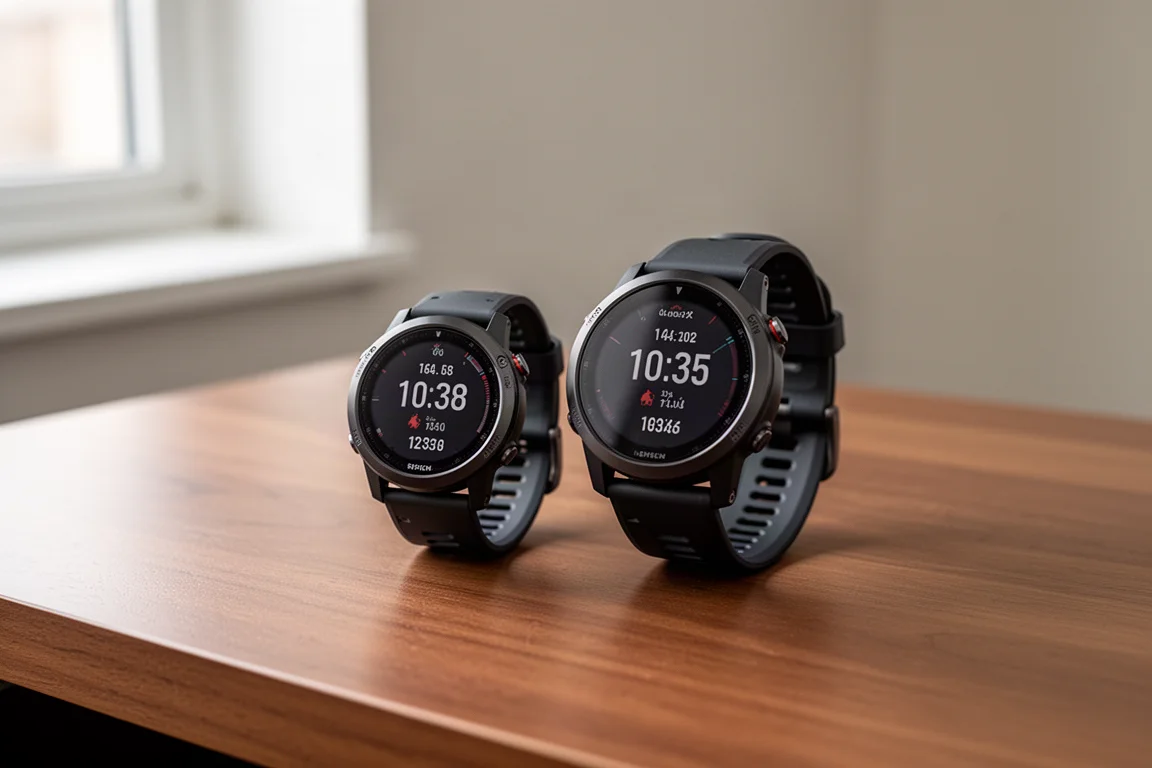
That storage matters because of maps. Sapphire editions come with topo maps preloaded, while 16GB models ask you to choose which regions to download. You can pull maps over Wi-Fi using the onboard map manager, or connect to a computer for faster transfers. No single region exceeds 16GB, but fitting two large regions at once can be tight on the smaller storage tier.
Garmin Epix
Beyond display and materials, the sapphire Epix editions add a multi-band satellite mode that uses two satellite frequencies at the same time for the best possible GPS accuracy in theory. All Epix versions also get an All Satellite Systems mode that leverages five major satellite systems and automatically picks the best signal, plus standard GPS and an UltraTrack mode that reduces sampling to save battery.
In practice, the multi-band mode alone is not a compelling reason to step up to the sapphire edition. The All Satellite Systems mode on every model already does a very good job. If you want the prettiest GPS tracks, multi-band helps, but most riders and runners will not notice the difference day to day.
Display and Everyday Use
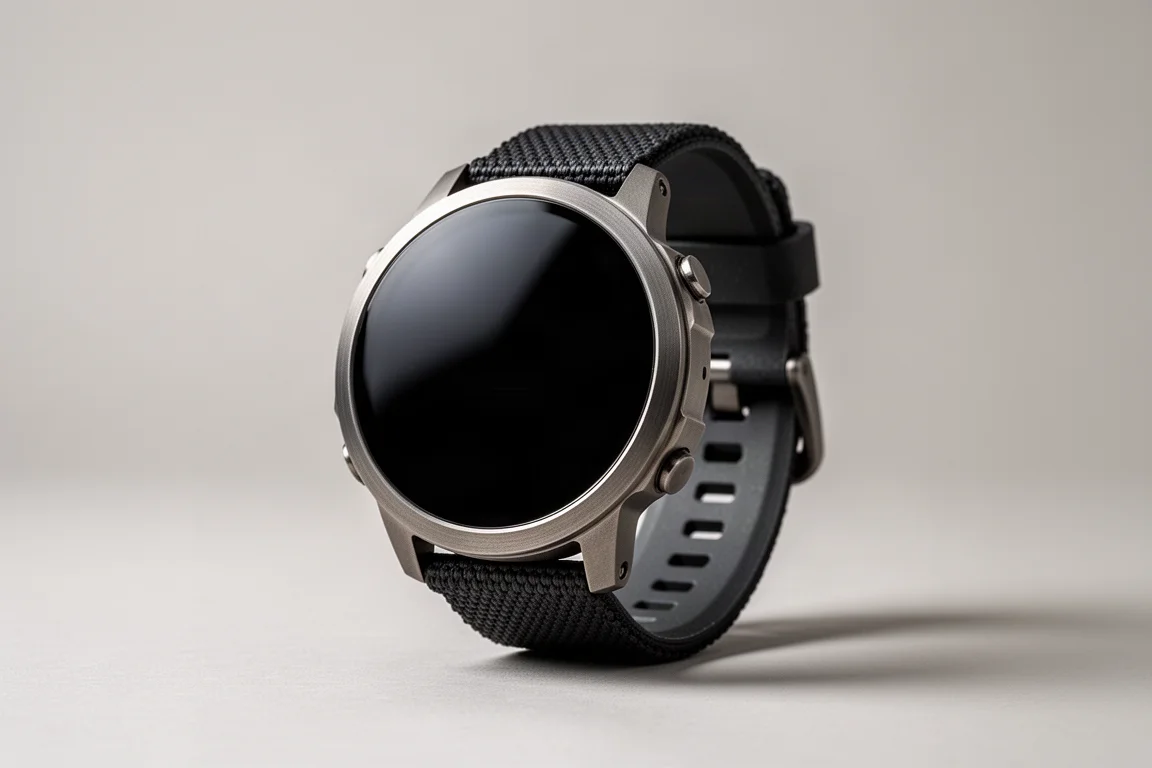
This is the heart of the decision. The Fenix 7 uses a transflective display that Garmin has used for years. It is optimized for excellent readability in direct sunlight and sips power, and it is always on by design. You cannot even disable the always-on behavior, which for many owners is part of the appeal.
The Epix swaps that for an AMOLED panel. Indoors, it is simply prettier. With the always-on display enabled it is easier to see at a glance, reads slightly better at off angles, and when the backlight is on, both watches are easy to see but the Epix looks noticeably richer.
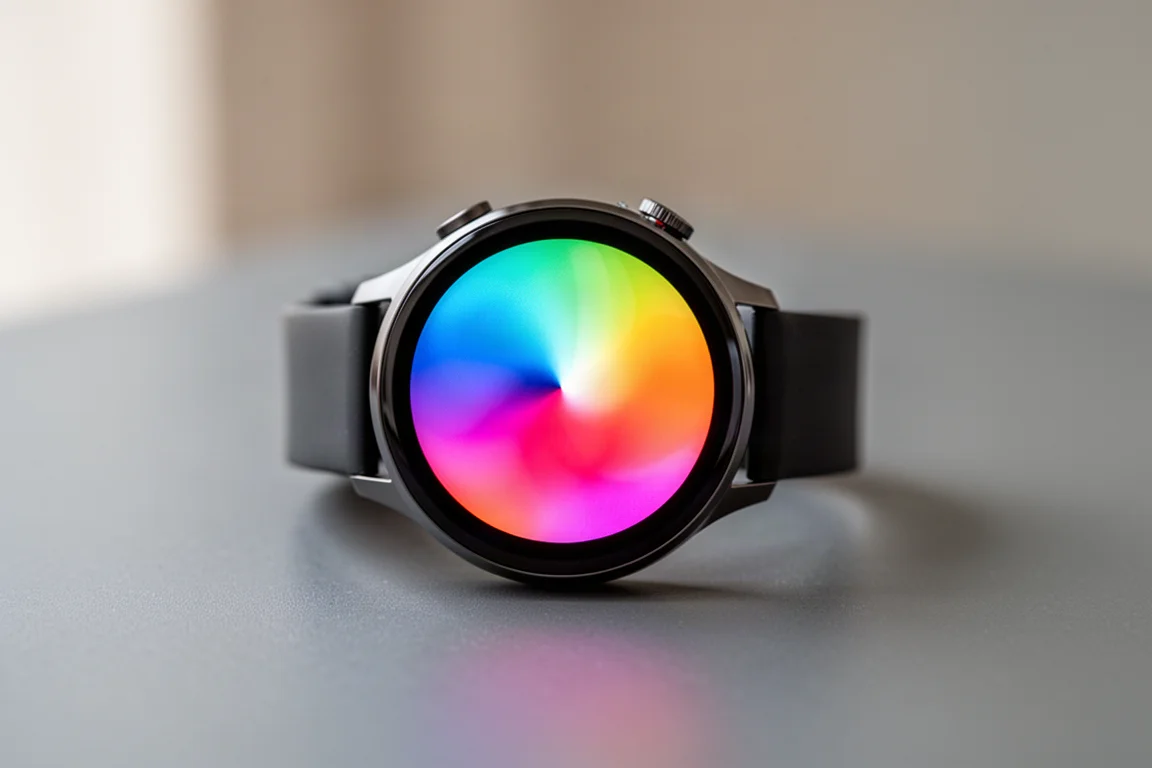
Outdoors in direct sunlight, the transflective display wins. The Epix remains fully readable outside, but the gloss on its glass can reduce readability at certain angles, while direct sunlight actually makes the transflective panel brighter. Touch responsiveness and map redraw speed feel about the same on both, though both slow slightly at broad zoom levels with more map detail to draw.
One genuine Epix advantage is the map experience. With a wider color spectrum and higher resolution, maps look noticeably better. Green reads as true green and blue as true blue. The Fenix 7 maps are still great, but the Epix presentation is more pleasing to the eye.
Battery Life Compared
Display choice translates directly into battery life, and this is where the trade-off becomes concrete. Comparing the 47mm Fenix 7 without solar against the 47mm Epix, smartwatch-only battery is up to 16 days on the Epix without the always-on display, versus 18 days on the Fenix 7. Not far off. Enable the always-on display on the Epix, though, and that drops to about six days, while the Fenix 7’s transflective display is always on for free.
For GPS recording, the Epix manages up to 42 hours without the always-on display, compared to up to 57 hours on the Fenix 7. Real-world use with the always-on display enabled, including outdoor activities and heavy interaction, lands around five to six days on the Epix.
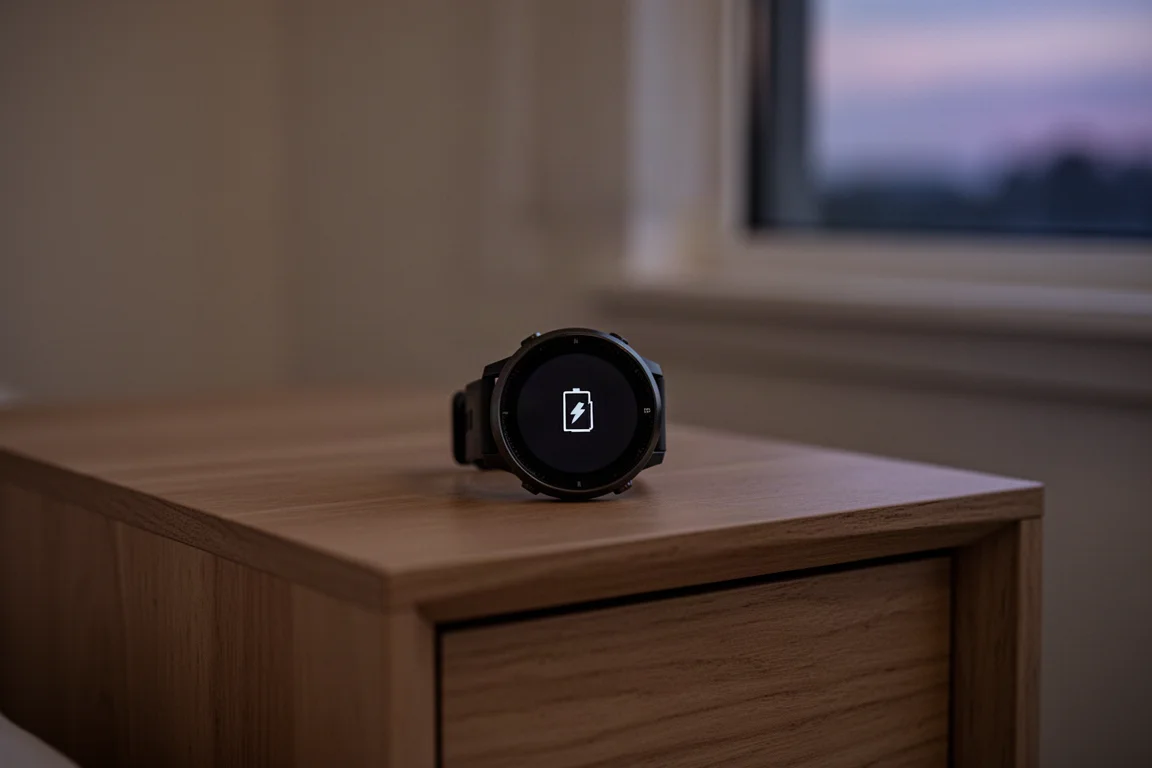
Here is the interesting part: the previous-generation Fenix 6 actually gets less smartwatch battery life than the Epix without always-on, and only 36 hours of GPS versus the Epix’s 42. If you are coming from a Fenix 6, the Epix battery is not a step backward, and in some scenarios it is a step forward.
Solar changes the math for the Fenix 7. With solar charging, smartwatch life extends to 22 days and GPS to 73 hours. Whether that matters depends on how much sun you get where you live and how much time you spend outdoors. Against the smaller Fenix 7S, the Epix battery is similar and sometimes better: 30 hours of GPS with always-on on the Epix versus 37 hours on the non-solar 7S. The 7X, with its larger case and bigger battery, sits in a class of its own and is hard to compare directly.
Garmin Fenix 7 and Fenix 7S
The Fenix 7 lineup comes in three tiers. The top Sapphire Solar gets a sapphire lens plus solar charging. The Solar model adds solar charging with a Power Glass lens, roughly akin to Gorilla Glass. The base Fenix 7 skips solar and uses a Corning Gorilla Glass DX lens. Storage and satellite modes mirror the Epix structure: sapphire editions get 32GB with preloaded topo maps and multi-band positioning, while the base and Solar versions get 16GB and require map downloads.
The mid-size Fenix 7 is the closest analog to the Epix, trading the prettier screen for better battery efficiency and optional solar. If long stretches between charges matter more than display vibrancy, this is your watch.
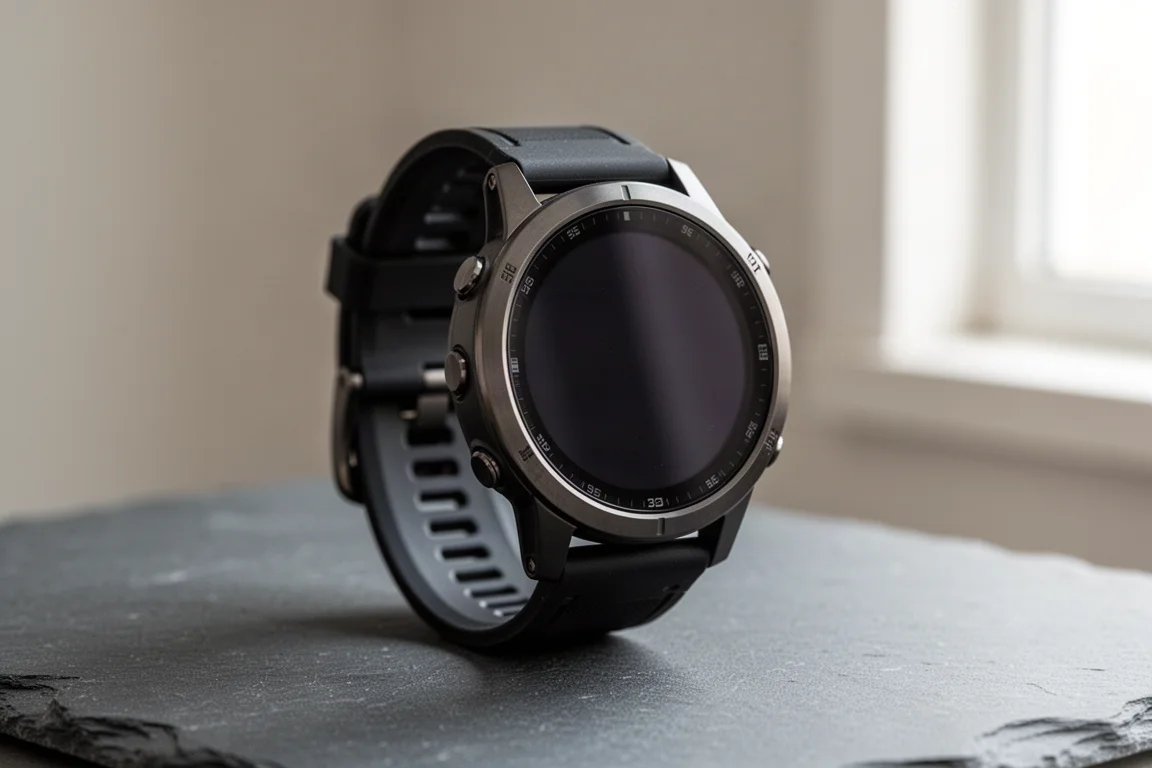
The Fenix 7S is the compact option at 42mm, ideal for smaller wrists. Battery life is lower in absolute terms, and with always-on GPS you get 37 hours versus the Epix’s 30, but in several everyday scenarios the Epix can actually match or beat it. If the 47mm case feels too large on your wrist, the 7S is the natural pick in this generation.
Garmin Fenix 7X
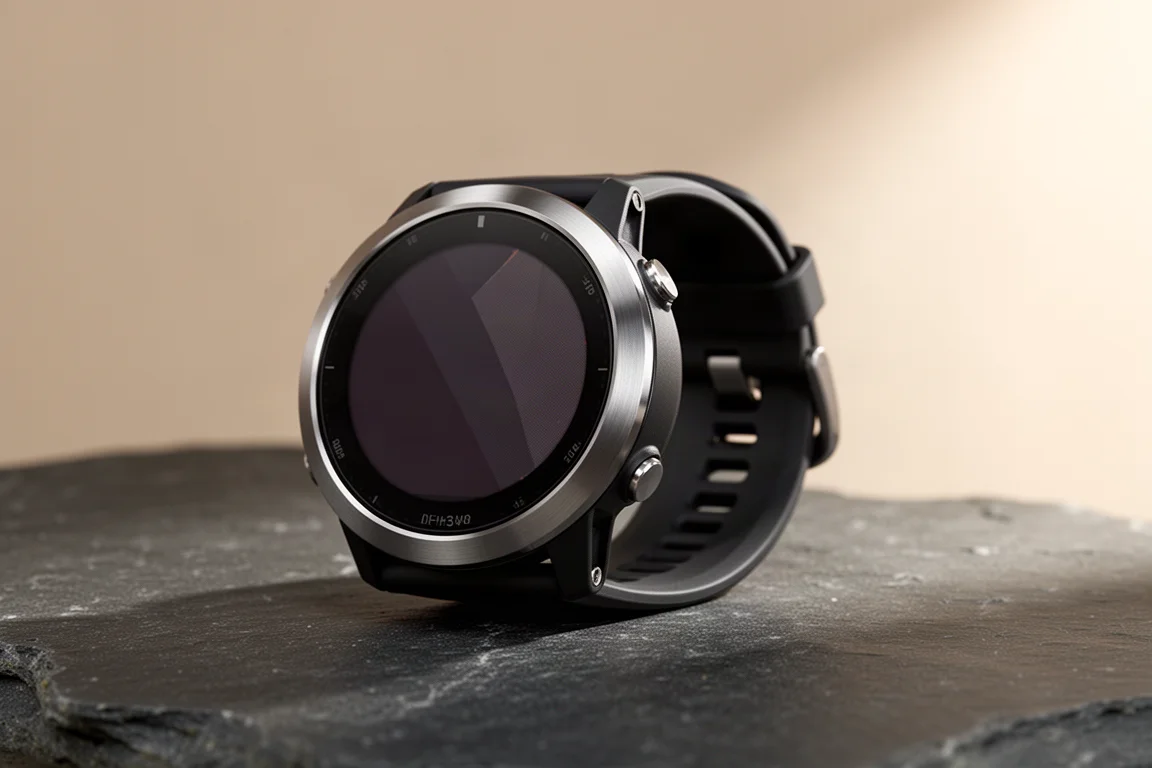
The 51mm Fenix 7X is only available with solar charging and brings a bigger battery that outlasts everything else here in every scenario. It is genuinely hard to compare it directly against the single-size Epix, because the hardware difference is substantial.
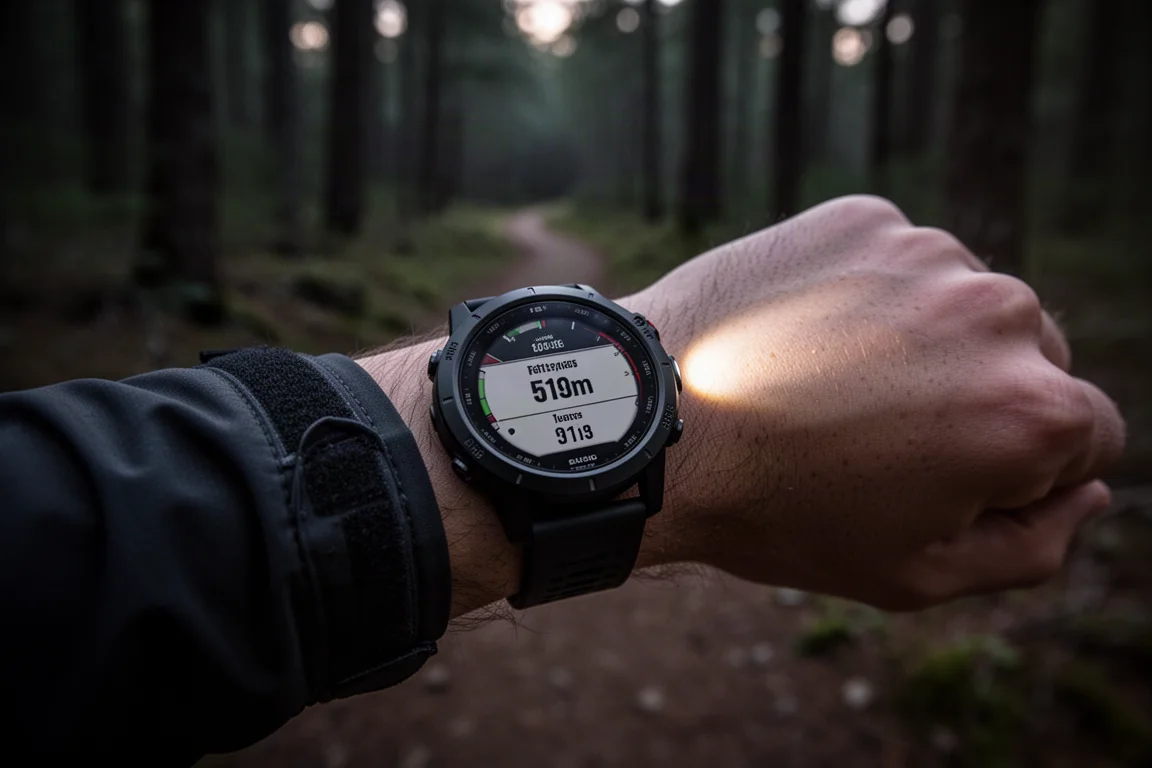
It also carries a unique hardware feature across the whole lineup: a built-in flashlight. It is easy to dismiss on a spec sheet, but it turns out to be one of those features that quietly becomes part of daily life, whether you are navigating a dark trailhead or looking for something in a tent.
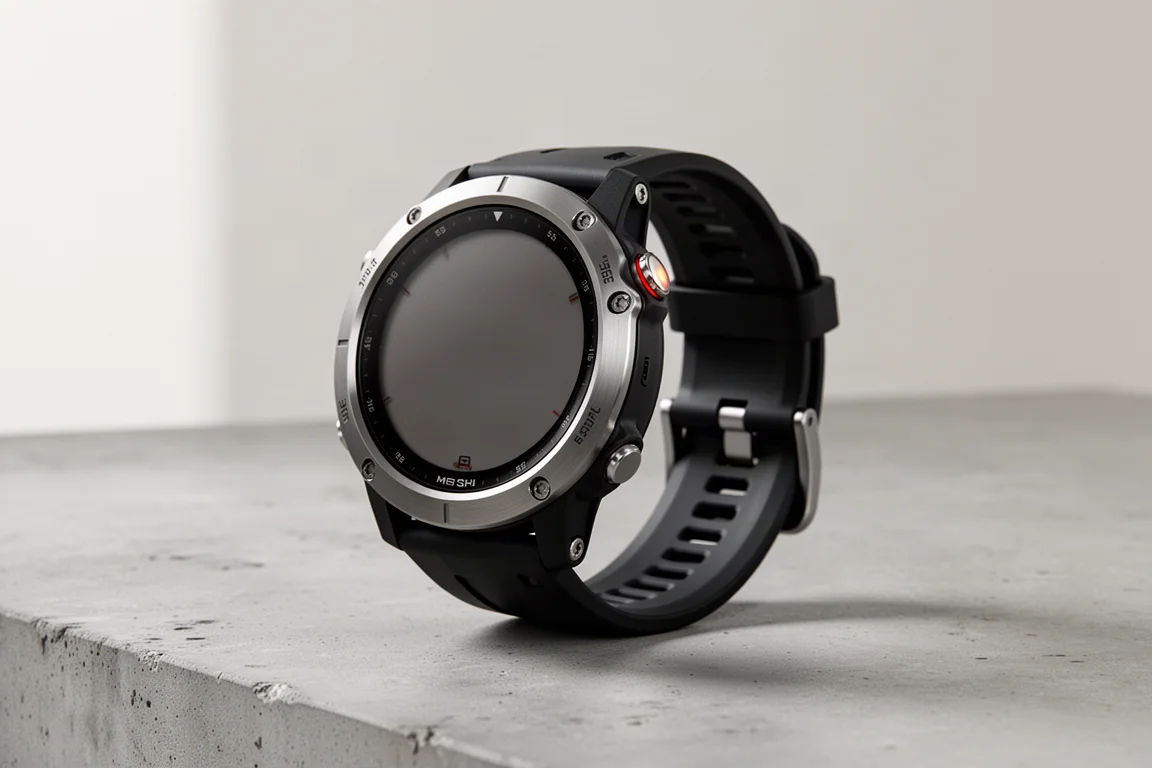
Garmin Fenix 6
The Fenix 6 remains relevant mainly for one reason: the battery comparison. Despite being a generation older, it delivers less smartwatch battery life than the current Epix and only 36 hours of GPS tracking, well behind both the Epix and the Fenix 7.
If you have been wearing a Fenix 6 for a few years and are happy with its transflective display, the practical question is not Epix versus Fenix 7 battery life, because both new watches represent an improvement. The real choice is between a familiar always-on transflective panel and the brighter, more colorful AMOLED experience.
Buying Advice
If you are an ultra endurance athlete, or simply someone who does not want to think about charging often, the Fenix 7 direction makes more sense, especially with solar in a sunny region. The always-on transflective display and solar charging extend battery life in a way the Epix cannot match.
If display quality is what makes you smile every time you glance at your wrist, the Epix is hard to deny. With the same feature set as the Fenix 7 and battery life that is competitive without always-on, and better than a Fenix 6 in some scenarios, it is a legitimate upgrade path for existing Fenix 6 owners who want a richer screen.
On wrist size, the decision is partly made for you. Smaller wrists should look at the Fenix 7S, while anyone who wants maximum battery and the flashlight should consider the 7X. For everyone else, it comes down to whether you would rather look at an AMOLED screen or charge your watch a little less often.
Conclusion
The Garmin Epix and Fenix 7 family share nearly everything, and the naming split exists for one core reason: display technology. The Epix offers the prettier, higher-resolution screen with a battery cost when always-on is enabled, while the Fenix 7, 7S, and 7X deliver the always-on transflective display, solar options, three case sizes, and the 7X’s unique flashlight. Coming from a Fenix 6, either choice is an upgrade; the question is simply whether you value screen vibrancy or untethered battery life more.
Further reading
Related Reviews
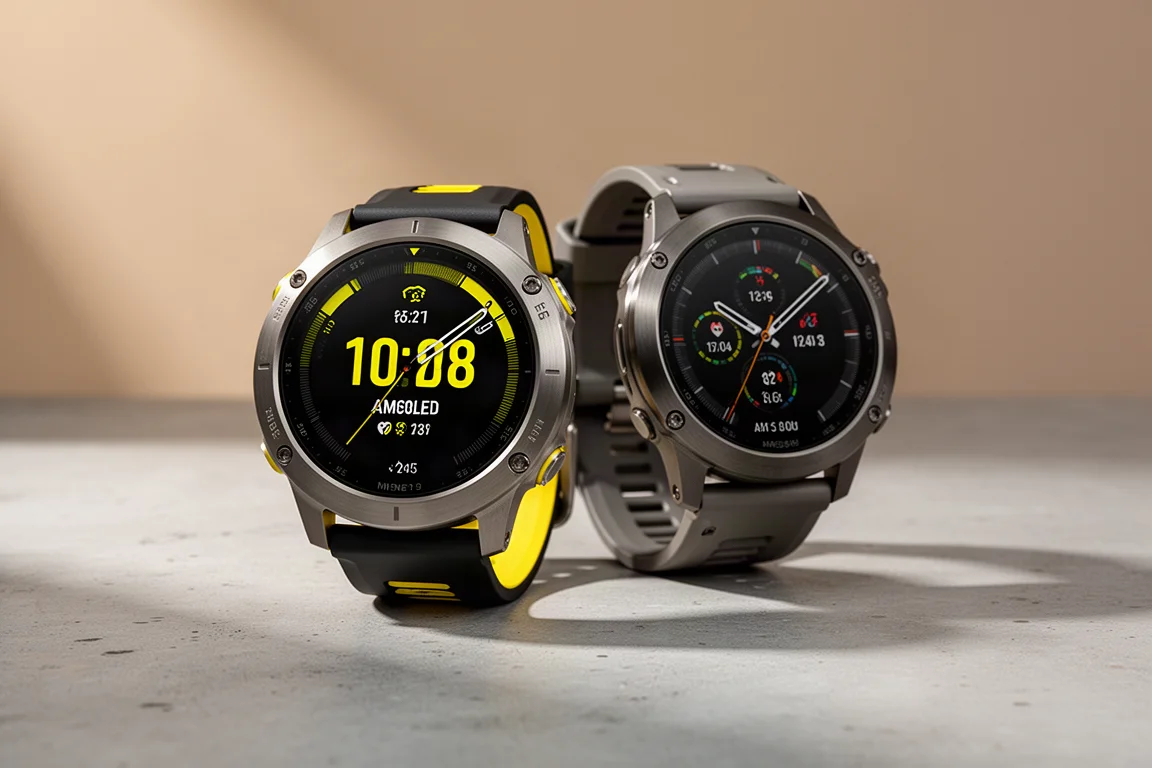
GPS Smartwatches
Garmin MARQ Athlete Gen 2 vs Garmin Epix: What an Extra $1,000 Actually Buys
The MARQ Athlete Gen 2 is essentially a premium-materials Epix with two additions. Here is where the extra money goes and whether it is worth it.
Backpacking Gear
Building a 10 lb Base Weight: An Ultralight Backpacking Gear List
A practical walkthrough of the ultralight pieces behind a 10 lb base weight, from a 765 g pack and a roomy one-person tent to a full camp chair and a dependable water filter.
Road Bikes
10 New Road Bikes Worth Watching: Aero, Titanium, Steel and Endurance Standouts
A practical roundup of 10 new road bikes, from aero flagships chasing single-watt gains to titanium, steel and endurance platforms built for real roads.