Fitness Wearables
Garmin Epix Pro vs Forerunner 965: Which AMOLED Sports Watch Should You Buy?
Garmin's two flagship AMOLED sports watches compared across design, run tracking, heart rate accuracy, and battery life to help you pick the right one.
Introduction
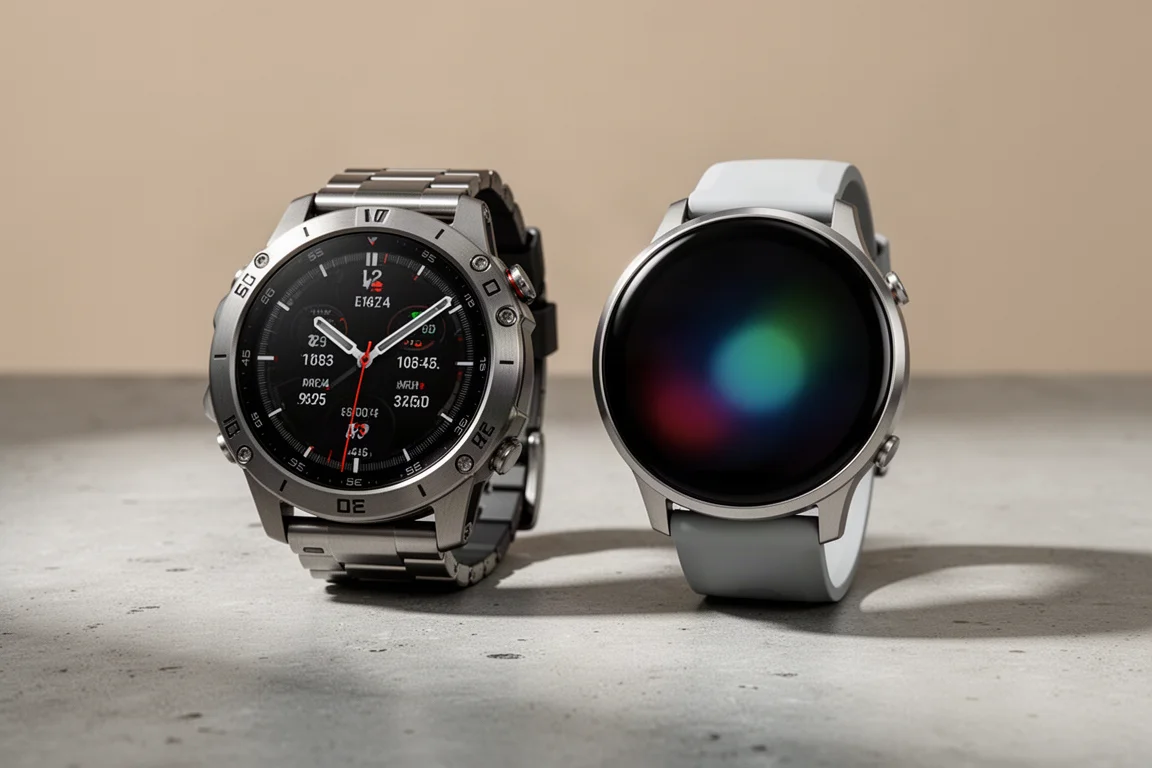
The Epix Pro and the Forerunner 965 are the two top AMOLED watches in Garmin’s range, and choosing between them mostly comes down to price and design. Both offer the same core run tracking experience, multiband GPS, and that bright, vibrant AMOLED display, but they package it very differently.
This comparison walks through where each watch wins, where it loses, and which one makes more sense for your money.
Design and Everyday Comfort
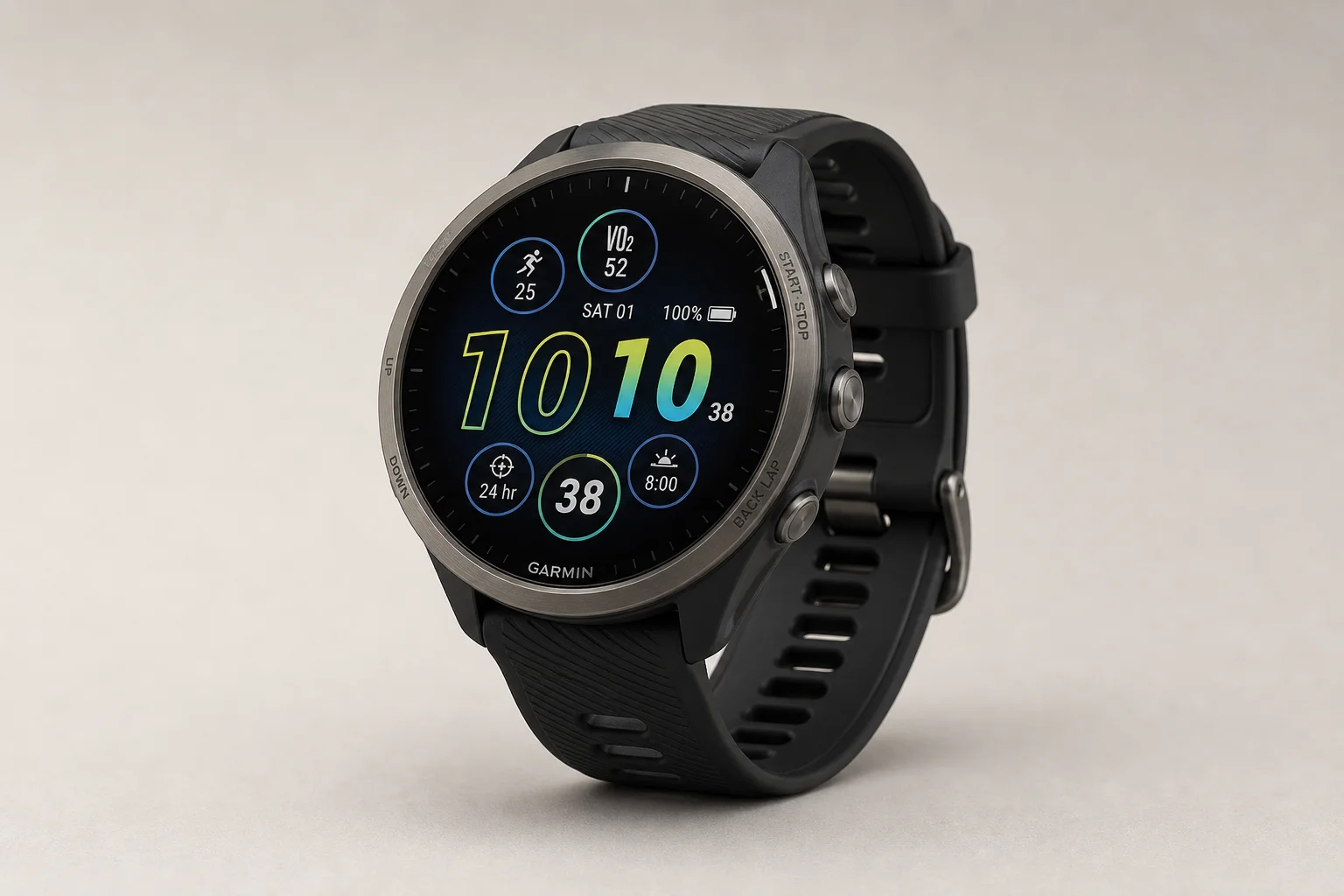
The Epix Pro is the chunkier of the two. It comes in three sizes, 42mm, 47mm, and 51mm, with screens stepping up from 1.2 to 1.3 to 1.4 inches. The metal bezel gives it a premium look and feel, and sapphire models add a sapphire crystal screen with titanium bezel and back case. It also uses a quick-release band, which makes swapping straps far easier than on the Forerunner 965.
The Forerunner 965 is a 47mm watch with a mostly plastic body, but it still fits a 1.4-inch screen, the same size as the 51mm Epix Pro. A thin titanium bezel adds a bit of durability without much weight. At 53g versus the 63g of the 42mm Epix Pro, it is noticeably lighter and slimmer on the wrist, which makes it easier to live with during runs, sleep tracking, and hot-weather wear.
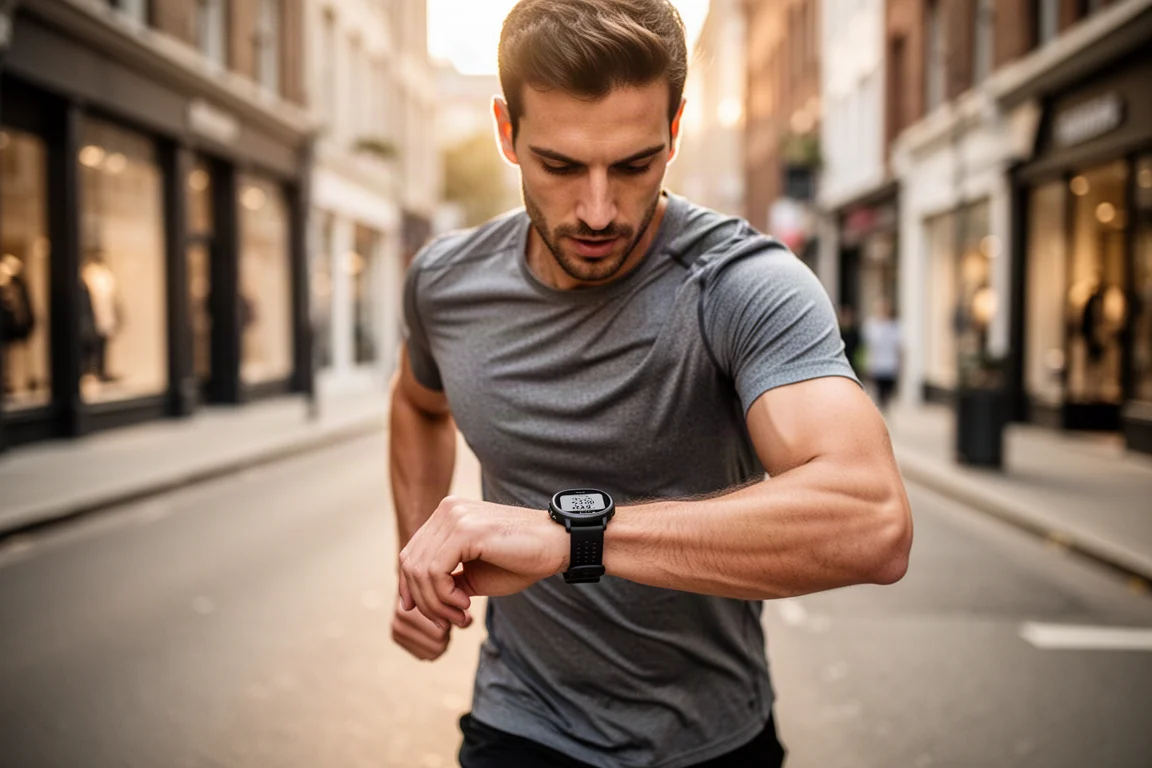
Both look genuinely good, just in different ways. The Epix Pro has that bolder, premium heft, while the 965 is sleek and unobtrusive, with a sportier UI that feels modern and colorful.
Where the Epix Pro Pulls Ahead
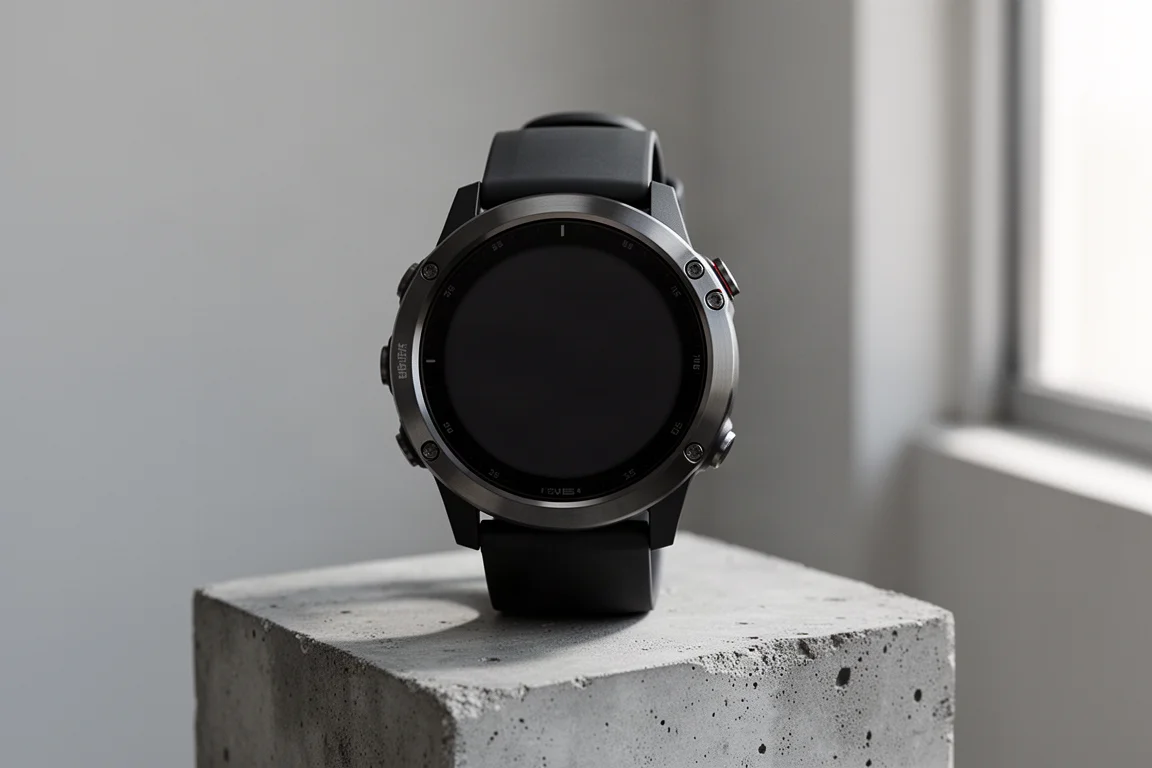
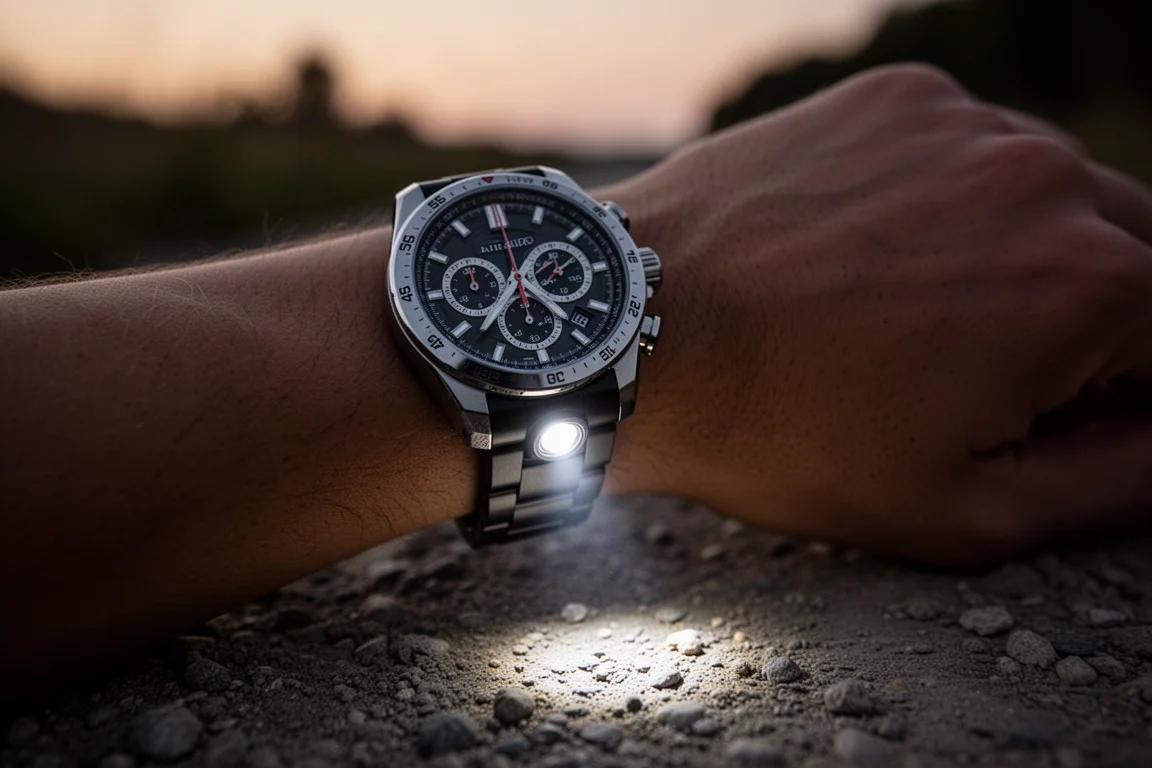
The Epix Pro has a few extras you will not find on the 965. Every model includes a built-in flashlight, handy for night runs and getting around in the dark, with modes that flash as your wrist moves.
It also uses Garmin’s newer heart rate sensor with double the LEDs, which Garmin says delivers greater accuracy. In testing, the optical sensor tracked close to a chest strap, with only slight lag during hard surges at the start of a race and very few missed intervals. The 965’s Elevate V4 sensor is still good, but it made more mistakes and occasionally read high enough to reclassify a run in training analysis.
The Epix Pro is also rated to 10ATM water resistance versus 5ATM on the 965, and it adds extra sport profiles, particularly water sports and golf. Features like Hill Score, Endurance Score, and enhanced mapping elements debuted here too, and most are expected to roll out to the 965 over time.
What the Forerunner 965 Does Better
The 965’s screen is a highlight: a 1.4-inch panel with higher resolution, vibrancy, and brightness than the same-size Epix Pro models, packed into a thinner, lighter body. That combination is genuinely impressive for an AMOLED sports watch at this level.
Multiband GPS performance is excellent, with Garmin’s multiband mode arguably the best of any brand, and Auto Select mode saving battery while staying accurate. This was the watch trusted for a full London Marathon, holding a clean track through 25 of 26.2 miles even in dense crowds and around tall buildings.

GPS and Heart Rate Accuracy
GPS is effectively a wash between these two. Both offer multiband positioning with Auto Select, and both deliver top-tier tracking in real-world runs, including urban environments where signals typically drop out.
On heart rate, the Epix Pro has the clear edge if you rely purely on the optical sensor. But the practical advice is the same either way: pair a chest strap for high-intensity sessions, because neither optical sensor is fully dependable for every type of run.
Battery Life Compared
Battery depends heavily on how you use the always-on display. With raise-to-wake, both watches comfortably stretch out: the 965 can last around a couple of weeks, while the 51mm Epix Pro gets close to three weeks.
With the always-on screen enabled, the numbers look like this: the 965 lasts around six to seven days, the 47mm Epix Pro around five to six days, and the 51mm Epix Pro is the standout at roughly ten to eleven days, the best battery life seen in an AMOLED sports watch of this standard. The 965 beating the same-size Epix Pro despite its bigger screen and lighter body is genuinely notable.
Which One Should You Buy?
For pure running, the Forerunner 965 is the stronger pick. It costs around £400/$400 less, delivers the same core tracking experience, a bigger and brighter screen than same-size Epix Pro models, better battery life than the 47mm model, and a lighter, more comfortable design.
The Epix Pro makes sense if the flashlight, extra water and sport profiles, newer heart rate sensor, and premium materials genuinely matter to you, or if you specifically want the 51mm model for its exceptional battery life. Otherwise, the 965 packs in so much for the money that it is hard to justify the premium.
Conclusion
Both are excellent AMOLED sports watches, and neither is a bad choice. The Epix Pro wins on materials, extras, and maximum battery life; the Forerunner 965 wins on value, comfort, and screen quality. For most runners, the 965 is the clear pick. For outdoor-centric users who want the flashlight and hardier build, the Epix Pro earns its premium.
Further reading
Related Reviews
Fitness Wearables
COROS EvoLab VO2 Max Review: How Close Is the Estimate to a Lab Test?
COROS EvoLab estimated a VO2 Max of 61 against a lab result of 63.5. Here is what the estimate gets right, where its limits sit, and who should trust it.
Fitness Wearables
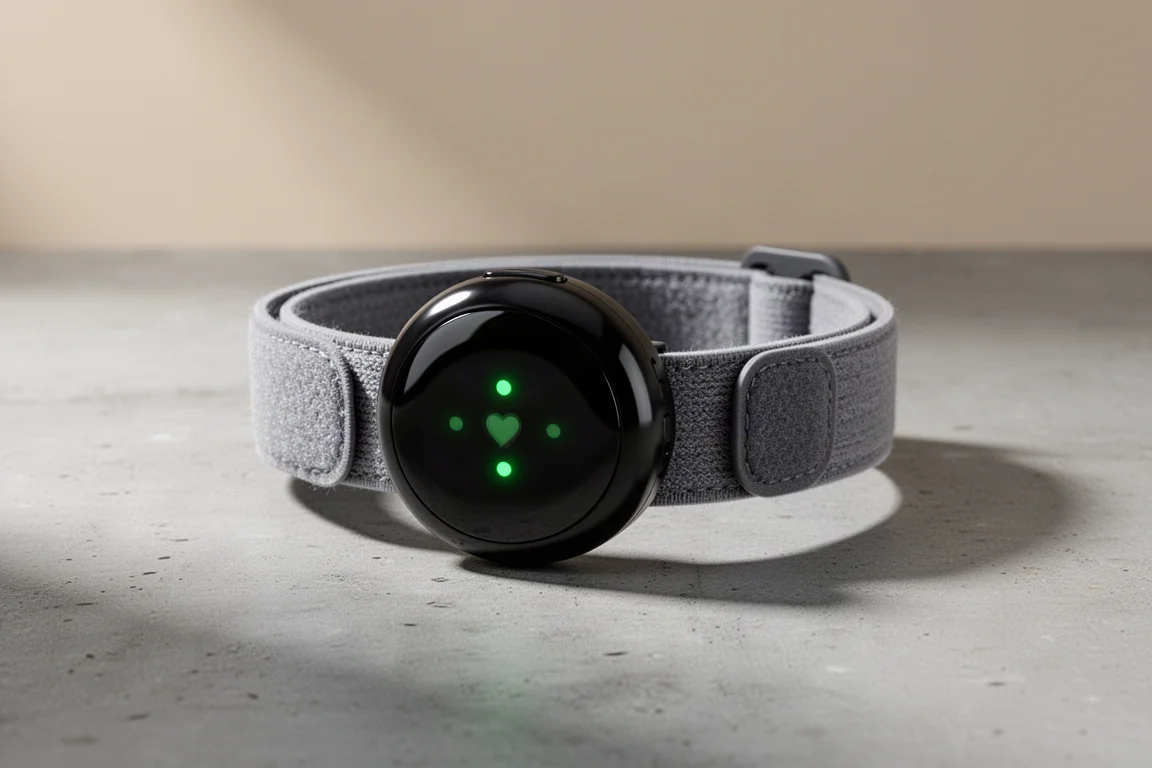
Coros HR Monitor Review: A Simple Optical Armband That Mostly Delivers
The Coros Heart Rate Monitor broadcasts accurate heart rate over Bluetooth with a comfortable strap and solid battery life, but a few steady-state wobbles and missing features give some pause.
Fitness Wearables
Garmin Circa vs Whoop, Fitbit, Amazfit and Polar: Which Wearable Gets the Data Right?
We compare eight wearables across workout heart rate, automatic activity detection, sleep, steps and calories to see where each one earns its place on your wrist or bicep.