Outdoor GPS Watches
Garmin Epix Gen 2 Sapphire vs Fenix 7X Sapphire Solar: Which Adventure Watch Fits You?
Two Garmin adventure watches built on the same platform, separated by display technology and battery endurance. Here is how to pick between them.
Introduction
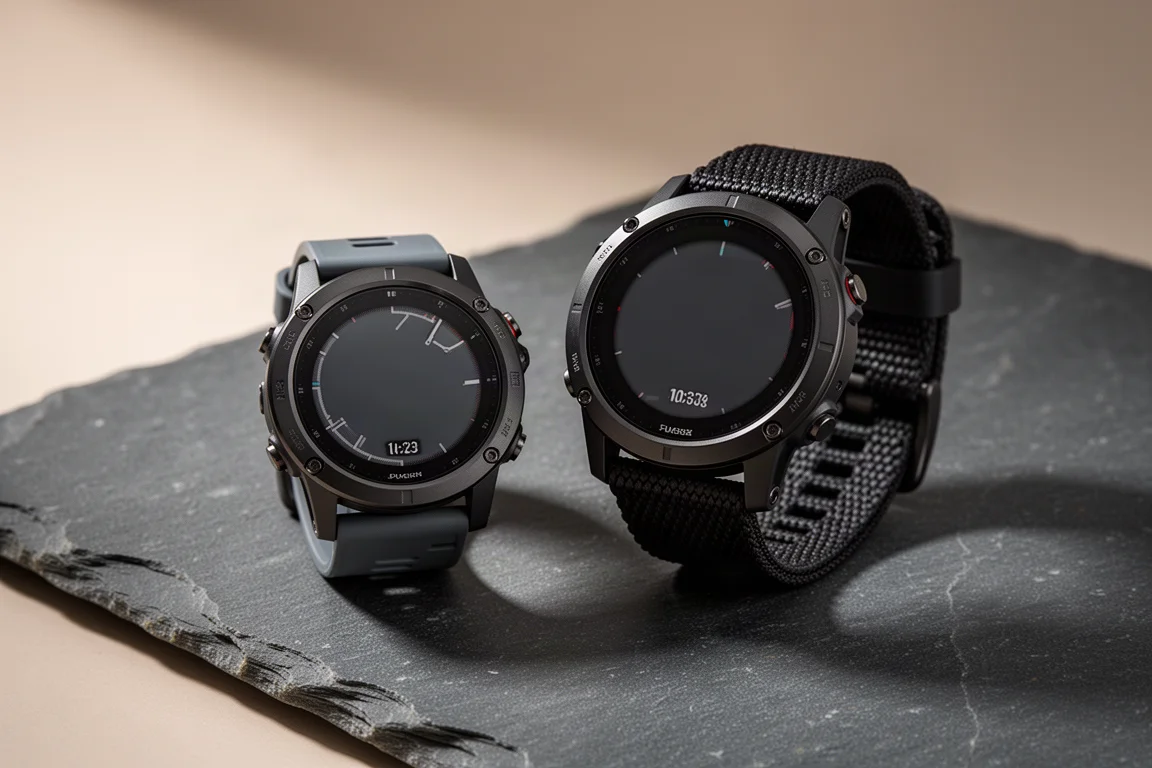
The Garmin Epix Gen 2 Sapphire and the Garmin Fenix 7X Sapphire Solar are, underneath the case, the same watch. They run the same operating system, share the same sensors and navigation logic, and follow the same training and health features. The Fenix 7X is the large model in the Fenix line, while the Epix Gen 2 matches a medium Fenix in size and shape.
What actually separates them comes down to two decisions: the display and the battery. Everything else is mostly a question of which version you buy, and the Sapphire editions are the ones worth understanding before committing.
This guide covers what each watch does well, where each one asks for a compromise, and which kind of buyer tends to end up happier with which model.
What Both Watches Share
Both watches are built for outdoor navigation and health tracking, and the overlap is substantial. Each includes a touchscreen that can be switched off while full button control remains available, so you can lock the display during water sports or heavy rain and still run everything from the side buttons. Touchscreen behaviour in the rain is notably good here, which is not a given on rugged outdoor devices.
Multi-band GNSS is the headline capability on the Sapphire versions. There are three positioning settings: GPS only, multi-GNSS, which draws on GPS, Galileo, GLONASS, BeiDou and QZSS for well over a hundred satellites, and multi-GNSS with multi-band. Multi-band adds newer, better encoded signals from the same satellites, and it improves both accuracy and reliability in difficult terrain such as slot canyons, deep gullies and cliff walls. Satellite lock takes roughly ten to fifteen seconds with multi-band enabled, against up to a minute or two on older Fenix generations. In ordinary environments, multi-GNSS alone produces almost identical tracks, so it is a reasonable way to save battery when you know the terrain will be forgiving. GPS-only tracking was noticeably off the line.

GPS elevation is available whenever four or more satellites are in view, and measured accuracy landed routinely within about five to ten feet, which is close enough to confirm your position against a route description and judge how much climbing remains. The barometric altimeter and compass behave much like earlier Fenix generations: dependable, with no dramatic change in behaviour.
Garmin Epix Gen 2 Sapphire: The Bright Screen Option
The Epix Gen 2 Sapphire carries an AMOLED display, the same bright, full-colour panel type used on mainstream smartwatches. It is always on, it renders 65,000 colours per pixel, and it holds close to double the pixel count of the Fenix display. That extra pixel density matters more than it first appears: at the same map zoom level, the Epix reveals trail names and detail that the Fenix does not show without zooming further in.
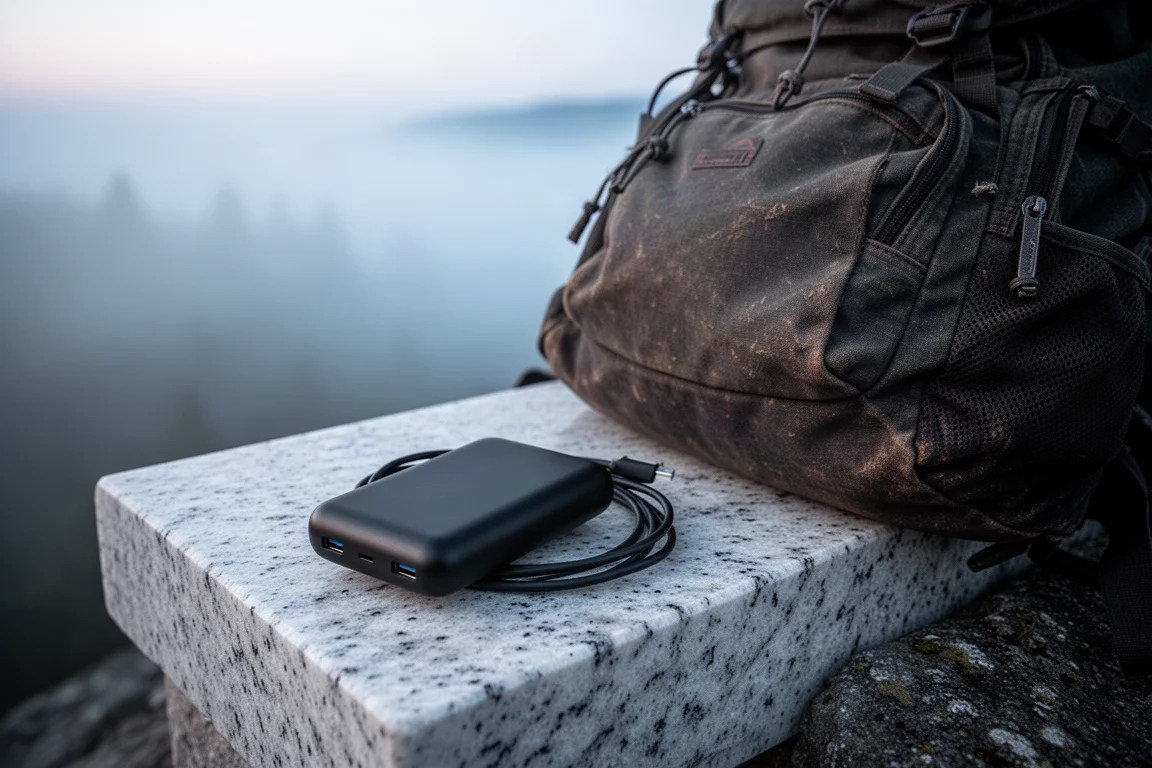
In daily use the screen changes how often you reach for the watch. There is no need to tilt your wrist into the light or shuffle your arm to catch a reflection, so checking the map at a junction becomes a quick glance rather than a small chore. Activity tracking runs for roughly 20 to 33 hours, enough for a 24-hour event, and everyday use with sleep, heart rate and regular exercise worked out to about a week between charges. A USB battery pack can top it up overnight on a camping trip, so carrying one extra cable is a practical answer to the shorter runtime.
The trade-offs are real but manageable. The bright panel drains more power, and gesture mode, which brightens the display when you raise your wrist, introduces roughly a second of delay before the screen comes on. Switching gesture mode off saves battery at the cost of a dimmed or blank display when your arm is down. The Epix also lacks the external LED flashlight found on the 7X, though it offers a screen-based flashlight that lights the whole display white.
Garmin Fenix 7X Sapphire Solar: The Long Battery Option
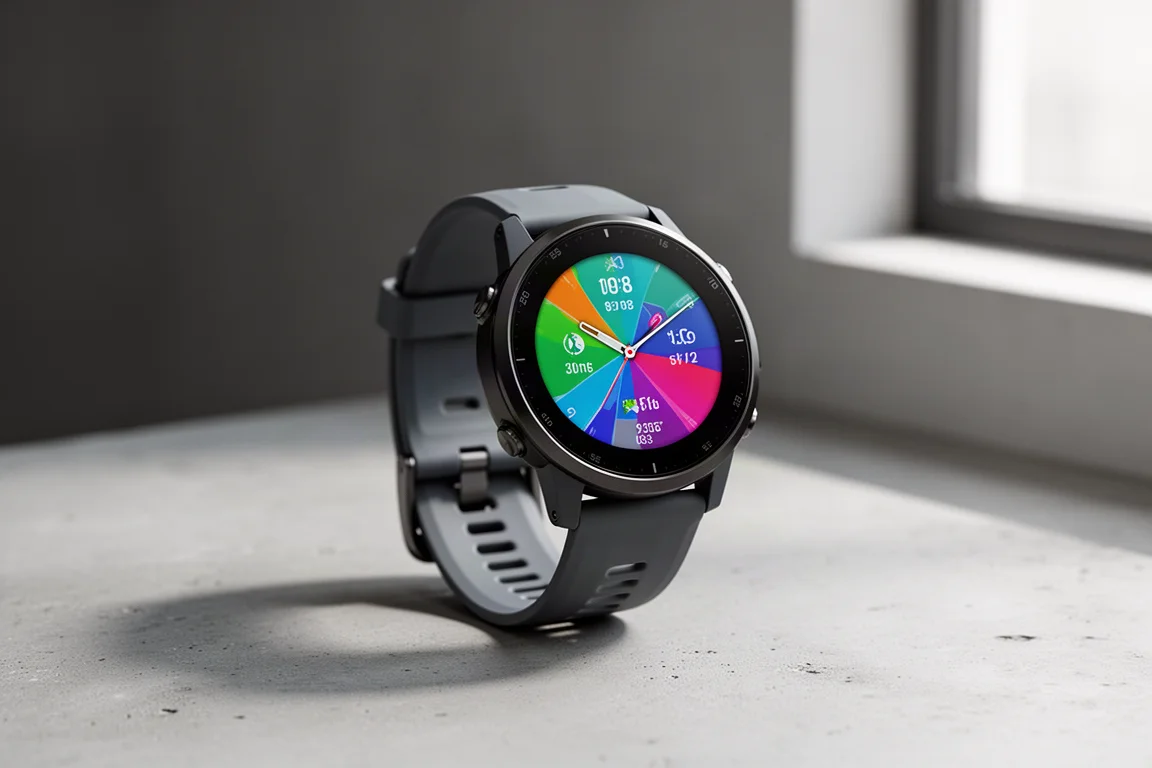
The Fenix 7X Sapphire Solar uses a transflective display, which relies on external light and renders 64 colours per pixel. It is the same approach used on the Fenix 5 and Fenix 6, and the payoff is endurance. Activity tracking with GPS ran from roughly 65 to 100 hours with solar charging in mixed conditions, and everyday use stretched to about three weeks between recharges.
That kind of runtime suits long races, multi-day trips and thru-hikes where charging is an inconvenience rather than part of the routine. The 7X also includes an external LED flashlight on the top crown, with adjustable brightness levels, a red light and a strobe. As a primary light it is no match for a headlamp, but the red light is genuinely useful for moving around camp at night and the strobe has obvious value in an emergency. The flashlight is exclusive to the 7X model.
The compromise is the screen. Colours are limited, detail is lower, and reading the display often requires adjusting your wrist angle until light falls on it correctly. That small adjustment is the main drawback of the transflective panel, and it is the reason the Epix display tends to be preferred once both watches have been worn together.

Both watches support power profiles and sleep mode, and you can disable Wi-Fi during an activity to stretch runtime further. Turning off the pulse oximeter is another sensible default, since wrist-based readings consistently came in two or three percent below a professional-grade device and require a still, horizontal wrist to be meaningful.
Navigation, Maps, and Courses
Sapphire editions ship with the maps for your region preloaded, and further regional maps can be downloaded directly on the watch through the map manager app. The download requires the watch to be plugged in and takes time, with large regional sets around 11 GB and three to four hours to transfer, but the result is a fully offline map library for travel.
The TopoActive maps have improved considerably. Trail coverage from national down to local level is strong enough that loading third-party maps is no longer necessary for many users. Maps are routable, so you can build courses, drop waypoints, adjust the map theme and change the level of detail. Panning with the touchscreen is smooth and redraws are quick at hiking zoom levels, though performance drops noticeably when you zoom far out.
Courses work as a line to follow, with on-course and off-course alerts plus turn alerts that many people will want to disable on switchback-heavy routes. The Up Ahead feature is the more useful addition: you can add points along a course for water sources, junctions, checkpoints or supply caches, and a data screen shows the distance to the next one. These points are created in the Garmin Connect app, and importing a GPX track will not carry its waypoints across, so they need to be set manually. ClimbPro also returns, listing the climbs on a course and tracking progress up each one.
Note that waypoints saved on the watch sync with Garmin Explore rather than Garmin Connect, while recorded activities sync with either system.
Battery Life in Real Use
Battery is where these two watches diverge most, and it is worth framing around what you actually do. With 30 to 60 minutes of daily exercise plus a longer weekend hike of six to ten hours, the Epix covers about a week with sleep and heart rate tracking running the entire time. The Fenix 7X covers roughly three weeks under the same routine.
During activity, the Epix manages about 20 to 33 hours of GPS tracking, which is enough for a 24-hour event. The Fenix 7X reaches 65 to 100 hours with solar assistance, which covers long races without a second thought. Multi-band positioning costs additional battery on both watches, and the map screen is the single largest drain, so it pays to return to a data screen instead of leaving the map displayed while you move.
Should You Choose a Sapphire Model?
Across the Fenix and Epix families there are dozens of variants, and the Sapphire versions carry three differences that matter outdoors. First, sapphire glass is more scratch resistant, which is worth having on a watch that gets knocked against rock. Second, internal storage rises to 32 GB instead of 16 GB, allowing more maps, more recorded activities, a larger music library and full GPX tracks such as an entire long-distance trail. Third, and most importantly, Sapphire models include multi-band GPS, the most capable consumer positioning currently available on a wrist.
Given that these watches are already a significant purchase, the incremental cost of the Sapphire version is the easier part of the decision to justify, and it tends to support resale value as well.
Which Watch Fits Your Trips?
If you want the display you will actually enjoy looking at, choose the Epix Gen 2 Sapphire. It is the smaller of the two, lighter on the wrist, and the screen is bright enough that map detail is readable at a glance. Anyone frustrated by daily charging and limited activity tracking on a mainstream smartwatch will find it a natural step up, and roughly a week of battery life is a fair trade for the panel.

If battery life is the constraint that shapes your trips, choose the Fenix 7X Sapphire Solar. Thru-hikers, ultra runners and anyone planning multi-day outings away from reliable charging will get more from three weeks of everyday runtime and 65 to 100 hours of GPS tracking than from a brighter screen.
There are cheaper paths if you do not need this level of capability. A phone with offline maps and a navigation app handles straightforward hiking, a basic handheld GPS covers wet and rugged conditions, and a Garmin Instinct or Instinct 2 offers much of the health and training feature set along with simple course following, just without on-watch maps. If you already own a Fenix 5 or Fenix 6 and are happy with it, the newer tracking accuracy and the touchscreen are pleasant additions rather than essential ones.
Conclusion
These two watches share a platform, so the decision is narrower than the model list suggests. Pick the Epix Gen 2 Sapphire for the screen, the lighter case and about a week of battery. Pick the Fenix 7X Sapphire Solar for maximum runtime and the built-in flashlight. Whichever you choose, the Sapphire edition is the version worth buying.
Further reading
Related Reviews

Backpacking Gear
Building a 10 lb Base Weight: An Ultralight Backpacking Gear List
A practical walkthrough of the ultralight pieces behind a 10 lb base weight, from a 765 g pack and a roomy one-person tent to a full camp chair and a dependable water filter.

Road Bikes
10 New Road Bikes Worth Watching: Aero, Titanium, Steel and Endurance Standouts
A practical roundup of 10 new road bikes, from aero flagships chasing single-watt gains to titanium, steel and endurance platforms built for real roads.
Bikepacking Gear
11 Bikepacking Essentials for Long-Distance Cycling
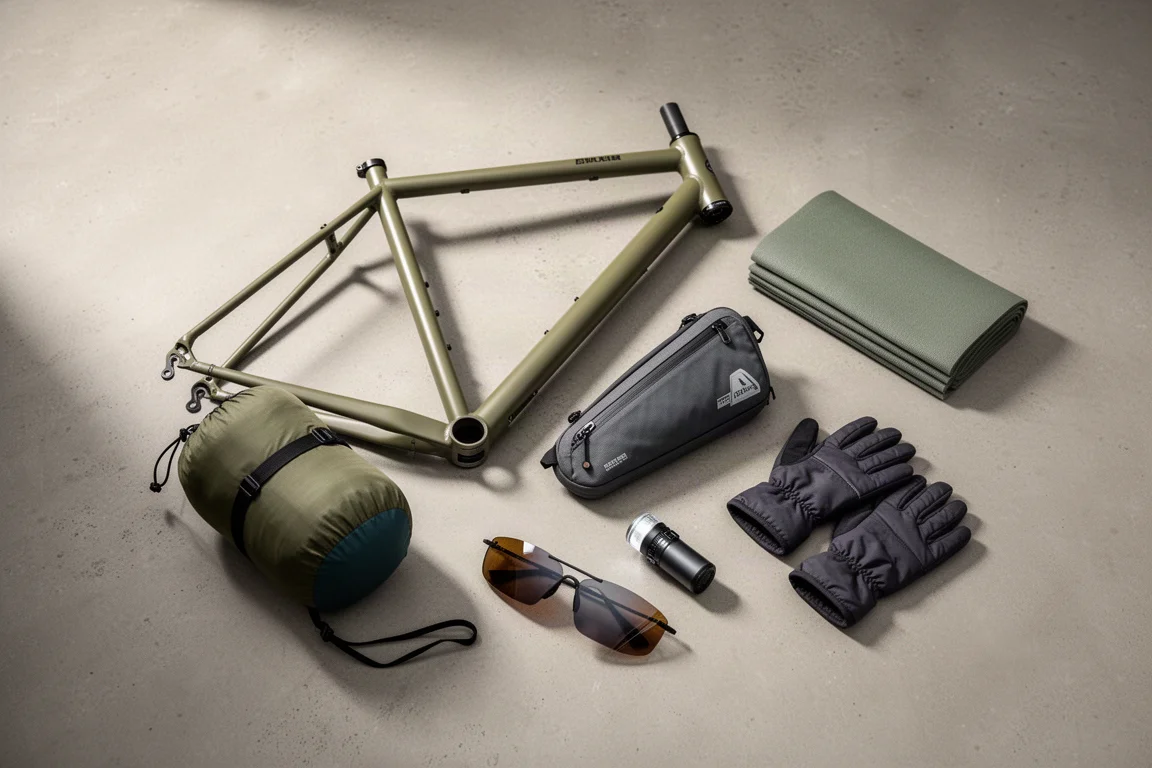
Eleven bikepacking essentials for long-distance cycling, from a steel gravel frame and a two-person tent to helmet lights, packable gloves, and a frame bag that puts weight in the right place.