Outdoor Watches
Garmin Enduro 3 vs Fenix 8 51mm AMOLED: Battery, Screen, and Comfort Compared
A practical comparison of the Garmin Enduro 3 and Fenix 8 51mm AMOLED, plus the UltraFit Nylon Band that improves comfort on both watches.
Introduction
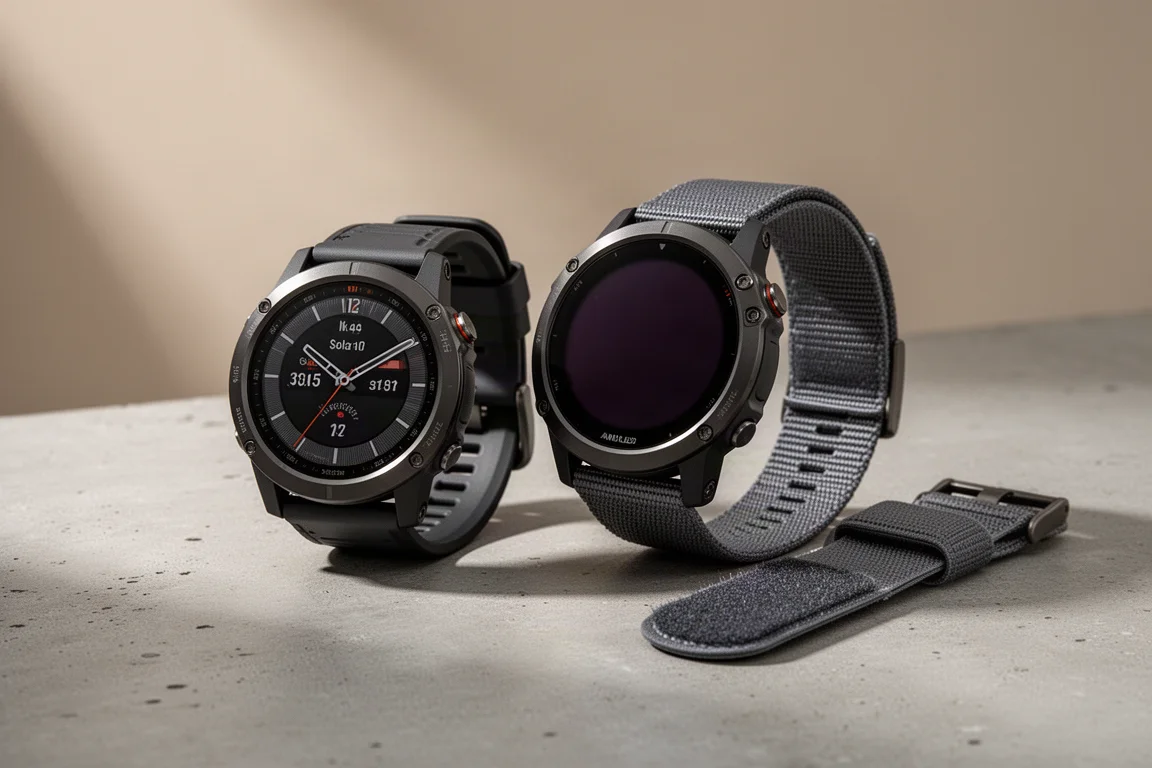
The Garmin Enduro 3 and Garmin Fenix 8 51mm AMOLED sit at the top of Garmin’s outdoor watch lineup, but they are built for slightly different priorities. The Enduro 3 leans into battery life, a lighter feel, and core outdoor tools. The Fenix 8 51mm AMOLED adds a brighter AMOLED display, connected smartwatch features, and a larger, more feature-rich build. The Garmin UltraFit Nylon Band is a small accessory that makes a meaningful difference to comfort on either watch.

For hikers, runners, and outdoor athletes, the choice usually comes down to how much screen quality and smart connectivity you want versus how long you want to go between charges.
How These Garmin Watches Compare
This comparison focuses on the practical differences that show up during real outdoor use: battery life, display visibility, comfort on the wrist, navigation, connected features, and software stability. Both watches share Garmin’s core activity tracking, health monitoring, maps, and navigation. The Enduro 3 keeps the feature set focused, while the Fenix 8 51mm AMOLED expands into smartwatch territory. The UltraFit Nylon Band is included here because it changes how the watches feel during long days outside.
Garmin Enduro 3: Battery Life and Outdoor Focus
The Enduro 3 is the clear choice for battery life. A typical recharge cycle is about every three to four weeks, even with activity tracking and long hikes. The Fenix 8 51mm AMOLED needs a recharge about once a week under similar use. That gap comes from two things: the Enduro 3 uses a MIP display and includes a solar panel.
The solar panel is best understood as a way to offset battery use rather than fully top up the battery. Leaving the watch in direct sun in smartwatch mode can produce a positive charge, but everyday wear involves changing light conditions. On bright, exposed trails above the tree line, solar gain can be useful. In tree cover or under cloudy skies, the effect is negligible. Even so, the Enduro 3 is efficient enough that battery drain stays low in mixed conditions.
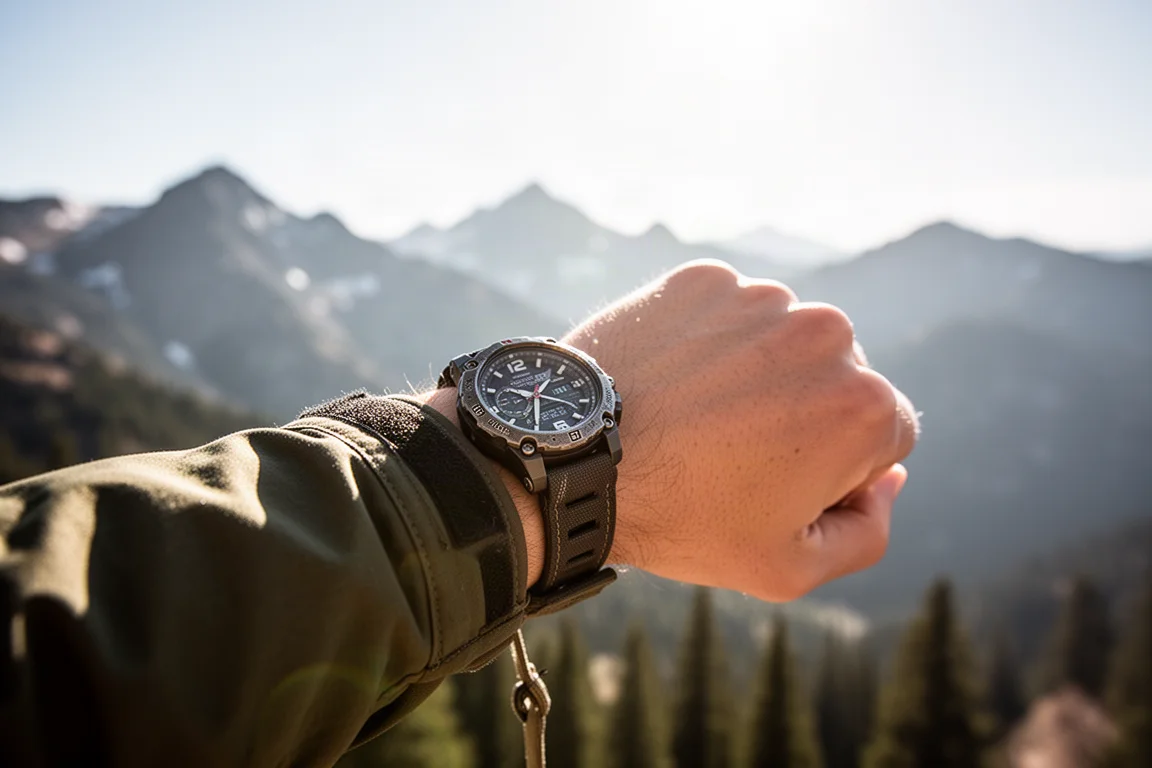
The MIP display is sharp and crisp, especially compared with earlier MIP screens. In direct sunlight, it reflects light back to the eye, which can require small wrist adjustments to get the best angle. In lower light, a backlight can activate with a gesture, a button press, or after sunset. Riders and hikers who already use MIP will likely see the Enduro 3 as an upgrade. Those coming from an AMOLED watch may need a few days to adjust, but the battery benefit is substantial.
Garmin Fenix 8 51mm AMOLED: Screen and Connected Features
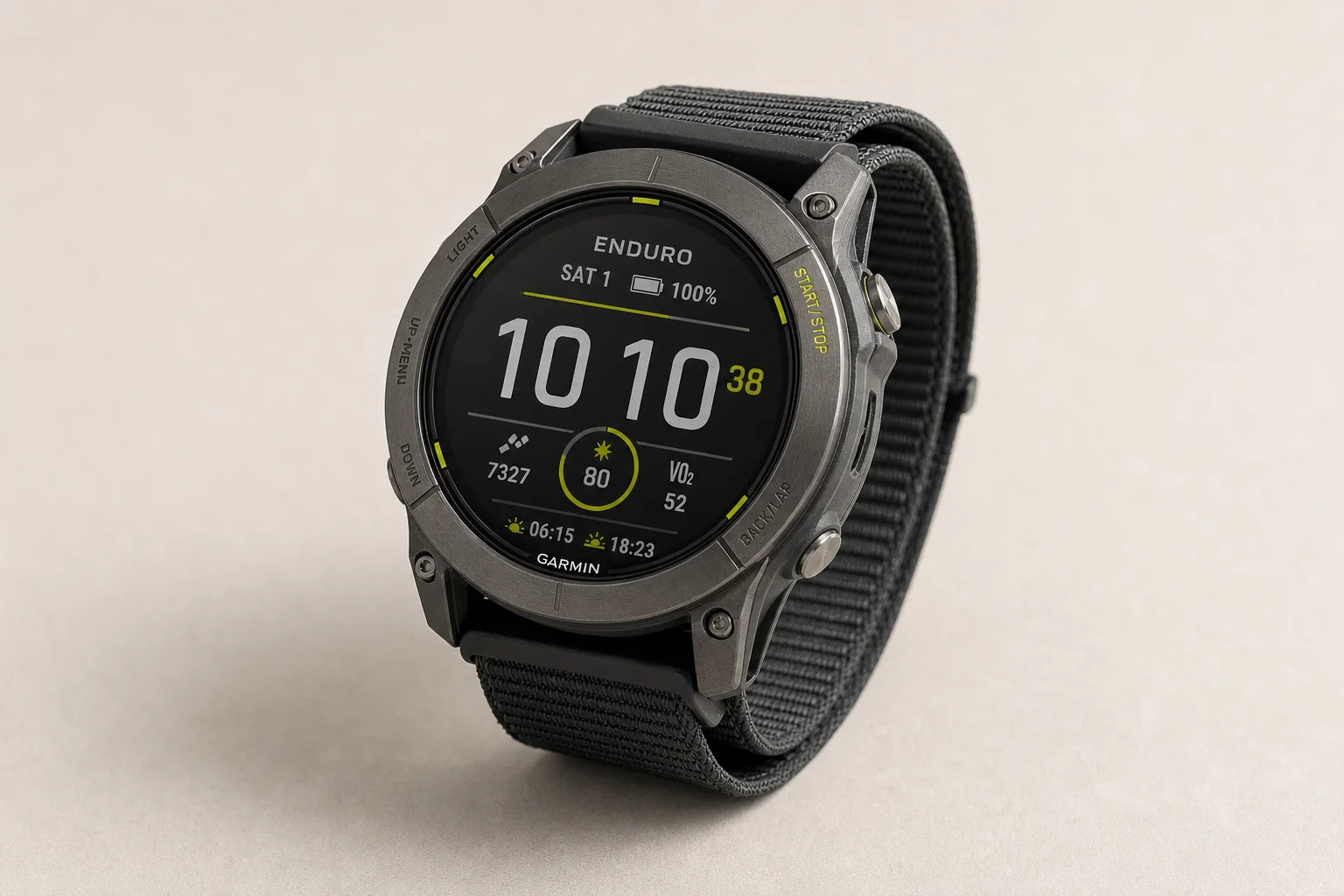
The Fenix 8 51mm AMOLED wins on display quality. The AMOLED screen is easier to see in most conditions, and maps look noticeably better with more detail and context. The Enduro 3 still offers acceptable maps for glanceable confirmation, but the Fenix 8 provides a richer view when you want to check your location.
The Fenix 8 also moves into smartwatch features. A speaker and microphone allow calls from the watch, which can be convenient when your phone is buried in a pack. Remote phone control and weather access add similar convenience. A dive computer is built in as well. These features are not essential for every outdoor athlete, but they matter if you want a watch that does more than track activities.
Garmin UltraFit Nylon Band: Comfort Upgrade
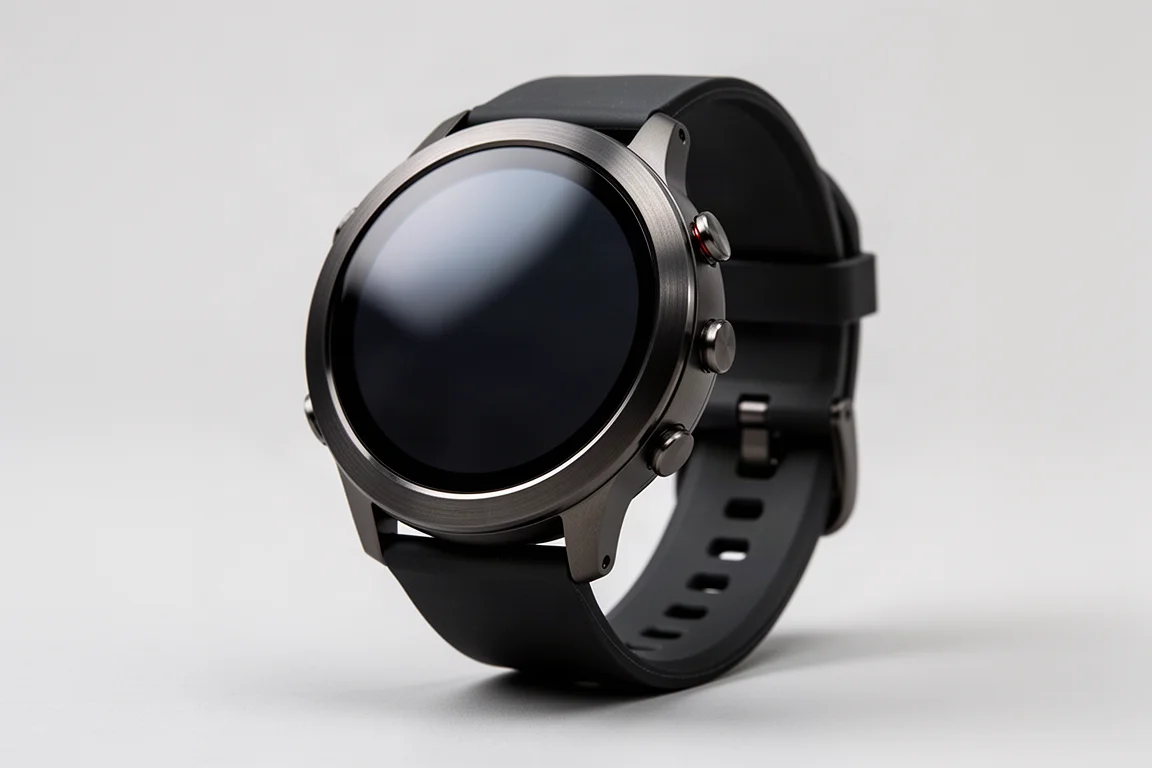
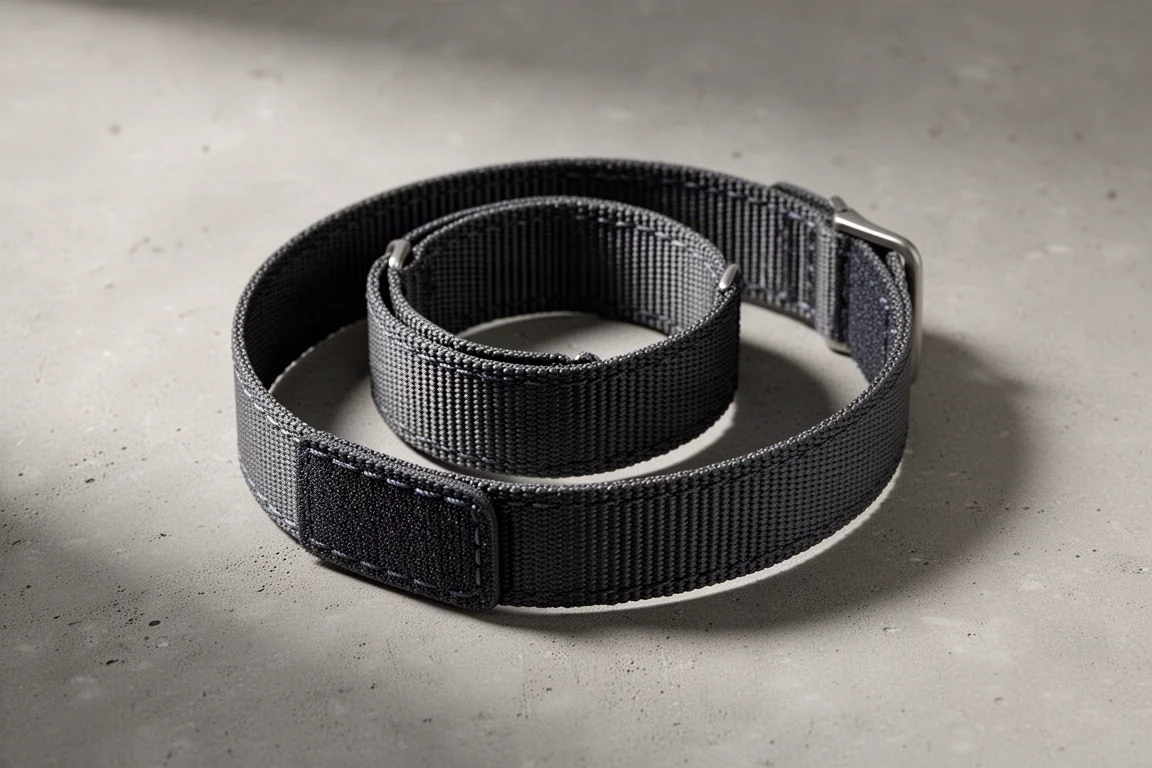
The UltraFit Nylon Band is a simple accessory with a clear benefit. It closes with Velcro, feels very comfortable, and dries quickly. Compared with the standard rubber band that comes with the Fenix 8, the nylon band is more breathable and more adaptable on the wrist. The difference is strong enough that moving the band from an Enduro 3 to a Fenix 8 made the larger watch feel much better.
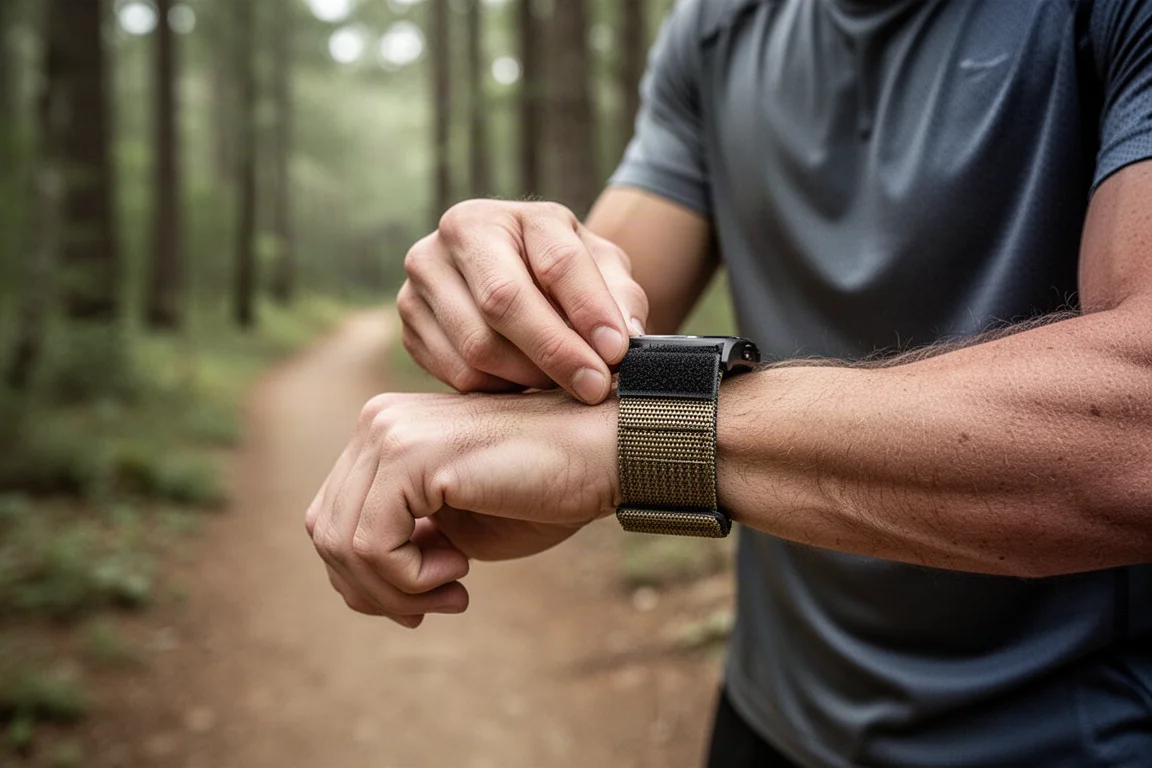
The band has held its shape well over time, which is not always true of inexpensive third-party bands. It costs more than generic options, but the Garmin version is worth considering if comfort and long-term durability matter. For anyone buying a Fenix 8, adding the UltraFit Nylon Band is a practical upgrade.
Comfort and Wrist Feel: Enduro 3 vs Fenix 8
The Enduro 3 is lighter than the Fenix 8 51mm AMOLED, and it feels even lighter than the spec difference suggests. It sits more balanced on the wrist and is easier to wear for long periods. The Fenix 8 feels bigger and heavier, which is noticeable during extended hikes. The UltraFit Nylon Band narrows that gap considerably, but the Enduro 3 still has the edge for all-day comfort.
Buying Advice: Which Garmin Watch Should You Choose?
If battery life is the priority, the Enduro 3 is the easy recommendation. It delivers weeks between charges, a light and balanced feel, and the core Garmin outdoor features done well. It also costs a few hundred dollars less than the Fenix 8.

If you want the better screen, the Fenix 8 51mm AMOLED is the stronger choice. The AMOLED display is easier to see, maps are more detailed, and the connected features like calls, remote phone control, and the dive computer add real versatility for some users. The trade-off is a larger, heavier watch and more frequent charging.
For either watch, update the firmware right away and check Garmin support forums for current known issues. The Fenix 8 had early stability problems and a high-profile cold-water plunge bug, but it is now relatively stable. Garmin firmware updates can sometimes introduce new issues, and the Enduro 3 has seen fewer of those problems. Both watches are in a good place now, but staying current with firmware is wise.
Conclusion
The Garmin Enduro 3 is the best fit for outdoor users who want maximum battery life, a lighter wrist feel, and Garmin’s core navigation and tracking tools without extra smartwatch features. The Garmin Fenix 8 51mm AMOLED is the better pick for anyone who values a brighter AMOLED screen, richer maps, and connected features like calls and a dive computer. The Garmin UltraFit Nylon Band is a worthwhile addition for either watch, especially if the standard rubber band feels less comfortable. Choose based on the screen and features you will actually use, and both watches can serve as reliable outdoor companions.
Further reading
Related Reviews
Outdoor Watches
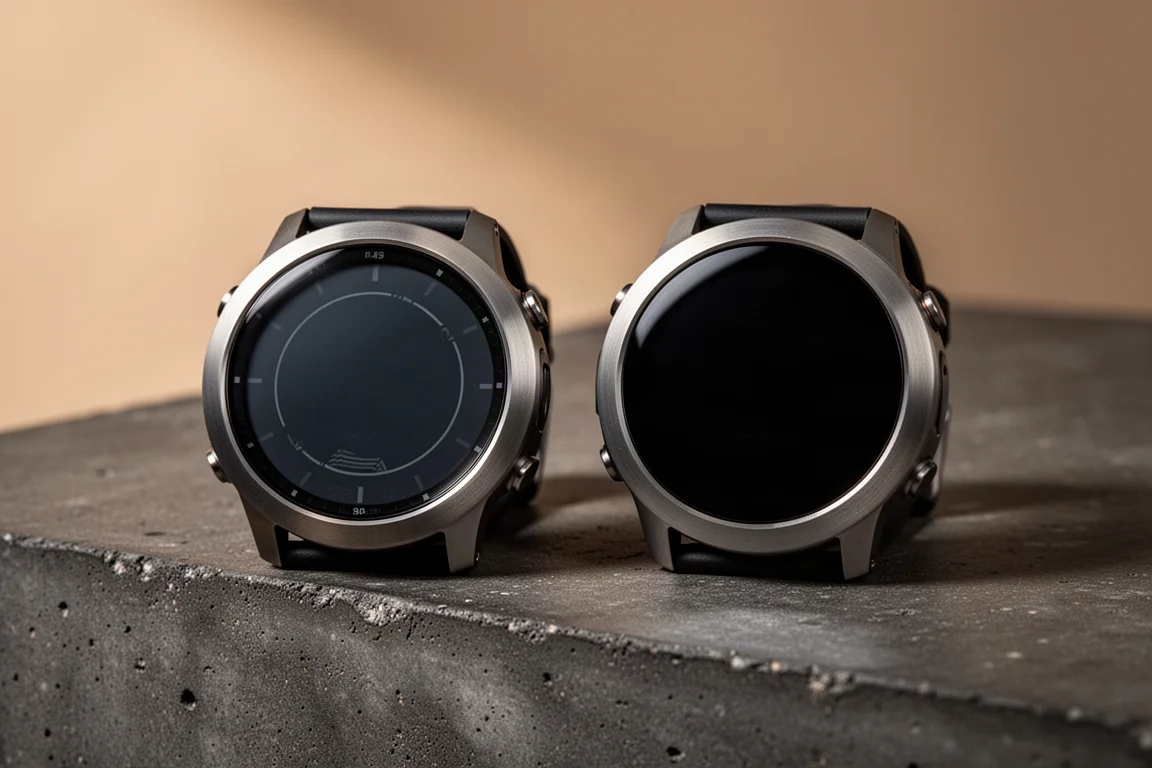
Garmin Fenix 7 Solar vs Garmin Epix: Which Outdoor Watch Fits Your Adventures?
Two top-end Garmin watches share the same build and feature set. The screen technology decides battery life, daylight readability, and how much detail you can pull from a map.
Outdoor Watches
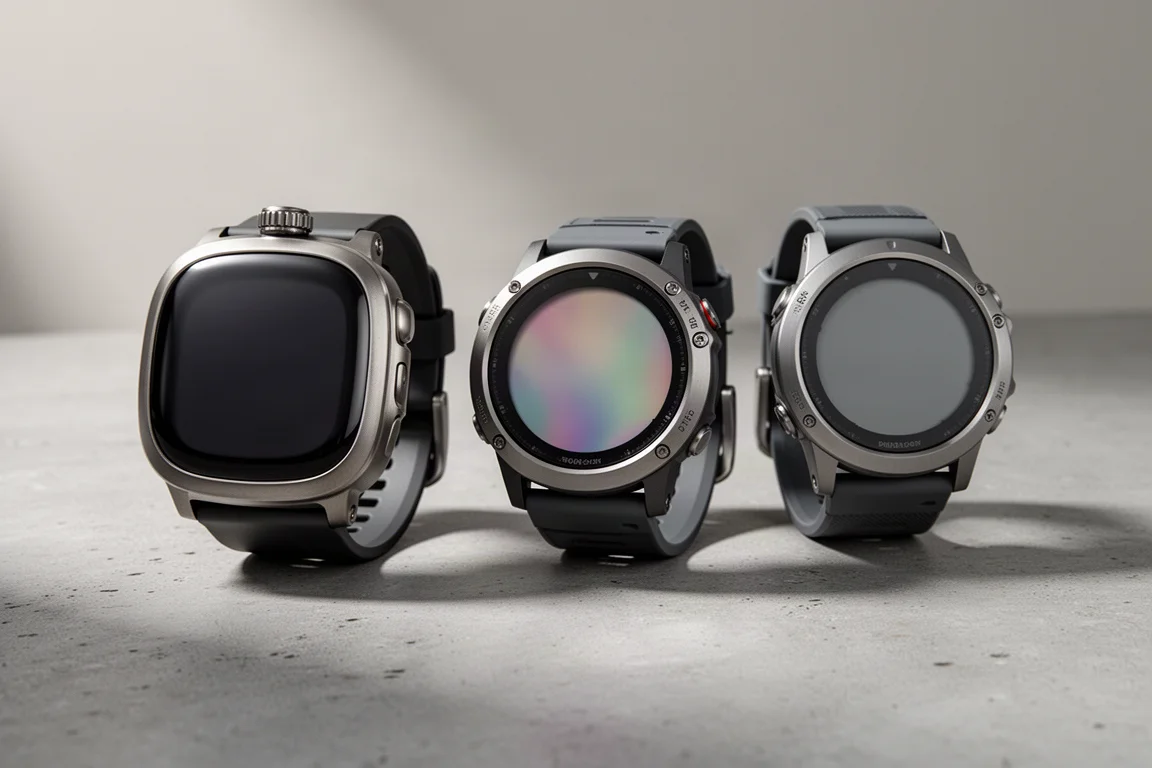
Apple Watch Ultra for Hiking: How It Compares to the Garmin Epix and Fenix
Six months of trail use show what the Apple Watch Ultra does well on hikes, where navigation falls short, and when a Garmin Epix or Fenix is the better fit.
Outdoor Watches
Apple Watch vs Garmin: Which Outdoor Watch Should You Buy?
A practical comparison of Apple Watch Ultra, Apple Watch SE, the Garmin Fenix and Epix lines, and the two apps that add offline trail maps to an Apple Watch.