Bike Computers
Garmin Edge 850 vs Wahoo ELEMNT ROAM 3: Which Bike Computer Is Worth It?
A practical comparison of two premium mid-range bike computers, covering screen quality, controls, setup, navigation, battery life, and who each one suits.
Introduction
The Garmin Edge 850 and the Wahoo ELEMNT ROAM 3 are the two bike computers most riders end up comparing, and both sit in what the market calls the mid-range tier. The prices do not feel mid-range at all. The Wahoo ELEMNT ROAM 3 comes in at just under £400, while the Garmin Edge 850 costs roughly £70 more again.
That is serious money, which makes the decision less about raw quality and more about fit. Both units are excellent, both are reliable across thousands of kilometres of mixed riding, and neither is likely to disappoint. The differences show up in screen quality, control layout, setup process, battery endurance, and how far you want to buy into a wider product ecosystem.
What Matters Most in a Modern Bike Computer
Four things tend to decide whether a bike computer feels like money well spent. The first is screen readability, because a display that washes out in direct sun or picks up glare from overhead trees becomes a distraction on every ride. The second is control, which matters most when you are wearing gloves, riding in bad weather, or trying to change a data field without stopping.
The third is navigation, and the bar is high here. Route syncing, clear turn prompts, and fast re-routing after a wrong turn are now expected rather than impressive. The fourth is battery life, especially for riders planning all-day adventures, endurance events, or multi-day trips where charging opportunities are limited.

Beyond those basics, the two devices take noticeably different approaches. One leans on a brighter, sharper display and a broad feature set, while the other keeps the interface simple and stretches battery life further. Neither approach is wrong, but they suit different riders.
Garmin Edge 850: The More Refined All-Rounder
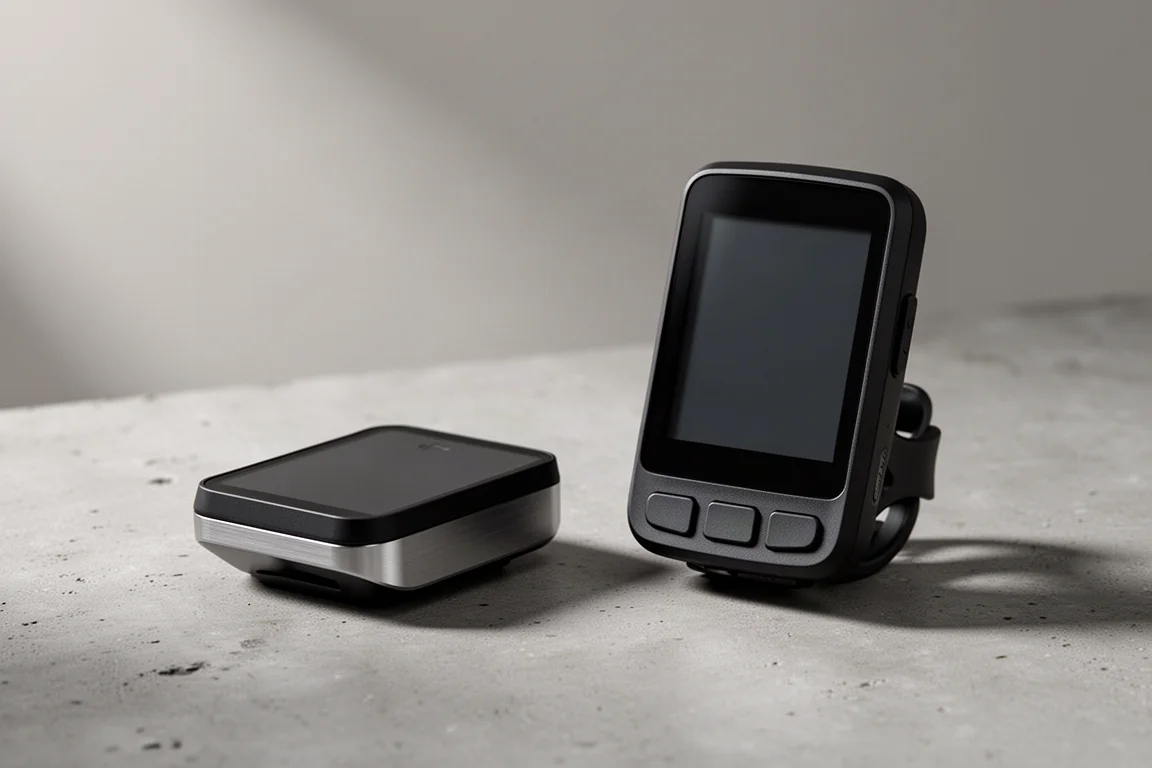
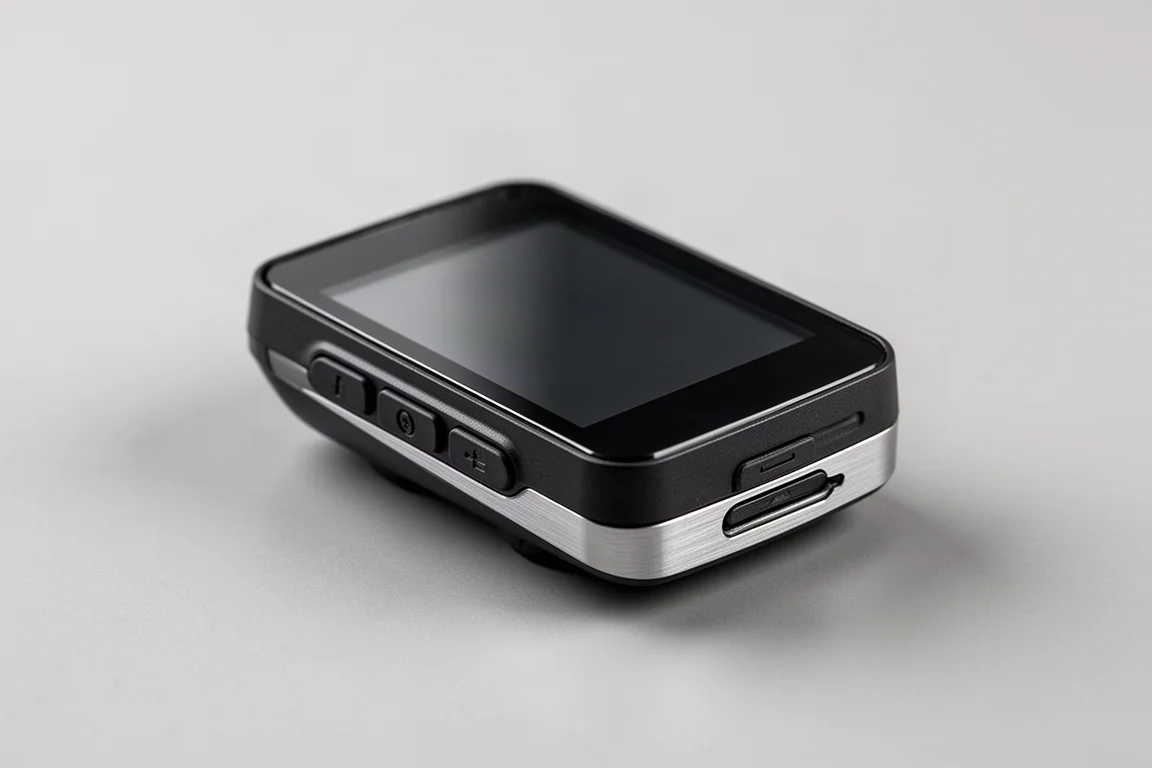
The Garmin Edge 850 feels like the more refined device in the hand. It is smaller, thinner, and sleeker, with a slightly cooler, almost metallic feel to the underside. The top face is clean, with no buttons cluttering the display area. The few physical controls sit on the side and the bottom edge, and almost everything else is handled through the touchscreen apart from powering on and starting or stopping a ride.
The display is the standout. It is brighter and sharper than the Wahoo’s, with a higher resolution of 420 by 600 pixels against 320 by 480, and noticeably richer colours. Maps look sharper and more detailed as a result, which helps when light conditions are bright and reflective.
Where the Edge 850 pulls further ahead is depth. The feature set is extensive and includes group ride functions, hazard alerts, and tight integration with the wider Garmin ecosystem. If you already use a Garmin watch, power meter pedals, radar, or other sensors, everything connects through Garmin Connect. Extras such as smart scales, blood pressure monitors, and sleep trackers extend that further. The speaker has also been updated, so alerts sound more refined than on older models, without the harsh beeps.
Wahoo ELEMNT ROAM 3: Simplicity and Battery Endurance
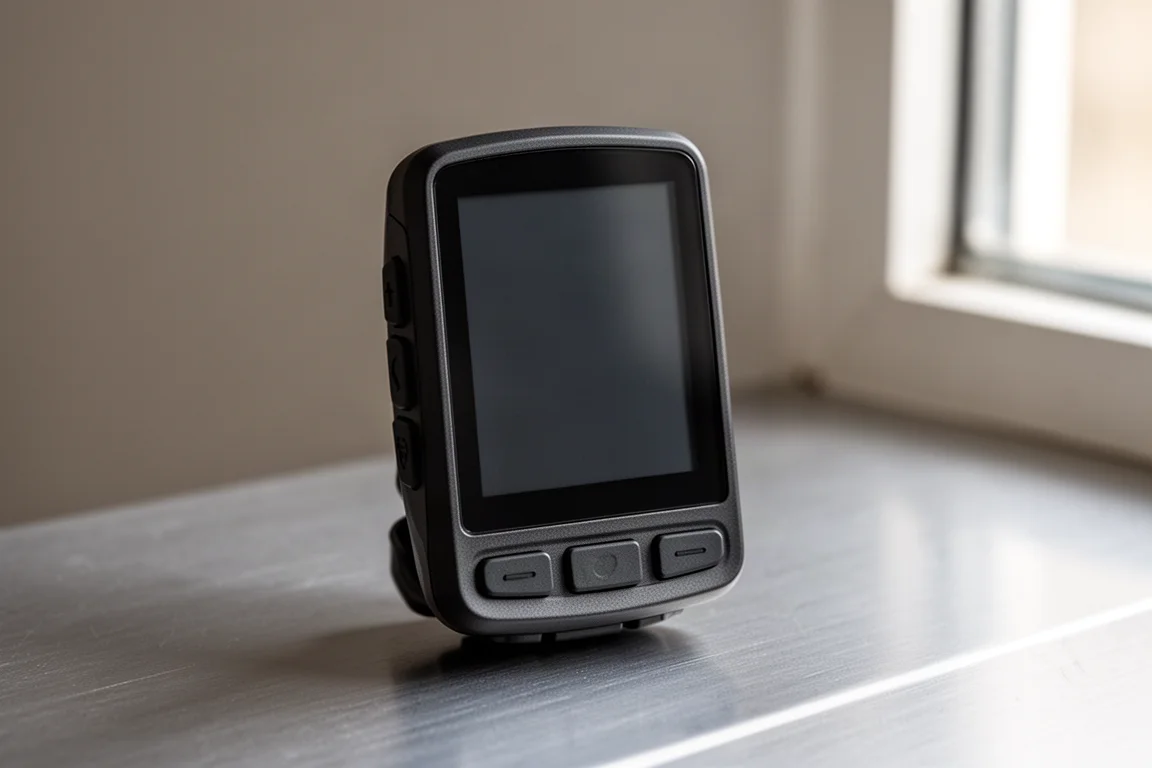
The Wahoo ELEMNT ROAM 3 keeps the brand’s signature layout: large physical buttons, including three soft keys across the front that change function depending on the screen you are viewing. For riders in gloves or bad weather, having something physical to press is a genuine advantage, and plenty of riders prefer it.
This is the first Roam to add a touchscreen, and it works well. It can feel a shade laggier than the Edge 850, but it is never slow. The screen is slightly taller than the Garmin’s, though the button layout takes up space at the bottom, so it does not look larger in use. Rather than chasing brightness, Wahoo uses an anti-reflective finish to cut glare, and in practice that works well: fewer distracting reflections from overhead trees and bright sunlight.
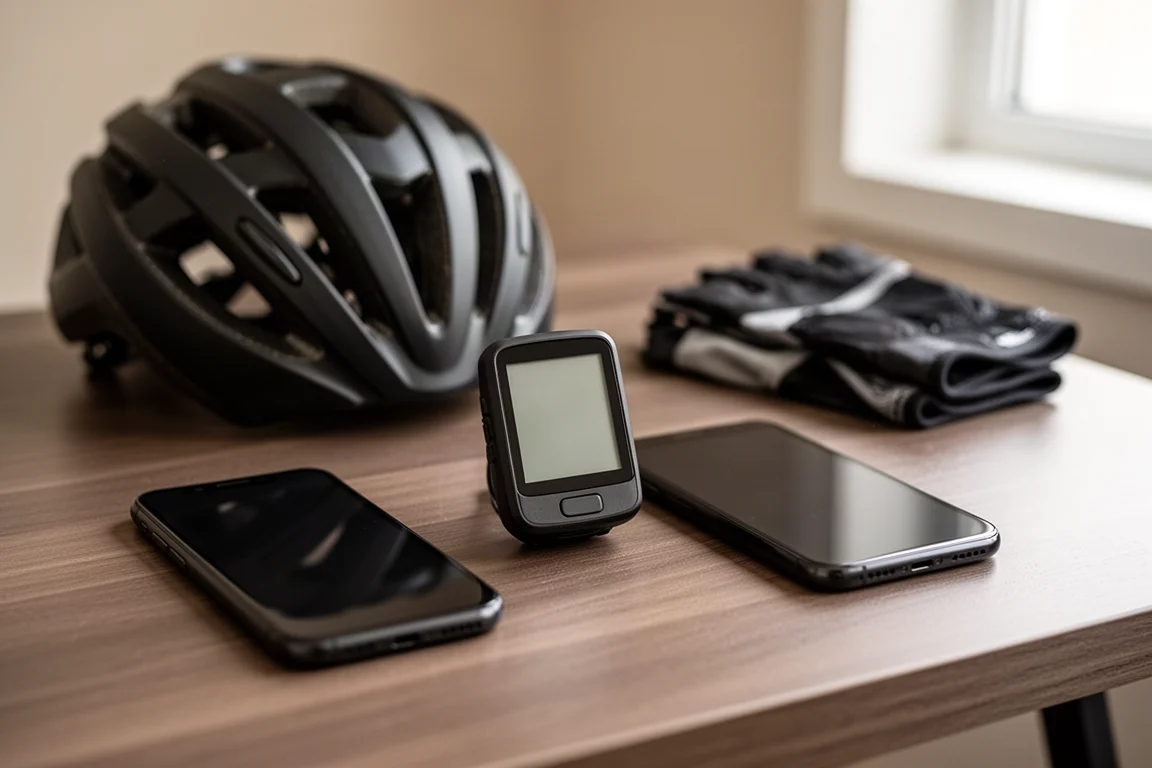
Colour output has improved considerably over the previous Roam, which could only produce 64 colours. Screen customisation is also refreshingly simple. Everything is configured through the companion app, and there is a zoom function for each page that lets you set a priority order of fields and toggle how many are shown at once. If you would rather set up a few screens and swipe between them, that works too.
The focus is deliberately narrower than Garmin’s. You still get heart rate, power data, navigation, and broad sensor compatibility, but with fewer extra features layered on top. Battery life is the clearest win: Wahoo claims up to 24 hours, and around 18 hours is realistic with typical brightness and sensors connected, which makes this the stronger choice for long rides and endurance events.
Navigation and Setup Compared
Setting up either device is straightforward. You download the companion app, Garmin Connect or the Wahoo app, and pair the computer. Garmin has a useful advantage here, because it can transfer an existing setup from an older device: ride profiles, data screens, and sensors come across automatically. Wahoo can do something similar, but only if you are already using one of its newer devices on the latest app and have a backup in place. Older Wahoo devices still rely on the previous app, so that convenience is currently limited.
Customisation splits the two as well. Wahoo is cleaner and quicker to work through from scratch. Garmin offers more flexibility, with screens adjustable on the device and in the app, and fields changeable mid-ride, but the menus take more steps to navigate and can feel like a maze.
Navigation itself is excellent on both. Routes sync from platforms such as Strava, Komoot, and Ride with GPS, and the process works practically flawlessly. There are minor quirks: running routes created in Strava will also appear on the Garmin, and Komoot on Garmin requires the Komoot IQ app as a bridge from phone to device. Manual route uploads by connecting to a computer remain possible on both. Once riding, Wahoo’s maps use soft colours and a clear chevron-style route line, while Garmin’s are sharper and more detailed. Turn prompts are clear on both, and re-routing after going off course is quick, with neither device sending riders down dead ends.
Battery Life and Real-World Reliability
Battery life is the clearest dividing line. The Wahoo ELEMNT ROAM 3 claims up to 24 hours, and around 18 hours is achievable with typical brightness settings and sensors connected. The Garmin Edge 850 is rated at 12 hours with everything running, or up to 36 hours in battery saver mode, though that mode reduces functionality such as GPS sensor accuracy. In practice, with everything on, closer to 11 hours is realistic.

For riders planning long days, all-day adventures, or endurance events, that gap matters if you would rather not carry a battery pack or run a dynamo. For shorter rides and regular training, both are more than adequate.
Reliability has been consistent across both. Used side by side over thousands of kilometres and a mix of routes, conditions, sensors, and setups, each has performed exactly as a premium bike computer should. Startup speed is the one everyday difference: the Garmin boots up noticeably faster, while both take a similar amount of time to lock onto satellites and sensors. The Wahoo loads straight into a ready-to-ride screen, and the Garmin is equally quick to start once it is on. Alerts differ too: the Roam 3’s are louder and sharper, which may suit riders who struggle to hear prompts in traffic.
Garmin vs Wahoo: Which One Fits Your Riding
If you already own a Wahoo or a Garmin, staying with the same brand is usually the path of least resistance, and there is little here that would force a switch on its own. For anyone starting fresh or genuinely open to either, the decision comes down to priorities.
The Wahoo ELEMNT ROAM 3 suits riders who want longer battery life, a simpler experience, and a device that concentrates on the core cycling functions. The Garmin Edge 850 suits riders who want the most polished overall experience: a better screen, a sleeker body, more flexibility in how screens are configured, and a deeper feature set that ties into a broader ecosystem.
Buying Advice
Both computers cost real money, so it helps to decide which compromises you could comfortably live with. If your rides are long and charging is inconvenient, the Wahoo’s battery advantage is worth more than any display upgrade. If you ride shorter and more often, value screen clarity and map detail, and already own Garmin accessories, the Edge 850 will feel like the better investment.
Neither device is a compromise. Whichever you choose, you are buying a capable, dependable bike computer that handles training, navigation, and long weekend rides without fuss. The right answer depends on which of the two does the thing you care about most, a little better than the other.
Conclusion
The Wahoo ELEMNT ROAM 3 wins on battery endurance and simplicity. The Garmin Edge 850 wins on display quality, design, flexibility, and ecosystem depth. Both are excellent, and both will serve most riders well for years, so the deciding factor is the kind of riding you do and how much you value the extras.
Further reading
Related Reviews
Bike Computers
Best Bike Computers 2026: Wahoo ELEMNT ACE, Garmin Edge 1050 and Two Value Alternatives
A practical comparison of the Wahoo ELEMNT ACE and Garmin Edge 1050, plus two cheaper computers that cover the essentials for far less.
Bike Computers
Bryton Rider 650 Review: High-Performance GPS Without the Premium Price
A full-featured touchscreen GPS bike computer at a fraction of the cost of its premium rivals, with a few quirks worth knowing before you buy.
Bike Computers
Coros Dura Review: A 120-Hour Battery Claim and a Serious Value Pitch
The Coros Dura pairs a claimed 120-hour runtime with a $250 price. Here is what stands out, what to weigh, and who it suits.