Bike Computers
Garmin Edge 1040 Solar Review: Solar Charging Arrives on the Flagship Bike Computer
The Garmin Edge 1040 Solar brings built-in solar harvesting, up to 100 hours of runtime, more storage, and deeper training insights to Garmin's flagship bike computer.
Introduction
The Garmin Edge 1040 is Garmin’s new flagship bike computer, and it takes over from the Edge 1030 that arrived back in 2017. Five years later, the update is substantial rather than cosmetic, and the most talked-about change sits right on the front of the device: a solar panel. The Edge 1040 Solar is the first Garmin unit to have solar cells built directly into the computer itself.
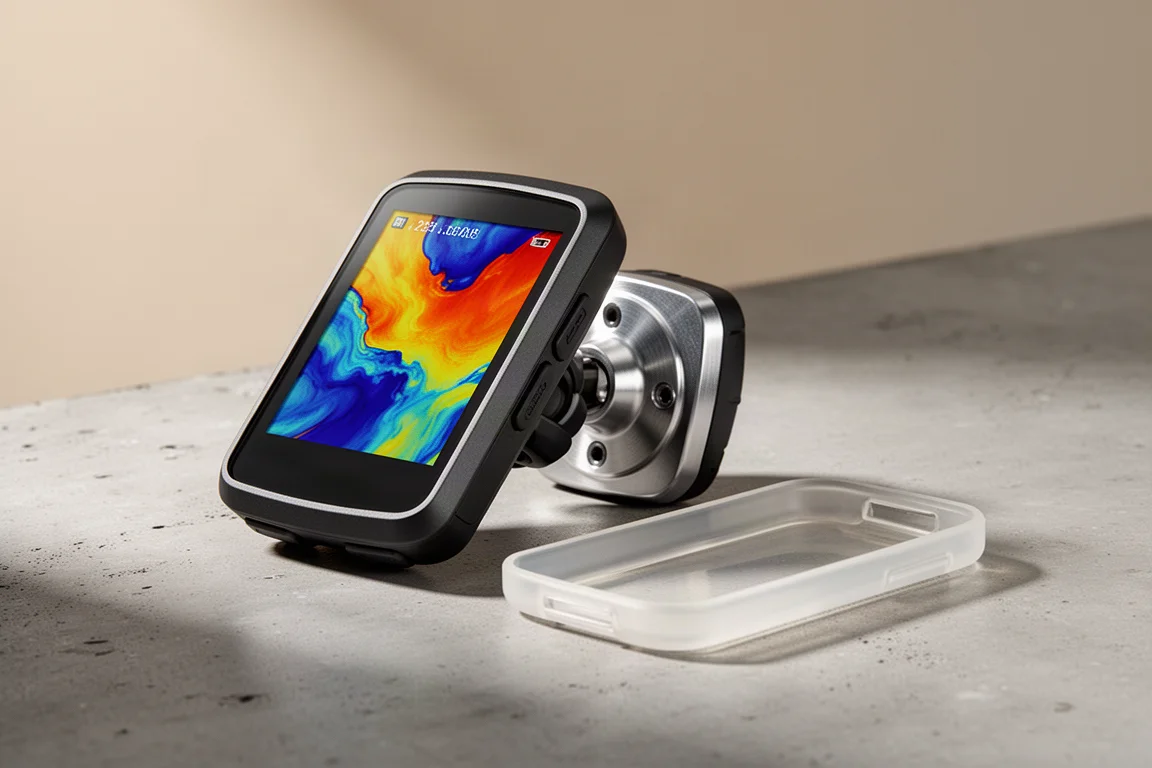
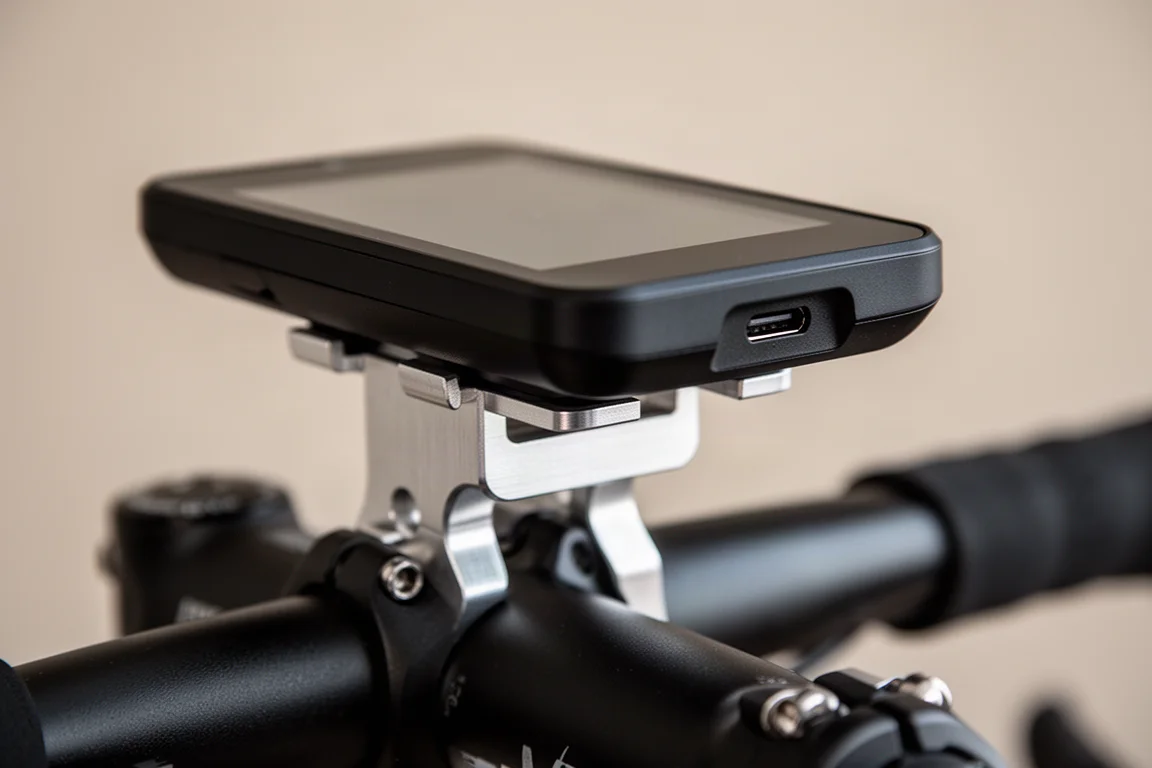
Open the box and you get the head unit, an out-front mount that is noticeably large to match the size of the computer, a shorter stubby mount intended for mountain bike setups, handlebar bands, a safety tether, a couple of Allen keys, rubber shims for different handlebar widths, a silicone case, and a USB-C to USB-C adapter, along with the usual documentation.
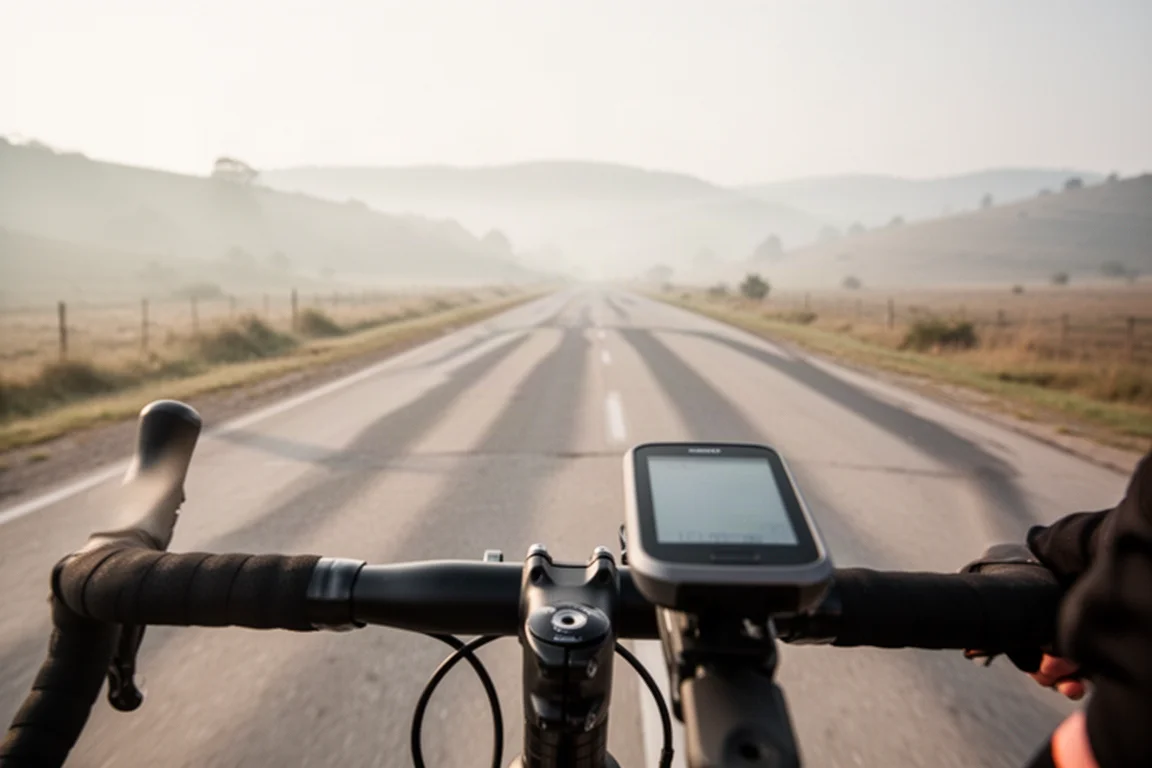
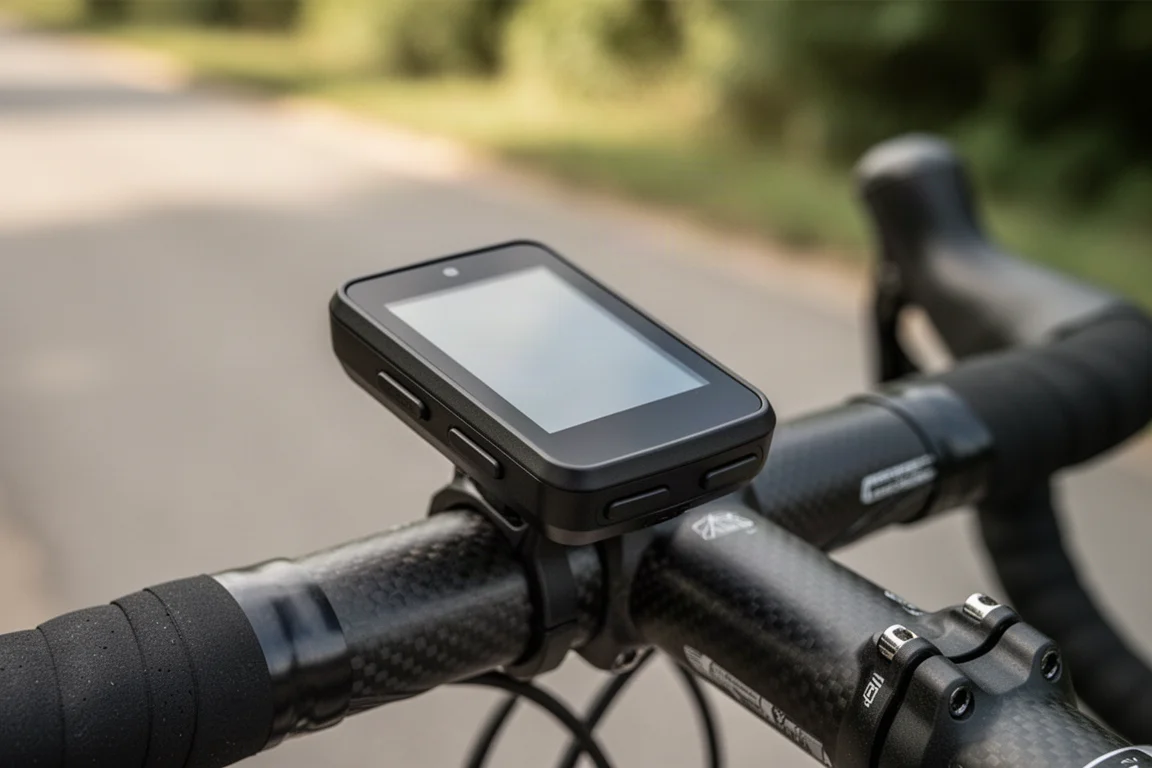
On the bike, the Edge 1040 measures 3.5 inches diagonally across the screen. Despite everything that has been added, the weight has risen by only three grams compared with the Edge 1030, which for a computer that does considerably more is effectively a rounding error.
Who this product is for
The Edge 1040 Solar is aimed at riders who spend a lot of time on the bike and would rather not think about charging. Garmin quotes up to 45 hours of intense running time, defined as backlight use with navigation and connected devices active, and up to 100 hours in a minimal setup with those functions switched off. That is a long window by any standard, and solar harvesting pushes it further.
It also makes sense for riders who are already invested in the Garmin ecosystem. The device reads existing history from Garmin Connect and turns it into feedback, so the more data you have already logged, the more useful the training features become.
Riders who are new to the platform are not excluded. Previous rides can be synced into Garmin Connect to build up a history, which gives the computer a picture of your current capabilities before it starts offering guidance.
Finally, this is a strong option for anyone who rides in unfamiliar places. Garmin’s worldwide mapping is designed to let you ride like a local wherever you are, and the discipline-specific maps cover both on-road and off-road use.
Main strengths
Solar charging and battery life
The solar implementation is the most interesting part of the package. The cells are not obvious to the eye: they are distributed across the display itself, where they capture roughly 10 percent of the light passing through, and around the edges and the full rim of the screen, where they can capture up to 100 percent of the solar rays that reach them. The result is a clean, seamless look rather than a bolted-on panel.
The practical effect is meaningful. For every hour of riding in normal daylight, the unit harvests an extra 20 minutes of power. That feeds directly into the runtime figures of up to 45 hours of intense use and up to 100 hours on a minimal setup.
One detail that stands out is that the computer keeps charging even when it is switched off. Left next to a window after a ride, it simply keeps harvesting. For most riders that could mean going weeks, or even months, between charges, which removes the familiar worry of running flat mid-ride.
Navigation, mapping, and training insights
Garmin has also improved positioning with built-in GNSS technology. In everyday terms, that means a rock-solid connection when you are riding under dense tree cover or in the middle of a city, where weaker units tend to struggle.
Mapping has been upgraded too. Worldwide mapping is included, along with discipline-specific maps that adapt to whether you are riding on or off road and highlight the most popular routes in the area.
The training side is where Garmin has clearly invested the most effort. With historical data in place, the Edge 1040 can deliver real-time stamina insights, effectively telling you how long you can keep pushing before you bonk. Training plan functionality has been updated to make scheduling sessions simpler and harder to miss, and the device can highlight the weaker areas of your ability so you can target them precisely.
Display, size, and usability
The 3.5-inch display is a good size for the amount of information the computer displays. The 1040 also introduces new data fields, and the question worth asking is how easy that granular detail is to absorb at a glance while riding. The device is not small, so readability and quick comprehension are the areas to pay attention to on a first ride.

Garmin has also worked on setup, saying it is now easier than ever to get going, with riders able to be out on the road within a few minutes of unboxing. For anyone who has wrestled with a new computer before a ride, that is a welcome change.
The trade-off for all that screen real estate is physical presence. The computer is large, and the included out-front mount is correspondingly large. On a crowded cockpit it takes up noticeable space, and the stubby mount exists precisely because some riders prefer to keep the unit lower and closer to the bars.
Things to consider before buying
The first consideration is solar exposure. Solar harvesting works from daylight, so riders who train indoors, at night, or in heavily shaded terrain will see less benefit than someone logging long daylight hours.
The second is size. The Edge 1040 is a big computer with a big mount, and riders with tight handlebar setups or a preference for minimal cockpits should think about how it will sit alongside lights, a phone, or a bag.
The third is storage and which version you choose. The Edge 1040 offers 32 GB of internal memory against the Edge 1030’s 16 GB, while the Edge 1040 Solar doubles that again with 64 GB compared with the 32 GB of the Edge 1030 Plus. Riders who load a lot of maps will appreciate the extra headroom on the solar model.
Finally, there is the price structure. The Edge 1040 Solar is sold as a head unit only at 629 pounds 99 pence. The non-solar Edge 1040 is available as a head unit on its own or as a bundle at 599 pounds 99 pence that adds heart rate, speed, and cadence sensors. If you do not already own those sensors, the bundle maths is worth doing before you commit to the solar model.
Buying advice
The simplest way to decide is to look at how you actually ride. If you are regularly out for long daylight rides and you like the idea of never thinking about a charger, the Edge 1040 Solar earns its place. The solar top-up is a genuine convenience rather than a novelty, and the 64 GB of storage gives it extra room to grow.

If your rides are shorter, mostly indoors, or mostly after dark, the standard Edge 1040 makes more sense. You get the same navigation, the same training features, and the same larger screen, and you keep the difference in your pocket. Adding the bundle is the better call if you still need heart rate, speed, and cadence sensors, since buying them separately usually costs more.
Either way, the biggest practical upgrade over the Edge 1030 is not a single headline feature but the combination: better positioning under cover and in cities, improved mapping for both road and off-road riding, and training feedback that becomes more useful the longer you use it.
Conclusion
The Edge 1040 Solar is a considered flagship rather than a spec-sheet exercise. Solar charging is integrated cleanly, the runtime figures are generous enough that charging becomes an afterthought for many riders, and the training and mapping updates give the computer a real reason to exist beyond its predecessor. The main caveats are physical size and a premium price, and both are easy to weigh against your own riding habits. For riders who spend long days in daylight, it is a straightforward and confidence-inspiring choice.
Product link
View more details for Garmin Edge 1040 Solar
This product is mentioned in the review. Check the specifications, options, and compatibility before buying.
View more details for Garmin Edge 1040 SolarFurther reading
Related Reviews
Bike Computers
Best Bike Computers 2026: Wahoo ELEMNT ACE, Garmin Edge 1050 and Two Value Alternatives
A practical comparison of the Wahoo ELEMNT ACE and Garmin Edge 1050, plus two cheaper computers that cover the essentials for far less.
Bike Computers
Bryton Rider 650 Review: High-Performance GPS Without the Premium Price
A full-featured touchscreen GPS bike computer at a fraction of the cost of its premium rivals, with a few quirks worth knowing before you buy.
Bike Computers
Coros Dura Review: A 120-Hour Battery Claim and a Serious Value Pitch
The Coros Dura pairs a claimed 120-hour runtime with a $250 price. Here is what stands out, what to weigh, and who it suits.