Aviation Smartwatches
Garmin D2 Mach 2 vs D2 Air X15: Which Aviator Smartwatch Fits Your Cockpit?
Two new Garmin aviator smartwatches compared: premium mapping in the D2 Mach 2 and a sleek, lightweight all-rounder in the D2 Air X15.
Introduction
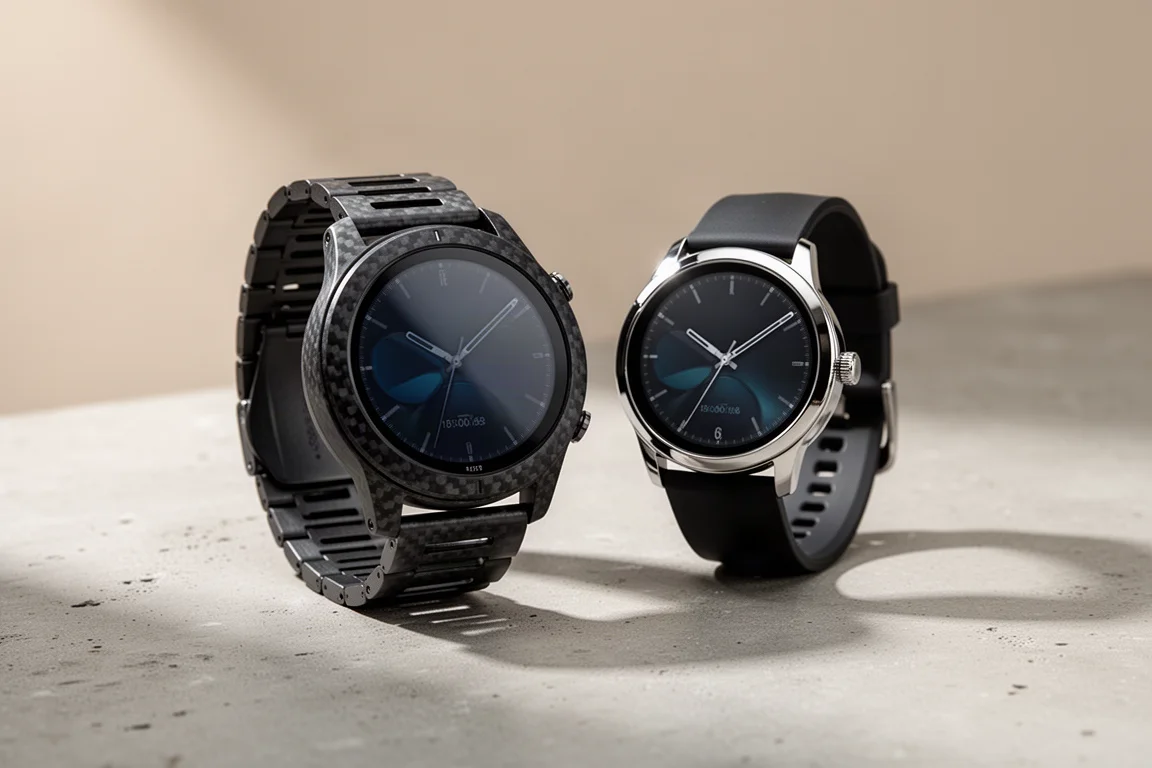
Garmin’s D2 lineup has quietly become the default choice for pilots who want aviation tools on their wrist without giving up a proper smartwatch. The newest pair, the D2 Mach 2 and the D2 Air X15, refine that formula: both add genuinely useful new features while keeping the aviation navigation, flight logging, health monitoring, and long battery life the D2 family is known for. After spending time with both, the differences come down to styling, depth of aviation features, and how much hardware you want on your wrist.
What Both Watches Share
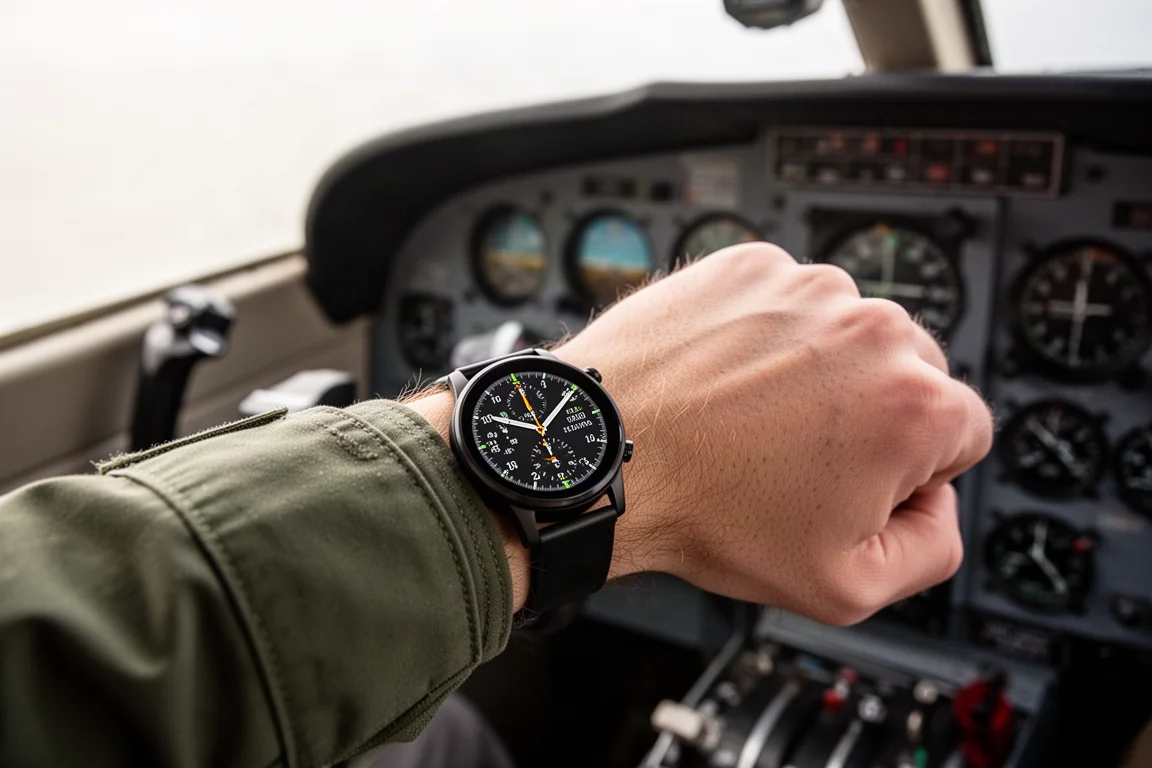
Before splitting hairs, it helps to remember how much overlap there is. Both watches offer aviation navigation and flight logging, health monitoring, fitness tools, and the strong battery life Garmin watches are known for. Both include pulse oximeter and heart rate sensors on the back, a red and white aviation flashlight, and a Direct-To button on the top right.
Both can also connect to your aircraft’s avionics via Garmin Pilot. When connected, flight data from the avionics replaces the watch’s own readings for more accurate flight activity, and additional data fields like indicated airspeed, Hobbs time, and avionics alerts become available. With PlaneSync-equipped aircraft, you can even check fuel quantity, battery voltage, outside air temperature, and GPS position through the aircraft dashboard.
D2 Air X15: The Sleek All-Rounder
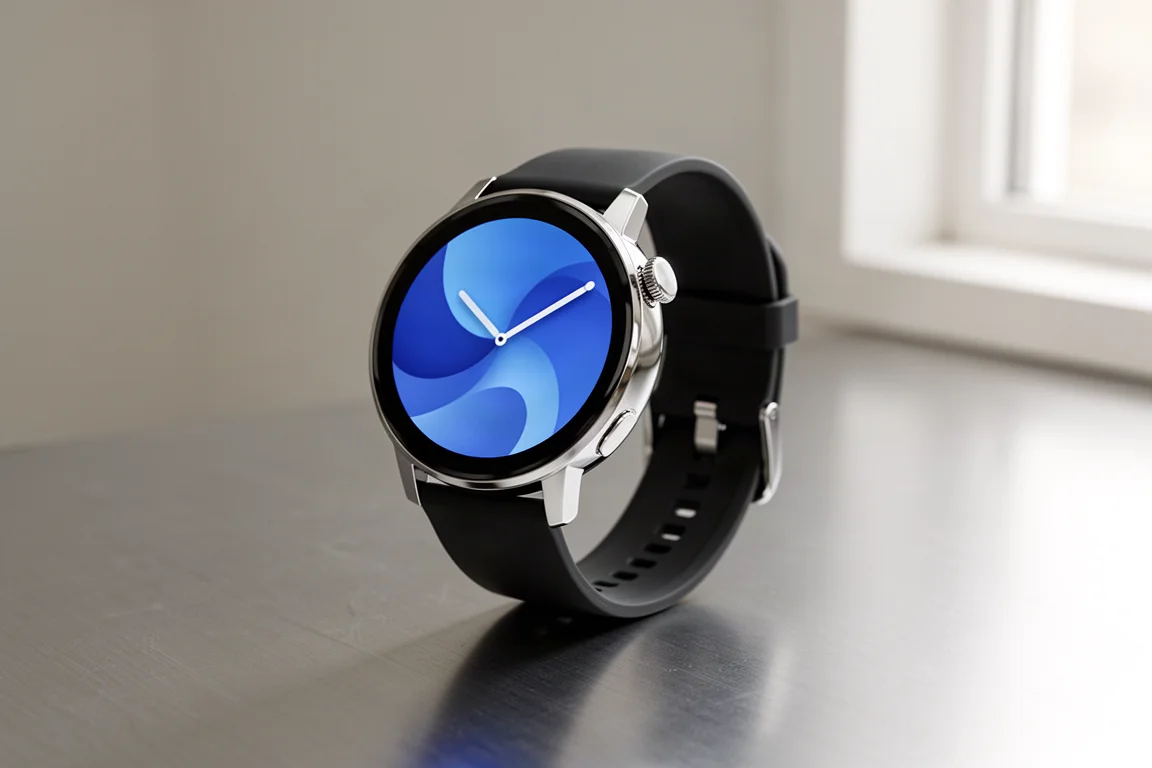
The D2 Air X15 is the slim, design-first option of the two. It carries a 1.4-inch touchscreen that stays bright and readable in sunlight, a 45mm stainless steel bezel, and a black silicone band that can be swapped out easily. The Direct-To button sits on the top right, and the built-in flashlight switches between red and white modes. Battery life is rated at up to 10 days.
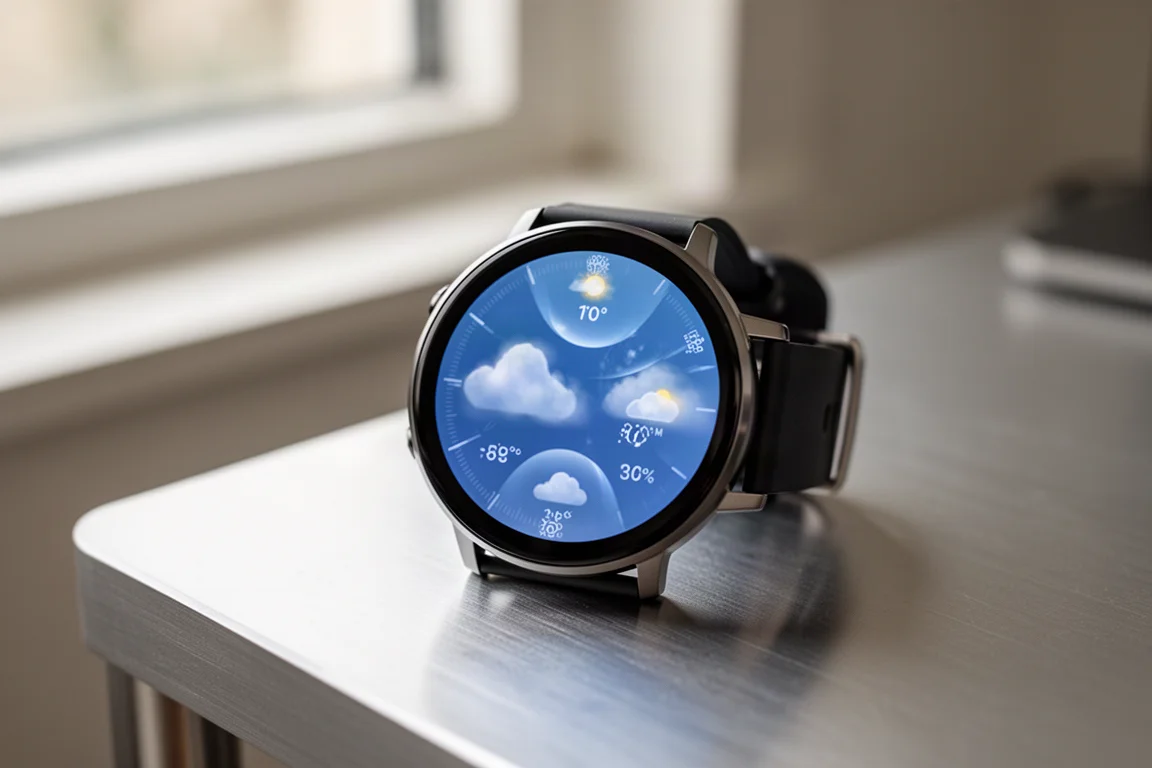
Where the Air X15 gets interesting is in its aviation features. The watch face can be set to show field conditions, turning blue for VFR and yellow when conditions like an overcast ceiling make things marginal. The weather pages cover METARs and TAFs, hourly and daily forecasts, and a jet lag advisor that offers suggestions for dealing with significant time differences, such as a six-hour change on an upcoming trip.
Flight activity screens give you ETA and bearing information, an HSI for navigation, nearest airport data, speeds, a compass, and current altitude, all recorded alongside health stats and GPS track for easy flight logging. There are also geo-referenced voice memos you can revisit later through the watch or the Garmin Connect app, and on-device voice commands that work even without a smartphone connection, for example to pull up the METAR for a specific airport.
D2 Mach 2: Premium Styling and Deeper Aviation Tools
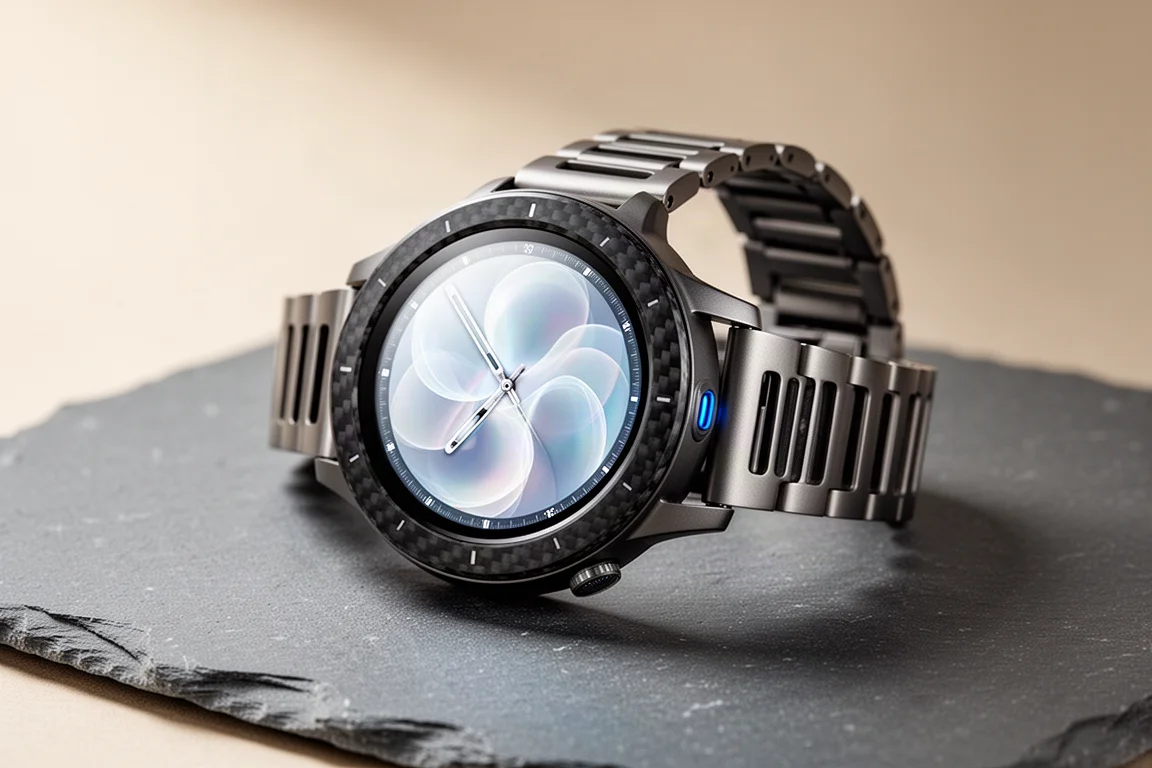
The D2 Mach 2 comes in two sizes, both sharing the same capabilities. The 51mm version pairs a carbon-grade DLC coated bezel and vented titanium bracelet with a quick-fit silicone band, and its battery lasts up to 26 days. The 47mm version uses a titanium bezel with an Oxford brown leather band, plus a quick-fit silicone band included, and runs up to 14 days. Both use a 1.4-inch touchscreen, include a microphone and speaker for calls, a barometric altimeter, a blue sensor guard protecting the microphone and barometer, and the same red and white flashlight.
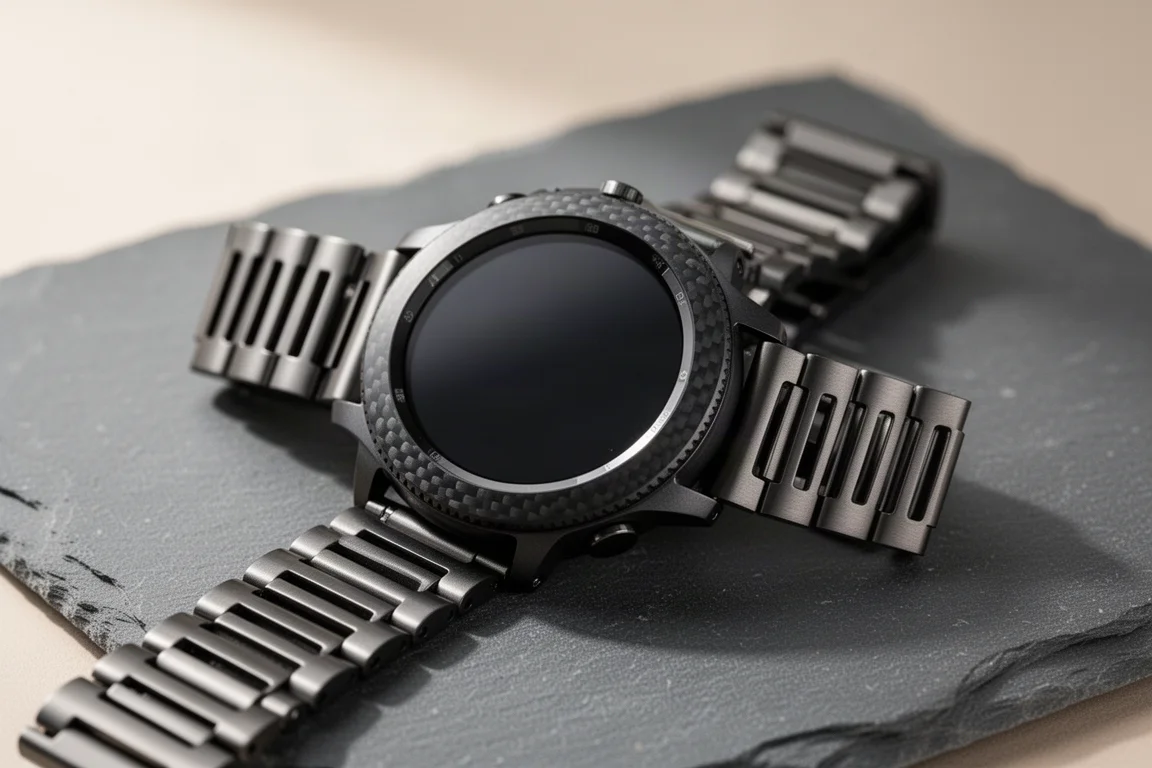
The aviation experience is where the Mach 2 separates itself. Its updated maps show airspace boundaries color-coded by class, with runways appearing at higher zoom levels. A personal minimums feature lets you set thresholds for flight conditions, max crosswind, max density altitude, max wind speed, gust factor, or visibility, and highlights the relevant value in orange whenever one is exceeded. For anyone who trains or flies with stricter self-imposed limits, that is a meaningful layer of situational awareness.
Fitness and Everyday Features
Both watches handle the fitness side well, but the Mach 2’s expanded activity list and onboard maps make it especially appealing for pilots with active lifestyles. In practice, the maps proved detailed enough to include small wooded mountain bike trails, and a biking activity tracks distance, speed, timer, and heart rate, then syncs everything to the Garmin Connect app.
Workouts get thoughtful treatment too. Selecting a strength workout shows which muscle groups you are using, and animated on-screen figures demonstrate how to perform unfamiliar lifts, which makes guided sessions genuinely practical. Voice memos, phone calls taken directly from the watch, and geo-referenced notes round out the everyday experience; being able to answer a call from the wrist while your phone sits buried in a backpack turns out to be one of those small conveniences that matters more than expected.

Buying Advice
The choice between these two comes down to priorities. If you want classic aviator styling, premium materials, onboard aviation maps, personal minimums, and the longest battery life, the D2 Mach 2 is the more complete package. If you prefer a sleek, lightweight design with the essential smartwatch and aviator tools, including the new flashlight and dynamic weather watch face, the D2 Air X15 covers the fundamentals at a slimmer size and with a lower day-to-day presence on the wrist.
Conclusion
Both watches deliver a refined experience and make a strong case as companions for any pilot or aviation enthusiast. The D2 Mach 2 rewards those who want the most advanced capabilities in the D2 lineup, while the D2 Air X15 keeps things sleek without sacrificing the essentials. Match the watch to how you fly and live, and either one is an easy recommendation.
Further reading
Related Reviews

Backpacking Gear
Building a 10 lb Base Weight: An Ultralight Backpacking Gear List
A practical walkthrough of the ultralight pieces behind a 10 lb base weight, from a 765 g pack and a roomy one-person tent to a full camp chair and a dependable water filter.
Road Bikes
10 New Road Bikes Worth Watching: Aero, Titanium, Steel and Endurance Standouts
A practical roundup of 10 new road bikes, from aero flagships chasing single-watt gains to titanium, steel and endurance platforms built for real roads.
Bikepacking Gear
11 Bikepacking Essentials for Long-Distance Cycling
Eleven bikepacking essentials for long-distance cycling, from a steel gravel frame and a two-person tent to helmet lights, packable gloves, and a frame bag that puts weight in the right place.