Fitness Trackers
Garmin Circa Review: A Subscription-Free Screenless Tracker for Runners
After a month of testing, we look at what the Garmin Circa gets right, where it falls short, and whether it can replace your running watch.
Introduction
Garmin has finally entered the screenless tracker space with the Garmin Circa, its answer to the Whoop band. The big headline is what it leaves out of the pricing model: unlike the Whoop strap, the Circa does not require a subscription to access the majority of its features. That alone makes it one of the more interesting wearables of the year.
The question we wanted to answer is simple: what does the Circa actually offer runners, and could it replace a running watch? After living with it for more than a month, tracking runs, rides, gym sessions and sleep, the short answer is that it is a capable and accurate tracker with real limitations around size, battery life and run detail.
Pricing and Key Specs
The Garmin Circa costs £179 in the UK and $199 in the US. It is not the cheapest screenless band available, but it is far from the most expensive, especially once you factor in what rivals charge over multiple years.
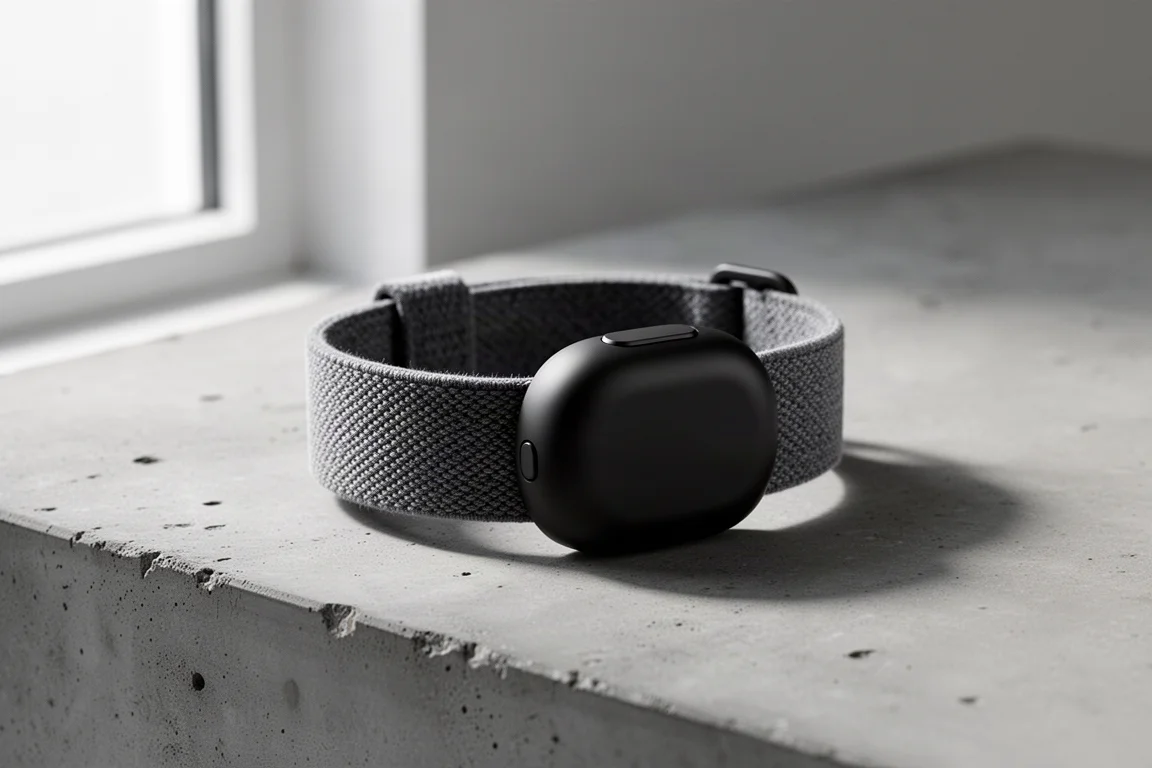
The tracking module sits inside a fabric band that comes in two sizes. You can wear it on your arm as well, but the armband strap costs extra. Garmin includes a physical button to start manual workout tracking, which is rare among screenless bands. Beyond that, the Circa tracks heart rate, blood oxygen and skin temperature, supports connected GPS through your phone, and can broadcast heart rate to other devices. Training metrics include training readiness, VO2 max estimates, fitness age and recovery recommendations. Battery life is listed at up to 10 days, though features like blood oxygen tracking have a noticeable impact on that figure.
Who the Garmin Circa Is For
The Circa makes the most sense for casual runners and general fitness users who want Garmin’s deep training analysis without wearing a watch or paying a monthly subscription. You click start, go for your run, and dig into training status, recovery advice and activity stats afterwards in the Garmin Connect app.
It is also worth considering as a wearable for someone who wants a safety blanket. Garmin has kept live tracking smarts on the Circa, which is genuinely valuable if you are buying a tracker for a teenager or someone you want to be able to check in on.
If you already wear a Garmin running watch you are happy with, however, the picture changes. There is very little the Circa adds that your watch does not already cover, and it is an expensive addition purely for sleep tracking.
Main Strengths
The design is comfortable first and divisive second. The soft fabric band is easy to adjust with a Velcro-style fastening, sits close to the skin, and can genuinely be worn 24/7 without thinking about it. It is less fiddly than the Whoop’s clasp, which regularly pinches skin, and its simpler fastening is easier to get a good fit with.
The physical button is a genuine differentiator. With screenless trackers relying heavily on automatic activity recognition or app controls, being able to press a button to log the start of a workout removes a lot of guesswork. Given that automatic recognition was hit and miss during testing, the button quickly became the preferred way to start a session.
Heart rate accuracy was a strong point across testing. On a 6-mile progression run it matched a chest strap well, and on a challenging treadmill interval session it performed strongly with just a couple of rogue spikes. For strength work, moving the band to the bicep improves accuracy considerably. Because you can broadcast heart rate over to an app or a Garmin watch, the Circa can also double as an arm-worn heart rate monitor if you would rather not wear a chest strap.
Sleep tracking has improved at Garmin in recent years, and the Circa performed solidly here. Sleep and wake times were clocked accurately, and the sleep alignment feature, which shows how aligned you are to your circadian rhythm, correctly identified an early-bird pattern. Better sleep data feeds directly into more useful training readiness and recovery advice.
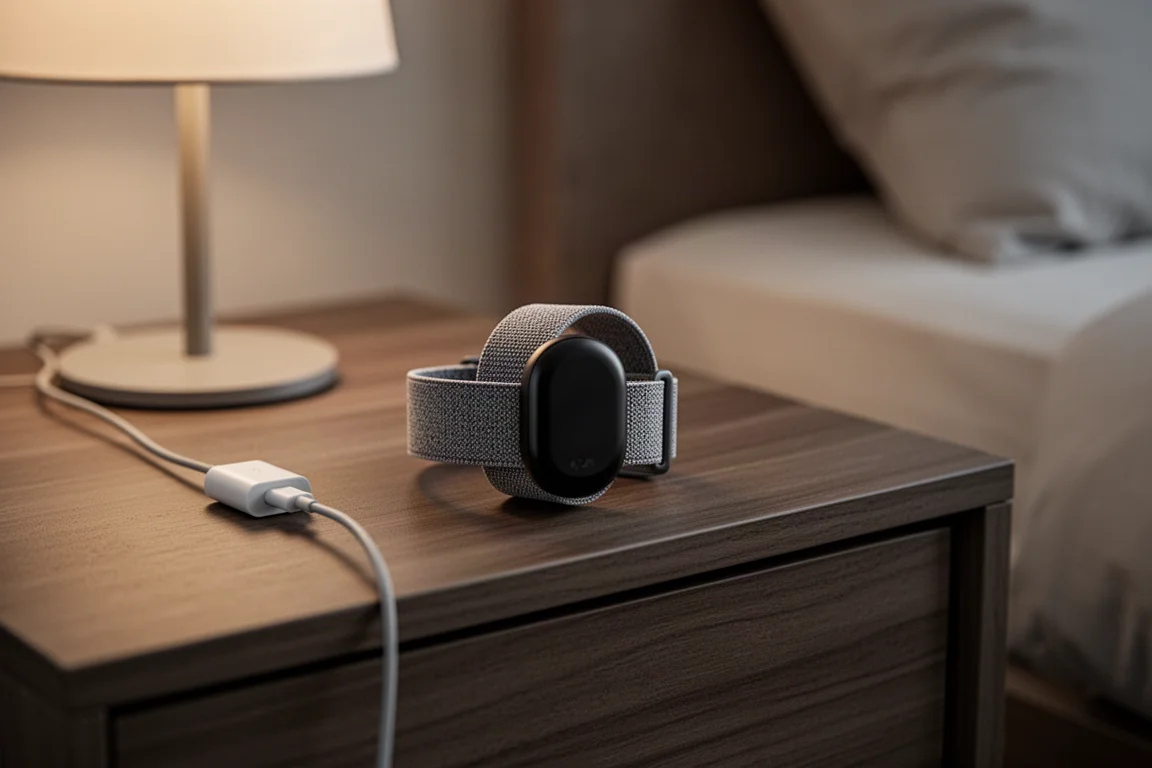
The ecosystem is arguably the biggest draw. Training readiness, training status and VO2 max estimates are more detailed and more performance-focused than what you get from Whoop or Fitbit, and the core experience is available for free through the Garmin Connect app. Real-time heart rate readouts and broadcasting are free too, with only things like nutrition tracking sitting behind the Garmin Connect Plus paywall. There is also a practical detail worth praising: the Circa uses the standard Garmin charger, with no extra dongles or attachments to keep track of.
Things to Consider Before Buying
Size is the most immediate compromise. The pod protrudes a long way off the wrist and the tracker spans nearly the full width of the wrist, which makes it more noticeable than slimmer rivals. It sits closer to the skin than the Whoop and is more comfortable, but for a device you want to be unnoticeable, it is on the chunky side.
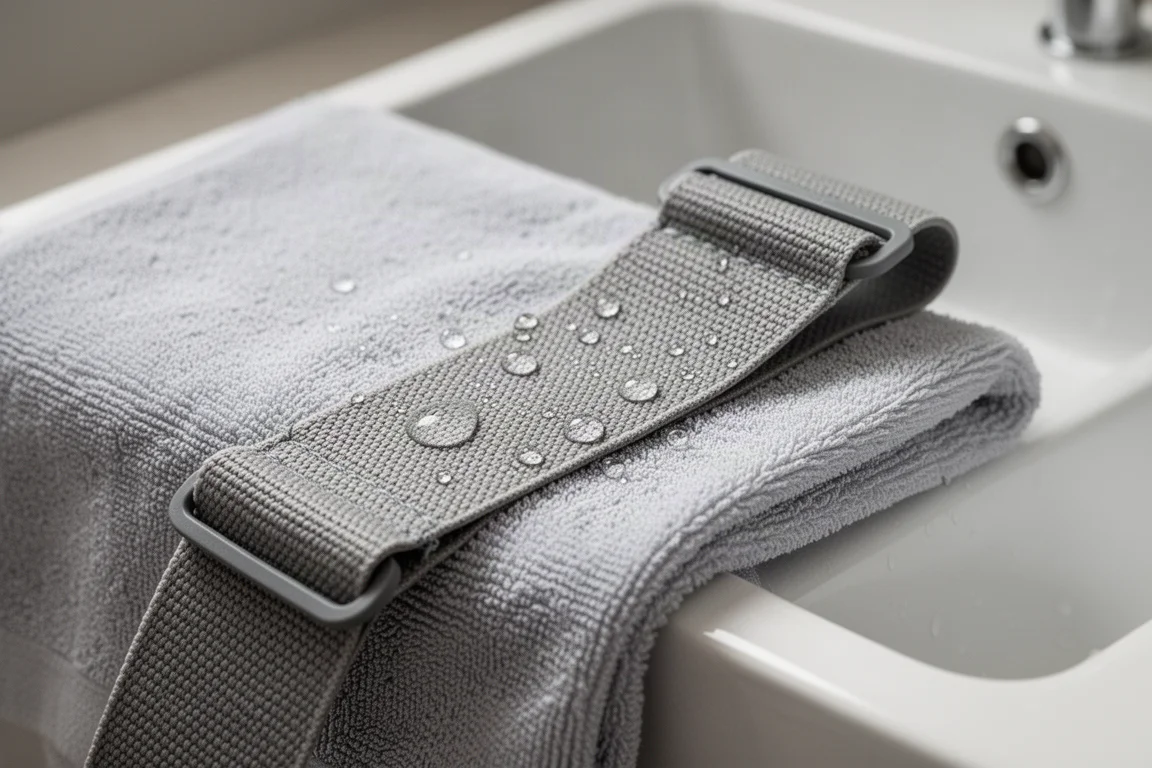
The fabric strap has a real quirk: it stays wet for a long time. After a shower, a swim or a rainy run, the band takes ages to dry, and it can leave a damp patch on clothing. In summer this is manageable; in winter, wearing it into the shower becomes something you actively avoid.
Automatic activity tracking is unreliable at times. It handles runs and rides reasonably well once you have been moving for around 15 minutes, but it needs to be worn a certain way to work at all, and it cannot tell a run from a ride without manual editing in the Connect app. Manual tracking has its own quirks too: a manually started treadmill run produced almost no distance estimate, with a 4-mile session registering as a fraction of a mile.
Connected GPS accuracy depends entirely on your phone, and in testing it routinely clocked runs as longer than a dedicated running watch. If precise pace and distance matter to you, this is a meaningful limitation. It is also worth noting Garmin used an older heart rate sensor in the Circa, which feels like an odd choice for a device whose core job is heart rate.
Battery life underdelivered against the 10-day claim. Testing produced closer to 5 to 7 days with heavy workout tracking. That will still outlast many running watches, but for a device this size with no screen, expectations were higher, and some watches from other brands now outlast it.
Finally, the armband strap is sold separately, and the Garmin Connect app, while improved with a new essentials section at the top of the home page, still does not feel as slick or glanceable as the Whoop or Oura apps. For a screenless device where the app is everything, that matters more than usual.
How It Compares to the Rivals
Against the Whoop, the Circa wins on cost structure: a one-time outlay versus Whoop’s ongoing subscription looks far more appealing over three to four years. But Whoop still leads in design, in an app genuinely built for living with a screenless device, and in automatic activity recognition. Serious trainers targeting strain-based analysis get more from Whoop.

The Fitbit Air is roughly half the price and covers a good selection of the same features and insights, with more integrated AI coaching if you pay for its subscription. For a simple, comfortable tracker on a very tight budget, it is hard to argue against. Compared directly with the Amazfit Helio Strap, the Circa holds up well on tracking accuracy and training depth, though the Helio has its own automatic tracking inconsistencies.
In the screenless market overall, the Circa sits just below the Whoop among the subscription-free options, alongside the Amazfit Helio Strap as the credible alternatives to Whoop.
Buying Advice
If you are a casual runner who wants to click start, go for a run, and come back to deep training analysis without a subscription, the Circa is a genuinely good fit. The heart rate and sleep tracking are accurate enough to make those insights trustworthy, and the button makes starting workouts dependable.
If precise GPS pace, real-time data and a slim profile matter to you, spend the same money on a similarly priced Garmin watch instead. A watch at this price point delivers more reliable run tracking. And if you already own a Garmin watch, skip the Circa entirely unless you have a specific gap it fills, such as sauna sessions where hot watch bezels become uncomfortable, or a desire for comfort and fewer distractions.
A few practical tips if you do buy: use the button rather than trusting automatic recognition, expect to edit workouts in the Connect app when you cross-train, and consider taking the band off before showering to avoid the damp-strap problem.
Conclusion
The Garmin Circa is a mixed but promising first entry into the screenless tracker space. It gets the fundamentals right: accurate heart rate, solid sleep tracking, a dependable manual start button, comfortable everyday wear, and access to Garmin’s excellent training analysis without a subscription. It is let down by its size, battery life that falls short of the claim, inconsistent automatic tracking, and a Garmin Connect app that needs a refresh to truly suit a screenless device.
It is not a slam dunk, and it is not going to replace a running watch for anyone who cares about detailed run data. But as a subscription-free route into Garmin’s ecosystem for casual runners and everyday fitness tracking, it does the job well, and a second version could plausibly address most of its shortcomings.
Product link
View more details for Garmin Circa
This product is mentioned in the review. Check the specifications, options, and compatibility before buying.
View more details for Garmin CircaFurther reading
Related Reviews
Fitness Trackers
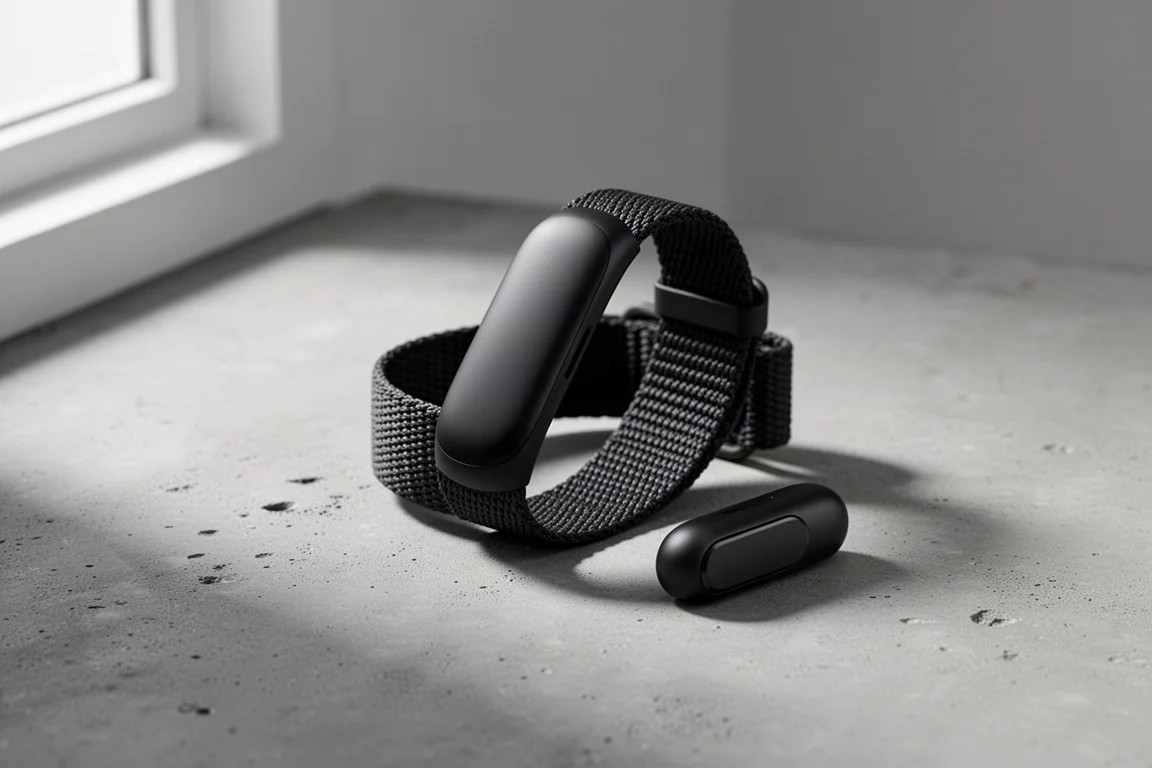
Amazfit Helio Band Review: A $99 Screenless Fitness Band That Isn't a Whoop Killer (And Doesn't Need to Be)
The Helio Band delivers impressive hardware and accurate heart rate tracking for $99 with no subscription, but its software keeps it from truly competing with Whoop.
Fitness Trackers
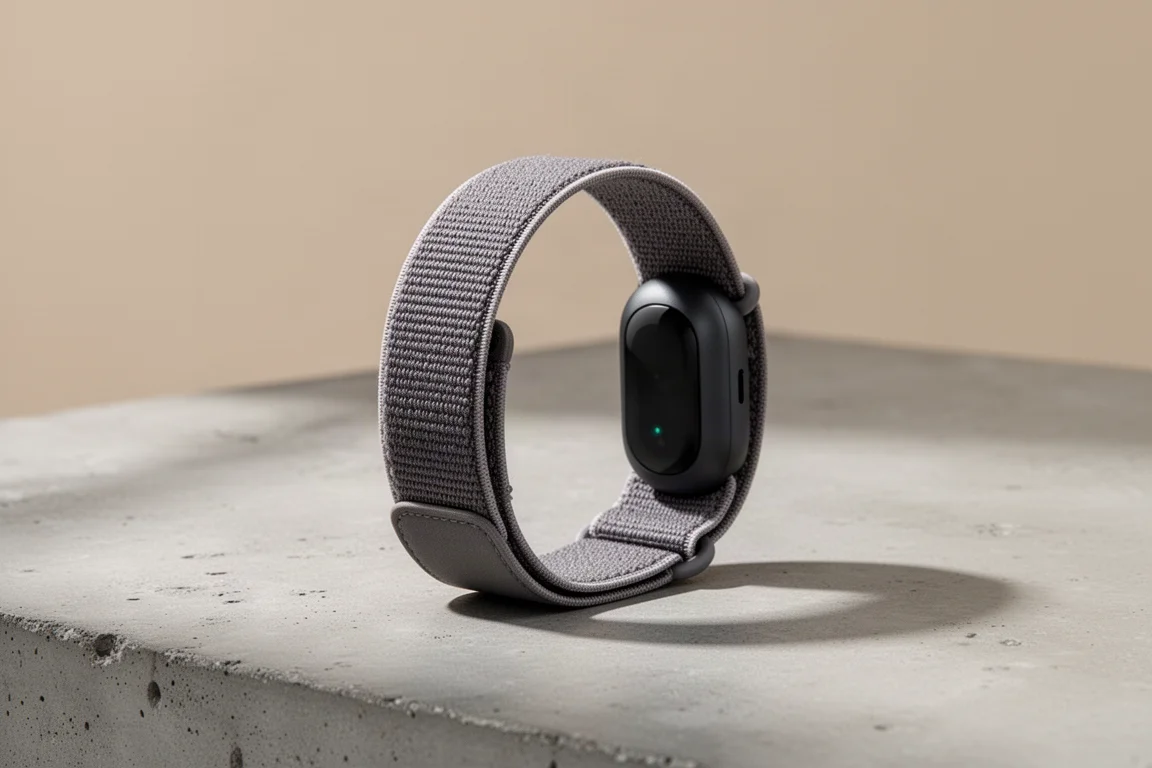
Fitbit Air Review: A $99 Screenless Band That Challenges Whoop
After weeks of testing across running, cycling, swimming, and everyday wear, the Fitbit Air proves to be impressive hardware with a few software growing pains.
Fitness Trackers
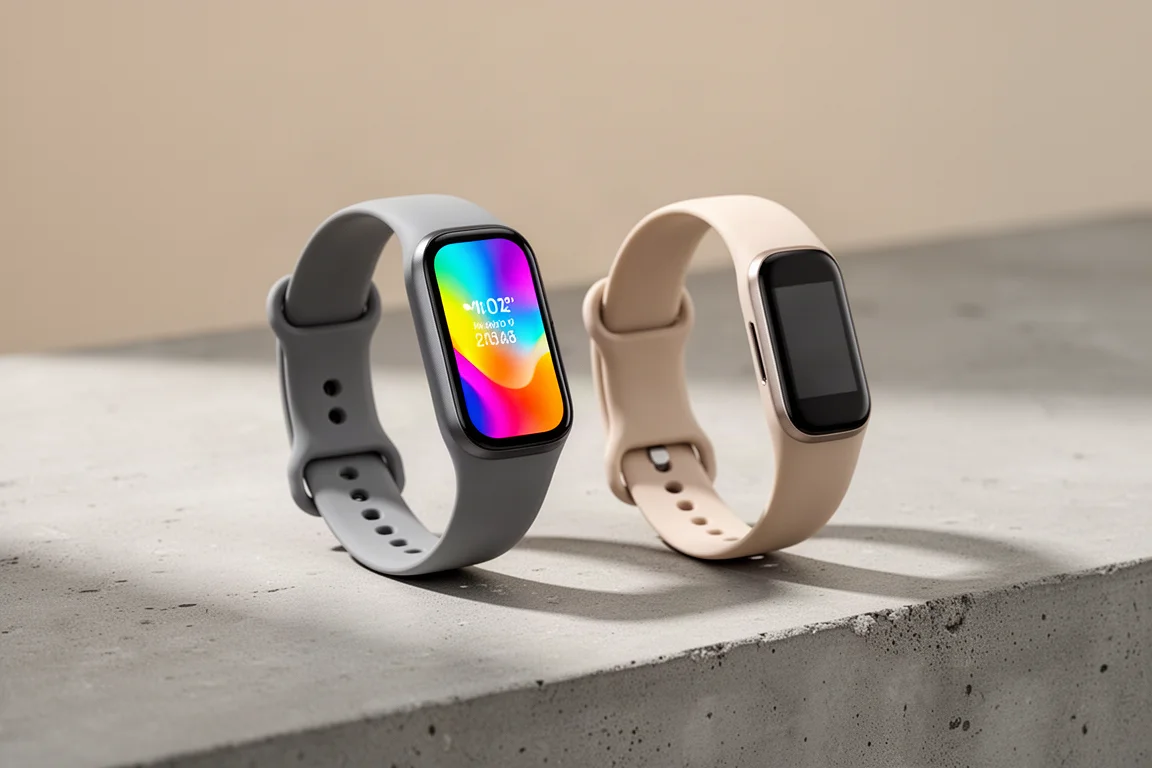
Fitbit Charge 5 vs Garmin Vivosmart 5: Which $149 Fitness Band Should You Buy?
Two fitness bands at the same list price take very different approaches to displays, health data, and sports tracking. Here is how they compare in practice.