Fitness Trackers
Garmin Circa: Answers to the Questions That Matter Before You Buy
Alarms, notifications, heart rate broadcasting, pairing with Garmin watches and Edge computers, plus what Connect Plus actually adds to the Circa.
Introduction
Since its debut, the Garmin Circa has generated plenty of questions, and extended hands-on use has filled in a lot of the gaps. This guide walks through the most common questions: how it handles alarms, whether it shows phone notifications, what sensor sits inside, how it pairs with other devices, and what the Connect Plus subscription actually changes. If you are deciding whether the Circa fits your setup, this covers the details worth knowing before you order.
Alarms, Smart Wake, and Notifications
The Circa does have an alarm function. You can use it for reminders throughout the day or as a morning wake-up alarm, and there is also a smart wake feature. If the device detects you are in an optimal sleep stage within 30 minutes before your set wake-up time, it will wake you early. If not, it simply wakes you at your normal set time. The vibration is a medium level, definitely noticeable, though not the wrist-shaking kind.
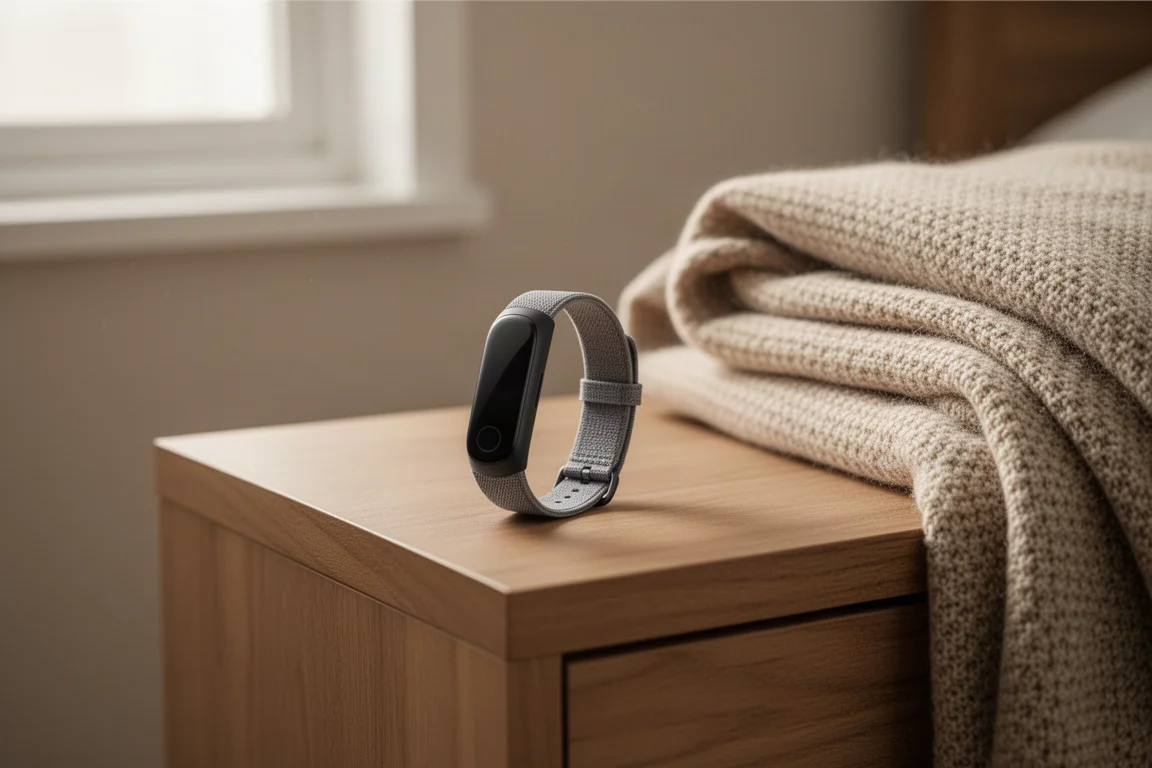
On the notification side, expectations should be set correctly: the Circa does not receive phone notifications, and it does not vibrate for incoming calls or texts. This is a focused tracking device, not a smartwatch replacement.
The Heart Rate Sensor Inside
The Circa uses a fourth-generation Elevate heart rate sensor, but a modified or newer version of it that adds hardware-level skin temperature tracking. Because this is a hardware change rather than a software one, previous Garmin devices with a Gen 4 sensor cannot gain skin temperature support through an update.
Accuracy testing is still ongoing, but early results are promising. An automatically detected gravel ride matched the start and end times almost exactly. Based on experience with previous Gen 4 Garmin watches, they generally perform well for cycling, running, and most cardio-based activities, but are not quite as strong for weight training and high-intensity interval training as Garmin’s newer fifth-gen sensors.
Heart Rate Broadcasting and Connectivity
The Circa can broadcast heart rate over both ANT+ and Bluetooth. You can toggle broadcasting in the app, or assign it to the device button if you enable that setting. Because broadcasting drains power, the app will remind you if the device is still broadcasting after a while.
In real-world testing, it connected to an iPad running Zwift over Bluetooth and a Wahoo ELEMNT bike computer over ANT+ at the same time. Garmin states the Circa supports up to three open Bluetooth channels plus your phone, and unlimited connections over ANT+. One caveat: during stress-testing the Bluetooth connection limit, a broadcasting issue appeared that may be an isolated bug rather than a general one. It is being looked into, and ANT+ broadcasting and normal phone syncing continued to work fine throughout.
Pairing with a Garmin Watch
Yes, the Circa can act as an external heart rate monitor over ANT+ or Bluetooth, and wearing it on the arm may yield better optical readings than a wrist-based watch. But if you already own a Garmin watch that collects the same data, you may not need it.
There are a few scenarios where it makes sense. For sleep, it can be more comfortable than a watch, and wearing it on the arm may suit your preferred sleeping position. If you already own a Garmin Index Sleep Monitor alongside a watch, though, the case gets thin. And if all you want is an arm-based optical heart rate sensor for workouts, dedicated options from Coros or Polar exist, and even an Amazfit Bip works well as an external heart rate monitor.
Garmin Connect handles dual-wearing through TrueUp, which syncs data across multiple Garmin devices, plus primary device settings. A sensible setup is the Circa as your primary daily wearable and a Garmin watch as your primary training device: the Circa covers daily stats and sleep, while manually recorded workouts on the watch take priority. In practice, most things sync over but some quirks remain, and Garmin is aware of bugs that should be addressed soon. Importantly, if you manually record an activity on another device, the Circa will not automatically log a duplicate workout.
Pairing with a Garmin Edge Bike Computer
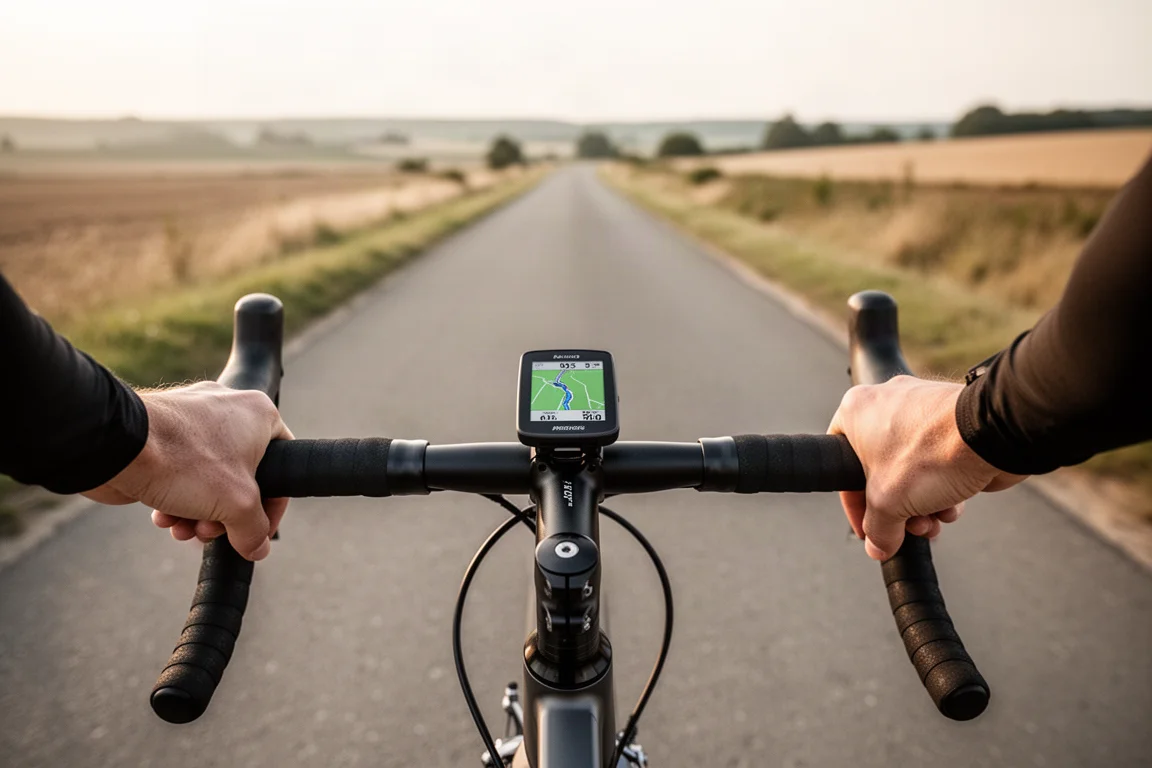
If you own a Garmin Edge bike computer and no Garmin watch, this is where the Circa makes the most sense. It complements the Edge perfectly: use the Edge for cycling as you normally would, wear the Circa on the wrist or arm as an external heart rate sensor for rides, then keep it on for daily wear to fill in health and recovery data outside of your bike time.
A few smaller details round things out. The Circa includes a floor climb activity profile even without an altimeter; it exists mainly to tag the activity, and you can manually edit the floor count later in Garmin Connect. Automatic activity detection also works well, with a detected ride nailing its start and end times in early testing.
Wristband vs Armband: What’s Actually Different
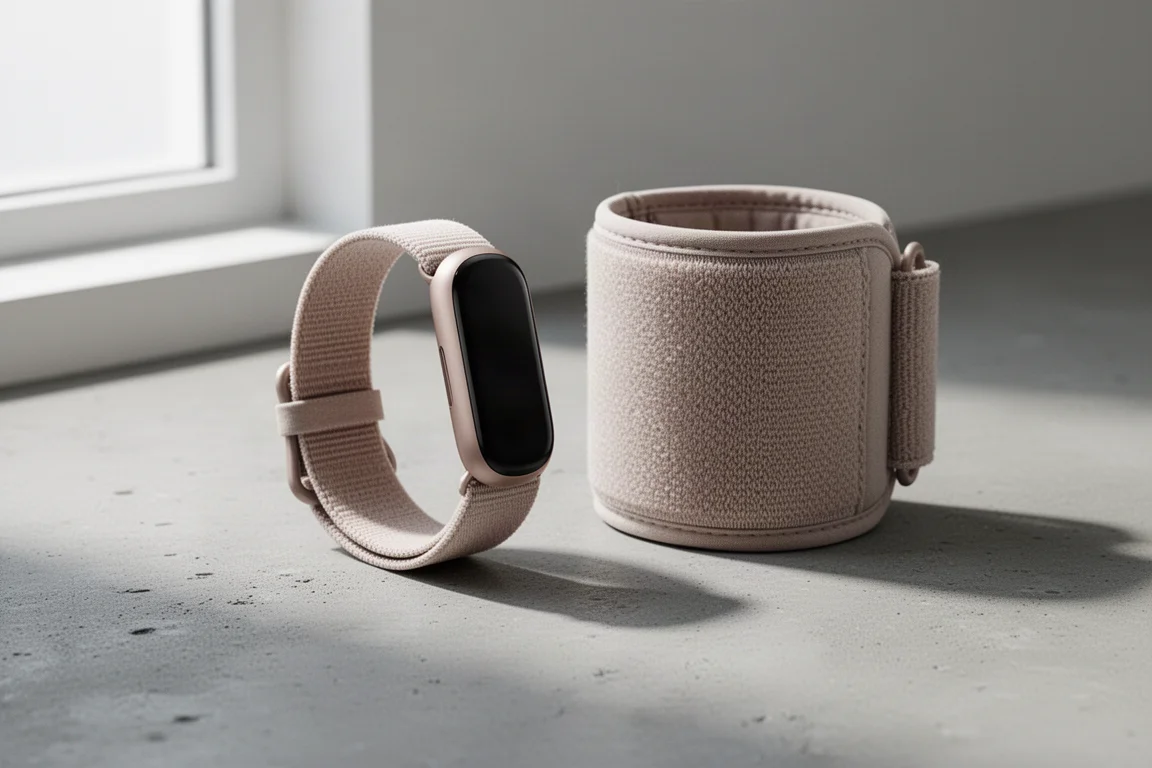
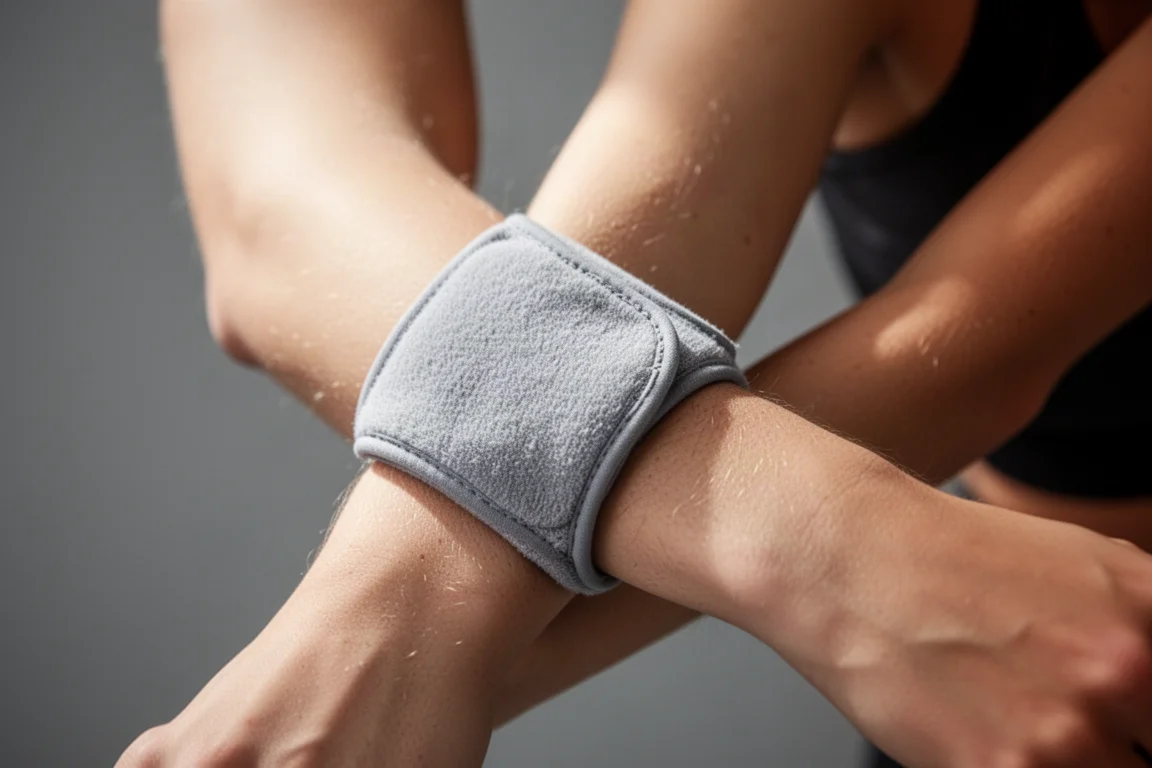
Visually, the two bands look nearly identical, with similar material and the same Velcro. The wristband material feels slightly softer, but the meaningful difference is stretch: the armband has more of it, which makes sense given how arm size changes during activity. The armband’s stretch is noticeable immediately out of the box.
Garmin will also offer an armband option when buying a Circa for the first time, priced at $210, though timing for that ordering option has not been confirmed. As for daily wear impressions, the Circa has been very comfortable to wear as both a daily tracker and a primary training tracker, though anyone coming from a watch with a built-in light will miss that feature.
What Connect Plus Adds (and What It Doesn’t)
Connect Plus touches the Circa hardware in three main ways, beyond broader subscription features like nutrition tracking that apply to most Garmin devices.
First, LiveTrack. The free tier already sends an email link so contacts can follow your activity. Connect Plus adds the ability to also send a link by text message. Note that the Circa has no built-in GPS or cellular capability, so your phone and a cell signal are still required.
Second, structured workouts. With Connect Plus you can follow predefined workouts, whether your own or from Garmin’s workout library, using your phone’s display.
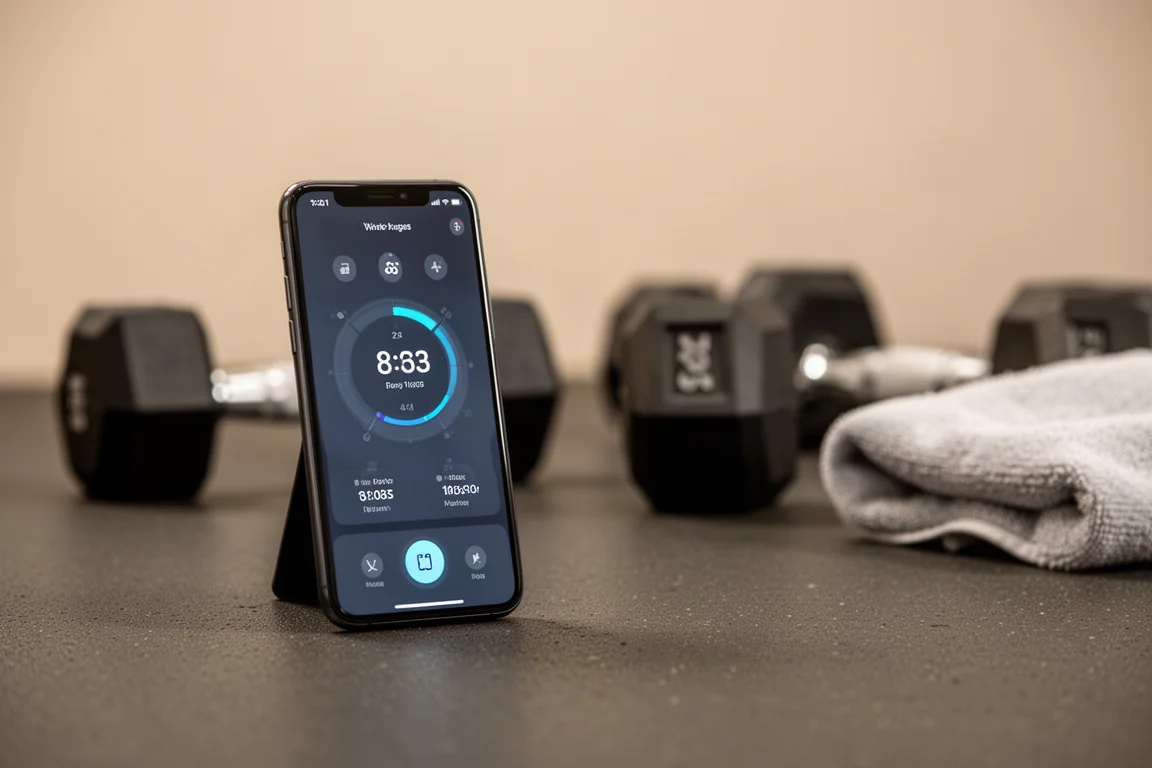
Third, the workout data screens. With Connect Plus on an outdoor activity, you get a live heart rate graph, a heart rate zone chart, plus fields like timer, average heart rate, distance, and speed. For indoor workouts like cardio, you get the same charts plus timer, calories, heart rate fields, and laps. Strength training adds set-to-rest transitions, real-time rep counting when enabled, and a lap button.
Without Connect Plus, almost all of that disappears, leaving essentially just heart rate and a timer. That bare-bones setup is the most legitimate criticism here, but a confirmed change is coming: the average heart rate field will switch to showing live real-time heart rate during activities, expected to arrive soon. Additional enhancements are also planned, though whether they will require Connect Plus is not yet clear.
Buying Advice
The Circa makes the most sense in two situations. If you own a Garmin Edge bike computer but no watch, it is a strong daily tracker and heart rate companion for your riding. And if you want a more comfortable sleep tracker or an arm-based heart rate option, it covers both.
If you already own a Garmin watch plus an Index Sleep Monitor, or simply want a dedicated arm heart rate strap for workouts, alternatives may serve you better. Check the subscription implications too: the free experience is functional but minimal during workouts, and live heart rate during activities is arriving via an imminent update rather than being available from day one.
Conclusion
The Garmin Circa is a focused band that does its core job well: accurate-enough heart rate for most cardio, solid automatic activity detection, smart wake alarms, and flexible broadcasting over ANT+ and Bluetooth. Its weaknesses are equally clear, with no notifications and lean workout screens without Connect Plus. Match it to the right setup, especially an Edge-based or watch-free routine, and it slots in naturally.
Product link
View more details for Garmin Circa
This product is mentioned in the review. Check the specifications, options, and compatibility before buying.
View more details for Garmin CircaFurther reading
Related Reviews
Fitness Trackers
Amazfit Helio Band Review: A $99 Screenless Fitness Band That Isn't a Whoop Killer (And Doesn't Need to Be)
The Helio Band delivers impressive hardware and accurate heart rate tracking for $99 with no subscription, but its software keeps it from truly competing with Whoop.
Fitness Trackers
Fitbit Air Review: A $99 Screenless Band That Challenges Whoop
After weeks of testing across running, cycling, swimming, and everyday wear, the Fitbit Air proves to be impressive hardware with a few software growing pains.
Fitness Trackers
Fitbit Charge 5 vs Garmin Vivosmart 5: Which $149 Fitness Band Should You Buy?
Two fitness bands at the same list price take very different approaches to displays, health data, and sports tracking. Here is how they compare in practice.