Home Improvement
Garage Door Upgrade Guide: Quieter Operation and Better Energy Efficiency
Two simple garage door upgrades that reduce noise, improve sealing, and make daily operation smoother.
Introduction
A garage door is one of the most used entry points in a home, yet it often gets overlooked when it comes to maintenance and upgrades. Over time, standard hinges and rollers can wear down, leading to noisy operation, uneven sealing, and even drafts that affect energy efficiency.
Two upgrades address these common issues directly: a spring-loaded hinge system that presses the door tighter against its weather stripping, and nylon rollers with sealed bearings that make movement smoother and quieter. Both are designed as straightforward DIY projects that most homeowners can complete in under an hour.
Why Upgrade Your Garage Door Hardware
The stock hardware on most garage doors works fine when new, but it does not always maintain a tight seal as the door settles and components wear. A small gap between the door and its weather stripping can let in air, light, and even pests. Over time, this can make a garage harder to keep at a comfortable temperature and increase energy costs.
The two upgrades covered here target these problems from different angles. The hinge system uses spring tension to push the door outward toward the seal, while the rollers reduce friction and noise during operation. Together, they address both the seal quality and the smoothness of the door’s movement.
The Green Hinge System: Better Sealing
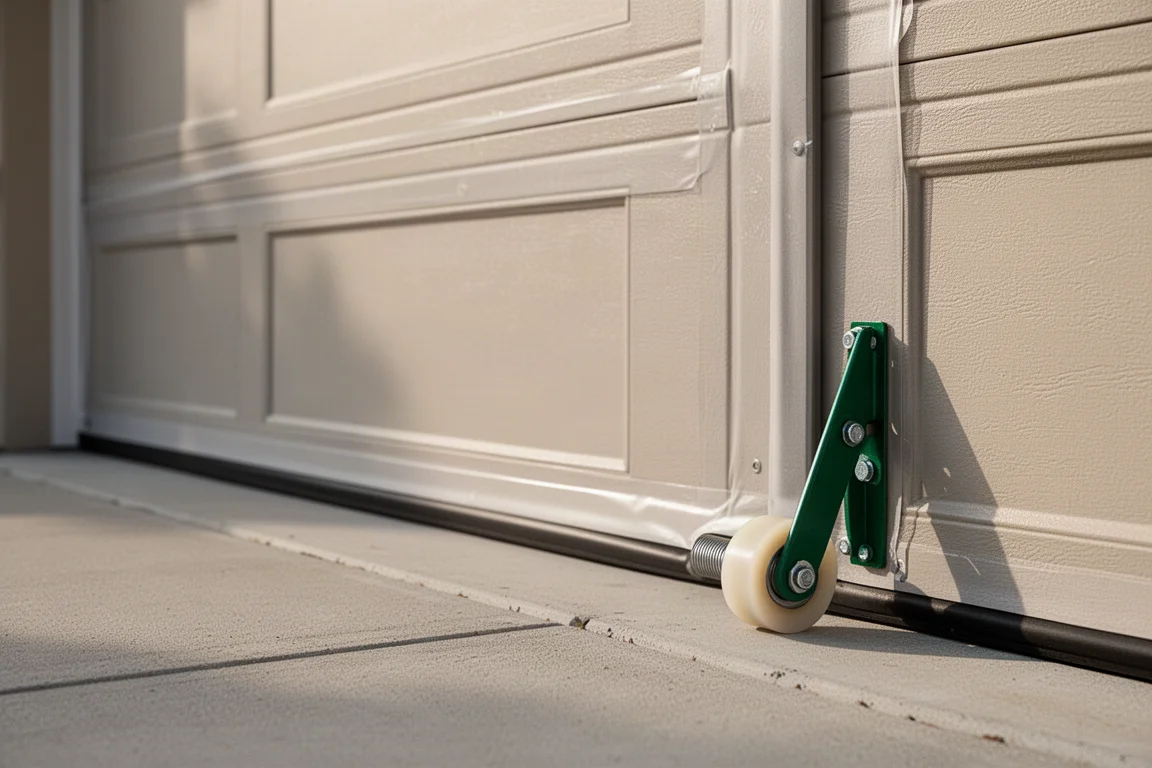
The Green Hinge System is a spring-loaded hinge designed to keep the garage door pressed firmly against its weather stripping. The spring mechanism applies constant outward pressure, which helps close any gaps that develop as the door settles or as the seal compresses over time.
The hinges are numbered from one to three, with number one at the bottom and number three at the top. The numbering corresponds to the offset of the roller, which increases with each hinge number. This offset is what creates the angle that helps the door release from the seal smoothly as it opens, rather than rubbing against it.
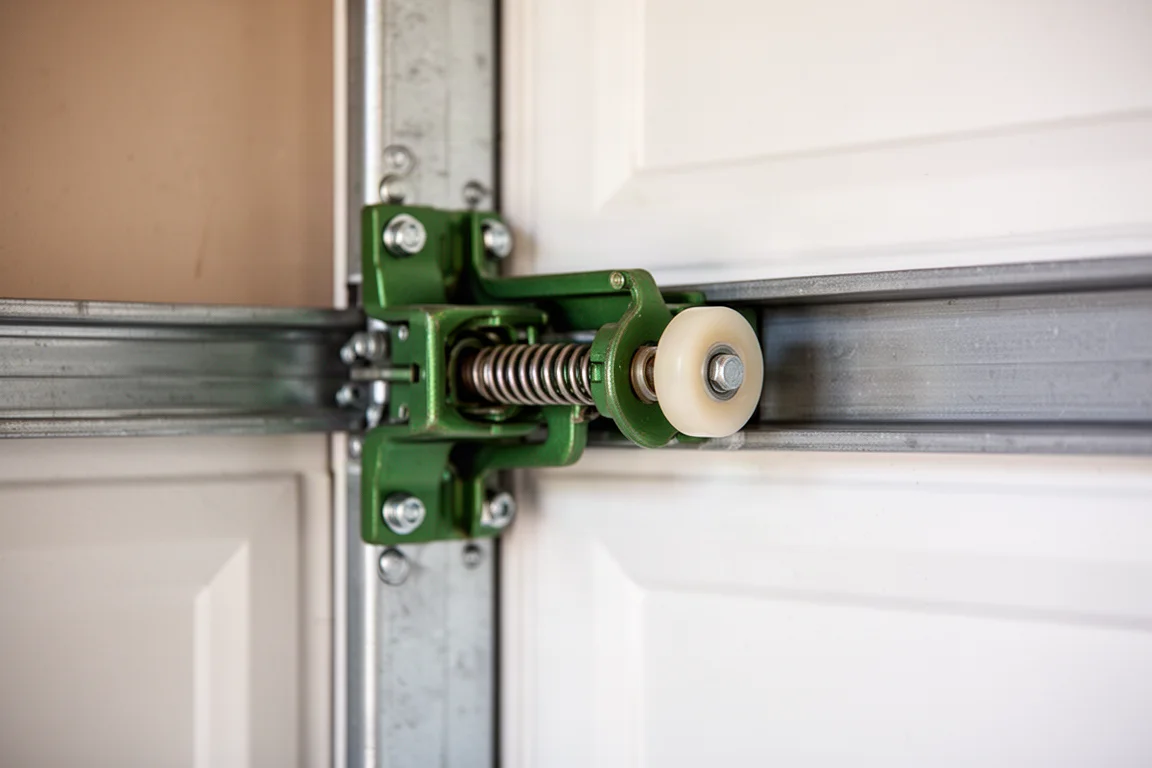
For doors wider than 12 feet, a commercial kit is recommended. Doors under 12 feet use the residential kit. The kits are also sized by the number of panels on the door, typically four, five, or six panels. This makes it easy to select the right kit for a specific door.
The installation is a direct swap. The existing hinge bolts are removed, the new hinge is placed in the same mounting holes, and the bolts are reinstalled. No new holes are needed. For doors with wind-load reinforcement bars, a small notch may need to be ground into either the bar or the hinge with an angle grinder, but this only applies to doors with those bars installed.
Dura-Lift Titan Rollers: Smoother Movement
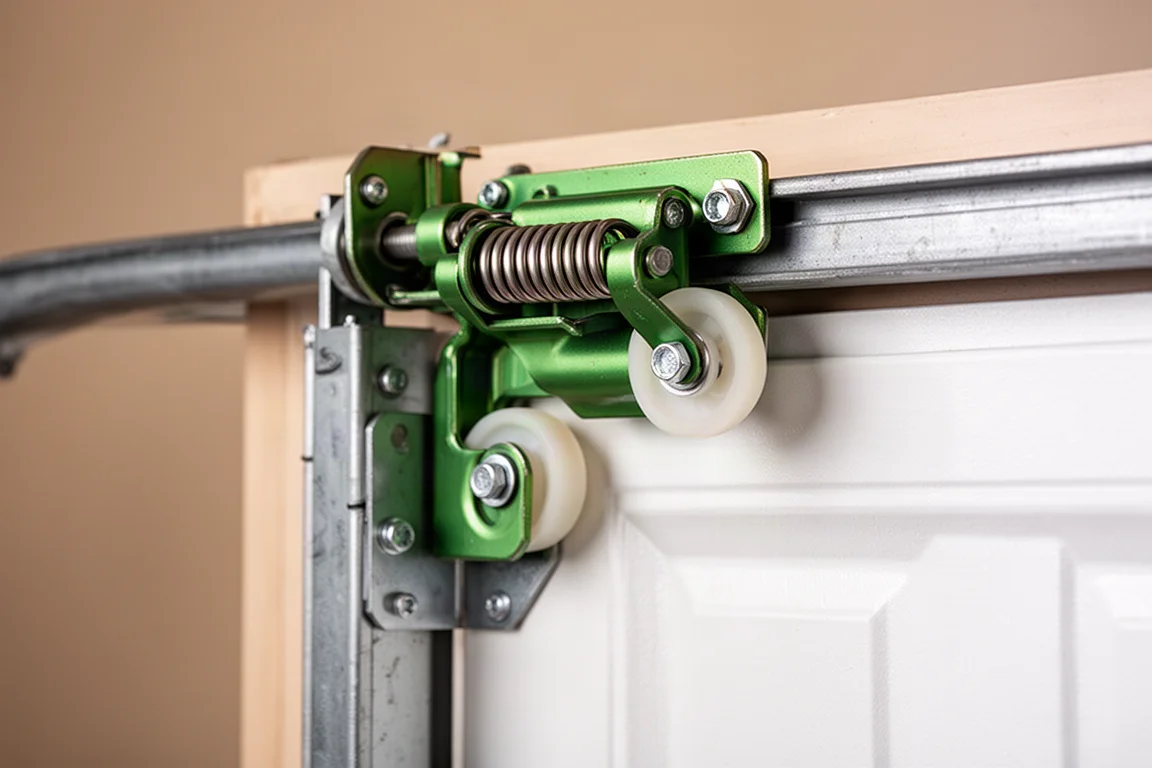
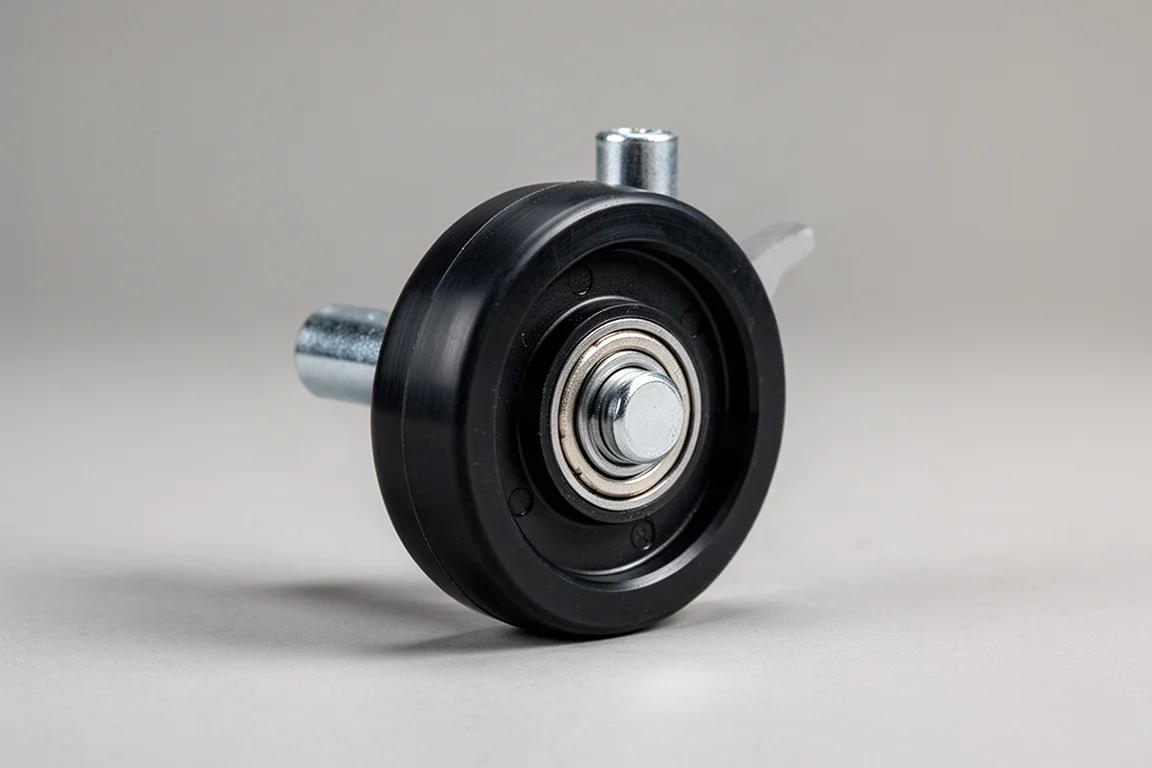
The Dura-Lift Titan rollers are nylon rollers designed for quiet operation. They feature 6200 double Z bearings, which provide smoother movement compared to standard rollers. The nylon construction reduces noise as the door travels along its tracks.
These rollers are described as universal, meaning they fit a wide range of garage door systems. They are fully sealed, including the cap at the front, which helps keep dirt and debris out of the bearings over time.
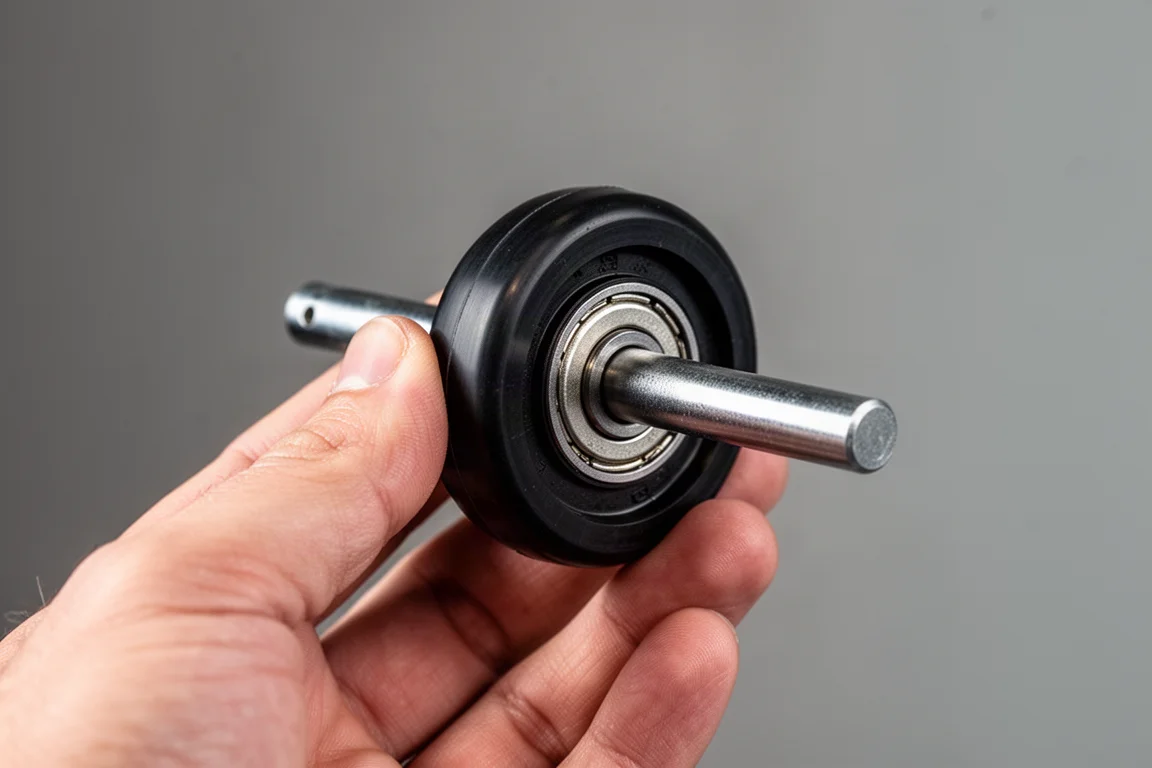
The rollers are a worthwhile upgrade even on newer doors. A door built in 2019 may already have nylon rollers, but the bearings can still wear or leak over time. The sealed design of the Titan rollers helps maintain smooth operation for longer.
During installation, the rollers are placed into the hinge before the hinge is mounted. The roller goes into the part of the hinge that the spring acts upon, so the spring pushes the door outward. The bottom roller on the door should not be replaced, as it is typically under tension from the springs and can be dangerous to work with.
Installation: What to Expect
The installation process is straightforward and requires only basic tools. A socket wrench is needed, typically with a 7/16 inch socket, though the size can vary between door models. The process involves removing the bolts from each hinge, swapping in the new hinge with its roller, and reinstalling the bolts in the same holes.
One important tip is to avoid over-tightening the bolts. The screws should be placed loosely at first, then tightened once all screws are in position. This helps align everything correctly before final tightening.
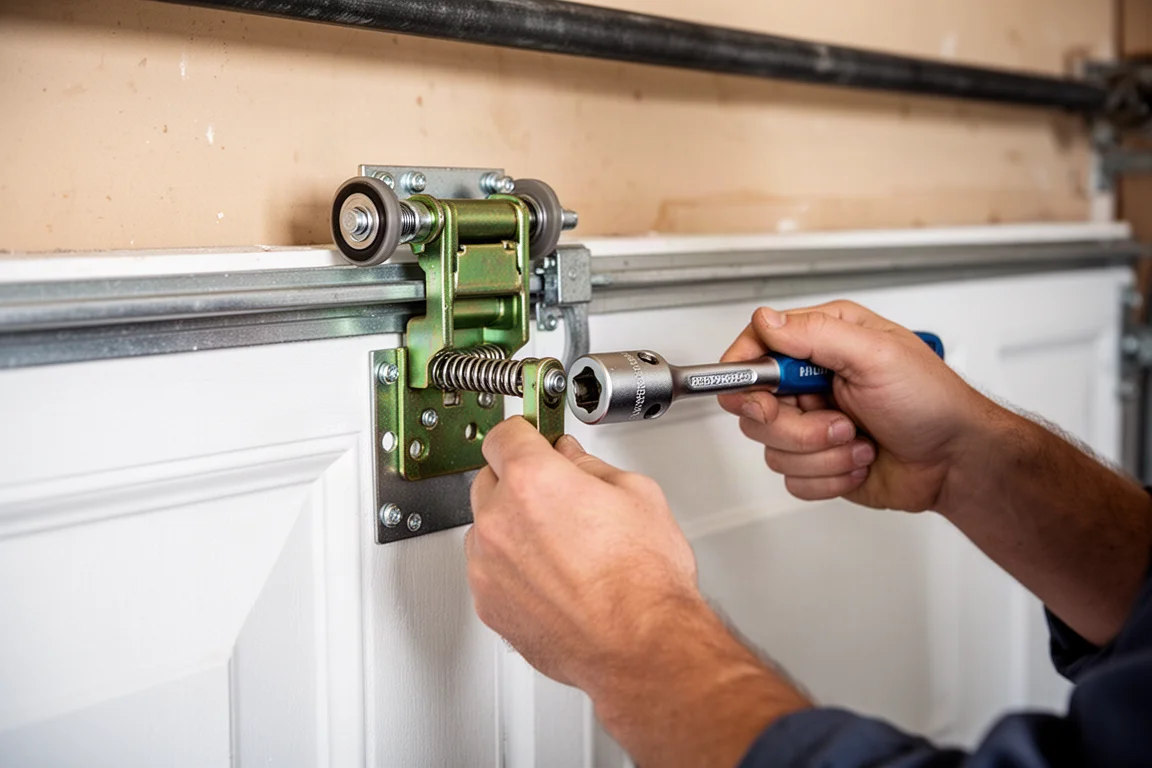
The order of installation does not matter much. It is possible to start at the bottom and work up, start at the top and work down, or go in a zigzag pattern. The key is to replace the hinges one at a time, moving from one side of the door to the other.
For doors with wind-load reinforcement bars, a small modification is needed. The mounting hole for the crossbar can arrive in the hinge, so a notch may need to be ground into either the bar or the hinge using an angle grinder. This applies mainly to doors 10 feet or wider, which commonly have these bars installed.
The entire project typically takes about half an hour, even for someone doing it for the first time.
The Results: Quieter and Tighter
After installation, the difference is noticeable. The door operates with a whisper-quiet motion, and the seal against the weather stripping is visibly tighter. A before-and-after check for light leaks around the door shows that gaps that were previously visible are now closed.
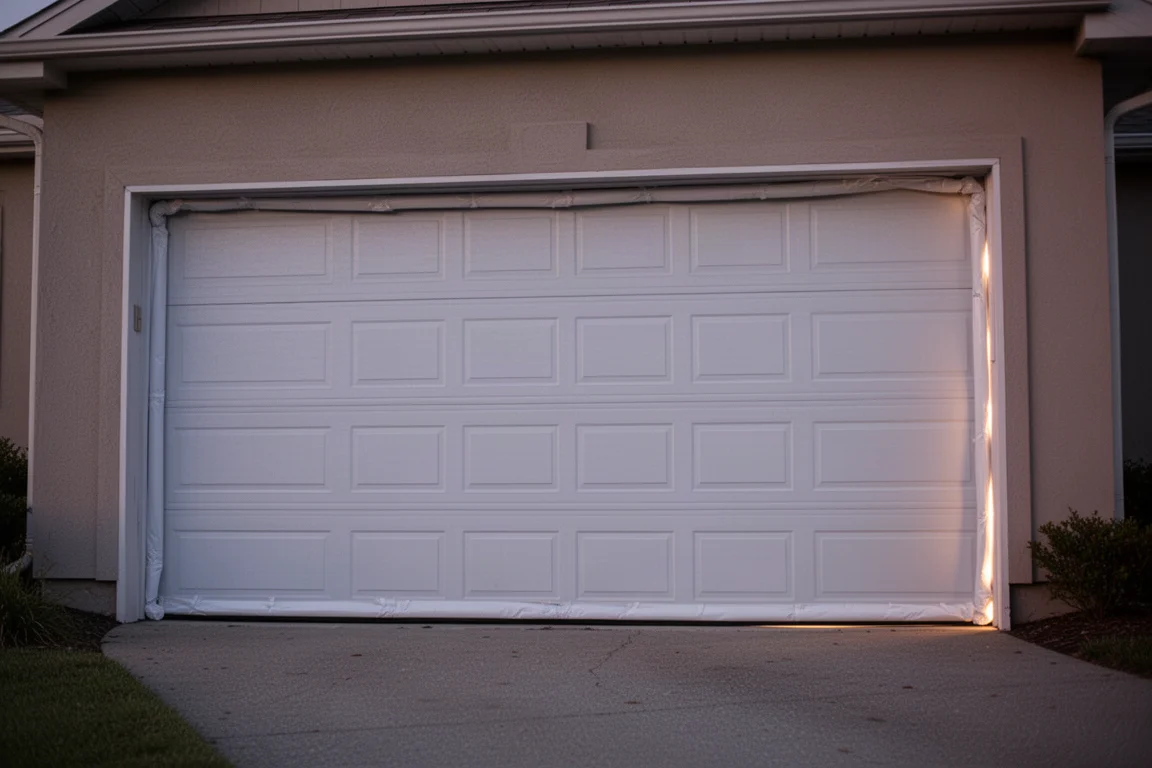
The tighter seal means less air leakage, which contributes to better energy efficiency. The door stays pressed against the weather stripping, reducing drafts and helping maintain a more consistent temperature inside the garage.
The smoother rollers also reduce strain on the garage door opener, which can extend the life of the opener and other door components.
Buying Advice
For most homeowners, the Green Hinge System and Dura-Lift Titan rollers are a worthwhile combination. They address two of the most common garage door complaints: noise and poor sealing.
The hinge system is particularly valuable for older doors or doors that have settled over time, where gaps around the weather stripping are more likely. The rollers are a good upgrade for any door, especially those with older metal rollers or bearings that have worn out.
Before purchasing, measure the door width and count the number of panels to select the correct kit size. Doors wider than 12 feet need the commercial kit, while smaller doors use the residential kit.
Conclusion
These two upgrades offer a simple way to improve the performance of a garage door without replacing the entire system. The spring-loaded hinges create a tighter seal against the weather stripping, while the nylon rollers make operation smoother and quieter.
Both are designed as direct-fit replacements that use existing mounting holes, making them accessible to DIYers of all skill levels. With about half an hour of work, a garage door can operate more quietly, seal more effectively, and contribute to better energy efficiency in the home.
Further reading
Related Reviews
Home Improvement
US vs UK Plastering Methods: A Practical Comparison for Your Next Ceiling Project
A hands-on look at how veneer plastering differs between the US and UK, including the two-mix method, setting times, and the tools that make a difference.
Automotive Tools
ALAIAL 1/2" Digital Torque Adapter Review: Turn Any Ratchet Into a Precision Tool
A practical look at the ALAIAL 1/2" digital torque adapter, an affordable way to add torque measurement to your existing ratchet.
DIY Tools
Beginner's Guide to Taping Drywall with Rollers and Corner Tools
A practical walkthrough of drywall taping using rollers and affordable corner tools, designed for first-time DIYers.