Home Improvement
Best Deck Screws Tested: 11 Brands Compared for Strength, Speed, and Corrosion
Eleven deck screw brands put through drive torque, shear strength, holding power, and corrosion testing to find which ones are actually worth buying.
Introduction
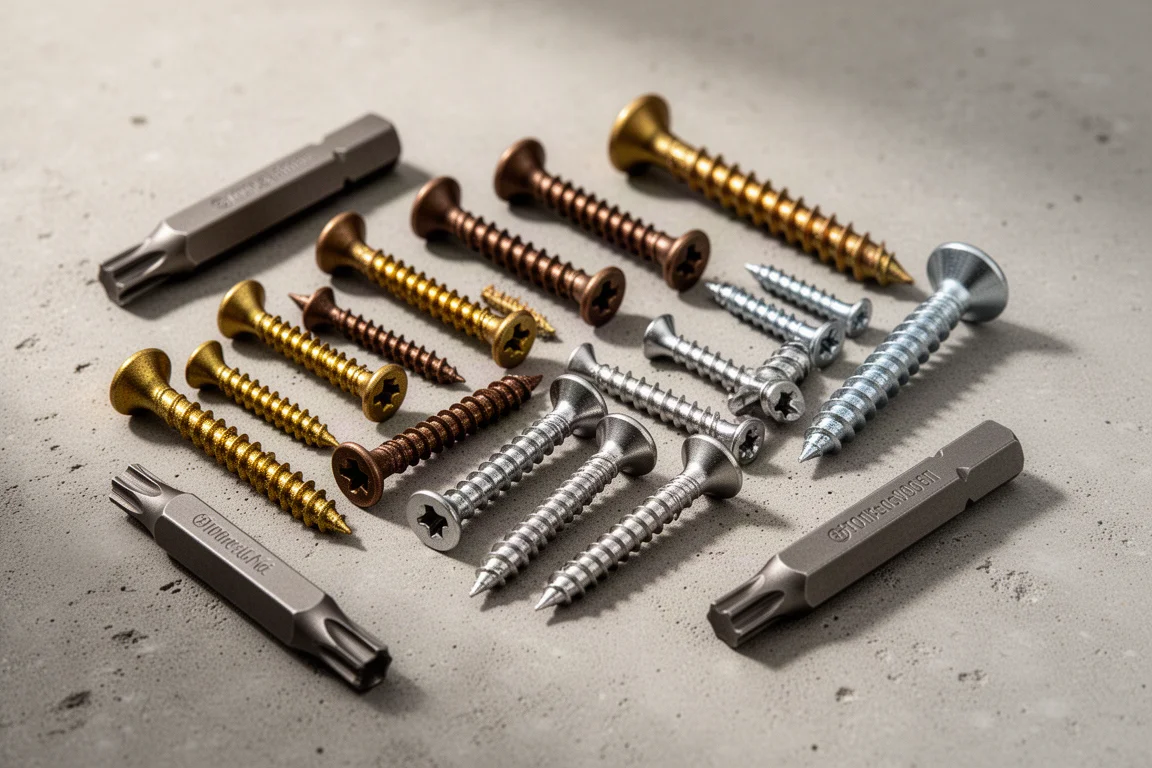
If you are spending ten to twenty thousand dollars on a new deck, the screws holding it together matter more than most people realize. We compared eleven popular deck screw brands across five practical tests: how much torque they need to drive, how fast they install, how much shear load they survive, how strongly they hold in wood, and how well their coatings resist corrosion.
All of the screws tested are 3-1/2 inches long, and most are 10 gauge. The brands ranged from Deckmate at 14 cents per screw up to Eagle Claw 305 stainless steel at 31 cents each, so there is a wide price spread to weigh against performance.
How the Testing Worked
Each brand was driven into pressure treated 4x4s with an inline torque adapter tracking maximum torque across three screws. The coatings were then inspected after installation and after being driven through a hard 1-inch piece of oak, since abrasion is where coatings typically fail first.
From there, the screws went through a shear-load tester built from hard AR500 steel, a pull-out test in a regular 2x4, a starting-pressure test on a drill press under roughly 4.5 pounds of downward force, and finally a brutal corrosion test involving sulfuric acid plus a hydrogen peroxide, vinegar, and salt rusting agent. A drywall screw and a 16-penny nail were included as reference points.
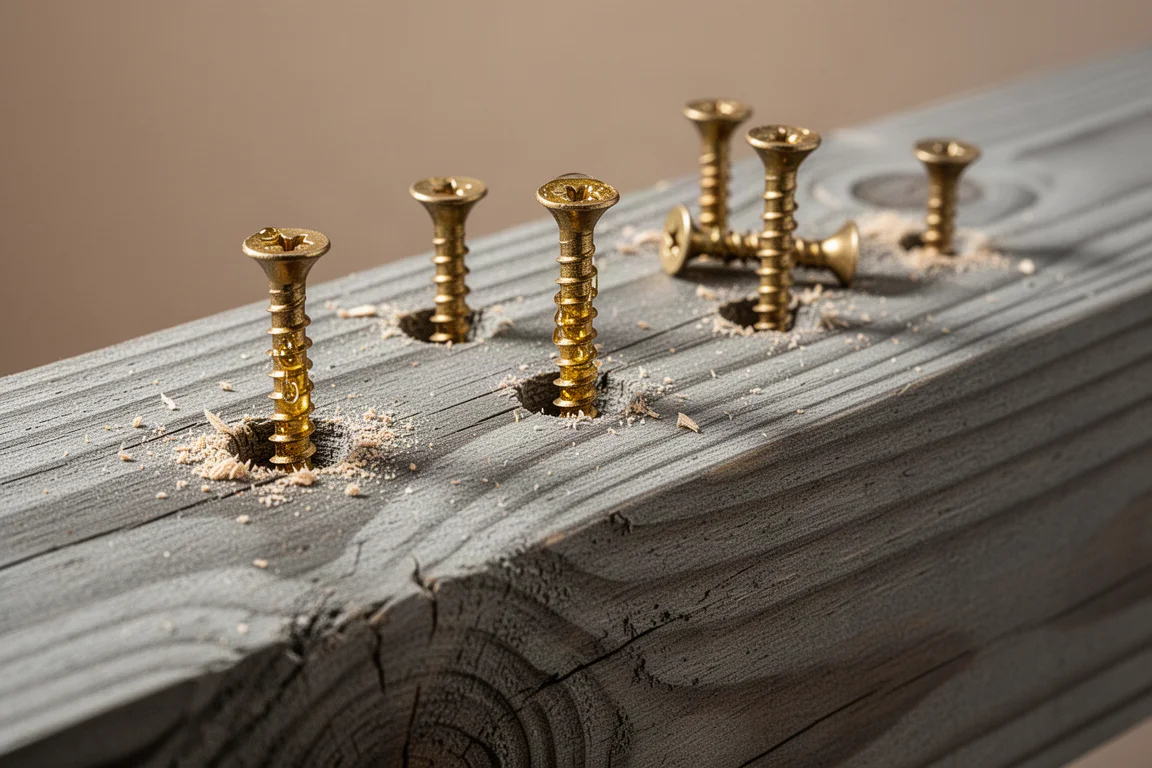
One important caveat from the shear testing: screws are more brittle than nails and can snap under repeated back-and-forth movement, so screws should only be used for structural applications when they are building code approved.
Deckmate Deck Screws
At $8 per pound or 14 cents per screw, Deckmate is the cheapest brand tested. It includes a T25 Torx bit, though the bit fit is noticeably loose. Made in Taiwan, it weighs 8.78 grams and needed 15 inch-pounds on average to drive.
Deckmate’s coating is thin, and after installation there was visible metal exposure on the threads and shaft, especially after drilling through oak. In shear it surprised with 1,903 lb, and pull-out averaged 631 lb. Despite the acid destroying the coating, no visible rust formed afterward.
WoodPro Deck Screws
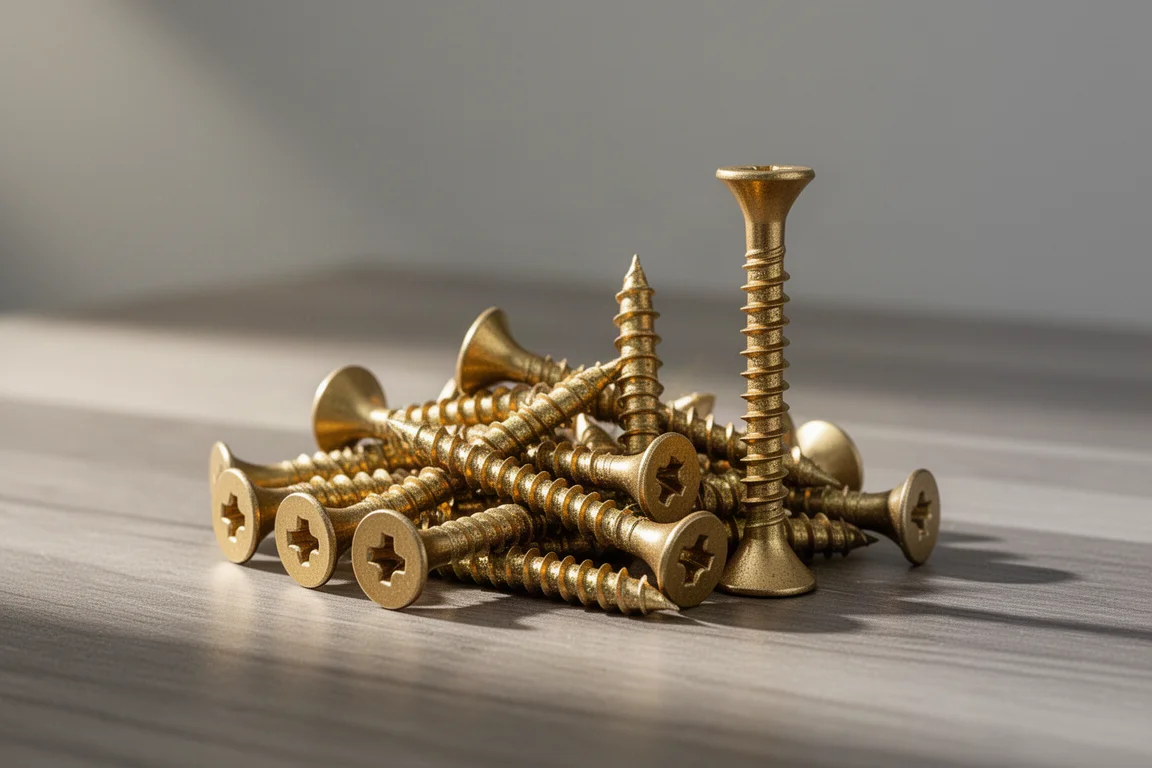
WoodPro costs $11 per pound or 14 cents per screw and is a lighter #9 gauge screw at 6.29 grams, with a sharp Type 17 point and nibs under the head for clean countersinking. The PPG golden electro polyseal coating claims not to chip or rub off, though some chipping was visible out of the box.
It drove with very consistent 13 inch-pounds and hit 0.88 seconds per screw with an impact driver, 40% faster than Deckmate. Shear was the lowest of the group at about 1,275 lb, but pull-out held up well at 615 lb. After acid exposure, no visible rust appeared.
Deck Drive Quick Guard Deck Screws
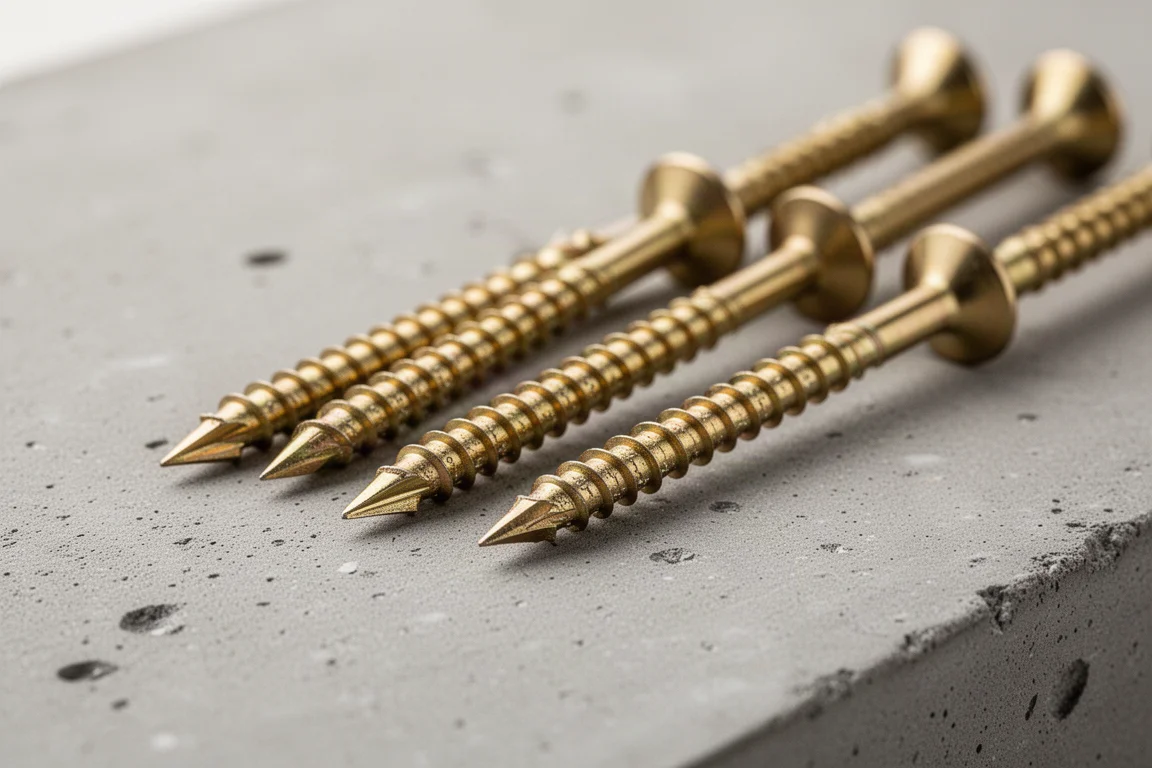
Deck Drive sells for $10 per pound or 17 cents per screw with a Quick Guard coating rated medium for corrosion resistance. The low-torque threads claim up to 35% more screws per battery charge, and testing backed that up: 0.7 seconds per screw made it the fastest installer of the entire group.
Coating condition was the best of the first three brands tested, with no visible chipping, though the oak still wore through to bare metal. Shear came in around 1,408 lb and pull-out at 585 lb, both mid-pack.
FastenMaster Guard Dog Deck Screws
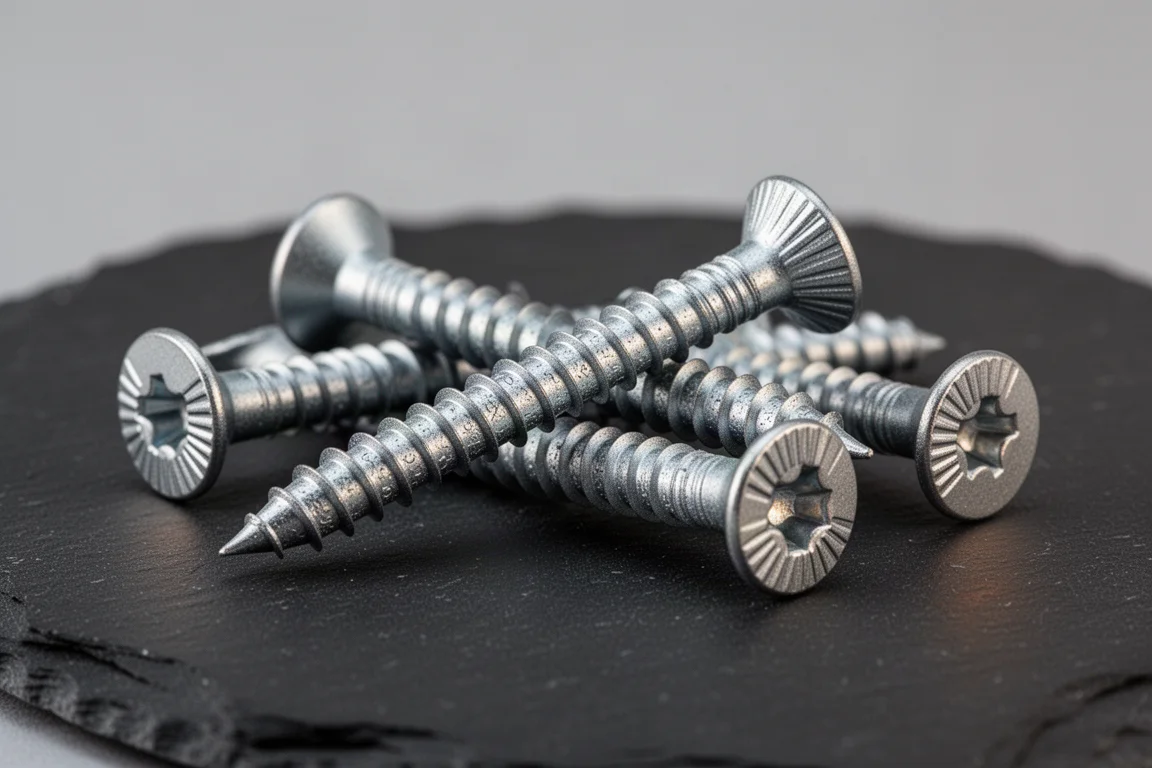
Guard Dog runs $15 for 75 screws, or 20 cents each, and uniquely uses a Pozi Square drive instead of Torx. Its aggressive thread design claims increased holding power, and it delivered: pull-out averaged 660 lb, among the best results.
It needed the most drive torque so far at 16.7 inch-pounds on average, and impact driving took a slow 1.97 seconds per screw, nearly three times the Deck Drive. Shear was strong at about 1,550 lb, and no rust appeared after the corrosion test.
PowerPro Deck Screws
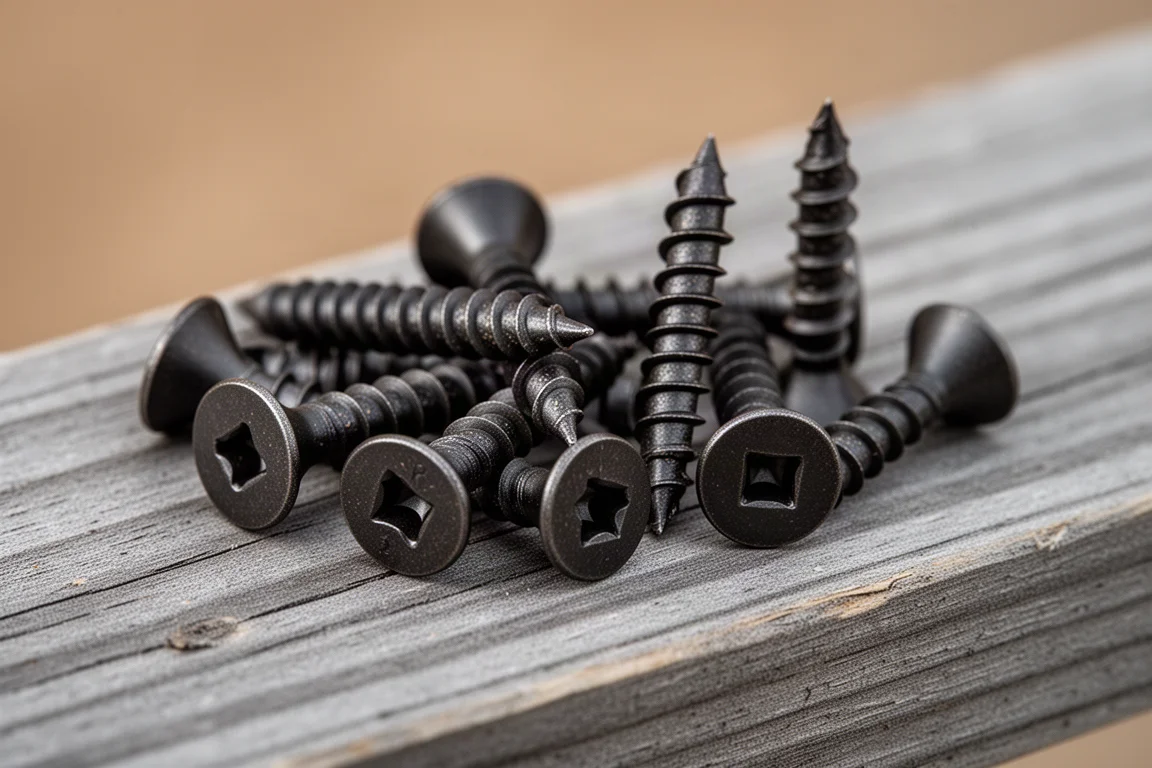
PowerPro, sold at Lowe’s for $12 per 59 screws (20 cents each), uses a bronze epoxy coating engineered for outdoor rust protection and a self-starting tip claiming 20% faster engagement with no splitting. The included driver bit fits poorly, which is worth noting.
It drove at 14.7 inch-pounds and 1.0 seconds per screw, third fastest. Its coating held up among the best through both installation and the oak test, and pull-out averaged 649 lb. Shear reached about 1,493 lb, and no rust formed after acid exposure.
Grip Rite Deck Screws
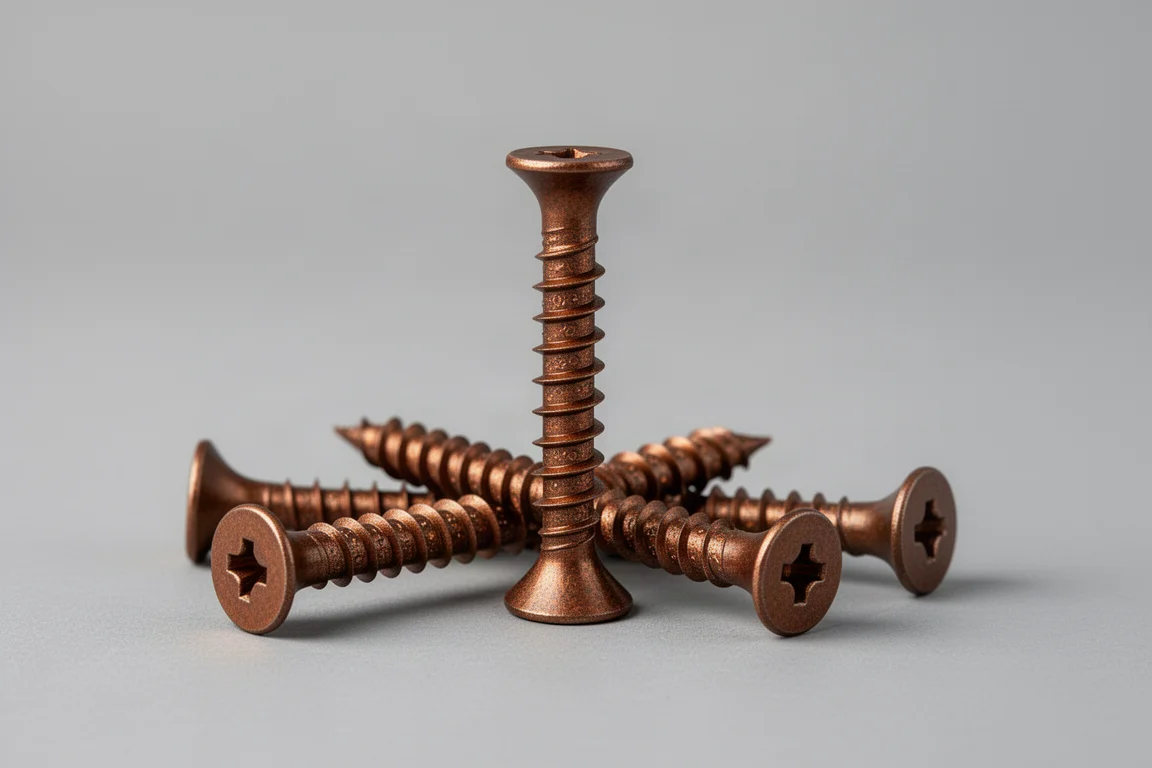
Grip Rite, sold at Lowe’s and Home Depot for $11 per 53 screws (21 cents each), backs its improved corrosion resistance with a lifetime guarantee against rust. The Type 17 point reduces pre-drilling, and the countersinking bugle head prevents heads from popping out.
This was the standout performer. Grip Rite averaged 17 inch-pounds to drive and 1.07 seconds per screw, but its coating survived oak drilling nearly unscathed, it posted the highest shear at 2,026 lb, and it led pull-out at 698 lb. After acid and rusting agent exposure, the coating held best of all with no visible corrosion.
Deck Plus Deck Screws
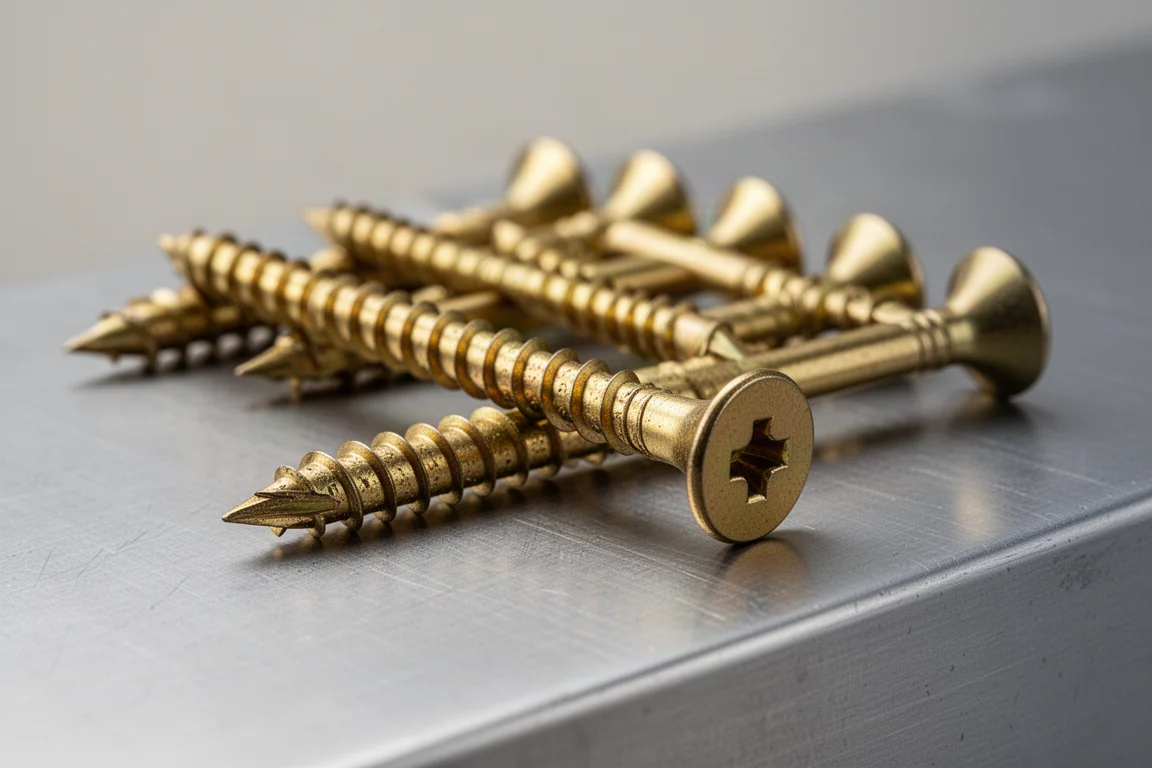
Deck Plus costs $12 for 55 screws (22 cents each) and advertises a four-layer coating, a lifetime rust and corrosion warranty, and a self-drilling point that eliminates pilot holes.
It drove at 16.7 inch-pounds on average and a slow 1.53 seconds per screw. Shear was excellent at 1,952 lb and pull-out solid at 654 lb, but the coating was a weak point: quite a bit of metal showed on the threads after installation, and the oak test completely shredded it. No corrosion appeared after the acid test despite that.
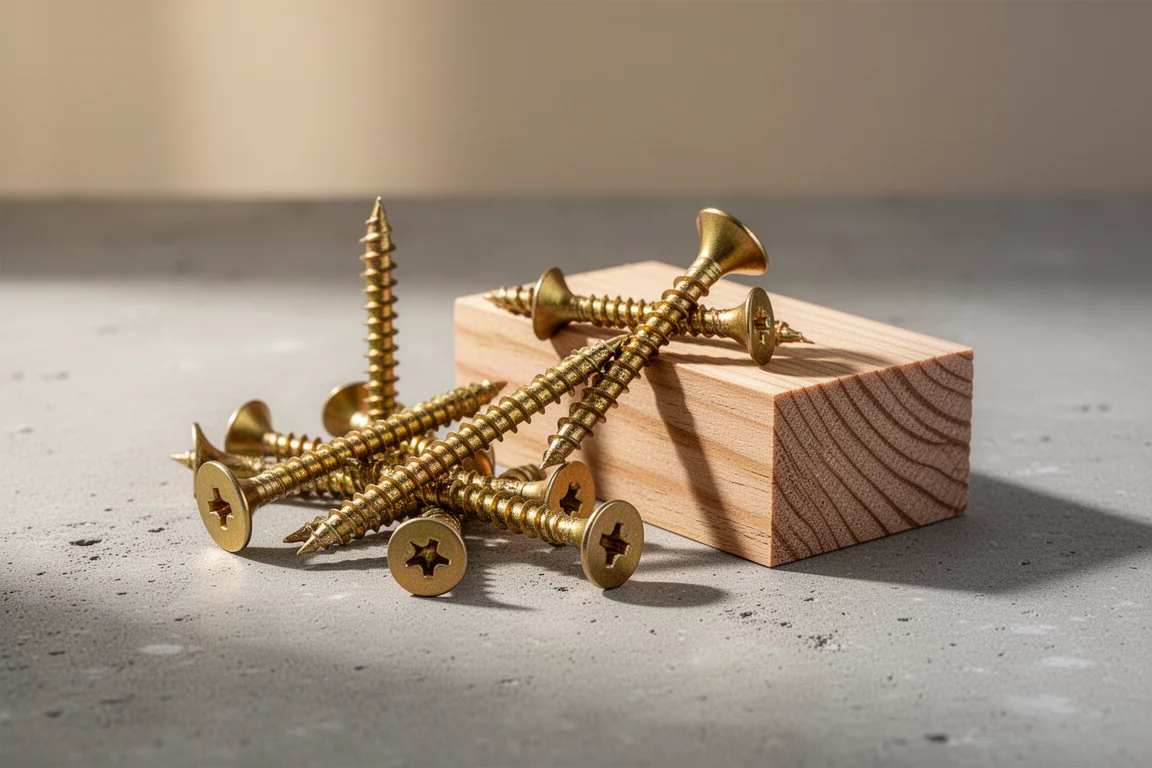
Spax Deck Screws
Spax runs $15 for 59 screws (25 cents each) and is the only brand in the group made in the USA. Its patented four-cut point prevents splitting without pre-drilling, thread serrations reduce drive torque and preserve battery life, and the included T20 bit fits very well.
It needed the highest average drive torque at 18 inch-pounds, and its coating made damaged spots hard to spot, but it survived oak drilling with very little metal exposure. Shear hit 1,660 lb, pull-out 693 lb, and it started with only 5.2 pounds of downward pressure, second easiest of all. No visible rust after corrosion testing.
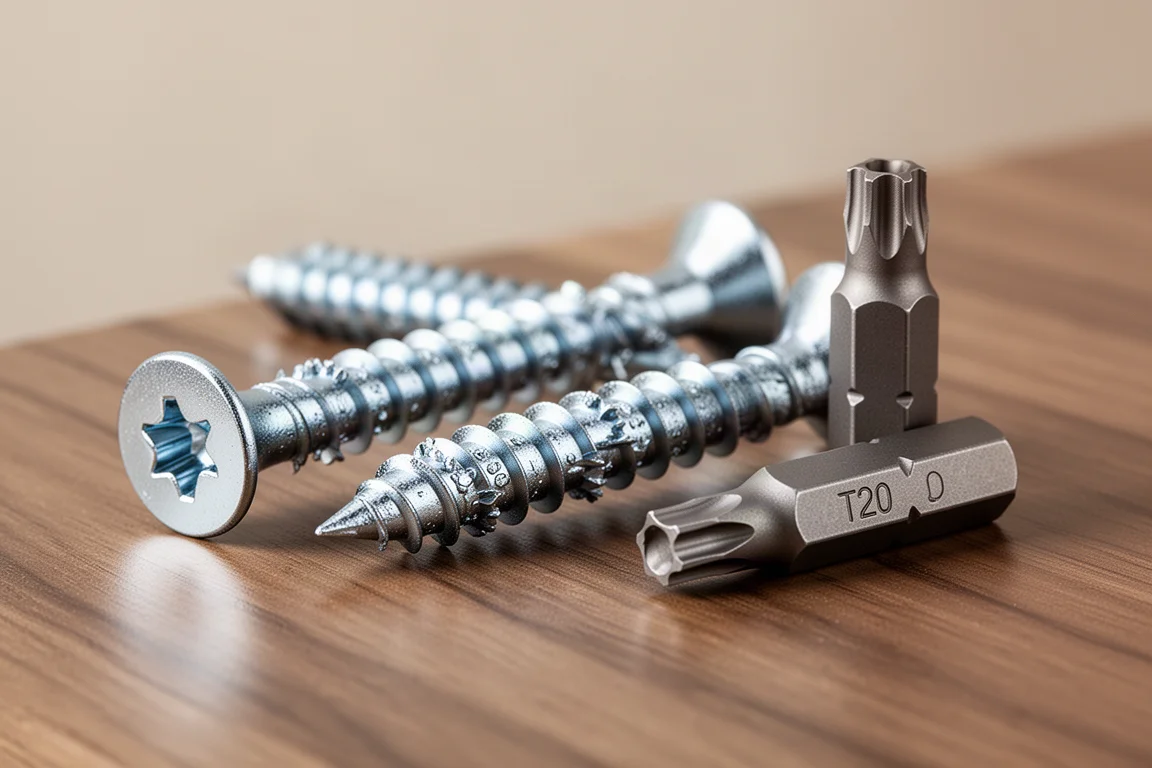
Velocity Deck Screws
Velocity sells for $11 for 40 screws (28 cents each) and claims to be the fastest starting and driving screw, with a shank slot that eliminates splitting. It includes a hex stick driver bit.
That speed claim held up: 12 inch-pounds average torque was the lowest in the torque test, and 1.04 seconds per screw tied for fourth fastest. But the downside is significant. Pull-out was the weakest at 524 lb, the coating suffered heavy damage in the oak test, and Velocity was the only brand to show visible corrosion after the rusting agent exposure.
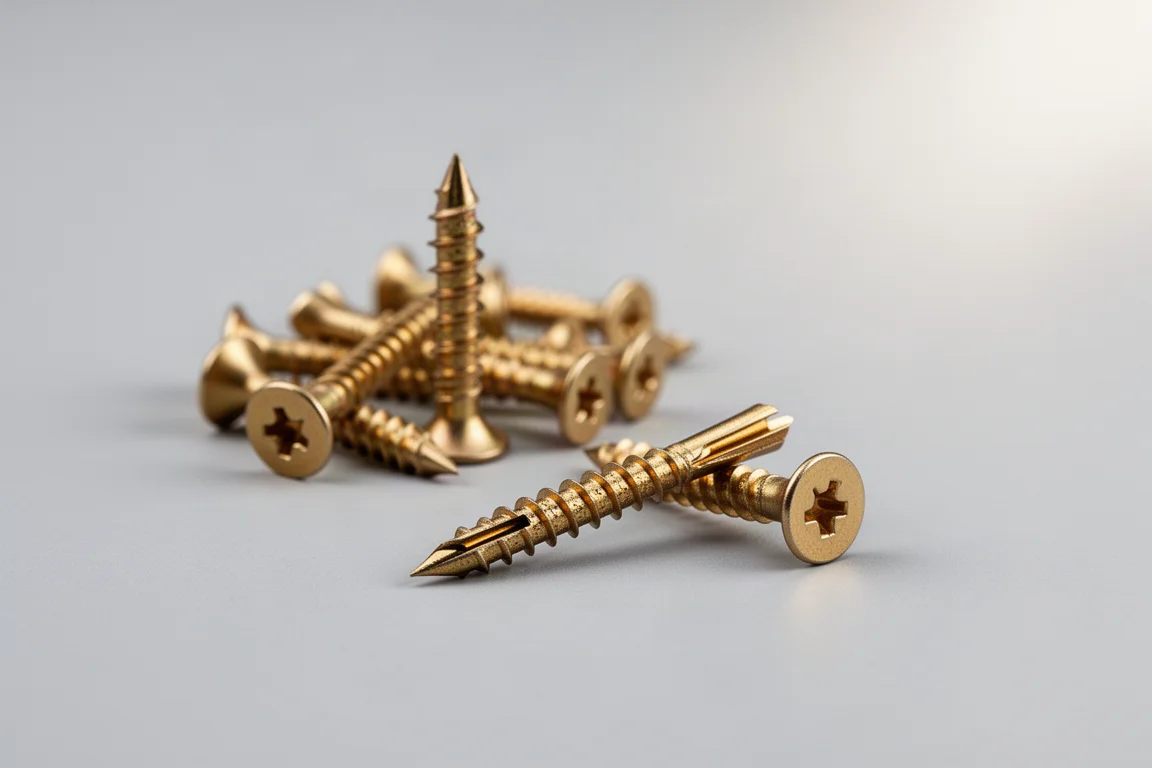
GRK Framing Screws
GRK’s multi-purpose framing screw costs $14 for 50 screws (28 cents each), is building code approved, and carries a shear load rating of 1,016 pounds. The W-cut thread design and included driver bit fit very well.
GRK needed just 13.7 inch-pounds on average and started under only 4.4 pounds of pressure, tied for the easiest start. It drove at 1.04 seconds per screw, posted 1,706 lb of shear and 689 lb of pull-out, and its coating held up better than average even after the oak test, with no rust after corrosion exposure.
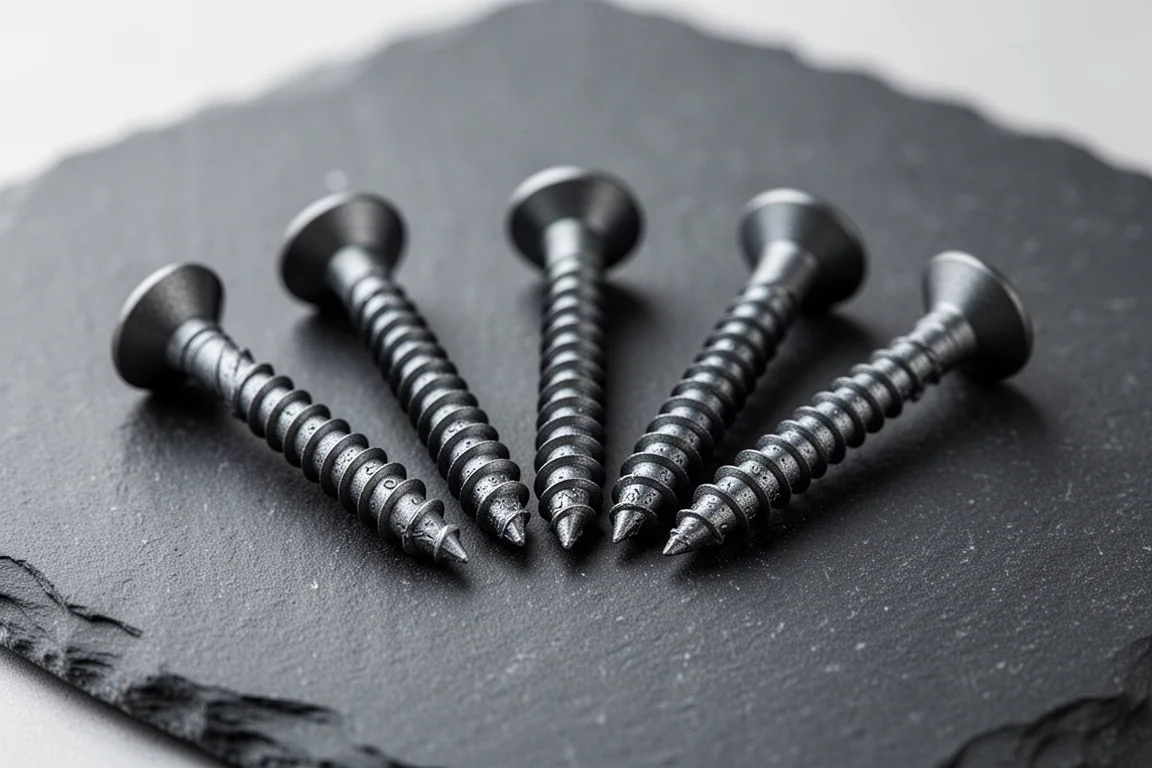
Eagle Claw 305 Stainless Steel Deck Screws
At $31 for 100 screws (31 cents each), Eagle Claw is the most expensive option and the only uncoated one: 305 stainless steel recommended for coastal, wet, and outdoor applications in hardwoods, softwoods, and pressure treated lumber. With no coating, there is nothing to chip or wear off.
It drove at 17.3 inch-pounds average and 1.23 seconds per screw, tied with GRK for the easiest start at 4.4 pounds. Shear was modest at about 1,351 lb, but pull-out was strong at 674 lb. In corrosion testing, the acid-plus-salt combination caused some pitting, though a second screw exposed only to the rusting agent showed very little corrosion.
Fastest Screws to Install
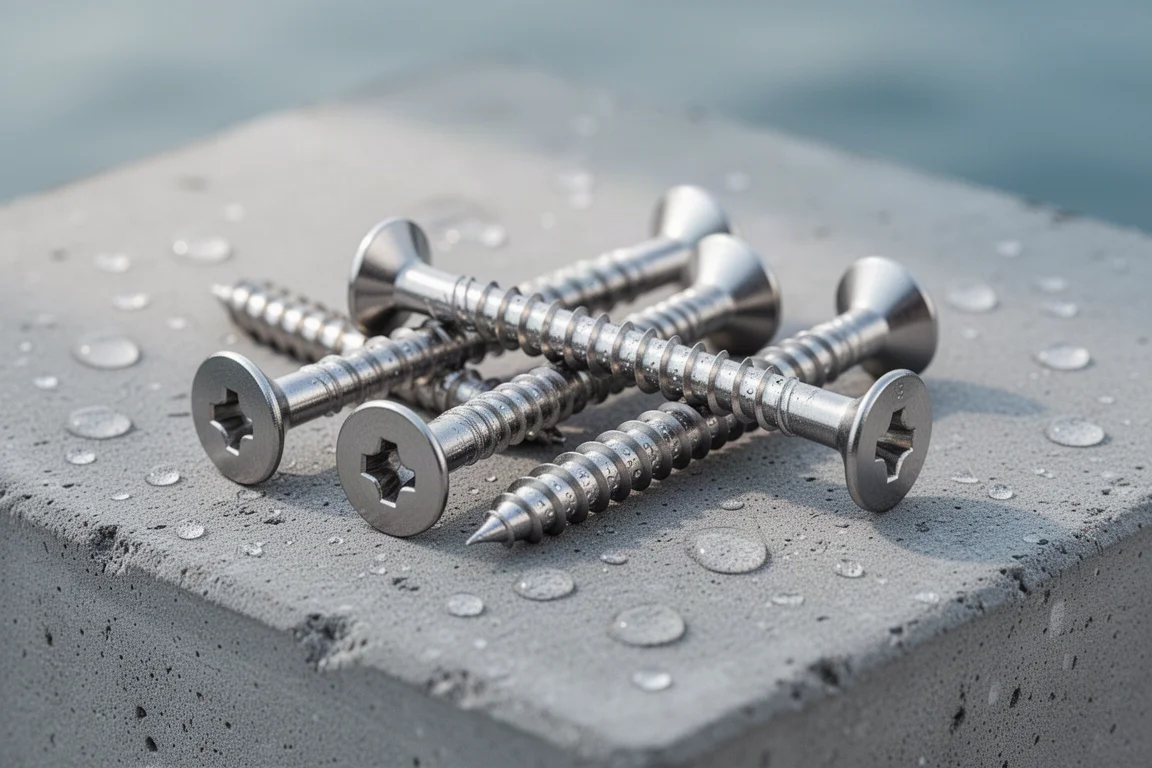
Deck Drive was the clear speed winner at 0.7 seconds per screw with an impact driver, followed by WoodPro at 0.88, PowerPro at 1.0, and Velocity and GRK tied at 1.04. At the slow end, Guard Dog took 1.97 seconds per screw, nearly three times the Deck Drive time.
Starting pressure told a similar story: GRK and Eagle Claw needed only 4.4 pounds of downward force to start, Spax 5.2, and most other brands around 6. If you have a big installation job, drive speed and starting ease are worth real time and battery life.
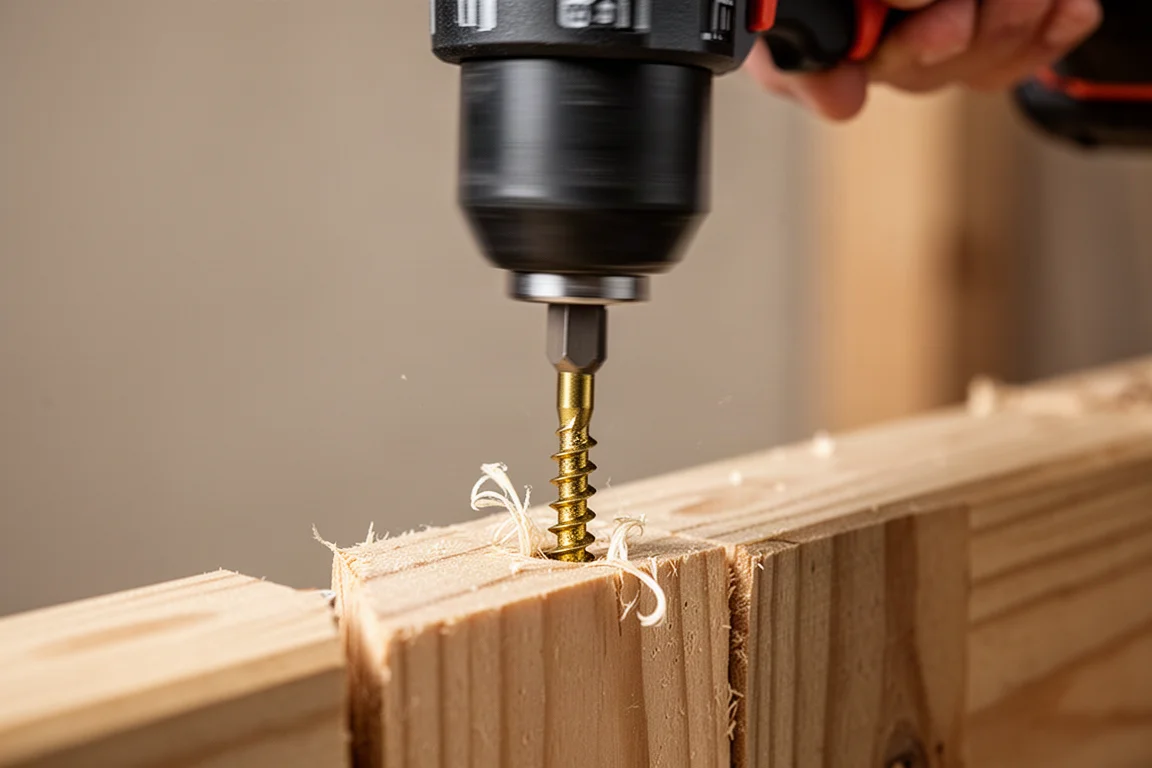
Shear Strength Results
Grip Rite topped the shear test at 2,026 lb, followed by Deck Plus at 1,952 and Deckmate at 1,903. GRK (1,706), Spax (1,660), Velocity (1,636), Guard Dog (about 1,550), PowerPro (about 1,493), Deck Drive (about 1,408), Eagle Claw (about 1,351), and WoodPro (about 1,275) rounded out the field. Notably, a 16-penny nail beat several screws at 3,120 lb of total load.
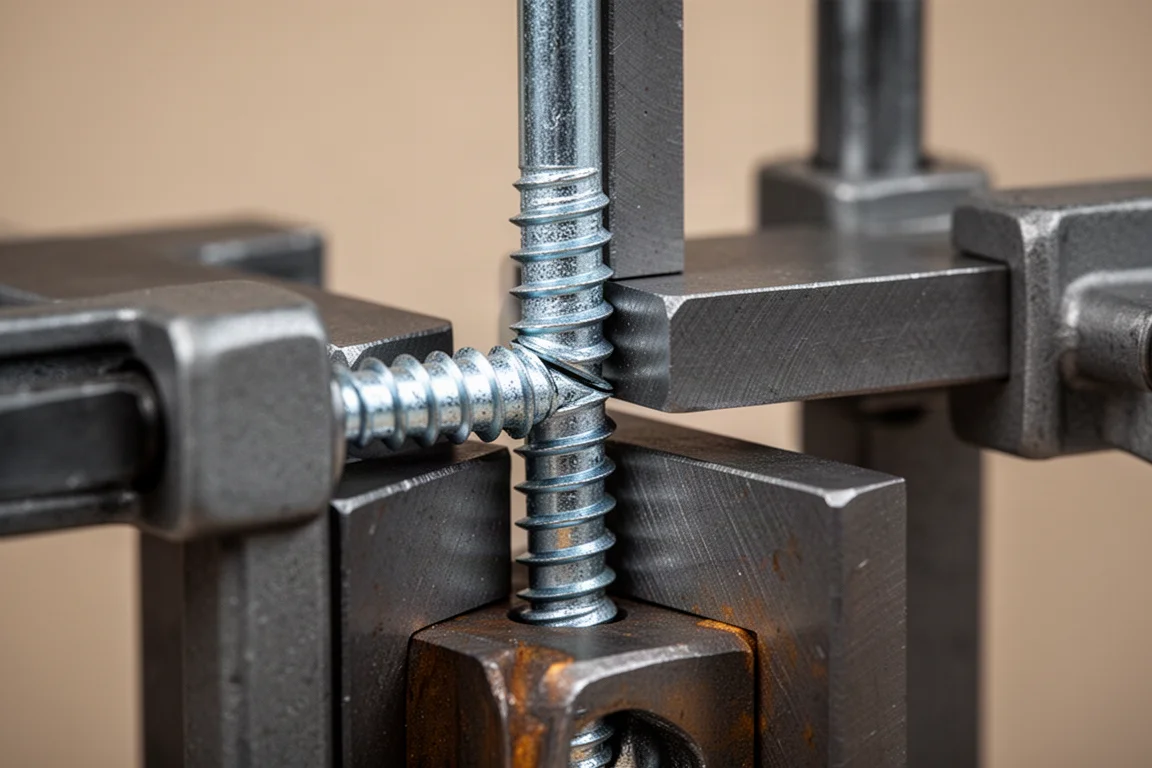
For comparison context, the reference drywall screw performed far below every deck screw in this group, which is exactly why using the right fastener for a deck matters.
Holding Strength Results
Pull-out testing in a regular 2x4 put Grip Rite on top again at 698 lb, with Spax close behind at 693 and GRK third at 689. Eagle Claw managed 674 lb, Guard Dog 660, Deck Plus 654, PowerPro 649, Deckmate 631, WoodPro 615, Deck Drive 585, and Velocity trailed at 524 lb.
The strongest brands tend to have larger shaft diameters and more aggressive threads, which also explains why they generally take more torque and time to install.
Corrosion Resistance Results
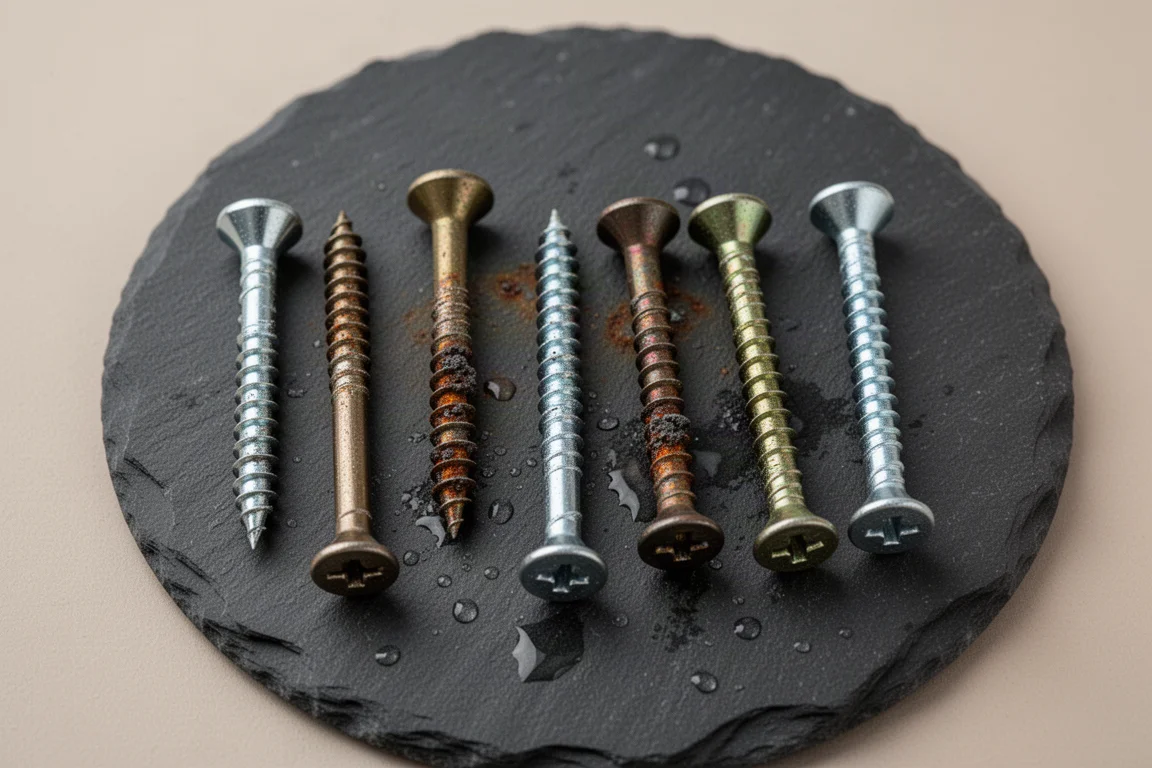
After an hour in sulfuric acid plus applications of the peroxide, vinegar, and salt rusting agent, every coated brand showed no visible rust except Velocity, which corroded noticeably. The reference nail and drywall screw corroded heavily, underlining how much the coatings contribute.
Grip Rite’s coating held up best overall, Spax’s metallic coating looked great (though its color makes damage hard to assess), and PowerPro, GRK, Guard Dog, Deckmate, WoodPro, Deck Drive, and Deck Plus all survived without rust despite coating wear. Eagle Claw showed some corrosion from the acid and salt treatment but very little from the rusting agent alone.
Which Deck Screws Are Best
Grip Rite is the overall pick. It combined the best coating durability, the highest shear strength, the best holding power, and a lifetime rust guarantee at a reasonable 21 cents per screw. GRK and Spax are also excellent choices, with terrific coatings, top-five shear finishes, and easy starting. The trade-off with all three is slower installation, but the payoff is a fastener with real holding strength for the life of the deck.
If budget is the priority, Deckmate offers respectable strength for 14 cents per screw. If drive speed matters most on a large job, Deck Drive is hard to beat. And for coastal or wet environments, Eagle Claw’s uncoated 305 stainless steel removes the coating-wear question entirely, at a price.
Conclusion
There is no single best deck screw for everyone, but the data makes the trade-offs clear. Grip Rite, GRK, and Spax deliver the strongest combination of holding power, shear strength, and corrosion protection. Deck Drive and WoodPro reward installers who value speed, Velocity favors ease of driving at the cost of durability, and Eagle Claw is the premium choice for harsh environments. Matching the screw to your project, your lumber, and your budget is what turns a $10,000 deck investment into a deck that lasts.
Further reading
Related Reviews
Home Improvement
Garage Door Upgrade Guide: Quieter Operation and Better Energy Efficiency
Two simple garage door upgrades that reduce noise, improve sealing, and make daily operation smoother.
Home Improvement
US vs UK Plastering Methods: A Practical Comparison for Your Next Ceiling Project
A hands-on look at how veneer plastering differs between the US and UK, including the two-mix method, setting times, and the tools that make a difference.
Home Improvement
7 Drywall Anchors Put to the Test: Which Ones Actually Hold Up
We tested seven popular drywall anchors for ease of install, holding power, and hole damage. Here is how each one performed.