Home Improvement
7 Drywall Anchors Put to the Test: Which Ones Actually Hold Up
We tested seven popular drywall anchors for ease of install, holding power, and hole damage. Here is how each one performed.
Introduction
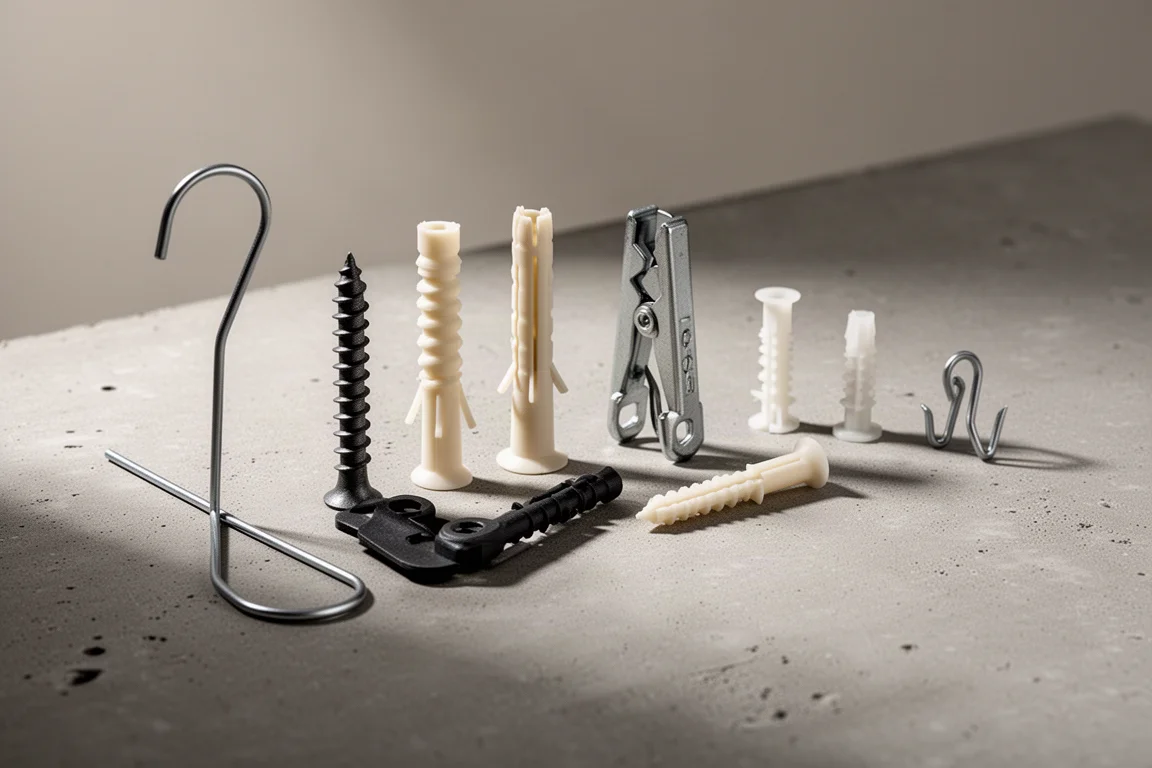
There is a huge range of drywall anchors on the market, and they vary wildly in how easy they are to install, how much weight they claim to hold, and how much damage they leave behind. Some need a drill, some need only a hammer, and a few need no tools at all. We put seven popular options to the test to see which ones are worth your money and which ones are better left on the shelf.
The anchors tested here cover the full spectrum: self-drilling plastic anchors, expanding conventional anchors, claw-style push-in anchors, hollow wall anchors, toggle bolts, and tool-free metal hooks. Here is how each one performed.
Easy Anchor
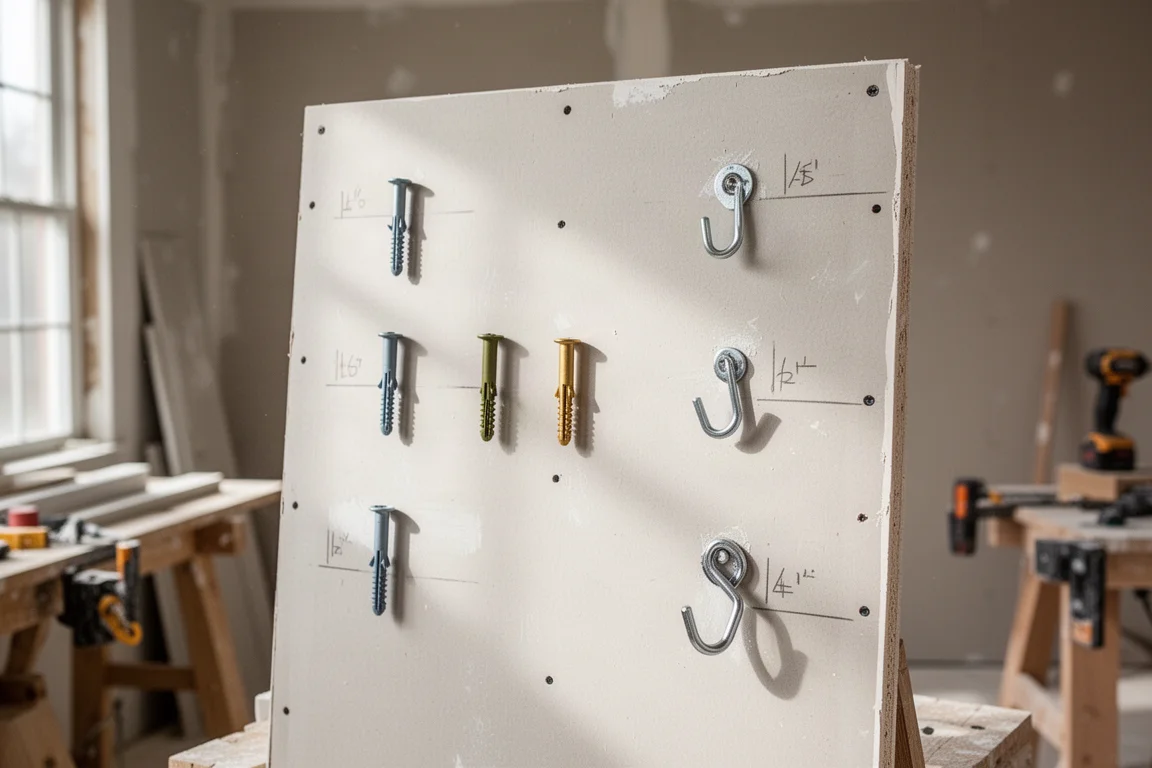
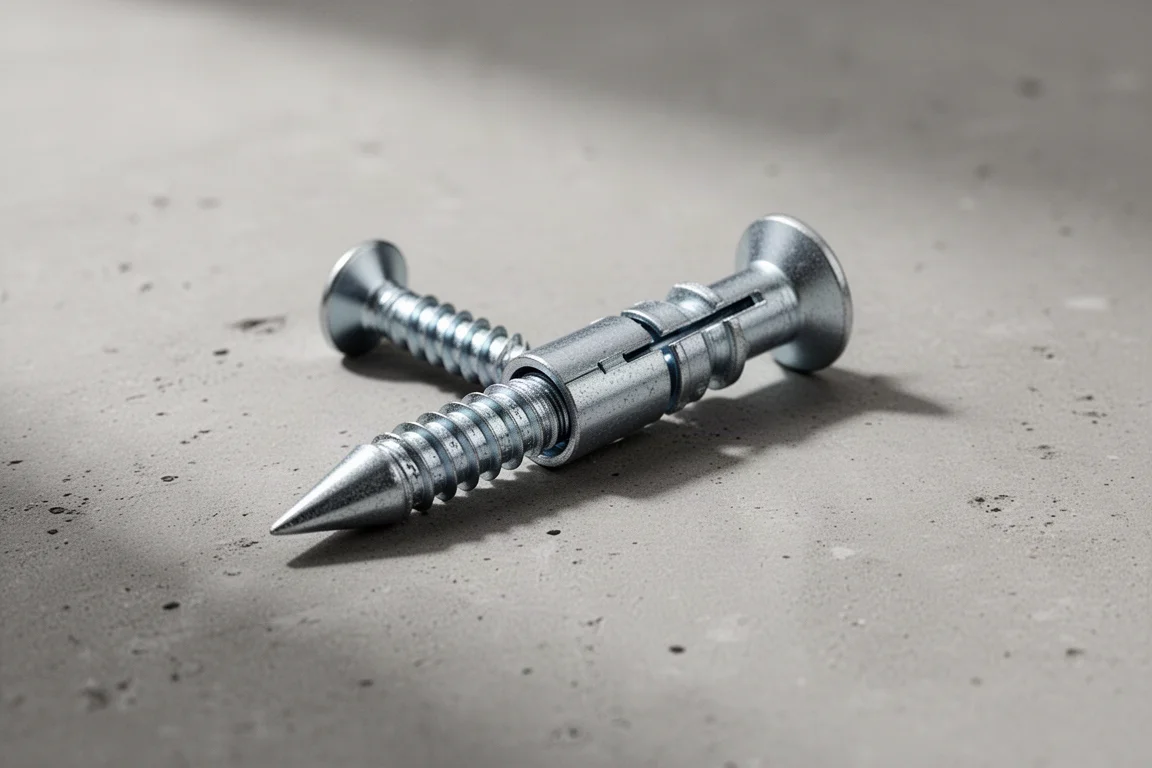
The Easy Anchor is a self-drilling anchor with a very sharp point, and it proved sharp indeed. All you need is a driver, and while drilling a pilot is suggested, you can push it in lightly and it will drill itself into the drywall. It comes with a Phillips screw already inserted, and it is available in metal as well as plastic, in larger and smaller sizes for different weight capacities.
The main drawbacks: because the plastic body is soft, the Phillips head can strip out during installation, so the metal versions are generally a better bet. Removal also leaves a fairly large hole in the wall.
Triple Grip
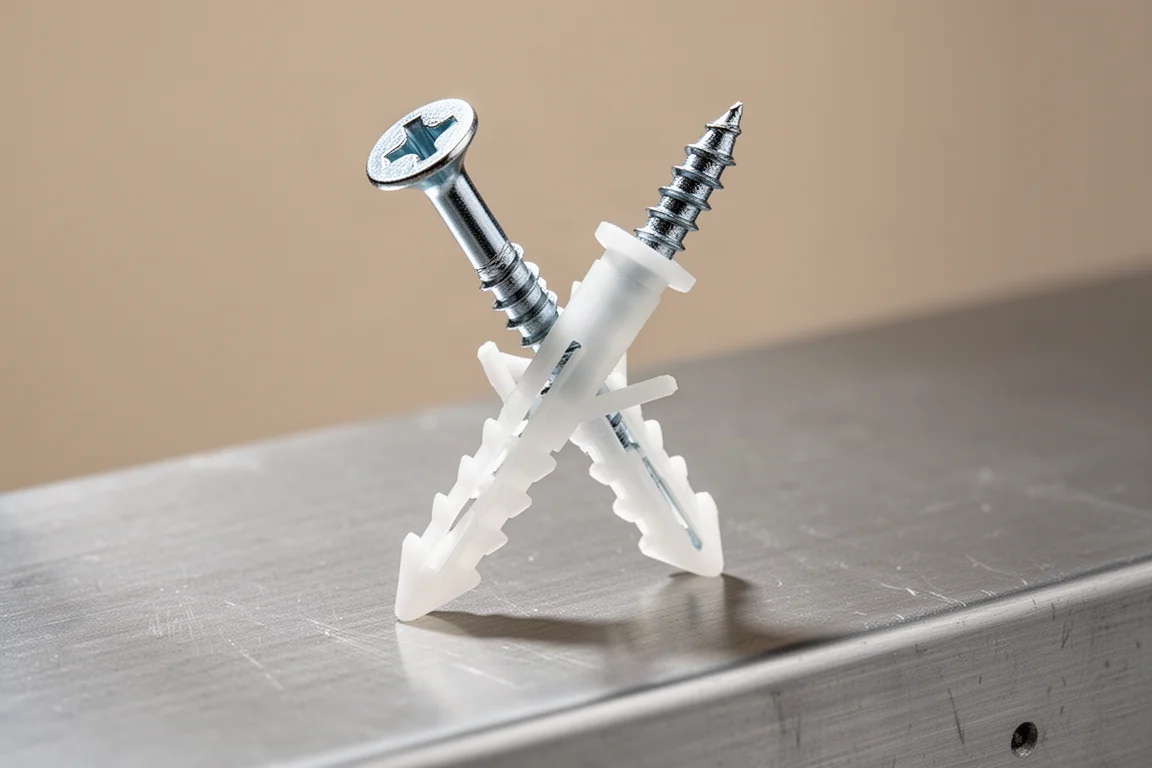
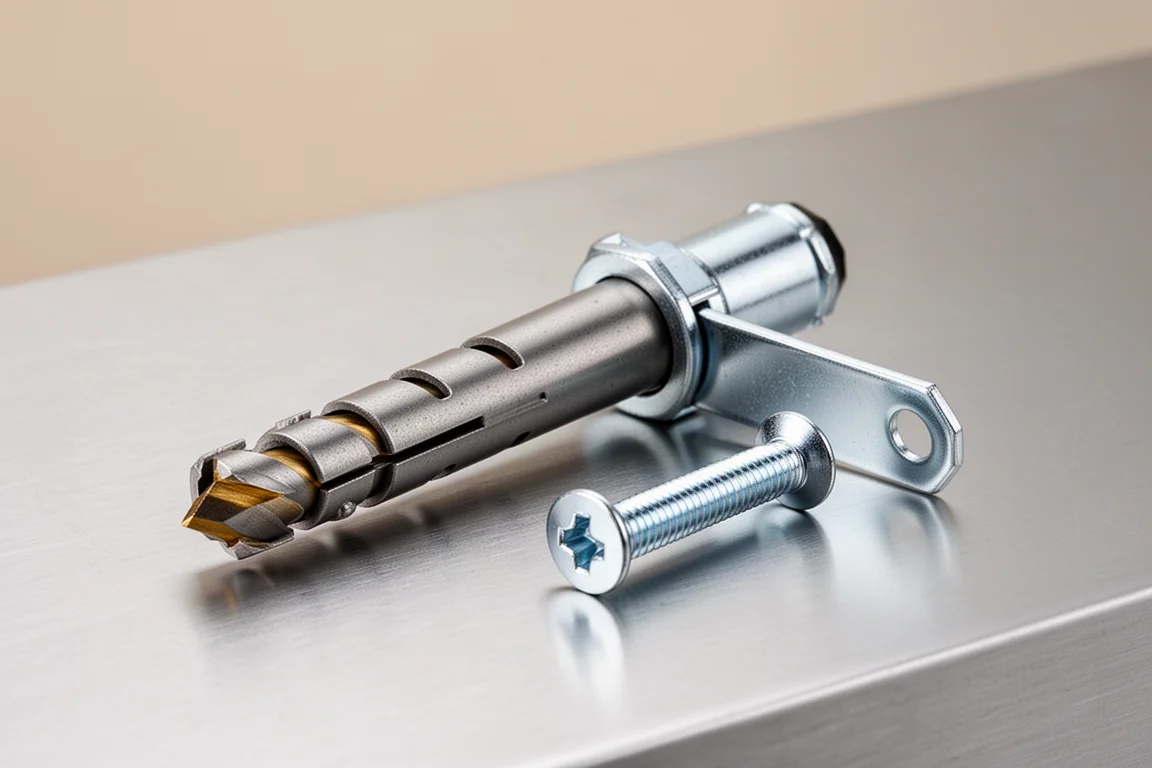
The Triple Grip is the conventional style of expanding anchor, rated at 61 lb, with larger and smaller versions available depending on the weight limit you need. Once installed, the anchor opens up behind the drywall so it will not easily pull back out.
The catch is preparation. You always have to drill a hole first, and the hole size matters: too small and you have to find a bigger bit and enlarge it, too big and the anchor simply will not work. It gets the job done, but it is not the most convenient option in this group.
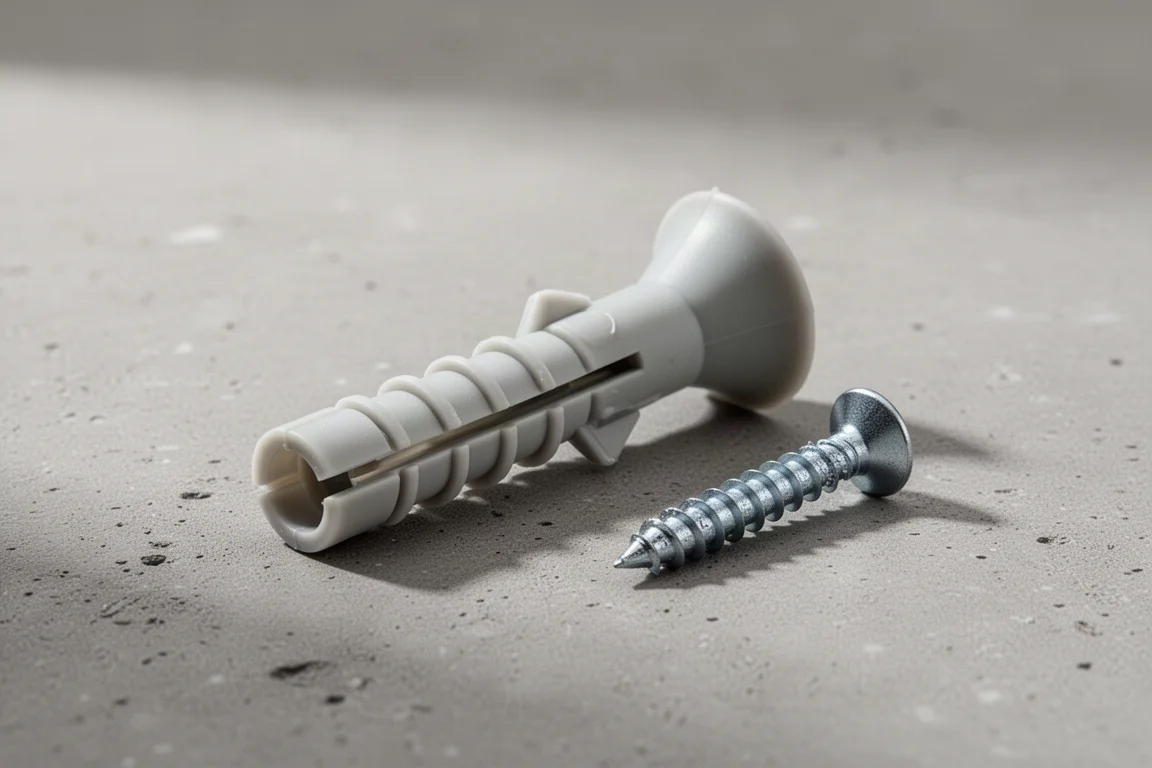
Monkey Hook
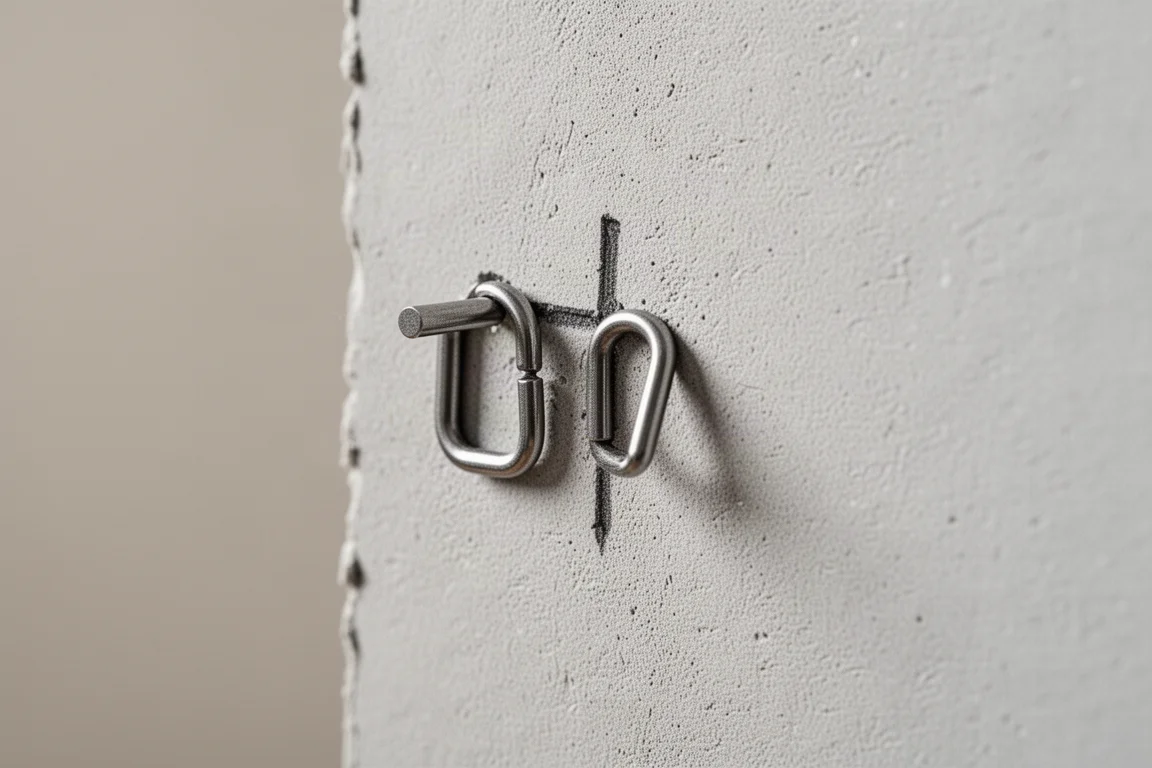
The Monkey Hook is just a simple piece of curved metal, rated at 35 lb, and it earned a lot of enthusiasm from people who had used it before. It needs no tools: the sharp piercing end pushes straight into the drywall, then the hook rotates up behind the wall, leaving a nice little hanging area with essentially no visible hole. Removal is just as easy, and the wall looks nearly untouched afterward.
There is one planning detail to know: the hook sticks up about a quarter inch above where you push it in, so you need to factor that offset into your measurements if you want a picture to hang exactly at a marked spot.
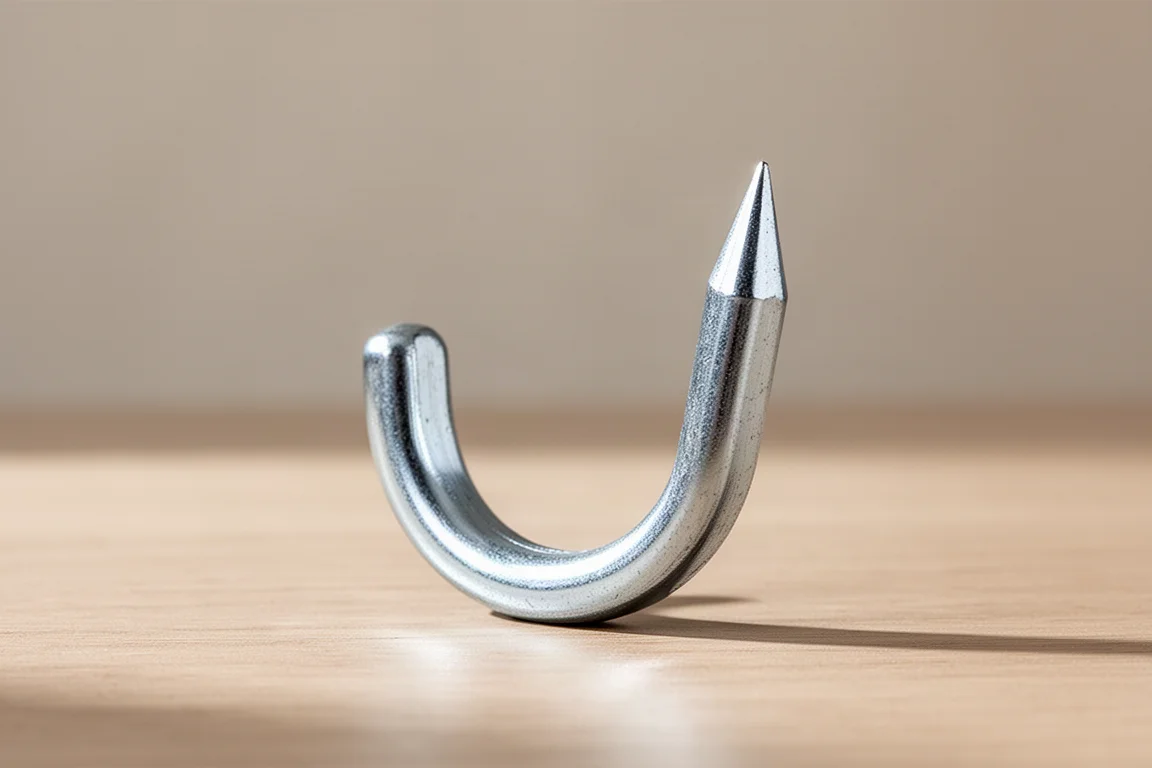
3M Claw
The 3M Claw follows a push-hang philosophy: push it in, hang your item. Each pack includes a temporary spot marker, and the anchors come in different sizes and holding capacities, with the tested version rated at 25 lb. It is the most expensive of the group at around six dollars for the tested size, with larger versions running around ten dollars or so.
During testing, the hooks did not go all the way through the drywall as expected, but the anchor still seated nicely, and removal is not difficult. It was one of the more pleasant experiences of the whole test.
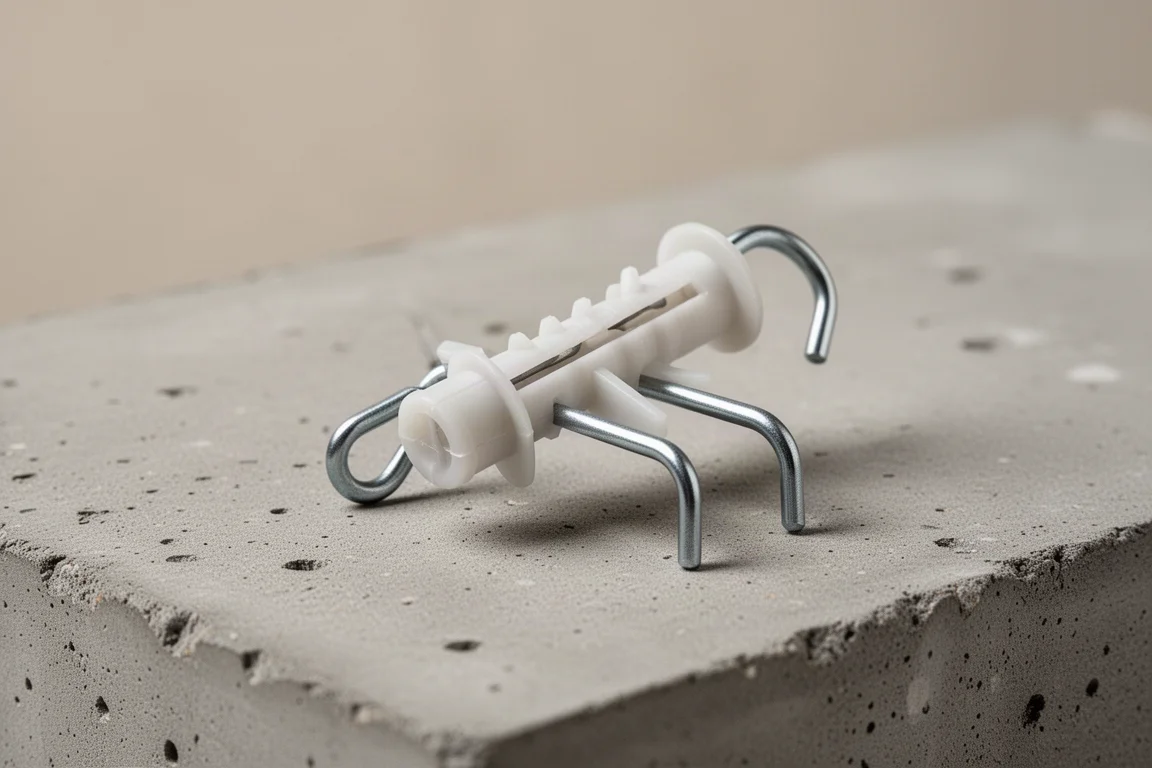
Wall Claw
The Wall Claw is rated at 90 lb and needs only a hammer to install, which makes it one of the simplest heavy-duty options here. Watching it drive in is genuinely satisfying, and it performed well overall in testing.
It is a solid middle-ground choice: more holding power than the light-duty anchors, no drill required, and a quick install. If you want strength without pulling out the drill, this one makes a lot of sense.
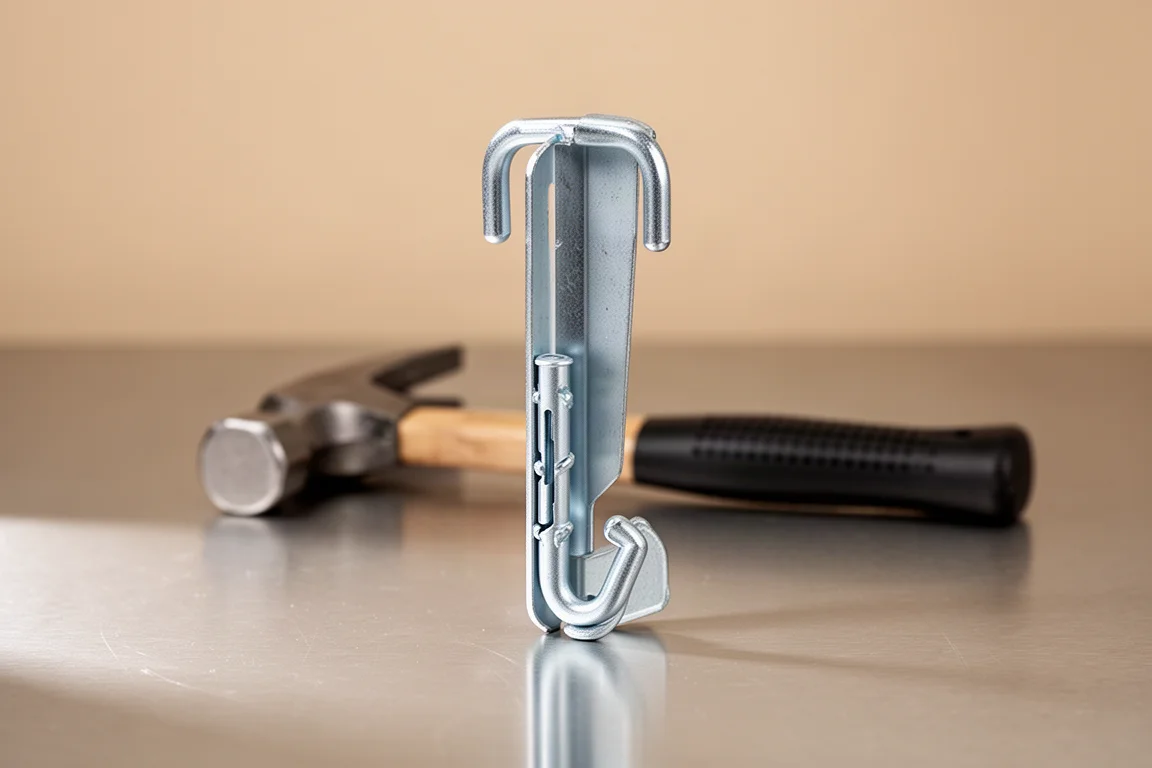
Everbilt Hollow Wall Anchors
Everbilt Hollow Wall Anchors are rated at 85 lb, come in larger and smaller versions, and install with just a hammer, with the anchor and screw going in together. Once driven in until it will not go further, the anchor expands behind the drywall, and you then loosen the screw slightly to hang your picture on it.
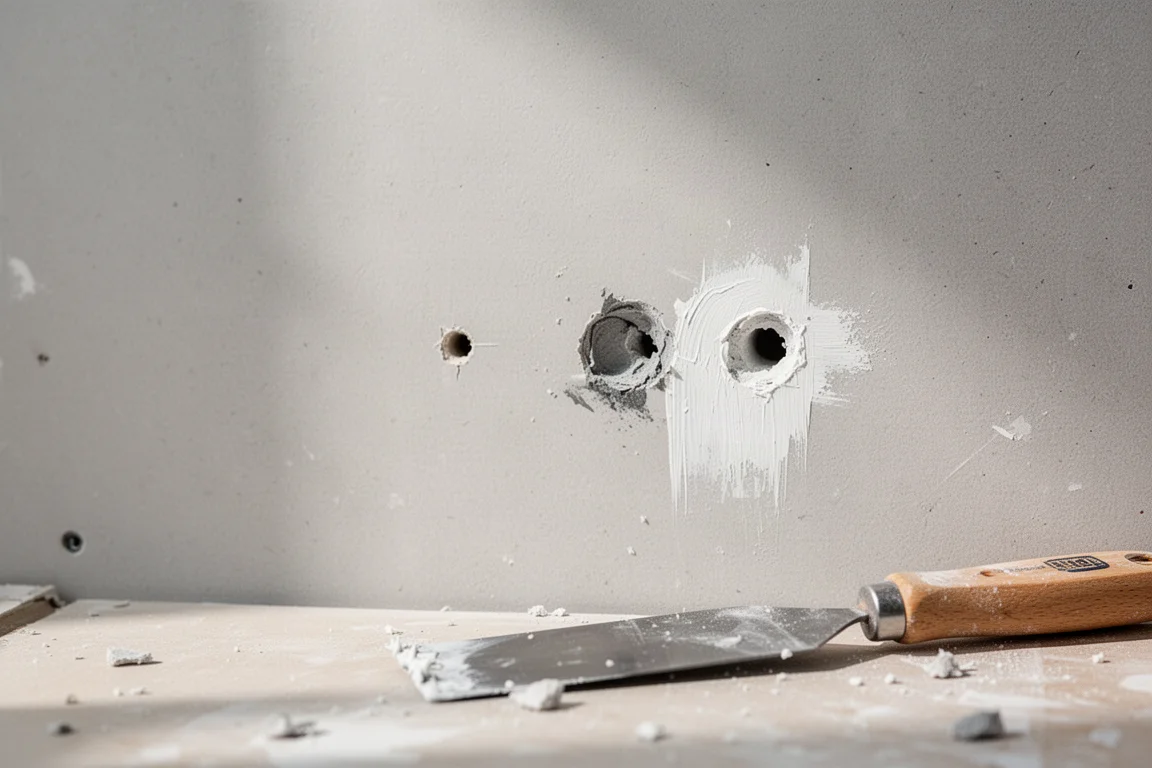
The downside is wall damage. The installation leaves a heavily chewed-up area around the anchor that looks like something out of a shooting range, digging visibly into the drywall, and it is hard to believe the full 85 lb rating in that condition.
Cobra Drillers Toggle
The Cobra Drillers Toggle is rated at 90 lb and works similarly to a toggle bolt, but with a neater installation. You drill it in, insert the bolt into the front, and the toggle opens up behind the wall. It finished the test on a high note and was one of the most impressive installs of the group.
Because it behaves like a toggle, it delivers a strong grip inside the wall cavity, making it a good option for heavier items where a standard expanding anchor might not inspire confidence.
Overall Buying Advice
Not everything tested deserves a spot in your toolbox. The hollow wall anchors scored worst on wall damage, and several conventional expanding anchors suffer from the same core problem: you must drill a hole of exactly the right size, which adds friction to every job.
If you want the easiest, cleanest experience, the Monkey Hook stands out: no tools, minimal hole, easy removal, and it comes highly recommended, though keep the quarter-inch offset in mind when marking your spot. The 3M Claw is a strong runner-up despite being the priciest per anchor, and the Wall Claw and Cobra Drillers Toggle both performed well for heavier loads. The Easy Anchor remains a likeable, convenient option if you accept the occasional stripped Phillips head and a bigger removal hole.
Conclusion
For most people hanging pictures or light shelves, the Monkey Hook is the easiest and cleanest pick. For heavier items, the Cobra Drillers Toggle and Wall Claw offer more confident holding power, while the 3M Claw trades a higher price for a quick, tidy push-in install. Match the anchor to the weight and the wall, and most of these will serve you well.
Further reading
Related Reviews
Home Improvement
Garage Door Upgrade Guide: Quieter Operation and Better Energy Efficiency
Two simple garage door upgrades that reduce noise, improve sealing, and make daily operation smoother.
Home Improvement
US vs UK Plastering Methods: A Practical Comparison for Your Next Ceiling Project
A hands-on look at how veneer plastering differs between the US and UK, including the two-mix method, setting times, and the tools that make a difference.
Home Improvement
Best Deck Screws Tested: 11 Brands Compared for Strength, Speed, and Corrosion
Eleven deck screw brands put through drive torque, shear strength, holding power, and corrosion testing to find which ones are actually worth buying.