Backpacking Gear
Game-Changing Backpacking Gear: Nine Picks That Rethink the Essentials
Nine backpacking and camping products that solve long-standing problems, from cold-weather stoves and draft-free quilts to minimalist footwear and whitewater packrafts.
Introduction
Most gear years follow a familiar script: lighter fabrics, small design refinements, the occasional clever stuff sack. This year brought something rarer. A handful of products solve problems that backpackers have simply lived with, and they make older designs feel dated.
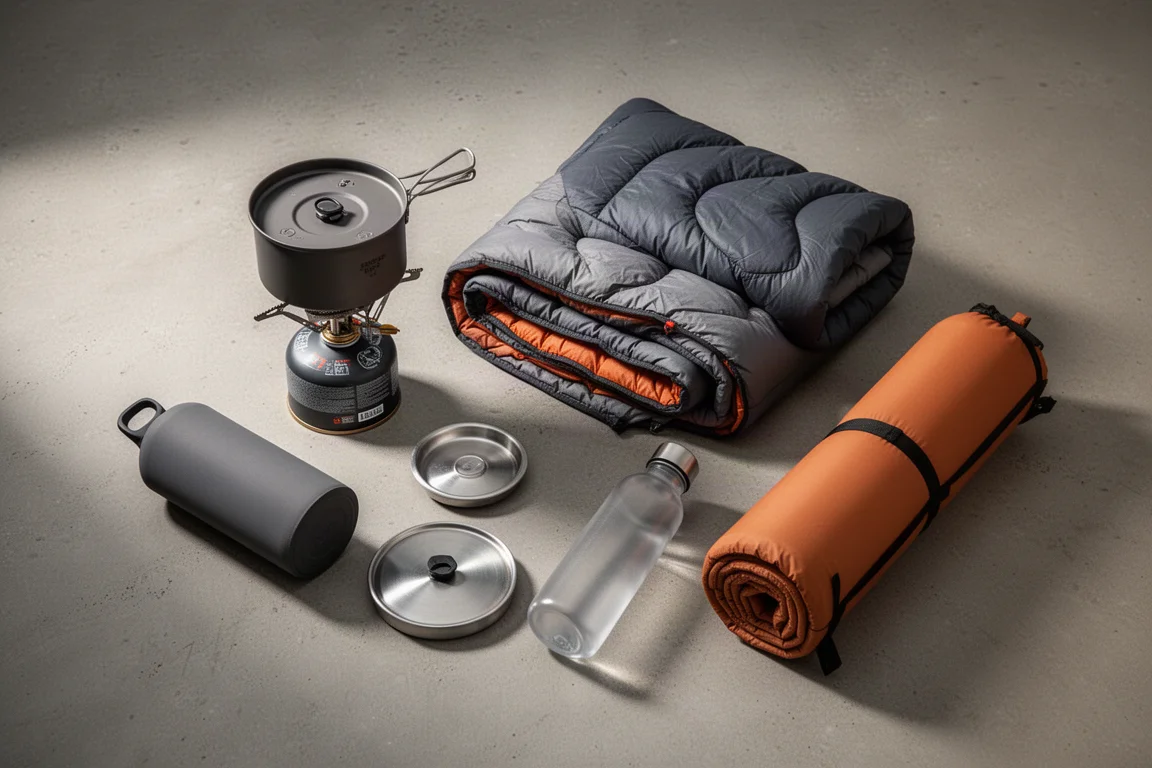
The nine picks below cover cold-weather cooking, sleep systems, minimalist footwear, pot lids, water carry, and packrafting. Some are premium investments. Others cost very little. What they share is a clear reason to exist on a real trip.
What Makes These Picks Stand Out
A product earns a place here when it removes a compromise rather than shaving a few grams. That means three things: it solves a specific, recurring problem, it performs in the conditions it was designed for, and its trade-offs are worth accepting.
Weight still matters, but efficiency, warmth, and comfort matter just as much when the weather turns. A stove that keeps working in wind, a quilt that does not leak warmth at the edges, or a pad that stays comfortable when fully inflated can change how a trip feels far more than a lighter stuff sack.
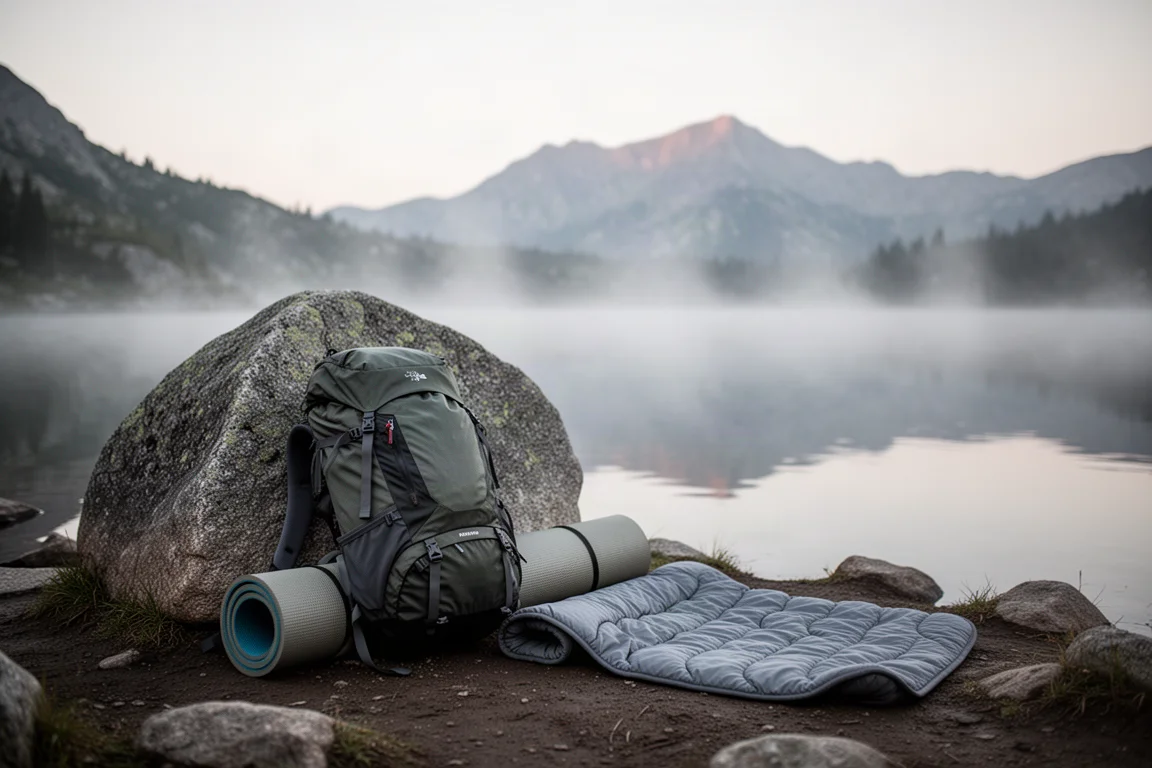
Price is the other half of the equation. Several of these picks are inexpensive fixes that improve gear you already own, while two of them are significant purchases aimed at specific trips. Each section below notes where the value sits.
Primus Ulti Stove for Cold-Weather Cooking
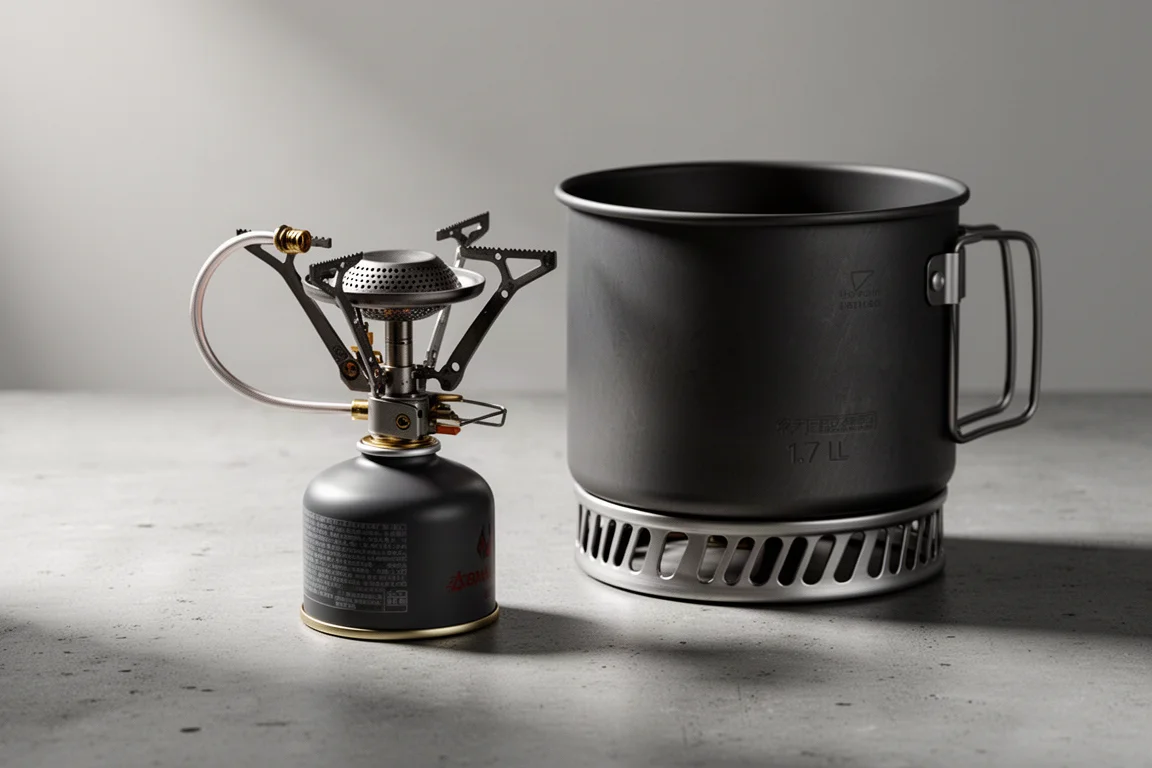
Winter canister stoves have traditionally been inefficient, while liquid fuel stoves bring weight, mess, and fiddly priming. The Primus Ulti takes a different route. It is an inverted canister stove with a preheating tube, paired with a radiant burner, so it keeps the convenience of a canister while gaining the efficiency of a radiant design.
The pot that comes with it uses a heat exchanger system, which adds another layer of fuel efficiency and helps in wind. In breezy conditions the flame held steady and the wind made little difference to performance.
The full system, including a medium-sized canister, nests inside the 1.7 liter pot. The trade-offs are real: this setup is very expensive and can be hard to find.
Neve Quilt for Draft-Free Sleep
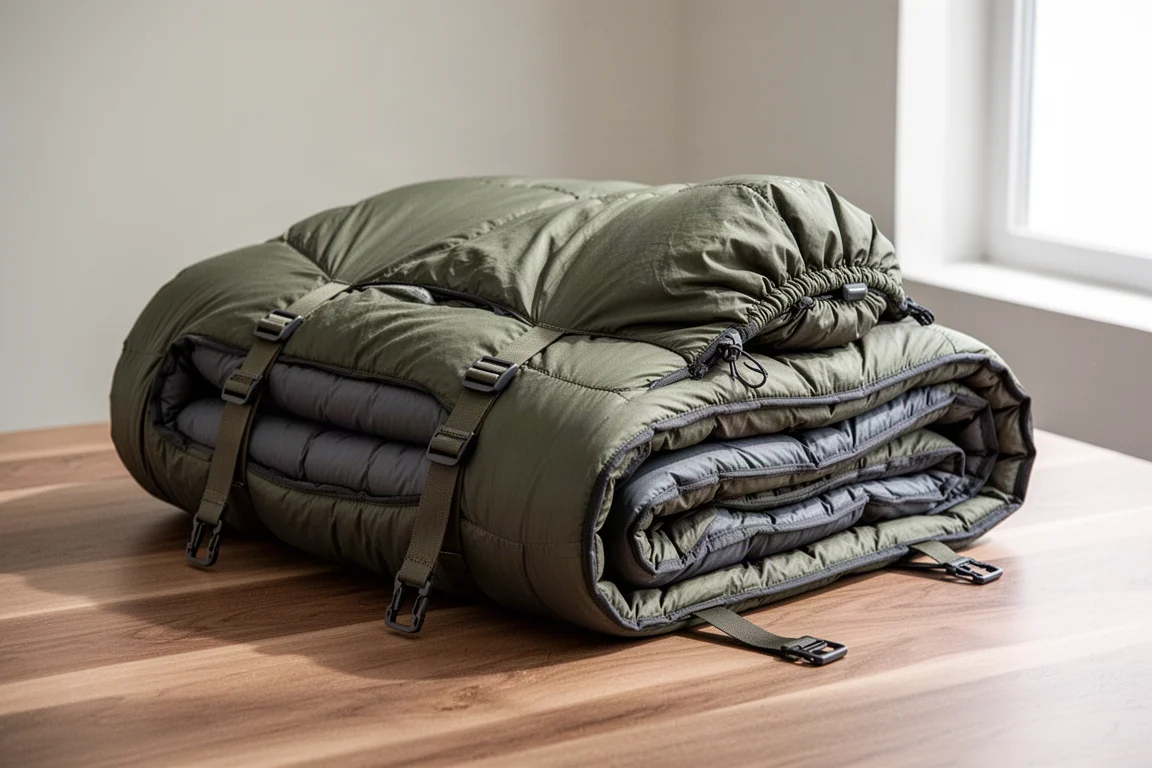
Quilts are lighter than sleeping bags and let you shift position like a blanket at home. The catch has always been drafts, plus the extra step of clipping the quilt to a sleeping pad. Neve addresses that directly with draft tubes running along the sides of the quilt.
The pad clips sit higher up the quilt, which leaves a layer of material between the clip and the sleeping pad. When you roll over and the quilt lifts, that material fills the gap instead of letting cold air in. The pad straps are also notably thick, which limits how far the quilt can rise off the pad.
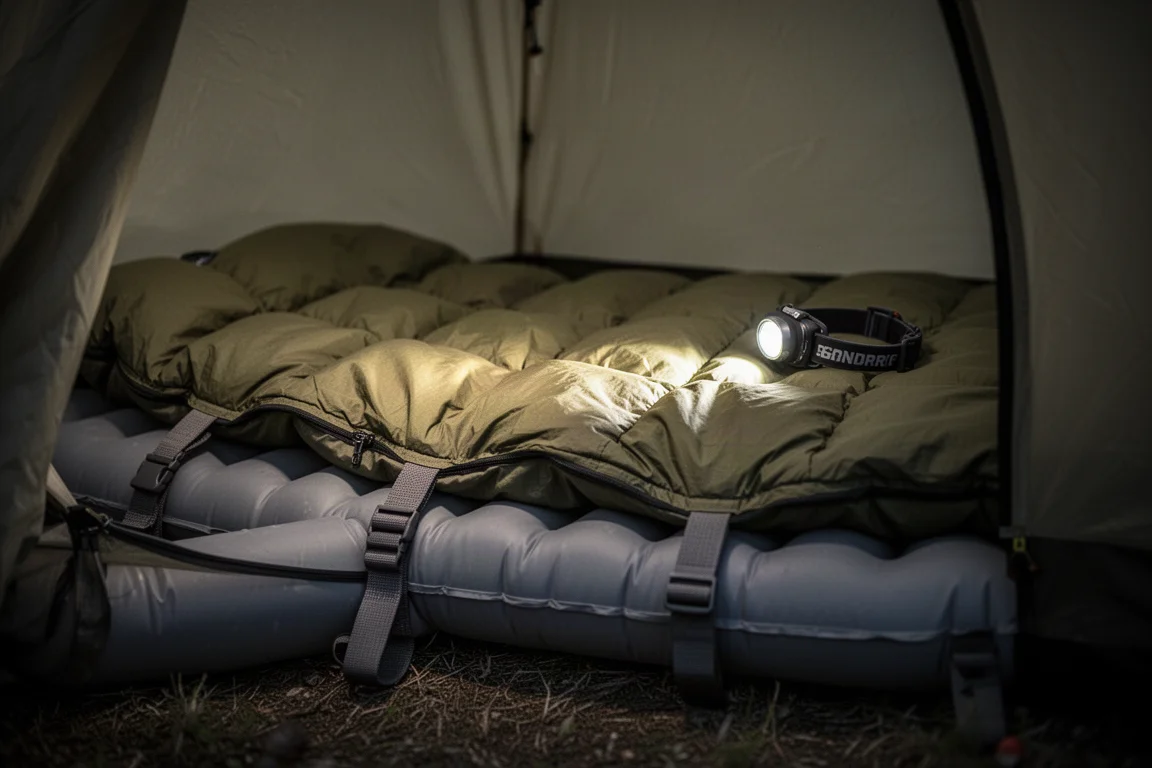
At the head end there is a neck snap, a draft collar, and a cinch to seal around the neck and shoulders. It stays fairly light for how feature-rich it is, and it is one of the best-priced quilts on the market.
Sea to Summit Ether Light XR Pro for Winter Comfort
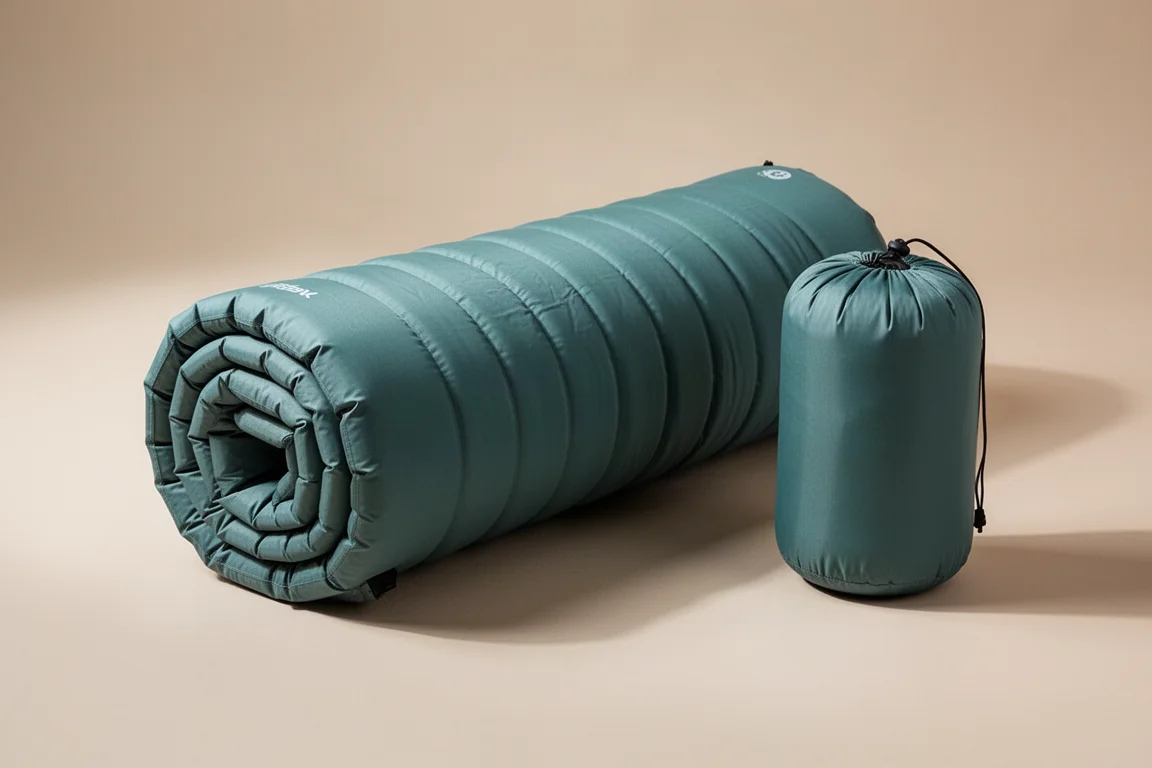
For years, the warmest winter pads were the ones you tolerated rather than enjoyed, especially when fully inflated to maximize warmth. The Sea to Summit Ether Light XR Pro keeps the warmth and adds comfort.
It stays warm on snow at temperatures down to -25 degrees Celsius. A dimpled baffling system provides pressure relief even at full inflation, and the valve sits on top of the pad, so adding air in cold conditions takes seconds rather than a wrestling match.
It is compact and fairly light for a winter pad. It is not quite as warm as the warmest pads on the market, but it is warm enough, and it brings genuine comfort to a category that has offered very little of it.
Minimalist Footwear from Lems
Minimalist footwear has been one of the biggest changes to everyday wear and to hiking preparation. Two benefits stand out: the foot is free to move and work naturally, which supports foot strength, and posture and body alignment tend to improve.
The caveat matters more than the benefits. Switching straight from heavily cushioned, supportive shoes into minimalist shoes for a long day on your feet tends to cause problems. Start with short walks and extend the time in them gradually.
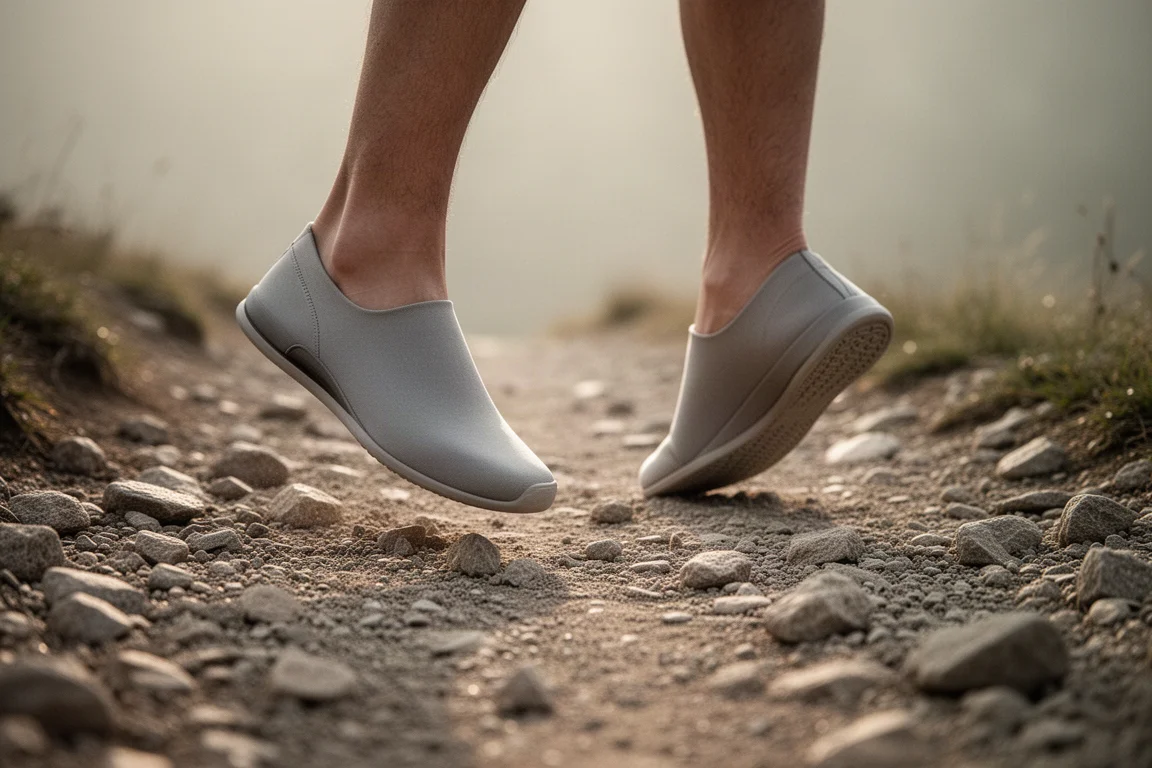
The practical approach is to build up a small rotation worn regularly, so the feet get stronger before the hiking season arrives. Lems makes three of the most useful options.
Lems Primal Zen
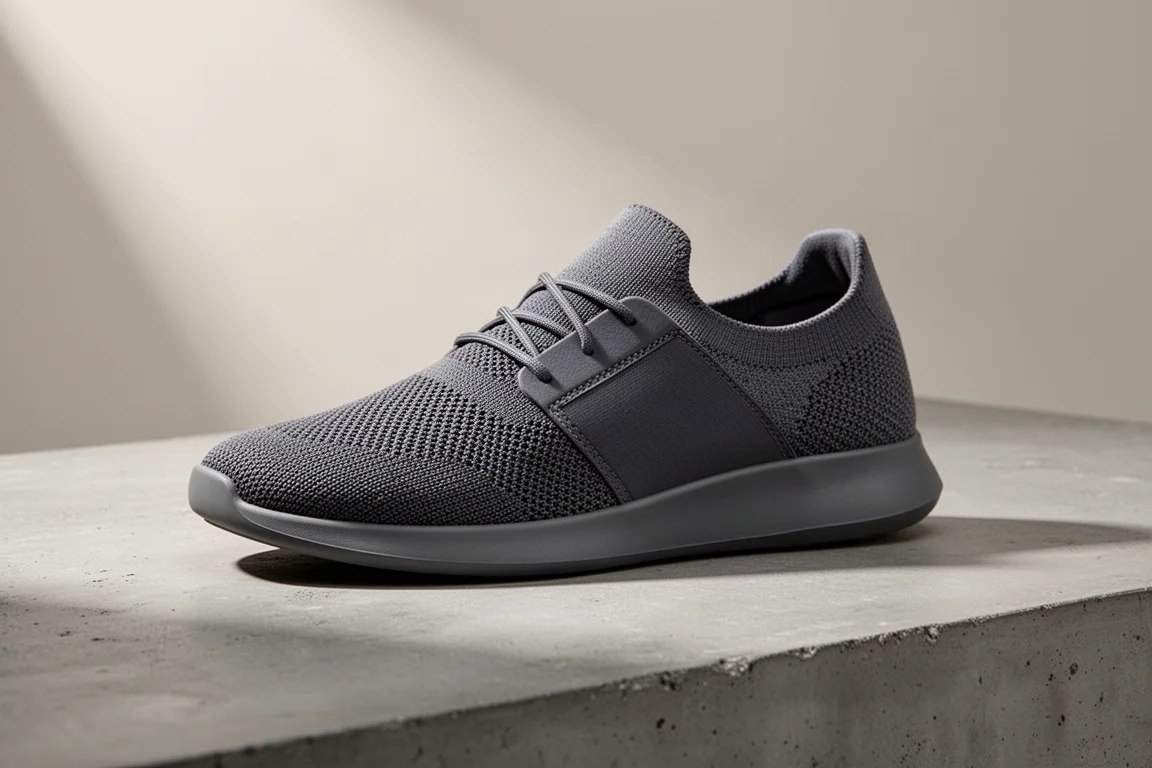
The Primal Zen is the everyday pair, and one of the two models worn most often. It keeps the foot moving naturally, which is what builds strength over time, and it works just as well around town as it does in the weeks before a long hike.
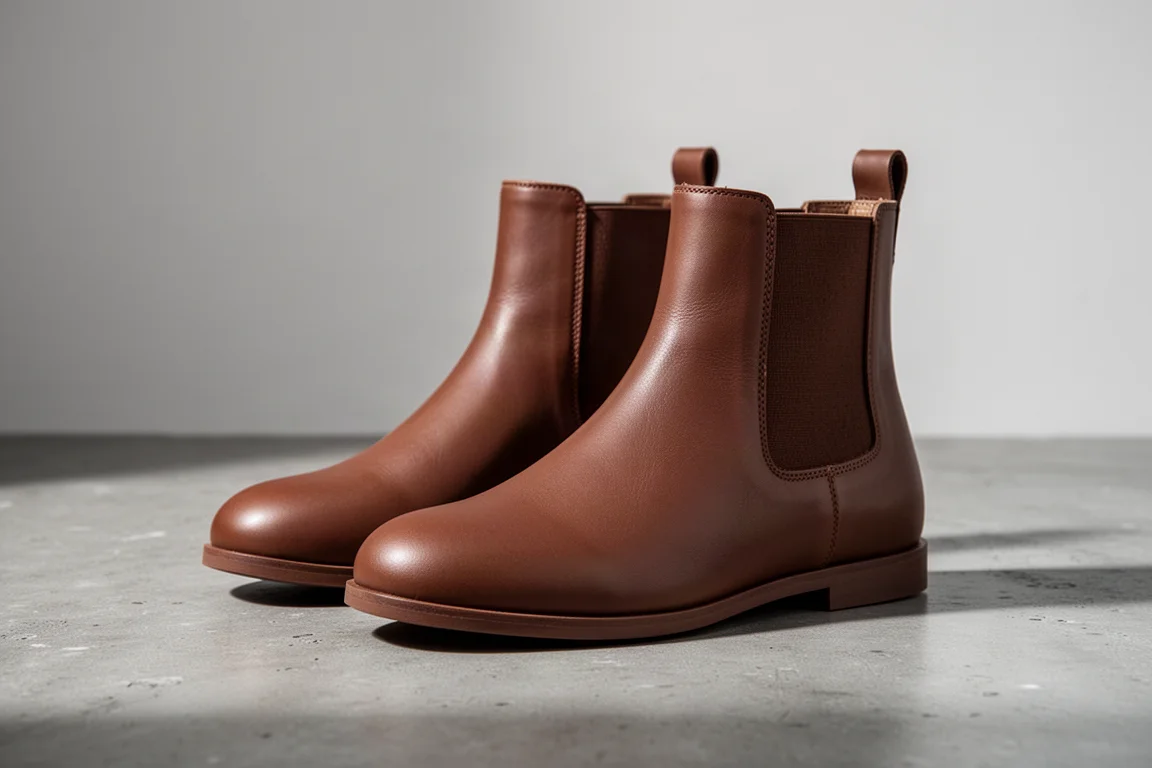
Lems Chelsea
The Chelsea boot brings the same minimalist approach to a boot silhouette. It is the second of the two pairs worn most often, and it suits anyone who wants a covered everyday option without giving up natural foot movement.
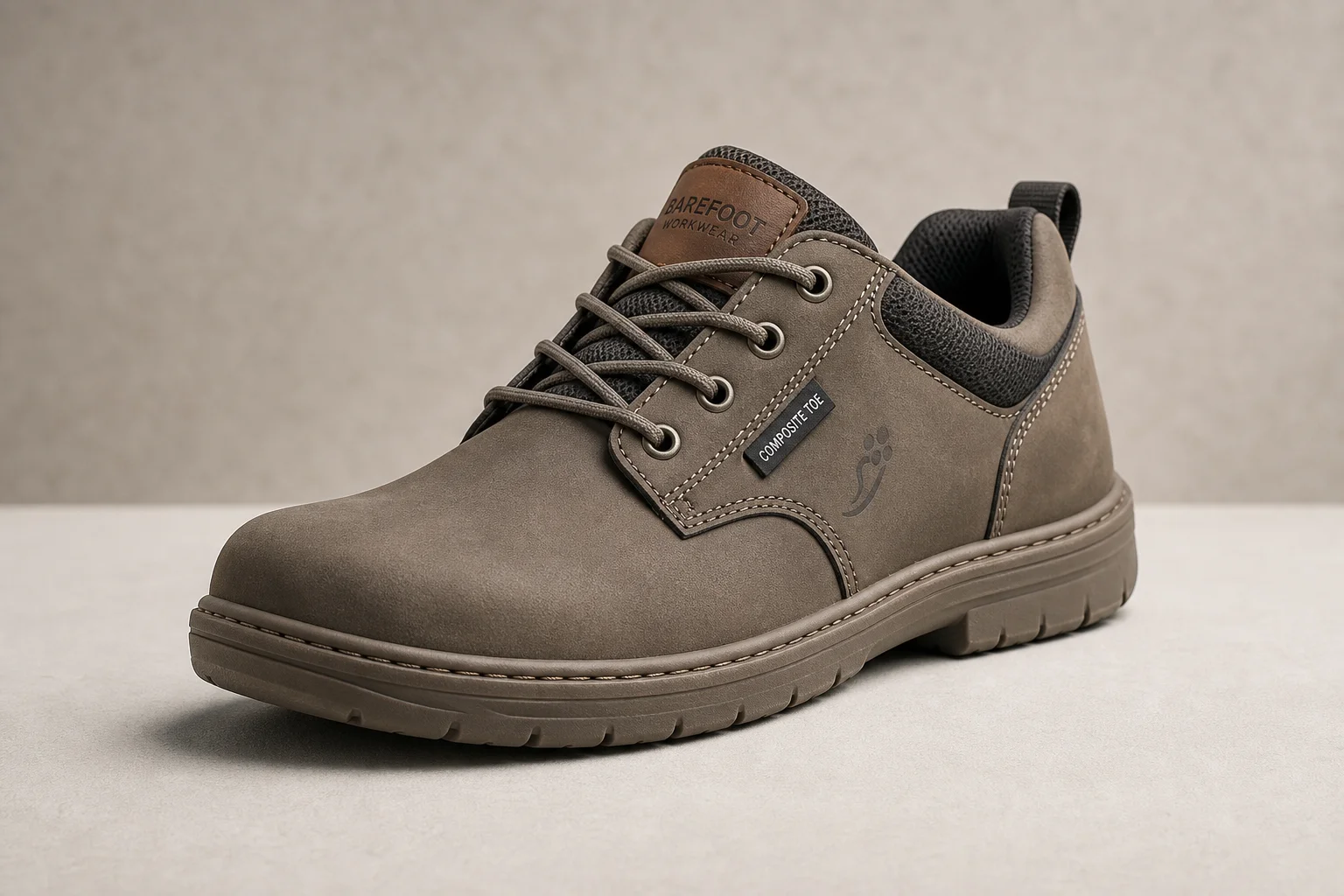
Lems Nine2Five
The Nine2Five is the dressier option, for days when a more formal shoe is expected but you still want the foot to move naturally.
Peak Outdoors Pika Lid for Titanium Pots
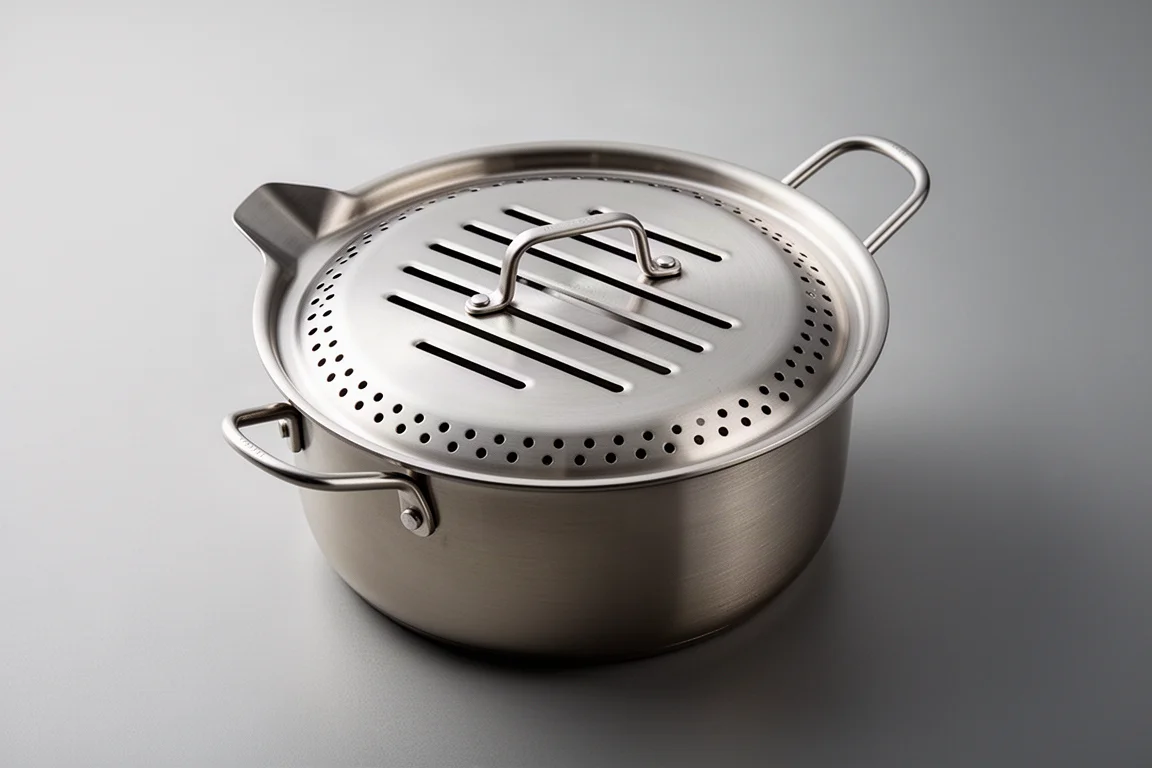
A titanium pot is standard backpacking kit, but the lid that ships with it is usually an afterthought. It holds in some heat, then needs an elastic band or a stuff sack to stay attached, and it does little else.
The Pika lid snaps onto the pot by itself. It also nests a fuel canister, which keeps the canister from leaving rust rings inside the pot, and a lighter tucks underneath the canister. Extras include a measurement conversion chart, drainage holes, a pouring spout, and slots on top that hold a spoon.
Because it locks to the pot, you can pour water out easily even when the pot has no handles. Availability is limited at the moment, with more stock and additional colors in progress.
Migo Bottle for Water Carry
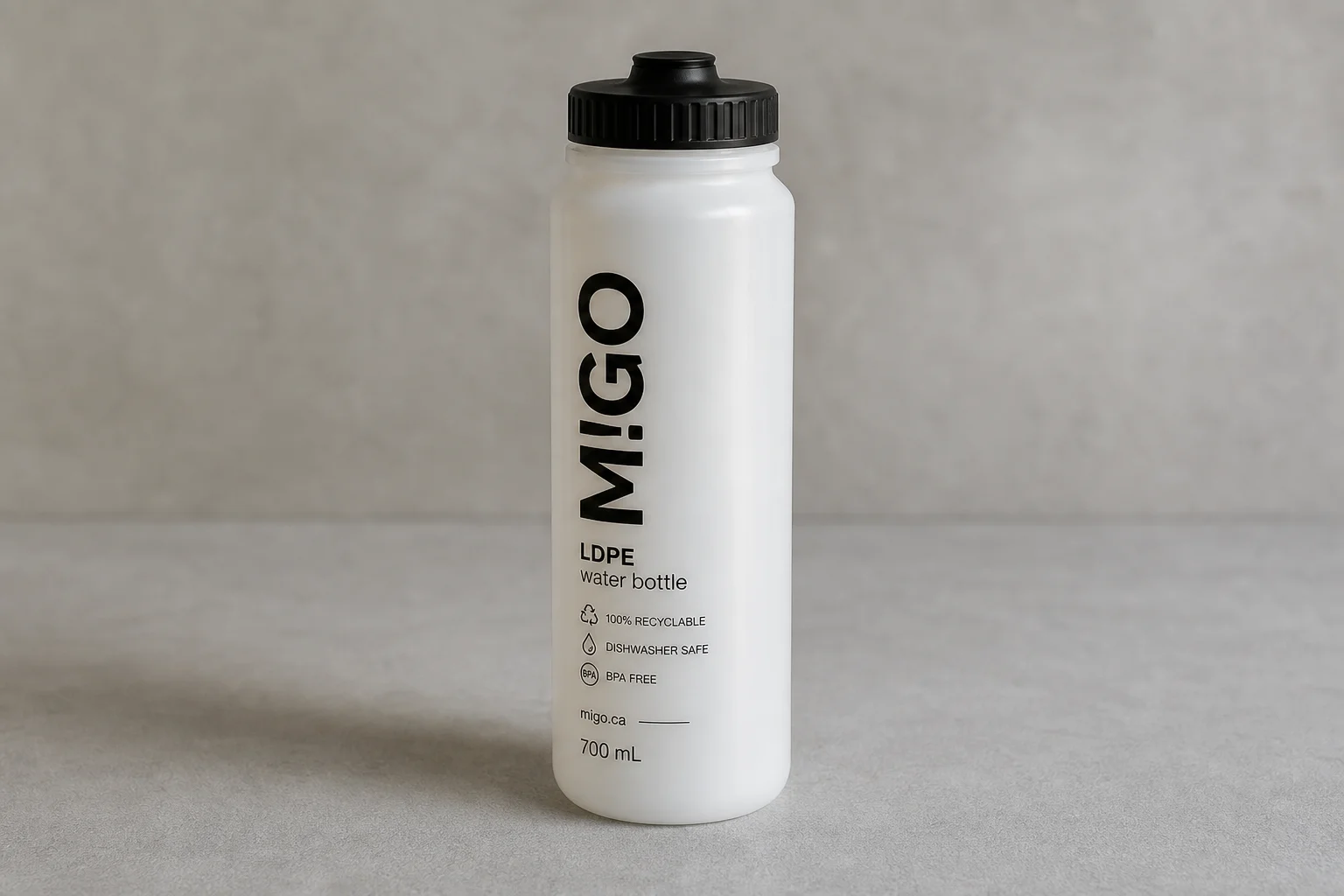
Backpackers have long chosen between slim disposable-style bottles for low weight and reusable bottles for durability, and neither option is ideal on its own. The Migo bottle, designed by Miranda Goes Outside, uses a dual-threaded lid to cover both sides of that trade-off.
The wide opening is a standard wide-mouth size, which makes filling from a filter and adding electrolyte powder straightforward, and it is easy to clean by hand or in a dishwasher. The upper thread is a standard 28 mm bottle thread, so a flip cap screws on, or a filter such as a Sawyer or QuickDraw attaches directly and lets you drink from the bottle while it holds dirty water. The thread also works with a bidet attachment.
The bottle handles boiling water, and the walls spring back when squeezed instead of crinkling the way thin disposable bottles do.
Alpacka Mage for Whitewater Packrafting
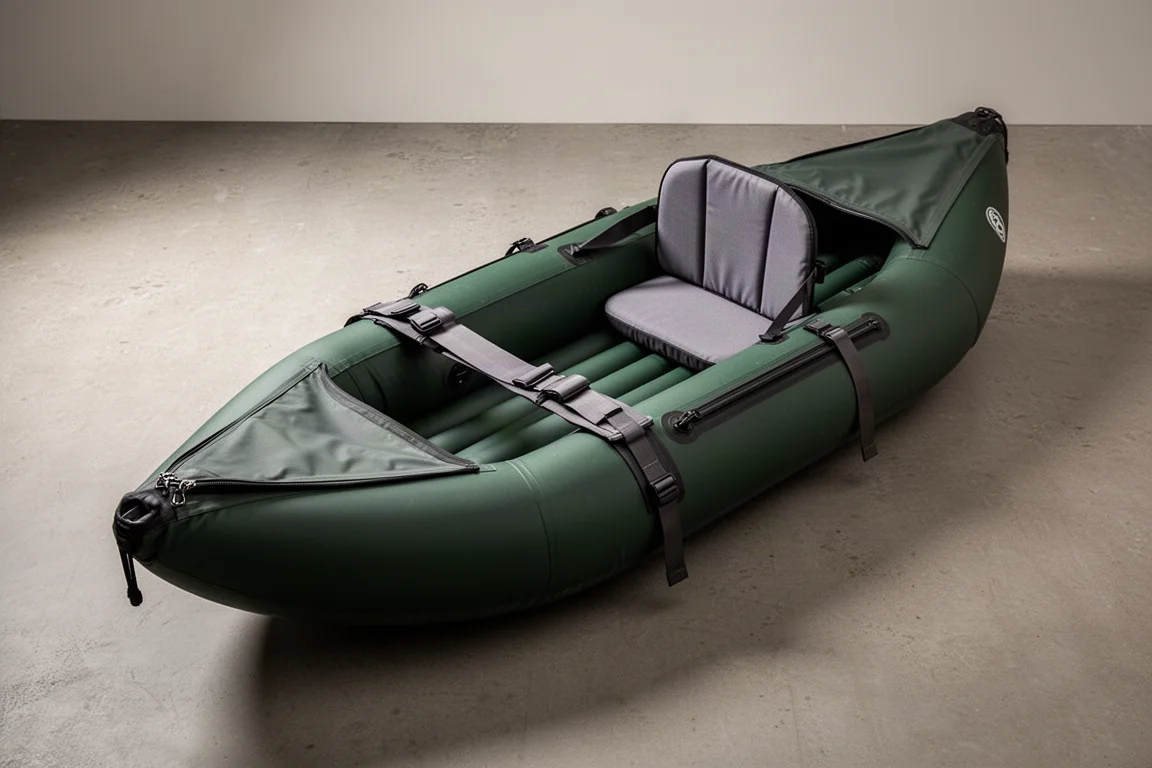
Packrafting looked improvised not long ago: dinghy-like boats with gear lashed to the bow before dropping into whitewater. The Alpacka Mage shows how far the category has come. It is genuinely capable on whitewater and weighs 8.5 lbs.
A zipper on the rear tube lets you load gear inside the tubes, which improves the center of gravity and removes the need to strap loads to the front. A full back band, a seat, and thigh straps keep you connected to the boat, and the thigh straps make a real difference when maneuvering.
The floor inflates along the bottom and pushes the hull down to create edges, which helps with secondary stability and with carving down a river. With the thigh straps in place, the boat can be rolled. It is light enough for multi-day expeditions.
Overall Buying Advice
Start with the problem you actually have rather than the product that looks most exciting. If cold-weather cooking is your bottleneck, the stove is the piece that changes a trip, and the price reflects that. If you sleep cold, quilt draft control or pad warmth will do more for you than anything else here.
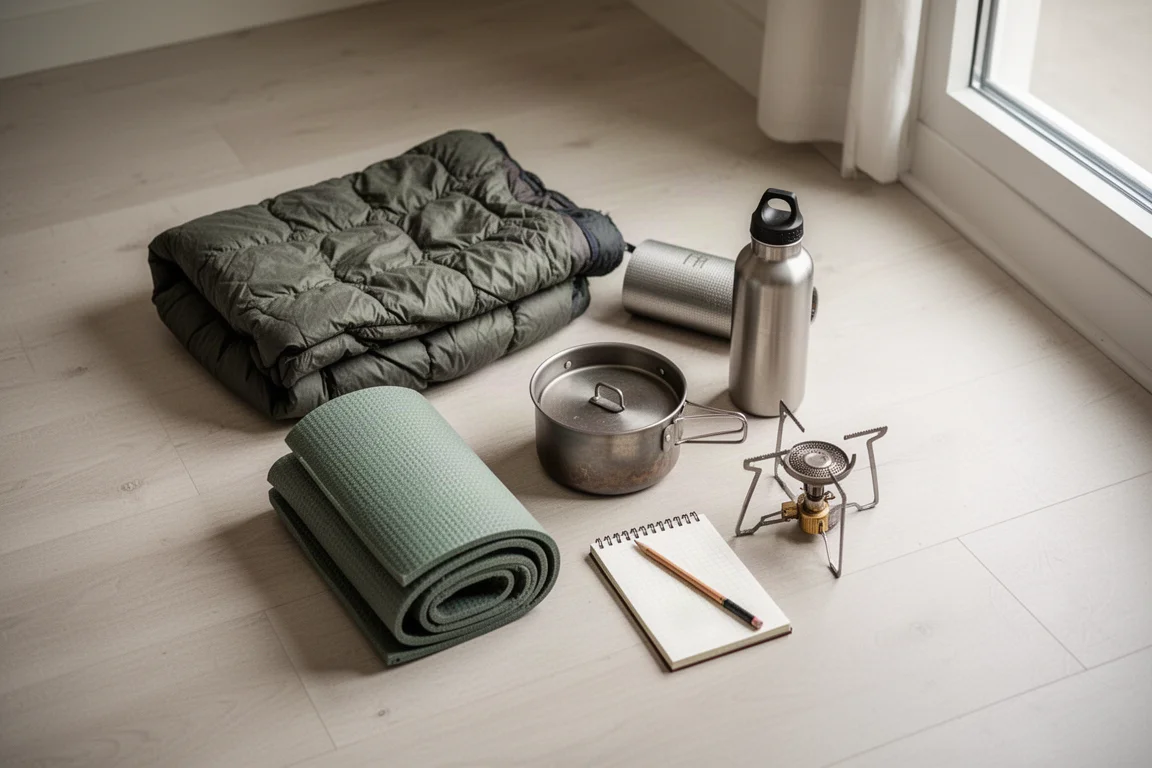
The lower-cost items are the easiest to justify. A lid that snaps on and nests a canister, or a bottle that accepts both a flip cap and a filter, improves gear you already carry for very little money. Minimalist footwear sits in the middle: inexpensive per pair, but it asks for patience while your feet adapt.
The packraft is the outlier. It is a serious investment aimed at a specific kind of trip, and for the right paddler it replaces a much sketchier setup.
Conclusion
Nine products, one shared trait: each removes a compromise that backpackers had accepted as normal. A stove that works in wind, a quilt that seals its own edges, a winter pad that is comfortable as well as warm, shoes that build foot strength, a lid that stays put, a bottle that fits both worlds, and a packraft light enough for a multi-day river trip.
None of them require a full kit rebuild. Pick the one that matches the problem you keep running into, and the rest of your setup can stay exactly as it is.
Further reading
Related Reviews

Backpacking Gear
Building a 10 lb Base Weight: An Ultralight Backpacking Gear List
A practical walkthrough of the ultralight pieces behind a 10 lb base weight, from a 765 g pack and a roomy one-person tent to a full camp chair and a dependable water filter.

Backpacking Gear
A 15-Pound Lightweight Backpacking Gear List for Solo Trips
A beginner-friendly 15-pound backpacking setup built from easy-to-find gear, with notes on what each piece does, how it packs, and where to spend your attention.

Backpacking Gear
8 Ultralight Backpacking Gear Upgrades Worth Carrying
Eight small, affordable backpacking upgrades that solve real trail annoyances, from a pillow that stays put to a fuel valve that rescues leftover canister gas.