Audio Amplifiers
Gallion TSA a20 Review: Pure Class A Sound With a Tube-Like Soul
A 20 watt pure Class A power amplifier with exotic capacitor parts, a wide holographic soundstage, and a few practical compromises worth knowing before you buy.
Introduction
The Gallion TSA a20 is a pure Class A power amplifier rated at 20 watts and priced at $3,750. On paper that combination reads like a hard sell: modest output, a price well above entry level, and no preamplifier built in. In practice, the amplifier earns its place through the parts inside it and the way it presents music.
Gallion is a young audio brand, and the TSA a20 sits well above the company’s more affordable TSA a75 in both price and ambition. The TSA a75 was noted for a midrange that sat slightly behind the bass and treble. The TSA a20 takes a different route. It keeps the low end weight and the high end sparkle, but it brings voices and instruments forward, and the result is a far more complete sounding amplifier.
This article covers what the TSA a20 does well, where it asks for compromises, and which listeners will get the most from it.
Who This Amplifier Is For
The TSA a20 is aimed at listeners who want the character of a good tube amplifier without the maintenance and heat of tubes. It is a solid state design, but it does not sound like a typical one. The midrange and high frequencies are holographic and easy to follow, and the presentation leans warm rather than clinical.
It is not the right choice for someone who wants a single box solution with a preamplifier and multiple source inputs built in. It is a power amplifier, so a separate preamplifier is required. It is also not the best match for listeners who insist on the most neutral, reference-flat presentation available. The TSA a20 is gently coloured, and that colour is part of its appeal.
Sound Quality and Sonic Character
The first thing that stands out is scale. The soundstage is wide, deep and holographic, with instruments placed in clear space rather than crowded between the speakers. That sense of space is unusual for a solid state amplifier at this price, and it holds up well against far more expensive integrated tube designs.
Bass is a strong point. It has weight, texture and dynamics, and it stays controlled rather than loose. Listeners who value the fastest, most tactile bass available may find it slightly rounded, but it is tighter than most single-ended tube amplifiers in the same conversation. There is real heft here, and it makes large scale music feel physical.
The midrange is the highlight. Against a very quiet background, vocals come through sweet and nuanced, with breath and small details audible without becoming fatiguing. Tone is handled particularly well, and that combination of smoothness and detail is what makes long listening sessions easy.
Treble is slightly elevated, which adds sparkle, a stronger sense of space and more focus in the imaging. It is a subtle lift rather than a bright edge. Taken together, the tuning is mildly V-shaped, with a little extra energy at the frequency extremes and a midrange that stays fully present rather than recessed.
Parts Quality and Power Delivery
What sets the TSA a20 apart is what is inside. The amplifier uses Jupiter copper foil capacitors, Jupiter Vitamin Q capacitors and Jupiter vintage tone capacitors, with the smaller capacitors used to fine-tune the character of the larger ones. Capacitance totals 400,000 microfarads, supported by two transformers, which is what gives the amplifier its grip and dynamic control.
That parts list is unusual at this price. Amplifiers costing considerably more do not always reach the same level of component quality, and the difference is audible in the density and texture of the sound rather than on a specification sheet.
The 20 watt rating looks modest, but it proved far more capable in practice than the number suggests. Speakers from around 85 dB sensitivity upward were driven without strain, and less sensitive designs handled the amplifier without complaint. It also scaled up well with more revealing speakers, which is a good sign for owners who plan to upgrade their system later.
Build Quality, Connections and Everyday Use
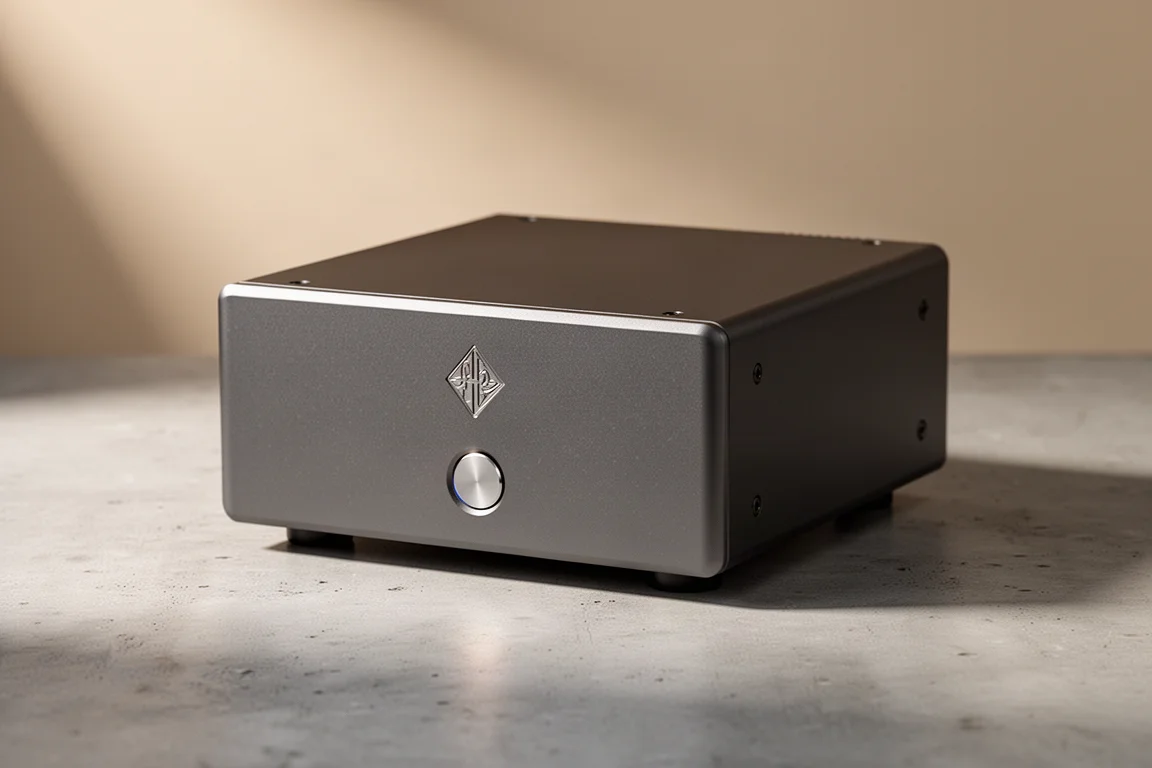
The chassis is the area where the budget clearly went elsewhere. It is a plain aluminium enclosure, functional and tidy, but not finished to the standard of high end brands in the same price bracket. The carved Gallion emblem on the front is a nice detail. Operation is simple: a single button on the front panel switches the amplifier on and off.
The blue power indicator is bright. It can be disconnected from inside the amplifier, or simply covered, so it is a small annoyance rather than a real problem.
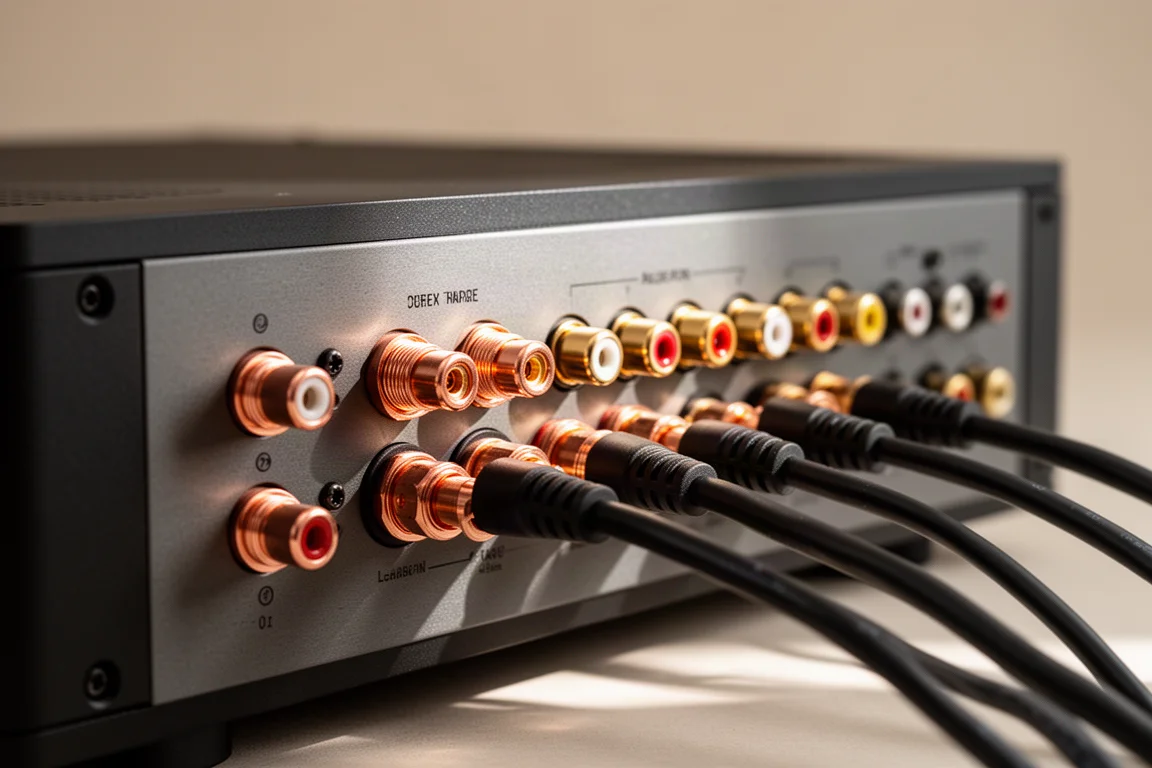
At the back, the news is more mixed. The binding posts are pure copper and the RCA connectors are quality parts, with components imported from Taiwan. The limitation is that there are no balanced inputs at all. For owners who run long XLR cables or prefer balanced connections throughout their system, this is the most significant compromise on the amplifier.
Things to Consider Before Buying
- No balanced inputs. Only RCA connections are available, which will matter to listeners with balanced sources or long cable runs.
- No built in preamplifier. The TSA a20 is a power amplifier, so a separate preamplifier is required, and the pairing has a real effect on the final sound.
- Plain chassis. The enclosure is generic aluminium rather than a premium case, so most of the money has gone into the electronics.
- Bright indicator light. The blue LED is strong in a dark room, though it can be disconnected or covered.
- Limited availability. The TSA a20 was created as a passion project, and once the remaining units sell through it may not be produced again.
Buying Advice
The TSA a20 rewards careful system matching. A good tube preamplifier brings out even more of the holographic quality in the midrange and treble, and that combination is where the amplifier sounds most at home. Solid state preamplifiers work well too, but the tube pairing is the one to aim for if budget and space allow.
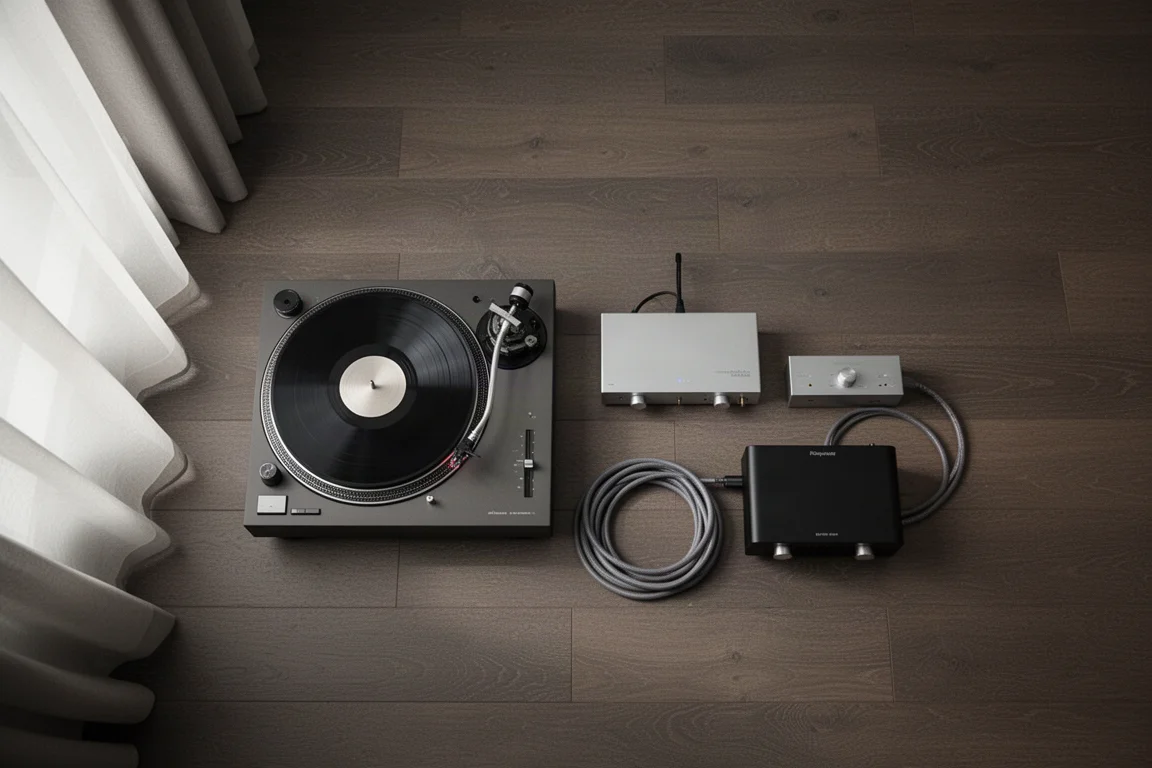
Speakers are less of a concern. The amplifier handled everything from 85 dB sensitivity upward without difficulty, including less sensitive standmount designs. Buyers with very demanding, low sensitivity speakers should still weigh up their room size and listening levels, but the 20 watt rating is not as limiting as it first appears.
At $3,750, the value argument rests on the parts inside and the sound they produce. That is a substantial sum, but it buys component quality and a presentation normally associated with amplifiers costing significantly more. For anyone who wants tube-like warmth from a solid state design, this is one of the more convincing options available.
Conclusion
The Gallion TSA a20 is a pure Class A power amplifier with genuinely exotic parts, a wide and holographic soundstage, and a midrange that is hard to fault. Its compromises are practical rather than sonic: no balanced inputs, no built in preamplifier, and a chassis that does not match the ambition of the electronics inside.
For listeners who value tone, texture and space over absolute neutrality, and who are willing to match it with a good preamplifier, the TSA a20 delivers far more than its 20 watt rating suggests. The main caution is availability. If the remaining units sell out, this is an amplifier that will be missed.
Product link
View more details for Gallion TSA a20
This product is mentioned in the review. Check the specifications, options, and compatibility before buying.
View more details for Gallion TSA a20Further reading
Related Reviews
Audio Amplifiers
AGD Audion Mark III Review: A Compact Class D Amplifier With Tube-Like Musicality
A gallium nitride Class D amplifier that delivers tube-like midrange warmth, serious bass grip, and a modular upgrade path in a very small chassis.
Audio Amplifiers
Best Class D Amplifiers Under $100: Douk Audio A5 vs Fosi Audio V3
Two sub-$100 Class D amplifiers built on the same 3255 chipset, compared on bass weight, midrange body, treble presence, and real-world speaker matching.
Audio Amplifiers
Best Power Amplifiers Under $500: Six Stereo Amplifiers From $74 to $579
A practical roundup of six stereo power amplifiers under $500, covering real-world power, connectivity, cooling, and which kind of system each one suits.