Hi-Fi Speakers
Fyne Audio Vintage Classic VIII Review: Retro Looks With Modern Engineering
A large retro-styled floorstander with a dual concentric driver, hand-assembled cabinets and an unusually forgiving character. Here is what to know before buying.
Introduction
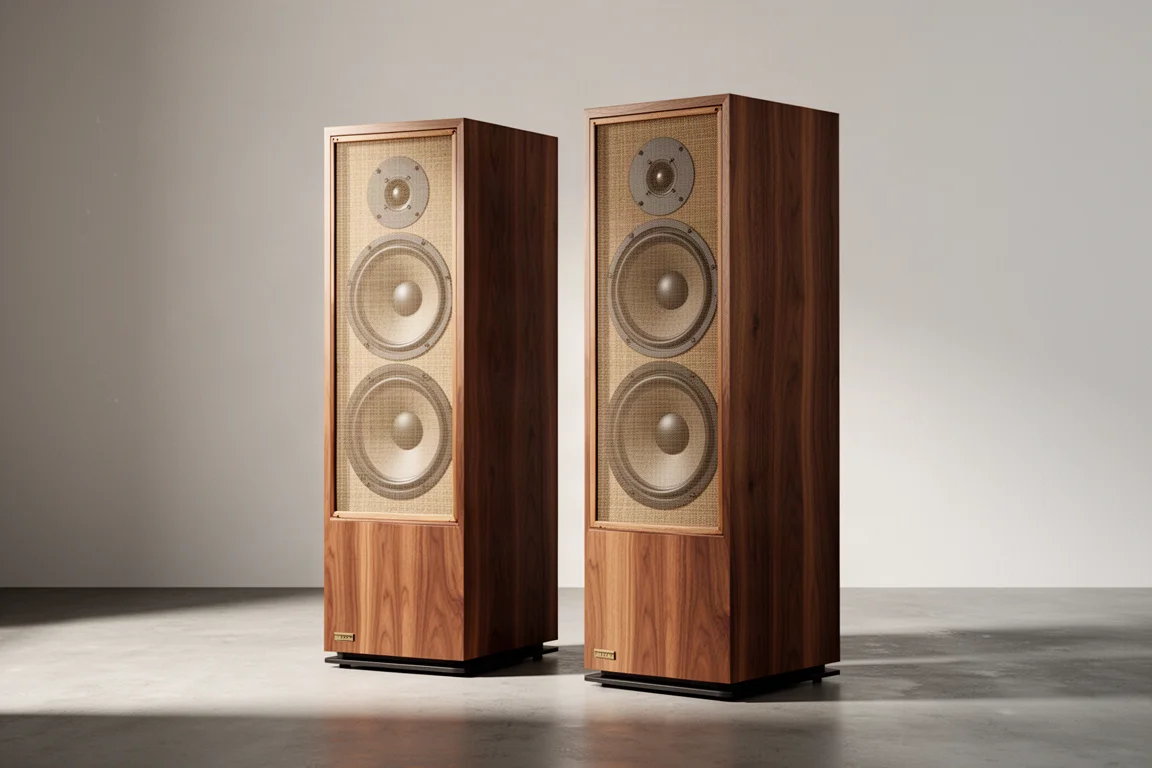
Retro-flavoured loudspeakers are everywhere at the moment, and the Fyne Audio Vintage Classic VIII is one of the more convincing takes on the trend. It is a large floorstander with a wide front baffle and generous cabinet proportions that recall 1970s designs, paired with a thoroughly modern driver and port system. In the UK it sells for £4,499.
There is a story behind the badge as well. Fyne Audio was established in 2017, but it was formed by former Tannoy senior executives, including technical director Dr Paul Mills, who spent decades designing Tannoy loudspeakers. The sales director and other senior figures moved across at the same time, bringing more than 200 years of combined industry experience. The Vintage Classic VIII is not positioned as a rehash of an old model, which matters when a brand works in this idiom.
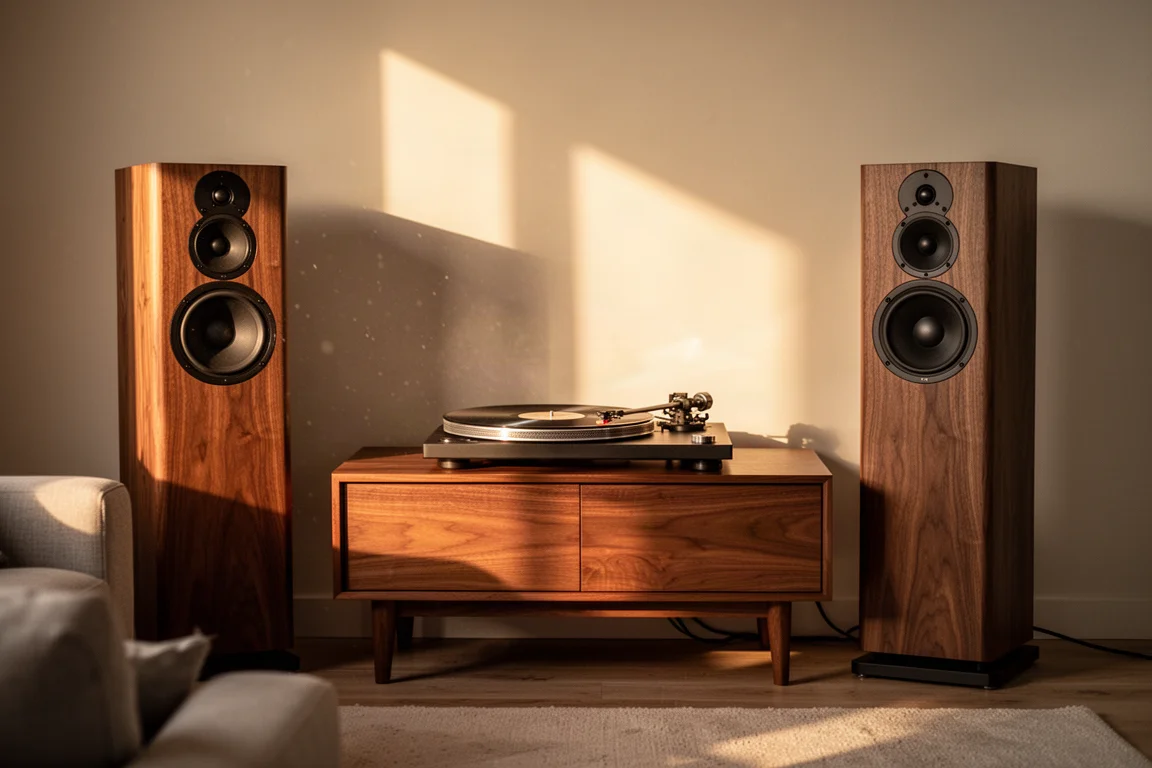
What you get for the money is a substantial piece of furniture as much as a piece of hi-fi. The cabinets are heavily braced and built by a European prestige cabinet maker, then hand assembled in Scotland and finished in a real wood walnut veneer. If the retro aesthetic appeals, this is a speaker that earns its floor space.
Who This Speaker Is For
Three broad groups will get the most from the Vintage Classic VIII.
The first is buyers who are happy to pay a premium for a handcrafted product assembled in Scotland rather than a mass-produced alternative. The second is listeners who want to step off the upgrade treadmill: a good sounding speaker for the money that is easy to live with, easy to drive and easy to position. The third is anyone chasing a particular blend of warmth and liveliness that brings music to life while staying refined.
If your priority is the last word in bass dynamics or fine detail retrieval, this is not the speaker that will satisfy that itch. It performs well in both areas, but it does not lead the class in either.
Main Strengths: Sound and Presentation
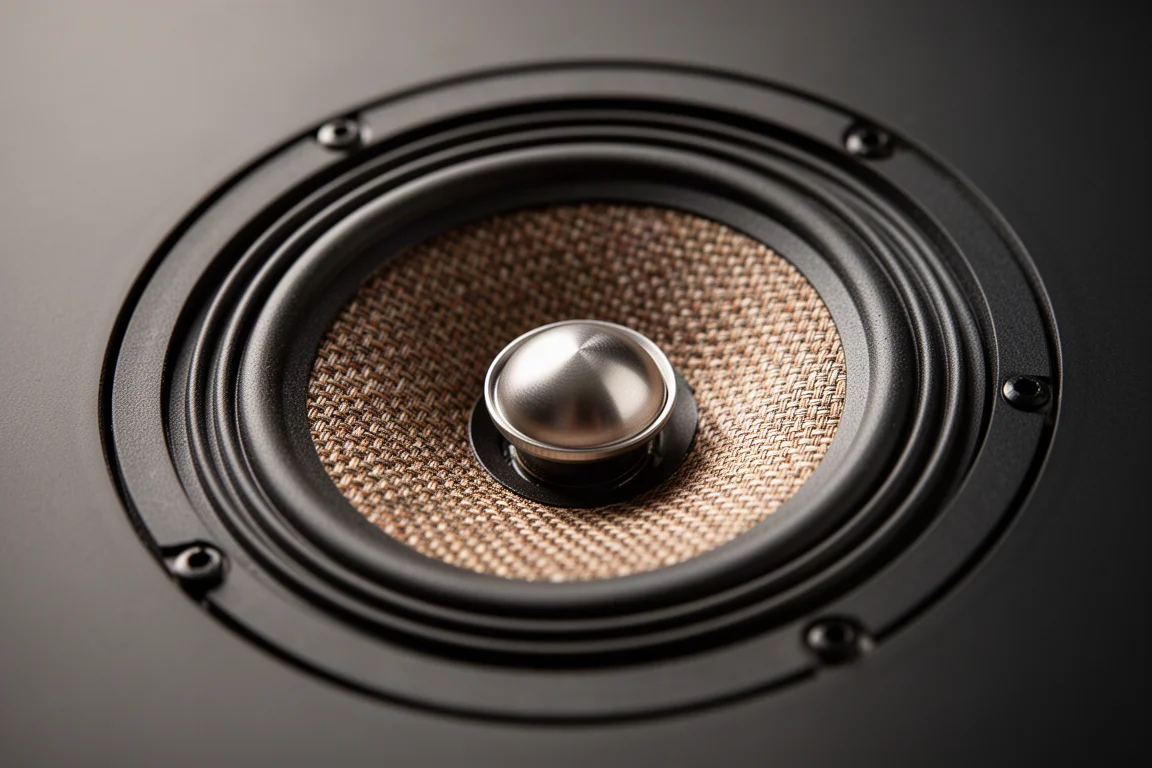
The driver is taken straight from the flagship F8 stand mount, a speaker that costs £7,499. Here it is the smallest unit in the Vintage range: a 200 mm (8 inch) dual concentric design with a 25 mm (1 inch) magnesium dome compression tweeter mounted centrally on a multi-fibre mid-bass cone with Fyne Audio’s fluted rolls. The crossover sits at 1800 Hz.
The dual concentric layout pays off most clearly off axis. Move seven or eight metres away into an adjoining room and the tonality and clarity hold together far better than most conventional boxes manage. Soundstage width and imaging are also remarkable for a cabinet this size, helped by the compression tweeter sitting in a waveguide and the mid-bass cone acting as one, which throws more energy forward than sideways and keeps edge diffraction in check.
Two controls let you tailor the presentation. One adjusts tweeter level by plus or minus 4 dB. The other shapes the upper midrange and presence region between 2500 and 5000 Hz, making lead instruments and vocals more forward or more relaxed. Both are genuinely useful for room, partnering equipment or personal taste.
High frequencies are delivered with plenty of extension and sophistication. The real character of the speaker, though, is a blend of warmth and excitement that makes music fun to listen to, a quality usually associated with well designed horn speakers. Layering within the forward projection is reasonable rather than expansive.
Design, Build, and Placement
Each cabinet measures 873 x 380 x 300 mm (34.4 x 15 x 11.8 inches) and weighs 29.1 kg (64.2 pounds). Everything feels substantial. The woven cloth grilles are magnetic and nicely finished, but they are far from acoustically transparent and should come off for serious listening.
What looks like a sealed box is actually hiding Fyne Audio’s BassTrax system behind the cloth valance. It is a patented downward-firing port arrangement with 360 degree dispersion created by a tractrix diffuser cone. The aim is even low frequency output that makes the speaker easier to place, including closer to side and rear walls than a conventional rear-ported design would allow.
Around the back there are two sets of good quality binding posts for bi-wiring or bi-amping, plus a grounding terminal between them to help reduce incoming radio frequency interference.
Things to Consider Before Buying
Resolution is the main criticism. Notes do not stop and start as quickly as they do on a faster, more forensic design, and that costs a little fine textural information. Bass is well extended, with an in-room minus 6 dB point quoted at 30 Hz, which is good for the size. Definition is reasonable rather than exceptional, and a dual concentric driver has to share its motor structure between tweeter and mid-bass, so it will not match a dedicated mid-bass unit for outright bass authority.
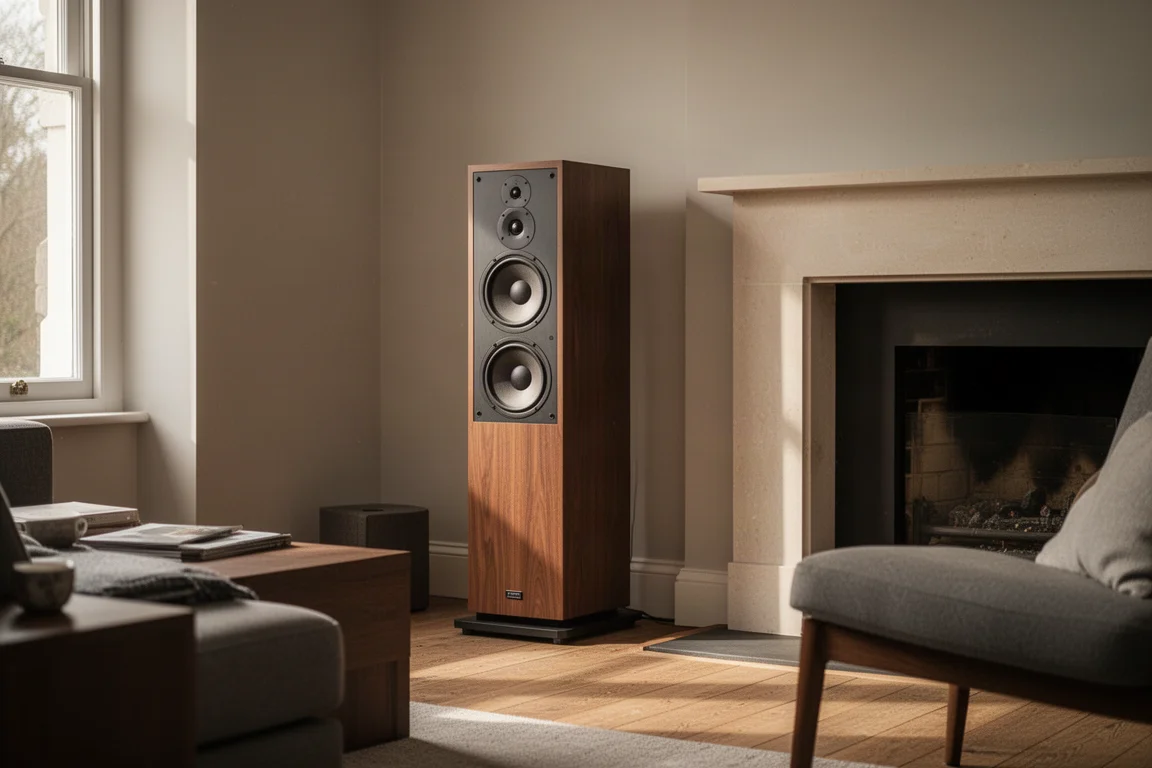
Placement is unusually forgiving. With a fireplace and furniture limiting true close-to-wall positioning, pushing the speakers back as far as possible added bass without costing clarity, which is not something every large floorstander manages.
Pairing and Amplification Notes
The Vintage Classic VIII presents an easy load, so it is possible to spend a lot less on amplification than the speaker price might suggest. An Accuphase E-280 made a strong aesthetic and sonic match, adding acoustic mass to the lighter character of the entry-level amplifier, although the speakers ultimately hold that amplifier back when it comes to fine detail.
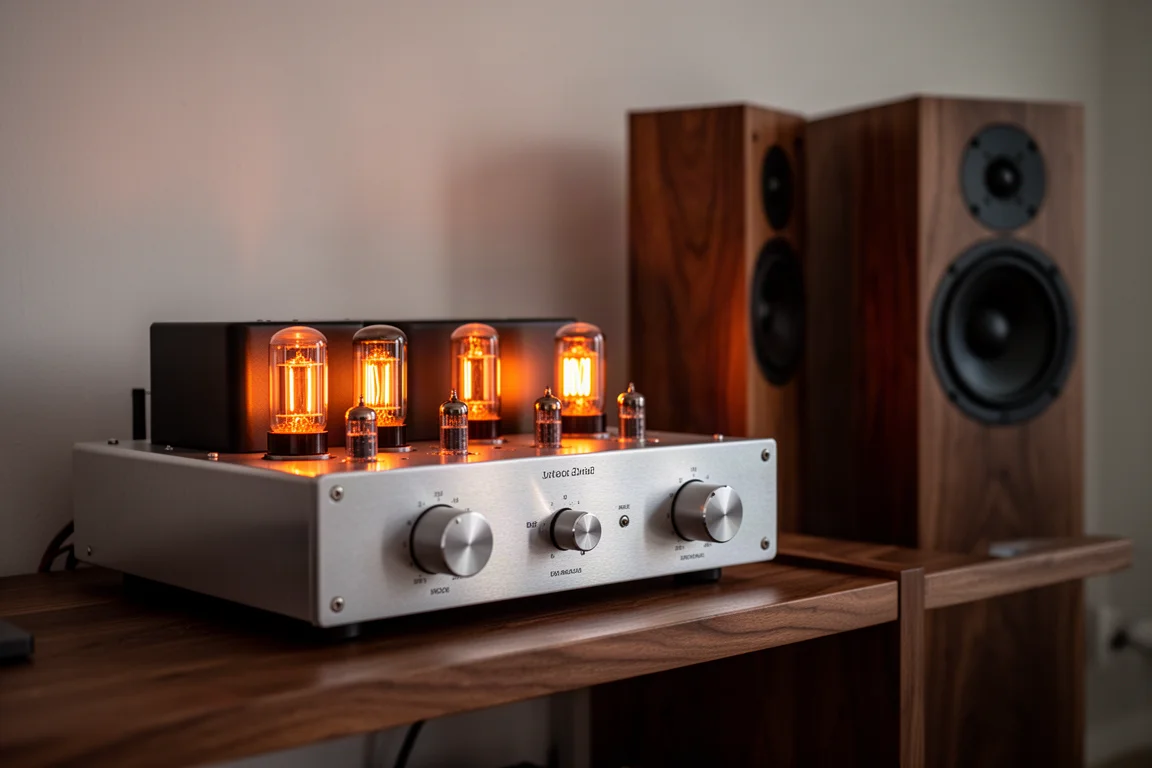
An Exposure 2510 below £2,000 delivered clarity and refinement. A valve amplifier with upgraded tubes brought richness and muscularity, with slightly less control at the extremes, and made it easy to forget about the equipment entirely on jazz, soul and vocal-led material. A Hegel H190 worked well as it always does, though it played things a little safe here.
Buying Advice
At £4,499 for the pair, this is a considered purchase. If you want maximum bass dynamics or the finest detail retrieval at this price, there are alternatives that will suit you better. If you want a hand-built speaker that is genuinely easy to live with, simple to drive and forgiving of room and positioning, the Vintage Classic VIII is hard to beat.
Think of it as a long-term purchase rather than a stepping stone. The tone controls mean you can tune it to a room and a system over time, and the forgiving load means it will not force an amplifier upgrade alongside it.
Conclusion
The Fyne Audio Vintage Classic VIII is not just another retro-styled box. It looks distinctive and sounds distinctive, combining warmth and liveliness with genuine refinement, and it makes music enjoyable both in the sweet spot and well outside it. For anyone who values character, craftsmanship and easy long-term ownership over outright measurement bragging rights, it is an easy recommendation.
Product link
View more details for Fyne Audio Vintage Classic VIII
This product is mentioned in the review. Check the specifications, options, and compatibility before buying.
View more details for Fyne Audio Vintage Classic VIIIFurther reading
Related Reviews
Hi-Fi Speakers
1723 THX Tower vs 1528 Bookshelf: Which Speaker Fits Your Room?
Two speakers at roughly the same price, built very differently. How the 1723 THX tower and the 1528 bookshelf compare on construction, bass, power needs, and sound.
Hi-Fi Speakers
Acoustic Energy AE 300 Review: Deep Bass From a Compact Standmount
A two-way standmount with real wood veneer, surprising low-end weight, and a warm, easygoing character. Here is what to know before buying.
Hi-Fi Speakers
Acoustic Energy AE1 40th Anniversary Review: A Modern Take on a British Classic
A compact standmount that revives a 1980s favorite with all-new parts, a warm mid-centric balance, and a price of £1,499 per pair.