Desktop Audio
FX Audio DAC X6 Review: A $65 Desktop DAC and Headphone Amp With a Real Upgrade Path
A compact desktop converter with USB, optical and coaxial inputs, a usable headphone stage, and two internal upgrade points at a budget price.
Introduction
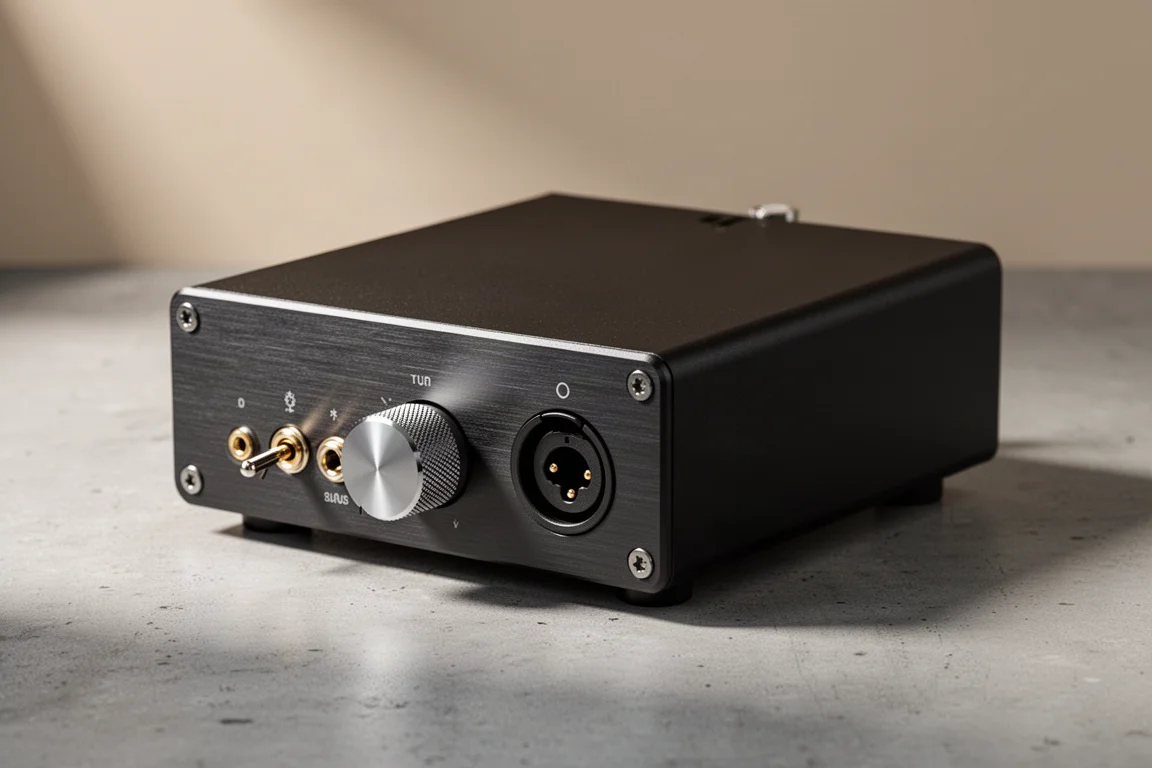
The FX Audio DAC X6 is a small desktop digital-to-analog converter that doubles as a headphone amplifier, and it sells for around $65. It accepts three digital sources: USB, optical, and coaxial. That covers a computer, a television or game console, and a dedicated transport without adding a second box to the desk.
That combination is unusual at this price. Most budget desktop converters either skip the headphone stage entirely or fit one that runs out of steam with lower-impedance headphones. The X6 takes the opposite approach, and it is built with a couple of internal upgrade points that give it a longer life than the price suggests.
This review covers what the X6 does well, where it asks for a little patience, and who should consider it for a first desktop system.
Who This Product Is For
The X6 makes the most sense for listeners building a first desktop setup, or for anyone who wants a single compact box handling digital conversion and headphone listening at the same time.
Three groups stand out. The first is desk workers and gamers who wear headphones for long sessions and want a dedicated physical volume control rather than a software slider. The second is newcomers to separate audio components who want to try a DAC and headphone amp without committing a large budget. The third is owners of an older receiver or integrated amplifier who need a modern digital input for a computer or streamer and do not want to spend much to get one.

For those listeners, the appeal is not specification bragging rights. It is the combination of a genuinely usable headphone output, three digital inputs, and an entry price low enough that the purchase never feels like a risk.
Design, Connections, and Controls
The front panel is metal and carries a single volume knob with a light detent as it turns, a full-size 6.35 mm headphone jack, and two metal toggle switches. The first toggle selects between optical, USB, and coaxial inputs. The second handles power. There are no push buttons and no remote control, which keeps the front panel clean and the interaction simple.
Around the back you get a full-size USB type B socket, a full-size optical input, a full-size coaxial input, a pair of RCA outputs, and a 12 V barrel connector for power. Using full-size connectors instead of mini jacks is a practical choice for a desktop unit, since standard cables fit without adapters.
One behaviour worth knowing before you buy: the volume knob controls the headphone output only. The RCA outputs run at a fixed level, so volume for a speaker system has to be handled by the amplifier downstream.
Main Strengths
The headphone amplifier is the headline. FX Audio rates it at 520 mW into 16 ohms, 450 mW into 32 ohms, 250 mW into 64 ohms, and 165 mW into 120 ohms. Power holding up at low impedance matters, because many inexpensive headphone stages deliver less into 16 and 32 ohm loads rather than more. Half a watt into 32 ohms is a meaningful amount of headroom for a $65 box.
The converter section uses Cirrus Logic DAC chips, with a stated dynamic range of 105 dB. The resolution figures printed on the product listing look inconsistent with the chip data, and the listing appears to contain a typo rather than a deliberate limitation, but the safe assumption is to treat the 105 dB figure as the number to compare against.
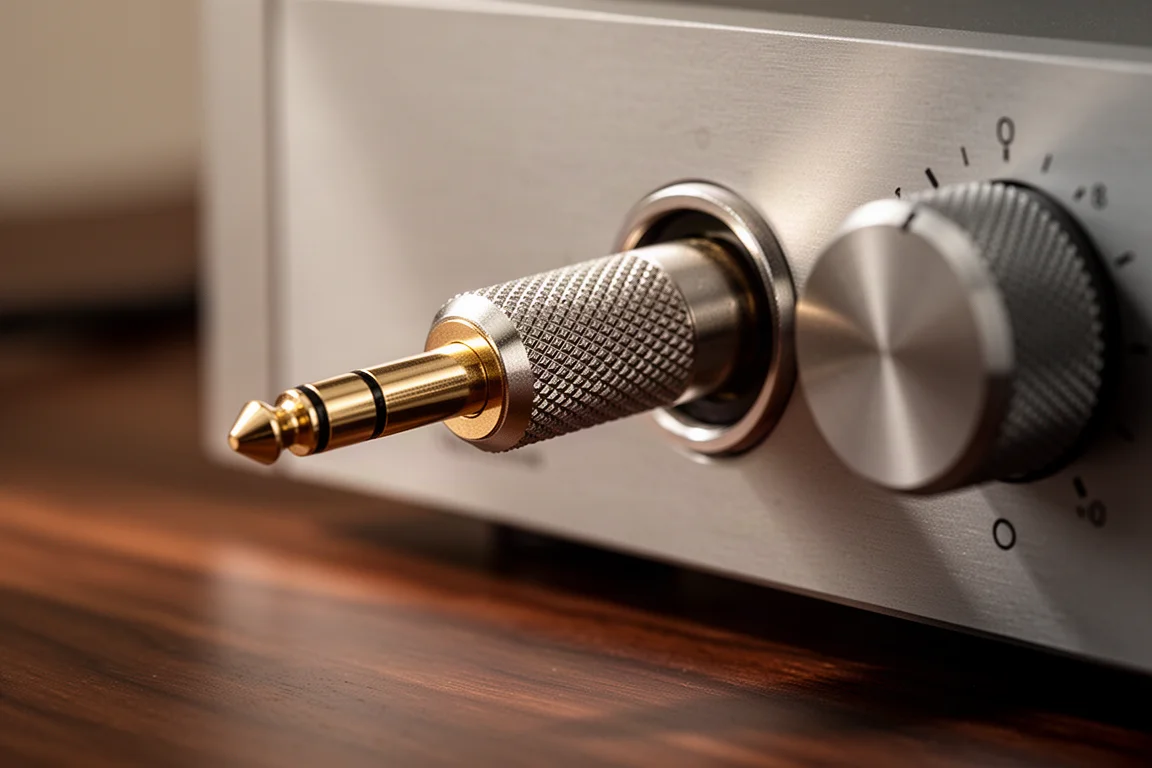
Three digital inputs is another real advantage at this price. A USB connection for the computer, optical for a television or console, and coaxial for a dedicated transport means the X6 can sit at the centre of a small system without a switch box.
In use, the X6 paired well with a pair of planar magnetic headphones at the more sensitive end of the range, where it sounded controlled and kept sibilance in check rather than exaggerating it.
Things to Consider Before Buying
The 105 dB dynamic range figure is lower than the 125 dB claims attached to several competing desktop converters. If measured numbers are the deciding factor for you, this is the point where the X6 gives ground. In practice, a well-implemented converter with a lower stated figure can still sound convincing, and the X6 does not sound thin or noisy, but the specification gap is real.
Bass extension is not enormous. Moving the internal jumpers to the high gain setting improved drive and dynamics noticeably, which suggests the stock low gain setting is not the best match for harder-to-drive loads.
Very low impedance planar headphones are a mixed fit. They work, and they sound good, but they do not come across as dynamic as they do on a separate amplifier with more power on tap.
Finally, the included 12 V 1.66 A power supply feels light for the job. It works and it is not a defect, but it is the first thing worth replacing if you decide to invest further in the unit.
Upgrade Potential: Op-Amp and Gain Jumpers
Two internal features give the X6 an unusually long runway for its price.
The first is a socketed operational amplifier. It can be swapped for a drop-in replacement, and there is no need to spend heavily: a well-chosen part from a mainstream semiconductor maker costs a modest amount and can tidy up the midrange. The stock part is basic, so this is a straightforward improvement path.
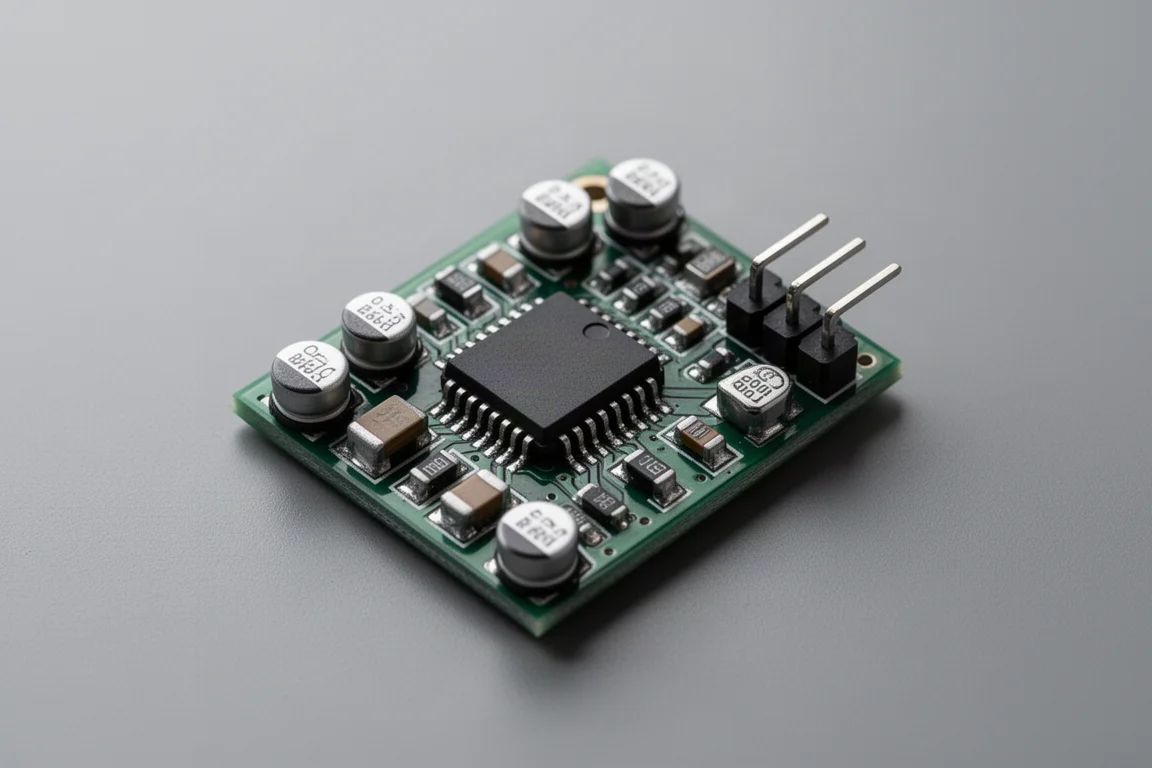
The second is a pair of jumpers that set the gain. The unit ships in low gain, and moving the jumpers across one pin switches it to high gain. That is a short job once the case is open.
Getting inside is not difficult, but it is not tool-free either. You remove four screws at the back, pull off the volume knob, and unscrew the nut around the volume pot. Refitting the volume knob is the fiddliest part of the process.
One caveat: a physically tall aftermarket op-amp may not clear the stock enclosure. If you fit a larger module, expect to modify the case or run the unit open.
Desktop Setup and System Fit
As a desktop DAC and headphone amp, the X6 is easy to live with. It is small, it takes standard cables, and the toggle switches are quick to operate by feel. The included USB cable is better than most bundled cables, with a ferrite core fitted to reduce noise pickup.
Used purely as a DAC into a speaker system, the value case is weaker. It works, and the RCA outputs are clean and simple, but the fixed output level means you are paying for a headphone stage you may never use. Owners of vintage receivers should also check whether the receiver’s own headphone output is already good, since a discreetly built vintage headphone stage can be competitive when its controls are clean.
Where the X6 fits best is a desk with a computer, a pair of headphones, and one or two additional digital sources.
Buying Advice
At around $65, the X6 is a sensible entry point rather than a compromise purchase. It gives you a working headphone amplifier with useful power into low-impedance loads, three digital inputs, and two upgrade points you can explore later.
Be realistic about the ceiling. Moving up from here generally means either two separate components or a considerably more expensive all-in-one unit, and a higher price does not automatically deliver a more agreeable tonal balance. If you want a first desktop converter and headphone amp that leaves room to experiment, the X6 is an easy recommendation. If you need reference-grade measured performance or a remote control, save for something else.
Pair it with headphones that are reasonably efficient, use the high gain setting if your headphones need it, and treat the op-amp and power supply as optional projects rather than required fixes.
Conclusion
The FX Audio DAC X6 earns its place by doing three things at once: converting digital audio from USB, optical, and coaxial sources, driving headphones with more power than its price suggests, and offering a genuine upgrade path inside the case. Its 105 dB dynamic range and modest bass extension are the trade-offs, and the fixed-level RCA output limits its appeal as a pure speaker-system DAC. For a first desktop setup or a secondary system, it is a confident, low-risk choice.
Product link
View more details for FX Audio DAC X6
This product is mentioned in the review. Check the specifications, options, and compatibility before buying.
View more details for FX Audio DAC X6Further reading
Related Reviews
Desktop Audio
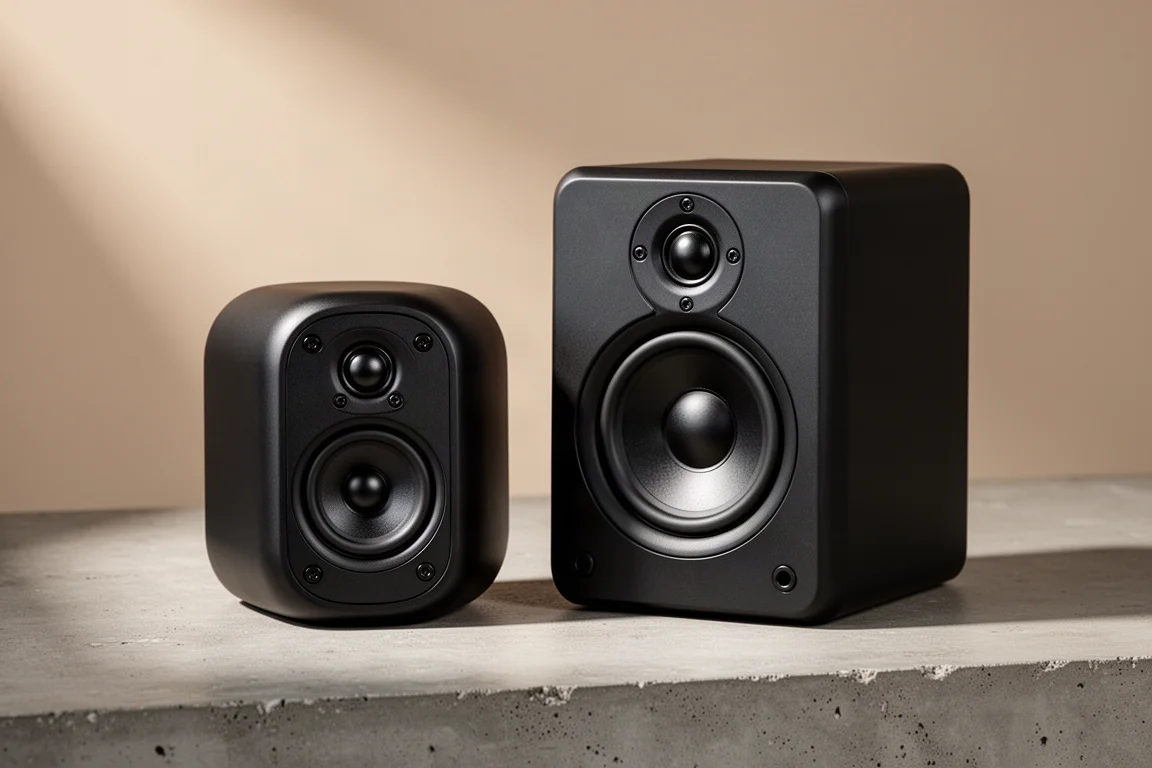
ADAM Audio D3V vs Kali Audio LP-UNF: Two $299 Desktop Monitors Compared
Two compact powered desktop monitors at the same price, compared on bass extension, linearity, placement settings, directivity, and realistic output limits.
Desktop Audio
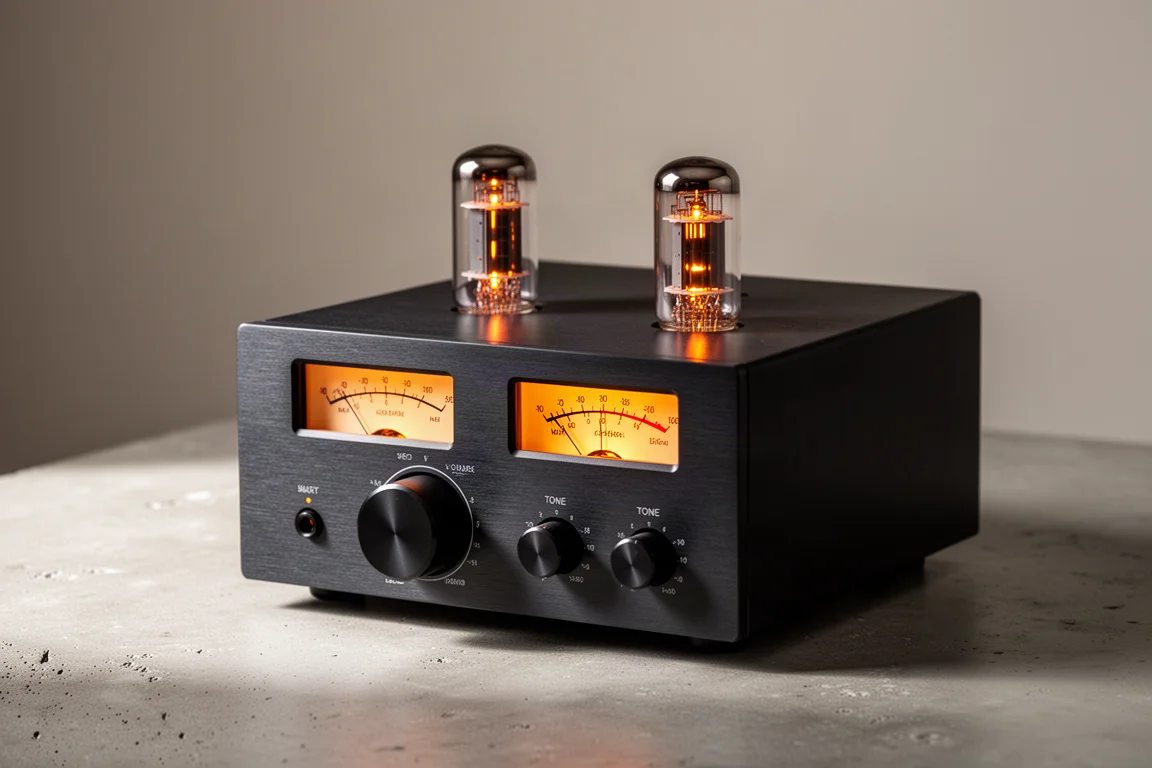
Aiyima T9 Review: A Compact Tube Desktop Amplifier With a Built-In DAC
A budget desktop amplifier that pairs class D power with two tubes, a full DAC section, Bluetooth, tone controls, and a working VU meter.
Desktop Audio
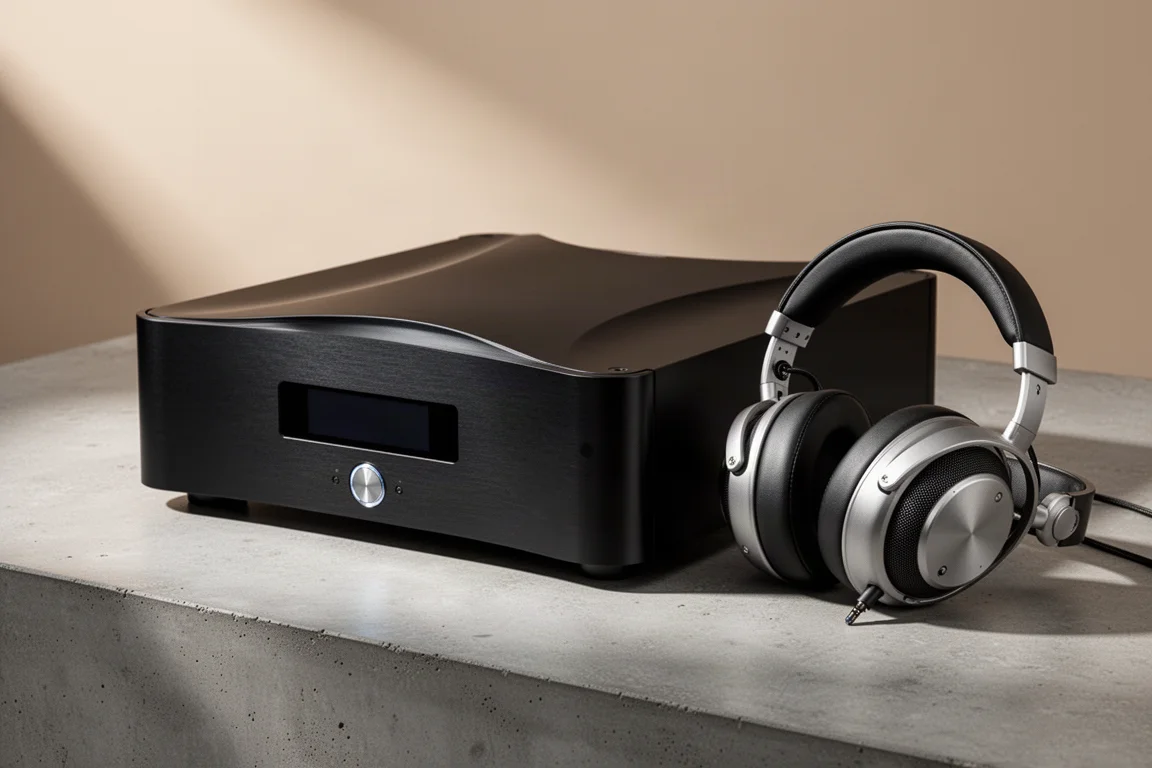
Aune S9c Pro Review: A Weighty Desktop DAC and Headphone Amplifier With Real Power
A desktop DAC and headphone amplifier with a linear power supply, dual Sabre converters and five watts of balanced headphone output. Here is what to weigh before buying.