Backpacking Gear
Funky Ultralight Backpacking Gear: 11 Clever Pieces Worth a Look
A field-tested look at eleven unconventional ultralight backpacking pieces, from a five-second pad inflator to a packraft that carries up a mountain.
Introduction
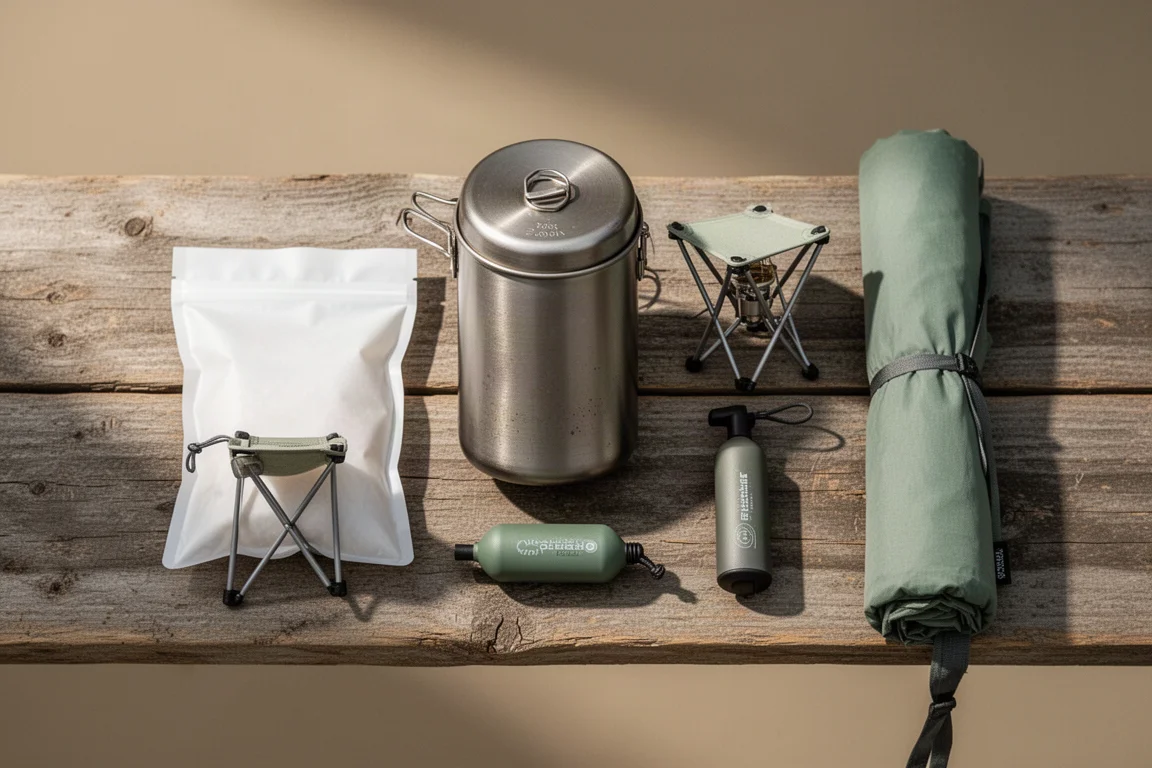
Some of the best backpacking gear comes from small makers who hit a specific problem on a specific trip and decided to fix it. That is the thread running through the eleven pieces below: a sleeping pad inflator the size of a thumbnail, a folding table that straps to a tree trunk, and a packraft light enough to carry up a mountain without a second thought.
They were all carried on a steep alpine trip that started with a 25-pound pack and a climb of more than 1,600 feet in under a mile. The payoff at the top was a quiet lake ringed by peaks, fall color in the trees, and a clear night that ended with the northern lights. The morning brought clouds, wind, and rain, which turned out to be a useful test of which pieces earn their place when conditions turn.
The question for every item was the same. Does it solve a real problem, does it stay out of the way, and would it come along again?
How to Judge Funky Ultralight Gear
Three things separate a clever gadget from a keeper.
First, weight and pack volume. A piece only earns a spot if it is light enough that packing it costs almost nothing. Second, the size of the problem it solves. The best cottage gear removes a genuine annoyance rather than an imagined one. Third, complexity. Anything that adds fiddly steps, needs a separate accessory, or takes practice to get right has to deliver a payoff big enough to justify the learning curve.
Trip type matters just as much. Some of these items belong in a year-round kit, while others make the most sense for cold-weather trips, storm days, or alpine lakes where a boat changes the whole experience. Judging gear against the wrong trip is how good ideas get written off unfairly.
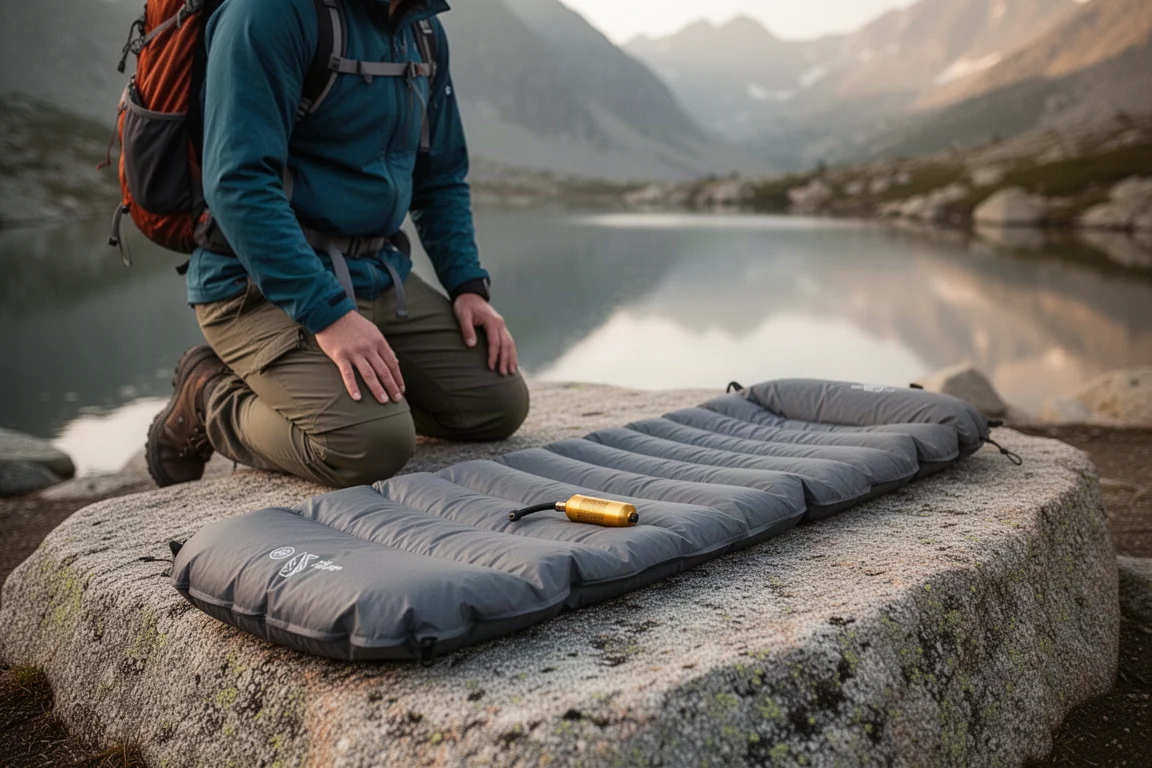
The test trip made those trade-offs easy to see. A steep, sustained climb punished anything that added bulk or weight, while a long evening at camp rewarded anything that made sitting, eating, and sleeping more comfortable. Rain the next morning sorted the genuinely useful items from the ones that only shine in perfect weather.
Nemo Hornet OSMO Elite: The Shelter That Anchors the Kit
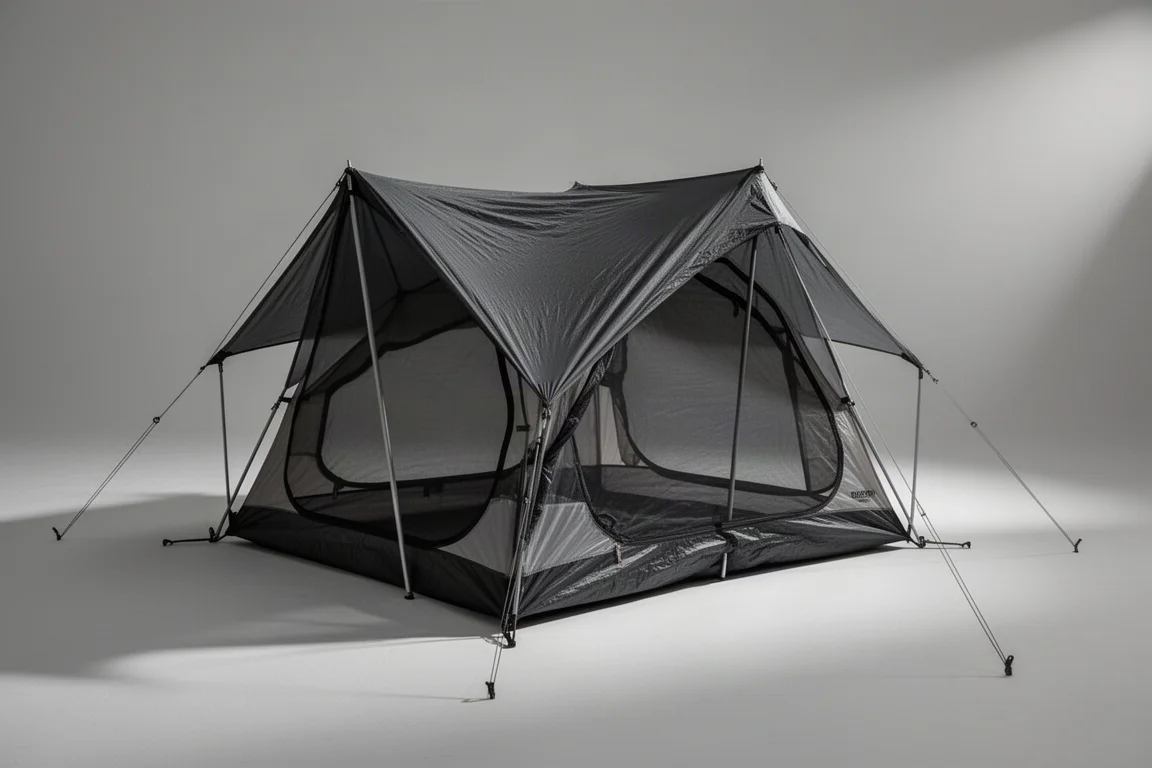
The Nemo Hornet OSMO Elite is the least unconventional item here, and that is precisely why it stays. It is a lightweight backpacking tent that has been pitched on a long list of trips, and it goes up quickly enough that it never becomes the reason camp takes an hour to establish. Pitching it door-first toward the view is a small habit that pays off in the morning.
Its role in a kit full of oddities is as a baseline. When everything else is an experiment, having a shelter you already trust means the rest of the gear gets judged on its own merits rather than on whether you manage any sleep at all.
Pad Pal: Sleeping Pad Inflation in About Five Seconds
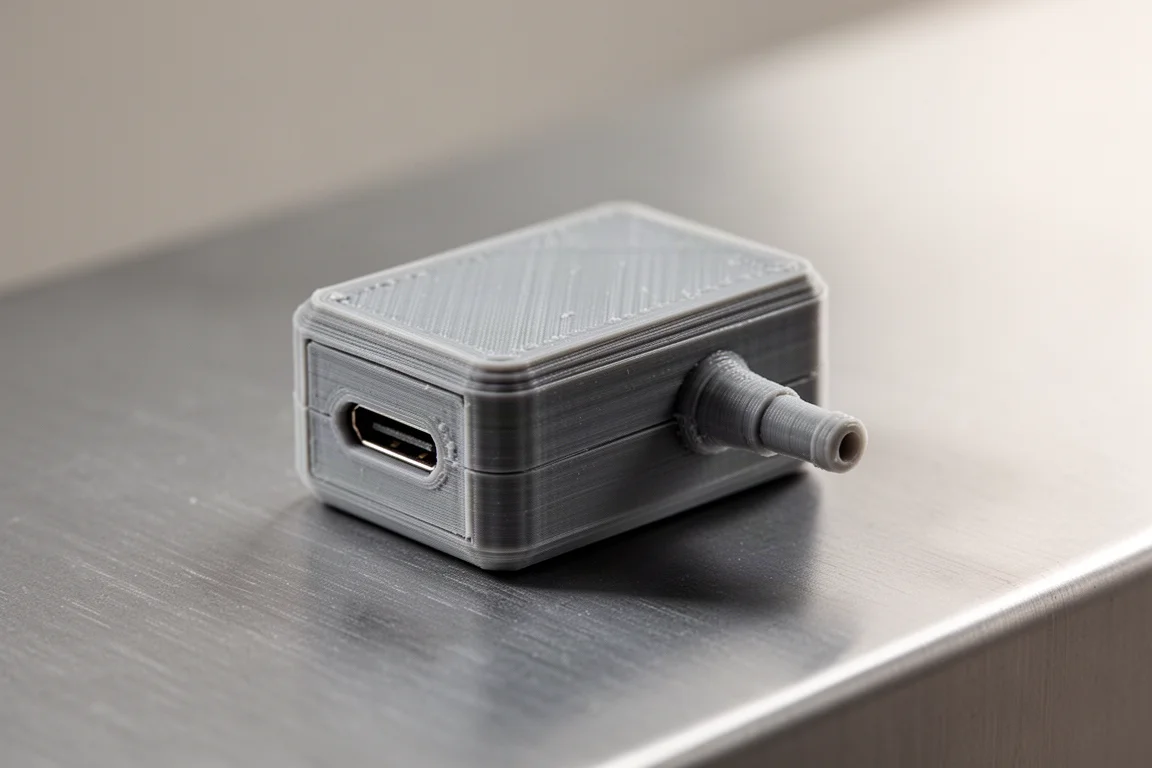
Pad Pal is a tiny inflator that attaches to a battery pack you already carry. Clip it to the pad valve, press go, and the most tedious part of setting up camp is finished in a few seconds instead of a minute of huffing.
Two practical notes. The attachment has a right side and a wrong side, and fitting it backwards means nothing happens at all. It also fills a pad to nearly full rather than absolutely firm, so the last couple of breaths still come from you. That is a fair trade for skipping the pump sack entirely, and on a cold evening it is a genuinely welcome shortcut.
Of everything on the trip, this is one of the two pieces most likely to become permanent.
Outdoor Vitals Summit 15: Warmth for a Cold Night
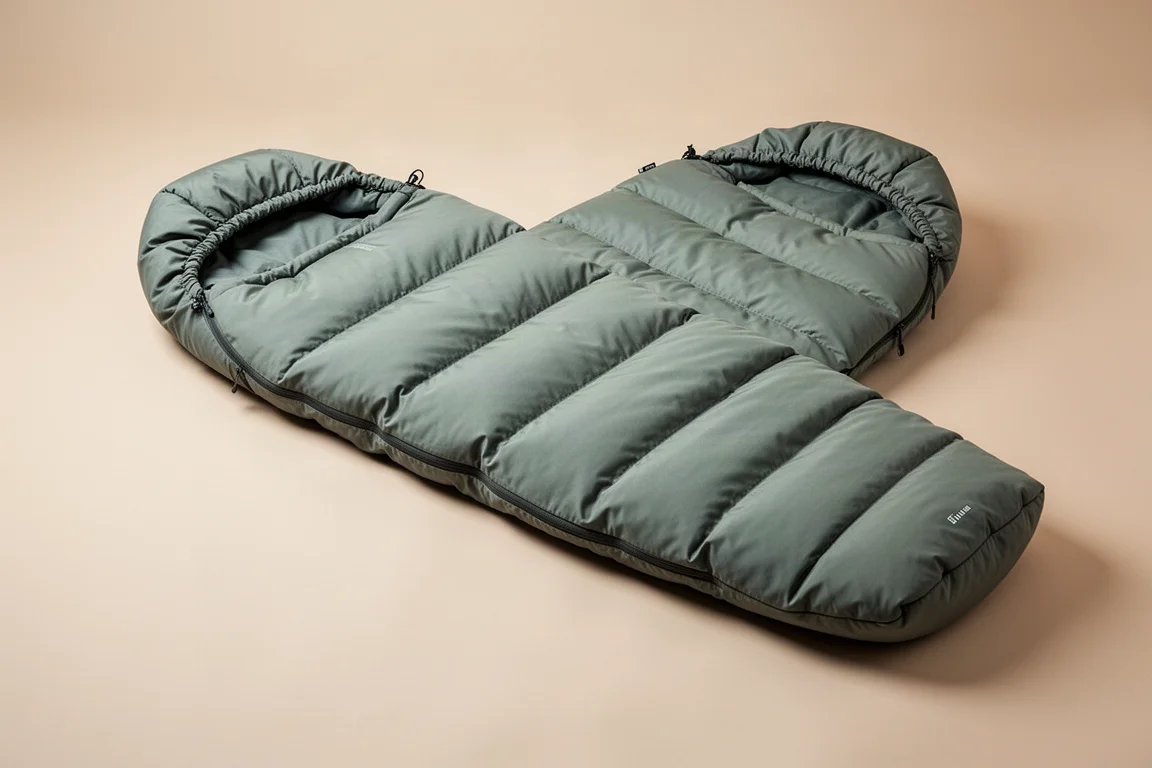
The Outdoor Vitals Summit 15 sleeping bag was chosen with a cold night in mind, and it was paired with a thin Alpha sleeping bag liner. Alpha fabric is remarkably light for the warmth it provides, and the liner has a small cinch hood that keeps heat around the head and shoulders.
Used together, the combination was comfortably warm through a clear, cold night at altitude. The liner is also flexible enough to be worn around camp in the morning, which is a welcome bonus for a piece that weighs almost nothing.
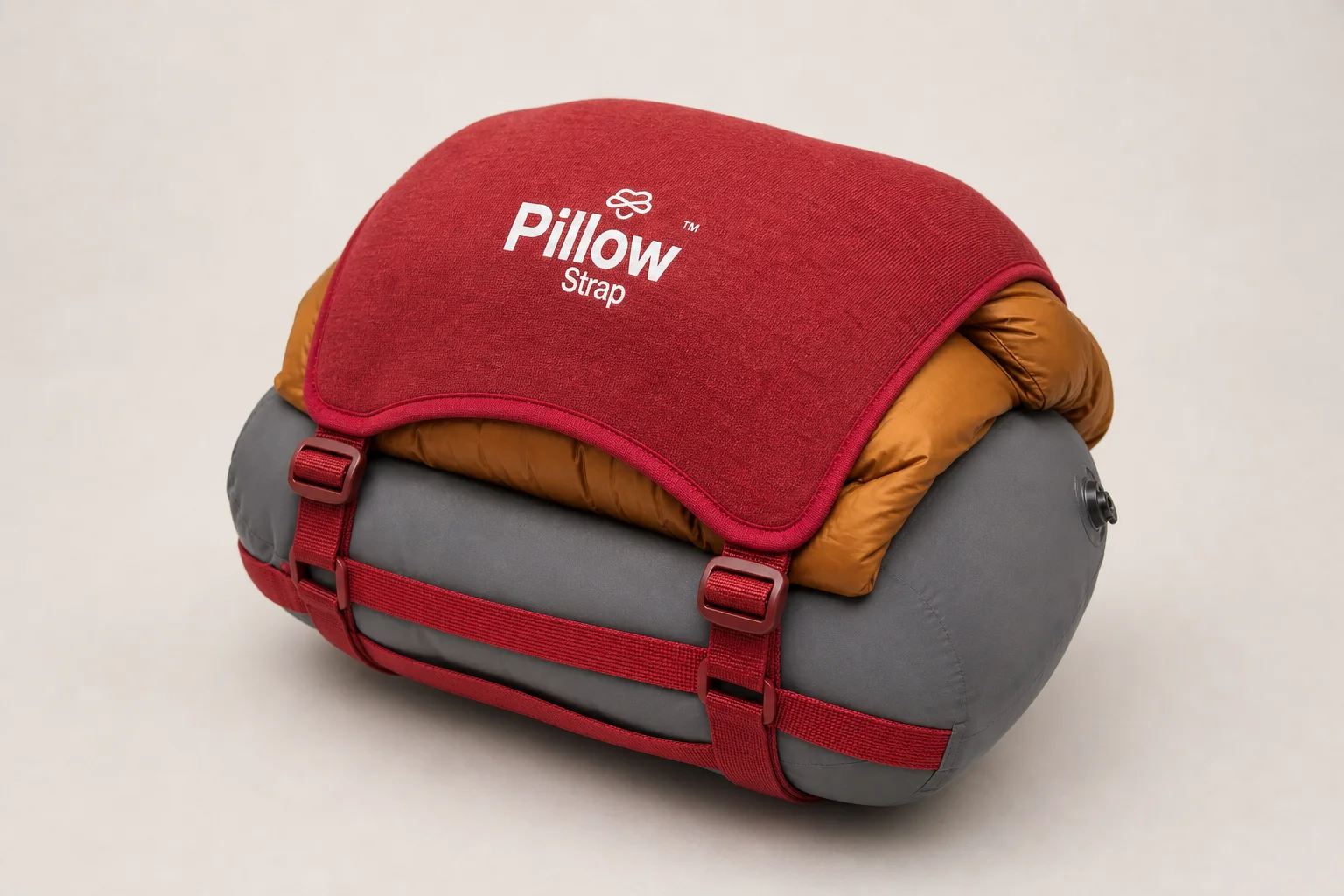
Pillow Strap: A Pillow That Stays Where You Put It
Pillow Strap makes stretchy pillow cases that turn a puffy jacket, a spare layer, or an actual pillow into something usable. The case holds the fill, and an attached strap wraps around the sleeping pad and cinches down so the pillow cannot slide away in the night.
Paired with a Nemo Fillo pillow, the result was a pillow that stayed put until morning, which is a small thing that makes a noticeable difference to sleep quality. The cases come in bright tie-dye patterns as well as neutral colors, so the look is entirely optional.
This was the other piece most likely to become part of a core kit.
Adotec Gear Caveman TV: Storm-Day Entertainment
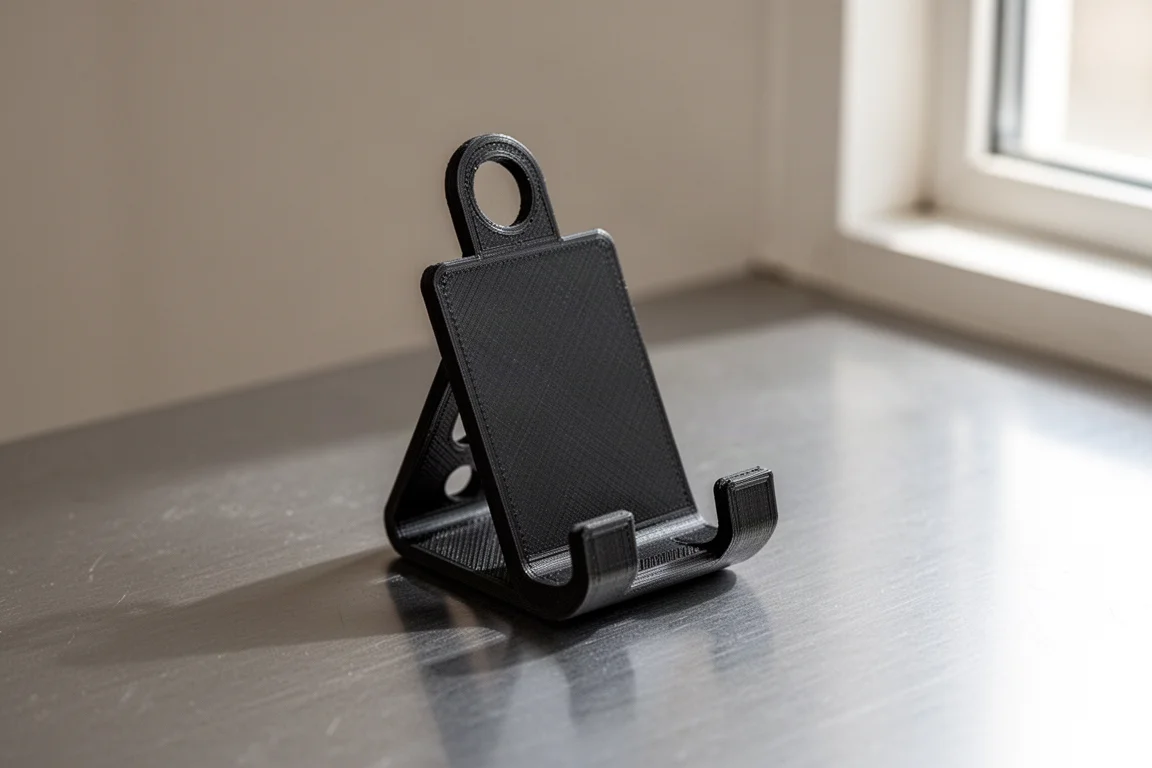
The Caveman TV is a small 3D-printed phone holder that hangs inside a tent, turning it into a screen you can watch while lying flat on your back. It sounds absurd until you have spent a long, wet evening in a tent with nothing left to do.
The honest assessment is mixed. In good weather it is dead weight, because there are views to look at and camp chores to finish. In sustained rain, on a solo trip, when you have already read everything you brought and the weather is not letting up, it solves a real problem and keeps a phone off your face and out of the range of gravity.
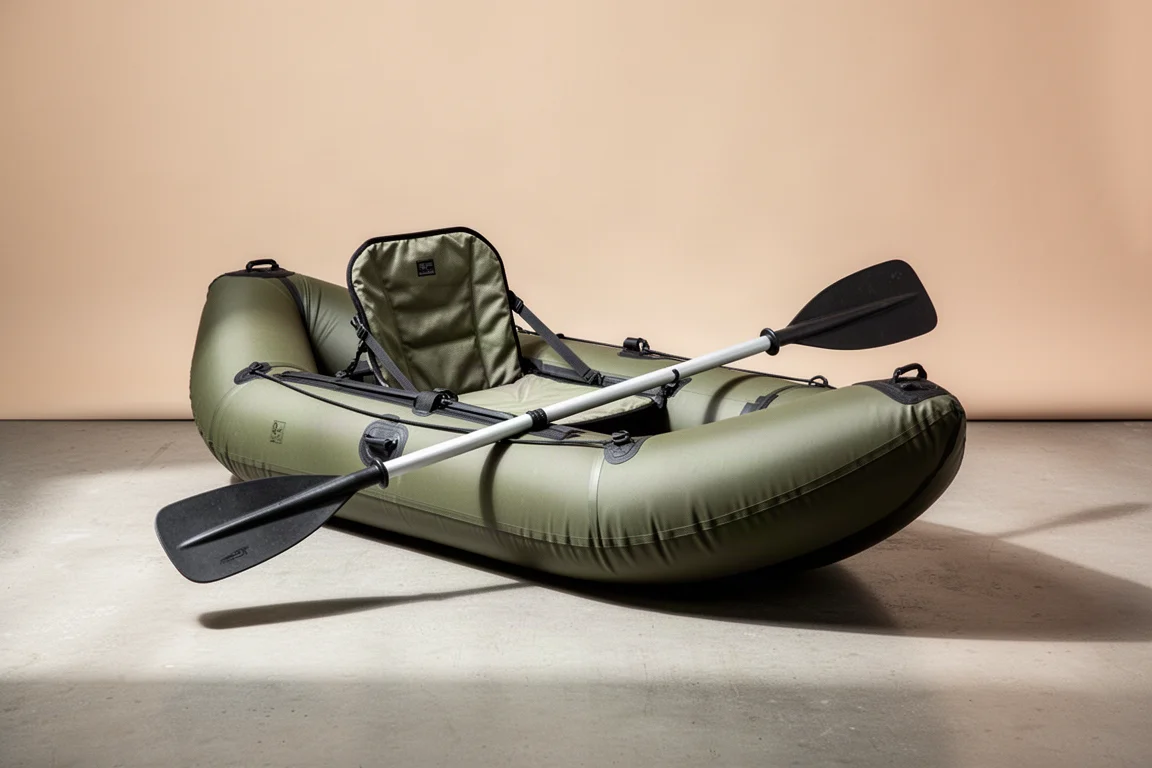
Supai Adventure Gear Packraft: An Alpine Lake From the Water
The packraft from Supai Adventure Gear was the standout of the trip. It packs down remarkably small, weighs almost nothing, and inflates with a supplied pump sack, with a tube that attaches to top off the last of the air and stays connected to hold pressure.
On the water, it is stable and comfortable for a paddler close to the intended height, with feet braced at one end and a relaxed slouch against the other. It does not track especially well and sways side to side as you paddle, which is normal for a small inflatable boat rather than a flaw in this one. Staying in water shallow enough to see the bottom is a sensible precaution for anyone without a life vest.
The appeal is the perspective it unlocks. Lakes that were previously just a viewpoint become somewhere to sit in the middle of, and the weight penalty is small enough that it is easy to justify carrying on alpine trips.
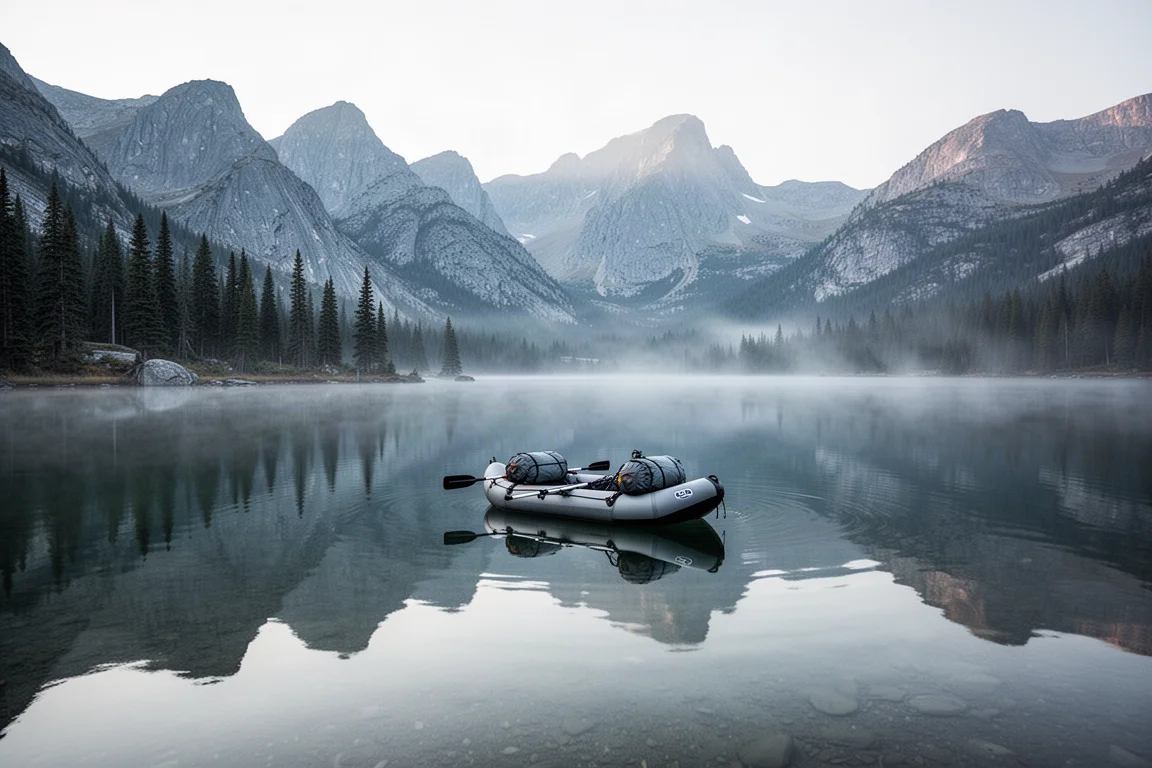
For solo trips in particular, this is the kind of gear that changes an itinerary rather than simply adding to it.
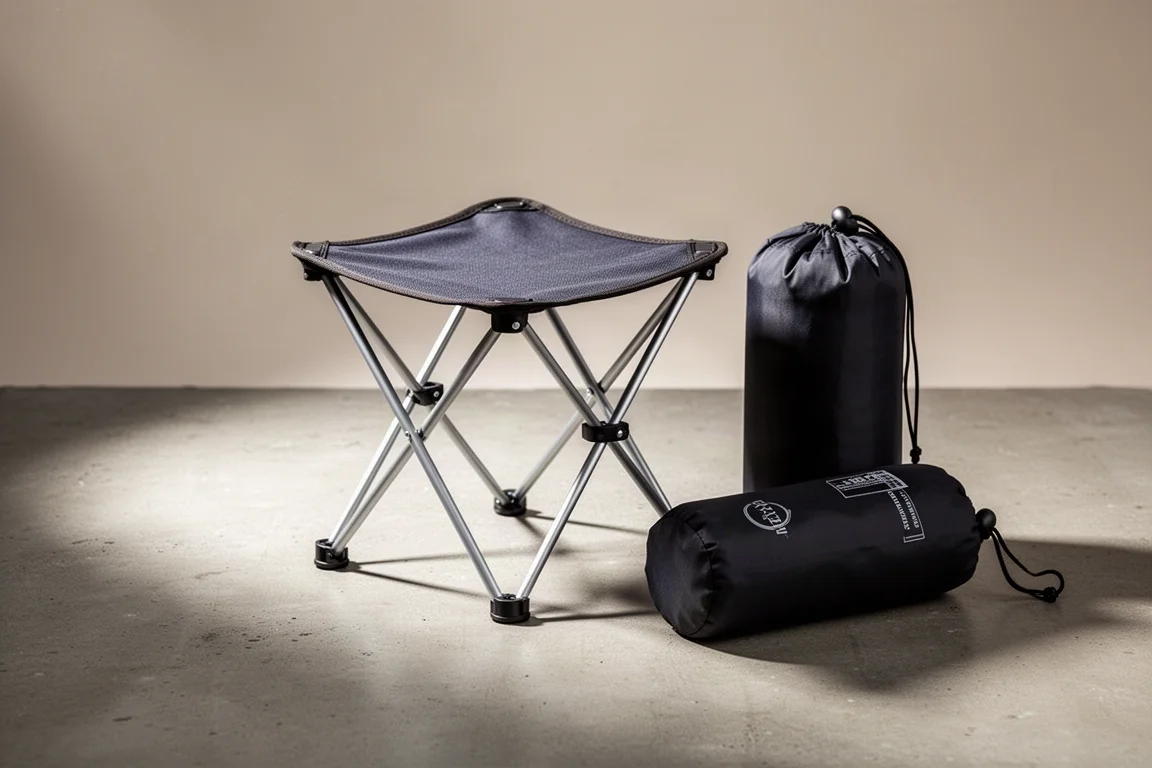
Hillsound BTR Ultralight Stool: A Seat Anywhere
The Hillsound BTR Ultralight Stool extends to 14 inches of height and weighs almost nothing. It folds down small enough that there is very little reason to leave it behind, and it turns any flat patch of ground into a proper seat.
At camp, that matters more than it sounds. Sitting on the ground for a long evening gets old, and a stool makes cooking, eating, and conversation considerably more comfortable.
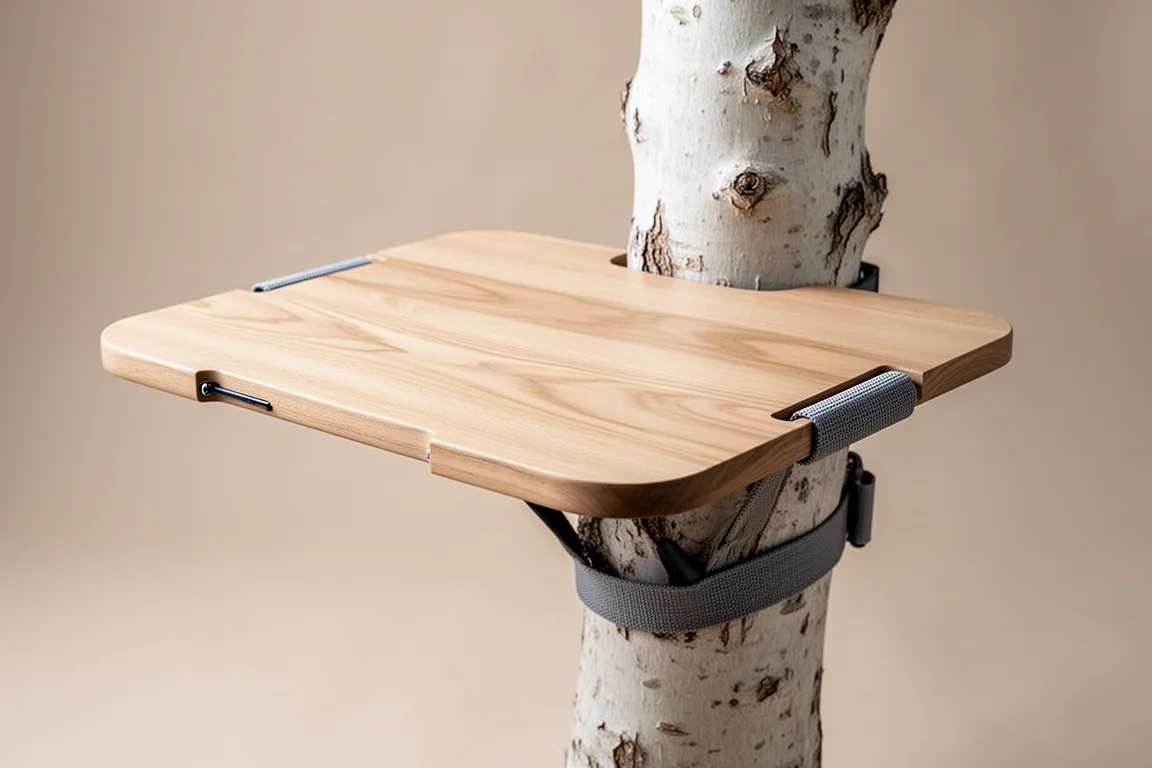
StableTable Tree Table: A Camp Kitchen on a Trunk
The StableTable Tree Table is a flat platform that braces against a tree trunk and cinches tight with a strap. Once it is up, it holds a mug, a small pan, a spatula, and whatever else needs a surface. Notches along the edge are designed for hanging sporks, and the legs are shaped so a stick can be threaded underneath to hang a water filter or drape damp clothing.
Setup is the trade-off. Using a fanny pack as the strap worked, but it was genuinely difficult to manage alone, and the dedicated strap that ships with the table is the better route. With two people it is quick. Solo, expect a bit of wrestling before the table feels stable.
Adotec Gear Bear Locker: Lightweight Food Storage
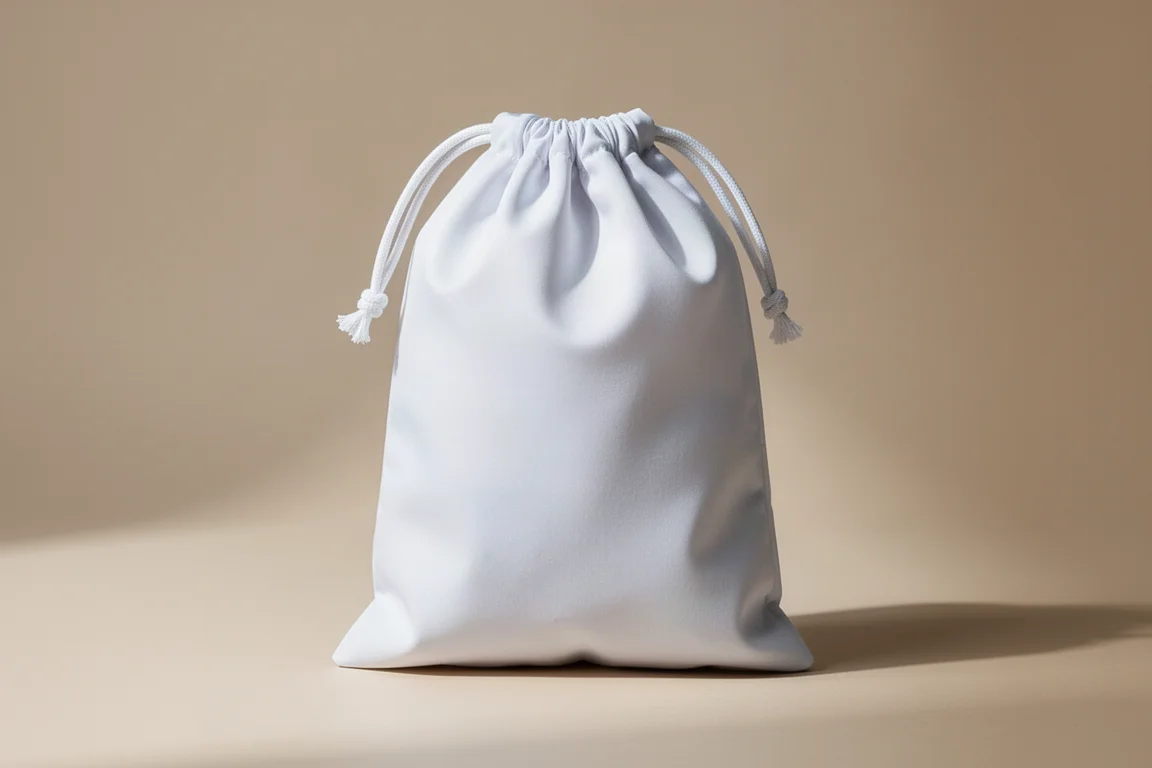
The Adotec Gear Bear Locker is a bear-resistant food bag in the same family as an Ursack. The version used on this trip is a black bear and critter bag rather than a certified grizzly-resistant one, and the maker has since secured certification for a grizzly-resistant bag through the Interagency Grizzly Bear Committee.
Two design choices stand out. The fabric is white, which makes it far easier to see what is inside than a black bag, and it is considerably lighter than other bear-resistant bags while being more durable and more water repellent. It closes with a cinch cord, is secured with a couple of overhand knots, and ties off to a tree trunk.
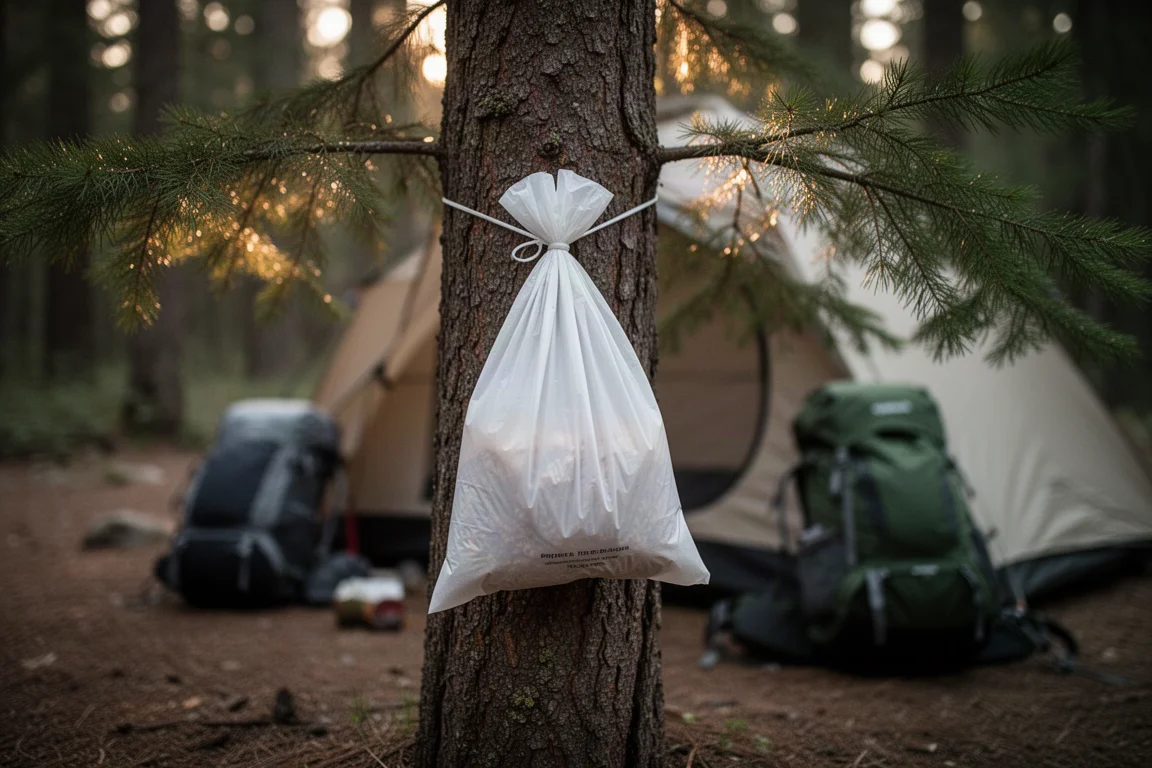
The trade-off is cost, since it is more expensive than the alternatives. For anyone weighing food storage options, the visibility and the weight savings are the reasons to consider it.
Vargo Bot Pot: Pot, Bottle, and Cold-Soak Jar
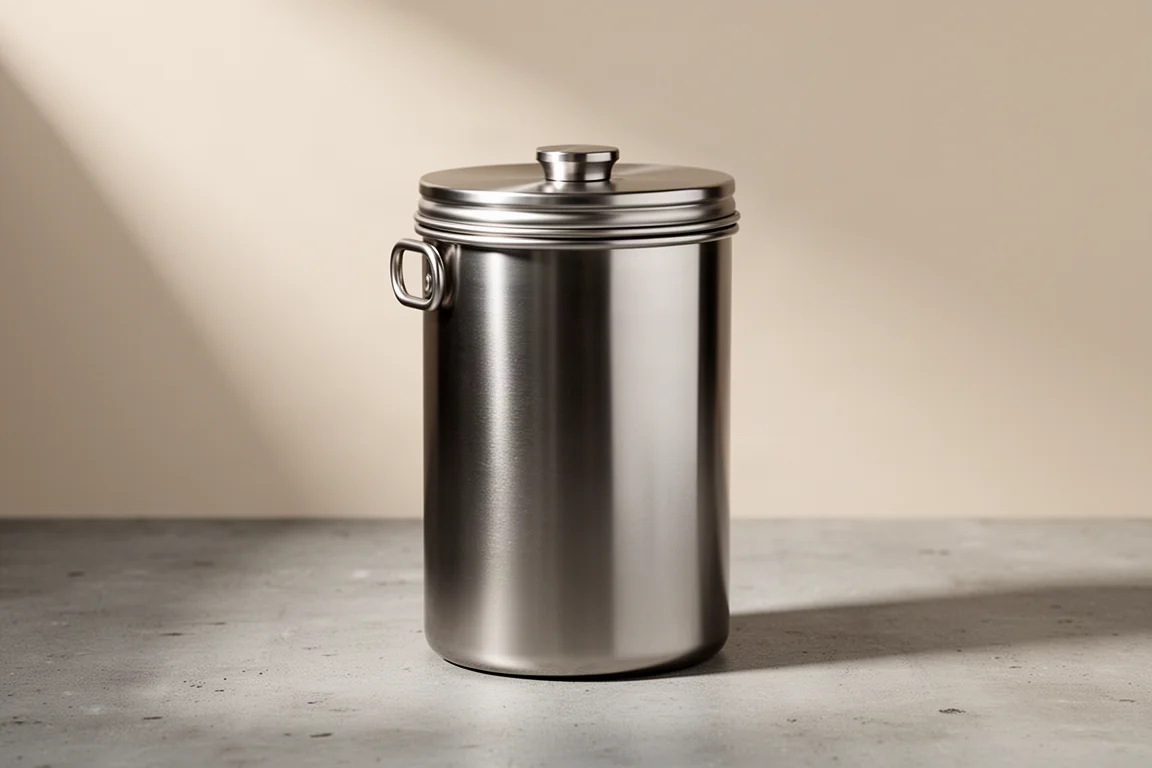
The Vargo Bot Pot is named for its dual role. A screw-top lid turns the pot into an airtight, liquid-tight container, so it can carry snacks, extra water, or a cold-soaking meal inside a pack, then serve as a cooking pot or mug at camp.
The lid does not have a handle, so lifting the pot off a stove requires a separate tool. A small pot lifter does the job and is worth carrying for that reason alone. The screw top is also loud enough to announce itself at camp.
The concept is the draw. Oats soaked in the pot during the day and ready to eat in the morning is a neat way to carry breakfast without extra containers. It is a clever piece that has not yet fully won a permanent place, but the idea is sound.
JoGo: Coffee Without the Grounds, With Practice
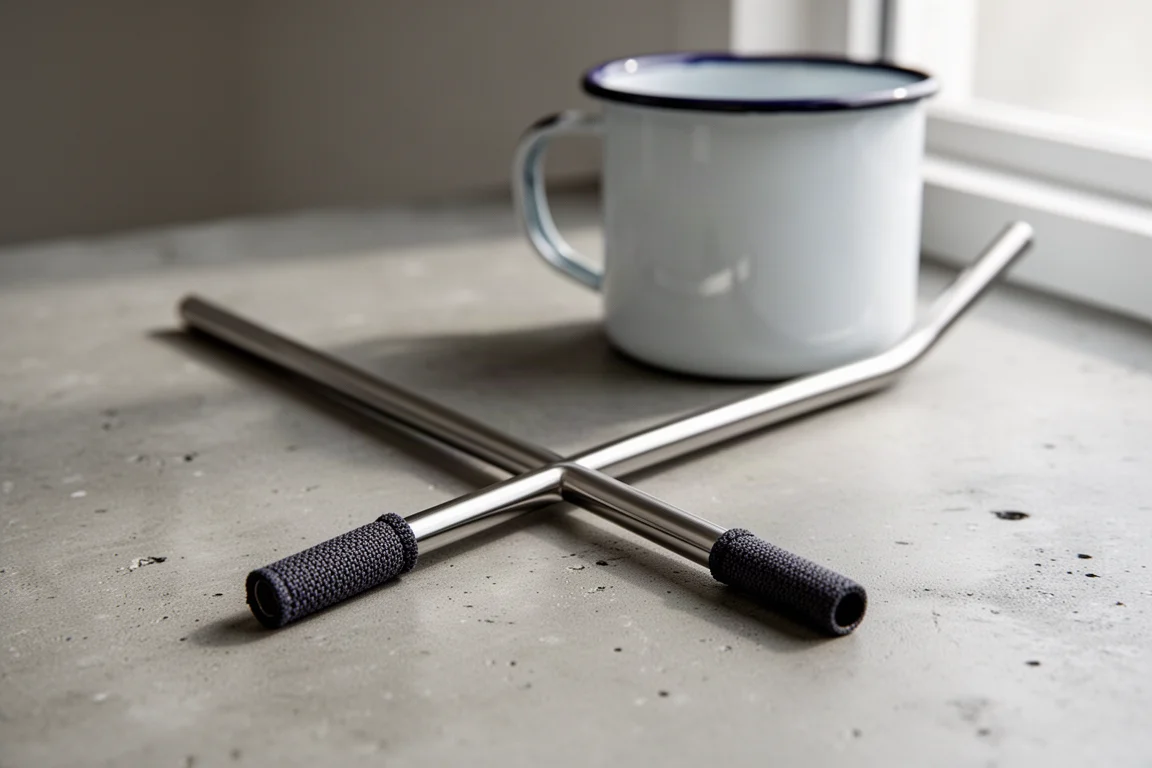
JoGo is a straw with a filter built into the end. Boil water, add coffee grounds directly to the pot, stir with the straw, and drink through it, leaving the grounds behind. It is cowboy coffee with the mess removed, at least in theory.
In practice, it takes some dialing in. The first attempt tasted like water that had walked past coffee, and the fix was more grounds plus a minute of steeping. Even then, the grounds settle into a lump at the bottom of the pot, and drinking hot liquid through a straw takes a moment of adjustment, though the silicone tip is comfortable.
It does make coffee, and it does filter it, but the process is slower and fussier than most people will want on a backpacking morning. For anyone who loves the ritual, it is a fun tool. For everyone else, it is probably a pass.
Overall Buying Advice
Two of these pieces are straightforwardly worth adding to a core kit. Pillow Strap solves a nightly annoyance for almost no weight, and Pad Pal removes the most tedious chore in camp setup. Both are the kind of gear you stop thinking about because they simply work.
The packraft sits in a category of its own. It is the most expensive and most trip-specific item here, but it is also the one that changes what a trip can be, and its low weight makes it far easier to justify than the size of the experience suggests.
The Caveman TV, the tree table, the stool, and the bear locker all make sense in the right conditions: storm days, camps with a good tree, long evenings, and trips where food storage rules demand more than a stuff sack. The Bot Pot is a clever concept that rewards anyone willing to work cold-soaking into their routine, and JoGo is best treated as a curiosity unless you enjoy the process.
If you are building a kit from scratch, start with the pieces that remove a recurring irritation, then add the trip-specific items as your plans call for them. That is the pattern this whole collection follows, and it is why small-maker gear keeps finding its way into packs.
Conclusion
None of this gear is conventional, and that is the point. Each piece exists because someone wanted a specific problem solved: a pad inflated without effort, a pillow that stays in place, a table in a forest with no furniture, a boat that fits in a pack. The best of them do their job so quietly that they stop feeling like gadgets at all.
For a core kit, Pillow Strap and Pad Pal are the easy recommendations. For alpine lakes and solo trips, the packraft is the memorable one. Everything else is worth considering when the trip matches what it was designed for.
Further reading
Related Reviews

Backpacking Gear
Building a 10 lb Base Weight: An Ultralight Backpacking Gear List
A practical walkthrough of the ultralight pieces behind a 10 lb base weight, from a 765 g pack and a roomy one-person tent to a full camp chair and a dependable water filter.
Backpacking Gear
A 15-Pound Lightweight Backpacking Gear List for Solo Trips
A beginner-friendly 15-pound backpacking setup built from easy-to-find gear, with notes on what each piece does, how it packs, and where to spend your attention.
Backpacking Gear
8 Ultralight Backpacking Gear Upgrades Worth Carrying
Eight small, affordable backpacking upgrades that solve real trail annoyances, from a pillow that stays put to a fuel valve that rescues leftover canister gas.