Astrophotography Cameras
Full-Frame Cameras for Deep Sky Astrophotography: Three Options Compared
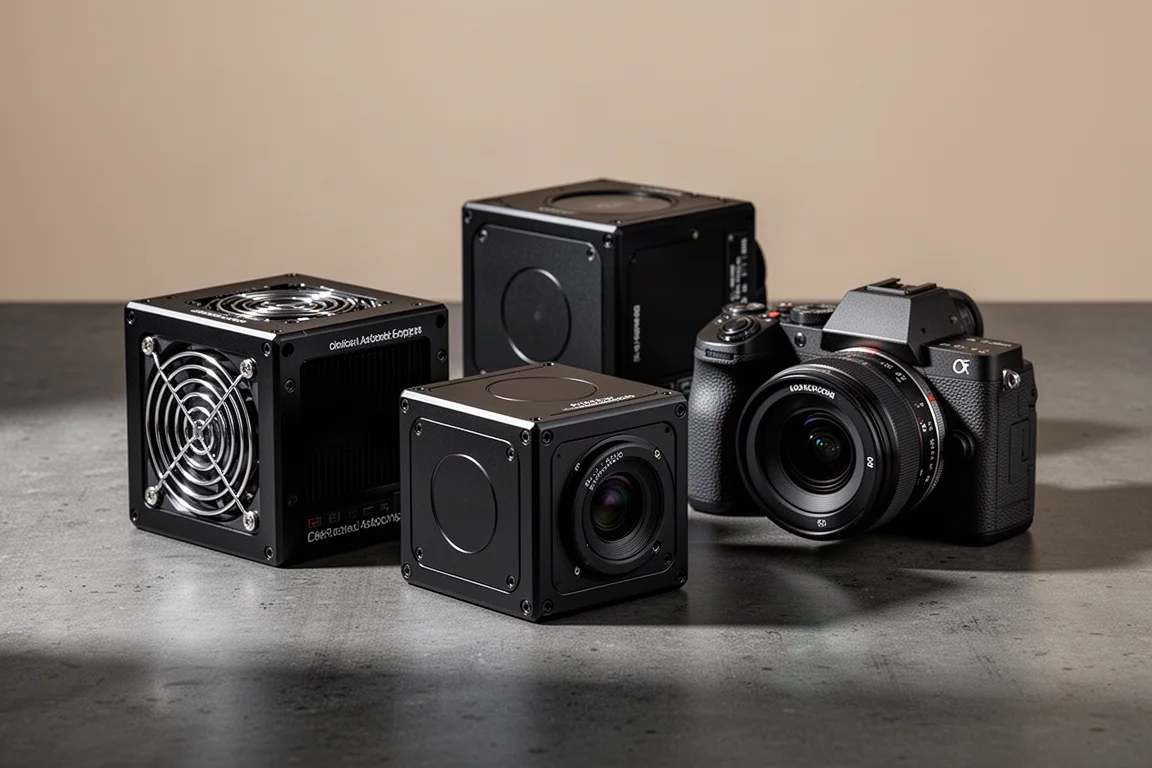
The ZWO ASI4400MC, ZWO ASI6200MC, and Canon EOS RA put to the test to find out whether a full-frame sensor makes sense for deep sky imaging.
Introduction
Using a full-frame sensor for deep sky astrophotography has a complicated reputation. Ten years ago the common advice was to avoid full-frame entirely, largely because most affordable telescopes at the time were designed for visual use and could not illuminate a sensor that large without severe vignetting. Today that has changed: many telescopes now ship with image circles that fully cover a 36 x 24 mm sensor, and they are often well corrected across the frame.
Still, a larger sensor is not automatically the right choice. It changes your field of view, your telescope requirements, and your total kit cost, sometimes dramatically. This comparison looks at three full-frame options that each represent a different approach: the new ZWO ASI4400MC, the established ZWO ASI6200MC, and the Canon EOS RA.
Why Full-Frame Matters for Deep Sky Imaging
Sensor size determines how much sky you capture in a single frame. To achieve a large field of view you have two options: a shorter focal length on any sensor, or a larger sensor on a longer focal length. That second path is where full-frame earns its keep.
For example, fitting both the Orion and Running Man nebulae in one frame takes about 150 mm of focal length on a small sensor, but around 500 mm on full-frame. That means you can use a much larger aperture telescope for the same field of view, and a bigger aperture resolves smaller details. Zoomed out, the two images may look nearly identical, but at full magnification the full-frame and larger-telescope combination clearly captures more fine structure.
There is a catch, and it is cost. Going bigger in this hobby is not just more expensive, it is exponentially more expensive: a larger telescope needs a larger mount, a larger sensor needs larger filters, and the whole kit price climbs together. Two rigs with the exact same field of view can be assembled for roughly $3,000 on one end and $30,000 on the other. For many imagers, APS-C is the practical sweet spot. But if you shoot large nebulae and your limiting factor is a shortage of clear nights rather than budget, full-frame starts to make real sense.
Pixel size also enters the equation. Full-frame cameras range from large photo sites like the 8.4 micron pixels of a Sony ZV-E1 (12 megapixels total) down to the 3.76 micron pixels of the ASI6200MC (61 megapixels). Smaller pixels paired with a large aperture and excellent atmospheric seeing capture the finest details, but many imagers are limited by their location’s seeing conditions before pixel size ever matters.
ZWO ASI6200MC: The High-Megapixel Veteran
The ASI6200MC uses the Sony IMX455 sensor, a 61-megapixel chip with 3.76 micron pixels. Released in late 2019, it shares the character of the IMX571 and IMX533 family: low noise, hardly any dark current, and no appreciable amp glow. It has proven popular as a full-frame astro camera, but it remains expensive at around $4,000.
Because its pixels are unusually small for a full-frame sensor, it is also the most demanding of modern sensors on your optics. In a torture-test corner inspection with a good full-frame refractor, its stars showed slight elongation in the corners. It is still a very good result, but a small-pixel full-frame camera will reveal any weakness in the telescope.
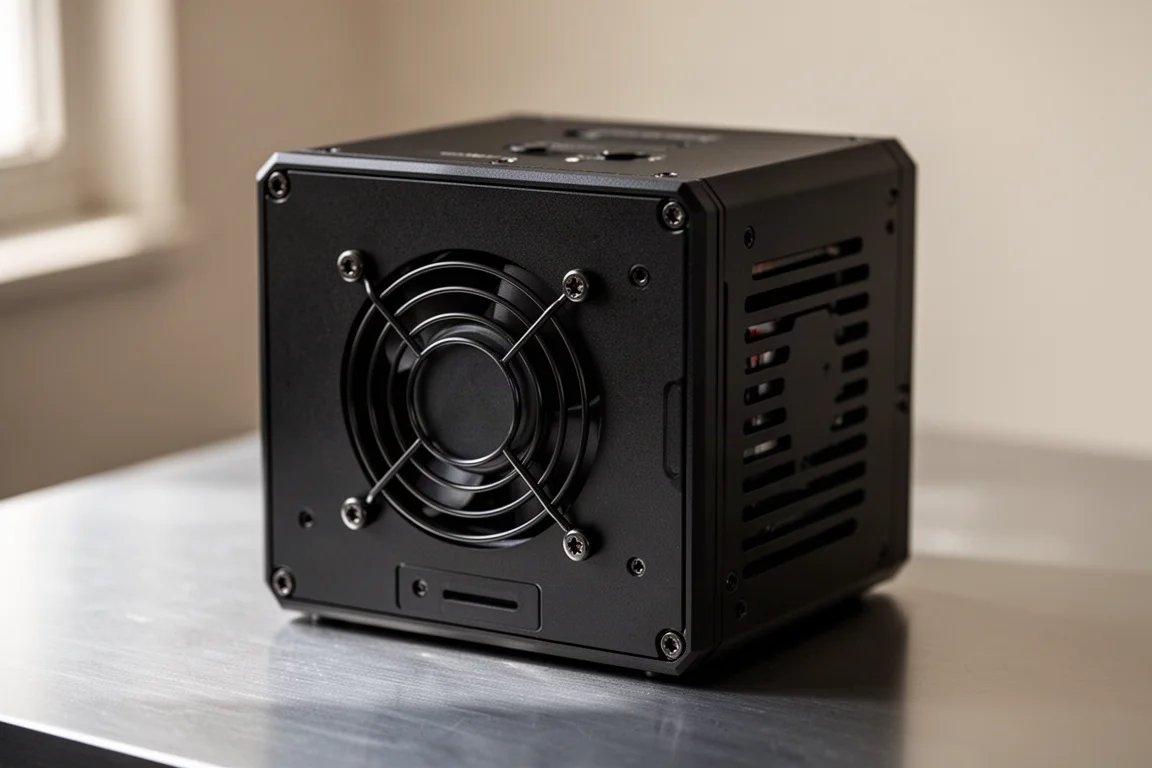
One special case favors the 6200MC: if you already shoot mono with a matching 6200MM and want to combine narrowband and RGB data from perfectly matched sensors, the 6200MC is the natural color companion.
ZWO ASI4400MC: The New Value Contender
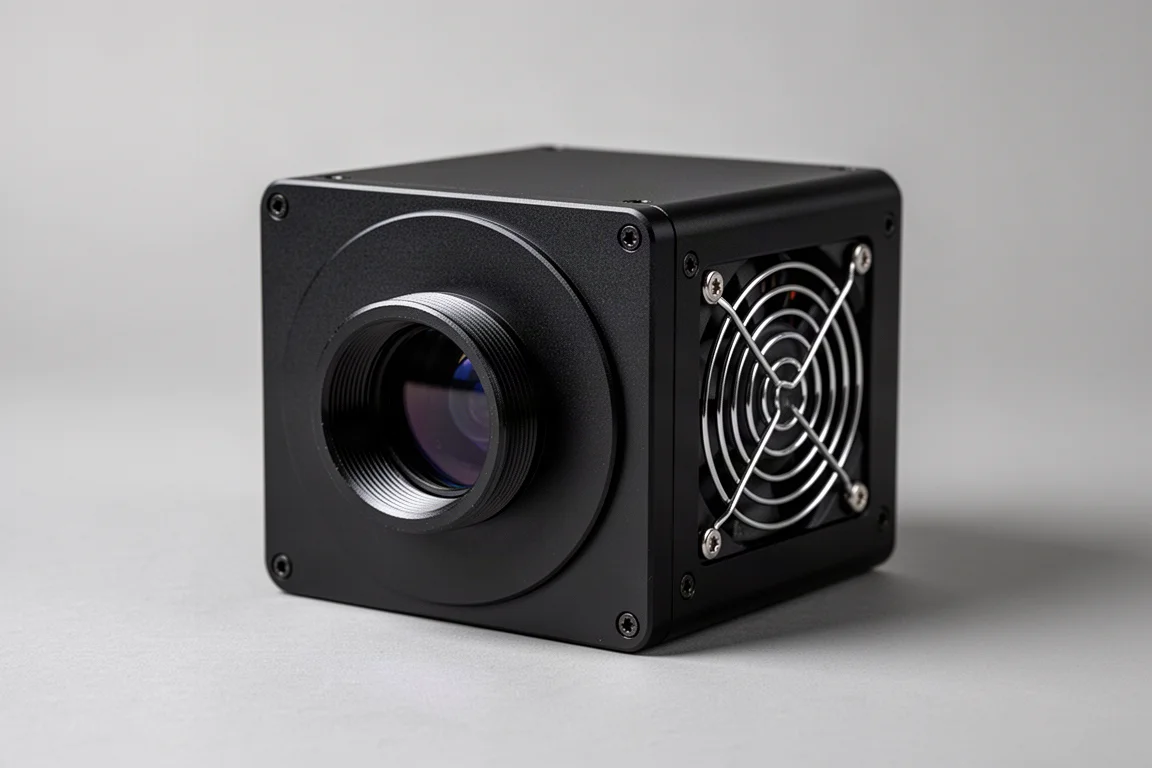
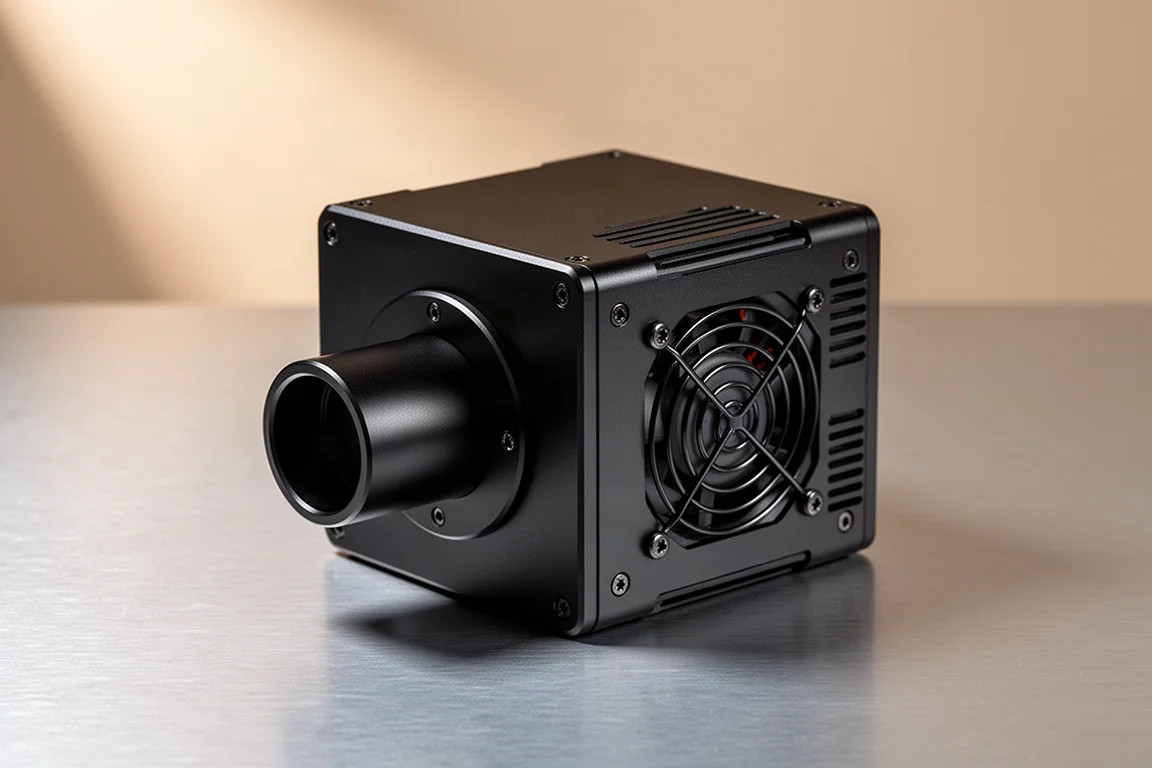
The ASI4400MC is ZWO’s newer full-frame option, built around the Sony IMX366 sensor with 4.4 micron pixels and 44 megapixels of resolution. It is roughly $1,000 less expensive than the 6200MC while still qualifying as a high-megapixel camera, which makes the comparison between the two especially interesting for anyone buying a new full-frame color astro camera today.
In testing, the 4400MC showed a small amount of amp glow along the left and right edges of dark frames. It is minimal, and if you dither and crop, it may disappear entirely, but taking dark frames is the safer way to handle it. The camera also has set point cooling with a rear fan, which nearly eliminates dark current and makes calibration frames straightforward.
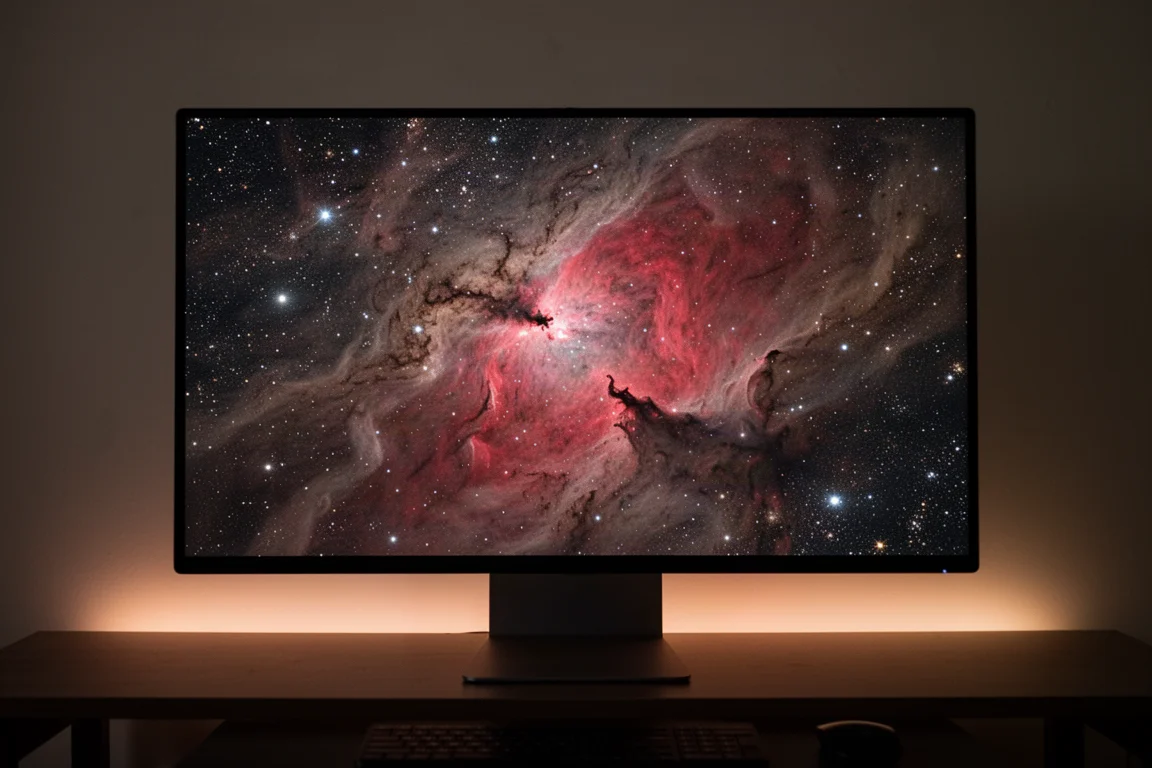
In side-by-side detail tests on the Horsehead Nebula at a well-sampled one arcsecond per pixel, the 4400MC and 6200MC captured nearly identical detail, with every dim star in the 6200 image also present in the 4400 image. The 4400MC even appeared to show a slightly better signal-to-noise ratio in the faintest structures, which is consistent with its slightly larger pixels. There was a slight difference in red saturation between the two cameras, likely resolved with proper color correction.
Canon EOS RA: The Versatile All-Rounder
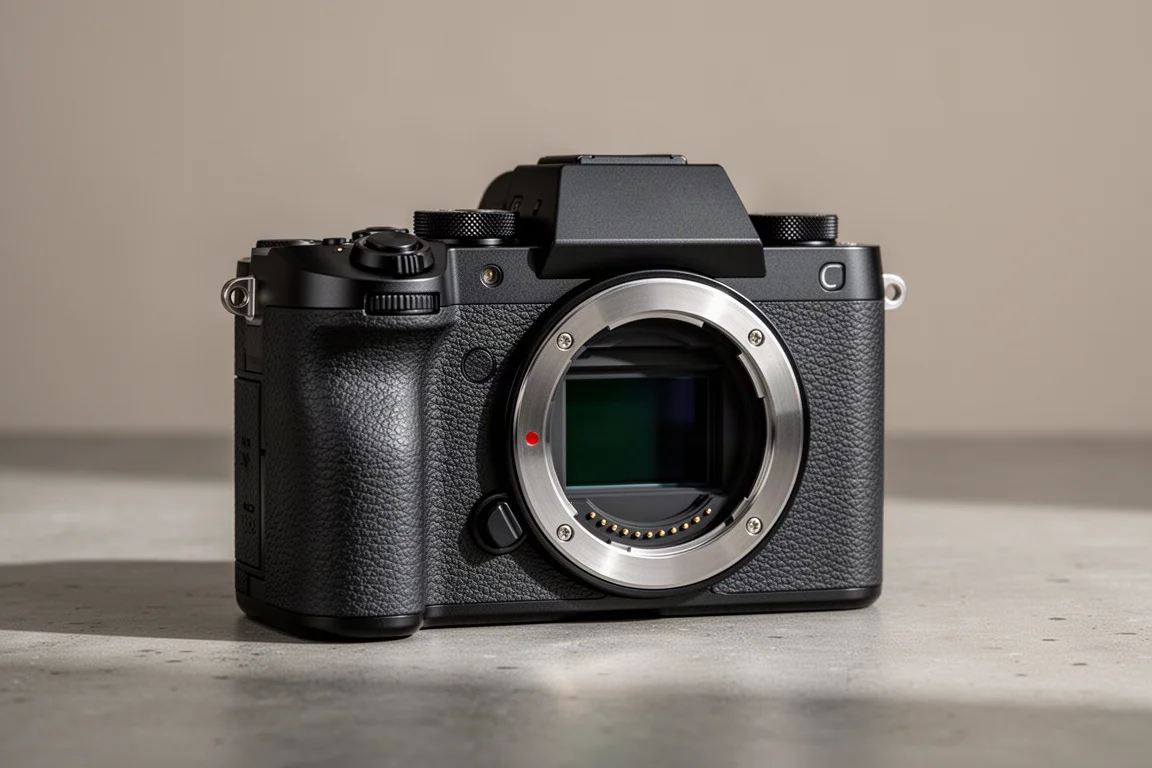
The Canon EOS RA is the most general-purpose camera of the three. It handles everyday photography with lenses far more easily than a dedicated astro camera, it has a real hand grip, and it shoots video well enough to have served as a primary video camera for years. It is also discontinued, so you will mostly find it on the used market rather than new.
For deep sky work it trails the dedicated ZWO cameras in some meaningful ways. Its sensor is noisier, it lacks cooling, and its larger pixels miss some very fine details: a pair of close stars that resolve as two distinct points in both ZWO cameras blend together in the RA. It also shows a red offset halo around the bright star Rigel that persists even with a filter, though it is manageable in processing.
Real-World Image Comparison
All three cameras were tested on the Witch Head Nebula at 264 mm focal length with the same telescope, same location, identical integration time, and identical processing. Zoomed all the way out, the results look remarkably similar. At 100% zoom, the highest-megapixel camera appears more zoomed in because one sensor pixel maps to one screen pixel, which creates a deceptive sense that the lower-megapixel images are sharper. Scaled to equal size, the high-megapixel images clearly hold more actual detail.
The Horsehead Nebula comparison at 840 mm focal length used the two ZWO cameras, since clouds prevented capturing data with the Canon. With the well-corrected telescope, even the 61-megapixel 6200MC produced essentially perfect round stars in the corners with no false color, showing just how much a properly full-frame-capable telescope matters.
Which Camera Should You Buy?
If you are choosing a full-frame color astro camera on price-to-performance, the ASI4400MC is the straightforward recommendation. It captures essentially as much detail as the 6200MC for $1,000 less, its slightly larger pixels may even help signal-to-noise in the faintest structures, and the only real extra task is taking dark frames to manage its minimal edge amp glow.
Choose the ASI6200MC if you need to match it with a 6200MM for combined mono and color shooting, or if you specifically want the smallest pixels available in a full-frame color camera to squeeze out maximum resolution with premium optics. Choose the Canon EOS RA only if you also want a capable general-purpose camera for daytime photography and video, and you are comfortable shopping the used market. For most buyers focused purely on deep sky imaging, the 4400MC simply makes the most sense.
Conclusion
Full-frame deep sky imaging is no longer the impractical choice it once was, thanks to a generation of telescopes designed to fully cover the sensor. The trade-off remains cost: bigger sensors push you toward bigger telescopes, bigger mounts, and bigger filters. But for dedicated deep sky work, the ZWO ASI4400MC delivers nearly the same results as its more expensive sibling, the ASI6200MC remains the pick for matched mono workflows and maximum pixel density, and the Canon EOS RA serves best as a flexible hybrid camera rather than a pure astro tool. Match the camera to the objects you shoot and the sky you have, and full-frame can be a rewarding direction.
Further reading
Related Reviews
Backpacking Gear
Building a 10 lb Base Weight: An Ultralight Backpacking Gear List
A practical walkthrough of the ultralight pieces behind a 10 lb base weight, from a 765 g pack and a roomy one-person tent to a full camp chair and a dependable water filter.

Road Bikes
10 New Road Bikes Worth Watching: Aero, Titanium, Steel and Endurance Standouts
A practical roundup of 10 new road bikes, from aero flagships chasing single-watt gains to titanium, steel and endurance platforms built for real roads.
Bikepacking Gear
11 Bikepacking Essentials for Long-Distance Cycling
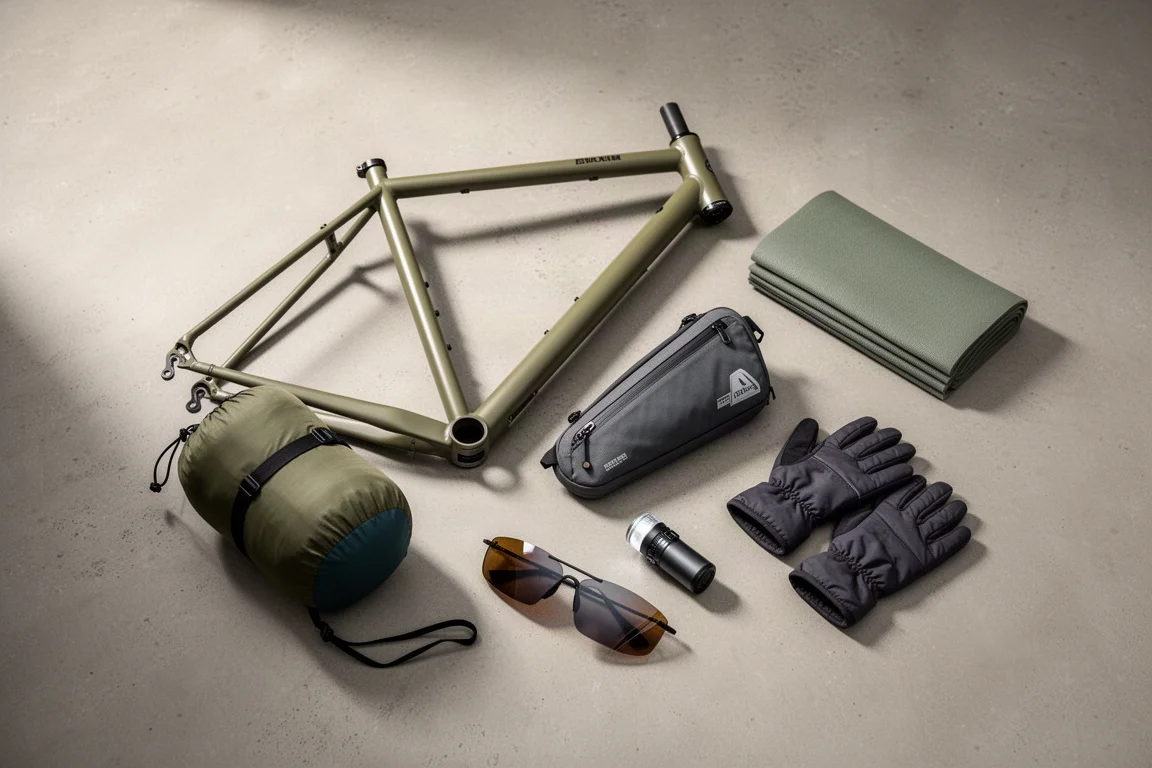
Eleven bikepacking essentials for long-distance cycling, from a steel gravel frame and a two-person tent to helmet lights, packable gloves, and a frame bag that puts weight in the right place.