Automotive
9 Fuel-Saving Car Gadgets Put to the Test: What Actually Works
Nine popular fuel-saving and performance gadgets, tested on real highway loops with real fuel measurements. Only a few lived up to their claims.
Introduction
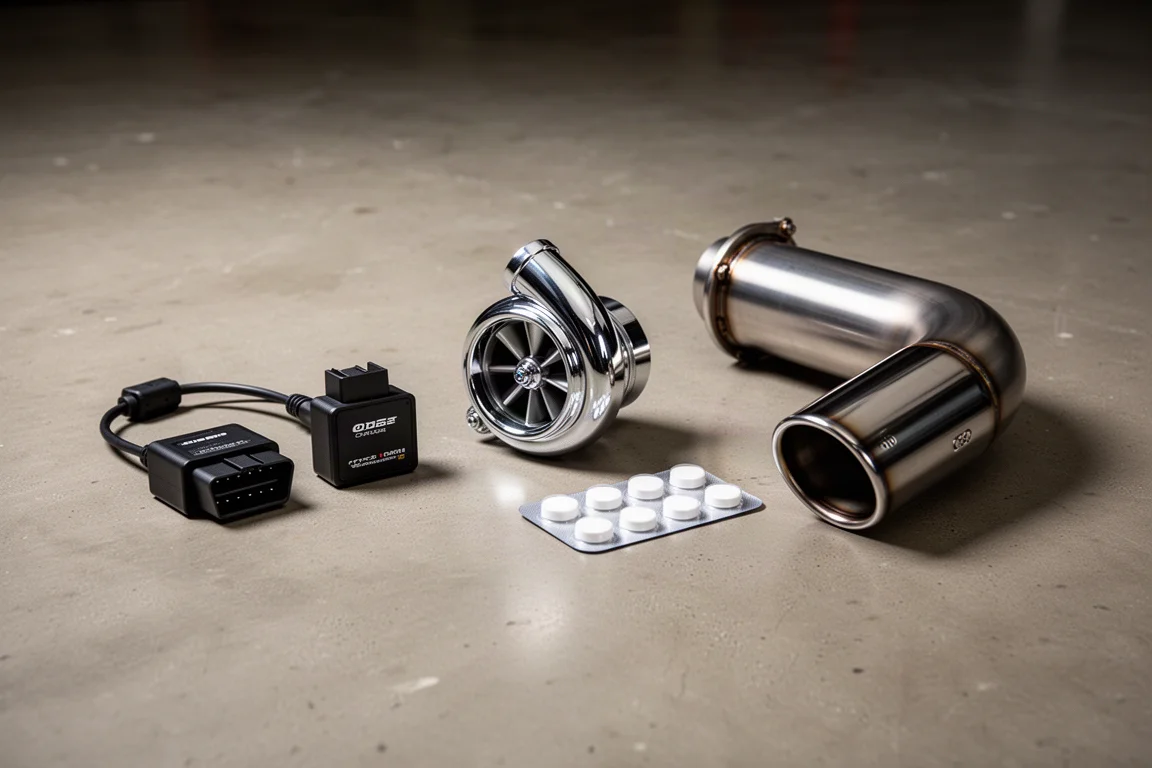
With fuel prices doing painful things to the monthly budget, plug-in fuel savers, fuel tablets, and bolt-on performance parts are more tempting than ever. Claims of 20% fuel savings, extra horsepower, and cleaner emissions are everywhere. To separate the genuine upgrades from the plastic placebo effect, nine popular products were tested on identical 77-mile highway loops, with fuel measured the same way every time: same station, same pump, and a consistent top-off procedure after the pump’s first click.
The test vehicles were a high-mileage Chevrolet Suburban and a 2020 Suburban with a 5.3L engine, and a few tests were repeated on a generator for the chemical additives. The short version: most of the cheap gadgets did nothing, a few hardware upgrades delivered measurable gains, and simple driving habits beat everything.
How the Testing Worked
Each product was run through the same protocol. Baseline fuel economy was established first, then every gadget got its own 77-mile round trip at a steady 70 mph using cruise control, with data checkpoints on flat ground, a roughly 3% uphill grade, and a gentle downhill. Acceleration was measured with 0 to 60 mph runs, and fuel consumption was verified at the pump rather than trusting the dash computer.

Baseline numbers tell the story of the day: the older Suburban managed just over 17 mpg and a 0 to 60 time of 8.45 seconds without any gadgets. That is the bar every product had to beat.
OBD2 Cats Fuel Saver
Priced at $31, the OBD2 Cats fuel saver plugs into the OBD2 port and claims to improve both horsepower and fuel economy, though no specific figures are advertised. The device powered up with a steady orange light as expected, but on the road it made no meaningful difference: fuel flow, engine load, and acceleration all matched baseline, and the filled tank worked out to 16.7 mpg. Slightly worse than doing nothing.
Nitro OBD2
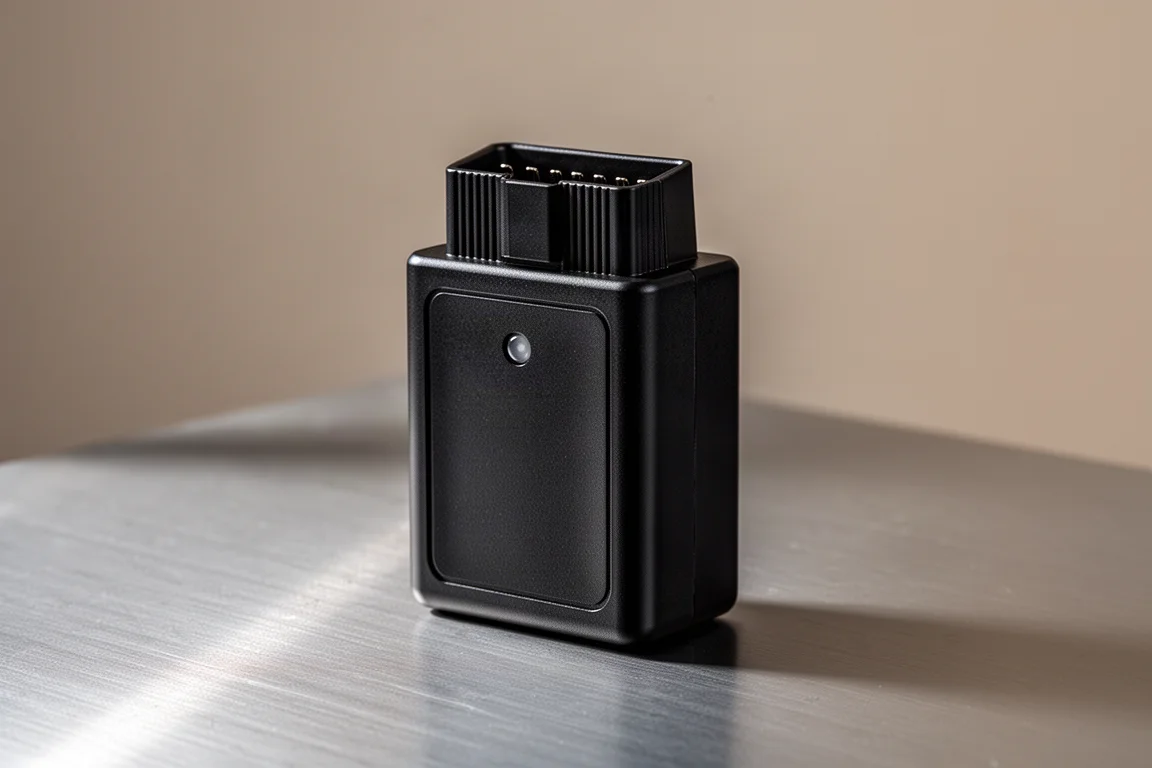
The Nitro OBD2 is a $8 plug-and-drive module claiming 35% more power and 25% more torque. Those are bold numbers, and the test did not back them up. On the road its fuel data was nearly identical to the OBD2 Cats, and the 0 to 60 time actually slipped to 8.5 seconds. The tank measurement came out to 16.45 mpg, marginally worse than baseline.
2G Fuel Saver
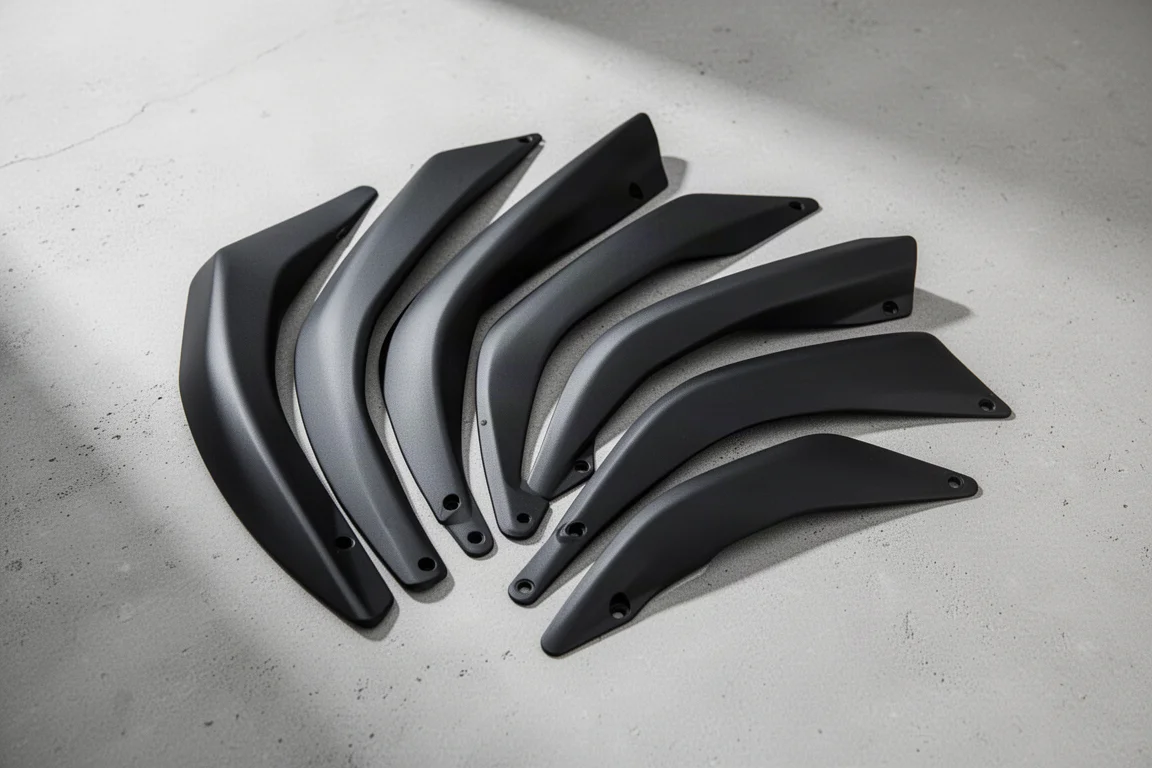
This $20 nine-piece kit of fins, with 18 pieces in total, is meant to be placed at the rear of the vehicle. Its claimed 8% fuel economy improvement in SUVs never appeared. Fuel efficiency was worse than both OBD2 gadgets at every checkpoint, the fins acted more like a windbreak than a fuel-saving device, and the 0 to 60 time dropped to a disappointing 8.76 seconds. The final fill-up measured 16.39 mpg.
The Real Winners: Hardware and Tuning
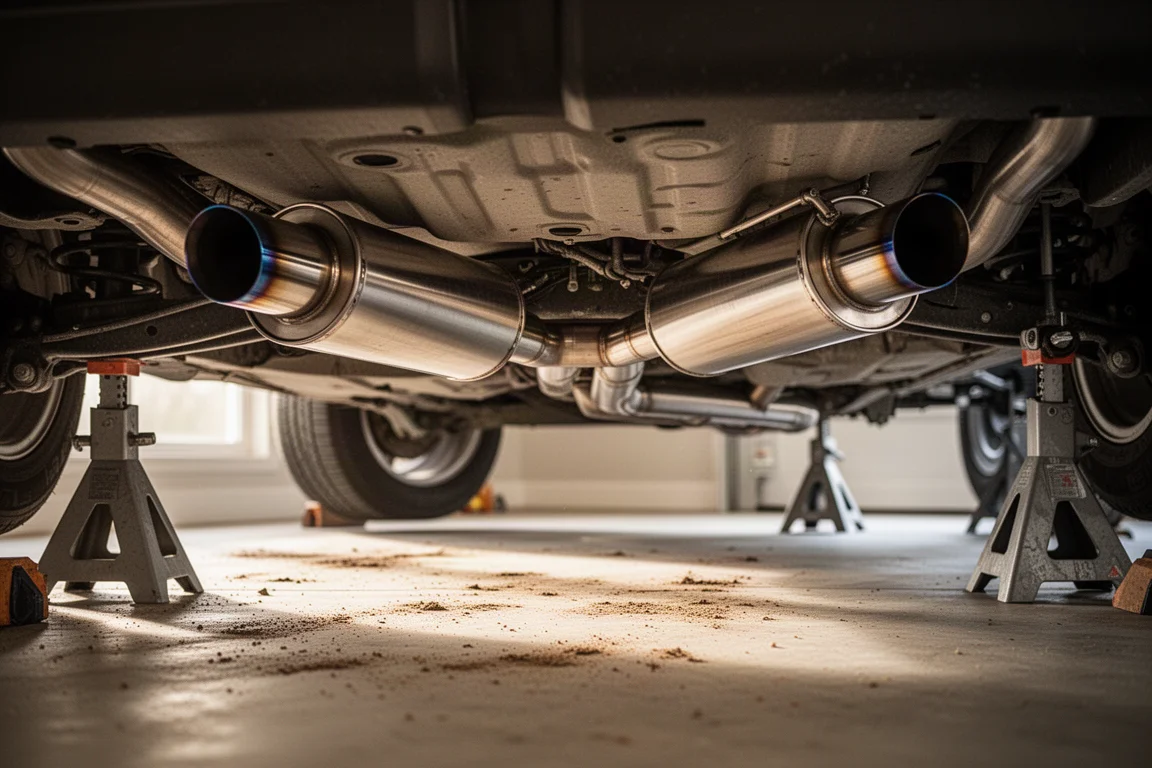
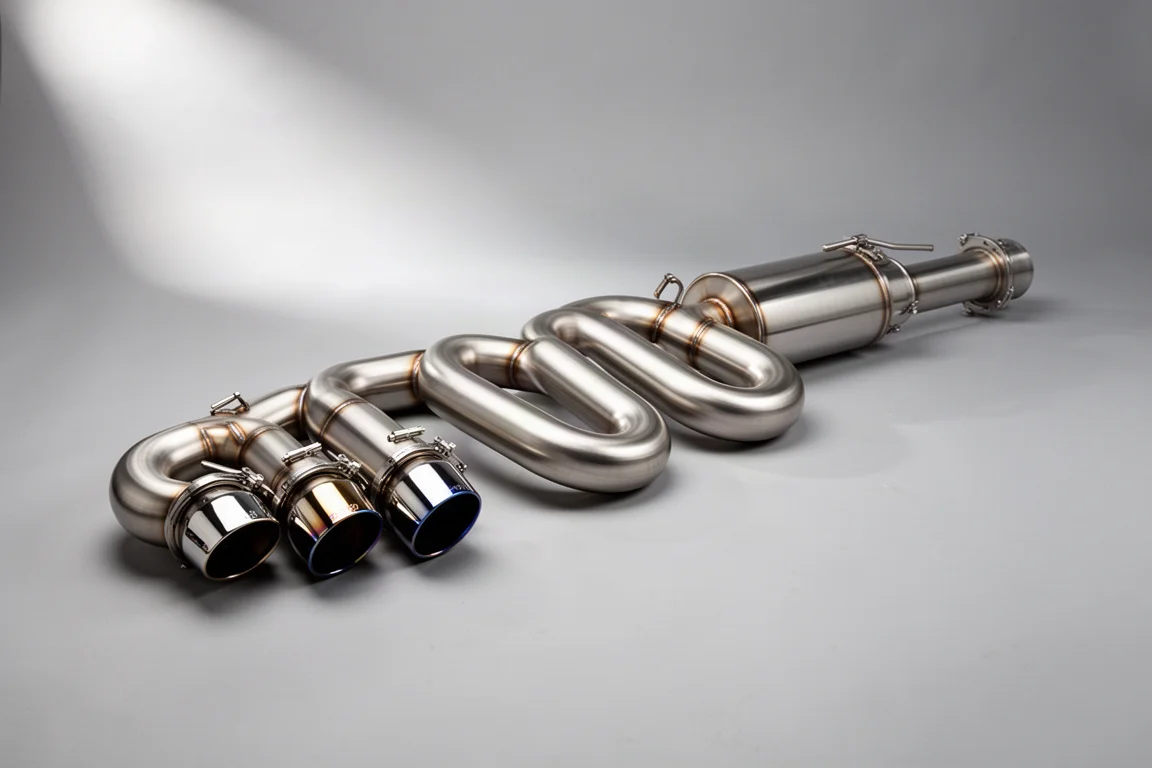
After the three duds, the testing shifted to real mechanical modifications, and this is where the numbers finally moved. A high-flow exhaust system reduces back pressure so the engine breathes more freely, and the airflow comparison proved it: the stock exhaust flowed 74 CFM on the test bench, while the new system reached about 101 CFM. Installation is a straightforward bolt-on job with clamps and hangers, the sound quality improved noticeably, and combined with a cold air intake it delivered the best checkpoint readings of the day, a 3 to 5% drop in engine load, and a quicker 0 to 60 time of 8.13 seconds.
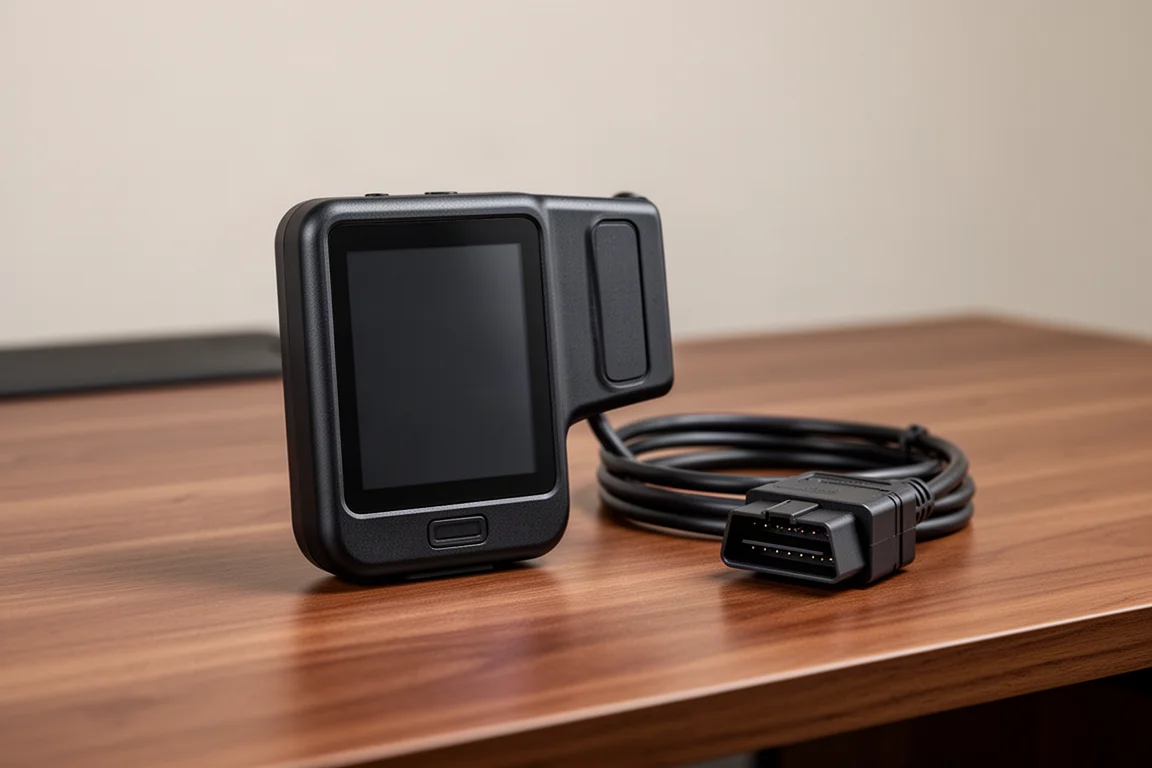
Stacked on top of that, the Superchips performance tuner reprograms the engine computer with tunes for economy, towing, daily driving, and extreme use. It features a 2.8-inch color screen, claims an increase of 15 horsepower or 40 pound-feet of torque, and stores your factory tune before writing the new one. The mileage-save tune designed for 87 octane pushed the fill-up economy to 18.78 mpg, nearly two miles per gallon over the factory setup, and the 0 to 60 time fell to 8.01 seconds with the full intake, exhaust, and tune combination.
Across the first four round trips before these upgrades, the intake, exhaust, and tune combination added up to a 22.39% fuel efficiency improvement, and driving at 70 mph with them fitted delivered roughly a 12.73% improvement.
The Chemical Quick Fixes That Did Not Deliver
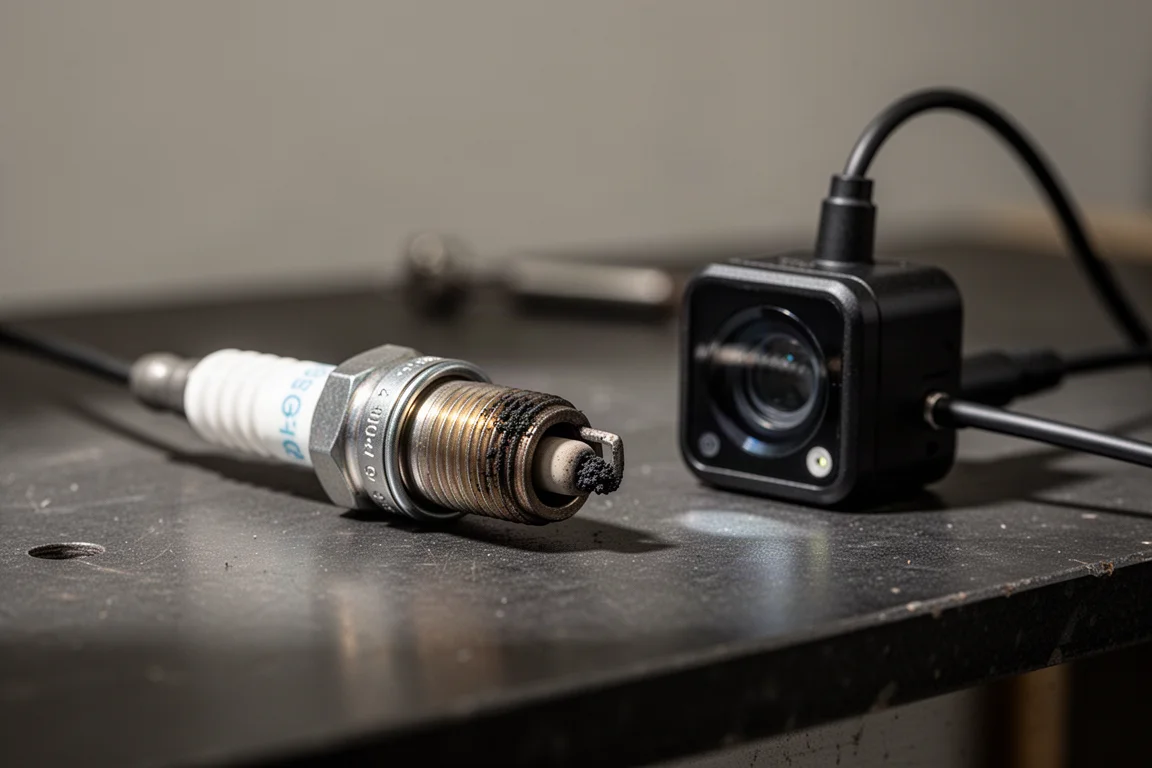
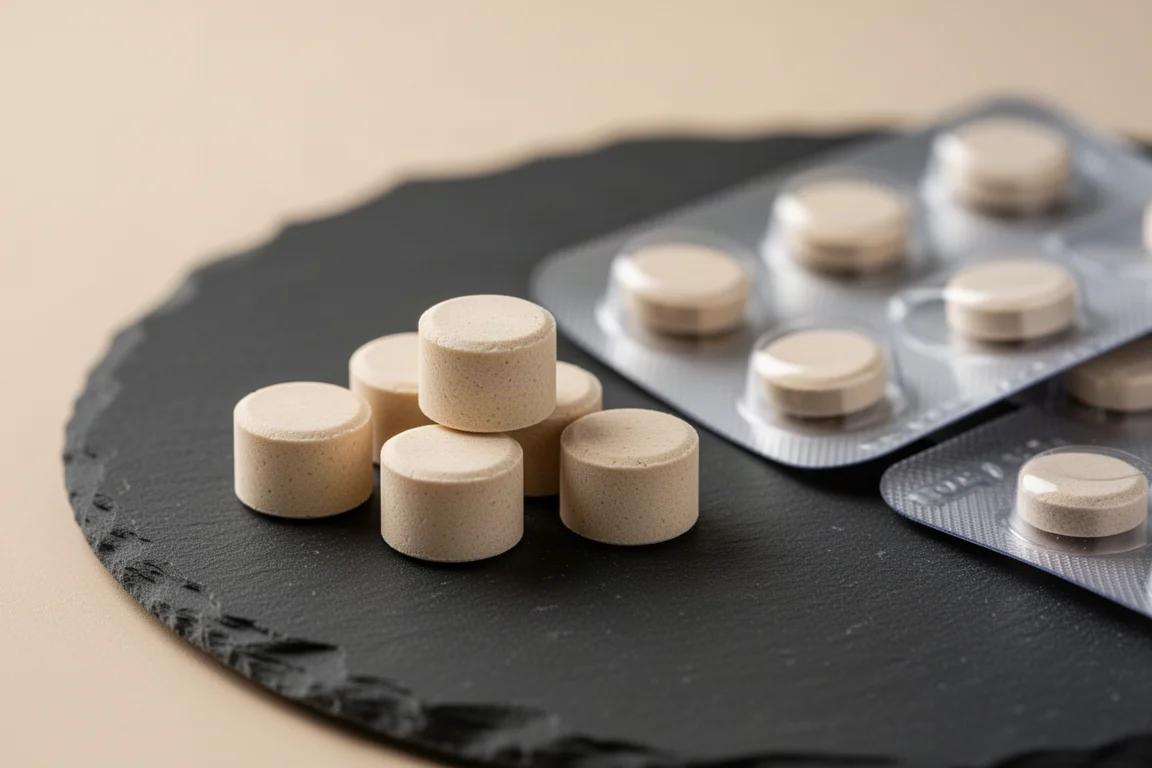
Ferrex fuel tablets, $35 for 10 tablets at $3.50 each, are marketed as a high-performance treatment that improves combustion efficiency, extends oil life, and removes engine deposits. Tested in a fuel-injected generator under a controlled load, straight gasoline ran for 22 minutes 48 seconds, while the tablet-dissolved fuel managed only 22 minutes 16 seconds. Inspection of the spark plug and combustion chamber showed no meaningful reduction in carbon deposits. Thumbs down.
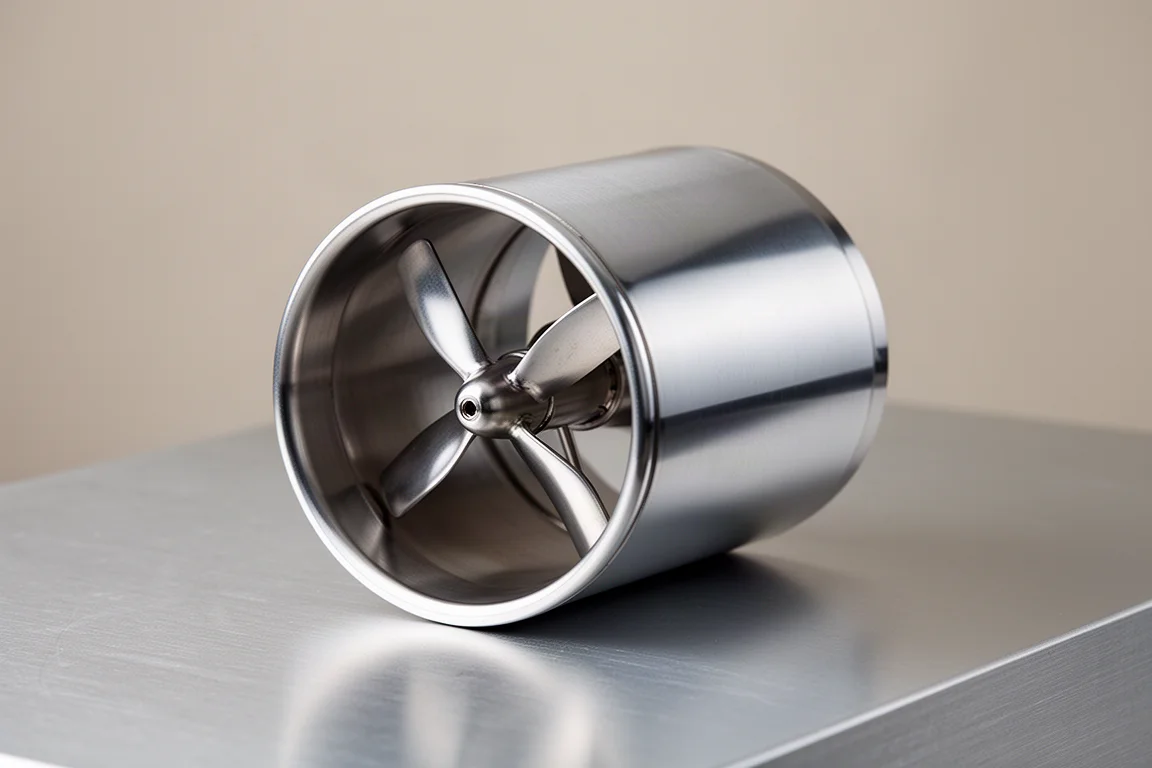
The Turbonator, at $16, uses a dual-propeller mechanism that supposedly boosts horsepower and significantly improves fuel mileage. In practice the propeller barely spun on its own and needed constant help from an air duster during the generator test. Even with that assistance, run time matched the Ferrex result almost exactly. Another thumbs down.
Eco OBD2 and Neo Socket Fuel Shark
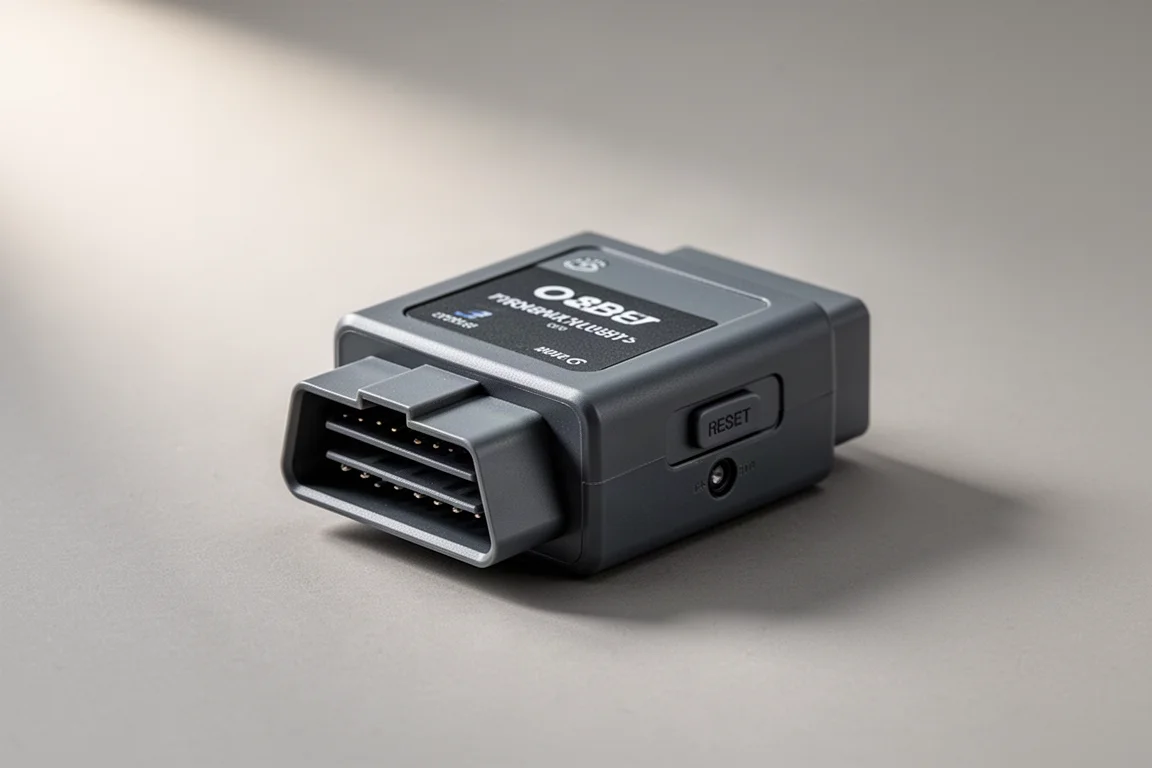
Testing moved to a 2020 Suburban with a 5.3L engine and a fresh air filter. The Eco OBD2, around $10, is a plug-and-drive economy chip tuning box claiming 15% fuel savings, with a reset button and a two-year warranty. After following the setup procedure and letting it learn driving habits over 150 miles, the 77-mile loop returned 22.38 mpg, an impressive figure for such a large SUV.
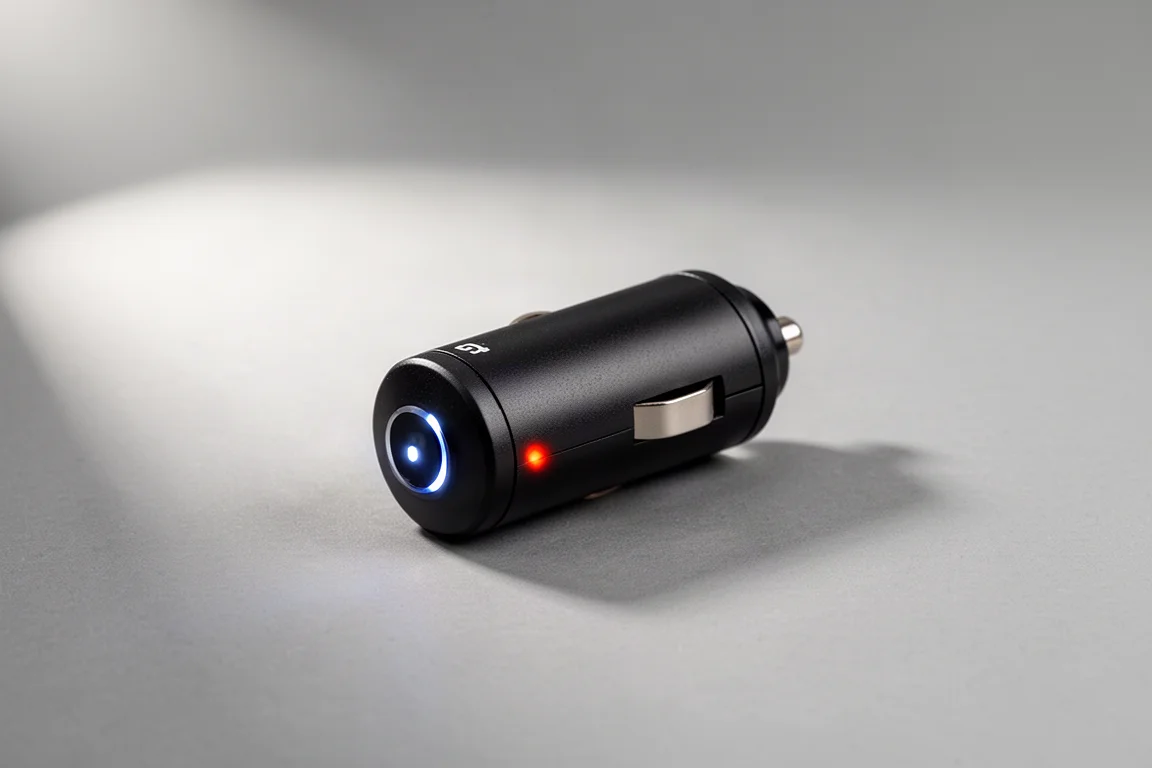
The Neo Socket Fuel Shark, around $20, plugs into the cigarette lighter socket and claims up to 30% savings, cleaner emissions, more horsepower, and longer battery life. Its loop came out to 23.36 mpg, less than one mile per gallon better than the Eco OBD2.
The Cheapest Real Upgrade: Tire Pressure and Speed
Here is the punchline. With all gadgets unplugged, the same Suburban was retested with tire pressure raised from 35 to 50 PSI, the maximum for those tires, and speed reduced from 70 mph to the low 60s. Less rolling resistance and slower cruising produced the best fuel economy of the entire test: 26.23 mpg at the pump, roughly three miles per gallon and 12.5% better than any previous attempt with that vehicle.
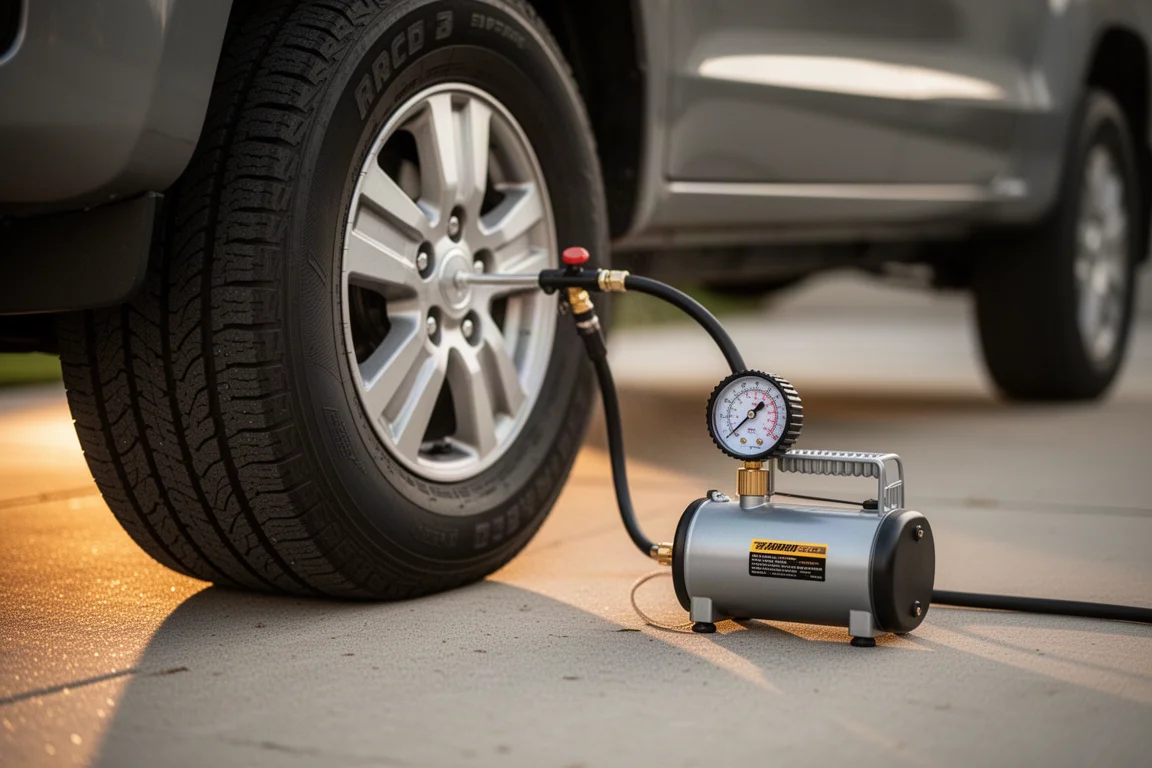
No gadget came close to what a little patience and a tire gauge achieved for free.
Conclusion
After nine products and multiple 77-mile loops, only three things actually worked: the high-flow exhaust system, the cold air intake, and the performance tuner, which together delivered a measurable 22% overall fuel efficiency gain and quicker acceleration on the older vehicle. Every cheap plug-in module, fuel tablet, and fin kit failed to beat baseline numbers, and in some cases made them worse. If your goal is saving money at the pump, skip the $10 miracle chips, and start with proper tire pressure and a lighter right foot. Those two cost nothing and outperformed nearly everything on this list.
Further reading
Related Reviews

Automotive
Best Brake Parts Cleaner 2026: 14 Brands Tested for Speed, Cleaning Power, and Residue
We tested 14 brake parts cleaners for evaporation speed, grease removal, sludge breakdown, and residue to find the best value for your garage.
Automotive
Escort ZR6 Laser Jammers: A Hands-On Look at Features and Performance
The Escort ZR6 laser jammers offer compact heads and flexible integration, but the interface leaves room for improvement.
Automotive
LiPower Solid-State Car Battery Review: A Lighter, Longer-Lasting Upgrade
A practical look at the LiPower solid-state car battery, covering its specs, real-world performance, and how it compares to a traditional AGM battery.