Camping Tents
Free Soldier One Person Tent Review: Is It Actually Waterproof?
A practical look at the Free Soldier one person tent after a long overnight rain test, covering what stayed dry and where the design falls short.
Introduction
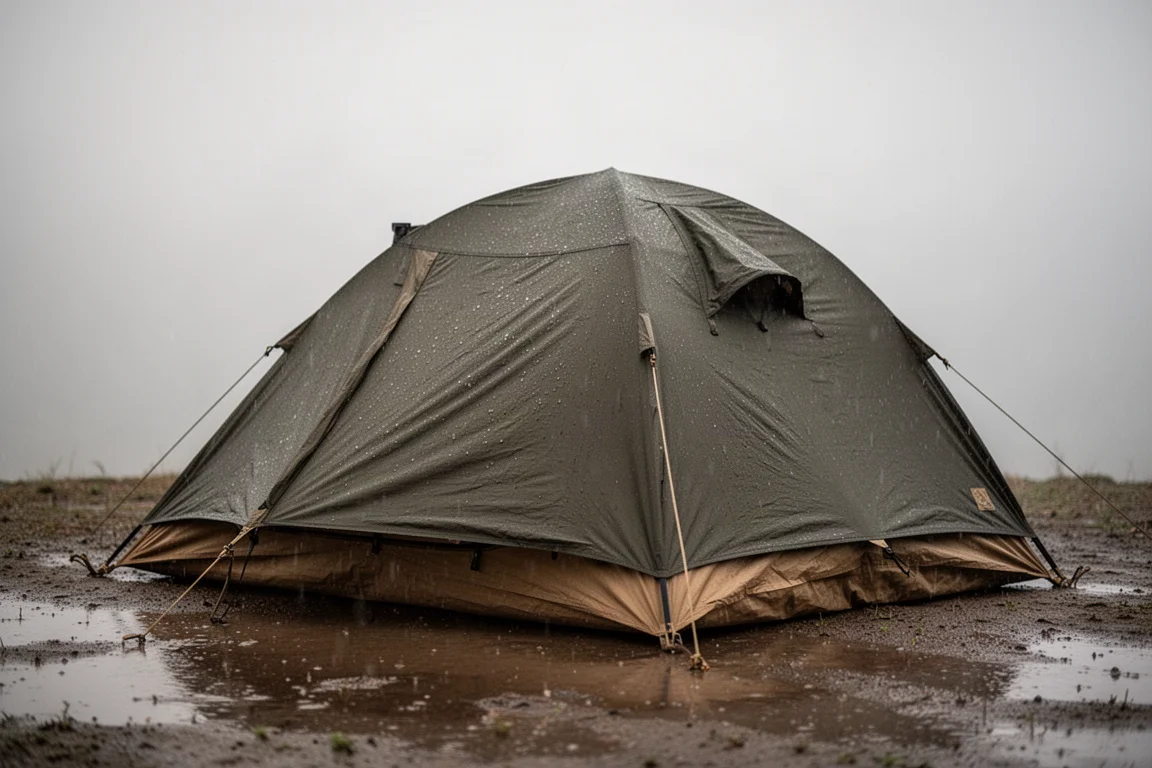
The Free Soldier one person tent is a civilian shelter styled to look like a tactical military tent. It sits in the same visual family as military one-person designs, but it is built for the consumer market and sold at a fraction of what a true military-issue shelter tends to cost. That price gap raises an obvious question: does the lower cost show up in the weather protection?
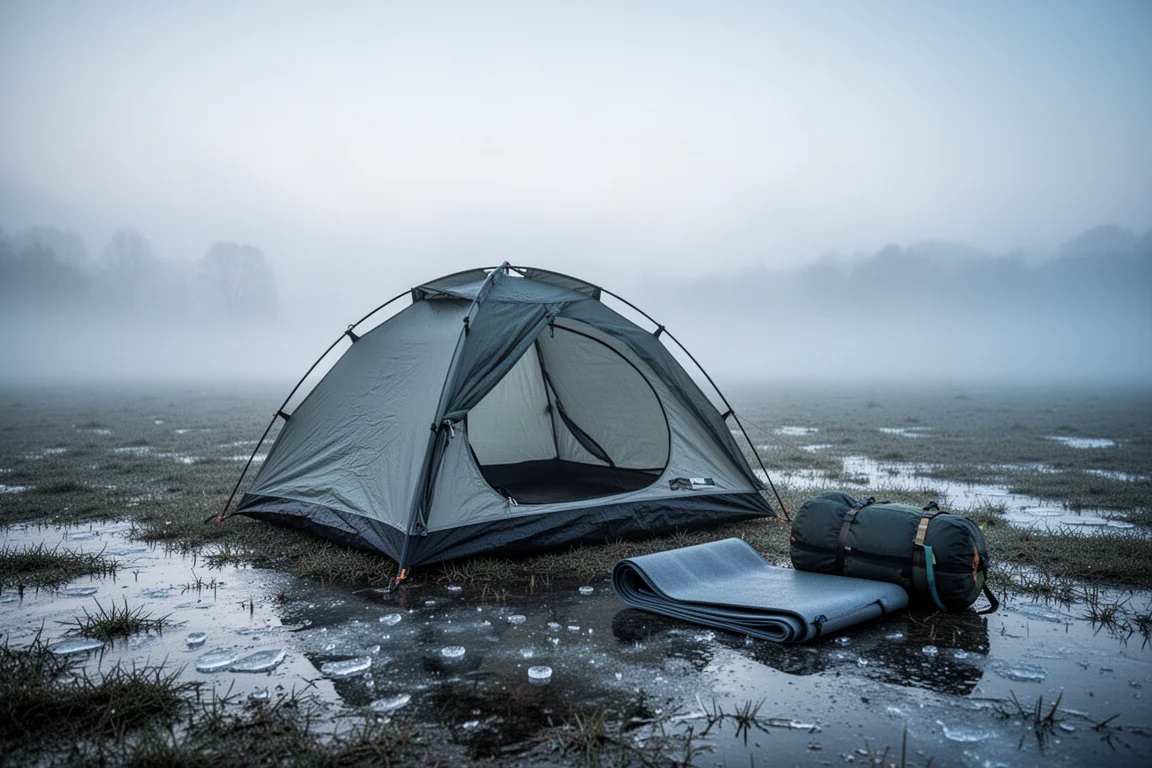
To answer it, this shelter was pitched and left out through a long overnight storm. The system arrived as a mix of sleet and freezing rain before settling into steady, heavy rain that ran for roughly twelve hours, with lighter showers continuing afterward. The ground ended up coated in a thin layer of ice, and so did the tent.
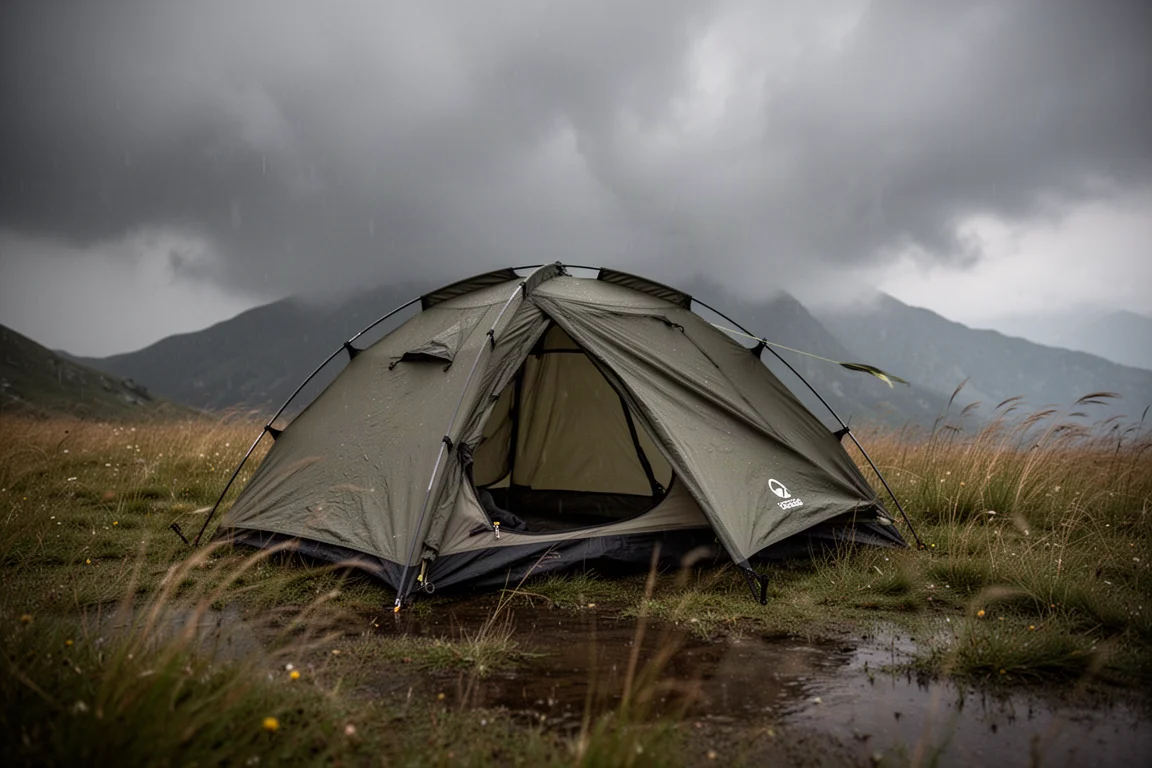
That is about as direct a waterproofing test as a small tent can face. Cold, prolonged, wind-driven rain is far harder on seams, coatings and zippers than a short summer shower, so the result says something meaningful about how the fabric and construction behave under real pressure.
Who This Product Is For
This tent makes the most sense for campers who want a compact, inexpensive one-person shelter with a rugged look and are willing to accept some compromises in comfort. It is aimed at solo trips where the priority is a low purchase price rather than interior space or summer ventilation.
It is not a spacious shelter. The footprint and interior volume are small, which keeps the packed size and the price down but leaves very little room to spread out gear. Anyone who wants to sit up comfortably, store a large pack inside, or share the space should look at a larger model.
The design also leans toward cooler conditions. With a single occupant and a small interior, it can work well for three-season overnights where warmth is welcome, and it is less suited to hot summer camping.
Main Strengths
The headline result is straightforward: after roughly twelve hours of heavy rain, the tent was bone dry inside. No leaking was found. The fly, seams and floor held up through freezing rain, sleet and sustained rainfall, which is a strong outcome for a shelter at this price.
That result is consistent with how the tent feels in use. The fabric and coating appear to be doing their job, and the shelter handles wet weather without the interior turning damp or clammy. For buyers whose main worry is whether a budget tent will keep them dry, this is the reassurance that matters most.
The tactical styling is another draw. The low, angular profile and muted colors give it a purposeful look that many campers find appealing, and it achieves that appearance without the cost of a genuine military shelter.
Things to Consider Before Buying
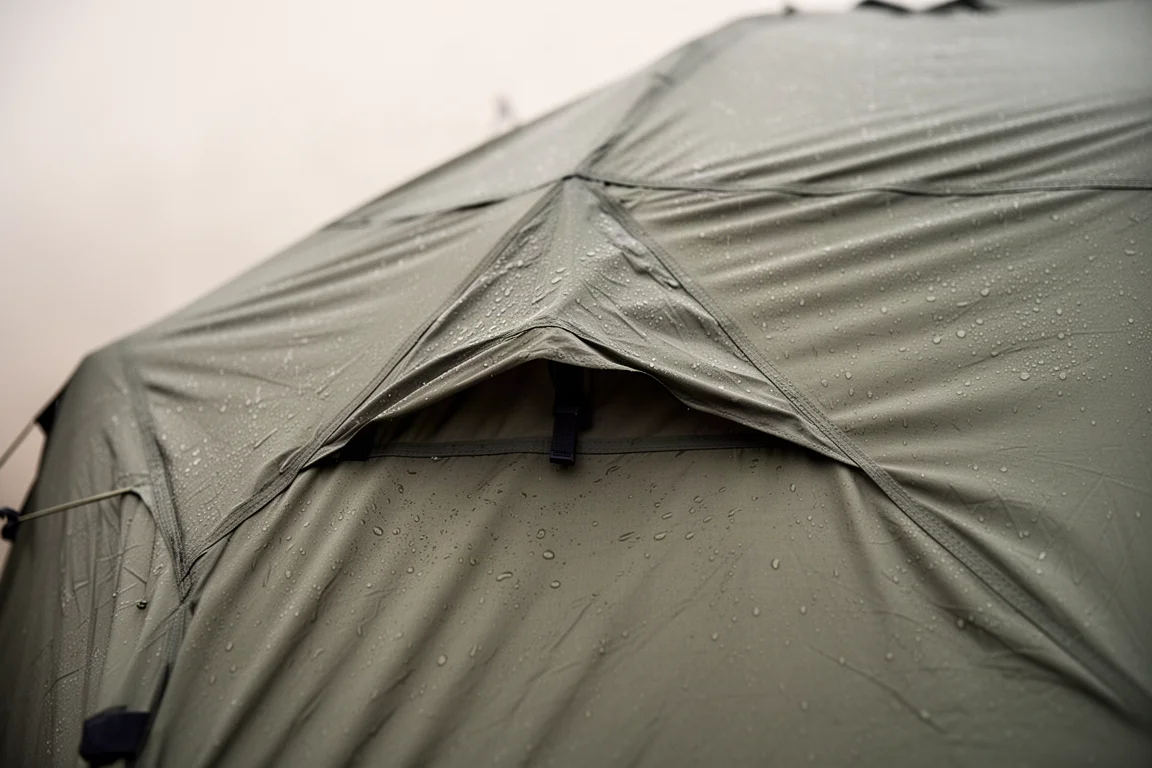
The main weakness is the rain fly. It does not fit the body of the tent particularly well. The cut leaves the fabric bunched up at the rear, and it never settles into a clean, taut shape across the shelter. On the back side, the vent is also cut in a way that does not open correctly, so it does not function as intended.
None of that stopped the tent from staying dry in this test, but it does point to a design that could use a rework. A fly that fits properly would look better, vent better and likely manage condensation more effectively.
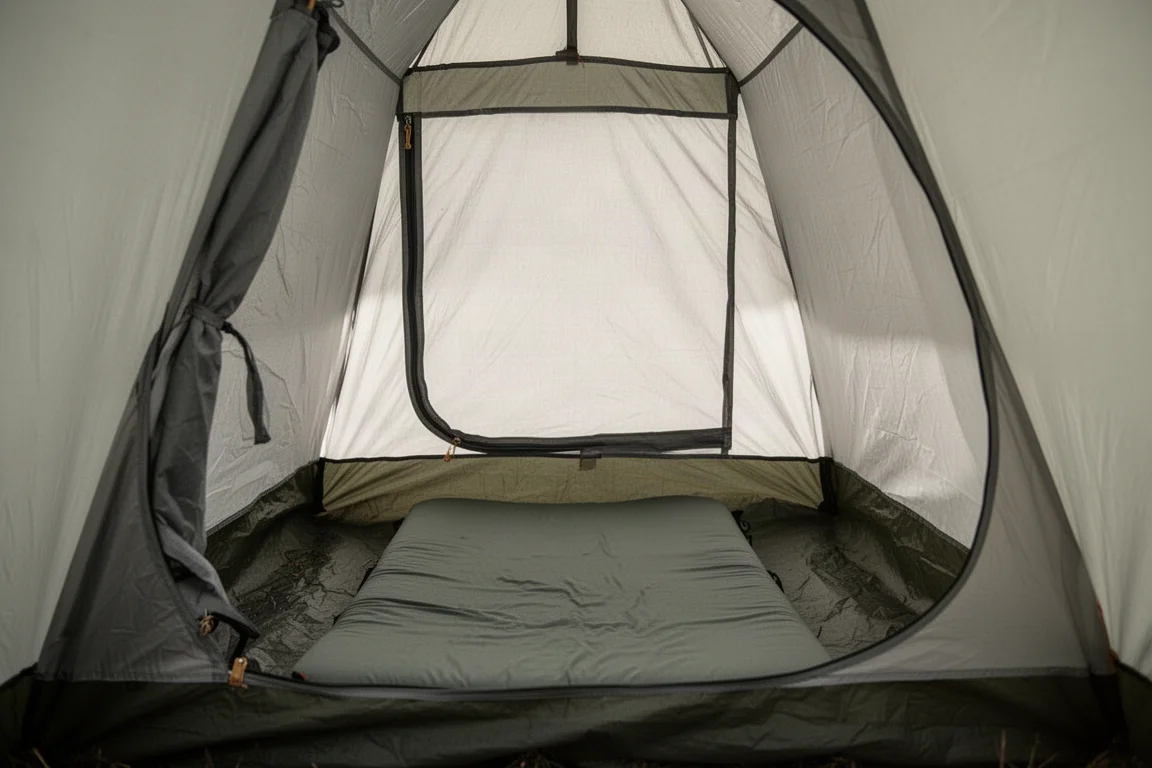
Interior volume is the second trade-off. This is a very small tent, and the amount of fabric on the inside makes it run warm. That warmth is helpful on cold nights and a drawback in summer, when airflow matters more than heat retention. Buyers in hot climates should weigh that carefully.
Buying Advice
Think of this tent as a weatherproof shell first and a comfort shelter second. If your priority is staying dry on a budget, and you mostly camp in cooler conditions where a small, warm interior is an advantage, it does what you need. The waterproofing result is the strongest argument in its favor.
If you camp in hot weather, want room to move, or care about a tidy, well-fitted fly, the compromises here will be noticeable. In that case, a larger or better-ventilated one-person tent is the more sensible purchase, even at a higher price.
A reasonable approach is to match the tent to the trip. For cool-weather solo overnights where pack size and price matter, it is a practical choice. For summer trips or longer outings with more gear, treat the small interior and limited ventilation as genuine limits rather than minor details.
Conclusion
The Free Soldier one person tent answers the waterproofing question convincingly. It stayed completely dry through a long, cold, heavy rain event, which is exactly what most buyers want to know before spending money on a budget shelter.
The trade-offs are elsewhere. A poorly fitting fly, an awkward rear vent, a very small interior and warm-weather performance hold it back from being a well-rounded tent. For the right buyer, camping in the right conditions, it is a dry, affordable place to sleep. For everyone else, the design shortcomings are worth taking seriously before buying.
Product link
View more details for Free Soldier One-Person Tent
This product is mentioned in the review. Check the specifications, options, and compatibility before buying.
View more details for Free Soldier One-Person TentFurther reading
Related Reviews
Camping Tents
3F UL Gear Taiji Two-Person Tent Review: Field Waterproofing Results and Buying Advice
The Taiji pairs an attached fly with a removable inner, but sustained rain exposed untaped vent seams that need sealing before this shelter can be trusted.
Camping Tents
3FUL Gear Lanshan 2 Pro 4-Season Review: A Sub-$200 Single-Wall Trekking Pole Tent
An early look at the 3FUL Gear Lanshan 2 Pro 4-Season, covering its straightforward pitch, generous interior space, and the condensation and seam-sealing questions that come with any single-wall shelter.
Camping Tents
Alps Mountaineering Lynx 1-Person Tent Review: Big Value in a Small Budget Tent
A close look at the Alps Mountaineering Lynx 1-Person Tent, covering real interior dimensions, materials, setup time, ventilation limits, and who should buy it.