Camping Tents
Free Soldier One-Person Military Tent Review: A Cool-Weather Shelter With Clear Trade-Offs
A tactical-styled one-person tent with strong build quality at a budget price, but a fabric-heavy design that limits airflow and suits cool weather only.
Introduction
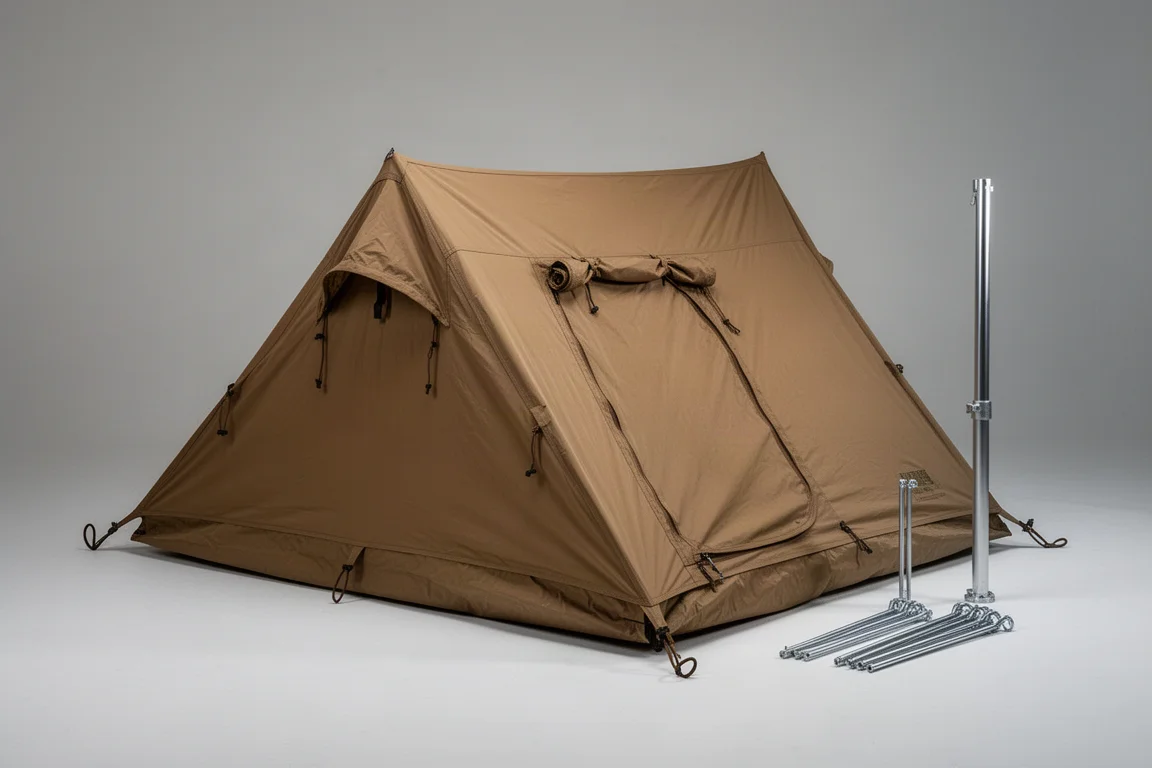
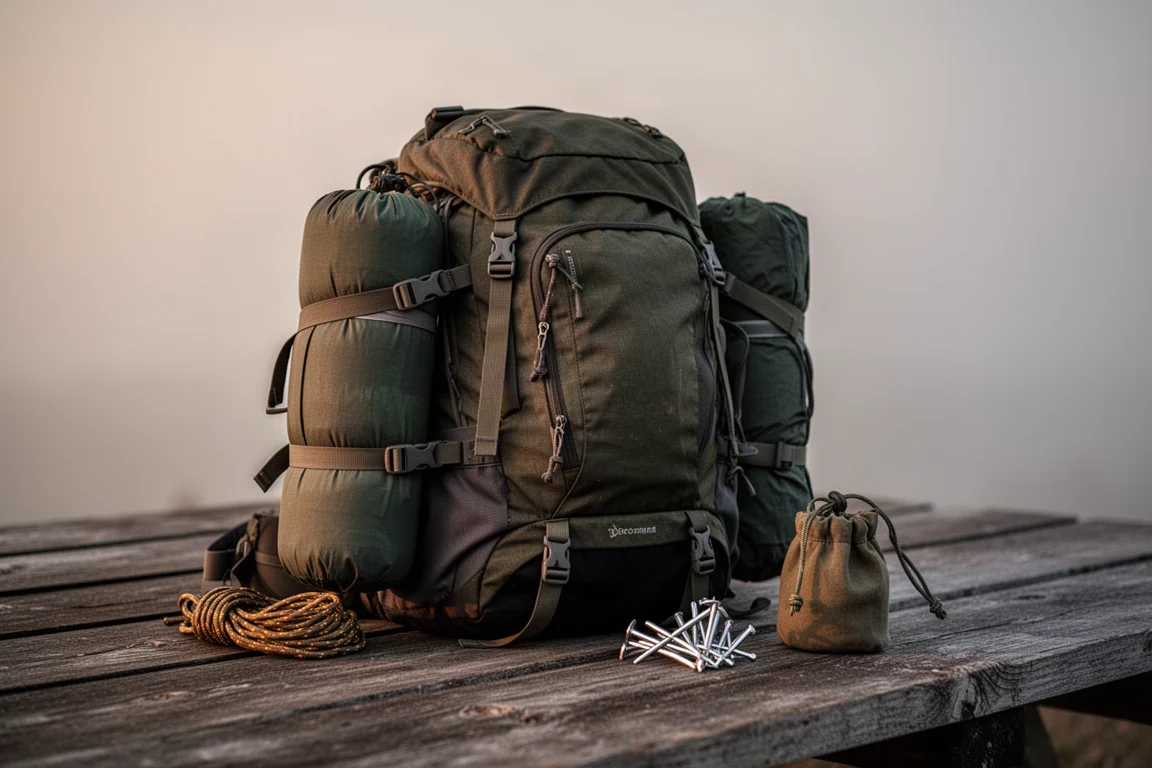
The Free Soldier one-person military tent is a tactical-styled civilian shelter that follows the look of the Light Fighter one-person military tent system. It ships as a complete and easy-to-understand kit: a storage bag with a draw cord, six tent stakes, aluminum poles, a separate fly, and the tent body itself. The manufacturer lists it at $110, which places it firmly in budget territory and is a large part of why it draws attention in the first place.
Setup follows a simple logic. A single pole spiders across the top and spreads the canopy, the corner stakeout points use buckles to connect to the fly, and the whole process is quick to learn. The shelter is semi-freestanding and uses one door with two-way zippers that can be rolled back. Inside, there are four mesh pockets and two hooks for hanging gear.
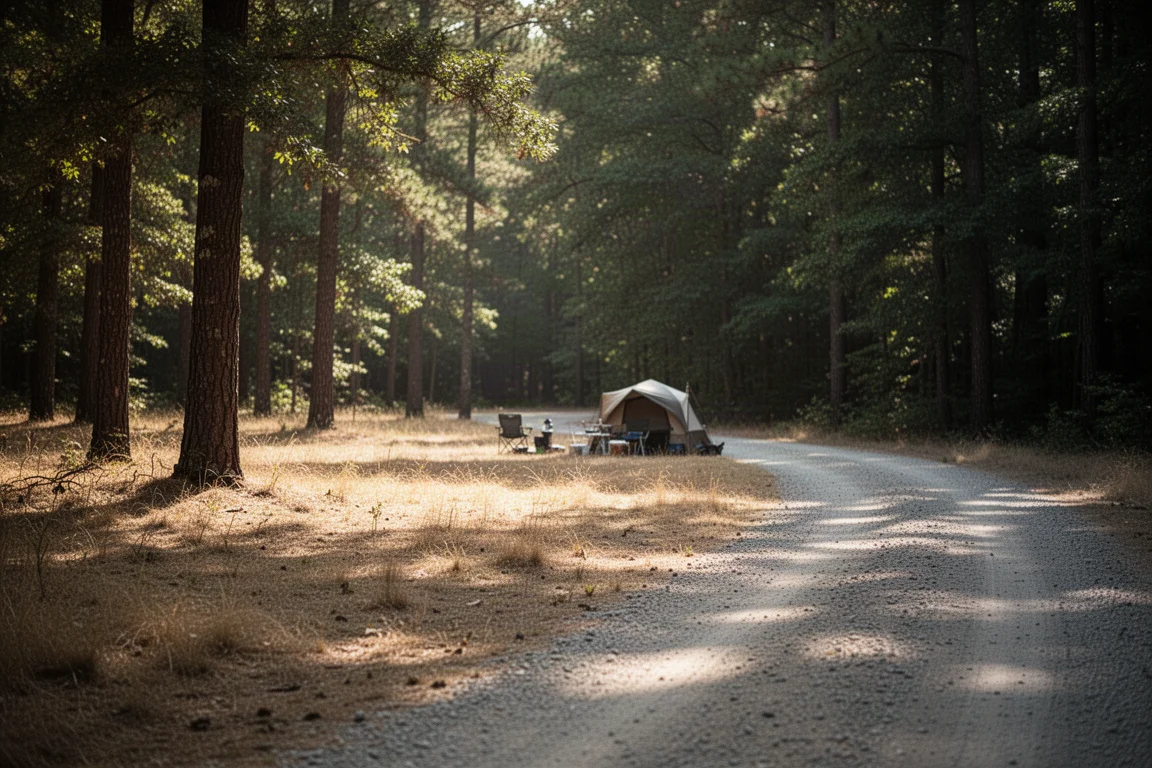
What stands out immediately is how much fabric the tent carries. There is mesh, but it sits high in the walls, and the fly reaches all the way down to the ground. That combination shapes almost everything else about how this shelter performs, from warmth and airflow to condensation.
Who This Tent Is For
The manufacturer markets this as a three-season tent. In practice, the amount of fabric in the build makes it behave more like a three-plus-season hybrid, the sort of shelter that works in cool conditions rather than warm ones. Spring and fall are its natural window, with some winter use possible depending on where you camp and what the weather is doing. It is not a summer tent.
The interior is sized for individuals 5 ft 11 in and under. Campers in that range get a usable sleeping position with a little room left for gear, an adequate vestibule, and enough headroom to sit up and change clothes. Anyone taller will find head and feet touching the ends of the tent.
It also makes sense for solo campers who value a sturdy, weather-resistant feel over low weight, and who mostly camp on level ground in calm conditions. It is a poor fit for backpackers counting grams, for summer trips, or for exposed pitches where wind is likely.
Main Strengths
Build quality is the first genuine surprise. The seamwork, stitching, threads, and seam tape all look carefully done, which is not what you expect from an unfamiliar brand at $110. The materials are inexpensive Oxford polyester, typical for this price range, but the fabric feels thick and substantial in hand. The trade-off for that substance is weight, which shows up later in the packed size and on your back.
Space is reasonable for the intended camper. The interior measures 27.2 inches wide, 35 inches at peak height, and 71 inches of comfortable length. There is room left over for gear, the vestibule is adequate, and sitting up or changing clothes is not a struggle. Four mesh pockets and two gear hooks keep small items organized.
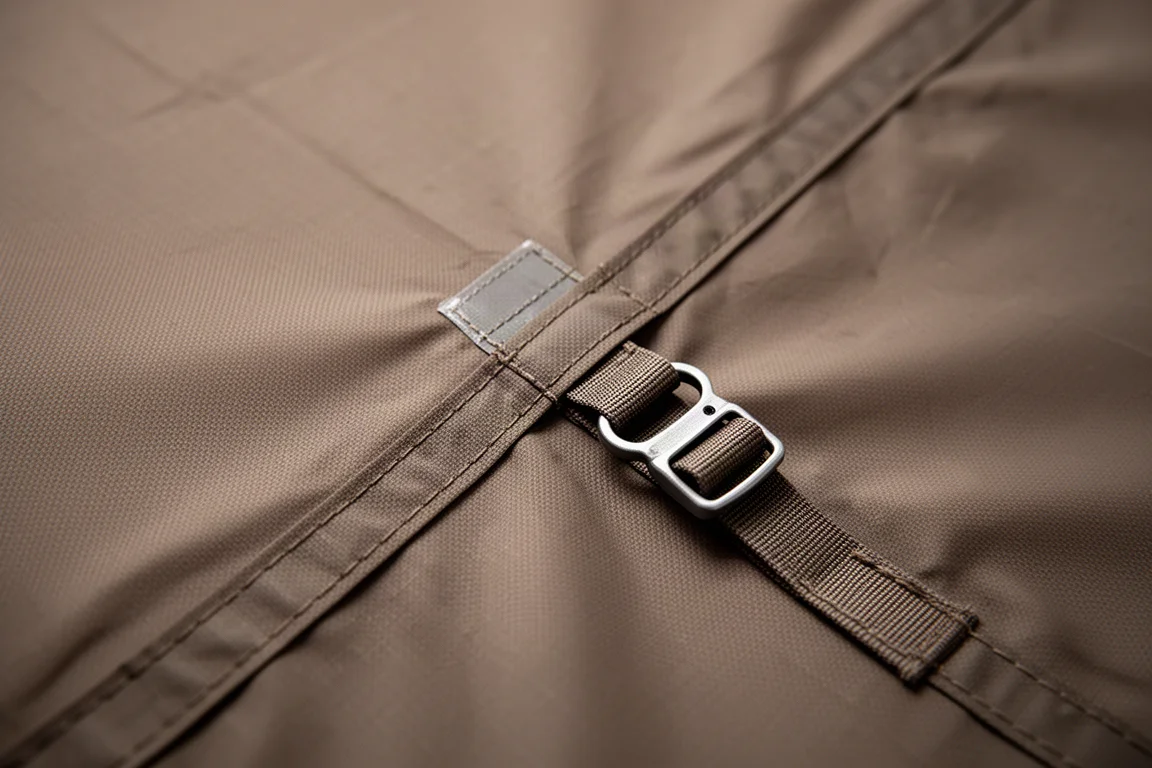
Setup and breakdown are easy and make sense, which matters on a cold, tired evening. Aluminum poles and aluminum stakes keep the hardware light and durable for the price point, and the buckle connections to the fly are quick to work with once you have done it a time or two.
Then there is price. At $110 this shelter offers better build quality than some alternatives in the same bracket. That does not automatically make it the right buy, because other tents at this price can still be better overall, but the value story is real.
Design Details Worth Understanding
The fly extends all the way to the ground, a characteristic more typical of four-season winter shelters. The intent is to stop wind and air from slipping under the fly and into the tent. On a warm-weather tent, that feature works against you: it limits airflow, holds warmth inside, and encourages condensation.
Along the sides, the fly lies directly against the body, so there is no way to pull it out and let air move underneath. At the back, the fly does stake out and lift slightly away from the body, which allows a small amount of air through. It is better than nothing, but it is not much.
The door has a well-sized storm flap covering the zipper, and the two-way zipper runs from top to bottom. The problem is the opening itself. The door does not roll back far enough, so entry and exit feel tighter than they should, especially for larger campers.
The top vent is meant to be held open by a piece of foam. In use, the foam spreads the material only slightly, so the vent makes little practical difference.
There are two color notes worth mentioning. The finish is described by the manufacturer as mud, though it reads as coyote brown. An OCP camo version is also available, and its pattern is close to the Light Fighter design.
A few specifications are simply not published: denier, waterproof rating, and zipper type. What is confirmed is an Oxford polyester shell, aluminum poles, and aluminum stakes. Stored dimensions are 19 by 7.5 by 5 inches, and the trail weight is 4.8 lb.
Field Notes: Airflow, Heat, and Condensation
Field use so far covers two nights. The pattern was consistent both times: the interior runs warm. High fabric walls block wind and trap heat, and the mesh sits too high to help a person lying down. A breeze reaches you when sitting up, but not when stretched out. Small mesh sections at the head and foot box contribute only marginally. On a warm day with the door open, the interior still reached 81 degrees Fahrenheit.
Condensation formed on the inside of the fly on both nights. It did not cause a functional problem, but the inner surface of the fly was wet in the morning, which is worth knowing if you plan to pack up quickly.
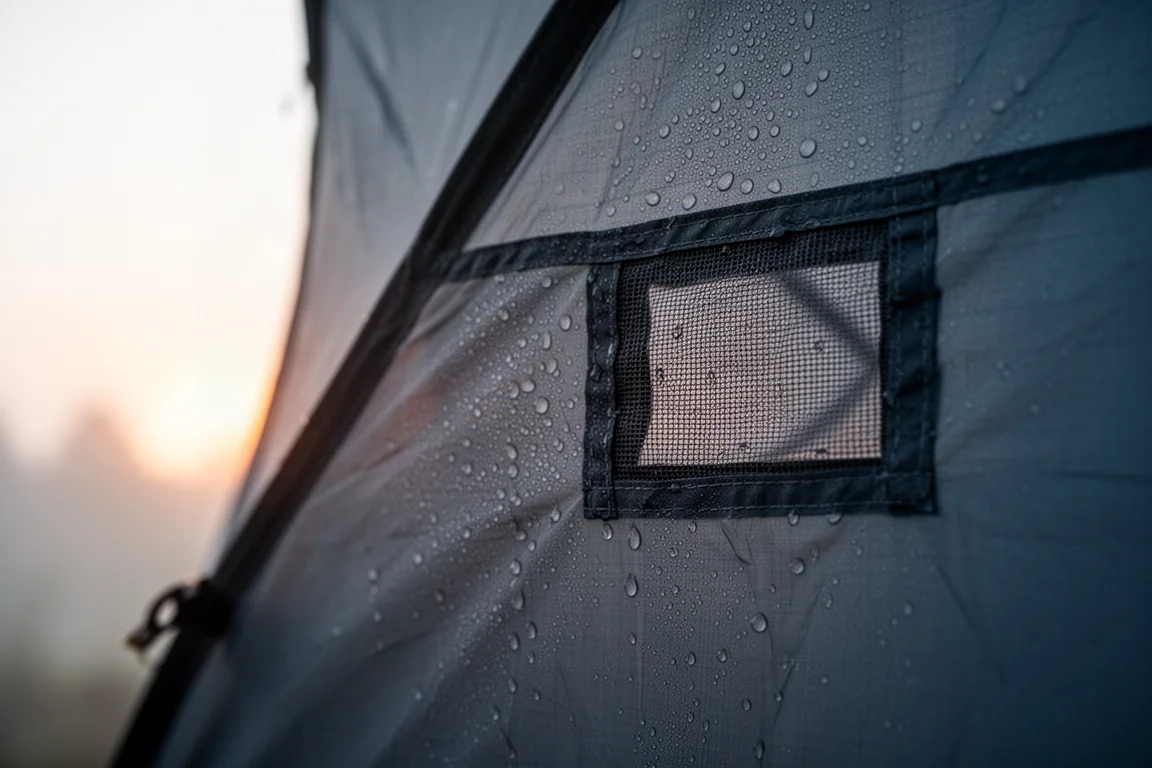
Pitching on uneven ground is the other recurring issue. The stakeout points are not adjustable, so the shelter needs flat, level ground to achieve a clean pitch. On one trip with uneven terrain, the pitch was poor, and pulling harder on the backside put enough stress on the vent to force it shut. Adjustable stakeout points would have solved this. Without them, the shelter is fussier to set up than it should be.
Things to Consider Before Buying
There are no guy lines, so this is not a shelter for strong winds or adverse conditions. Wind performance is a real limitation rather than a minor one.
Weight and packed size are heavy for a one-person tent. At 4.8 lb and 19 by 7.5 by 5 inches stored, it takes up meaningful space in a pack and will be felt on the trail.
The storage bag is very small. Repacking demands a tight roll, and even then it is a struggle to get the tent back inside.
Waterproofing is unconfirmed. The only rain during testing was very light, so there is no verified answer yet on how the fabric and seams handle sustained rain. That remains the biggest open question about this shelter.
The vent can be forced closed when the fly is stretched, and the non-adjustable stakeout points mean pitch quality depends heavily on the ground you find.
Buying Advice
At $110, this is a shelter with good bones and unfinished details. It fits a narrow use case: short trips during the cooler months, on level ground, in calm weather, for campers 5 ft 11 in or shorter. If that describes your camping, the build quality and the price make it a reasonable consideration.
If your trips fall in summer heat, if you camp in exposed or windy terrain, or if you are taller than 5 ft 11 in, this is not the shelter to choose. It is also worth noting that comparable money can buy better tents overall, so it is worth comparing before committing. And because waterproofing has not yet been verified, treat rain protection as unproven until you can confirm it yourself.
Conclusion
The Free Soldier one-person military tent is an unusual product: a tactical-styled budget shelter with genuinely good construction and a design that works against itself in warm conditions. Its fabric-heavy build suits cool weather, its non-adjustable stakeout points demand flat ground, and its missing guy lines rule out serious wind. For the right camper in the right season, the price and the build quality are appealing. For everyone else, the trade-offs are hard to overlook.
Product link
View more details for Free Soldier One-Person Military Tent
This product is mentioned in the review. Check the specifications, options, and compatibility before buying.
View more details for Free Soldier One-Person Military TentFurther reading
Related Reviews
Camping Tents
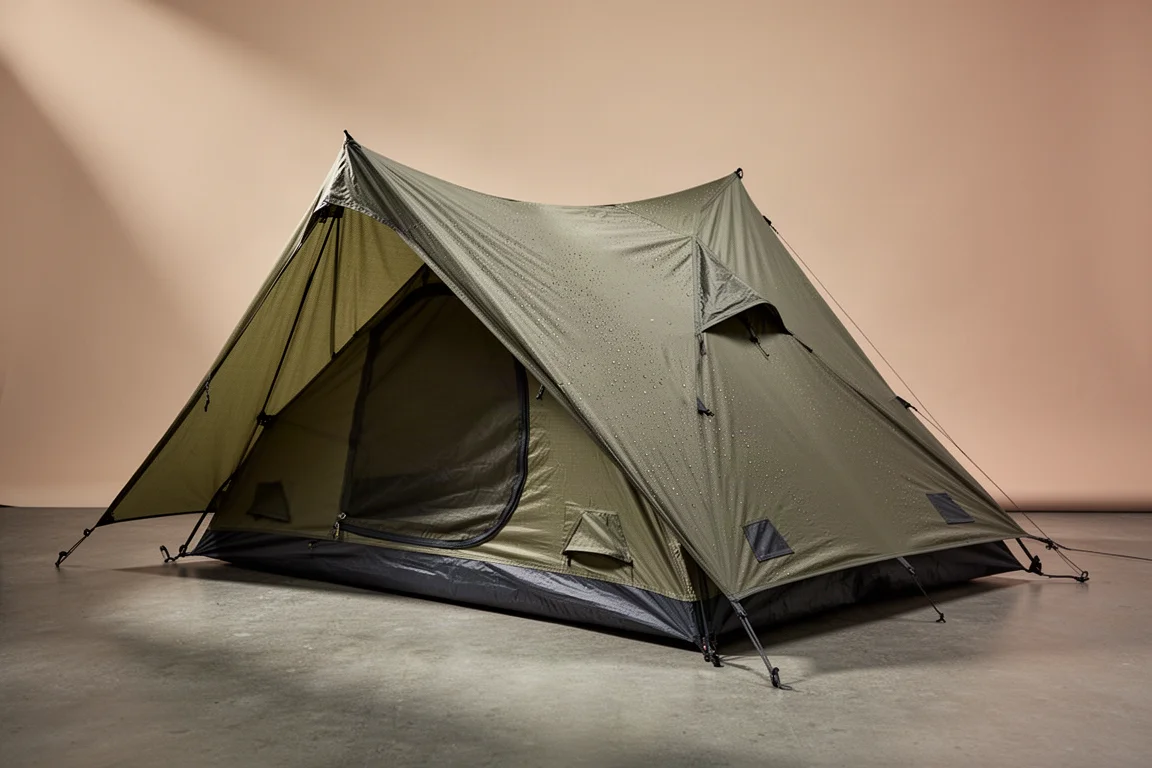
3F UL Gear Taiji Two-Person Tent Review: Field Waterproofing Results and Buying Advice
The Taiji pairs an attached fly with a removable inner, but sustained rain exposed untaped vent seams that need sealing before this shelter can be trusted.
Camping Tents
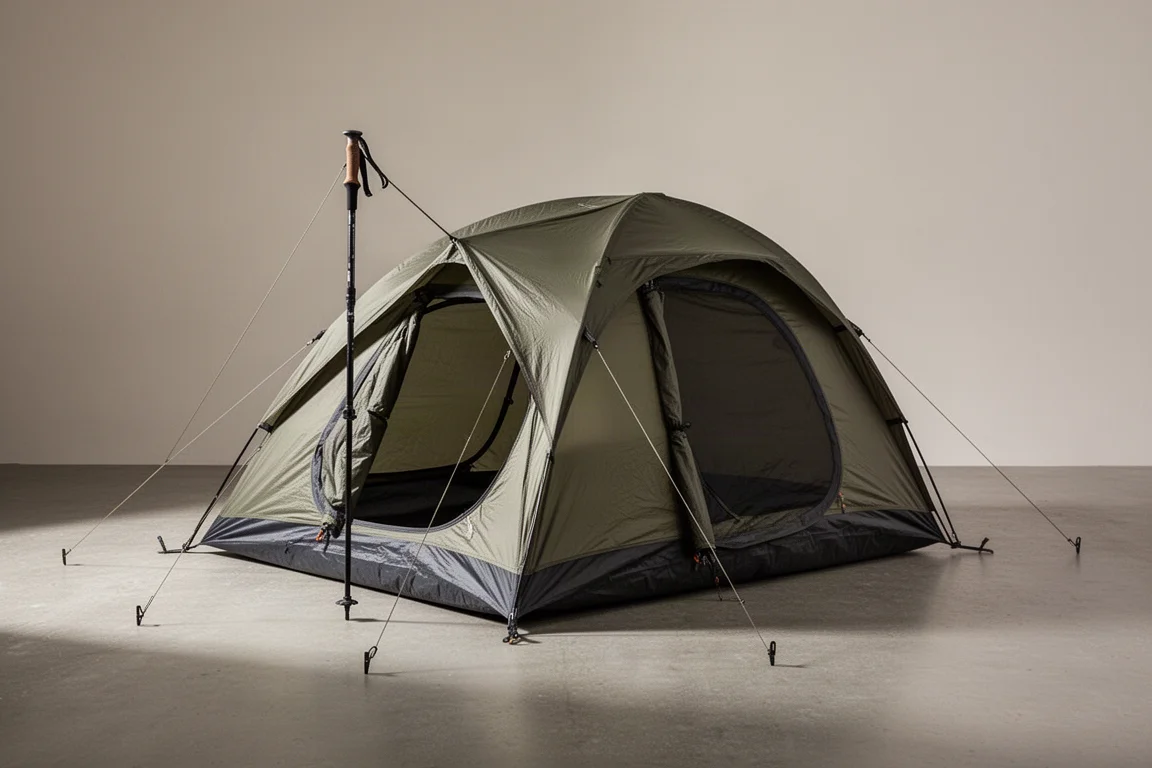
3FUL Gear Lanshan 2 Pro 4-Season Review: A Sub-$200 Single-Wall Trekking Pole Tent
An early look at the 3FUL Gear Lanshan 2 Pro 4-Season, covering its straightforward pitch, generous interior space, and the condensation and seam-sealing questions that come with any single-wall shelter.
Camping Tents
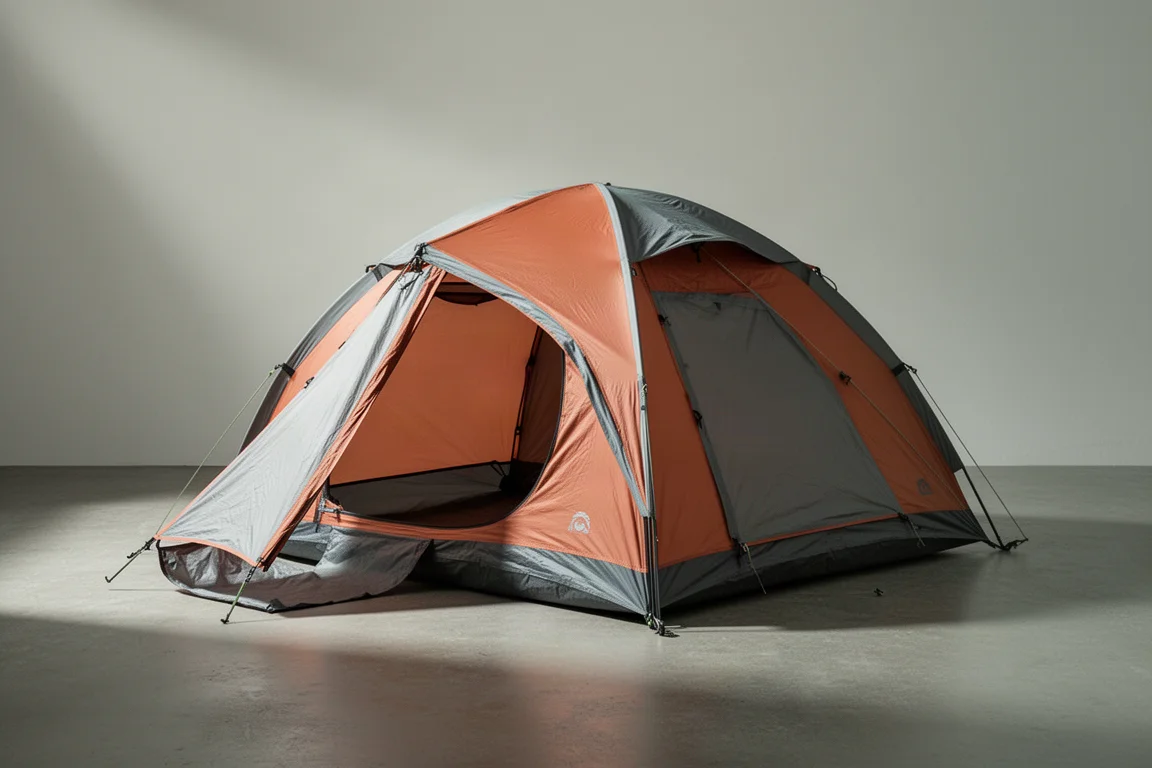
Alps Mountaineering Lynx 1-Person Tent Review: Big Value in a Small Budget Tent
A close look at the Alps Mountaineering Lynx 1-Person Tent, covering real interior dimensions, materials, setup time, ventilation limits, and who should buy it.