FPV Drones
FPV LiPo Battery Comparison: Budget vs Premium Performance
Testing budget CNHL, mid-range Ovonic, and premium SMC LiPo batteries in real-world FPV flying to see if premium packs deliver three times better performance.
Introduction
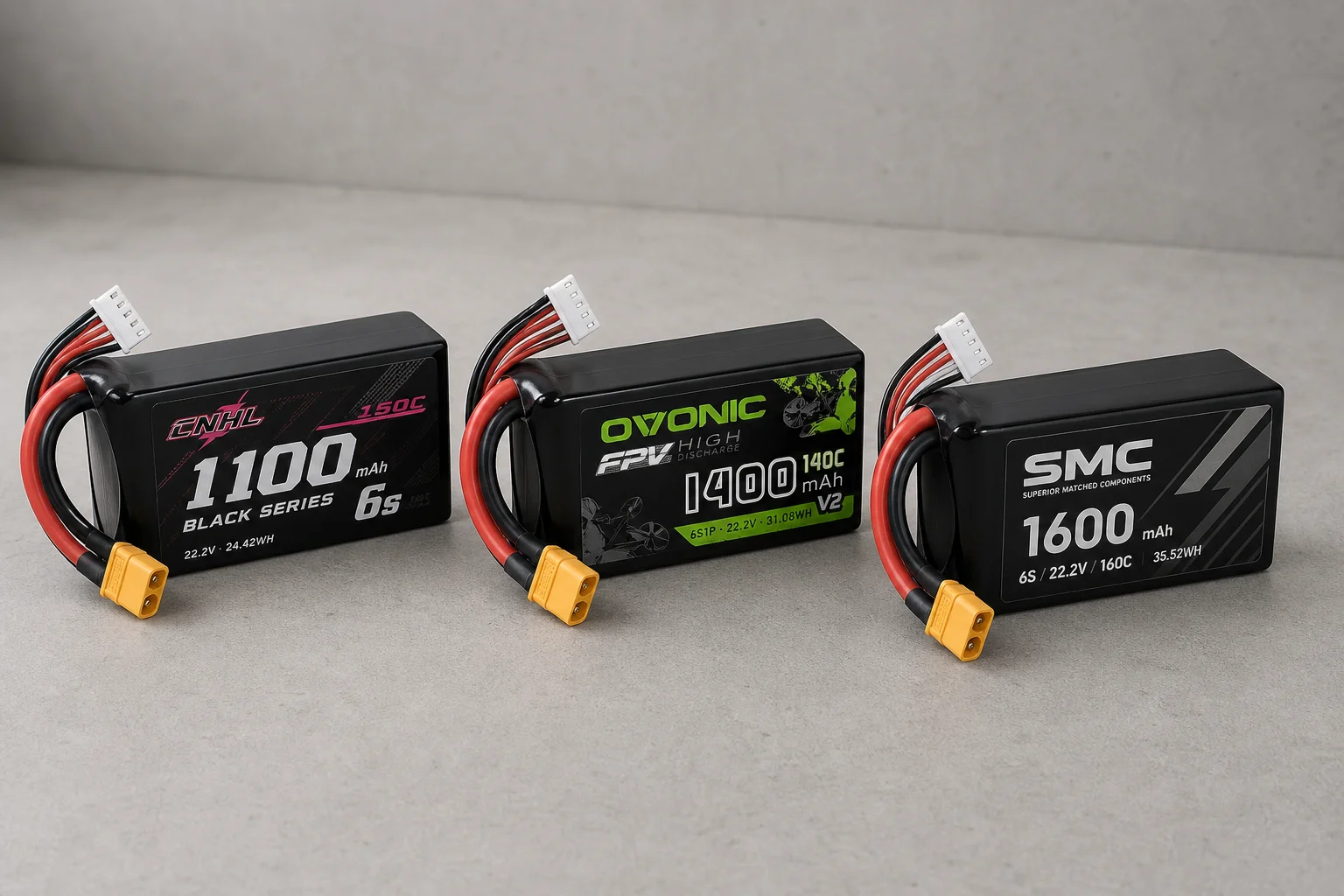
The FPV drone community often debates whether premium LiPo batteries justify their significantly higher cost. Budget options like China Hobby Line (CNHL) dominate casual flying, while top racers and freestyle pilots rely on premium brands like SMC. Bench tests consistently show premium packs delivering better voltage stability and power output, but the question remains: does that translate to noticeably better flying experience in practice?
To answer this, we tested three LiPo batteries across different price points in real-world FPV flying conditions.
Real-World Flight Testing
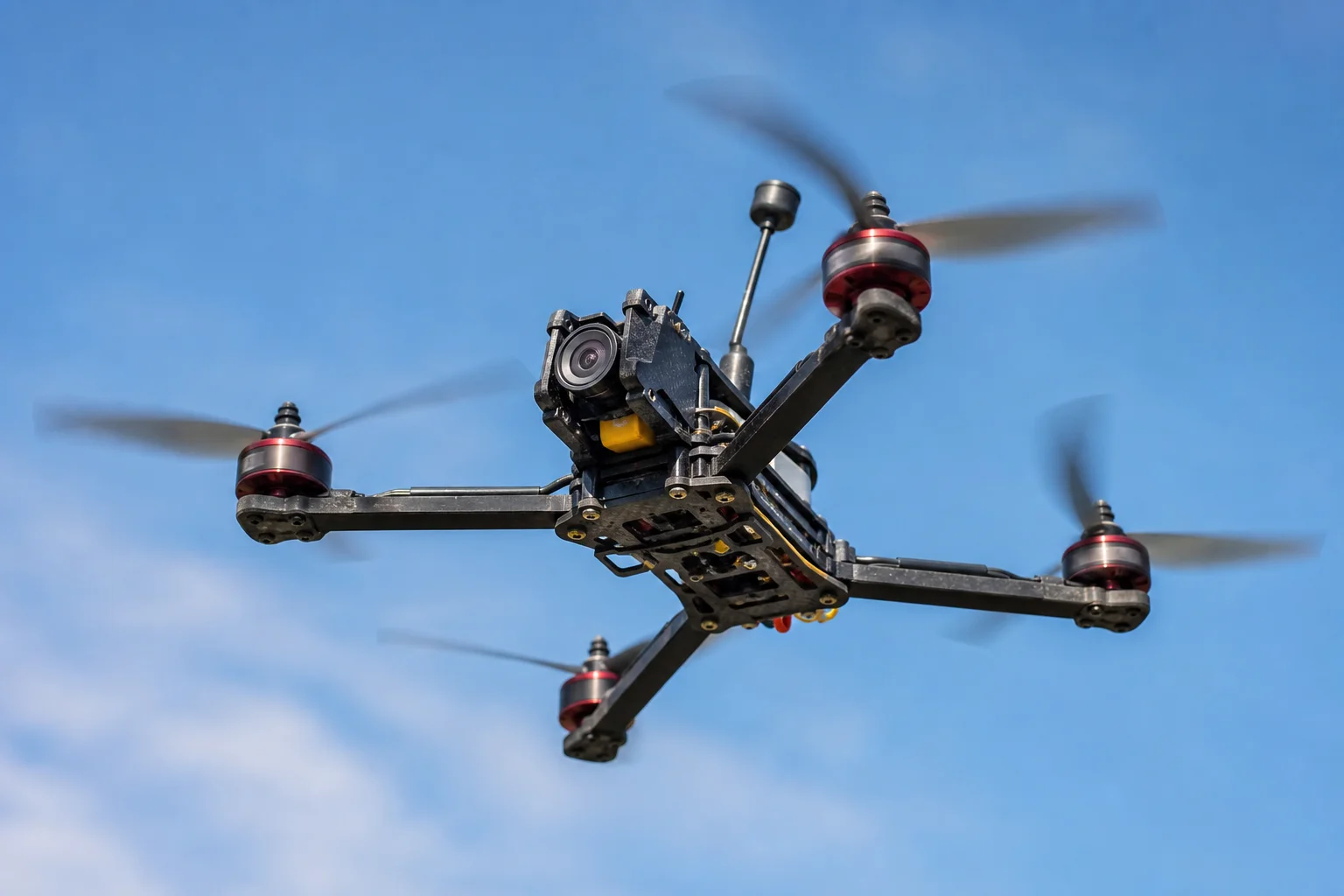
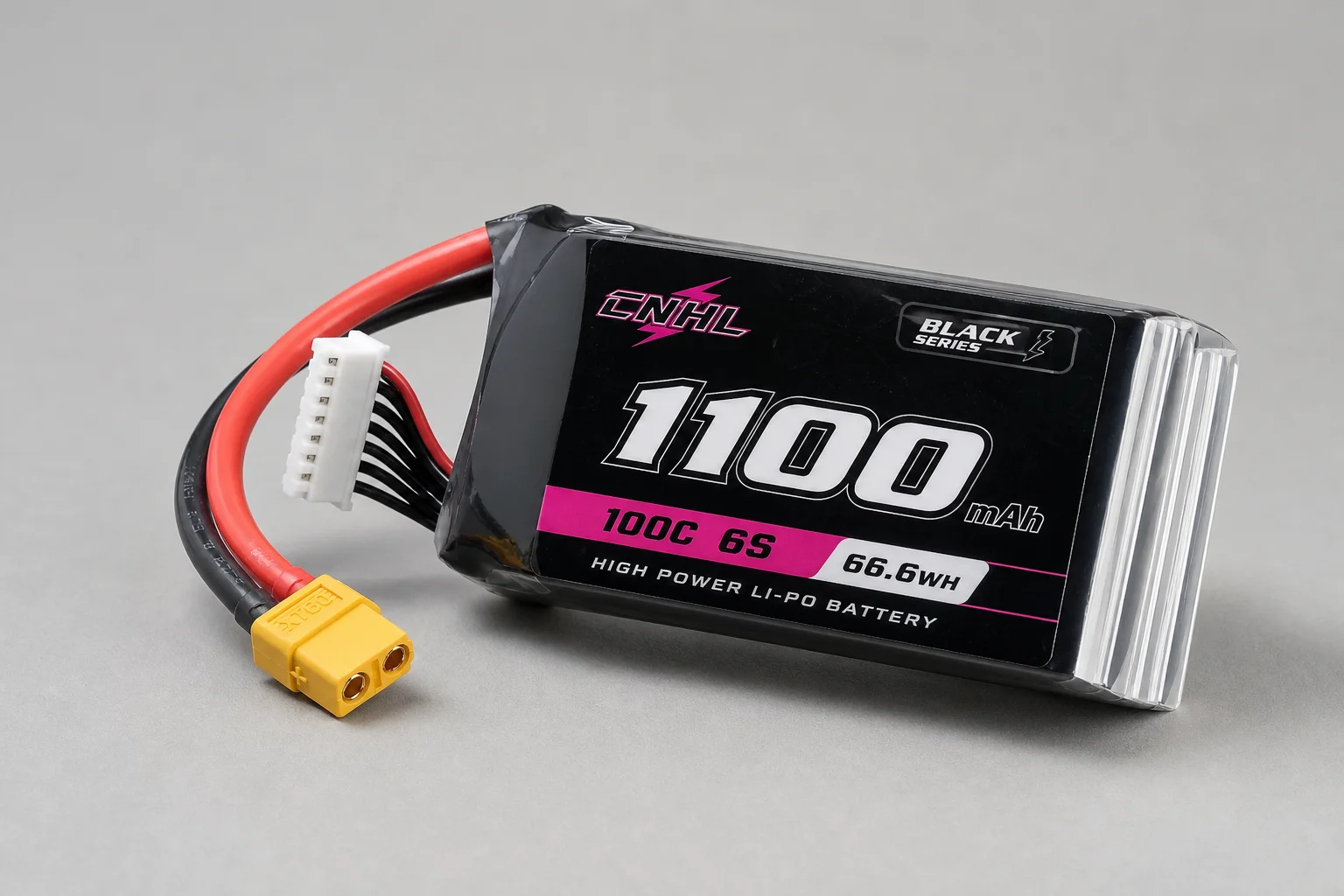
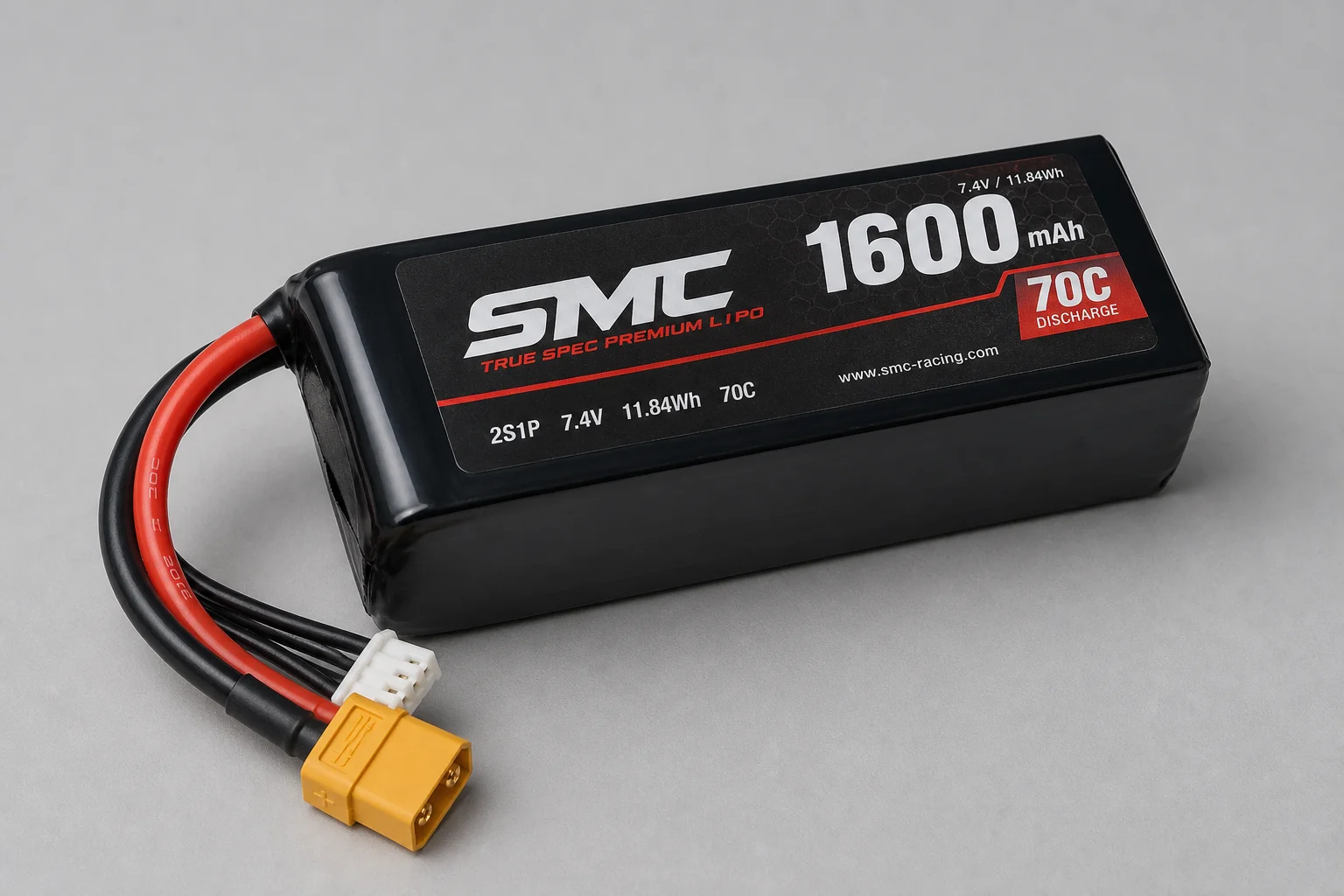
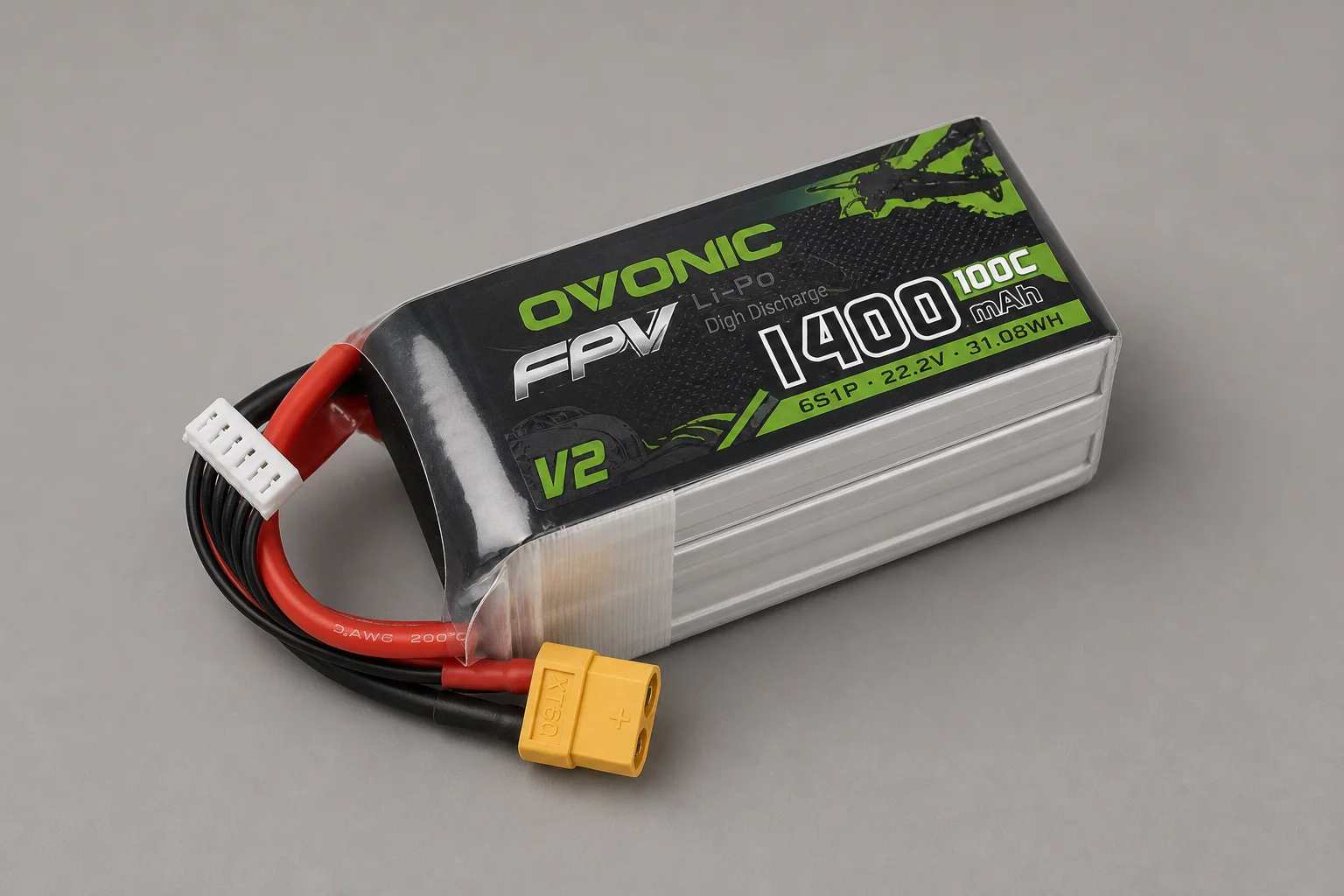
The test setup compared three batteries flown in the same quadcopter under similar conditions. The CNHL 1100 6S represents the budget option, offering decent performance at a low price point. The SMC 1600 sits at the premium end, known for strong bench test results and used by competitive pilots. The Ovonic 1400 mAh V2 occupies the middle ground, priced significantly lower than SMC but higher than CNHL.
Initial impressions during casual flying revealed minimal differences in punch and responsiveness. Flipping performance felt essentially identical across all three packs, and the raw acceleration felt comparable. This was surprising given the significant price gap and the performance differences shown in laboratory bench tests.
Flight Time Results
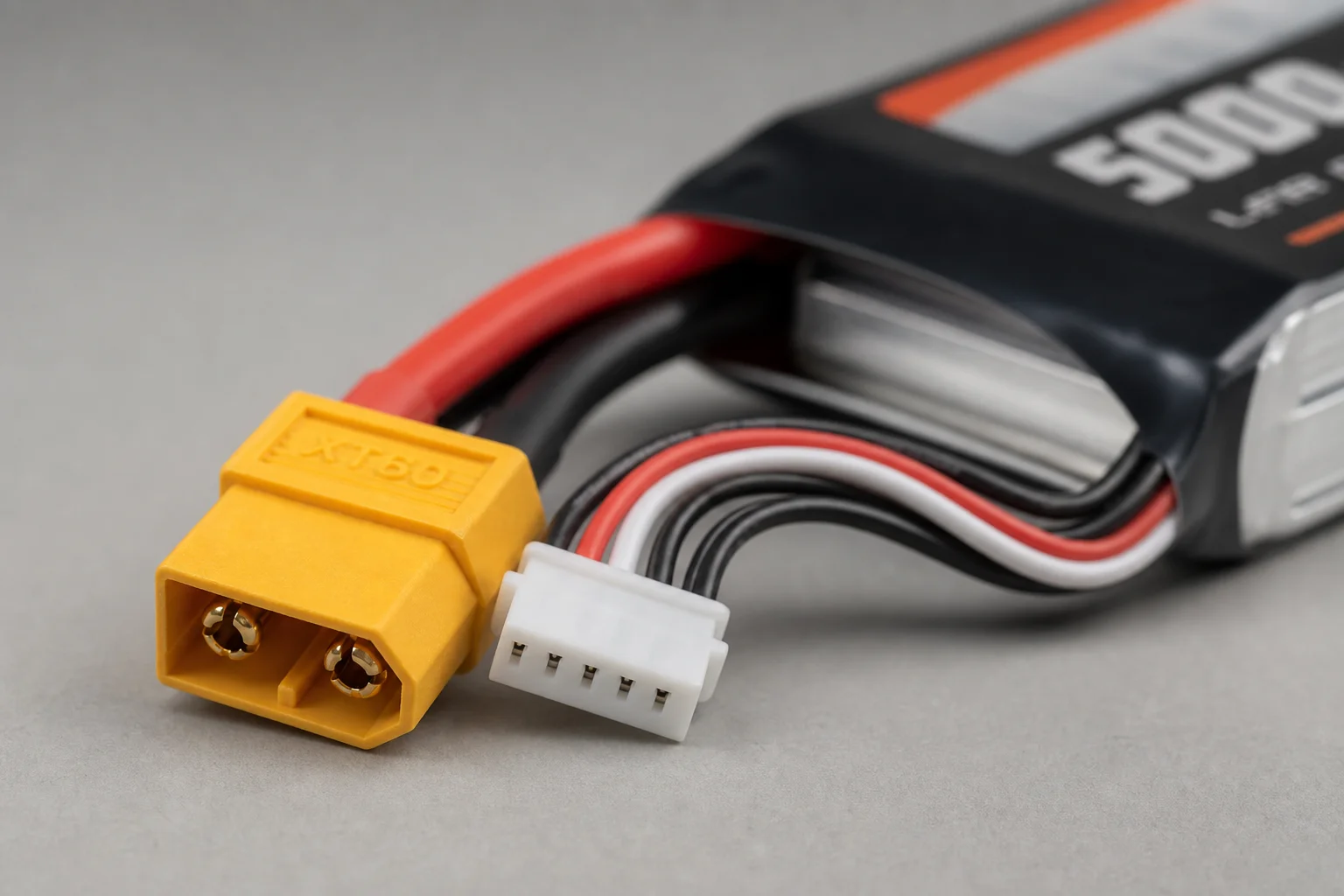
Flight time differences became the most measurable distinction between the three batteries. The CNHL 1100 delivered approximately 2 minutes and 30 seconds of aggressive flying. The Ovonic 1400 mAh V2 extended that to 3 minutes and 15 seconds, a gain of 45 seconds despite costing only slightly more than the CNHL. The SMC 1600 achieved 3 minutes and 30 seconds, the longest flight time but only 15 seconds longer than the Ovonic.
The capacity differences explain much of this variation. The CNHL 1100 mAh pack has 500 mAh less capacity than the SMC 1600 mAh, so the shorter flight time aligns with expectations. What stood out was the Ovonic’s efficiency: it delivered nearly the same flight time as the SMC while weighing only 10 grams more than the CNHL 1100, making it a compelling middle-ground option.
Voltage Sag and Power Delivery

Premium LiPo batteries are engineered to maintain voltage stability under load, a characteristic called low voltage sag. The SMC 1600 demonstrated noticeably better voltage retention compared to the CNHL packs, which showed voltage dropping below 20V even with full charge. However, this advantage did not translate into a dramatic difference in flight feel for casual to intermediate pilots.
The SMC’s superior voltage stability theoretically delivers more punch, sharper throttle response, and more explosive performance. In practice, the difference was subtle. Punch outs felt nearly identical, and total throttle response was not significantly sharper. For a pilot flying at an intermediate level, the voltage advantage of premium packs did not create an obvious performance gap.
A heavier quadcopter with a GoPro mounted showed more pronounced differences when switching from premium to budget batteries, suggesting that weight and power demands influence how much the battery choice matters.
Value and Real-World Recommendations
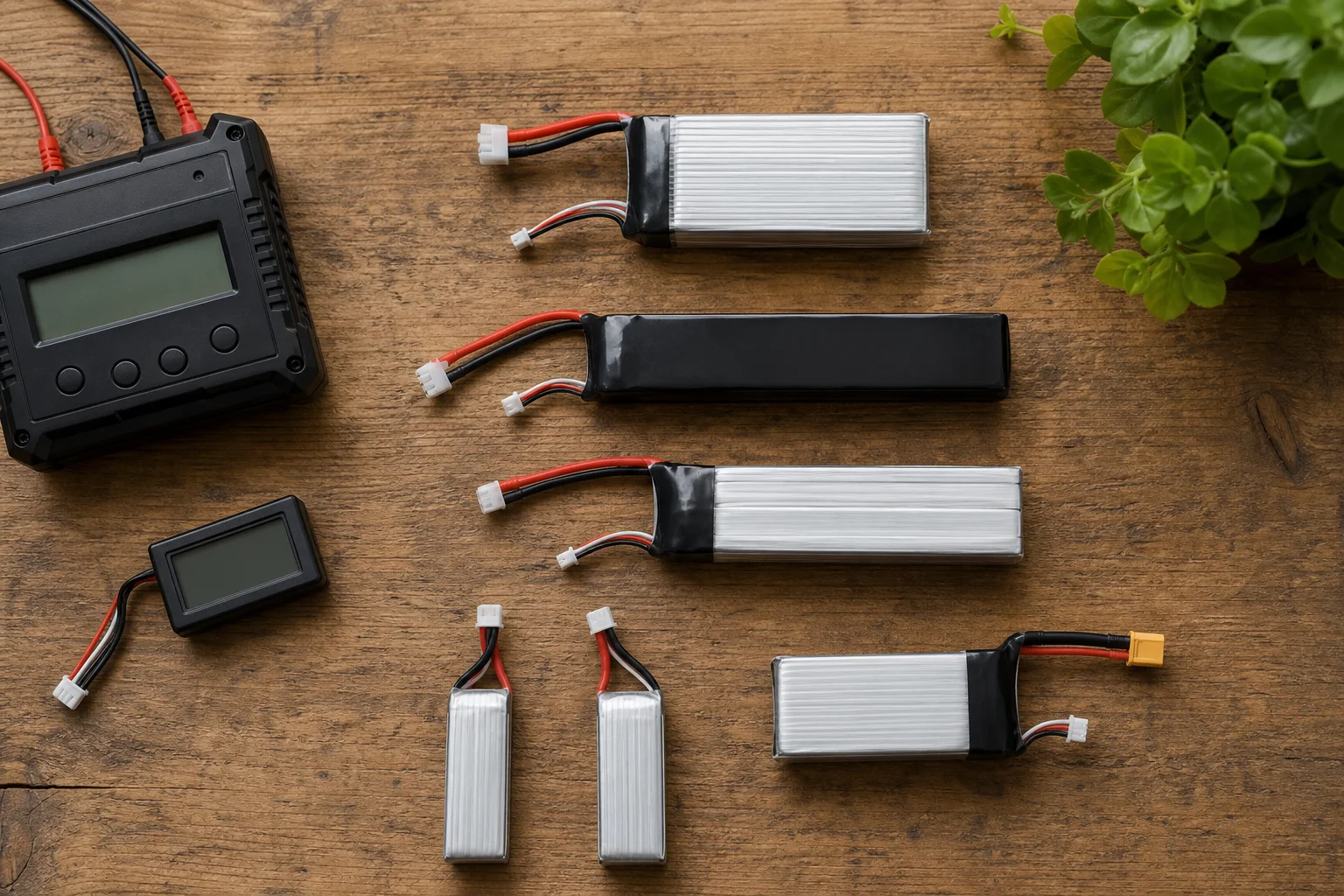
The pricing gap is substantial. Budget CNHL packs cost approximately 13 euros, while premium SMC packs reach 46 euros, a difference of more than three times the price. The performance improvement, however, does not scale proportionally with cost.
For most FPV pilots, the decision hinges on flying style and goals. Casual and intermediate pilots will notice that budget packs still deliver acceptable performance. The limiting factor in flight quality is usually pilot skill rather than battery performance. Competitive racers and high-level freestyle pilots pushing their equipment to the absolute limit may gain a measurable edge from premium packs, but only if they have already optimized other aspects of their setup.
The Ovonic 1400 mAh V2 emerged as a practical compromise. It costs only a few euros more than CNHL packs but delivers significantly longer flight time and better performance consistency. For pilots willing to spend slightly more than the absolute minimum, the Ovonic offers better value than jumping directly to premium SMC batteries.
Conclusion
Premium LiPo batteries do deliver measurable advantages in voltage stability and power delivery, confirmed by both bench tests and real-world flying. Whether those advantages justify the cost depends on your flying level and goals. For casual and intermediate pilots, budget and mid-range options still get the job done effectively. Competitive pilots and those pushing high-level freestyle will likely benefit from premium packs. For everyone else, a mid-range option like the Ovonic offers a practical balance between cost and performance.
Further reading
Related Reviews
FPV Drones
Best 5-Inch FPV Drones 2026: Vapor D5 vs Mark 5 Comparison and Review
A detailed comparison of the GEPRC Vapor D5 and Mark 5 5-inch FPV drones, covering performance, durability, price, and which suits different flying styles.
FPV Drones
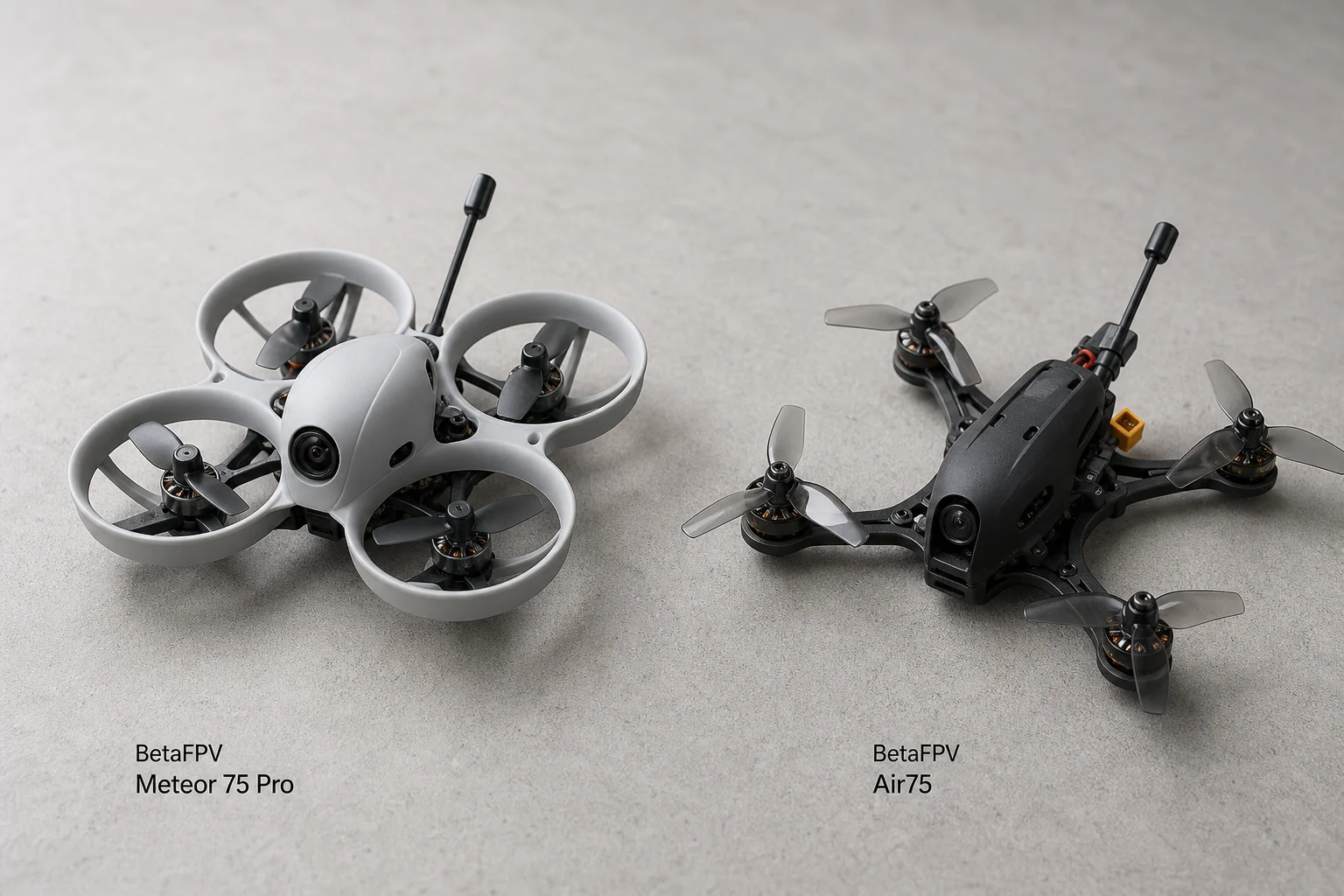
BetaFPV Meteor 75 Pro vs Air75: Which Tiny Whoop Suits Beginners Better
A practical comparison of two popular 75mm FPV drones, tested by a beginner pilot to help you choose between durability and handling.
FPV Drones
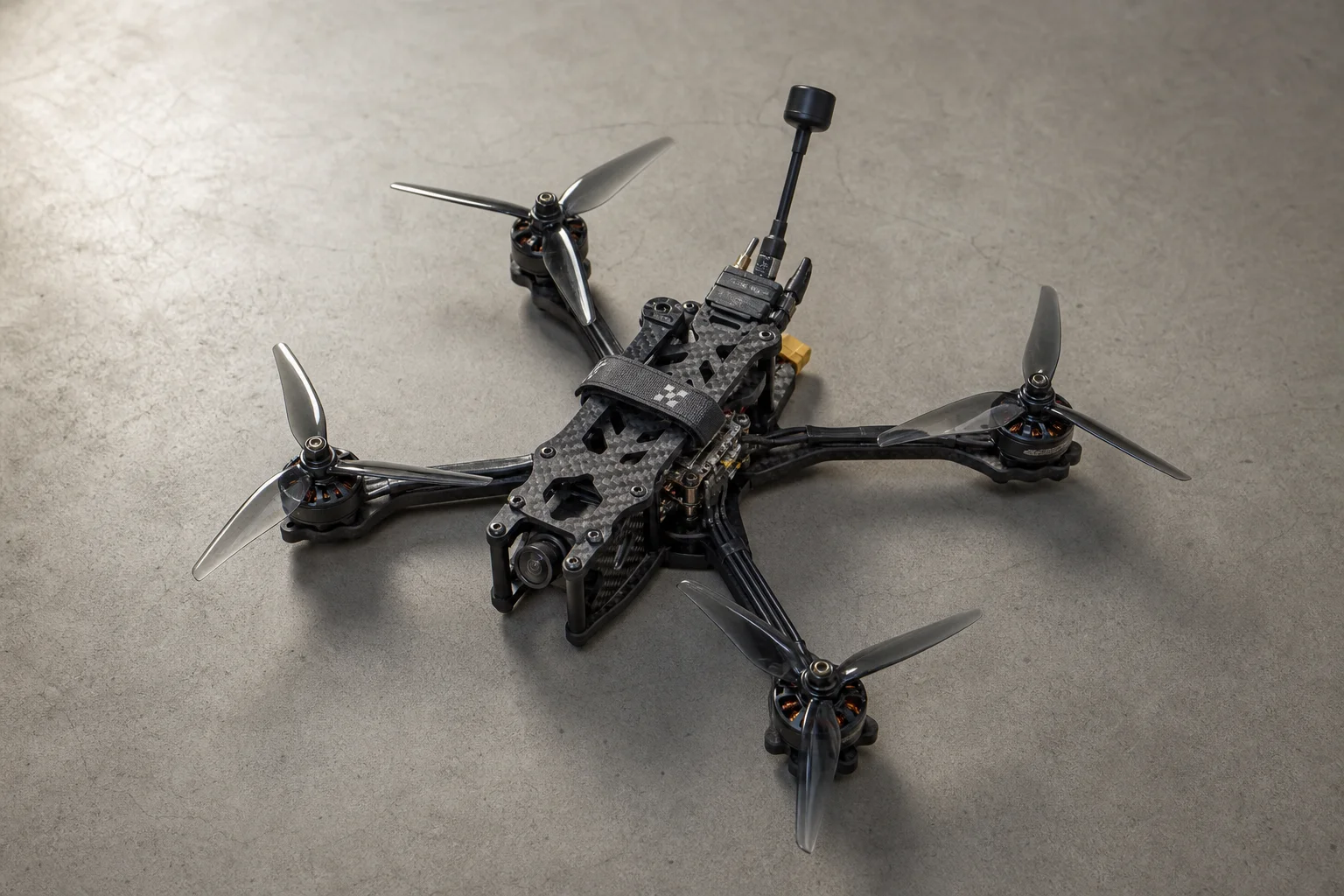
How to Build a 7-Inch FPV Drone: Complete Assembly Guide
A practical walkthrough for assembling an affordable 7-inch long-range FPV quad, from frame to flight controller, with all components and soldering techniques explained.