Growing Media
Fox Farm Ocean Forest Potting Soil: Lab Test Results and What They Mean
Independent lab testing reveals how Fox Farm Ocean Forest really stacks up on pH, NPK, calcium, magnesium, and sulfur, plus practical fixes for the nutrient gaps.
Introduction
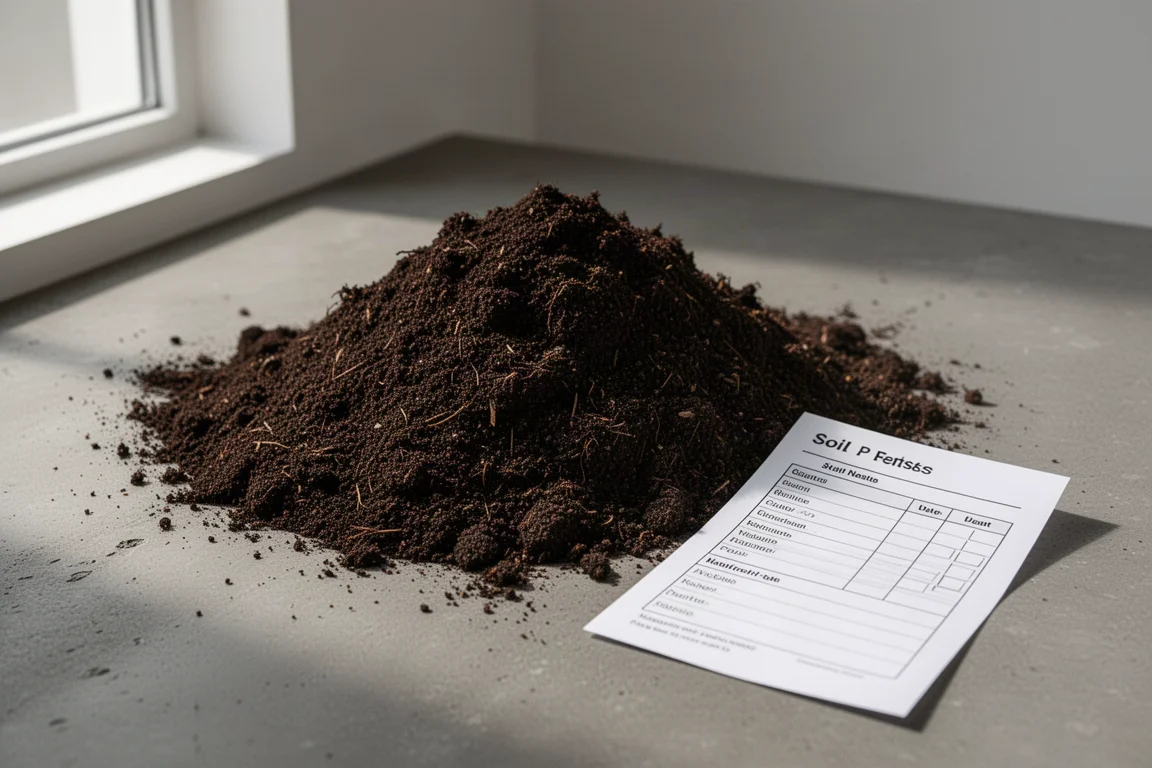
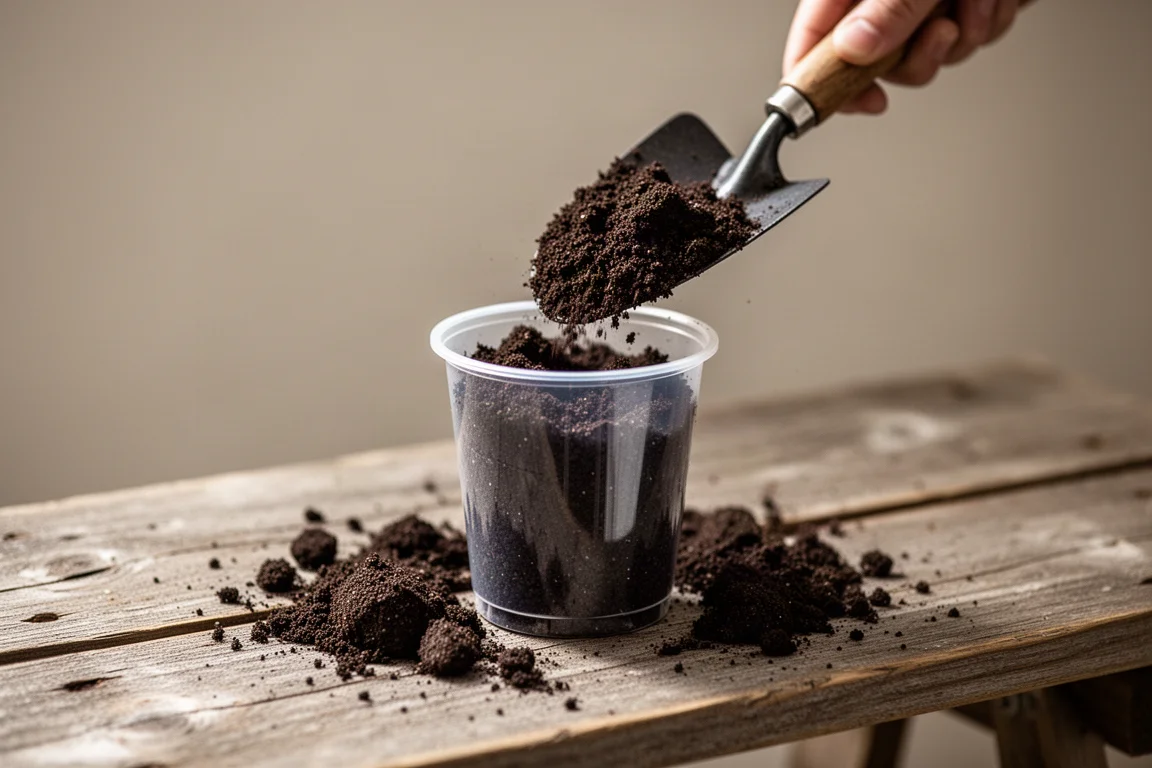
Fox Farm Ocean Forest is one of the most widely used potting soils among hobby growers, but marketing claims and actual nutrient content do not always match. Rather than guessing, a sample was sent to the University of Delaware for an official lab analysis, alongside a simple at-home slurry test. The results reveal a few discrepancies worth knowing about before you fill your containers with it.
What the Testing Showed
The at-home slurry test returned a pH of 6.26 and 400 PPM. The lab result came back slightly different: a pH of 5.9. That is a gap of about 0.36, which is not dramatic, but it does mean the soil leans more acidic than a simple slurry test suggests. If your plants are sensitive to pH, the lab figure is the more trustworthy reference point.
Nutrient Results in Detail
The NPK reading is where the biggest surprise sits. The bag lists a ratio of 3-4.5-5, but the lab measured 0.6 nitrogen, 5.1 phosphorus, and 101.9 potassium. On paper, it looks almost like there is no nitrogen in the soil at all, which is definitely not the case. Much of the nitrogen is only activated when microbial life breaks down the organic matter, and that process happens once the soil is moisturized. Regardless of how the activation works, in its current state the nitrogen available to plants is low.
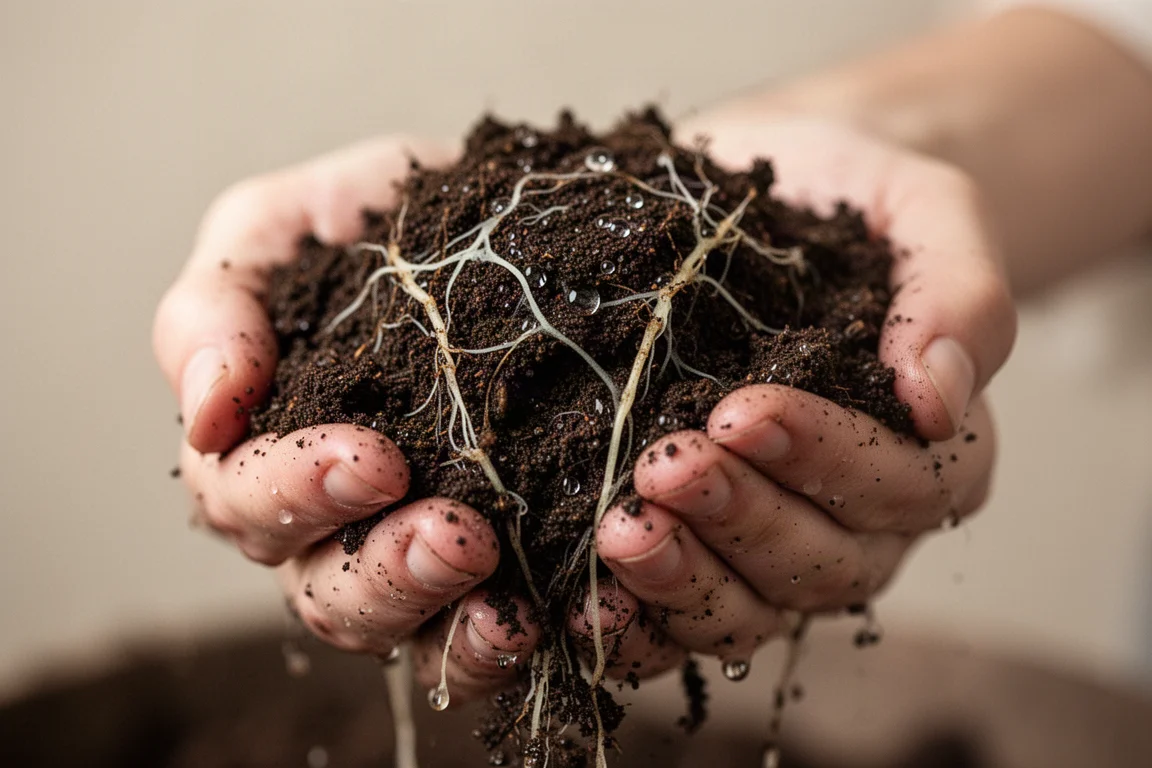
Calcium tells a different story. The bag claims 1 percent calcium, and the lab measured 91.9, which is acceptable by soil standards. The remaining nutrients on the report are secondary or trace elements, meaning the plant barely needs any of them. Two values did stand out: magnesium came back at an optimum level, and sulfur came back high.
How to Correct the Soil
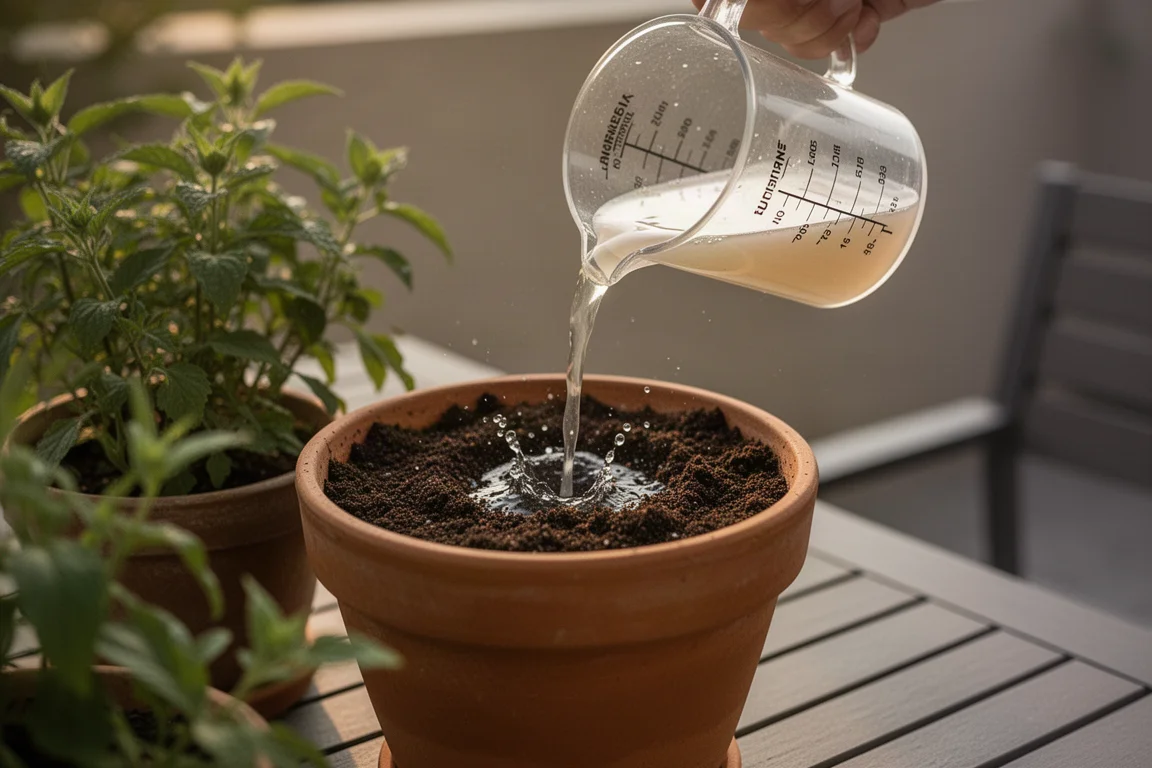
Based on the lab results, the practical gap to address is nitrogen. Both synthetic and organic correction approaches can work, and the right choice depends on how you prefer to feed your plants. A synthetic option gives you fast, predictable nitrogen availability, while an organic option feeds the soil biology that activates the soil’s own nutrient reserves over time. Whichever route you take, moistening the soil thoroughly before planting helps wake up the microbial activity that makes this mix perform as intended.
Fungus Gnats: A Known Issue
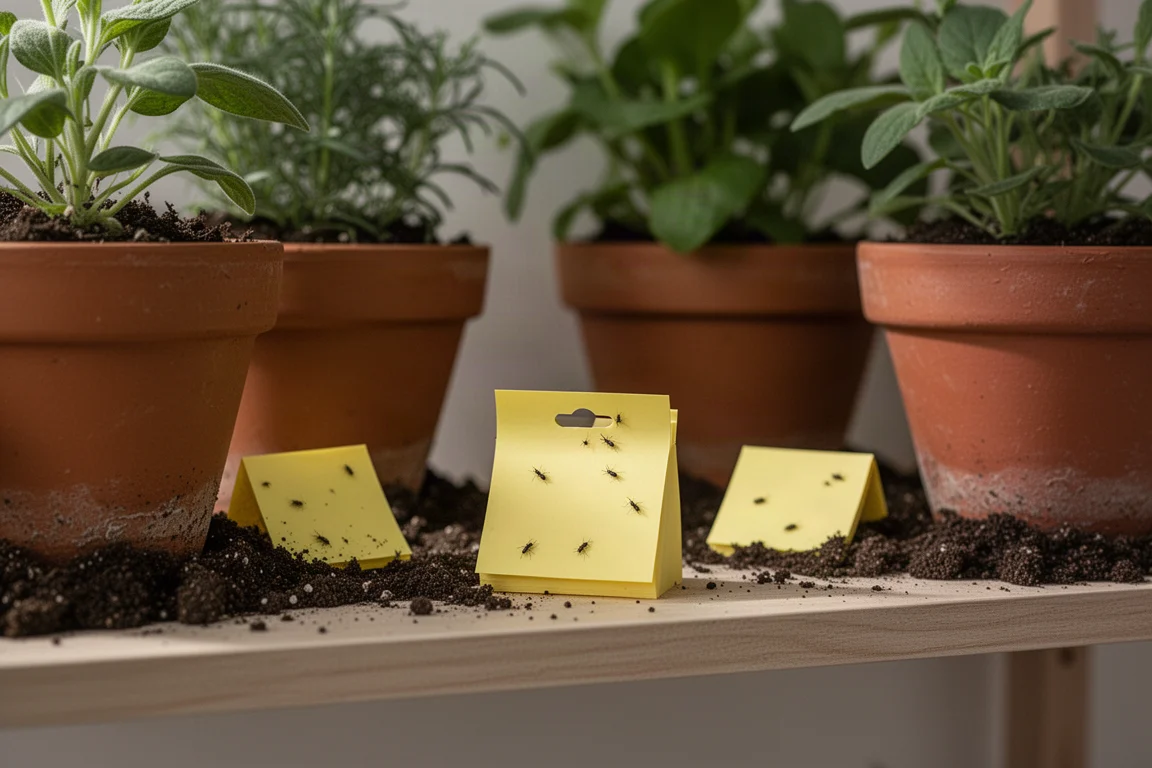
One practical note from longer-term experience: Ocean Forest has a reputation for arriving heavily infested with fungus gnats, and bags from past seasons repeatedly showed this problem. Treating the soil with some form of pest management solution before or at planting is a sensible precaution, especially for indoor grows where gnat populations can escalate quickly.
Buying Advice
Fox Farm Ocean Forest still works as a rich, ready-to-use potting mix, particularly if you plan to supplement nitrogen early in the grow and take basic pest precautions up front. If you rely on the bag’s printed NPK as your feeding baseline, recalibrate your expectations: the phosphorus and potassium levels measured high, nitrogen measured low in its unused state, and the pH sits slightly below what a home slurry test indicates.
Conclusion
Lab testing paints a more nuanced picture of Fox Farm Ocean Forest than the bag alone suggests. The pH discrepancy is minor, calcium is fine, magnesium and sulfur are strong, and the real action item is supplementing nitrogen while the soil’s biology gets up to speed. With a pest treatment and the right feeding plan, it remains a workable base for a wide range of container grows.
Product link
View more details for Fox Farm Ocean Forest Potting Soil
This product is mentioned in the review. Check the specifications, options, and compatibility before buying.
View more details for Fox Farm Ocean Forest Potting SoilFurther reading
Related Reviews
Growing Media
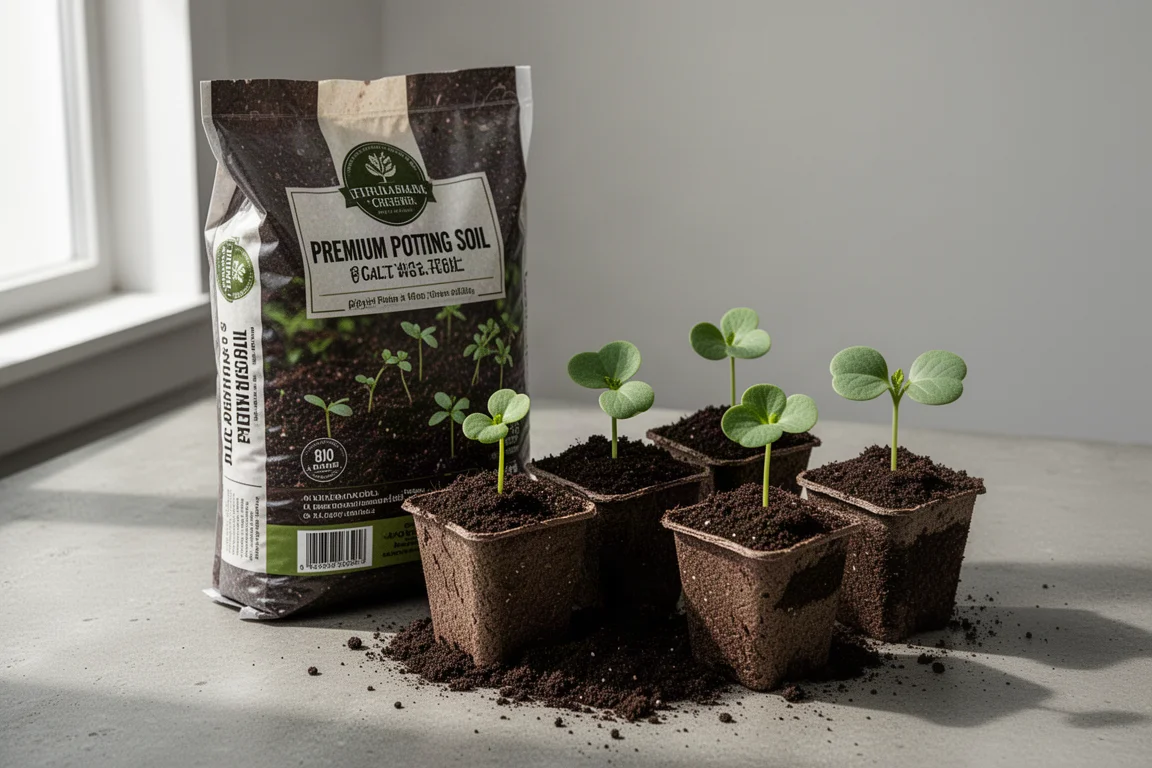
Does FoxFarm Ocean Forest Burn Seedlings? A Two-Bag Test With Five Seeds
A hands-on seedling test across two bags of FoxFarm Ocean Forest soil, checking for tip burn on days 5, 8, and 12 after sprouting.
Growing Media
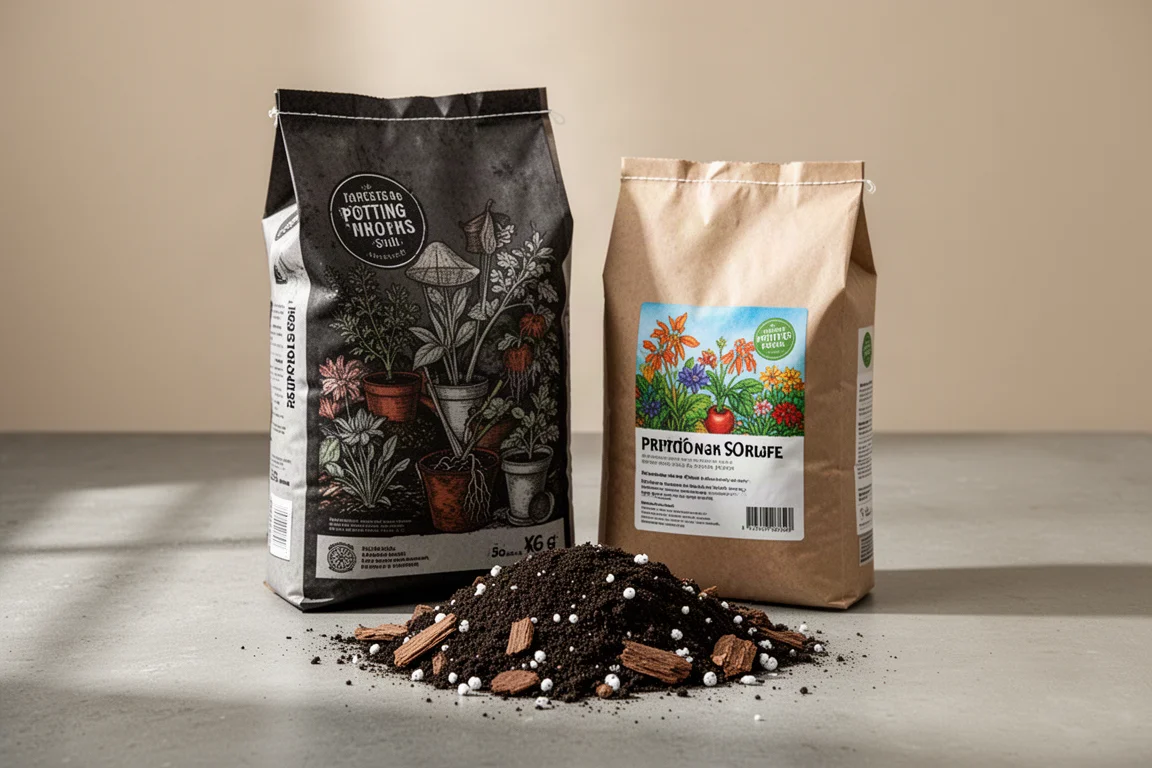
FoxFarm Ocean Forest vs Dr. Q's Vegetable and Herb Planting Mix: Which Grows Better?
A side-by-side seedling test comparing FoxFarm Ocean Forest soil against a local vegetable and herb planting mix, with real results after two weeks of growth.
Gardening
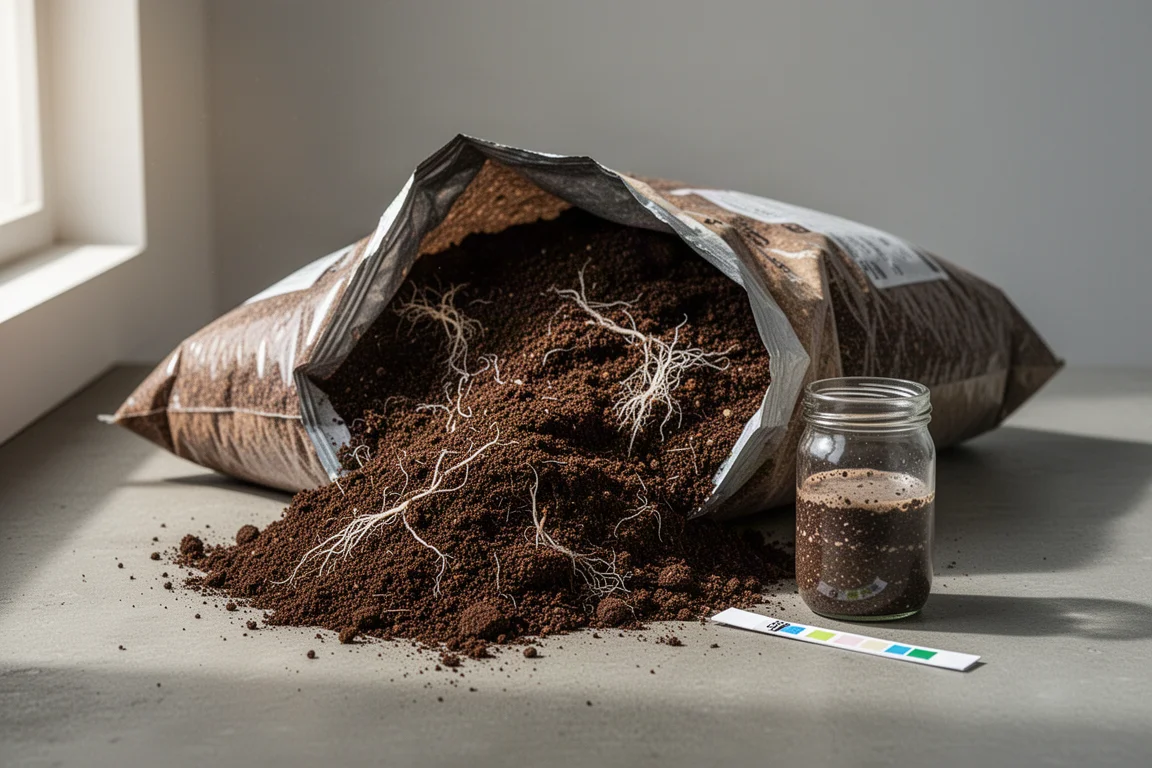
FoxFarm Happy Frog Soil Review: A Biodiverse Base With One Big Caveat
A close look at FoxFarm Happy Frog potting soil, including its mycorrhizae, lab-tested pH concerns, and how to prepare it properly before planting.