Growing Media
FoxFarm Ocean Forest vs Dr. Q's Vegetable and Herb Planting Mix: Which Grows Better?
A side-by-side seedling test comparing FoxFarm Ocean Forest soil against a local vegetable and herb planting mix, with real results after two weeks of growth.
Introduction
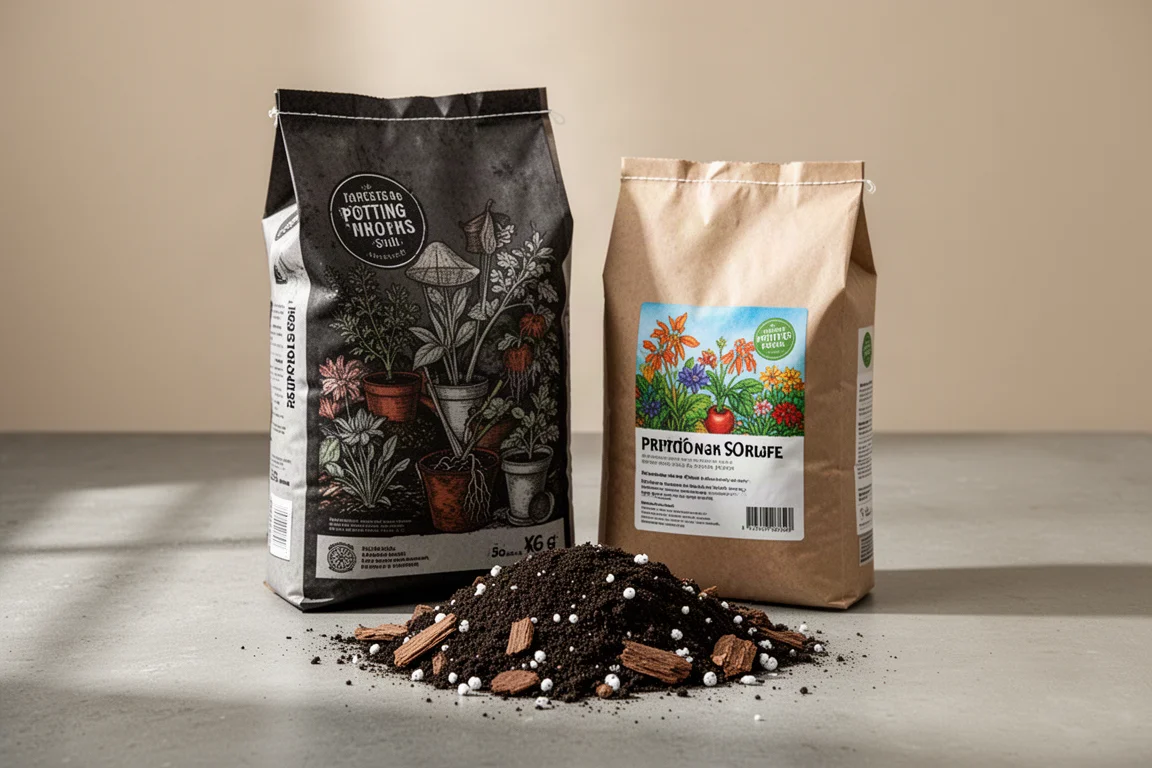
Bagged soil seems like a simple purchase until you’re standing in a nursery with two options and a real price gap between them. That was the situation with a recent side-by-side test: FoxFarm Ocean Forest soil, a long-trusted favorite, against Dr. Q’s Vegetable and Herb Planting Mix, a regional blend that costs noticeably less and comes in a bigger bag.
The question was straightforward: would the cheaper mix keep up, or would the premium soil justify its price with visibly better growth? The test ran seedlings in both mixes under identical conditions for over two weeks, and the results turned out to be lopsided.
Two Bags, Two Very Different Price Tags
FoxFarm Ocean Forest is a 1.5 cubic foot bag priced at $24.99 at the time of purchase, with occasional deals around $20. Dr. Q’s Vegetable and Herb Planting Mix came in at $14.99 for a 2 cubic foot bag, meaning roughly $10 less money for half a cubic foot more soil. On paper, the value clearly favors the local mix.
The ingredient lists also tell two very different stories. FoxFarm Ocean Forest lists fish emulsion, crab meal, shrimp meal, earthworm castings, bat guano, kelp meal, and oyster shell, with a listed NPK of 0.3-0.45-0.05 and about 1% calcium. Worth knowing: fertilizer and soil labels do not have to list ingredients in order of quantity, so that sequence does not reveal which amendment dominates the bag.
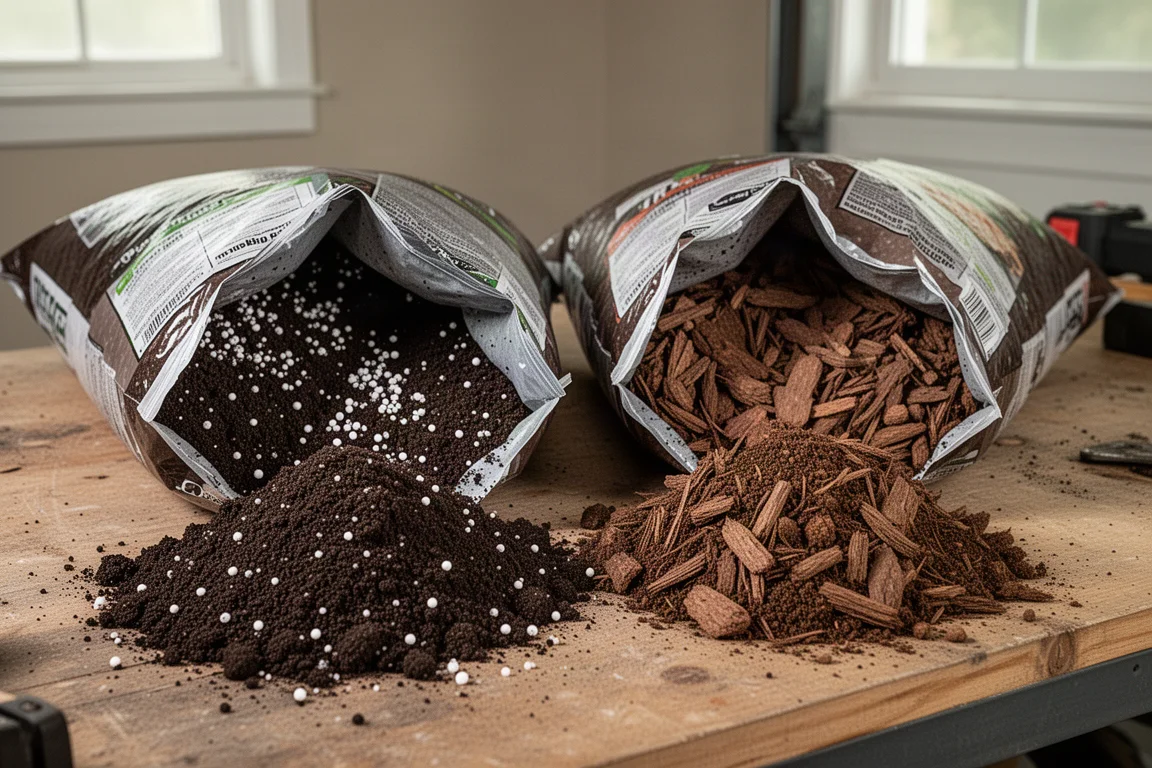
Dr. Q’s mix is a blend of composted softwood bark, Canadian sphagnum peat moss, compost, and coir. The compost is the main source of nutrition, but the packaging does not explain how the compost was produced, and no NPK ratio is printed. That makes it a bit of a gamble nutritionally, even if the value per cubic foot is appealing.
Texture and Water Behavior in the Pots
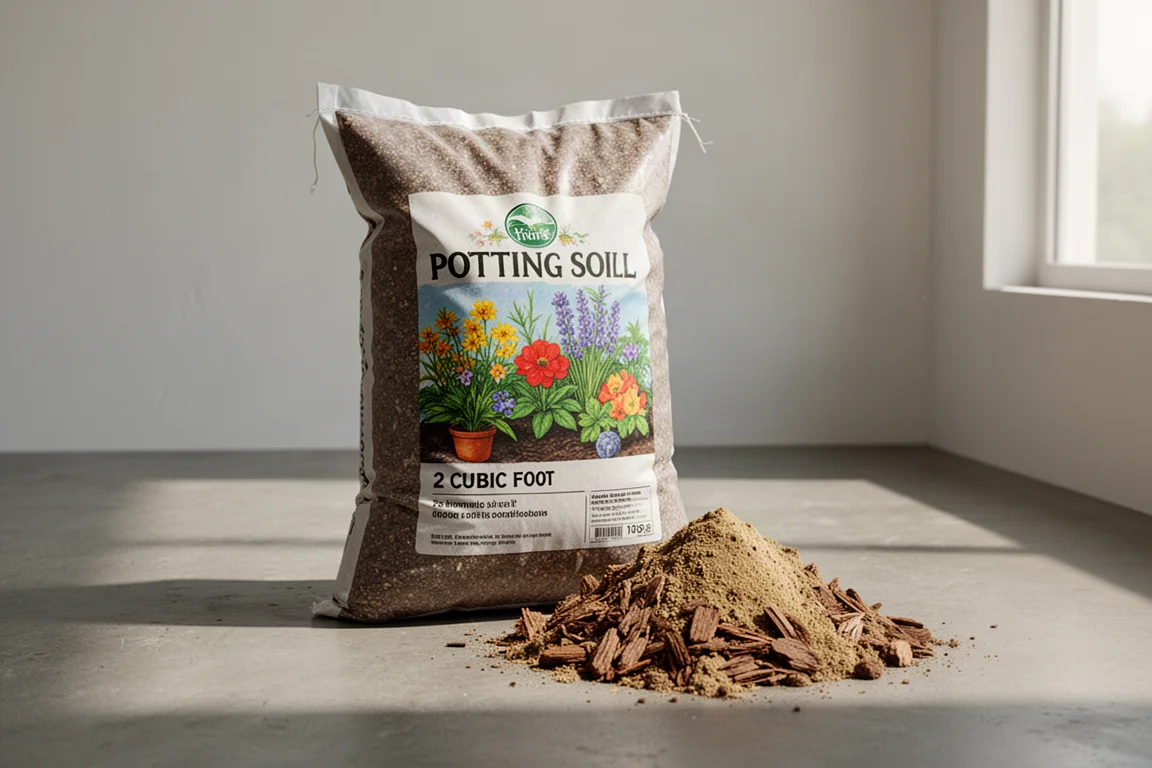
Filled into identical one-gallon pots, the two mixes looked noticeably different right away. The FoxFarm Ocean Forest showed plenty of white perlite, while the Dr. Q’s mix was full of visible bark chunks from the softwood bark input. The bark pieces were left in place rather than strained out, since they were not expected to bother seedlings.
Both mixes held a pleasant field capacity moisture level: not dripping wet, but clumped together the way a properly moist medium should. The FoxFarm felt light and loose. The Dr. Q’s felt even lighter, but with a real concern attached: it seemed like it would compact more easily. That matters because roots need oxygen too, and a dense medium can mean stunted growth.
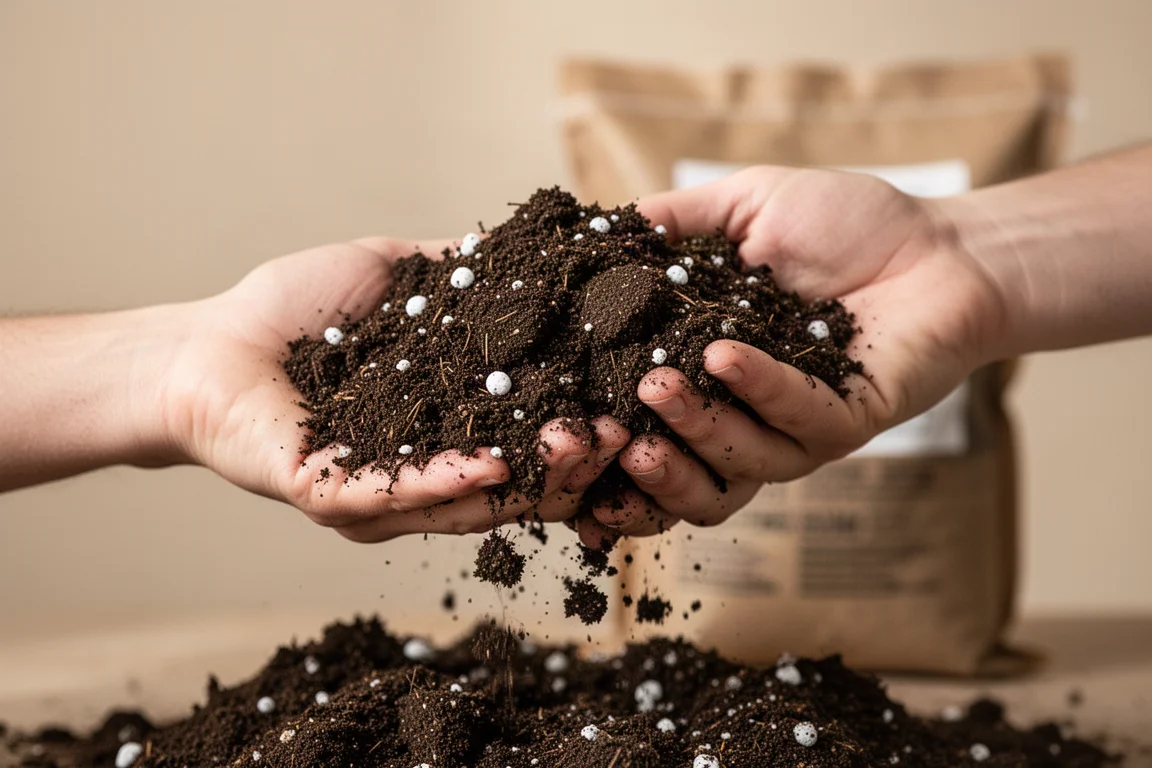
The first watering would reveal whether that compacting concern was real. Until then, both mixes looked reasonably healthy and workable, and seeds went in: Gelato 41 Backcross, Magic Candy Mountain OG, and Chilodo G F3, one of each strain per soil, all labeled and given a light squirt of water at the seed site. The tent was held at 80 degrees Fahrenheit and 78% humidity, appropriate conditions for young seedlings.
Early Seedling Results
By day four from sprout, everything had popped, and the initial impression was that FoxFarm Ocean Forest seemed to hold moisture at the top of the pot better. The Dr. Q’s pots looked drier on the surface and slightly dry just beneath it, although lifting the pots confirmed there was still moisture lower down, so no watering was needed, just a light spray of the top layer on the drier side.
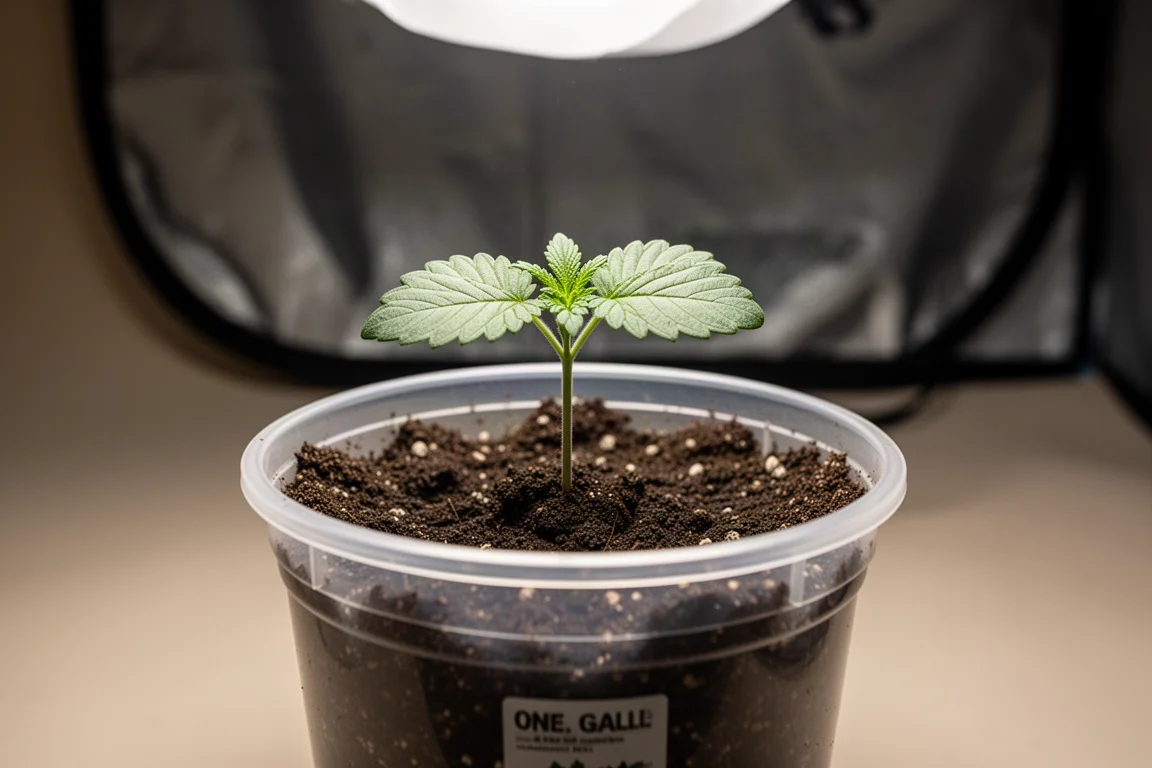
The picture changed dramatically by day nine. The FoxFarm plants were producing strong, typical growth, exactly what long-time users of this soil would expect. The Dr. Q’s plants were struggling. One showed yellowing at the top, a possible sign of insufficient nutrition, and the group simply was not keeping pace.
The obvious counterargument is underwatering, since the Dr. Q’s surface looked dry. But pot weight confirmed moisture was still present at the bottom, roughly matching the FoxFarm pots. Something else was holding these plants back, either the nutrition in the mix or the medium’s density limiting aeration in the root zone.
Final Verdict of the Test
Day 13 removed any remaining doubt. The FoxFarm Ocean Forest plants looked healthy and right on schedule for their age. The Dr. Q’s plants showed a stark difference: small, pale, and apparently going nowhere, with one lagging several days behind the rest. The test was originally planned to run a full 21 days, roughly the usual transplant point, but it was called early because the outcome was already clear.
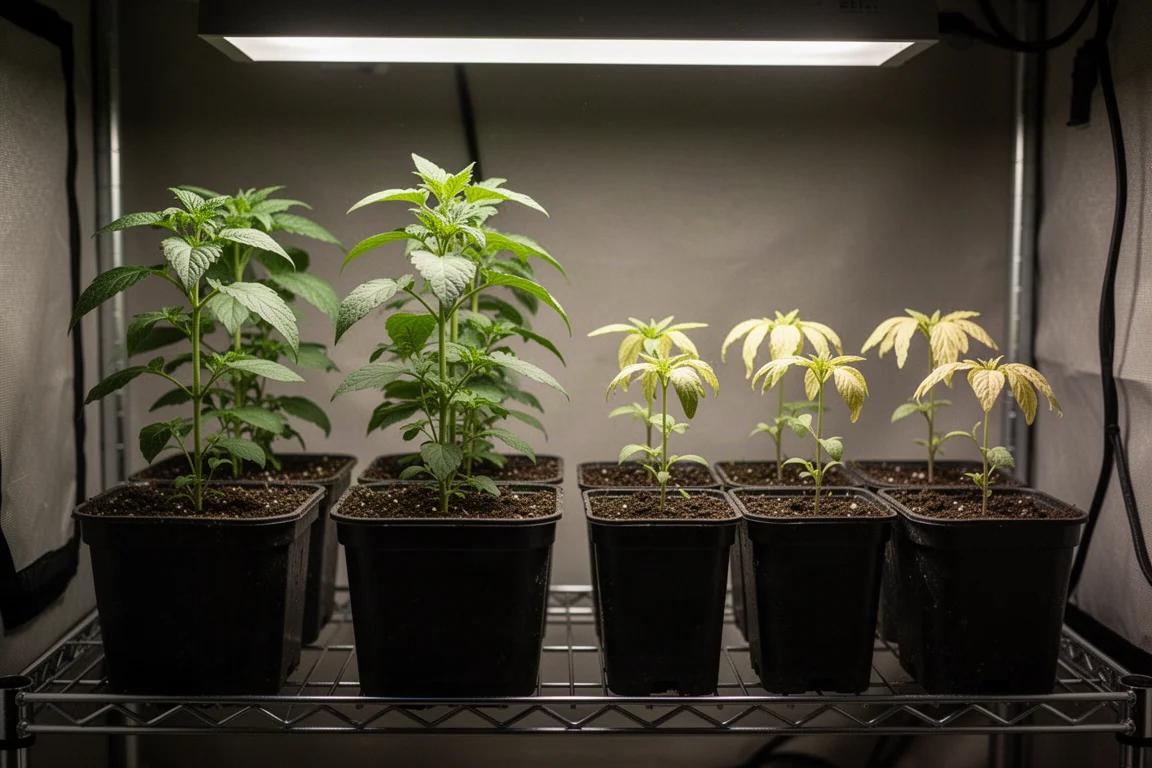
FoxFarm Ocean Forest soil won decisively. The Dr. Q’s Vegetable and Herb Planting Mix did not deliver the growth needed, and it was ruled out for future use in this context. The takeaway is a familiar one in gardening: value per cubic foot means little if the plants do not grow. The premium soil cost more per bag, but it produced the kind of growth that actually gets plants to harvest.
Conclusion
If the choice is between these two specific mixes for growing young plants, FoxFarm Ocean Forest is the safer pick, backed by years of consistent results and confirmed again in this head-to-head test. Dr. Q’s mix is cheaper and comes in a larger bag, but the seedlings in this comparison never recovered from their slow start. A $10 saving is not worth a stalled grow, and the extra perlite-rich, nutrient-listed FoxFarm blend earned its reputation once again.
Further reading
Related Reviews
Growing Media
Fox Farm Ocean Forest Potting Soil: Lab Test Results and What They Mean
Independent lab testing reveals how Fox Farm Ocean Forest really stacks up on pH, NPK, calcium, magnesium, and sulfur, plus practical fixes for the nutrient gaps.
Growing Media
Does FoxFarm Ocean Forest Burn Seedlings? A Two-Bag Test With Five Seeds
A hands-on seedling test across two bags of FoxFarm Ocean Forest soil, checking for tip burn on days 5, 8, and 12 after sprouting.
Coffee Equipment
BEEM vs Melitta EPOS: Two Automated Pour-Over Coffee Makers Compared
A detailed comparison of two automated pour-over brewers: the budget-friendly BEEM and the feature-rich Melitta EPOS with integrated grinder. Which one delivers better coffee?