Gardening
FoxFarm Happy Frog Soil Review: A Biodiverse Base With One Big Caveat
A close look at FoxFarm Happy Frog potting soil, including its mycorrhizae, lab-tested pH concerns, and how to prepare it properly before planting.
Introduction
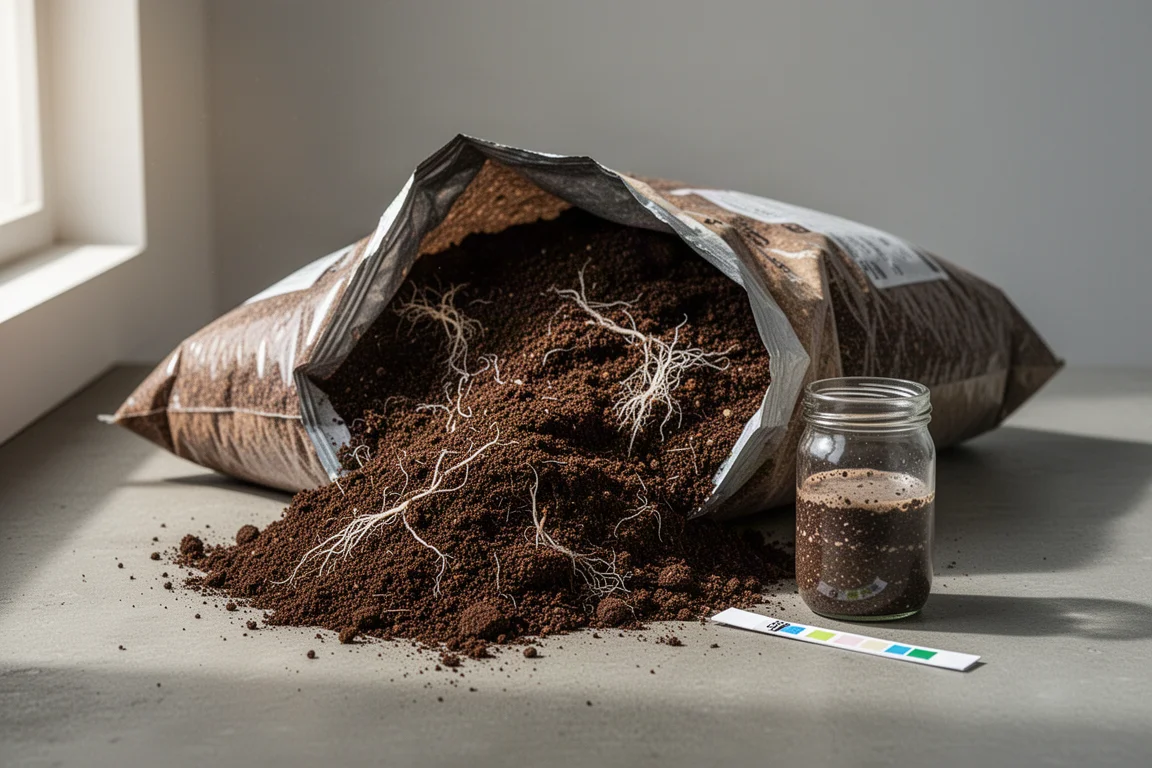
Among the soil options we have tested, FoxFarm Happy Frog stands out as the most well-rounded of seven soils compared in recent testing. That praise comes with an important condition: this soil rewards preparation. Out of the bag it has quirks, most notably a low and variable pH, and growers who skip the prep step will not see its best side.
This review covers what makes Happy Frog different, what a lab test revealed about it, and the adjustments worth making before your plants ever touch it.
A Living Soil Built Around Mycorrhizae
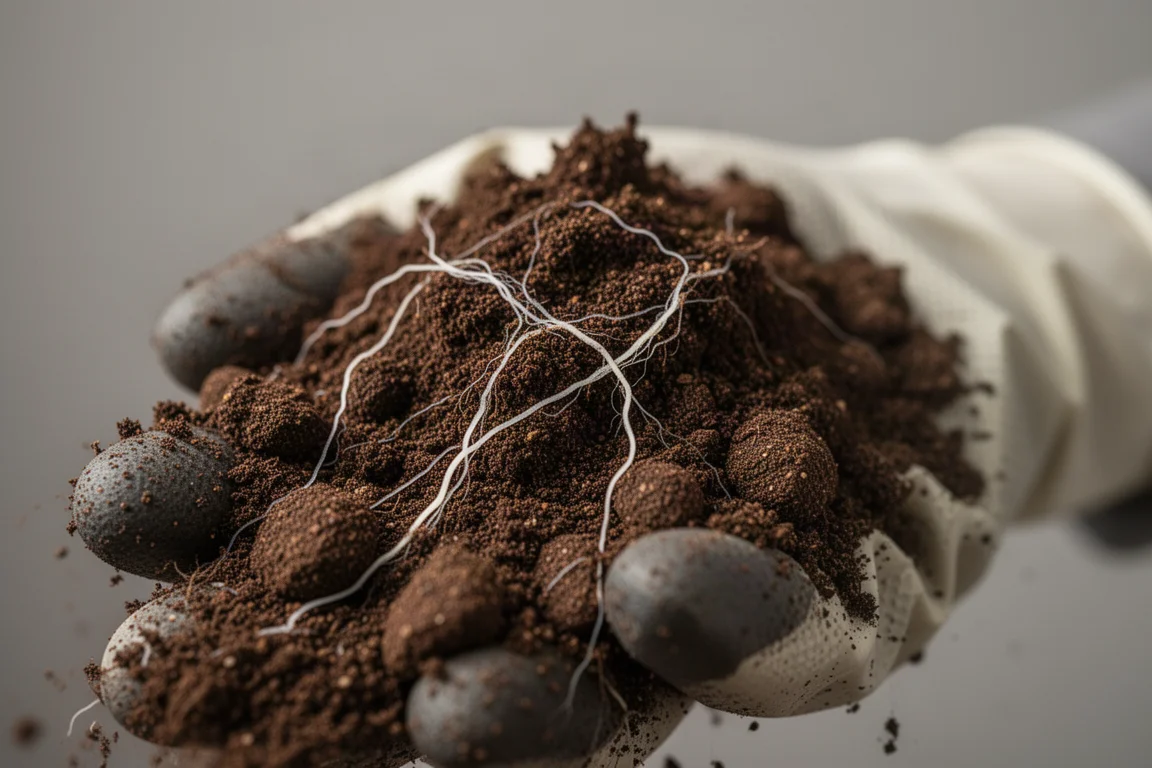
The core reason Happy Frog earns a spot in every soil grow plan here is biodiversity. The soil contains visible mycorrhizae, fine fungal structures that are often mistaken for mold. They smell faintly like mushrooms, and that is a feature rather than a flaw.
These fungi form a symbiotic relationship with plant roots. In exchange for housing, the mycorrhizae break down nutrients into a consumable form for the plant. The easiest analogy is human food: some raw ingredients cannot be eaten until they are cooked, and the mycorrhizae essentially do the cooking so the plants can eat.
The pH Problem Worth Knowing About
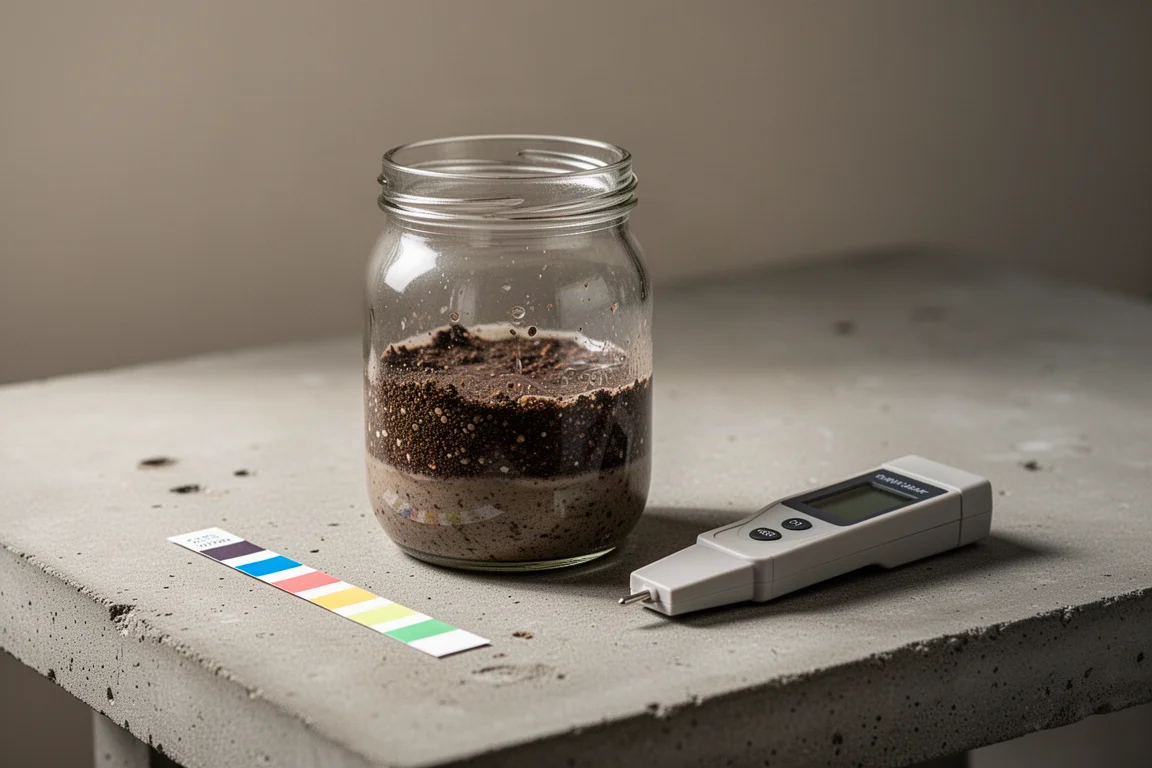
A lab test of Happy Frog returned a pH of 5.2, which is extremely low, and one of the known issues with this soil is wide variance in pH from bag to bag. This is not a guess; it comes directly from lab testing.
An at-home slurry test on the same soil came back at 4.9, close to the lab result, which shows that slurry testing actually works as a check. Anyone growing in soil should run a slurry test on their specific bag before planting.
The comfortable target range is 5.8 to 6.5, with the lower end suited to younger plants and 6.5 more appropriate later in bloom. Getting there involves adding pH up as part of pot preparation.
Reading the NPK Correctly
The bag’s NPK reads low, high, and optimal, but the nitrogen figure is misleading in unamended form. Because the nitrogen has not yet been broken down by the mycorrhizae, it does not show as measurable in a standard lab analysis. The nutrient is there; it just needs activation.
The practical takeaway is to pre-moisten the soil roughly five days in advance of use so the biology can begin converting that organic matter into a consumable, measurable form.
Balancing the Nitrogen Gap
If you need an immediate nitrogen fix, Grow Big with an NPK of 6-4-4 works, but it also bumps up elements that are already high or optimal in this soil. The alternative is FloraMicro at 5-0-1, which targets nitrogen alone. Both products also carry trace elements this soil runs low on, specifically zinc and boron.
For growers who prefer to stay organic, worm castings are the route. The same breakdown rule applies: add them about a week before nitrogen levels would be depleted, giving the mycorrhizae time to make the nutrients available.
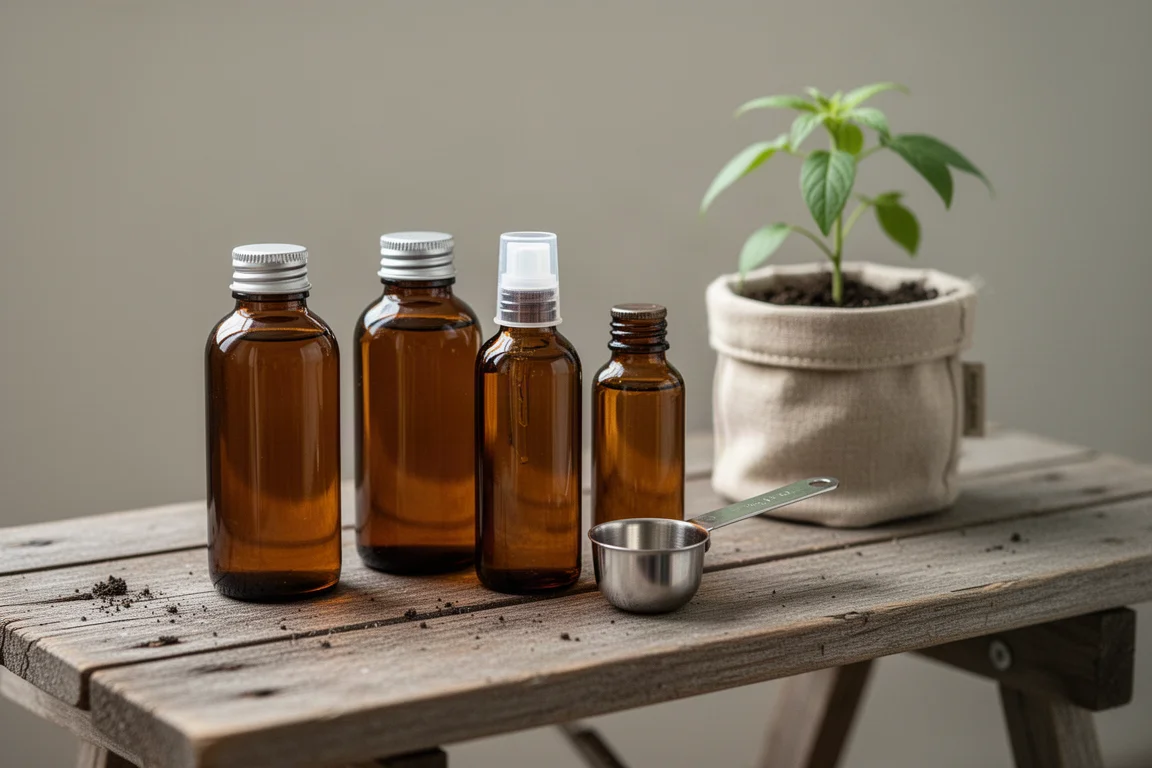
For trace elements, a dry amendment called CytoPlus covers every trace element in appropriate amounts. It does raise pH, which conveniently helps in this soil’s case. The main caution is overuse: a half teaspoon per 5-gallon fabric pot of soil is all that is needed.
Preparing the Soil the Right Way
Pulling it together, the prep routine is straightforward. Run a slurry test on your bag, pre-moisten the soil about five days before use, adjust pH up toward the 5.8 to 6.5 range, and plan nitrogen top-ups around the biological breakdown timeline rather than expecting everything to be available on day one.
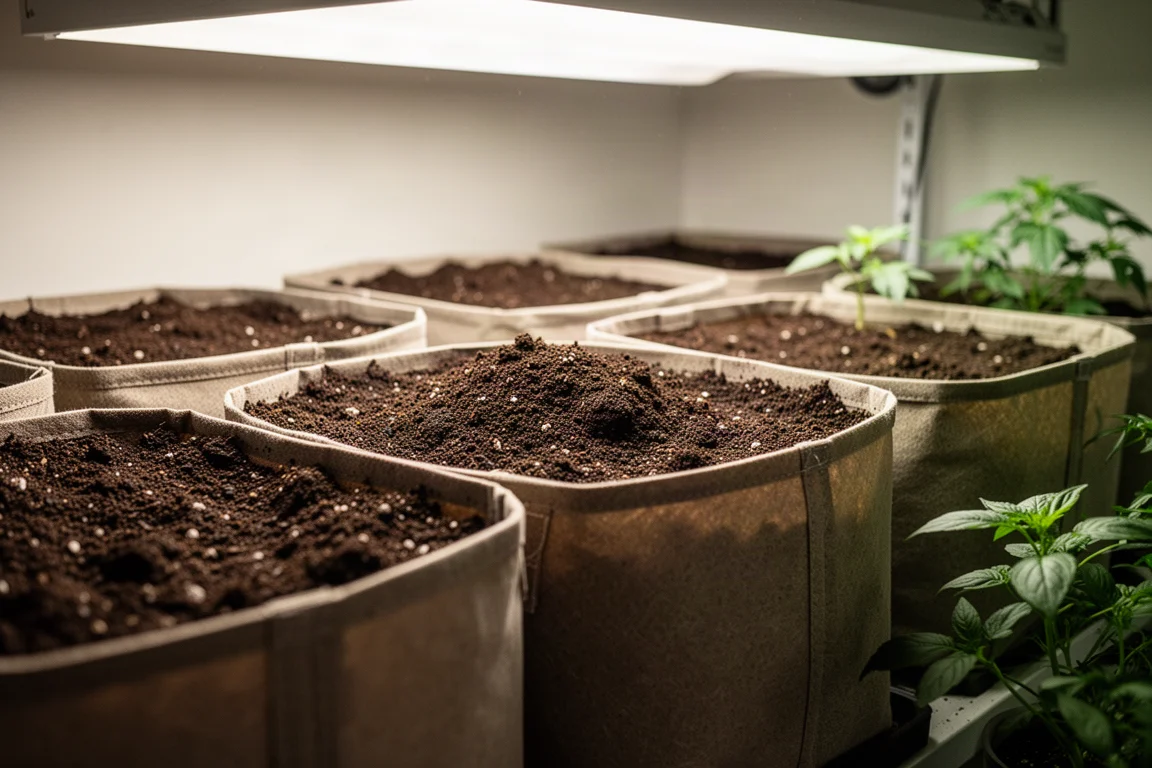
Growers who follow those steps will get the strongest results from this soil. Those who plant directly into a fresh, dry bag may fight pH and early nitrogen issues that preparation would have prevented.
Buying Advice
Happy Frog suits growers who want a biodiverse, living soil and are willing to invest a few days in preparation. If you want a zero-effort, plant-straight-into-the-bag experience, the pH variance and slow nitrogen availability will work against you. If you test, pre-moisten, and adjust, it is the most well-rounded soil of the seven tested.
Conclusion
FoxFarm Happy Frog earns its reputation through mycorrhizal content and overall balance, but the lab-confirmed low pH means success depends on preparation. For growers willing to do a slurry test, pre-moisten five days ahead, and dial in pH, it delivers some of the best soil-based results available.
Product link
View more details for FoxFarm Happy Frog Soil
This product is mentioned in the review. Check the specifications, options, and compatibility before buying.
View more details for FoxFarm Happy Frog SoilFurther reading
Related Reviews
Gardening
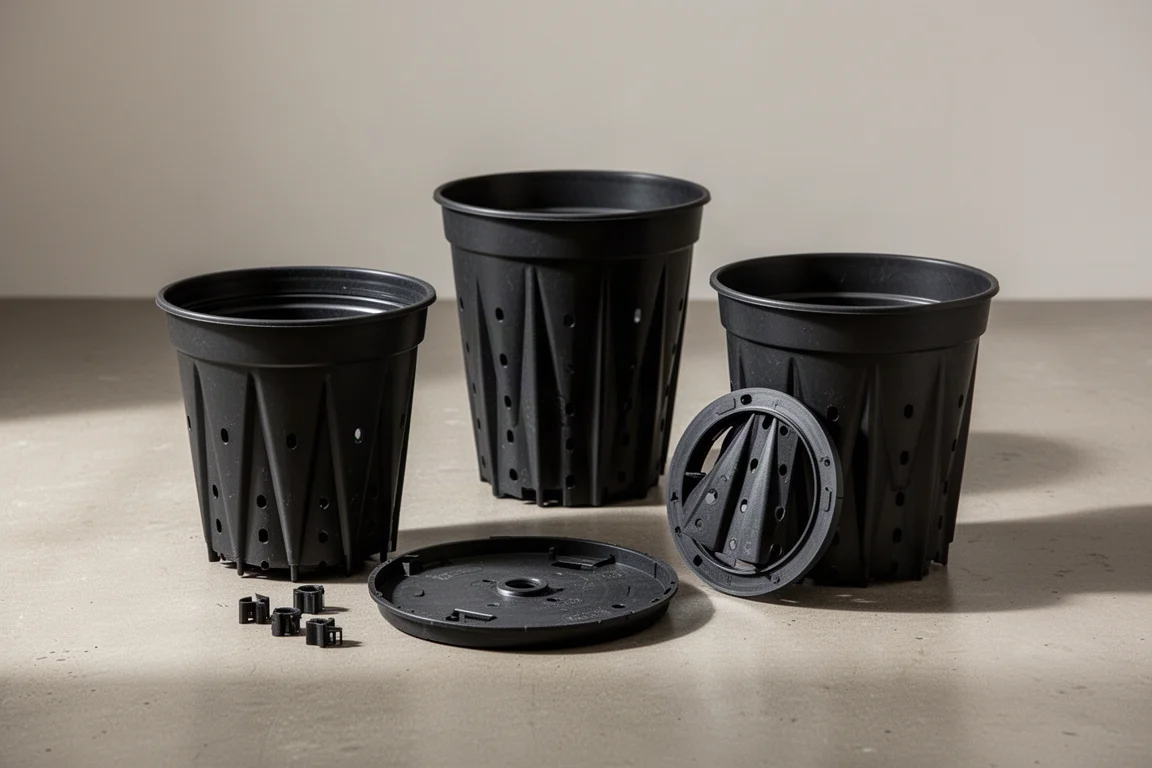
Best Air Pruning Pots: Three Brands Compared for Healthier Roots
Air-Pot by Superoots, Air Pot Pro, and Ultra Oxy air pruning pots compared, with assembly, potting mix, and watering tips for stronger root systems.
Gardening
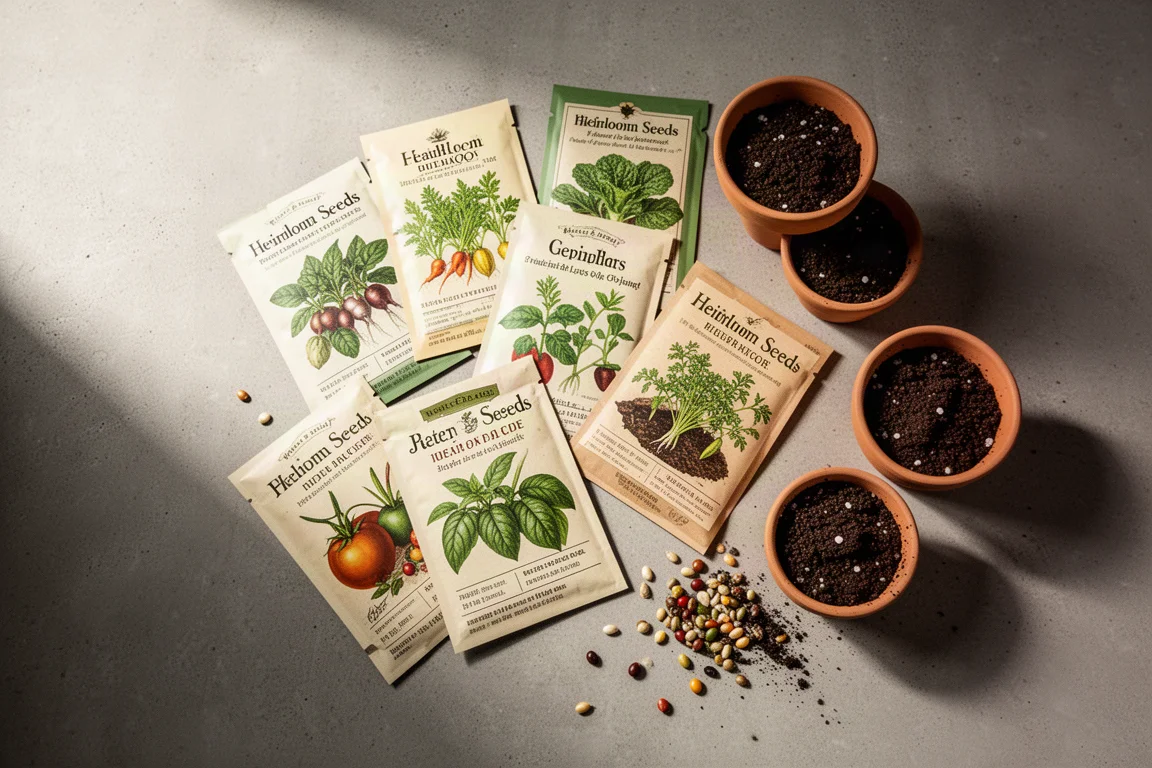
Best Baker Creek Seeds to Grow: 11 Varieties Worth Your Garden Space
From dwarf moringa and pink dandelion to the Sartre Louise tomato and a hydroponic loofah experiment, these Baker Creek seed picks cover flavor, medicine, pollinators, and pure fun.
Gardening
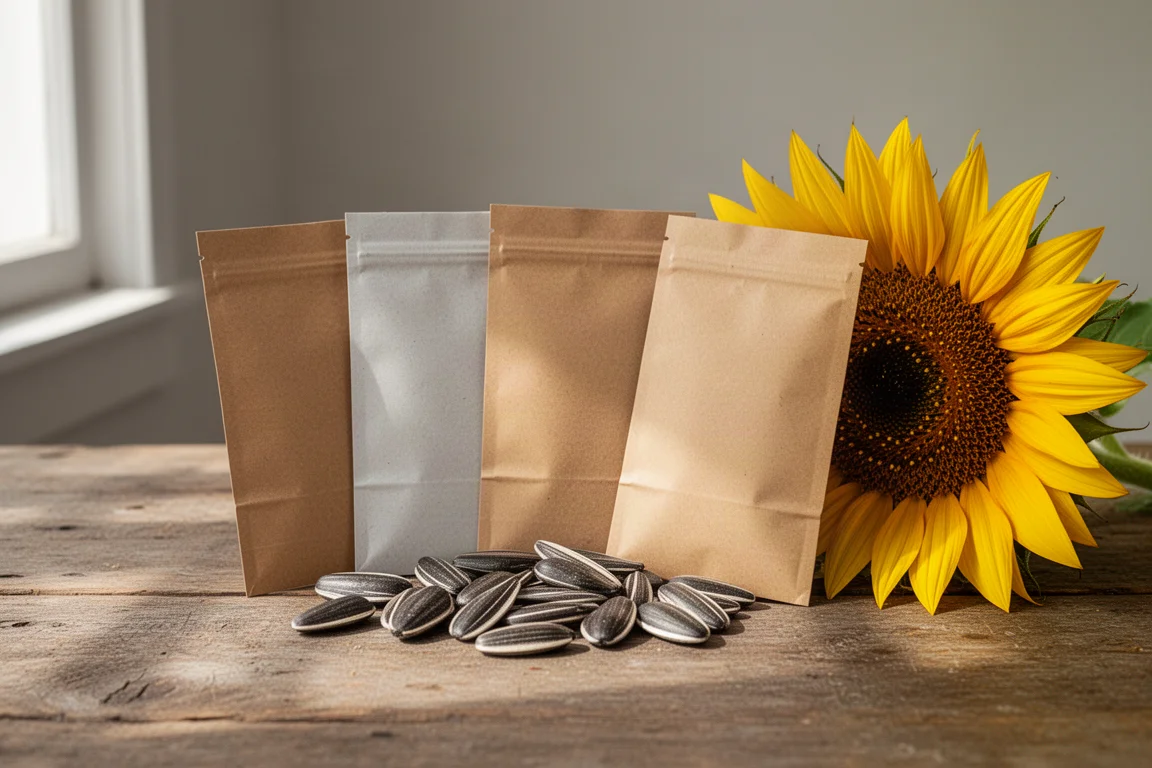
Best Giant Sunflower Seeds: Five Varieties Grown and Compared
We grew five giant sunflower varieties side by side in a small urban garden to see which ones deliver real height, big blooms, and reliable germination.