Mountain Bikes
Four XC Race Bikes Compared: Cannondale Scalpel, Mondraker F-Podium, Specialized Epic 8 and Yeti ASR
A back-to-back comparison of four modern cross-country race bikes, covering geometry, suspension design, build highlights and where each one makes the most sense.
Introduction
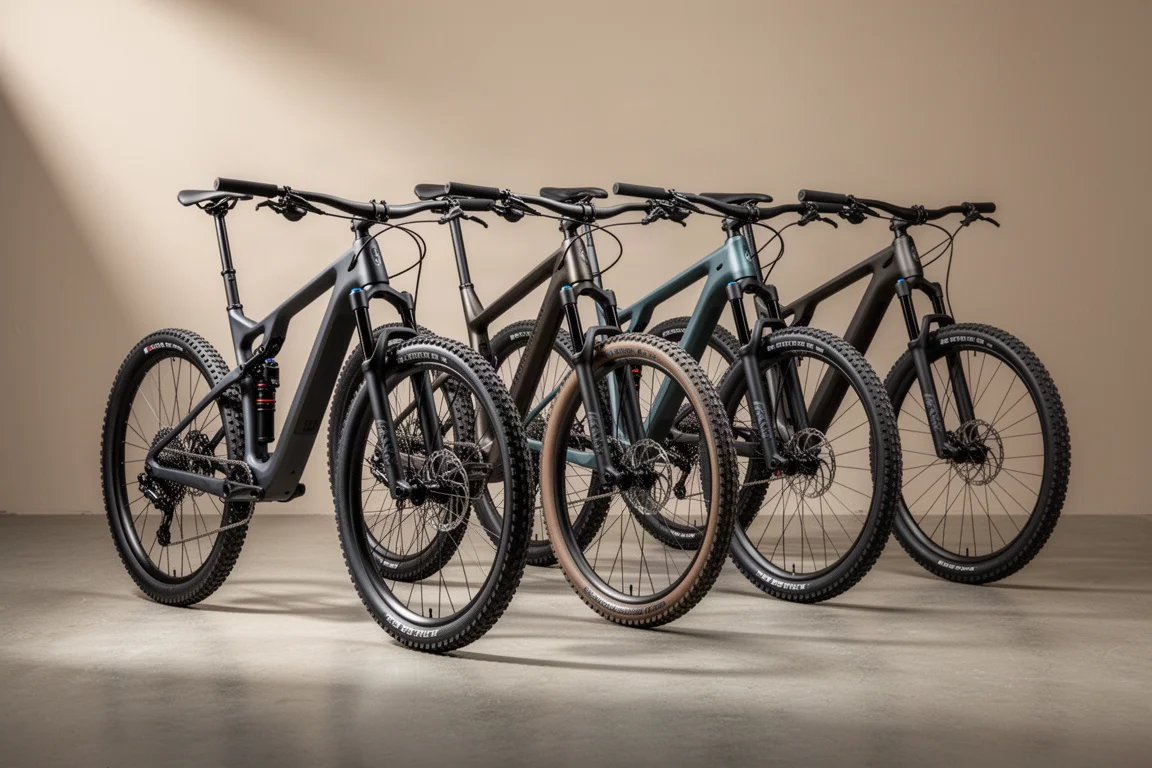
Cross-country racing has changed shape over the last few seasons. Travel has grown, geometry has slackened, and the bikes that win national-level races now look far closer to short-travel trail machines than the steep, twitchy racers of a decade ago. The four bikes gathered here are all updated models, and each one takes a slightly different route to the same goal: covering ground quickly on race day.
There is a practical thread running through the selection as well. Every one of these platforms offers halo builds that run into five figures, but the versions compared here are second and third tier models. They are still serious race bikes, and they are the ones most privateer racers and rank-and-file competitors are likely to line up on.
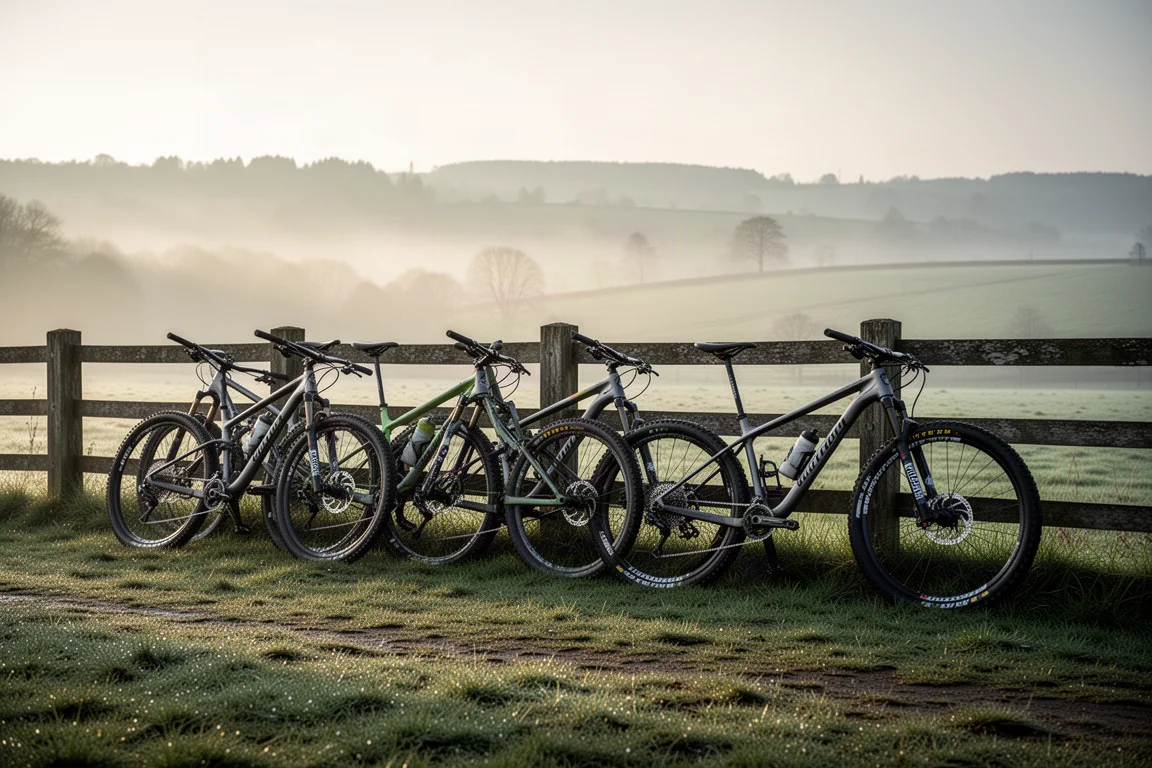
What follows is a breakdown of how each bike is put together, what its suspension is doing, and where it feels strongest out on course. Rear travel across the group sits between 110mm and 120mm, with 120mm up front on three of the four, so the differences come down to frame design, damping philosophy and geometry rather than headline numbers.
How These Four XC Race Bikes Were Tested
All four bikes were ridden back to back to back to back, across long loops in the countryside, fast laps in the woods on tracks used as part of a national cross-country race series, and red and black graded descents to reflect how technical modern XC courses have become. Punctures were part of the process, which is worth noting for anyone weighing up tire choice.
The evaluation focused on four things: how efficiently each frame turns pedalling input into forward motion, how much grip the suspension finds on climbs, how composed each bike stays when the trail turns steep and rough, and how much set-up work the suspension needs before it feels right. Price is not the deciding factor here, because every bike in this group can be specified well beyond the cost of the models compared.
Cannondale Scalpel
The Scalpel runs 120mm of travel at both ends. At the rear, the chainstays have a noticeably flattened section that mimics the location and function of a pivot in the rear triangle, and up front there is the distinctive Lefty Ocho carbon fork. Its single-leg design is the obvious talking point, but the more interesting detail is internal: the stanchion rolls through needle and roller bearings rather than a conventional bushing arrangement, which gives it a uniquely smooth feel. Geometry is thoroughly modern, with a 66.6 degree head angle, a 77.5 degree seat angle and a reach of 475mm in a large. The king seat tube allows for long droppers, and the 1.5 inch headset top bearing is said to be large enough for brake levers to pass through, which should reduce future maintenance, though the handlebar hole itself will not accept them.
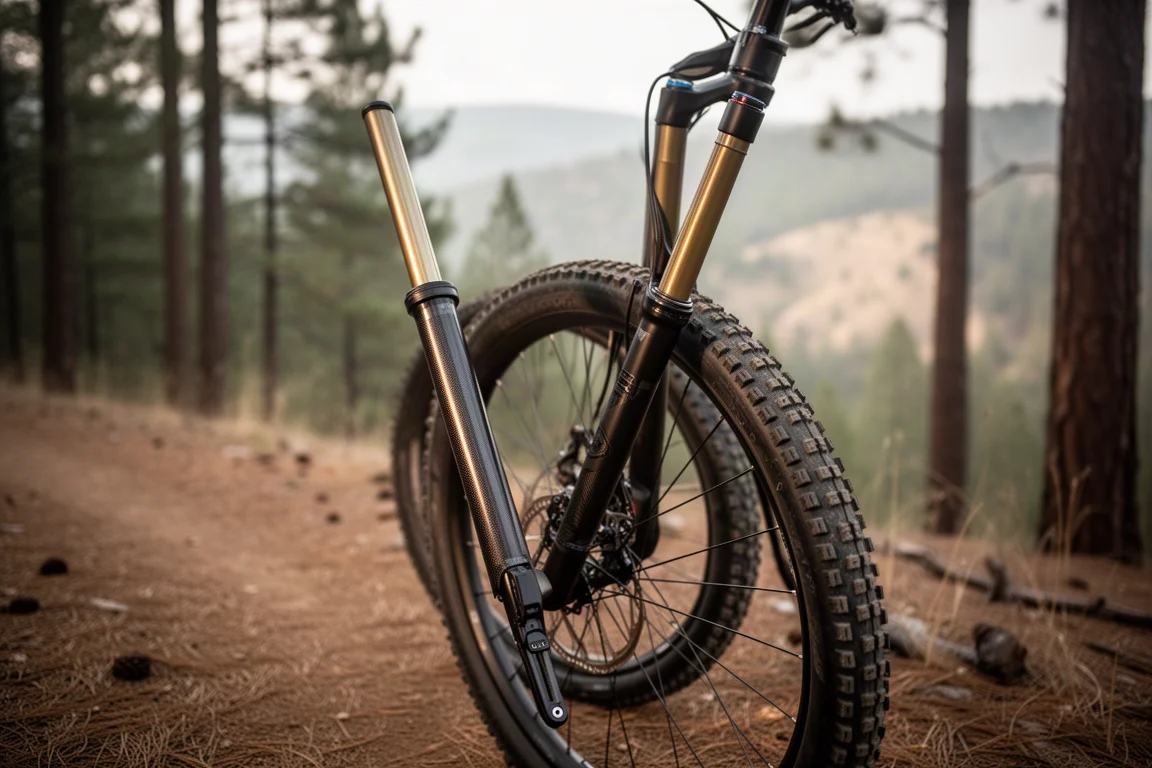
Two practical notes are worth flagging. A quick-release reliever on the brake caliper mount is there to make wheel removal easier, although the caliper can flap around during the process. And the exact Lefty build tested will not be widely available; a similar build kit with Fox suspension is the more likely one to find, and it offers only two suspension modes, open and locked. Fortunately the open mode climbs without too much pedal bob, so the lock mode can be saved for smoother climbs and sprints.
Out on course, the Aspen rear tire rolls ridiculously fast, and stiffness from the chassis and wheels makes the Scalpel quick in a sprint. Because the suspension spends most of its time open and the longer rear stays keep things balanced, there is more grip on offer than the skinny treads suggest. On the way back down, the long front end and slack head angle provide plenty of high-speed confidence, and the Recon Race tire corners better than you might give it credit for. The Lefty is genuinely good: supple and smooth, with damper and air spring handling hits both big and small. Its internal structure lets it work exceptionally well on flat landings, binding less than a comparable telescopic fork, and the stable early stroke means it zooms through flow trails while progressing smoothly enough that bottom outs do not punish your ankles.
Mondraker F-Podium RR
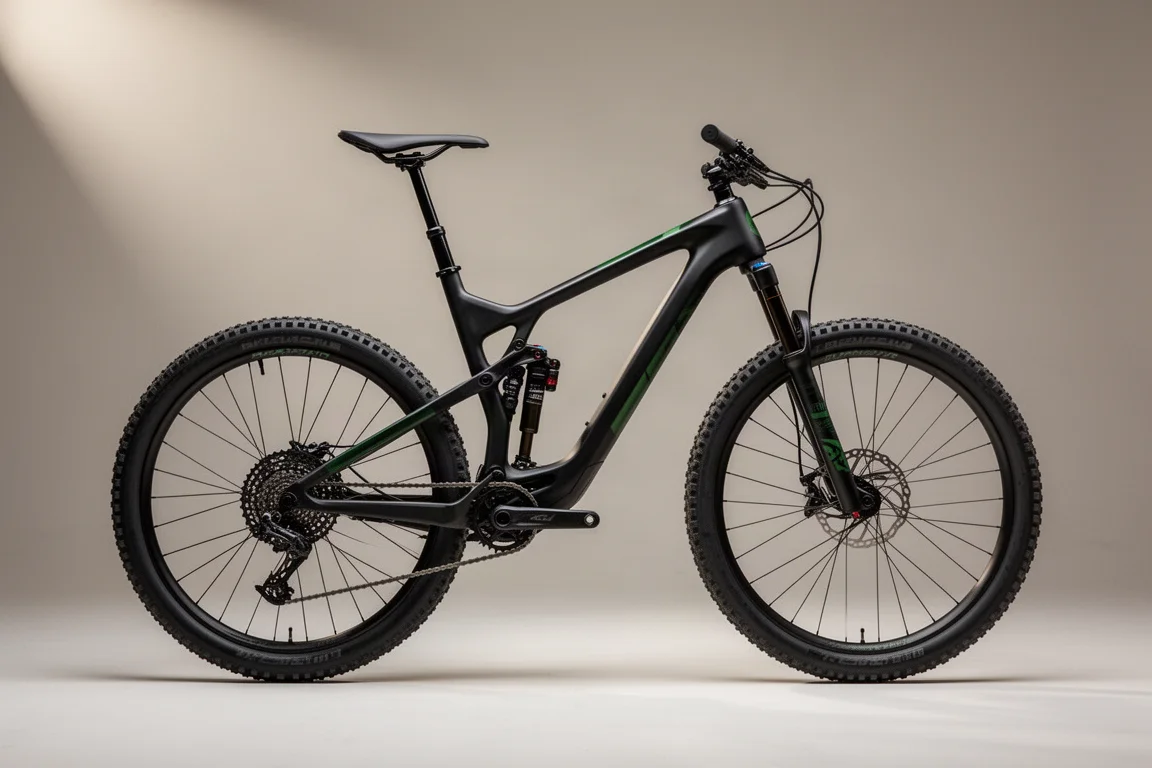
The F-Podium RR is the only bike in this group without a flex stay single pivot. Instead, Mondraker’s Zero suspension system is a twin-link design, with the front and rear triangles joined by a pair of short links. There is 110mm of travel at the rear and 120mm at the front. For this generation, Mondraker merged the purebred F-Podium with the down country F-Podium DC into a single do-it-all 110mm package. The bike is longer at the front end and paired with short stems, blending high-speed stability with agility through the brand’s forward geometry philosophy. In a large it has a moderately slack 66.5 degree head angle, a steeper 77.5 degree seat angle, a long 480mm reach and moderately short 435mm chain stays, the shortest here.
Specification includes a 120mm Fox 34 Step-Cast fork matched by a Fox Float shock, both Factory level units with a three-position on-bar lockout, along with a mechanical SRAM drivetrain and carbon Mavic wheels. Set-up has a couple of quirks. The lack of sag markings on non-RockShox shocks, plus the struts either side of the shock, makes measuring sag accurately tricky, and the Fox lockout lever requires an over-bar dropper lever that took some fine tuning to position well.
The Zero suspension system has a very active feel. Traction levels on climbs are high, but so is the chance of pedal bob, particularly at the 28 percent sag that worked best overall. As a result, the lockout lever gets used frequently to toggle the shock into its medium or firm positions on climbs, at which point the bike turns into a rocket ship. The chassis feels stout, so under power it reacts and accelerates at a moment’s notice, and on super smooth flow trails the medium mode can be used to pump through rollers even faster. The shape is well sorted too: the faster and more technical the tracks get, the better it feels, excelling in the steepest terrain and giving confidence when faced with bigger features. With the front wheel well in advance of the cranks and a supportive fork, it feels almost impossible to eject over the front. Further back, the shortest stays let the bike twist and turn on a dime, while the low bottom bracket helps it carve through corners. The well-damped fork and shock and the progressive nature of the suspension keep it composed and stable during big hits, but they soak up chatter less effectively than lighter-damped units, which leads to a choppier ride over rock gardens and rooted sections. As ever, there is a compromise between pedal efficiency, stability, traction and smoothness, and with the F-Podium you are most likely to be altering shock pressure on a course by course basis.
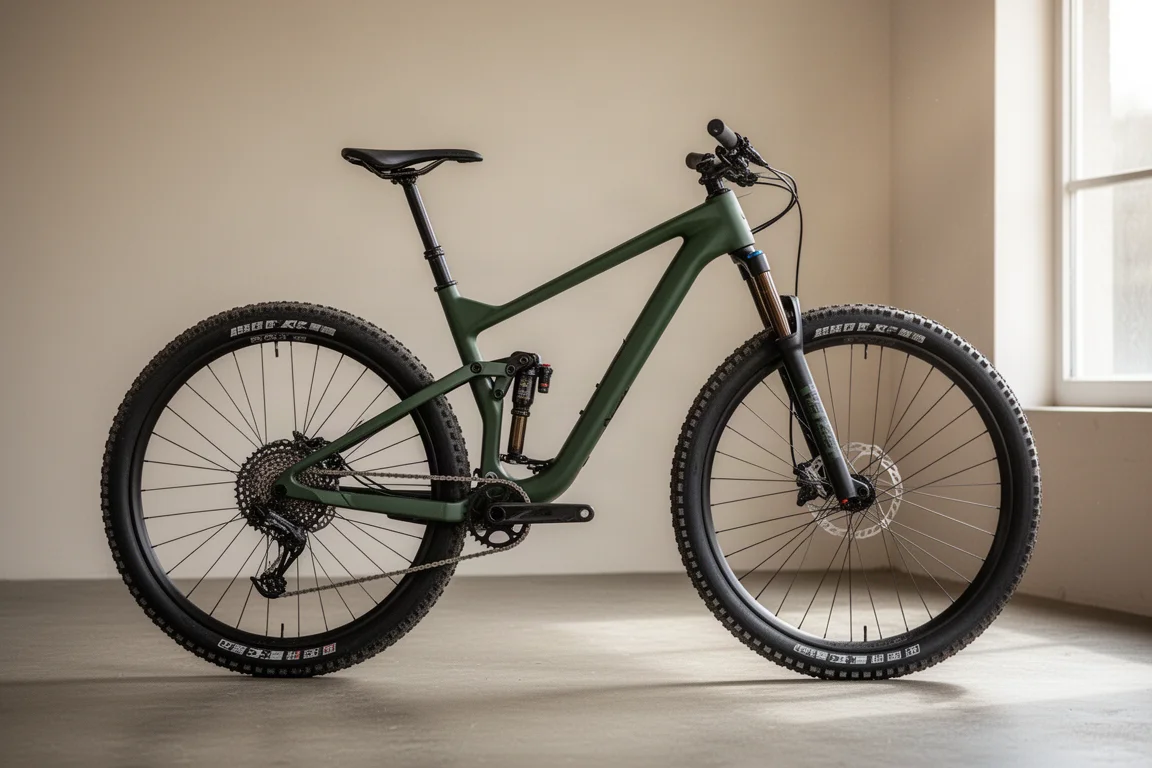
Specialized Epic 8
The Epic 8 pairs 120mm of travel with a SID build, and its most distinctive feature is not visible on a spec sheet. Magic Middle is a collaboration between Specialized and RockShox, using custom internals for the SID fork and SIDLuxe shock. It is a digressive low-speed compression damping tune, which in effect makes the early part of the travel relatively firm before the suspension feels more open deeper in. It achieves this through speed-sensitive valving: slow shaft speeds such as pedal bob are tuned out by the damping, but when a larger impact arrives, the resulting faster shaft speed allows more oil flow and opens the damping up. The goal is a system that resists pedal bob while still soaking up bumps from the ground up, and the engineers suggest riders should be able to spend around 80 percent of their time in that mode rather than constantly flicking between settings. It is a subtle difference from a usual suspension tune, but it makes a noticeable difference to how the bike performs.
Yes, the Epic descends slightly better in its open mode, and in lock mode the suspension is solid, but for the majority of the time you do not need to think about changing anything. Elsewhere the shape of the bike is spot on, lending maneuverability alongside a steadfast nature that begs to be let off the brakes and hauled down the trails. It feels super composed on the most technical trails, with a planted feeling that made it the most confidence-inspiring of the group on black-rated test tracks. Being critical, the stock Specialized rubber is too rounded for our taste, so the bike tips more when turns are initiated, which can feel a little unnerving, and there is not quite as good grip on off-camber tracks. The geometry is right, and the choice of spec leaves little to be desired, with some of our favourite XC wheels plus a great drivetrain and brakes, though some riders might want a longer dropper post.
Taken together, this is a sorted chassis with a high-spec package, and the Magic Middle suspension setting is the detail that steals the show.
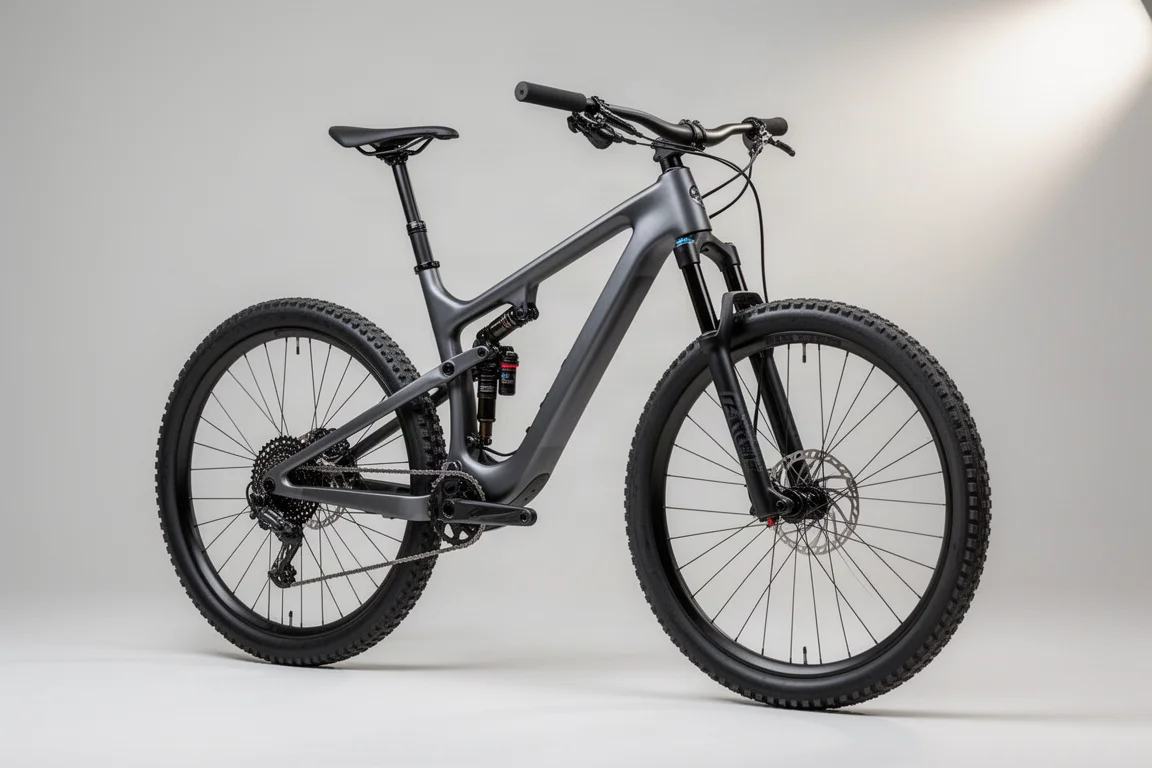
Yeti ASR
It has been ten years since the last ASR, and a lot has changed in that time, not least the jump to longer travel in XC race bikes. This version runs 115mm of travel in a second tier T3 build. The rear is controlled by a flex stay arrangement, with excess carbon removed from the layup, pivots located to reduce material requirements, and size-specific frame stiffness. Geometry is moderate rather than radical, with a 66.5 degree head angle across the five sizes, a 76.5 degree seat angle and a reach of 465mm in a large. The build comes with RockShox Ultimate suspension featuring a three-position TwistLoc on the bars, a SRAM transmission, alloy DT Swiss hoops and a fast Recon and Recon Race tire combination.
There is always a special feeling when you first jump on a bike like this, and the ASR is no different. It is a touch shorter than the other bikes here, and that plays into its hands in tight, twisty trails, where it is super reactive through the trees, while the narrower 740mm bars give it a bit more breathing space. At the front, the SID is a fantastic fork, and combined with the Recon rubber it provides a supple, traction-rich ride quality. On more technical tracks the front end does not shy away from the action. Further back, when you really open the throttle, the ASR does not feel quite so composed. The shock has a 40mm stroke rather than the 45mm found elsewhere, higher pressures are required, and it needed a little more care to get set up perfectly. The skinny stays and svelte build do not give the same shouted confidence as the sturdier-feeling bikes, a feeling exacerbated by suspension that did not recover quite so well between big hits.
On smooth, fast terrain, though, its ability to generate speed is exhilarating. On day-long epics across the hills, this is the bike you would pull from the garage in an instant. It has a lovely springy feeling as you carve from corner to corner, really maximizing the rubber’s cornering performance. All three suspension positions are useful, but the middle position became the default: up lock, the tires still have a little bit of bite, while off-road the middle position gives plenty of suspension stability along with the comfort and grip that is required.
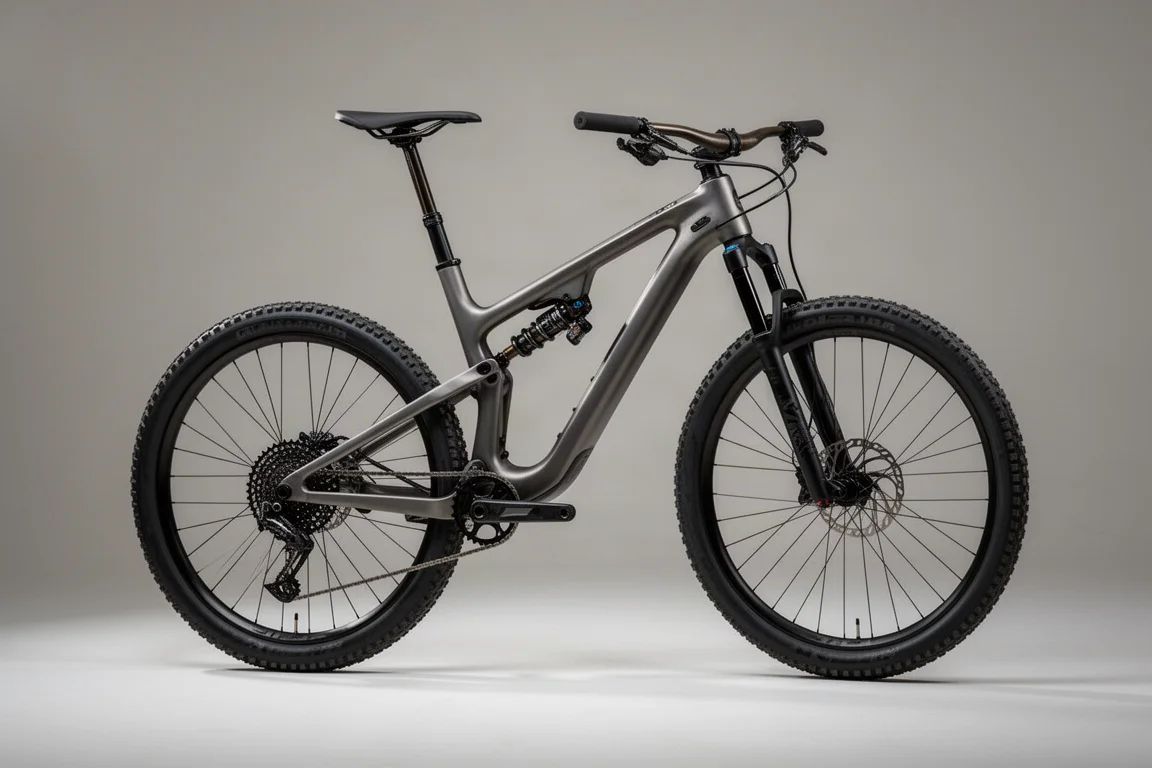
Buying Advice: Matching the Bike to Your Racing
None of these bikes will leave you embarrassed on a race course. All four are incredibly fast machines capable of tackling XC courses the world over, so the decision comes down to terrain, set-up appetite and the kind of racing you actually do.
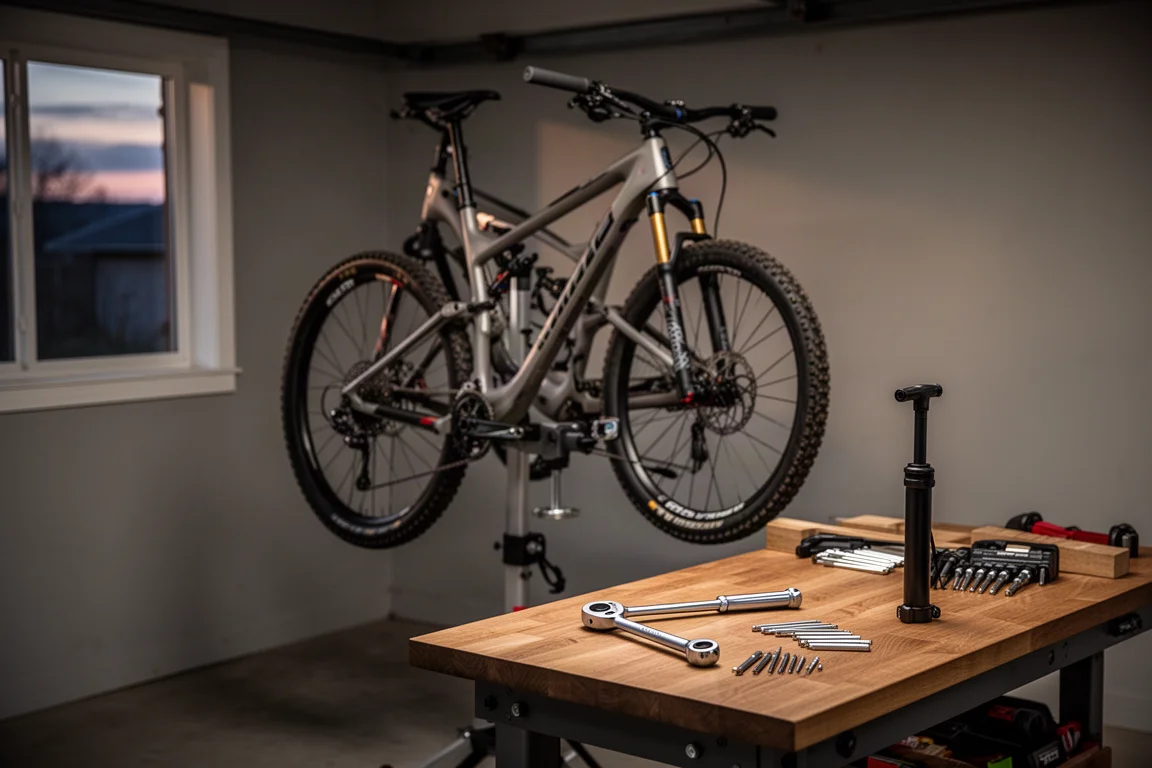
If your racing is fast, flowing and often long, the Yeti ASR is a joy: quick, agile, smooth and fun, though it gives away a little composure in the most demanding terrain. If your courses are steep and technical and you enjoy tuning suspension pressure to suit each venue, the Mondraker F-Podium has a great shape and a stout, reactive chassis, but you may find yourself wanting a more supple damping setup. The Cannondale Scalpel is brilliant, with very little to complain about, and the Lefty is a stellar XC fork, making it a strong pick for riders who want speed and confidence without fuss. For most riders, though, the Specialized Epic 8 is the one to beat: a sorted chassis, a high-spec package and a unique Magic Middle suspension setting that keeps the bike efficient without constant mode changes.
Whichever direction you go, budget for two things beyond the bike itself. Tire choice matters enormously on XC courses, and swapping rubber can change how a bike corners more than any suspension tweak. Second, plan on spending real time on suspension set-up, since sag measurement and shock pressure had a clear effect on how each of these bikes behaved.
Conclusion
Four updated cross-country race bikes, four different philosophies. The Yeti ASR trades some rough-terrain composure for agility and speed on smooth ground. The Mondraker F-Podium RR brings a twin-link suspension design and forward geometry that shines in steep, technical terrain. The Cannondale Scalpel combines a stiff chassis, fast-rolling rubber and the distinctive Lefty fork into a package with very few weaknesses. The Specialized Epic 8 rounds it out with a well-sorted frame and the Magic Middle damping tune, which together make it the most convincing all-round race bike of the group.
Further reading
Related Reviews
Mountain Bikes
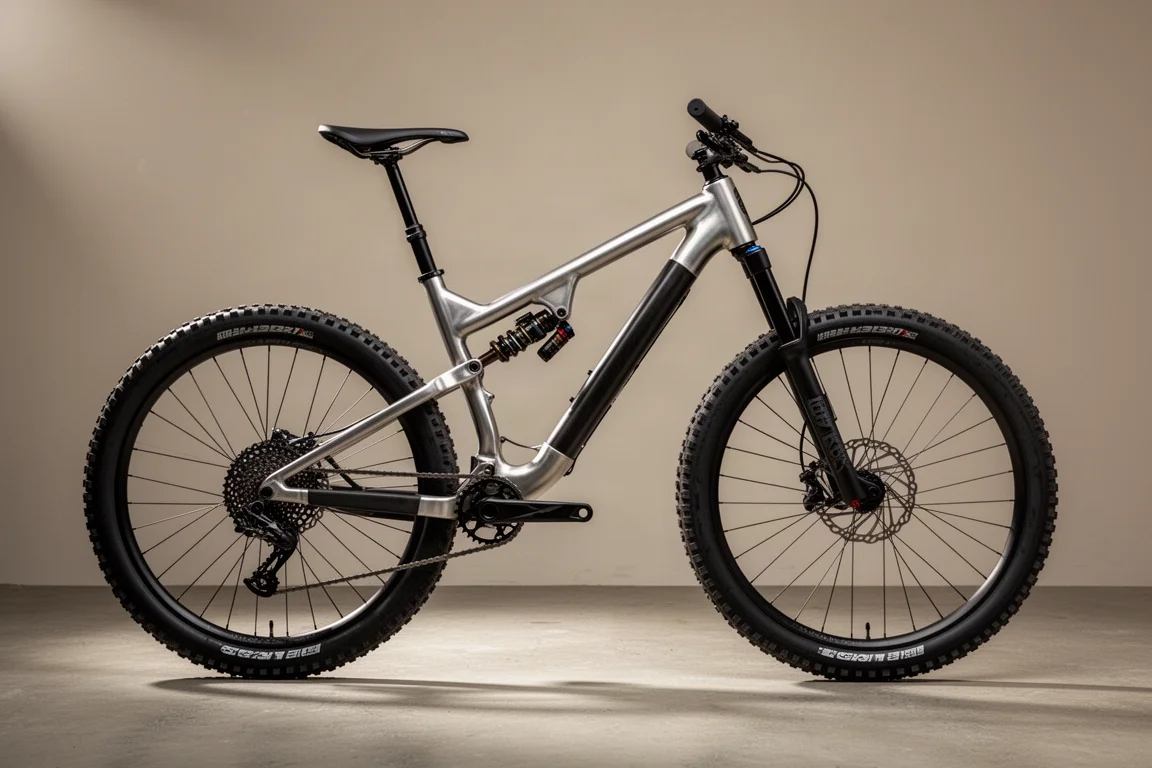
Atherton AM.130 Review: 3D-Printed Titanium Lugs and a 130mm Trail Bike That Descends Like a Bigger Machine
The Atherton AM.130 pairs 3D-printed titanium lugs with carbon tubes and a DW6 suspension platform. Here is how it rides, what the build delivers, and who it suits.
Mountain Bikes
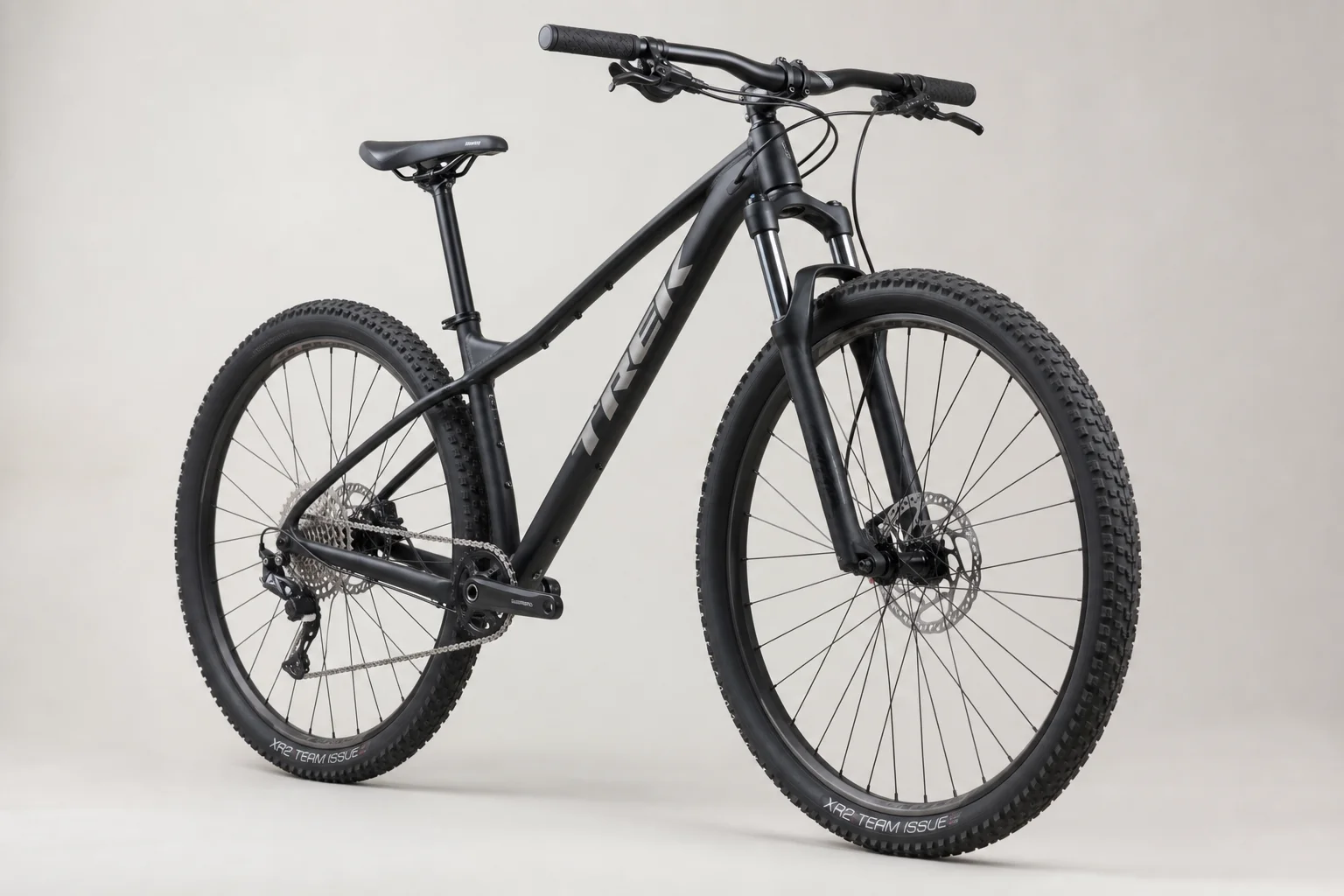
Beginner Mountain Bike Buying Guide: What to Look For in a Trailworthy Hardtail
A practical framework for evaluating beginner mountain bikes, whether new or used, by examining key components that indicate real trail capability.
Mountain Bikes
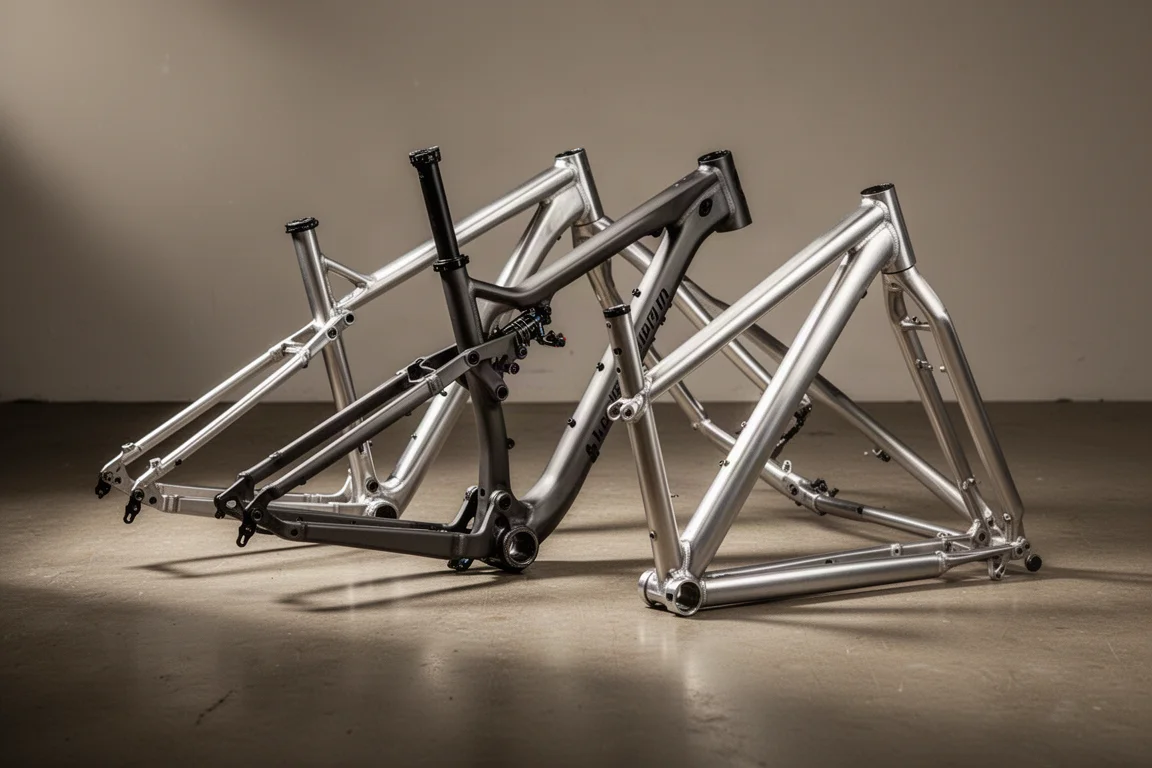
Best Aluminum Mountain Bikes 2026: Five Alloy Bikes Worth Your Attention
Five aluminum mountain bikes that show how far alloy has come, from a 120mm trail bike and a versatile machined frame to a 180mm freeride machine.