Backpacking Gear
Four Small Backpacking Essentials That Make a Big Difference on Trail
Four low-cost backpacking items that solve real problems on trail: stakes that hold, tape that stays on, a pack liner that seals, and a repair kit that is ready to go.
Introduction
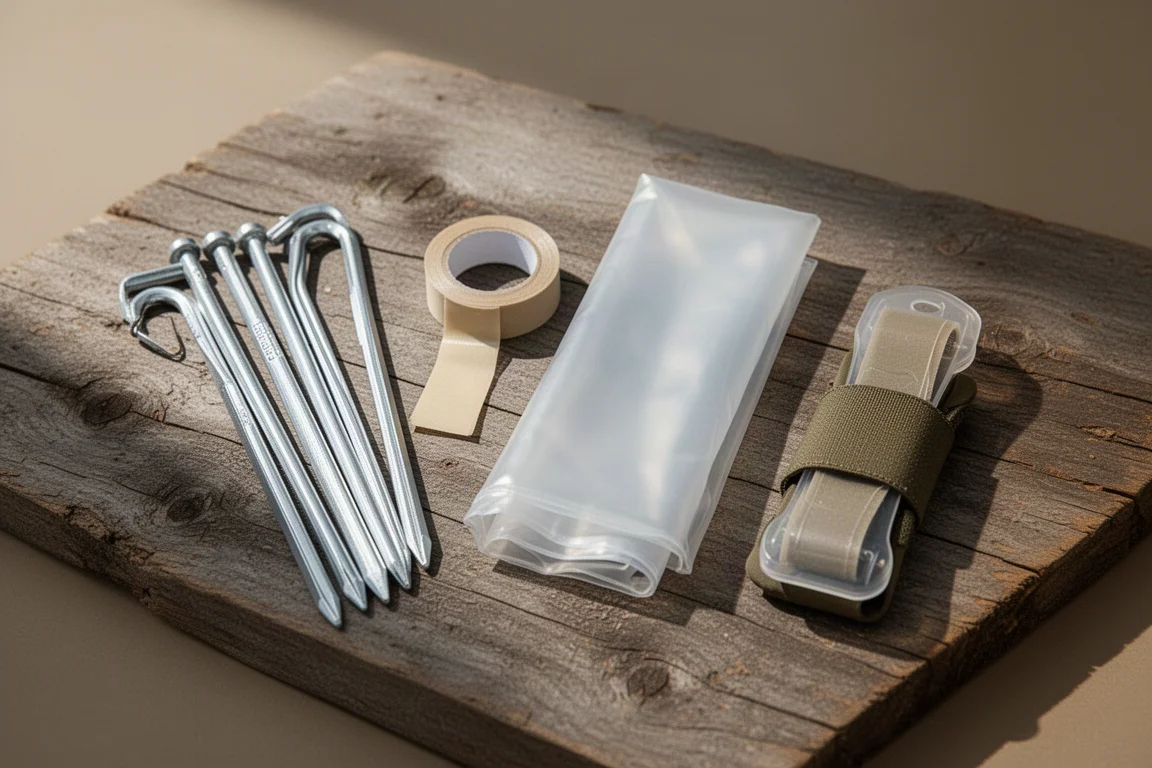
A backpacking kit lives or dies on the big three: the shelter, the sleeping bag, the sleeping pad. Those items decide how warm and how rested you are. The small items around them rarely get the same attention, even though they solve the problems that end trips early. A stake that will not hold in soft ground. A hot spot that turns into a blister. Rain that soaks through a pack. A torn sleeping bag quietly losing its down.
The four items below are the kind of gear that costs very little and quietly earns its place in a pack. Each one addresses a specific, recurring problem, and each one is small enough that there is little reason to leave it at home.

None of them are complicated. What makes them worth carrying is that they are chosen with a little more thought than the default option: longer stakes instead of lighter ones, tape that stays put instead of tape that does not, a liner that actually seals, and a repair kit that already contains the pieces most people end up assembling themselves.
Best Tent Stakes: MSR Groundhog
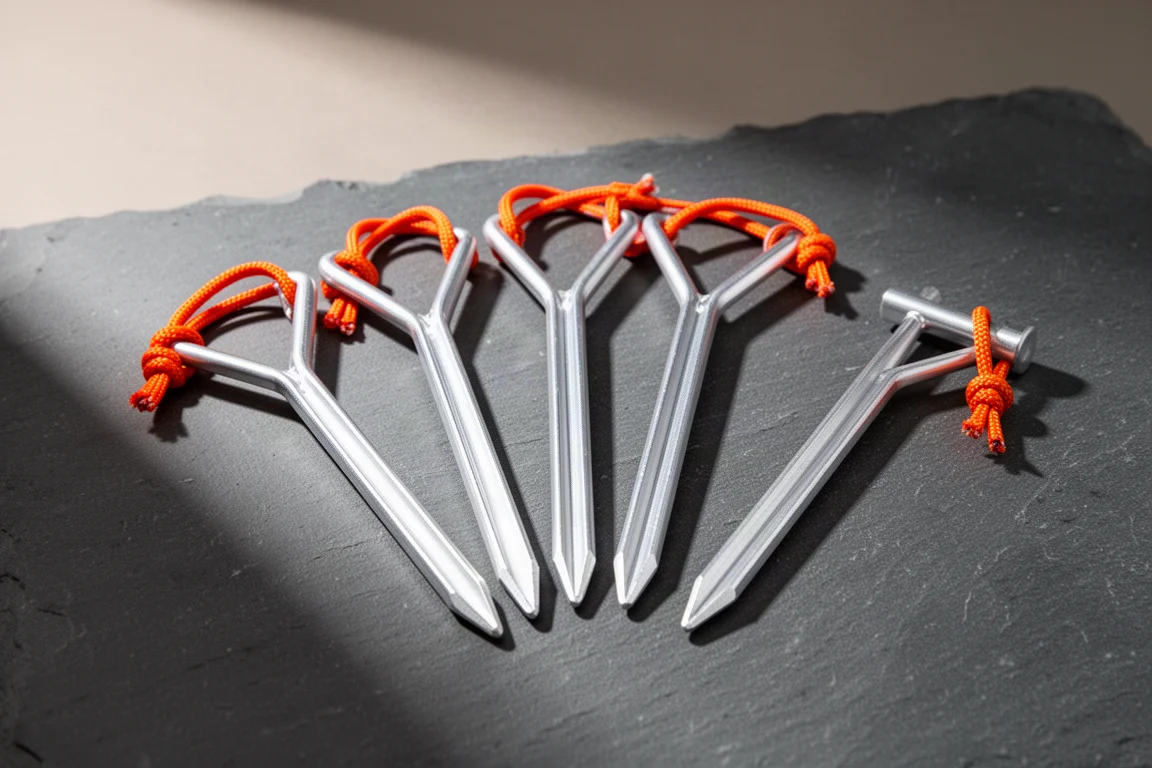
Stakes are the most commonly underestimated part of a shelter system. Titanium shepherd’s hooks and V-stakes keep the weight down, but they pull out in anything softer than ideal ground. The short stakes bundled with some tents have the same weakness for the same reason.
Length, more than shape, is what determines how well a stake stays put. Longer stakes such as the MSR Groundhog and comparable long aluminum stakes hold noticeably better, particularly in loose or soft soil. Under direct pull testing on angled, tensioned stakes, the shorter shepherd’s hook and V-stake designs gave way early, while the longer stakes kept their grip and required real effort to move.
That difference matters most on the nights you need the shelter to stay put: exposed pitches, soft ground, and weather that shifts after dark.
Best Blister Prevention: Leukotape
Blisters are one of the most common reasons a long day turns miserable, and the people who deal with them most often tend to carry the same thing: Leukotape. It earns its place for three practical reasons.
First, it tears by hand, so scissors are optional rather than required. Second, it adheres reliably to skin even when feet are damp after several days on trail, and it has been known to stay in place for up to five days. Third, a roll is remarkably compact: a small roll wrapped around a piece of plastic can last several years of trips.
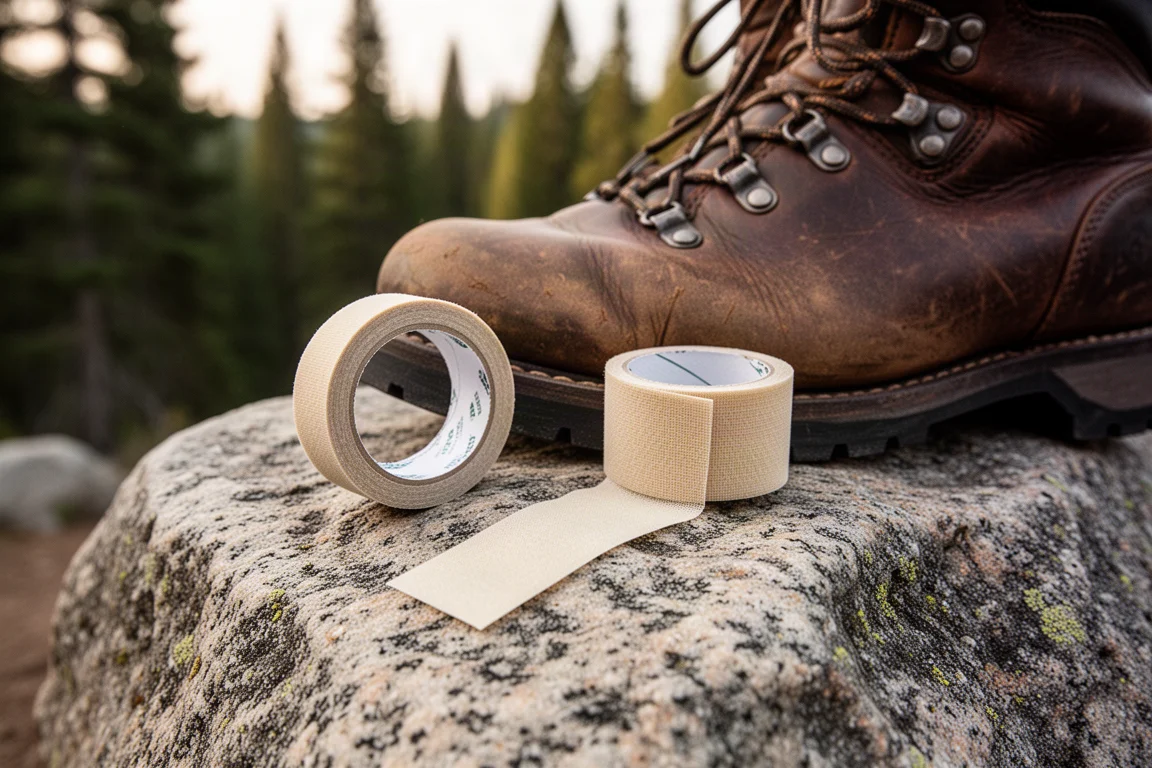
A hot spot is the moment to use it. Trim the corners so the edges are less likely to catch and lift, press it down smoothly, and it becomes a low-effort way to stop a small problem from becoming a trip-altering one.
Best Pack Liner: Nylofume Pack Liner
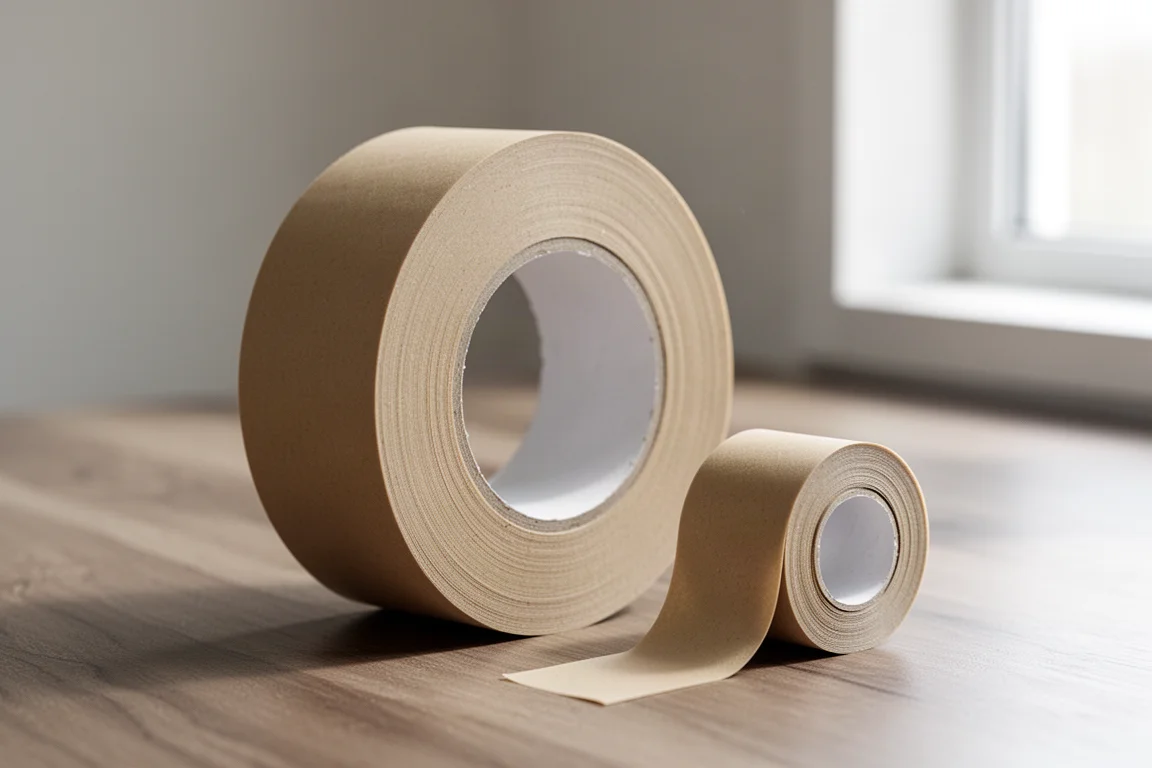
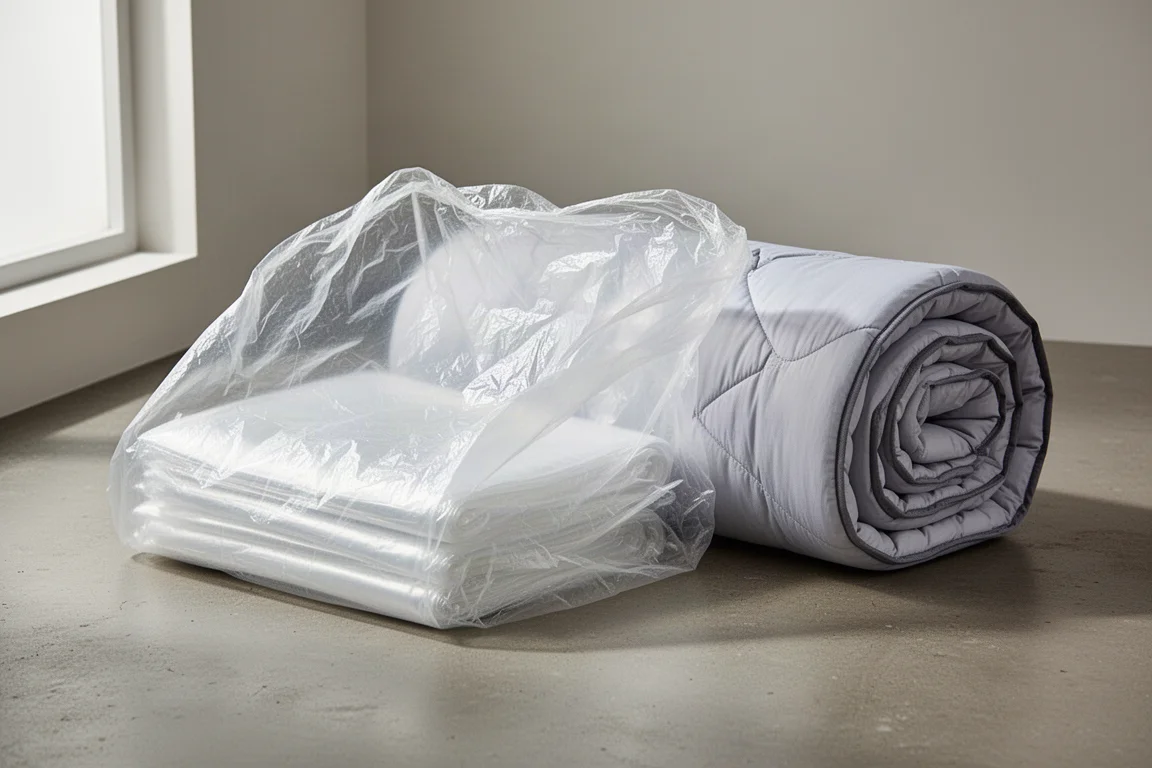
A pack liner is the simplest way to keep insulation and spare clothing dry, and the Nylofume liner is a lightweight waterproof option that fits neatly into most packs. The approach is straightforward: line the pack, then load soft items loosely so they fill the bottom and hold the pack’s shape.
The sequence matters. The liner goes in first. A quilt or sleeping bag goes in loose, filling the base of the pack. Sleeping pad, pillow, and clothing go on top, either loose or inside a stuff sack. Anything else that needs to stay dry goes in as well. Then the top of the liner is twisted shut and tucked down the side.
That method keeps the load comfortable against your back and keeps contents dry through sustained rain, which is exactly when a liner proves its worth.
Best Repair Kit: Common Gear Repair Kit
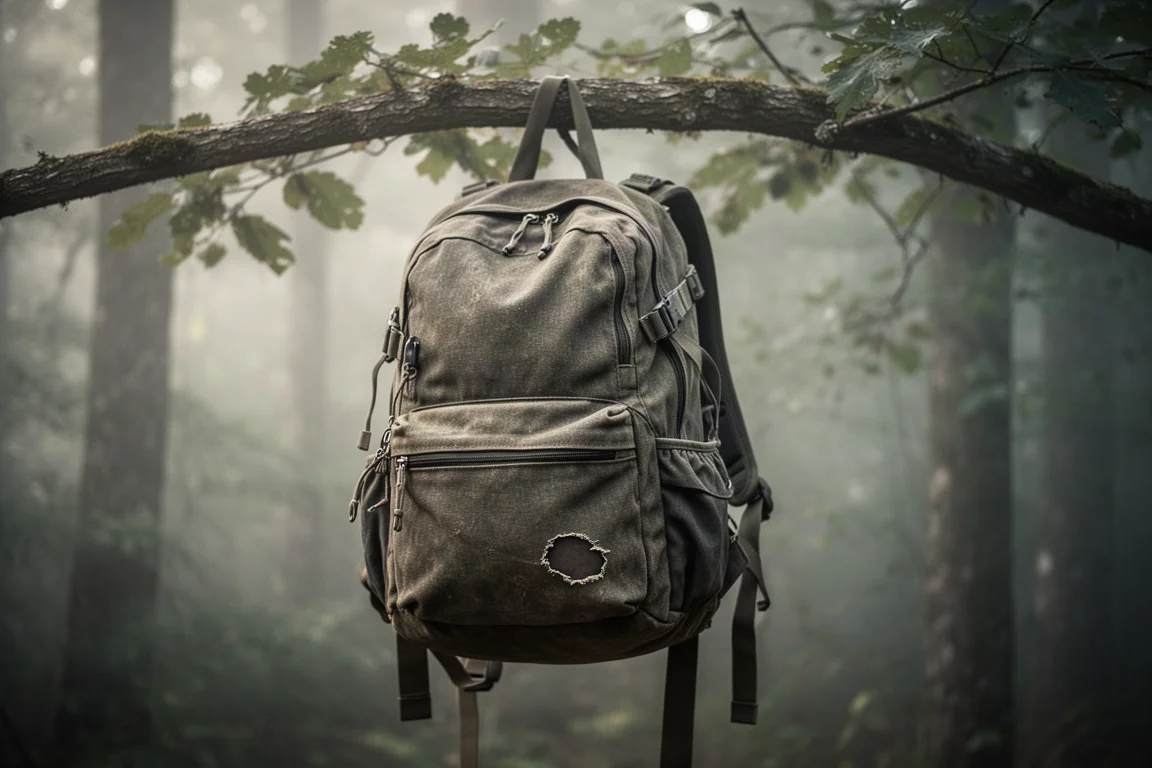
Damage on trail is rarely dramatic. It is a gash in a pack, a hole in a shoe, a broken buckle, a torn sleeping bag that starts losing down. Any one of those can end a trip when there is nothing in the pack to fix it with.
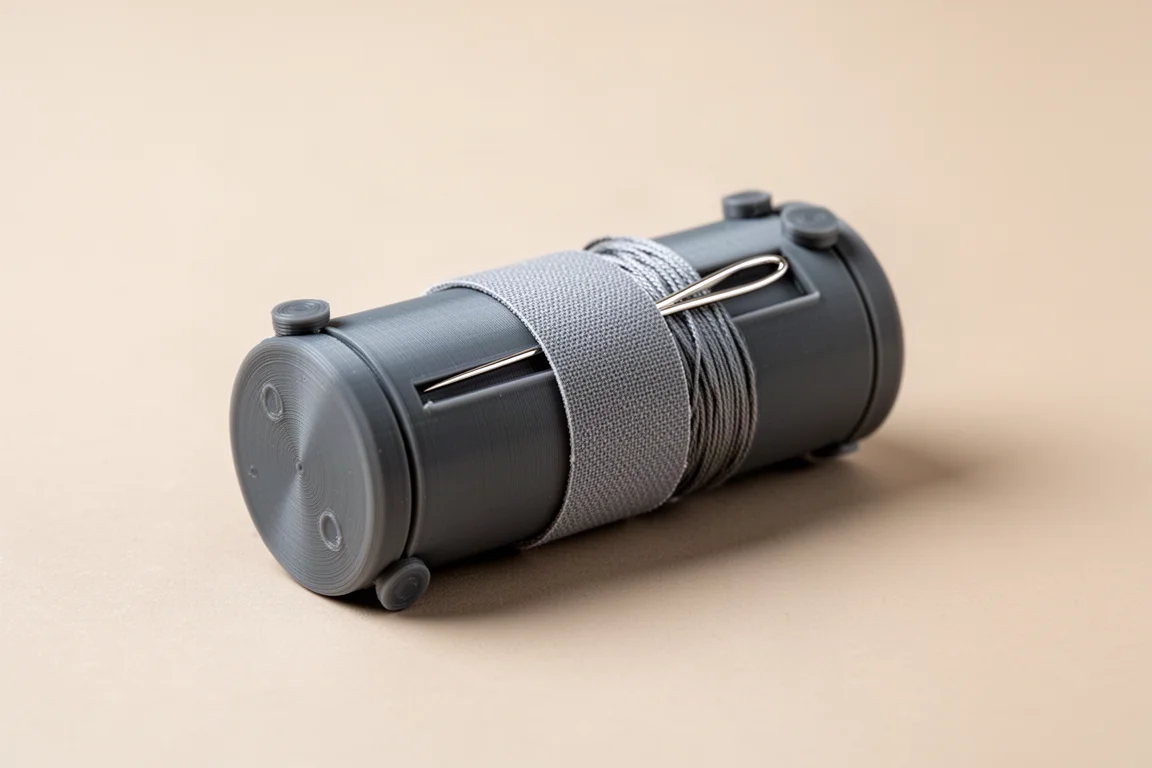
The Common Gear repair kit takes the assembly work out of the equation. Tape is wrapped around a plastic core, and that core includes a small compartment for a needle so it does not get lost. The smaller version covers the essentials; the larger version adds a compartment for patch kits, keeping everything in one compact system. The contents match what most experienced backpackers would put together themselves.
For anyone who has never built a repair kit, this is a sensible starting point. For anyone who has, it is a tidier version of the same idea, with everything held together instead of loose in a stuff sack.
How These Four Items Work Together
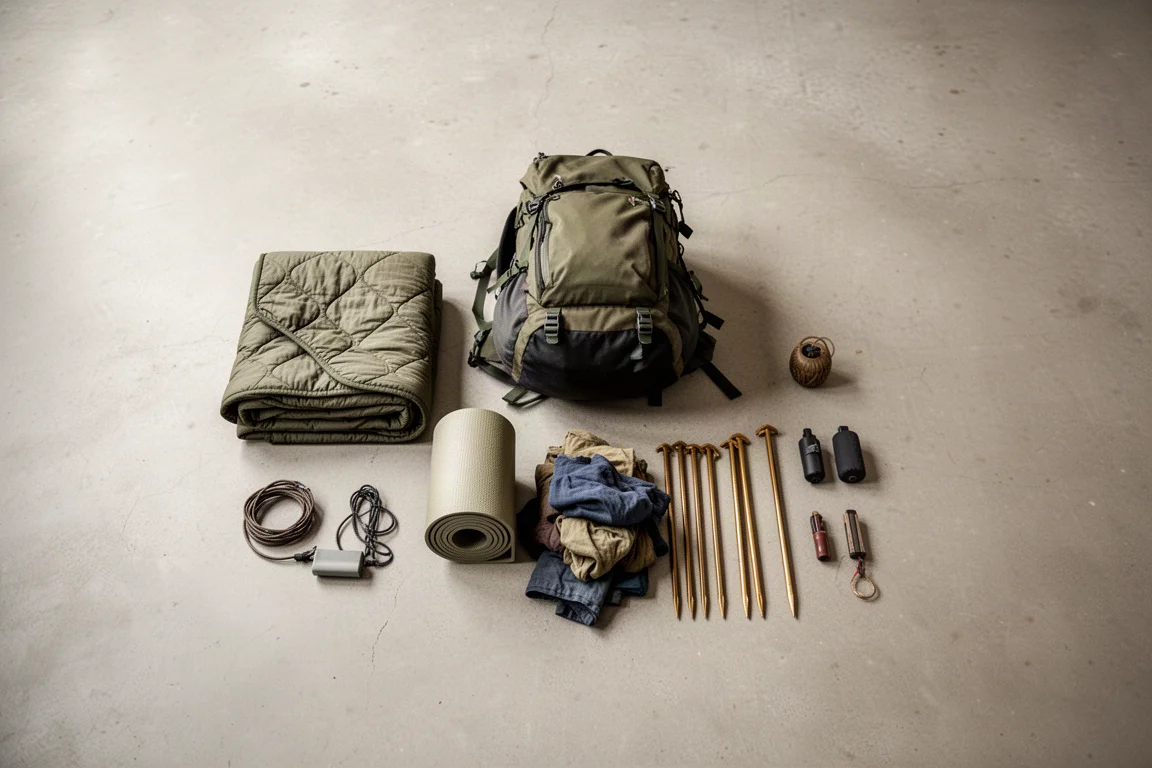
Each item covers a different failure point, and together they cover the ones that cost the most comfort for the least weight. Stakes keep the shelter anchored. Tape protects feet. A pack liner protects insulation and dry clothing. A repair kit protects everything else, including the shelter and the insulation the other three items are guarding.
There is also a weight argument. All four are small and light enough that carrying them costs very little, while leaving any one of them behind can cost a great deal: a night of a collapsing shelter, several days of painful feet, soaked down, or a trip cut short by a piece of gear that could have been fixed in ten minutes.
Buying Advice: What to Check Before You Buy
Match each item to the conditions you actually hike in. Long stakes matter most on soft, loose, or exposed ground; if you mostly pitch on firm forest soil, the upgrade is less urgent. Blister tape is worth carrying for anyone covering long days, and especially for anyone who already knows their feet are prone to hot spots.
A pack liner becomes essential the moment rain is likely, or whenever down insulation is in the pack. A repair kit is worth its small weight on any trip long enough that walking out early would be a real inconvenience.
A few practical checks before you buy. For stakes, prioritise length over saving grams, and buy enough to replace the full set that came with your tent. For tape, look for a compact roll rather than a full-size one, and consider wrapping a short length around a piece of plastic to save space. For a liner, confirm it fits the internal volume of your pack. For a repair kit, decide whether you want the version with patch kit storage, which depends on how much fabric damage you expect to repair.
Conclusion
The big three still do most of the work, but these four small items decide how smoothly the rest of the trip goes. They are inexpensive, compact, and each one solves a problem that is genuinely annoying to deal with in the backcountry.
If you are rebuilding a kit or filling gaps in an existing one, these are the pieces worth adding first. Start with the item that matches your biggest recurring frustration, and build from there.
Further reading
Related Reviews

Backpacking Gear
Building a 10 lb Base Weight: An Ultralight Backpacking Gear List
A practical walkthrough of the ultralight pieces behind a 10 lb base weight, from a 765 g pack and a roomy one-person tent to a full camp chair and a dependable water filter.

Backpacking Gear
A 15-Pound Lightweight Backpacking Gear List for Solo Trips
A beginner-friendly 15-pound backpacking setup built from easy-to-find gear, with notes on what each piece does, how it packs, and where to spend your attention.

Backpacking Gear
8 Ultralight Backpacking Gear Upgrades Worth Carrying
Eight small, affordable backpacking upgrades that solve real trail annoyances, from a pillow that stays put to a fuel valve that rescues leftover canister gas.