Hi-Fi Speakers
Four Bookshelf Speakers That Deliver a Floorstanding Experience
A direct comparison of the PSB Synchrony B600, Buchardt S400 MKII, CSS Audio 1TD-X and Sonus Faber Electa Amator III, and which one suits which listener.
Introduction
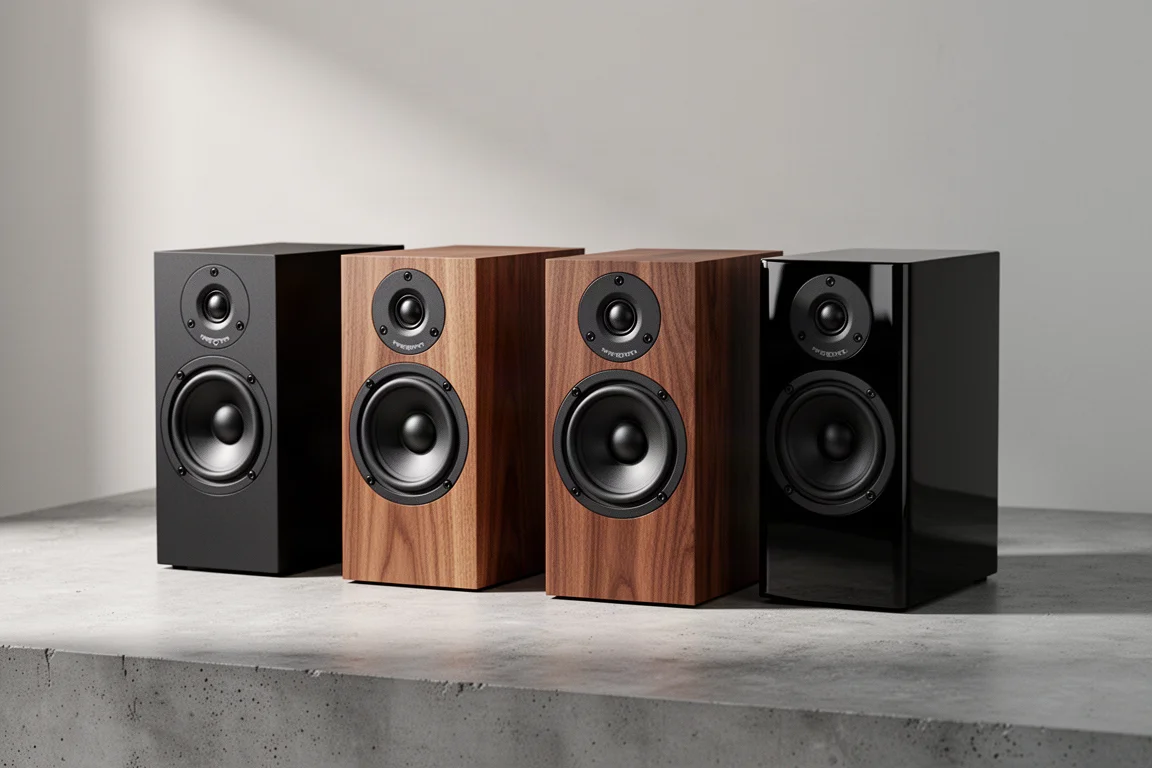
There is a clear trend among high-end bookshelf speakers: instead of accepting limited bass in exchange for a clean mid-range and treble, a growing number of designs try to deliver something close to a floorstanding experience from a compact cabinet.
The four speakers compared here all chase that goal, and all four succeed. The PSB Synchrony B600, the Buchardt S400 MKII, the CSS Audio 1TD-X and the Sonus Faber Electa Amator III share excellent imaging, generous soundstaging and well-extended treble. What separates them are small but meaningful choices about bass character, tonal warmth and treble refinement.
Those differences are subtle enough that amplification and placement can shift them. That is worth knowing before you spend, because the right choice depends far more on the sound you personally prefer than on any absolute ranking.
What These Four Speakers Have in Common
All four are standmount designs, and every one of them exploits the format’s natural advantage: a smaller baffle and a simpler cabinet tend to produce more precise imaging and a more convincing soundstage than a comparably priced floorstander.
Centre imaging is accurate on all four. Vocals and instruments sit dead centre rather than drifting toward one channel, and each speaker disappears into the room once placement is dialled in. With the right amplification and a little patience with positioning, all four can throw detail to the sides and even behind the listening position.
Detail retrieval is strong across the group as well. Individual instruments stay separable rather than collapsing into one dense wall of sound. Treble extension is another shared strength: every speaker here reaches high enough that the differences come down to refinement and edge rather than outright reach.
The trade-offs show up elsewhere, mainly in how each design handles the bass, and how that decision ripples into the overall tone.
PSB Synchrony B600: The Most Bass Forward Design
The Synchrony B600 is a Canadian design, developed by Paul Barton at the National Research Council in Canada, a facility with a long history of documented measurement and controlled blind listening work. That engineering background is audible.
The driver layout is unusual. The tweeter sits below the carbon fibre woofer, and the acoustic centre of the speaker is at the woofer rather than at the tweeter or between the two drivers. In practice that means the woofer should be at ear height when you sit down, which changes how you position the speaker on a stand. A stiff front plate braces the baffle and holds the drivers, and the cabinet is rear-ported with double binding posts for bi-wiring or bi-amping.
Bass is the headline. There is a pronounced mid-bass emphasis, and the result is a physical, chest-felt rumble that makes listeners assume a subwoofer is running. It is the most immediately impressive low end in this group, and it does not come at the cost of clarity: the mid-range and treble stay clean, with the bass unusually well separated from the rest of the range. Voices remain natural rather than thickened.
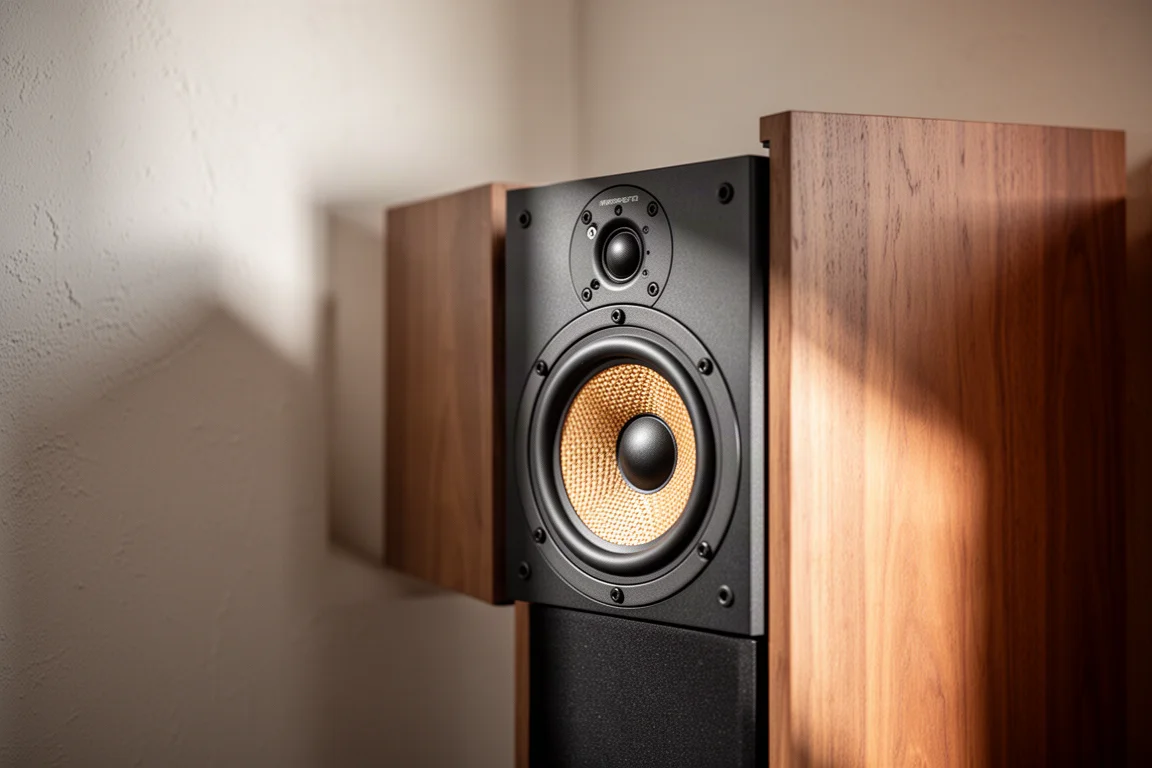
That bass lift does have a practical cost. This speaker wants at least two feet of clearance from the wall behind it, more than the others here, and a room that cannot accommodate that will blur the effect. Treble extension is good, and slightly more edged out than the Buchardt S400 MKII, but not quite as refined as the CSS Audio 1TD-X or the Buchardt. Imaging is the weakest area: on busy tracks the presentation can feel crowded, and separation between elements is not as clean as the rest of the group. The piano gloss finish looks superb and collects fingerprints, so one of the alternative finishes may be the smarter choice, particularly for a home theatre room where a reflective cabinet is a liability.
Tonally, the B600 is less refined than the CSS Audio 1TD-X, and it is not the most musical speaker here. What it does better than anything else in this comparison is deliver weight and impact from a small box.
Buchardt S400 MKII: The Linear Reference
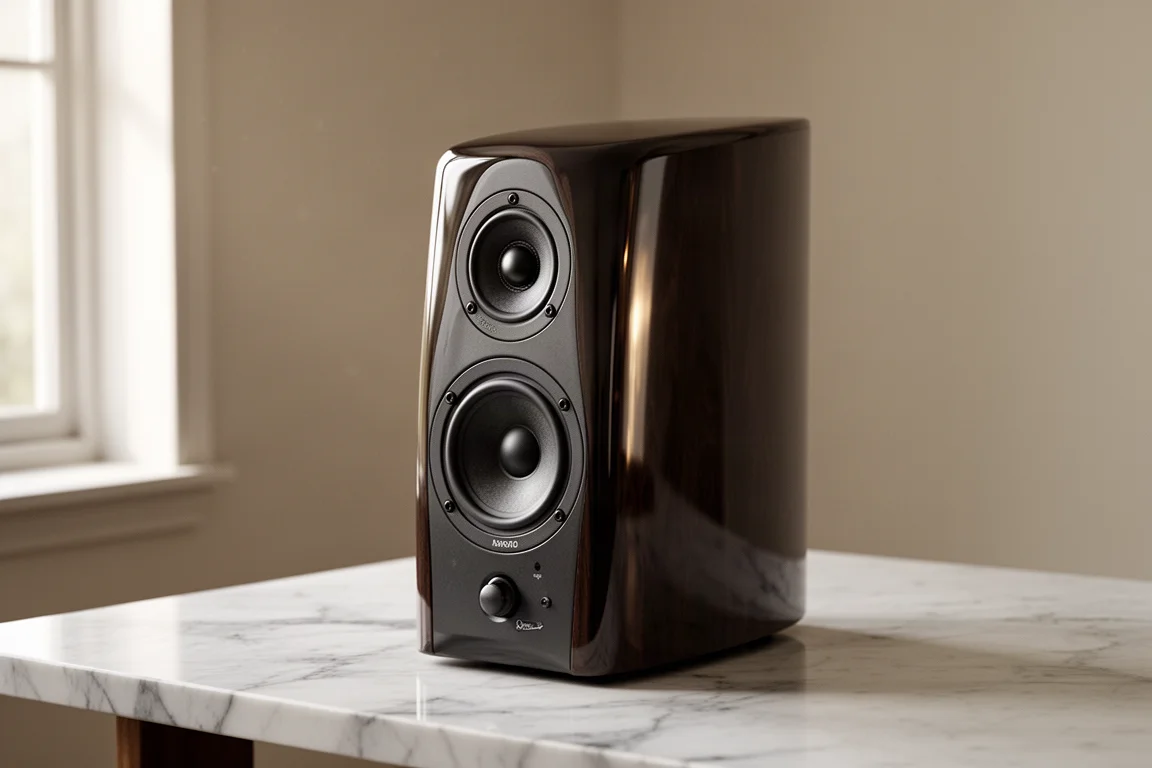
The Buchardt S400 MKII is the natural point of comparison for the PSB, since both use an inverted layout with the tweeter below the woofer. The two designs take very different routes to the low end.
The original S400 had a mid-bass bump with real authority and an instant wow factor. The MKII abandons that approach for a more linear, more correct bass response closer to what you would expect from a high-end design. It actually digs lower than the PSB and lower than the original S400, but it does not advertise the fact. Side by side, the PSB sounds like the bassier speaker; over a longer listen, the MKII reveals more genuine low-frequency extension, delivered smoothly rather than in a burst.
This is the most linear and neutral speaker of the four. There is no mid-range bump to colour the tone, and the treble is smooth and well extended with every detail intact, just with softer edges than the CSS Audio 1TD-X. Soundstaging is excellent, with deep layering that makes it easy to place instruments in space. Nothing about the presentation is fatiguing, which matters for long sessions.
The trade-off is character. Listeners who want an immediate, physical low end will find the MKII understated next to the PSB. Those who want accuracy and a smooth, even tonal balance will find it the most correct speaker in the group.
CSS Audio 1TD-X: The Technical Standout
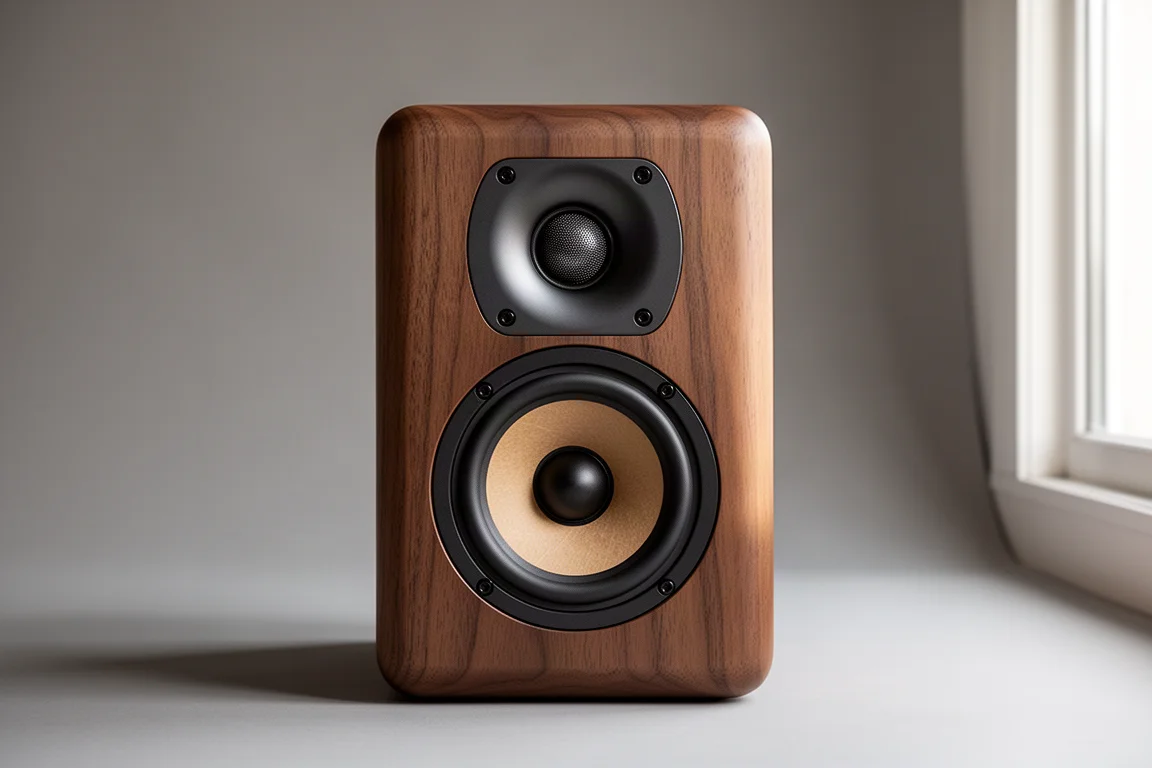
The CSS Audio 1TD-X is the most technically accomplished speaker in this comparison, and in several areas it outperforms designs costing considerably more.
Its bass has a slight mid-bass exaggeration, but a more restrained one than the PSB, and it extends lower and more linearly while keeping a little more character than the Buchardt S400 MKII. That shows up as an earthy quality on male vocals, a small amount of warmth that feels tasteful rather than coloured.
Treble is where it pulls ahead. The 1TD-X is the most extended of the four, with a pinpoint, detailed and airy quality that still manages to stay smooth. It has just enough edge to let you hear everything, including fine textural details such as the scrape of a guitar string, without tipping into the brightness that causes listening fatigue. Tone overall sits slightly to the brighter, more stringy side compared with the Buchardt, but it stays comfortable.
Imaging is the standout strength. It is a clear winner in this group and close to perfect, precise and dead centre without the hardness that some detail-first speakers introduce. The soundstage is the deepest and the widest of the four, though the margin over the Buchardt is small. Across bass, mid-range, treble, imaging and staging, this is the strongest all-round technical performance here.
Sonus Faber Electa Amator III: Character and Tone
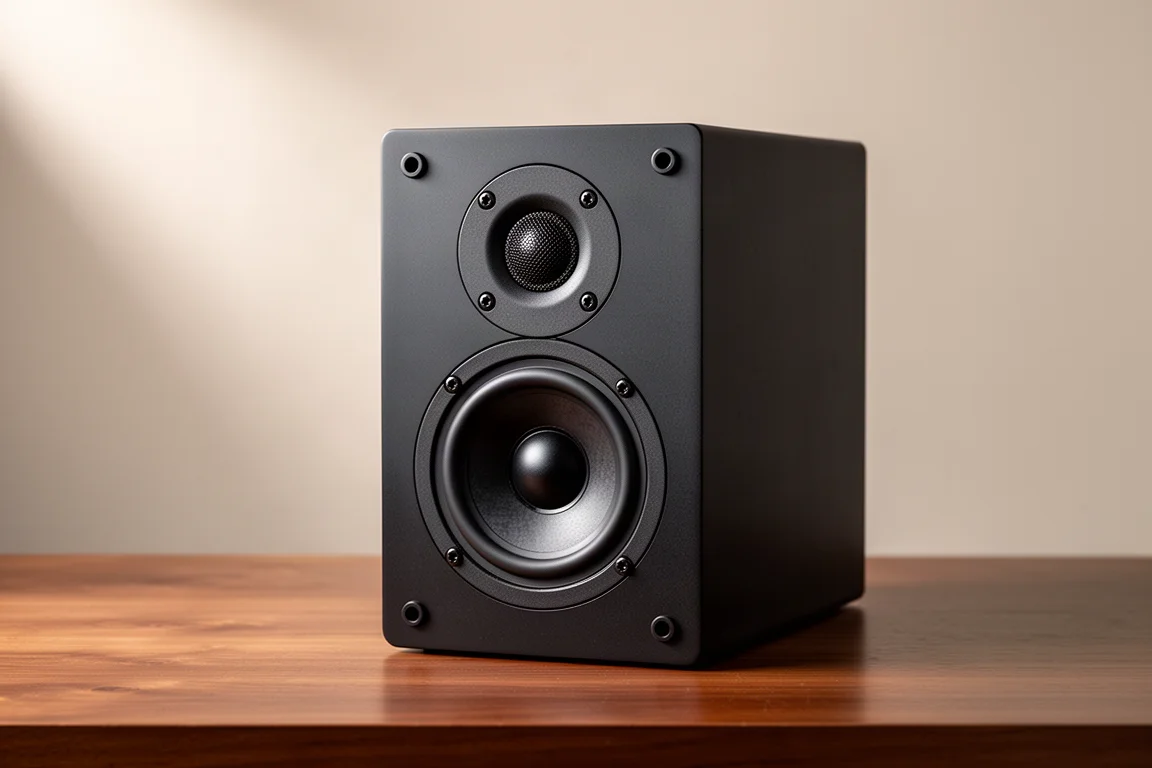
The Sonus Faber Electa Amator III sits in a different price bracket entirely at $10,000, well above the other three, and it makes a different argument: character over neutrality.
It has a mid-bass bump, but a far more tasteful one than the PSB. It is subtle enough to flatter almost everything you play without drawing attention to itself, and it adds a tonal warmth that is genuinely appealing. Treble is extended, yet it is the most rolled off of the four. That is not a loss of detail; nothing sounds dark, muddy or grainy. There is simply no brightness at all and no fatigue, while the detail you need is still present. It is the least technically extended treble here, and for many listeners that is exactly the point.
Soundstage depth is strong, behind the CSS Audio 1TD-X and the Buchardt but ahead of the PSB, and width is effectively tied with the rest of the group. Imaging is impressively good for a speaker this smooth, which is harder to achieve than it sounds.
Tonally, this is the most distinctive speaker of the four, and for listeners who value that character it will be the most satisfying. The premium is substantial, and the trade-off in treble extension is real.
Overall Buying Advice
The short version is that all four are excellent, and the deciding factors are bass character, treble refinement and budget.
If you want a ranking, technical performance puts the CSS Audio 1TD-X first, followed by the Buchardt S400 MKII, then the Sonus Faber Electa Amator III, with the PSB Synchrony B600 last. On personal preference the order shifts: the Sonus Faber leads on tone, the Buchardt and the CSS Audio share second place, and the PSB again comes last. Those two lists are the clearest illustration of how different the priorities can be.
Choose the PSB Synchrony B600 if you want the biggest, most physical bass from a bookshelf cabinet and you can give it at least two feet of space behind it. It is also the most home theatre friendly option in terms of output, though the gloss finish is worth avoiding in a reflective room.
Choose the Buchardt S400 MKII if you want the most neutral, linear presentation, with bass that extends lower than the PSB without ever calling attention to itself. It is the safest choice for listeners who value accuracy.
Choose the CSS Audio 1TD-X if detail, imaging and staging matter most. It is the strongest technical performer here and the most convincing at placing instruments precisely in space without causing fatigue.
Choose the Sonus Faber Electa Amator III if tone and character matter more than a neutral response and the higher price is not a barrier. It is the most distinctive sounding speaker of the group.
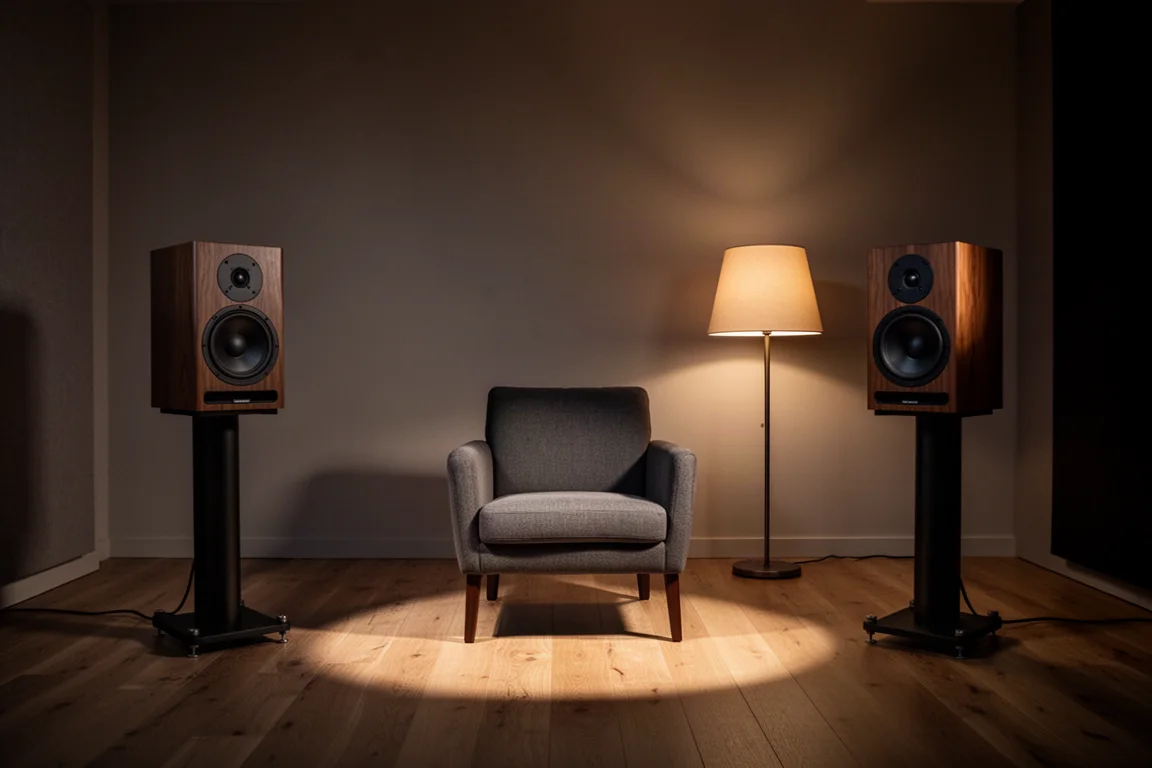
One practical note before deciding: these differences are small, and they can shift with a change of amplifier, whether tube or solid state, and with the time you invest in placement. If you can listen before buying, do. If you cannot, pick the character you know you want rather than chasing a ranking.
Conclusion
Four bookshelf speakers, four different answers to the same question. The PSB Synchrony B600 brings floorstanding weight, the Buchardt S400 MKII brings linear accuracy, the CSS Audio 1TD-X brings detail and imaging, and the Sonus Faber Electa Amator III brings tone and character. None of them is a compromise on the fundamentals: all four stage generously and extend well in the treble, and even the weakest imager here is strong in absolute terms. The right one is simply the one whose priorities match yours.
Further reading
Related Reviews
Hi-Fi Speakers
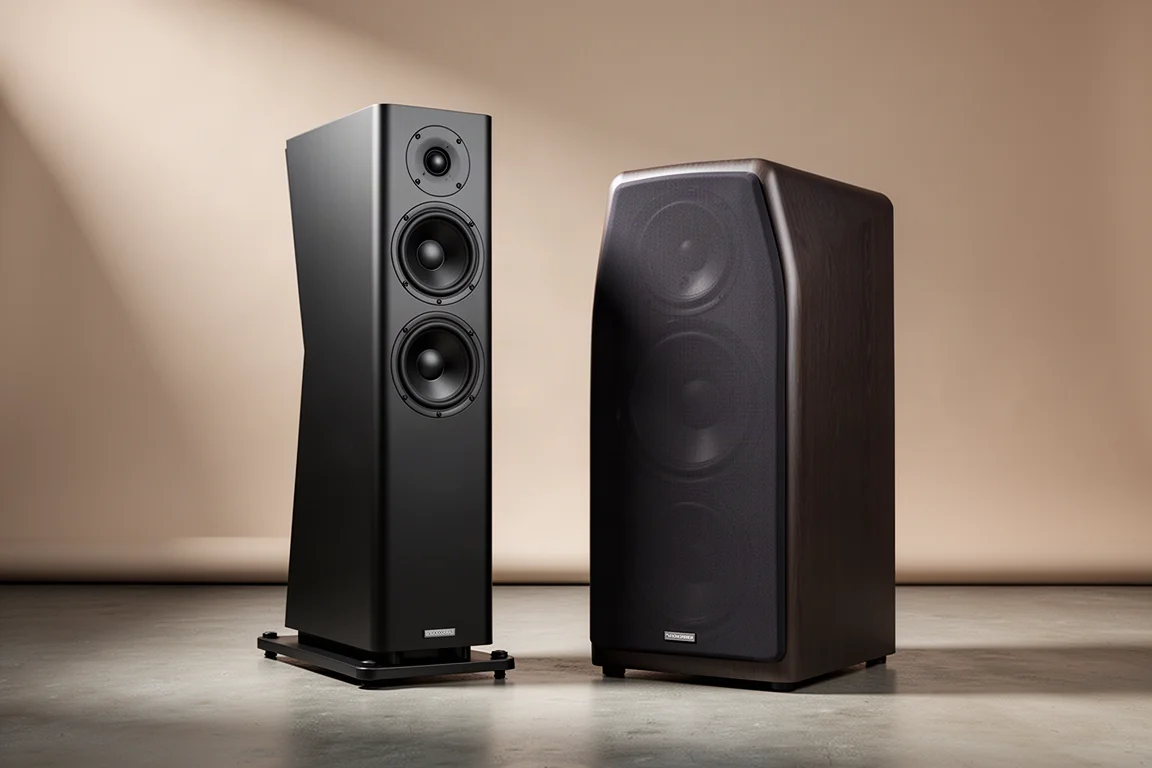
1723 THX Tower vs 1528 Bookshelf: Which Speaker Fits Your Room?
Two speakers at roughly the same price, built very differently. How the 1723 THX tower and the 1528 bookshelf compare on construction, bass, power needs, and sound.
Hi-Fi Speakers
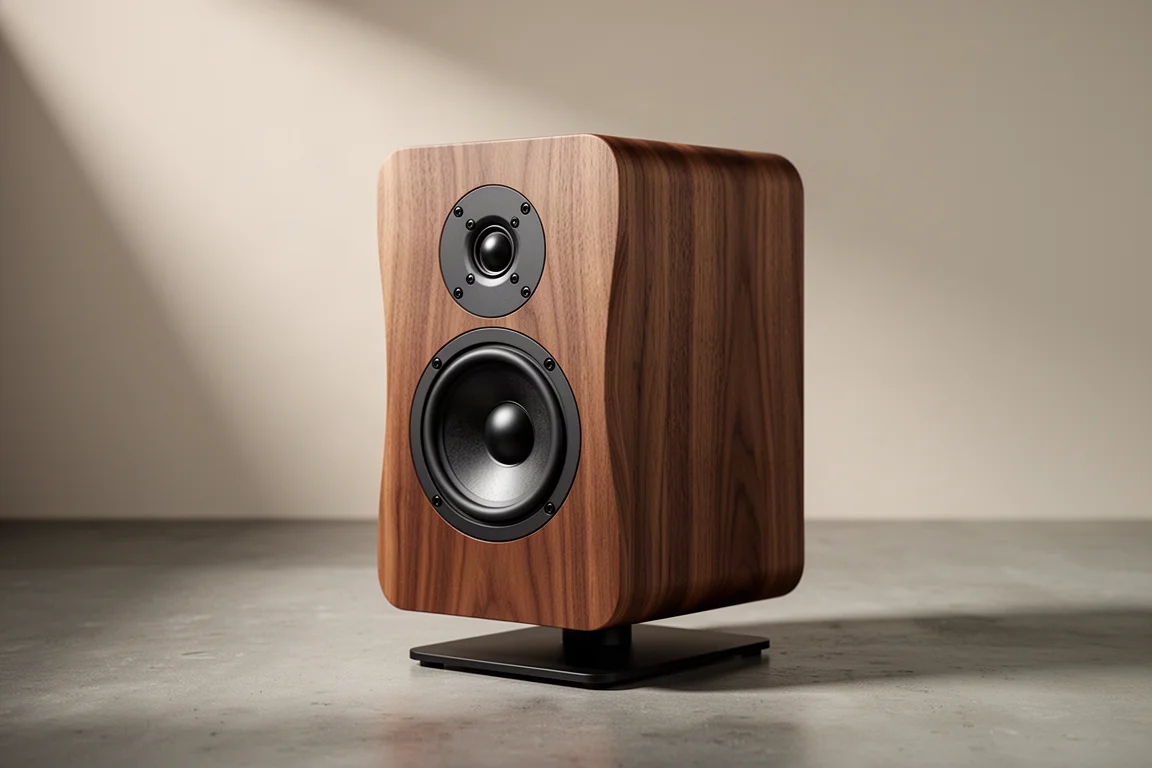
Acoustic Energy AE 300 Review: Deep Bass From a Compact Standmount
A two-way standmount with real wood veneer, surprising low-end weight, and a warm, easygoing character. Here is what to know before buying.
Hi-Fi Speakers
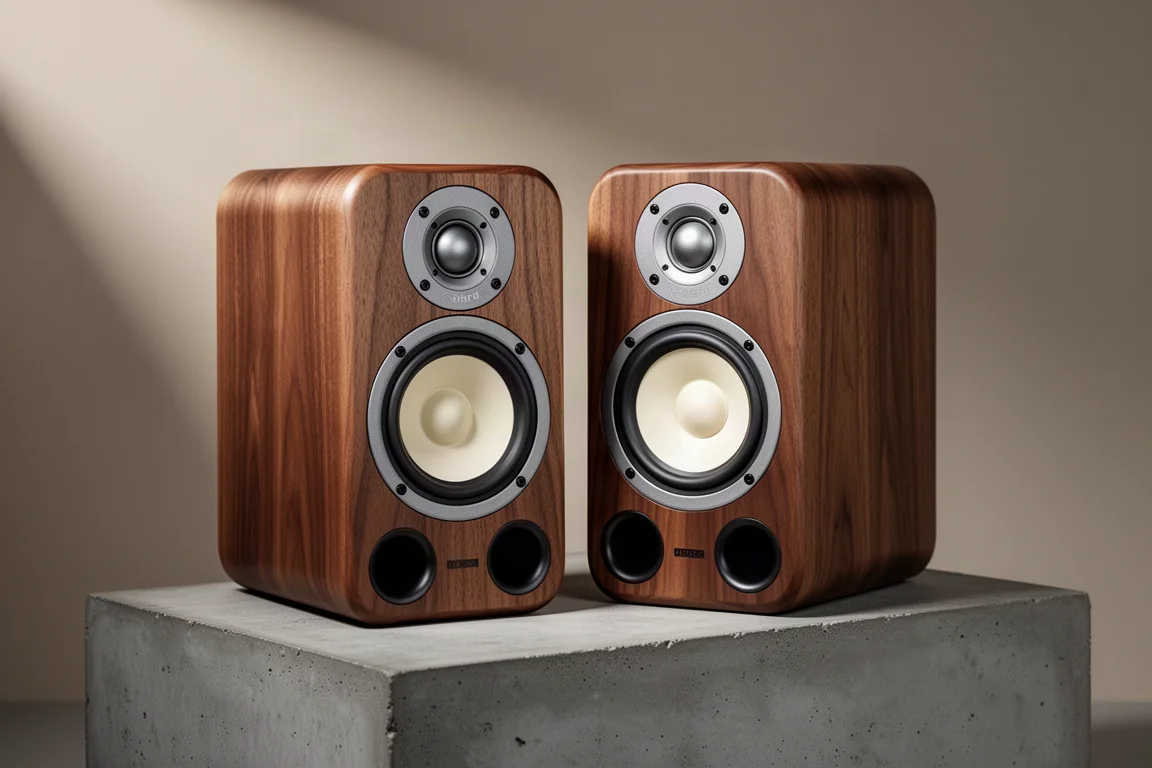
Acoustic Energy AE1 40th Anniversary Review: A Modern Take on a British Classic
A compact standmount that revives a 1980s favorite with all-new parts, a warm mid-centric balance, and a price of £1,499 per pair.