Backpacking Gear
Four Backpacking Shelters for Different Scenarios: A Practical Roundup
A look at four backpacking shelters covering modular four-season use, ultralight Dyneema, compact solo trips, and comfortable family outings.
Introduction
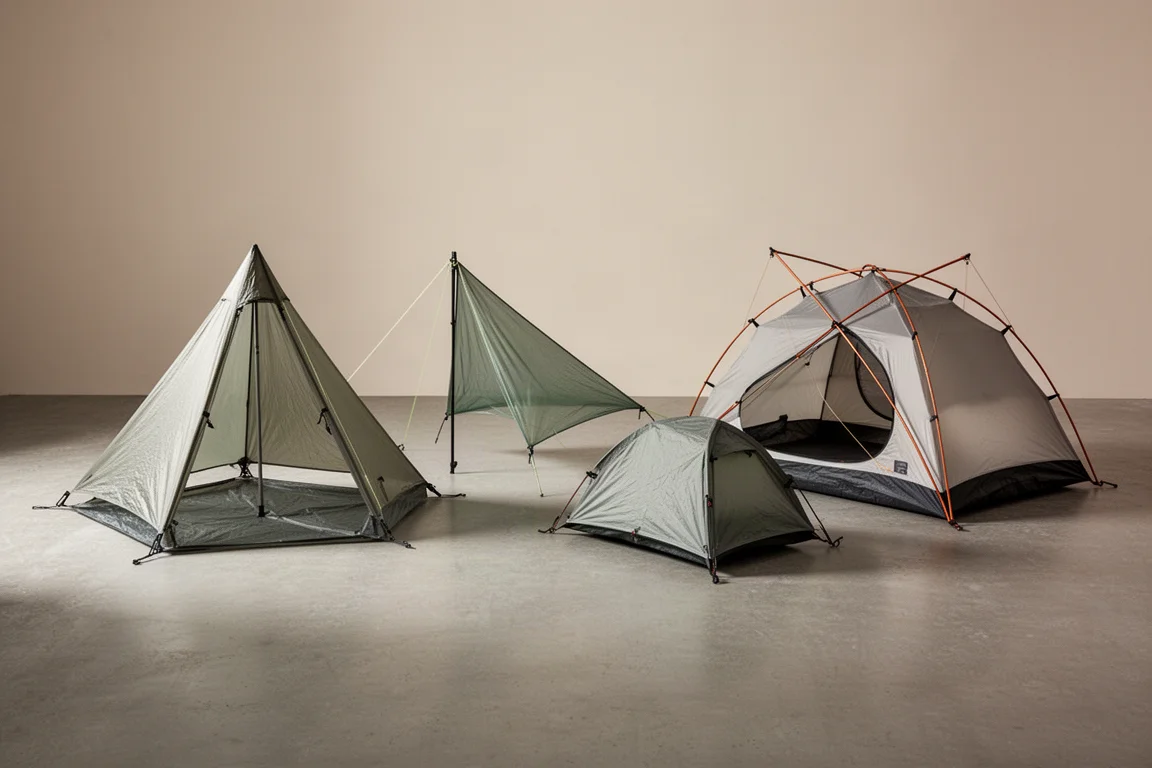
Backpacking shelters come in many forms, and the right choice depends on the trips you actually take. A modular pyramid tent can handle winter conditions and gear-heavy outings. An ultralight Dyneema shelter saves weight without sacrificing living space. A compact solo tent fits into tight pitches. A freestanding two-person shelter brings comfort for family trips. The four shelters in this roundup cover those scenarios, each with a distinct purpose.
This lineup includes a mix of freestanding, semi-freestanding, and non-freestanding designs. Some are better for desert terrain, others for high alpine conditions, and one is built for sharing with a child or a dog. Below, we look at what each shelter offers and where it fits best.
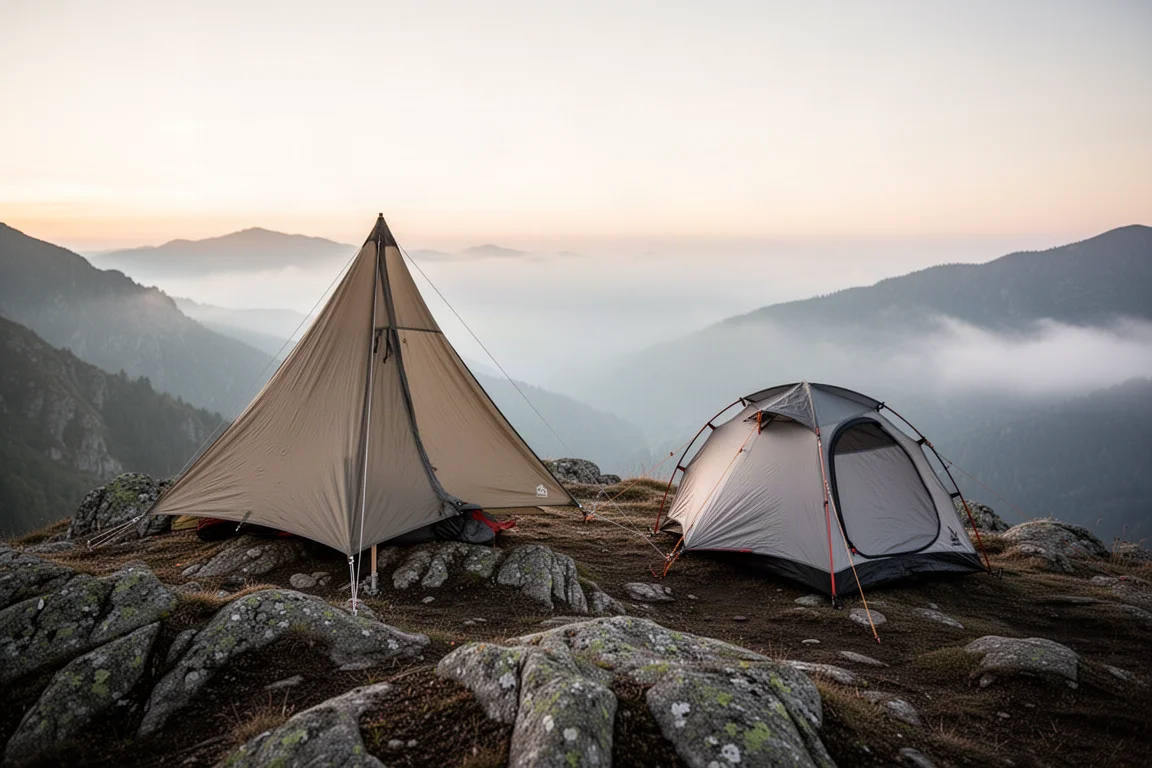
Each shelter was selected to handle a different set of conditions, from quick overnight trips to weekend adventures with family. The goal is not to find a single do-it-all tent, but to understand how each design serves a specific need.
What to Look For in a Backpacking Shelter
When comparing shelters, weight is often the first number people check, but it should not be the only one. Consider how much interior space you need for your gear and sleeping pad. Think about whether you will pitch on rocky ground, sand, or soft soil, because freestanding or semi-freestanding designs can make a difference. Modular shelters that let you leave the inner tent behind offer flexibility for different seasons. Fabric choice also matters: sil nylon is easy to tension and repair, while Dyneema is lighter but more expensive. Finally, interior organization can make a small shelter feel much more usable, especially when you are sharing it with another person or a pet.
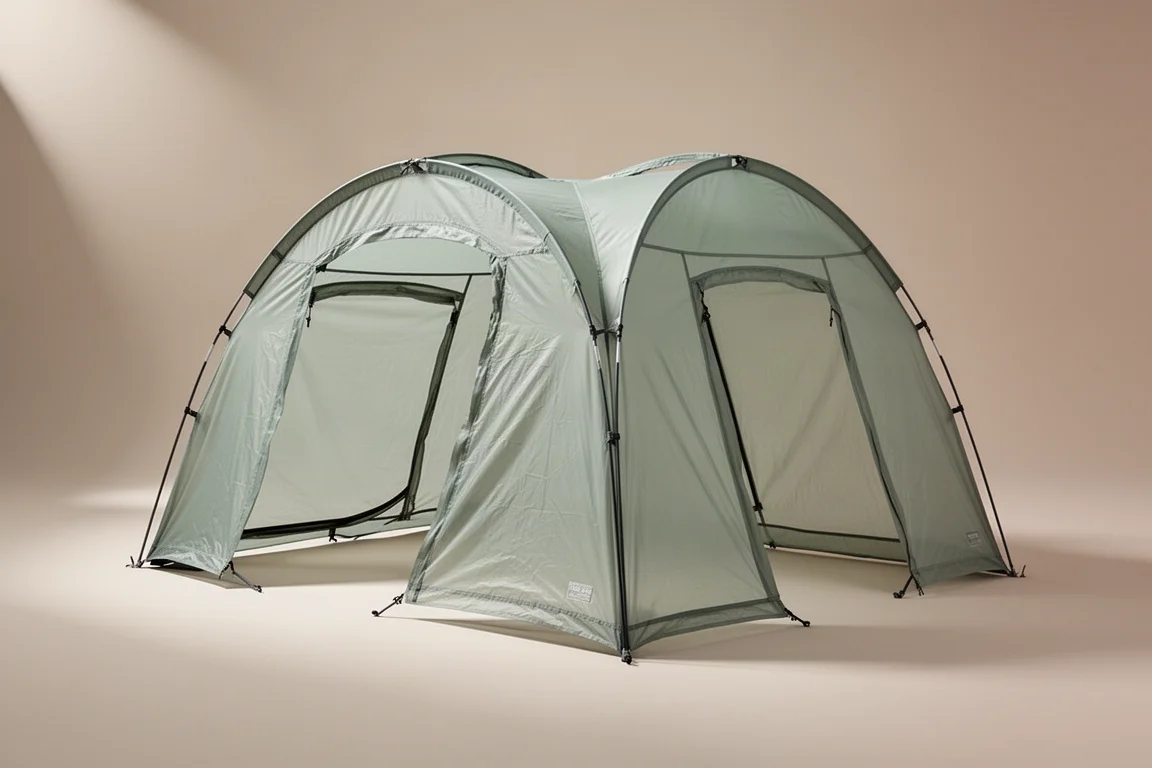
Lux Hiking Gear Hex Peak XL: A Modular Four-Season Shelter
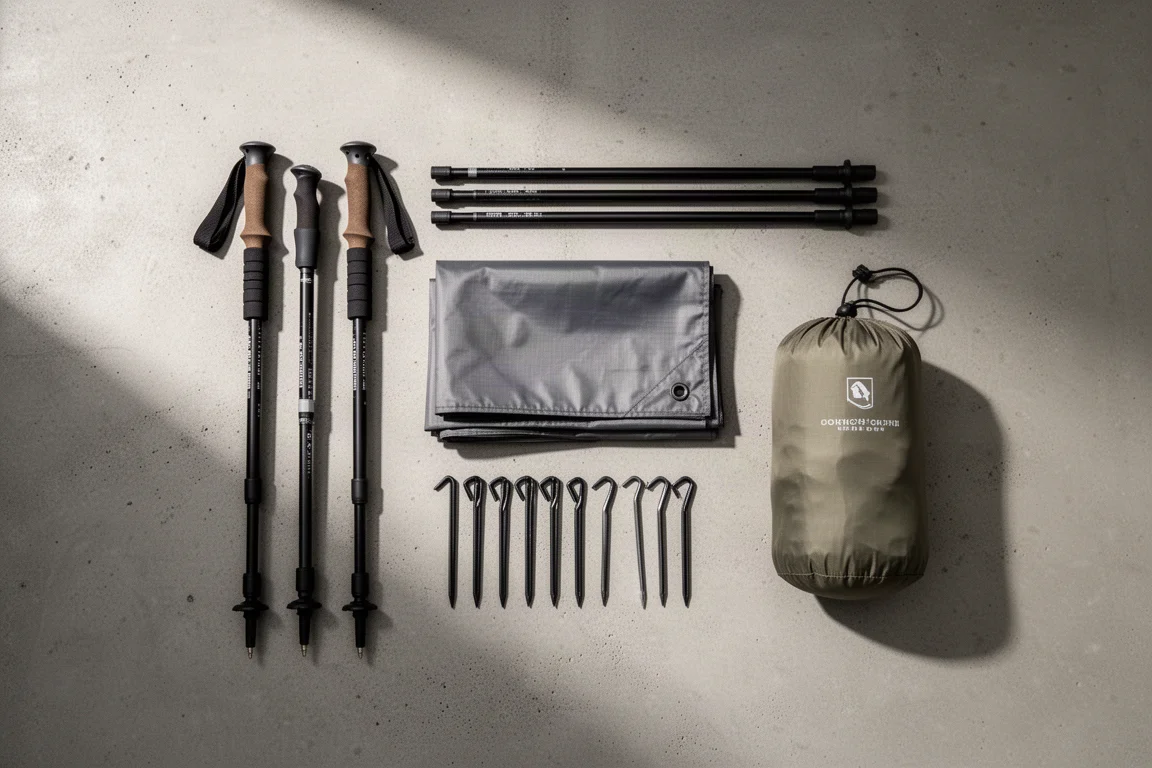
The Lux Hiking Gear Hex Peak XL is a two-person shelter, but this setup uses a one-person inner tent. That combination creates an impressive amount of room for gear, which is useful for winter camping or any trip where you carry bulkier equipment. The sil nylon fabric is easy to tension and stays tight when weather moves in, though like all nylon it can sag when wet. You can leave the inner behind and pitch only the outer to save weight, using a ground sheet inside instead. That modular approach makes it a strong choice for three-season trips and cold-weather outings alike.
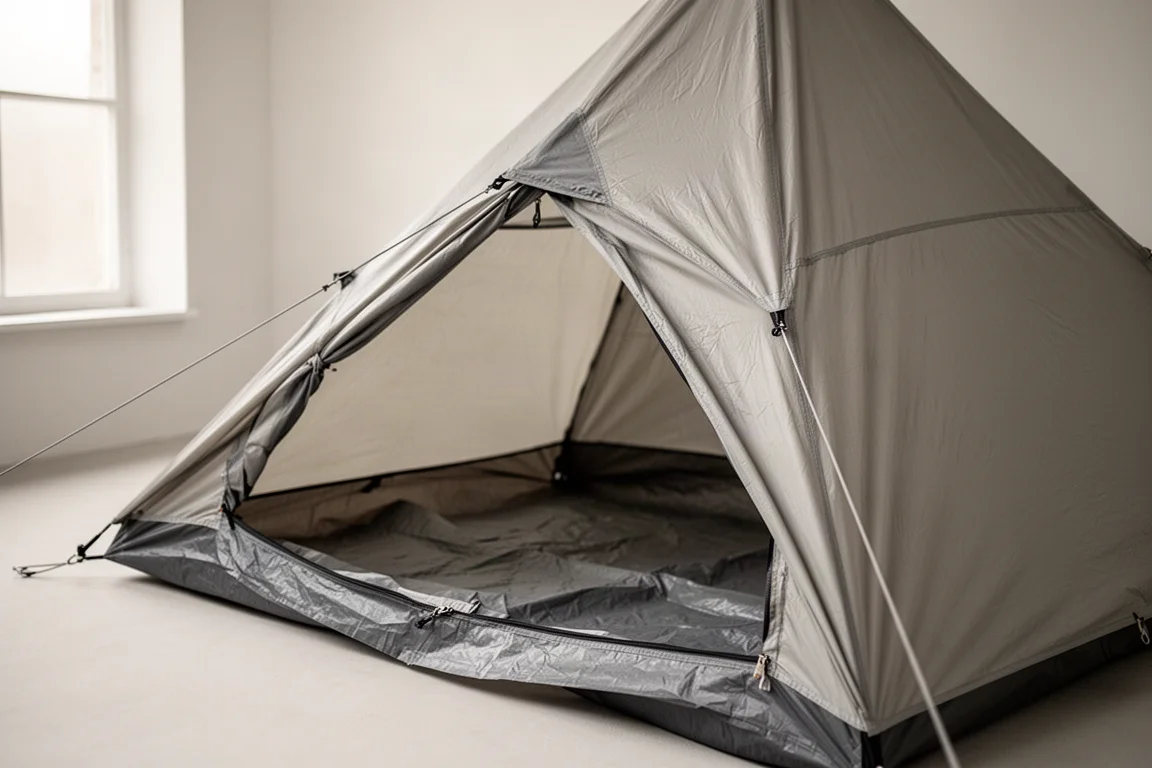
The Hex Peak XL has proven to be a reliable shelter that handles weather well. Its roominess and flexibility make it a good fit for early spring and fall trips, as well as summer adventures when you want a little more space than a minimal solo tent provides.
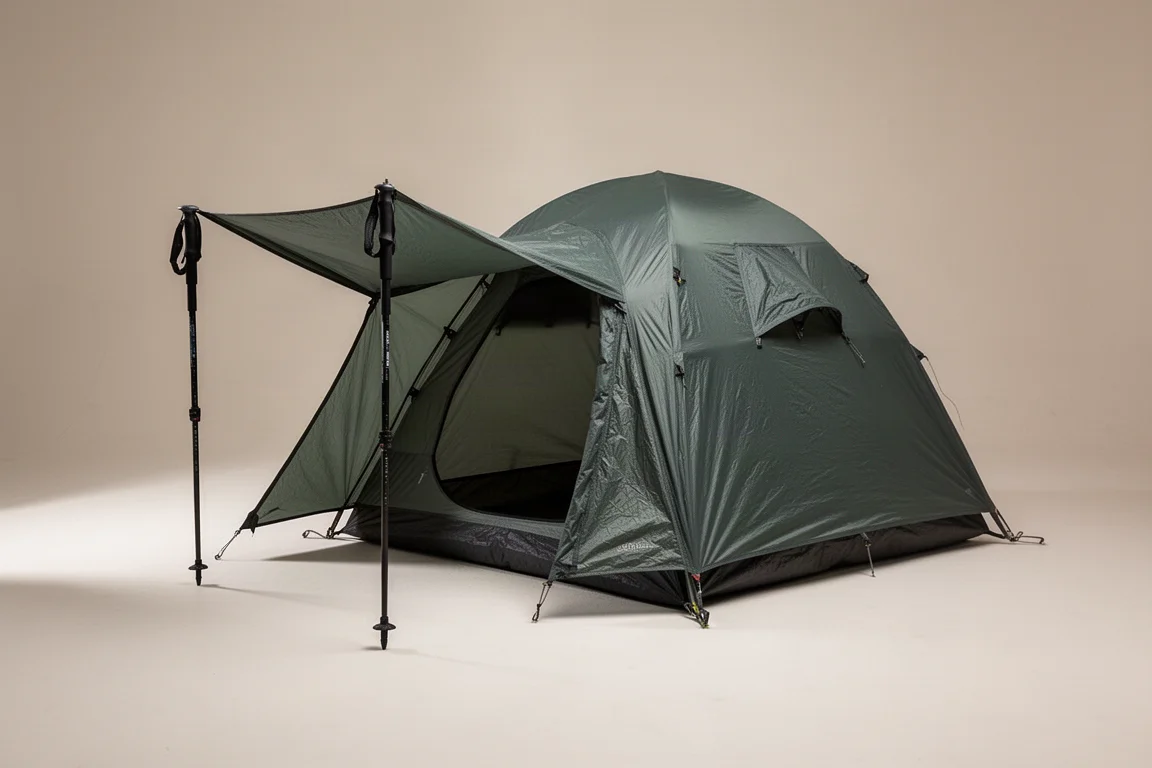
Tarptent Double Rainbow Li: Ultralight Dyneema Space
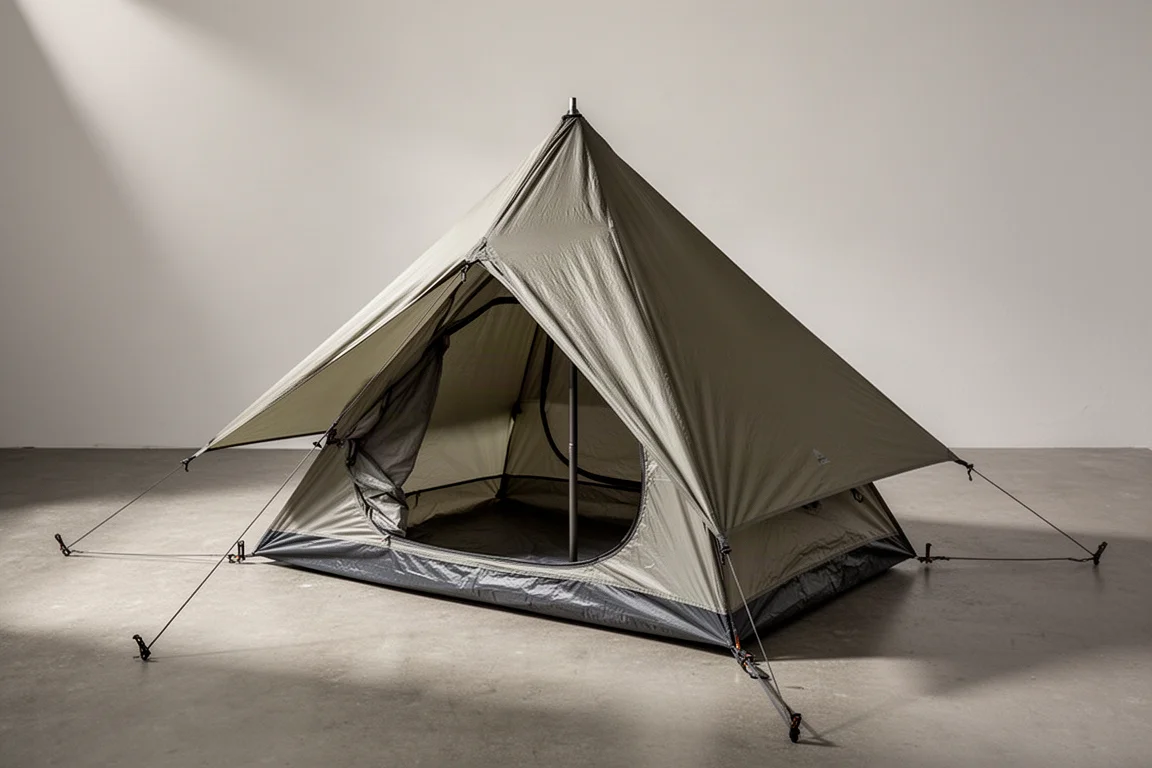
The Tarptent Double Rainbow Li is a Dyneema shelter that weighs 28 ounces with everything included, which is remarkably light for the amount of living space it offers. Dyneema is expensive, and this shelter costs nearly $700, but it delivers maximum weight savings without feeling cramped. The design uses an arc pole across the top and a spreader bar perpendicular to it, which opens up the interior. You can also use trekking poles to make it fully freestanding, a valuable feature when pitching on sand or slick rock in desert settings. It has only two pockets, so organization is minimal, but the space itself is generous enough for one person plus a dog or a child, with care taken around the Dyneema fabric.
PreTents Soloist: Compact and Minimal
The PreTents Soloist is a double-wall solo shelter made from sil nylon, and it stands out for its compact footprint rather than its interior volume. Anyone taller than 5 feet 8 inches will likely find it tight, but for smaller solo backpackers it provides a simple, functional space. The shelter weighs about 750 grams, and a carbon fiber pole from PreTents keeps the setup light. Its most distinctive feature is an awning that extends from the front door, adding a bit of covered outdoor space. This is a shelter for trips where you expect a small pitching area and do not need much room to spread out.
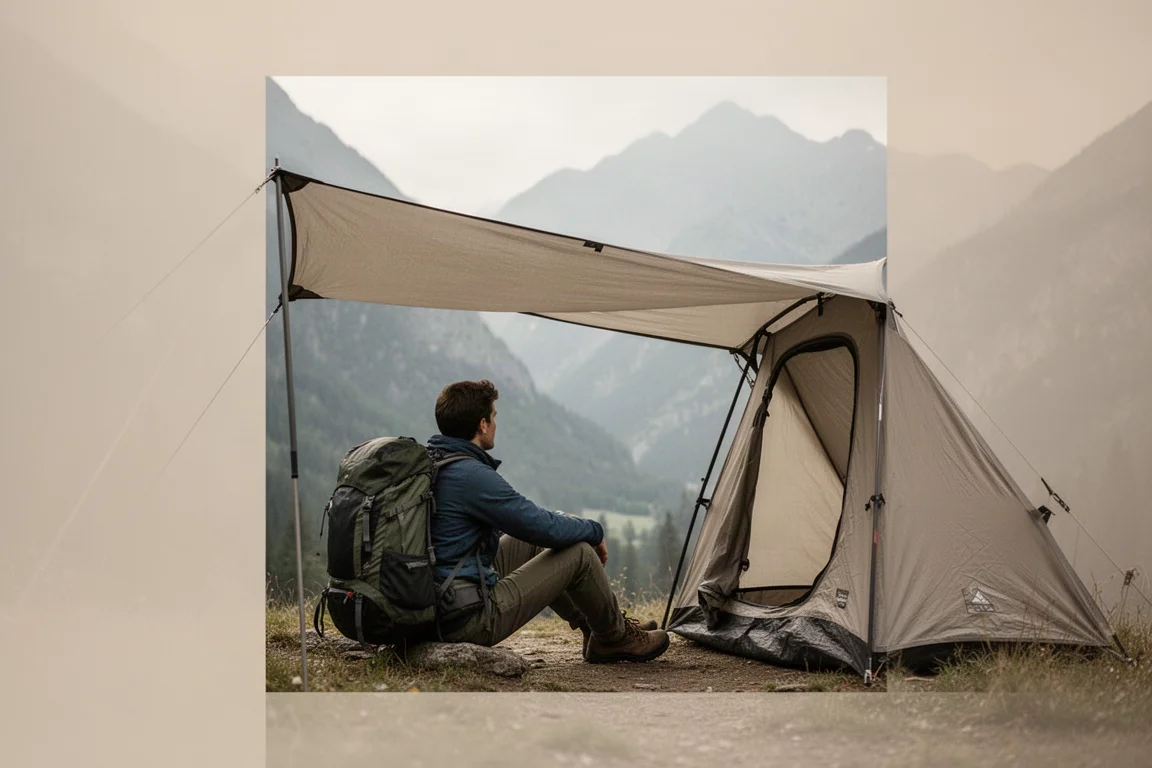
The Soloist is not trying to be a palace. It is a minimal, lightweight option that fits easily into tight spots, making it a smart choice for solo trips where simplicity matters more than luxury.
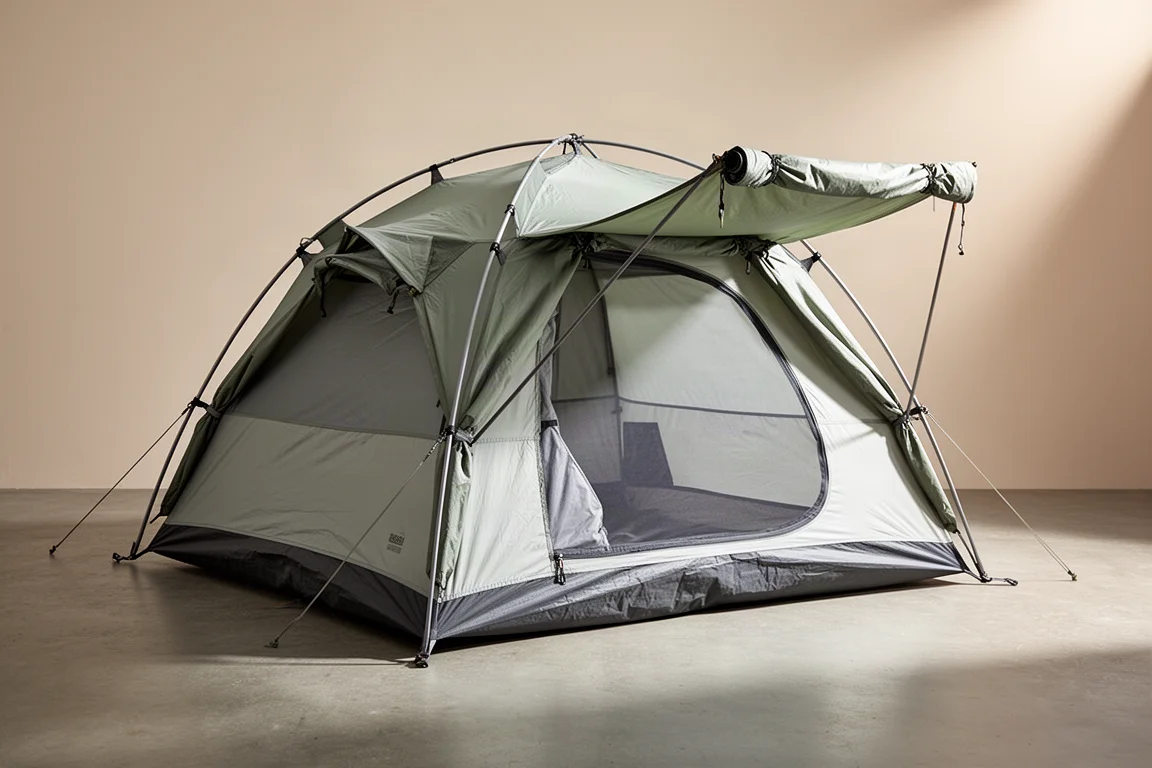
Big Agnes Copper Spur UL2: Comfort for Two
The Big Agnes Copper Spur UL2 is a full freestanding two-person shelter that prioritizes comfort and organization. It has a large 3D pocket inside along with side pockets, which helps keep gear off the floor and frees up space. The awnings roll back fully, and they can also extend outward like the awning on the PreTents Soloist. This is the most comfortable shelter in this lineup, and it shines when you are sharing it with a partner, a child, or a dog. It is still lightweight for its size, and it makes overnight and weekend trips more enjoyable because you can sit up, play cards, or watch a movie without feeling cramped. For two people, it provides more living space than the Double Rainbow Li, which is why it remains the go-to choice for family trips.
Buying Advice
Choosing among these four shelters comes down to matching the design to your typical trips. If you want a modular system that handles cold weather and carries extra gear, the Lux Hiking Gear Hex Peak XL is a strong contender. If weight savings and living space are your top priorities, and you are willing to invest in Dyneema, the Tarptent Double Rainbow Li delivers. For solo trips where you expect tight pitches and want to keep things simple, the PreTents Soloist is a practical pick. And if comfort for two people or family outings matters most, the Big Agnes Copper Spur UL2 offers the organization and space that make those trips easier.
Each shelter has a clear role. None of them is trying to be everything for everyone, and that is exactly why they work well together as a quiver. Think about the conditions you expect, the people or pets joining you, and how much weight you are willing to carry. That will point you to the right option.
Conclusion
These four shelters cover a wide range of backpacking scenarios, from modular four-season use to ultralight Dyneema performance, compact solo camping, and comfortable family trips. The best choice depends on your own adventures, but each one has been selected for a specific purpose. With the right shelter, you can focus on the trail and the time outside rather than the gear.
Further reading
Related Reviews

Backpacking Gear
Building a 10 lb Base Weight: An Ultralight Backpacking Gear List
A practical walkthrough of the ultralight pieces behind a 10 lb base weight, from a 765 g pack and a roomy one-person tent to a full camp chair and a dependable water filter.
Backpacking Gear
A 15-Pound Lightweight Backpacking Gear List for Solo Trips
A beginner-friendly 15-pound backpacking setup built from easy-to-find gear, with notes on what each piece does, how it packs, and where to spend your attention.
Backpacking Gear
8 Ultralight Backpacking Gear Upgrades Worth Carrying
Eight small, affordable backpacking upgrades that solve real trail annoyances, from a pillow that stays put to a fuel valve that rescues leftover canister gas.