Backpacking Gear
Four Backpacking Gear Picks Worth the Weight
A practical look at four backpacking items, from bear-resistant food storage to a satellite communicator, and how each one earns its place in the pack.
Introduction
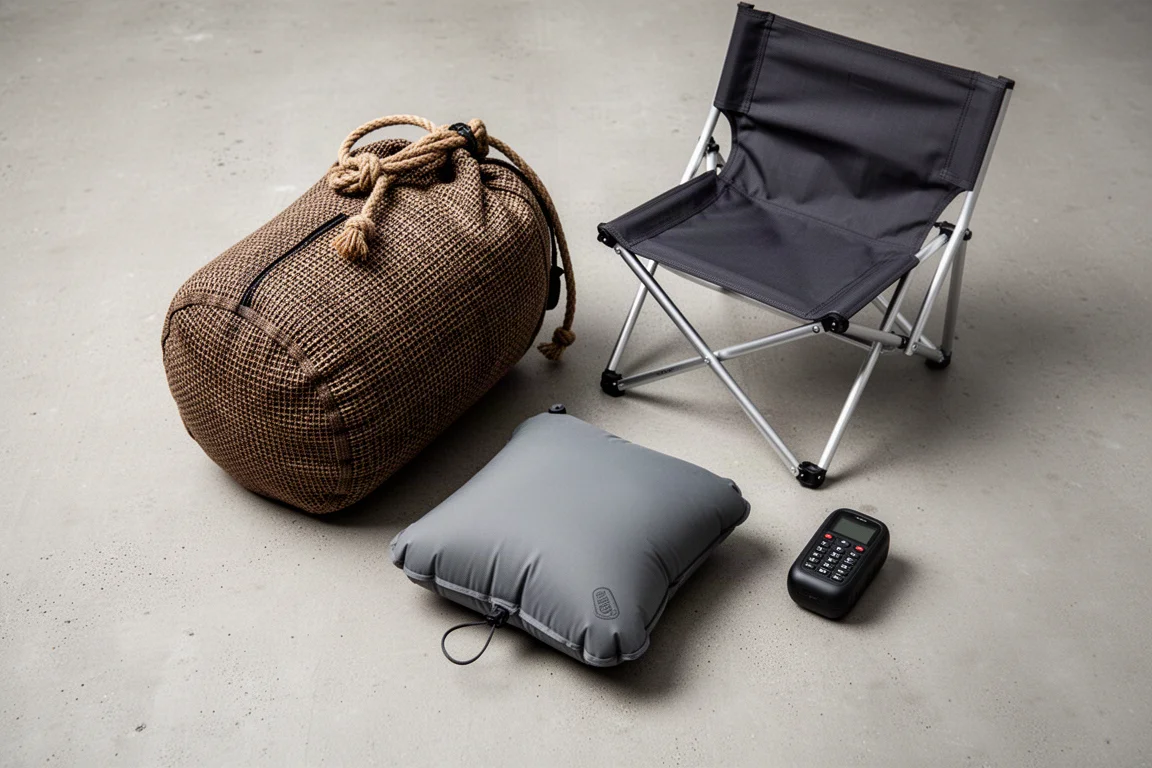
Backpacking gear divides into two rough groups: the things a trip genuinely requires, and the things that quietly make the trip better. A pack, a shelter and a sleeping bag sit firmly in the first group. Rain protection, a sleeping pad, bear-resistant food storage, a trowel and toilet paper follow close behind, because they protect warmth, water sources and the food you are carrying.
The second group is harder to justify on a spreadsheet. It covers the extras that change how a long day of walking feels once you stop: a chair, a proper pillow, a way to reach help where there is no cell signal. None of them are strictly necessary to reach camp, and that is exactly what makes them interesting choices.
What follows is a closer look at four items that sit in the overlap between useful and enjoyable, with honest notes on what each one does and where its limits are.
What Earns a Place in the Pack
Weight and packed size matter, but they are not the whole test. The more useful question is how often an item gets used on a typical trip, and what happens when it is left behind. A sleeping pad is used every single night, which is why it earns space even when it is bulky. A chair is used every evening at camp, which is why so many hikers keep carrying one.
Trip conditions shape the answer too. Summer nights in high alpine terrain can still drop to freezing, so insulation and dryness come first. Bear country adds a storage requirement that is not optional. Long days on foot make small comforts matter far more than they do on a short overnight.
The four items below are judged on that basis: how reliably they are used, how much they weigh, and whether the benefit justifies the space.
Ursack: Bear-Resistant Food Storage
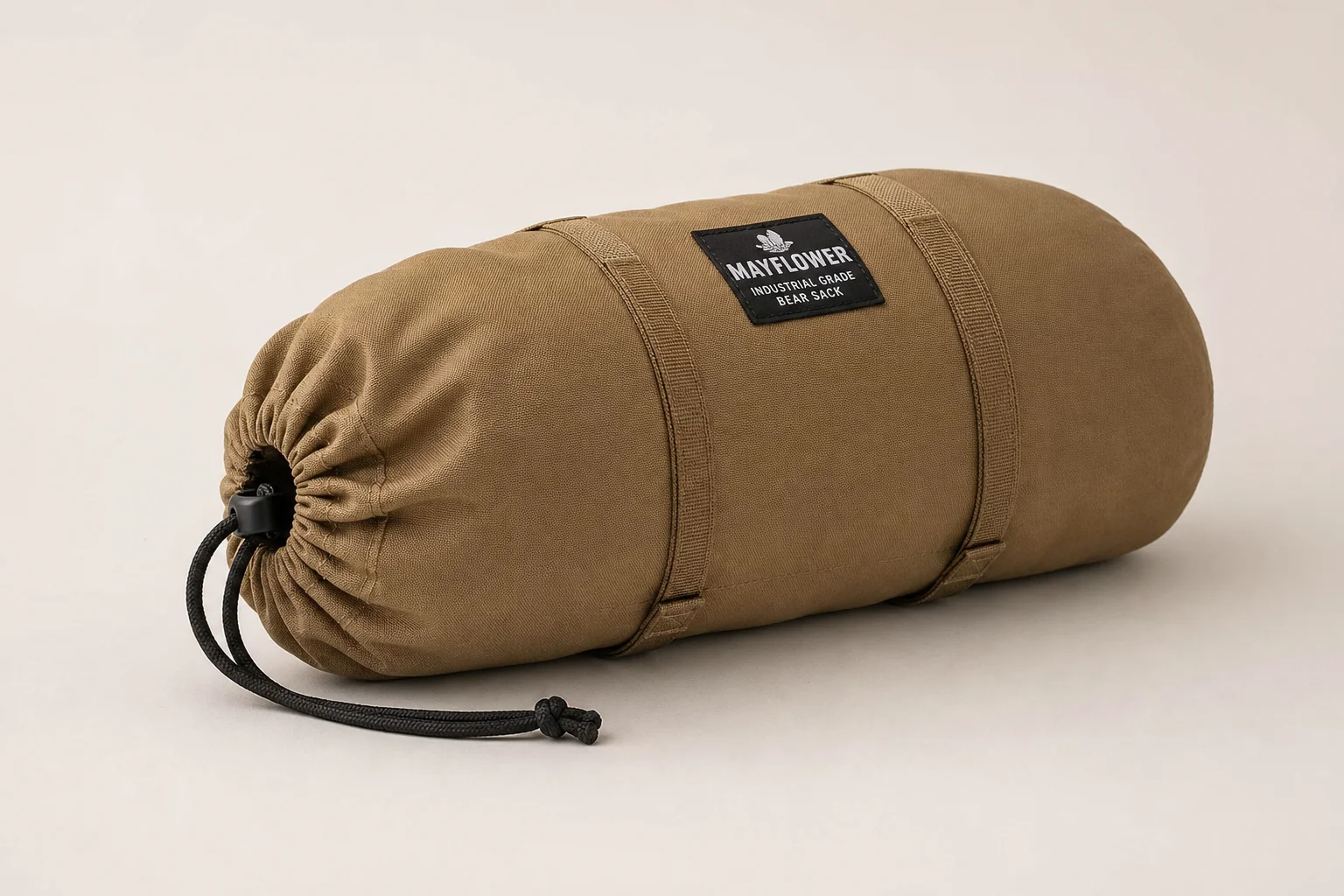
In bear country, food storage is a requirement rather than a preference. The lightest option is a bear bag hung in a tree, but hanging one correctly is harder than it looks, it takes time at the end of a long day, and it is rarely done well. A hard-sided bear canister is far simpler and far more reliable, but it is heavy and bulky, and many backpacking areas require one regardless.
The Ursack sits between those two approaches. It is a bear-resistant Kevlar bag that gets tied to a tree, which makes it difficult for a bear to carry off and tear open. It is lighter and easier to deploy than a canister while being more forgiving than a badly hung bear bag. The limit is worth stating plainly: a determined bear can still get into one, so this is a weight and convenience trade-off rather than an absolute guarantee.
For trips where local rules allow a tied bag and pack weight is a real concern, that middle ground is often the most practical answer.
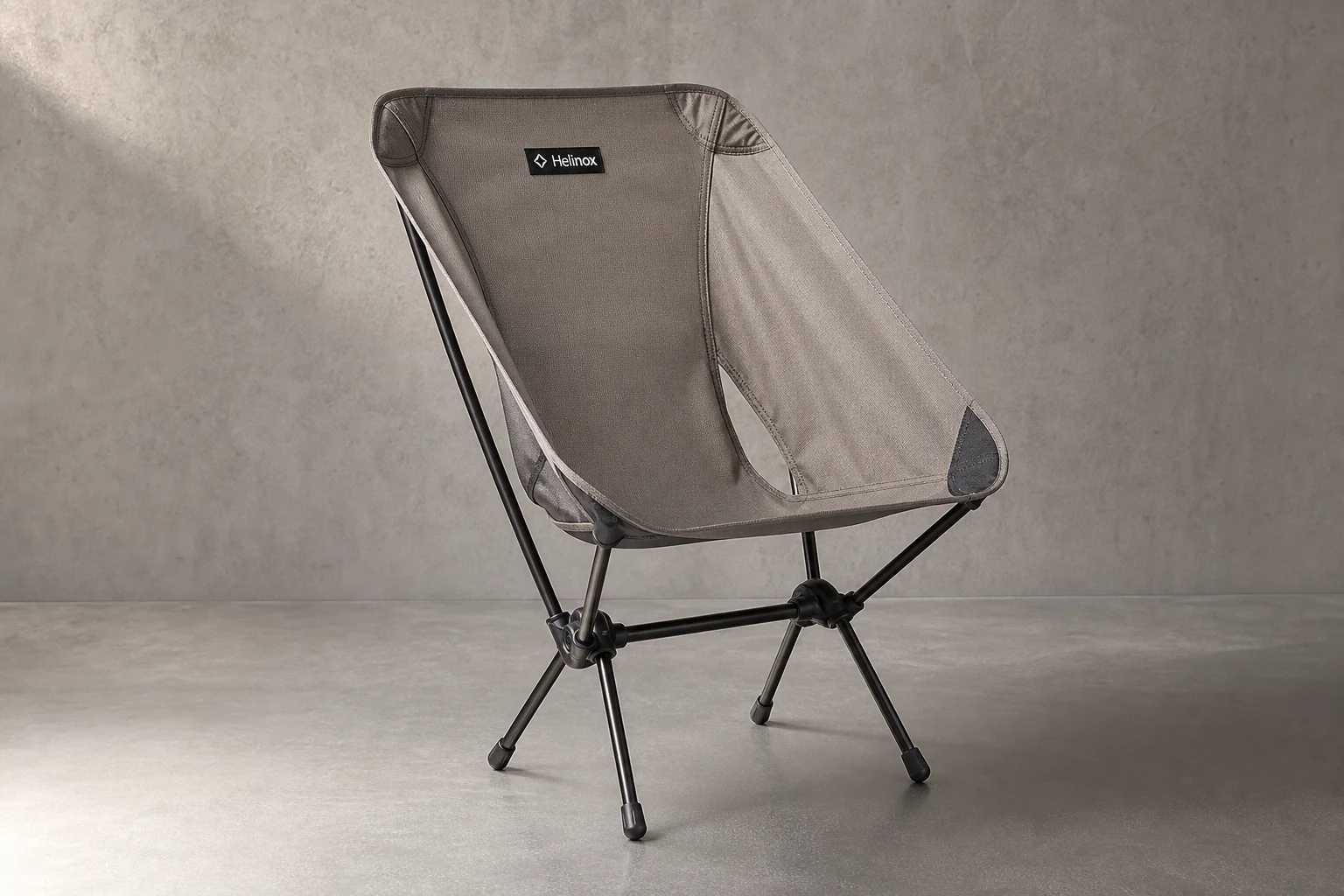
Helinox Chair Zero: A Pound Is Better Than the Ground
Sitting down properly at the end of a walking day is one of those small things that changes the whole mood of camp. Many hikers improvise by loosening their shoes or perching on a rock, which works until the rock is cold, uneven, or simply not there.
The Helinox Chair Zero weighs right at a pound, which makes it one of the heavier single items in a lightweight kit. That weight is the entire argument, and the counter-argument is simple: a pound is better than the ground. For anyone who takes a seat almost every time they go out, the chair gets used every single evening, and gear that is used that reliably tends to justify its space.
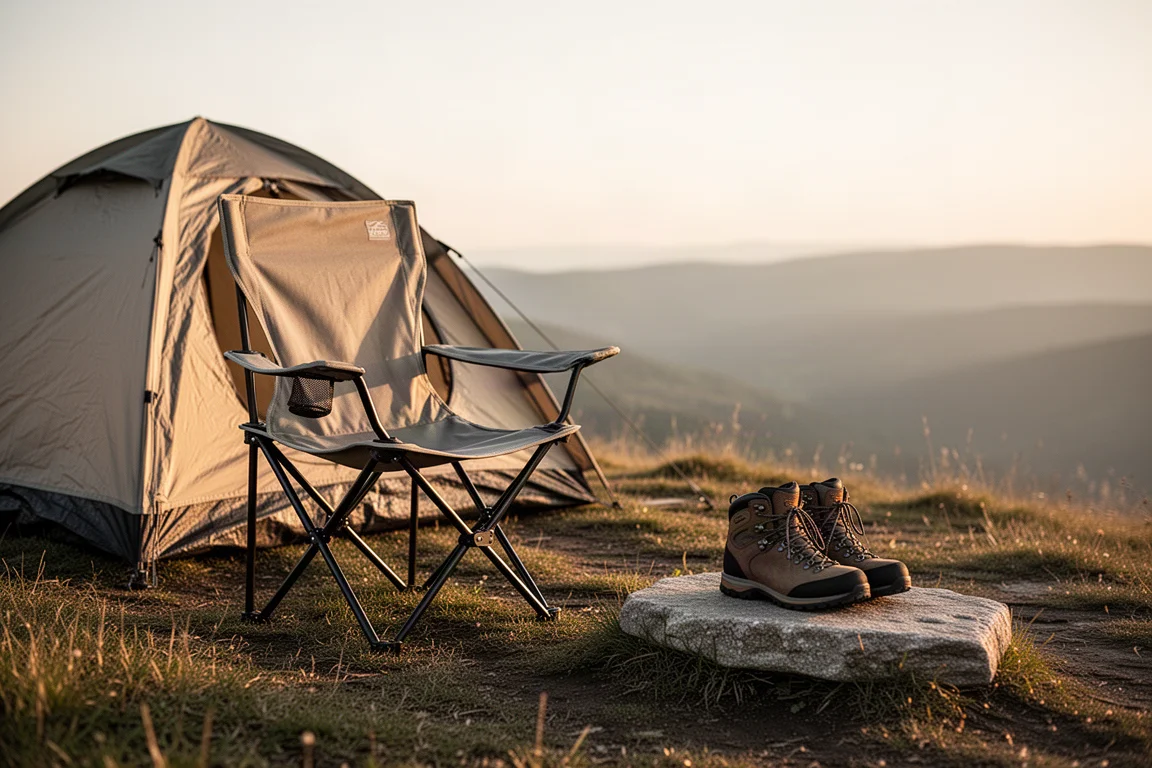
It is worth being clear about the trade-off. The Chair Zero is not the lightest chair available and it is not the lightest way to sit. It is a comfort item, and in a kit where every gram is contested, it is usually the first thing people cut and the first thing they miss.
Nemo Fillo: Completing the Sleep System
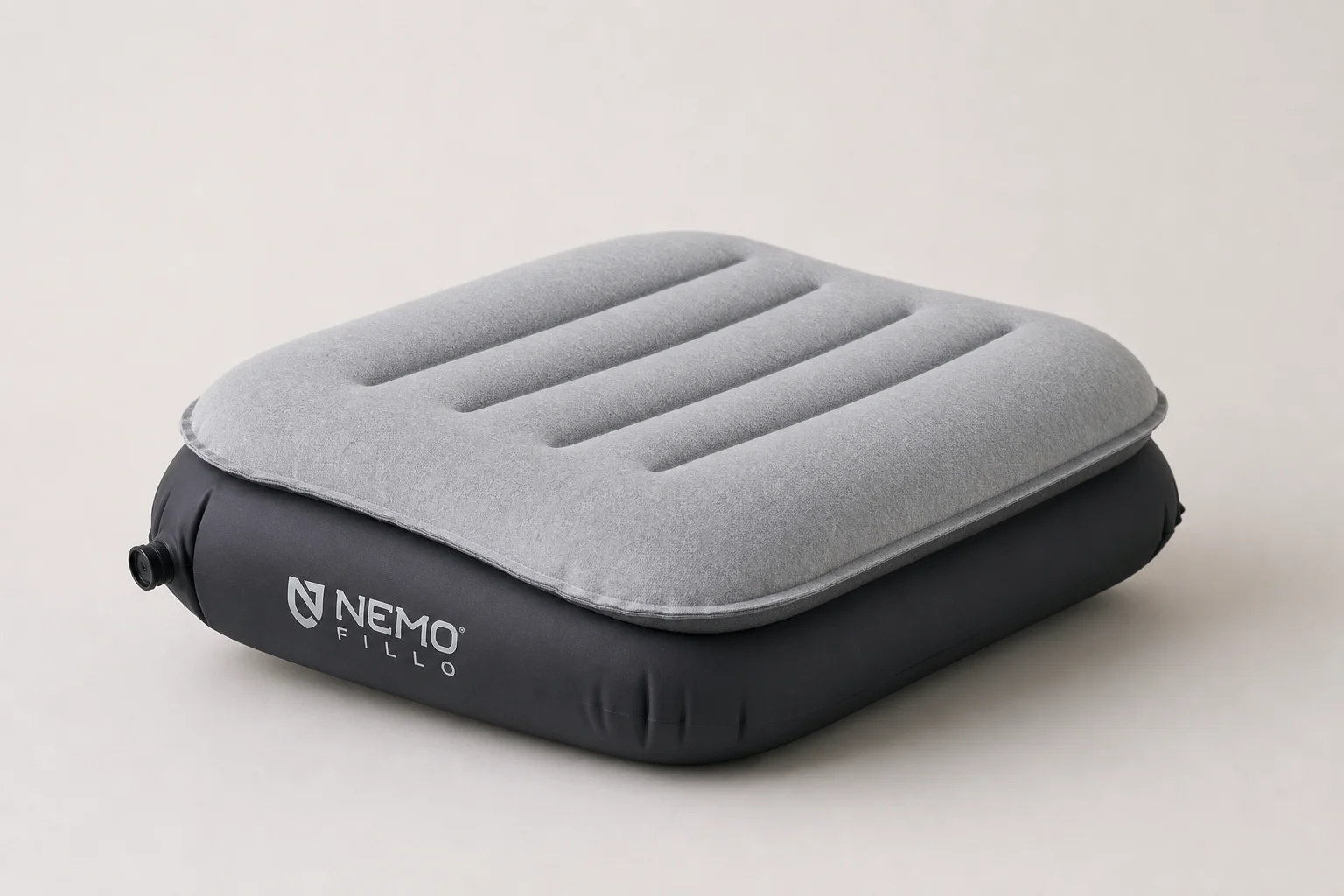
Sleep insulation is where backpacking comfort is won or lost. A quilt works much like a sleeping bag, except it is open at the back: instead of getting inside it, you lay it over yourself like a blanket. That design makes it less restrictive, easier to vent when the night is warm, and easy to bundle up when temperatures drop.
A quilt alone is only part of the picture. A good pillow such as the Nemo Fillo finishes the job, and the combination makes for one of the best sleep systems you will find for hiking and backpacking. The pillow is the piece most people leave at home and then wish they had packed, because it is what makes the rest of the system feel like sleep rather than a night spent rearranging gear.
Zoleo Satellite Communicator: Peace of Mind Beyond Cell Coverage
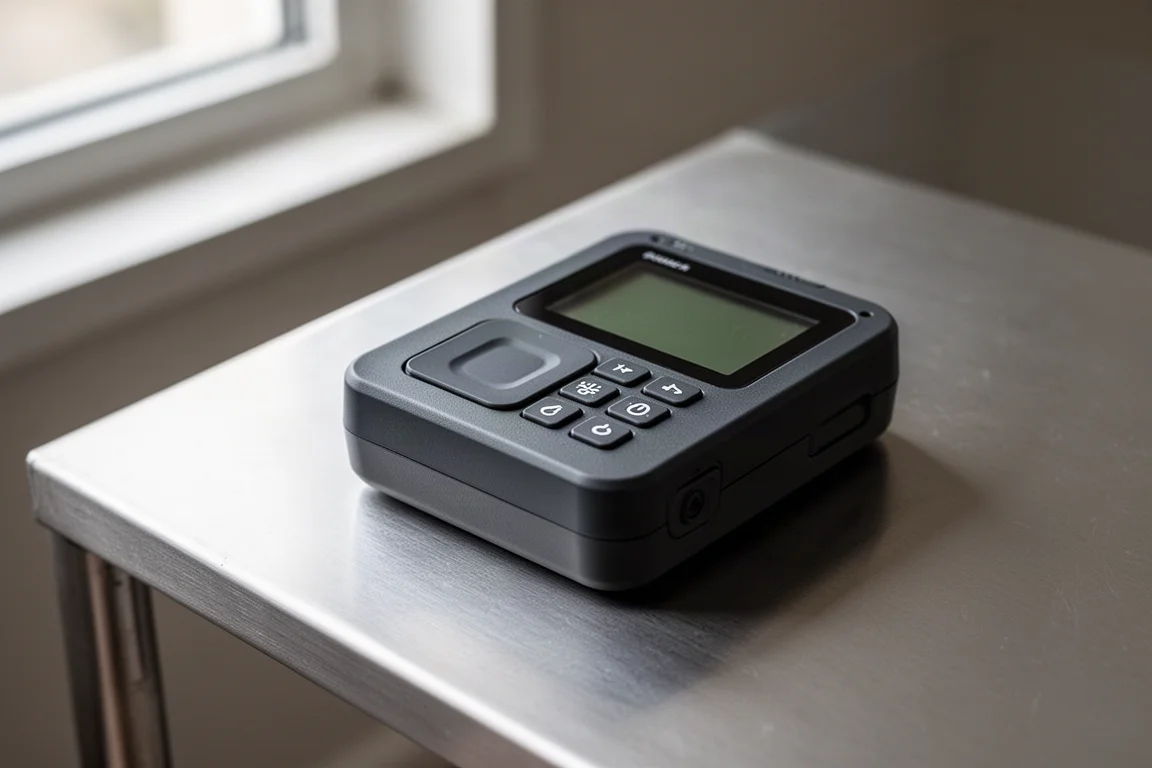
Most trails eventually leave cell coverage behind, and that is where a satellite communicator changes the equation. The Zoleo lets you call for help from anywhere in the world, send your location to someone at home, or simply send a short update to let them know you are okay.
That reassurance is the reason it comes along on every trip, not just remote ones. A check-in message costs nothing in effort and removes a great deal of worry for the people waiting at home, while the emergency function is the kind of capability you hope never to use but want available if you do.
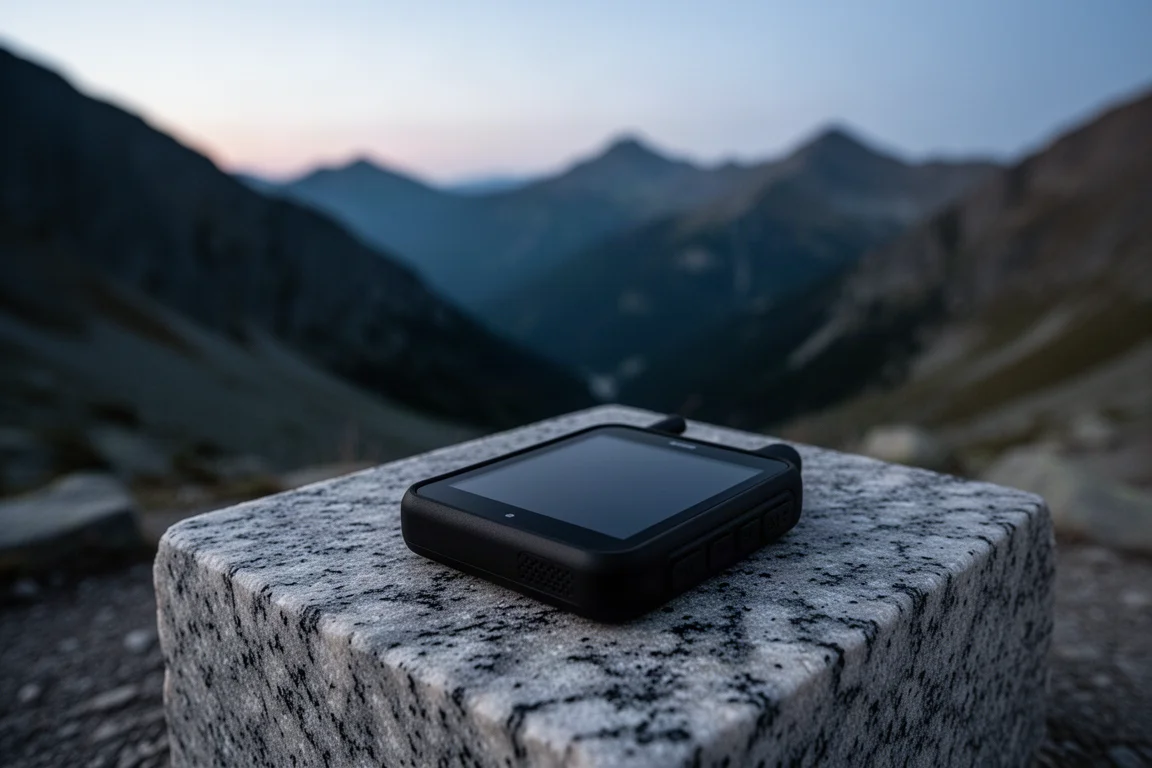
The practical requirements are modest but real: it has to be carried somewhere accessible, it has to be charged before you leave, and it only helps if it is actually with you rather than left in the car. For hikers who travel solo or venture beyond reliable coverage, those habits are a small price for the capability.
Matching Gear to the Trip You Actually Take
Gear choices get easier once the trip is specific rather than general. A summer trip in high alpine terrain is a sleep system problem first: nights can drop to freezing even in the middle of summer, so insulation, a sleeping pad with suitable warmth, and reliable rain protection take priority. A pack liner or rain cover, or both, is cheap insurance for a down bag.
Bear country is a rules problem as much as a gear problem. Where a hard-sided canister is required, the decision is made for you. Where it is not, a bear-resistant bag tied to a tree is a reasonable compromise for lighter loads.
Long walking days are a comfort problem. A second pair of socks is worth carrying because socks get not just dirty but crusty and uncomfortable, and a fresh pair every couple of days makes a noticeable difference. Lightweight camp sandals let tired feet breathe at the end of the day. A chair fits the same logic: it is used every evening, so it is rarely dead weight.
Remote or solo travel is a communication problem. A satellite communicator answers it directly.
Overall Buying Advice
Start with the items that protect warmth and dryness, since those are the ones a trip cannot absorb losing. A sleeping bag or quilt, a sleeping pad, and rain protection for the pack come first. Bear-resistant storage and a trowel follow, because they are either required or they protect the places you want to keep visiting.
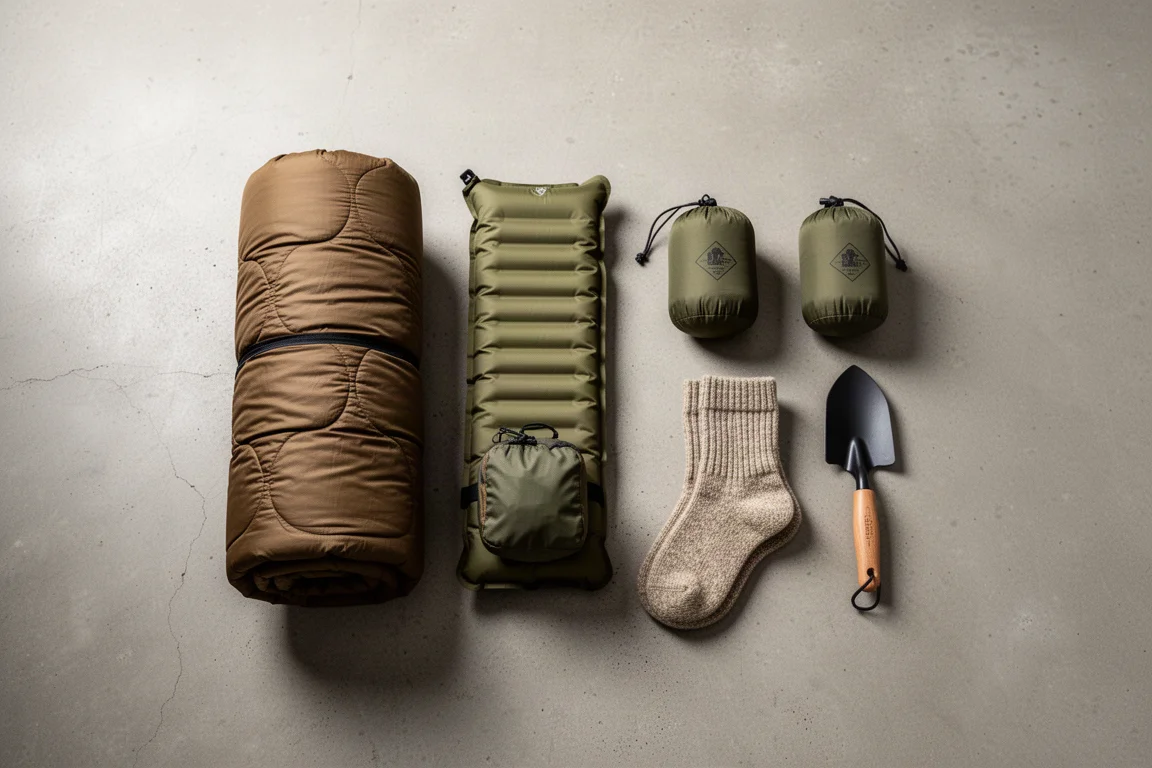
Then add the wants in the order you will actually use them. If you sit down every evening, a chair will be used more often than almost anything else in your pack. If you sleep badly on the ground, a pillow is a small item that fixes a large problem. If you hike beyond coverage, a satellite communicator is the one item that matters most when something goes wrong.
The useful test for any of these is simple: how many times per trip will it be used, and what does it cost you in weight to bring it? Items that pass that test tend to stay in the pack for years.
Conclusion
Essentials and comforts are not really opposites. A sleeping pad is essential because it keeps you warm, and a chair is a comfort because it keeps you rested, and both change how a trip feels. The Ursack lightens bear country food storage without pretending to be a hard-sided canister. The Helinox Chair Zero trades a pound for a proper seat every evening. The Nemo Fillo completes a quilt-based sleep system. The Zoleo satellite communicator keeps help and check-ins within reach where there is no signal.
Choose the ones that match the trips you actually take, and each of them will earn its place.
Further reading
Related Reviews

Backpacking Gear
Building a 10 lb Base Weight: An Ultralight Backpacking Gear List
A practical walkthrough of the ultralight pieces behind a 10 lb base weight, from a 765 g pack and a roomy one-person tent to a full camp chair and a dependable water filter.
Backpacking Gear
A 15-Pound Lightweight Backpacking Gear List for Solo Trips
A beginner-friendly 15-pound backpacking setup built from easy-to-find gear, with notes on what each piece does, how it packs, and where to spend your attention.
Backpacking Gear
8 Ultralight Backpacking Gear Upgrades Worth Carrying
Eight small, affordable backpacking upgrades that solve real trail annoyances, from a pillow that stays put to a fuel valve that rescues leftover canister gas.