Backpacking Gear
Four Backpacking Gear Items Worth a Closer Look Before You Buy
Four backpacking items with real strengths and clear trade-offs, from shelter attachment points and sun coverage to hand warmth and rain shell lifespan.
Introduction
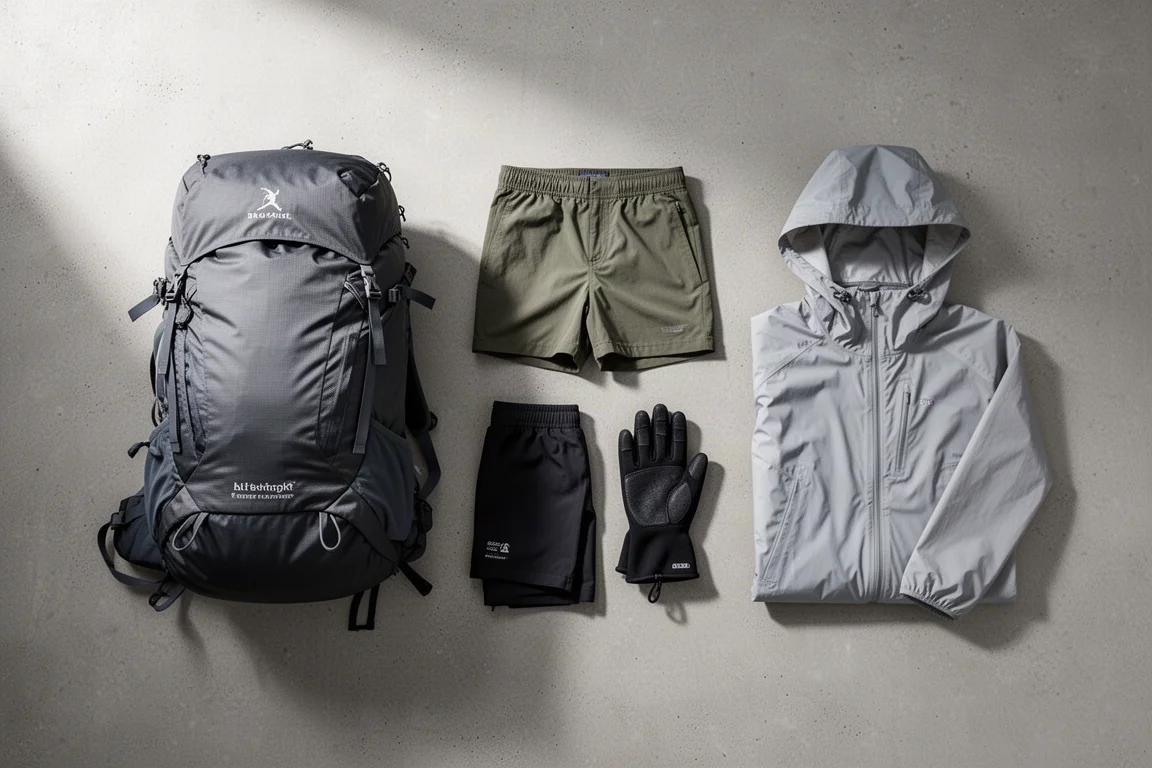
Backpacking gear rarely fails all at once. More often a piece works well for a few seasons and then one specific limitation starts to matter more than the benefits. The four items below all come out of real trail use, and each one has a clear reason it can stop earning its place in a pack.
None of them is a bad product. They are products with a specific job, and that job only fits certain hikers. Knowing where each one draws the line is the difference between kit you keep for years and kit you replace after a single wet trip.
The pattern shows up in four places: shelter attachment, sun coverage, hand warmth, and the working life of a lightweight rain shell. Each is worth thinking through before you spend the money.
What to Consider Before You Buy
Four questions cover most of the decision. Does the pack have attachment points where you actually want to carry your shelter? Does your clothing strategy favor airflow or full skin coverage? Do you need dexterity in cold rain, or warmth above all? And how long do you expect a lightweight shell to stay waterproof?
Answer those honestly and the choice gets much simpler, because the trade-offs stop being abstract and start matching your own body and your own routes.
Mariposa Pack: When Bottom Attachment Points Matter
The Mariposa pack has no shelter loops on the bottom panel. That single omission changes how the whole pack gets used, because the natural place for a tent or tarp is underneath the load rather than on top of it.
Without bottom loops, a shelter has to be strapped across the top of the pack. That works, but it adds friction to every stop: reaching a snack or a camera means unstrapping the shelter, moving it, and strapping it back down. It is also one more thing to remember, and a shelter left behind on a log is a problem you only discover much later.
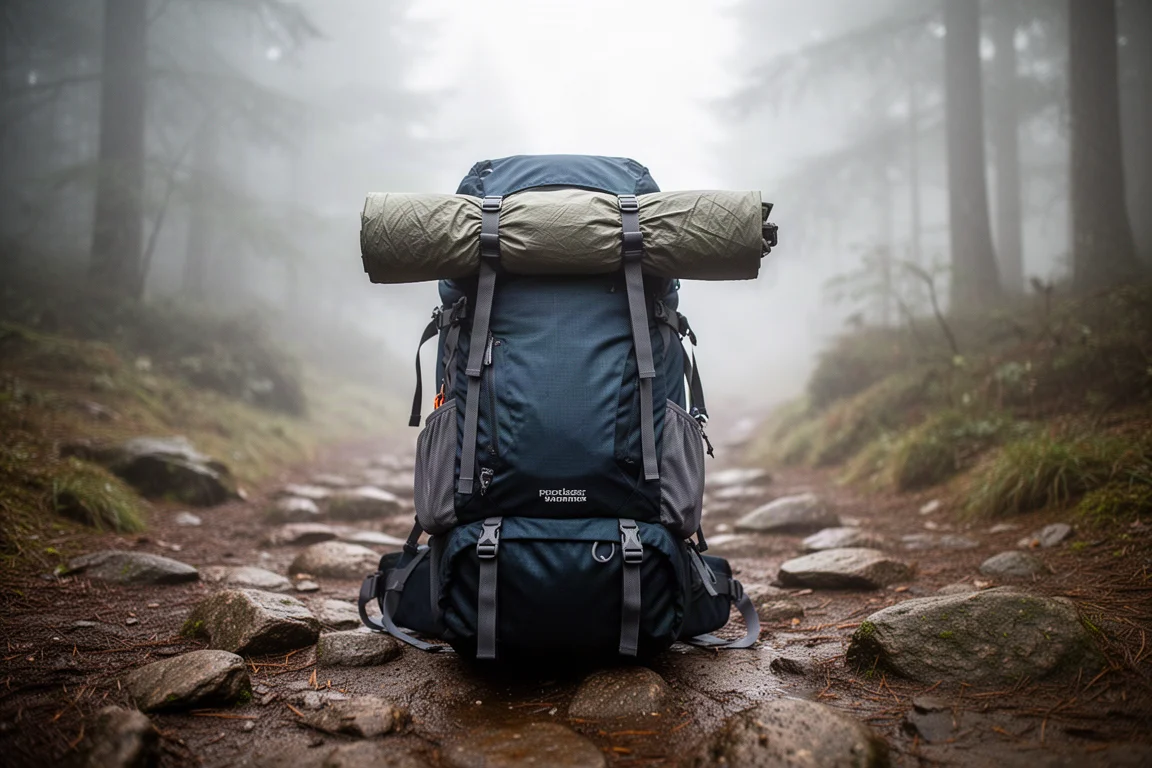
Bottom attachment points matter for two more reasons. A pack with a shelter secured underneath stands up better when it is set on the ground, which removes the small and surprisingly persistent frustration of a pack that keeps toppling over. In rain, a shelter carried on the outside lets you pitch it before opening the pack, then pack up in the morning with a wet shelter draining outside instead of inside. Some pack makers offer bottom loops as an order option, so it is worth checking the configuration before you commit.
Patagonia Barely Baggies Shorts: Comfort Versus Sun Coverage
Shorts are one of the most comfortable ways to hike. The Patagonia Barely Baggies shorts are light, and they help keep body temperature regulated on the move, which is why they end up in so many backpacking kits.
The trade-off is coverage. Shorts leave a lot of skin exposed to direct sun, and for hikers who have had a skin concern, that exposure can outweigh the comfort advantage. Long pants, long sleeves, a hat, and sunscreen cover the same ground with considerably more protection, at the cost of some airflow.
That is a personal calculation rather than a product flaw. If sun exposure is not a major concern for you, shorts remain a reasonable and comfortable choice.
Showa TemRes Gloves: Waterproofing and Dexterity in Cold Rain
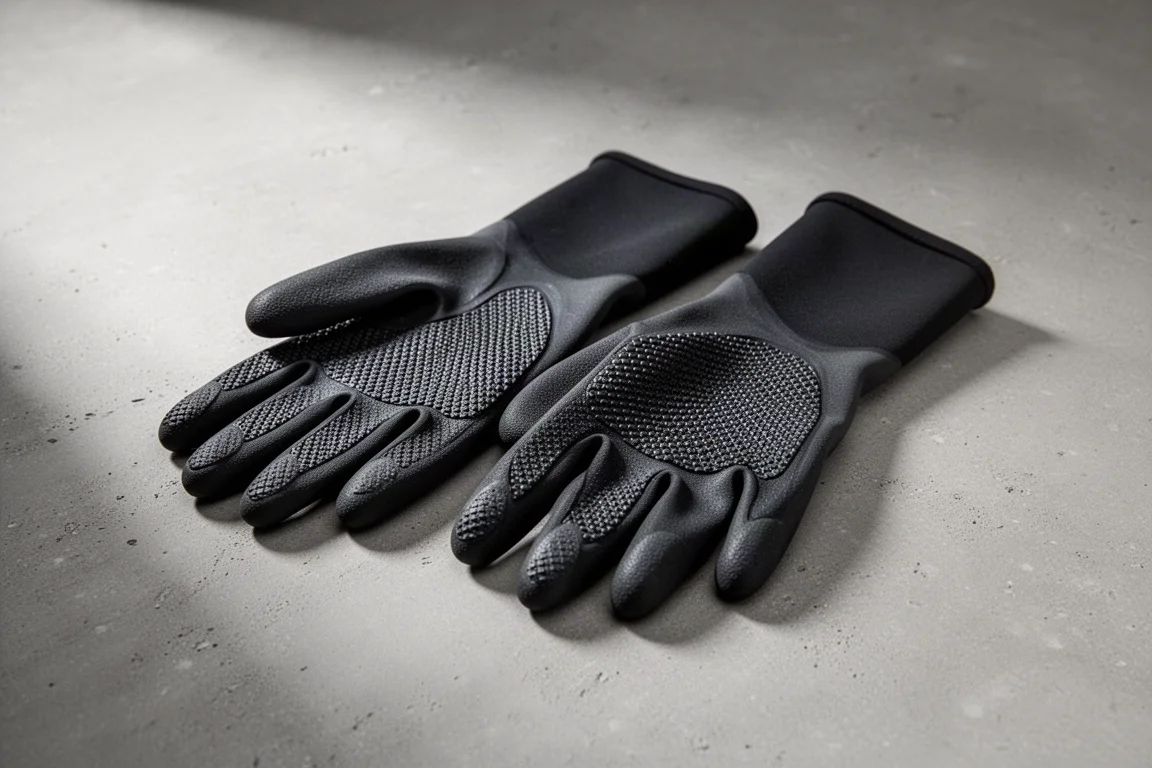
The Showa TemRes gloves are waterproof, and they stay waterproof in conditions where other waterproof gloves have failed. That reliability is why they get paired with a down glove for insulation once cold rain sets in.
They also deliver something mittens and rain mitts cannot: dexterity. Zippers, pack straps, and food packaging are all easier with gloves on, and that matters more than it sounds when your hands are wet and the temperature is dropping.
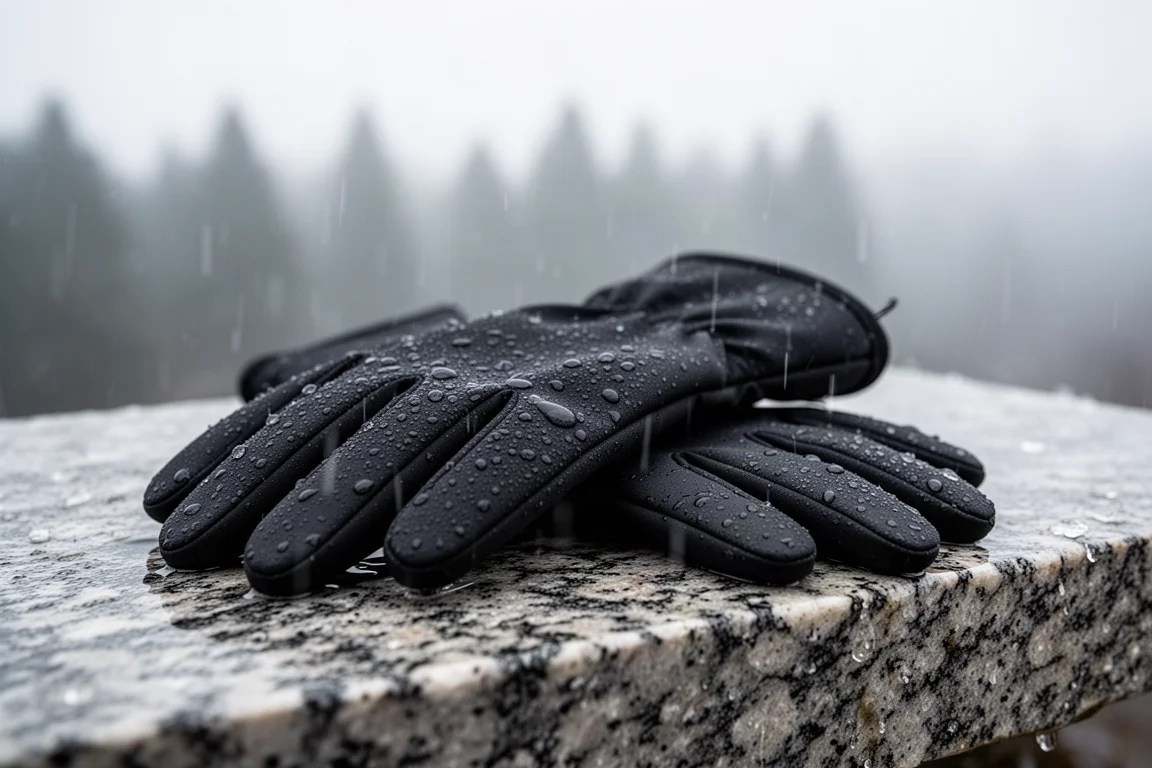
The limit is warmth. For hikers who run cold, fingertips can still go numb even with hand warmers placed in the palm of a liner glove or between the two layers. If warmth matters more to you than dexterity, rain mitts are the more sensible direction. If you run warm, these gloves may be exactly right.
Enlightened Equipment Women’s Visp Rain Jacket: Light, Soft, and Not Forever
The Women’s Visp rain jacket is one of the softest shells around. It does not have the stiff, crinkly feel of typical rain gear, and it is very lightweight, which makes it easy to carry and pleasant to wear for long days.
Its working life came to an end when the fabric itself began to soak through. Not a seam, the material. Once that happens the jacket stops keeping rain out, and there is no reasonable way to bring it back. A sturdier shell already in the rotation becomes the fallback.
Lightweight shells are consumables to some degree. That is worth factoring into the price you are willing to pay for one, and worth remembering when a jacket that has served you well finally gives up.
Overall Buying Advice
Match the gear to your body and your route rather than to a generic best-of list. If you carry your shelter on the outside of your pack, confirm that the pack has attachment points on the bottom before you buy it. If you burn easily or have had a skin concern, full coverage clothing is worth the extra warmth. If you run cold, prioritize insulation over dexterity and consider mittens. If you want the lightest possible shell, accept that it will not last forever.
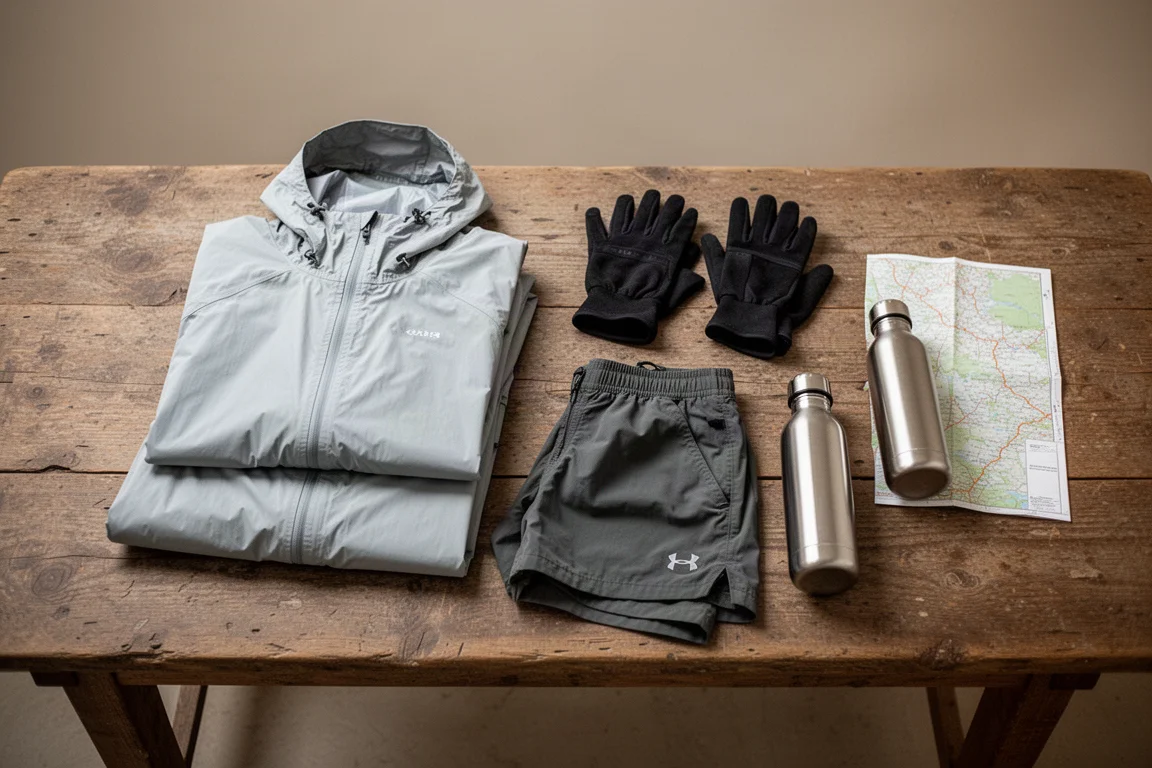
None of these four items is a mistake to own. Each one simply has a boundary, and the hikers who are happiest with their kit are the ones who understand where that boundary sits before they spend the money.
Conclusion
Gear lists are living things. Items get added, tested, and retired as conditions and priorities change. The Mariposa pack, the Patagonia Barely Baggies shorts, the Showa TemRes gloves, and the Enlightened Equipment Women’s Visp Rain Jacket all bring real strengths to the trail, and all four come with a limitation worth understanding up front. Buy with that limitation in mind and the gear you choose will serve you longer.
Further reading
Related Reviews

Backpacking Gear
Building a 10 lb Base Weight: An Ultralight Backpacking Gear List
A practical walkthrough of the ultralight pieces behind a 10 lb base weight, from a 765 g pack and a roomy one-person tent to a full camp chair and a dependable water filter.
Backpacking Gear
A 15-Pound Lightweight Backpacking Gear List for Solo Trips
A beginner-friendly 15-pound backpacking setup built from easy-to-find gear, with notes on what each piece does, how it packs, and where to spend your attention.
Backpacking Gear
8 Ultralight Backpacking Gear Upgrades Worth Carrying
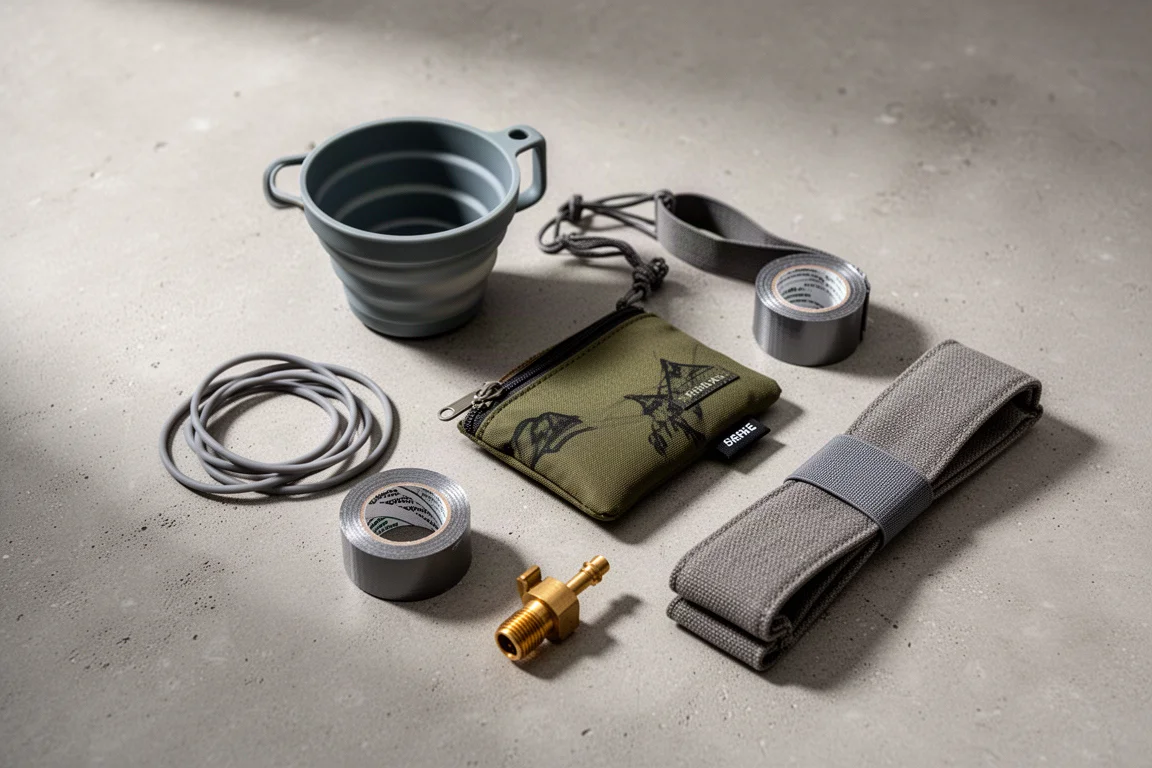
Eight small, affordable backpacking upgrades that solve real trail annoyances, from a pillow that stays put to a fuel valve that rescues leftover canister gas.