Hi-Fi Audio
Fosi Audio ZP3 Review: An Affordable Analog Preamp Built for Budget Separates
A $200 fully analog preamp with tone controls, a switchable high-pass filter, and swappable op amps, and what it means for building a separates system on a real budget.
Introduction
For much of the past fifty years, a true separates system was an expensive ambition. In the 1970s, a well-regarded receiver could cost around $1,000, and a full stack of separate amplifier, preamplifier, tuner, and equalizer was both a serious financial commitment and a piece of furniture that took over a living room.
The 1980s moved mainstream buyers toward digital receivers. The 1990s pushed them further, into multi-channel home theater, where the goal was a surround system dramatic enough to shake the room during a dinosaur scene. Two-channel listening never disappeared, but for most households the big separates stack was replaced by a single receiver bought from a department store.
Beneath that shift, something quieter was happening. Two-channel integrated amplifiers kept the format alive for dedicated listeners, and then direct-to-consumer brands that sold online opened a second path. More recently, low-cost imported components arrived, and although the earliest examples were rough, several of those brands have since moved clearly ahead of their competition.
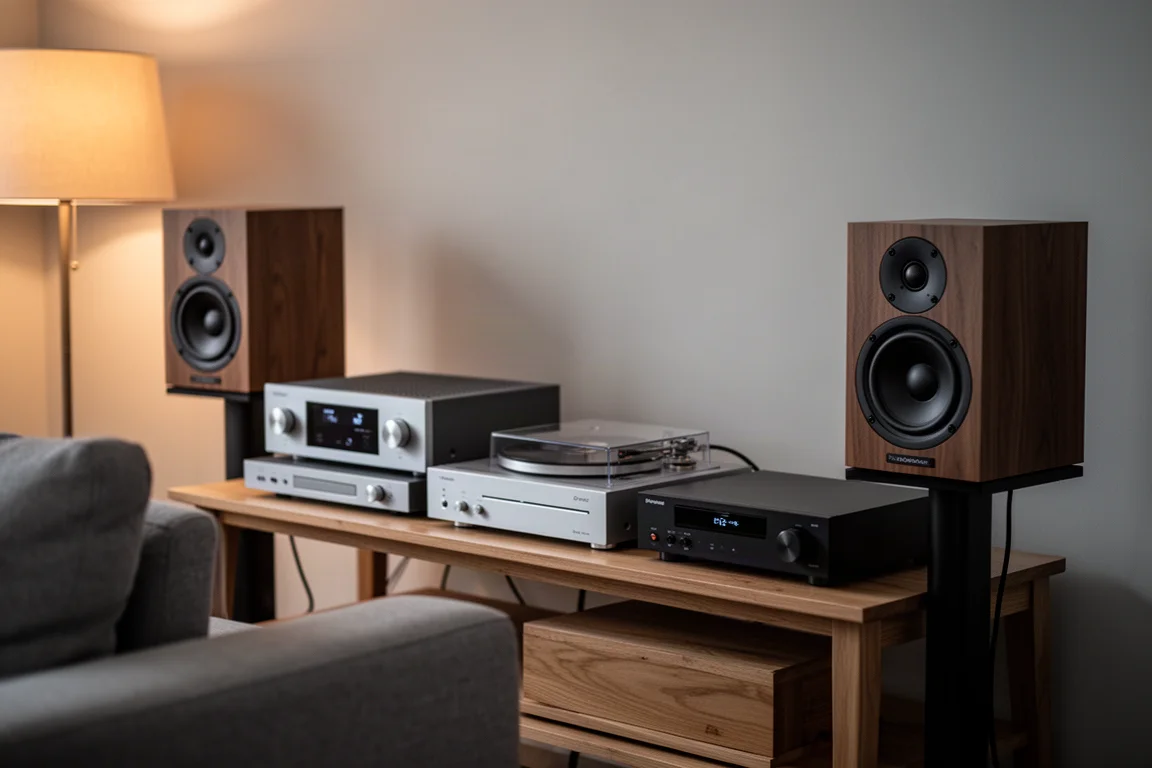
The Fosi Audio ZP3 sits at the end of that story. It is a fully analog preamp priced at $200, with tone controls, a switchable high-pass filter, and swappable op amps. Just as importantly, it represents a way of buying hi-fi that simply did not exist before: one component at a time, as the budget allows.
Who This Product Is For
The ZP3 is aimed at listeners who want the flexibility of separates without the four-figure entry price. That covers a few distinct groups.
First, anyone building a system gradually. A preamp is usually the last piece people add, and at $200 it is a realistic step rather than a single large purchase. Second, listeners who want hands-on control. Treble, bass, and balance adjustments are increasingly rare on modern budget gear, and a balance control solves a real problem in rooms where one speaker sits close to a wall and the other does not.
Third, tinkerers. The ZP3 uses swappable op amps, so the preamp can be tuned to taste later rather than replaced. Finally, it suits anyone running up to two single-ended analog sources plus one balanced source. Buyers with a larger collection of RCA-only components should check the input count carefully before committing.
Main Strengths
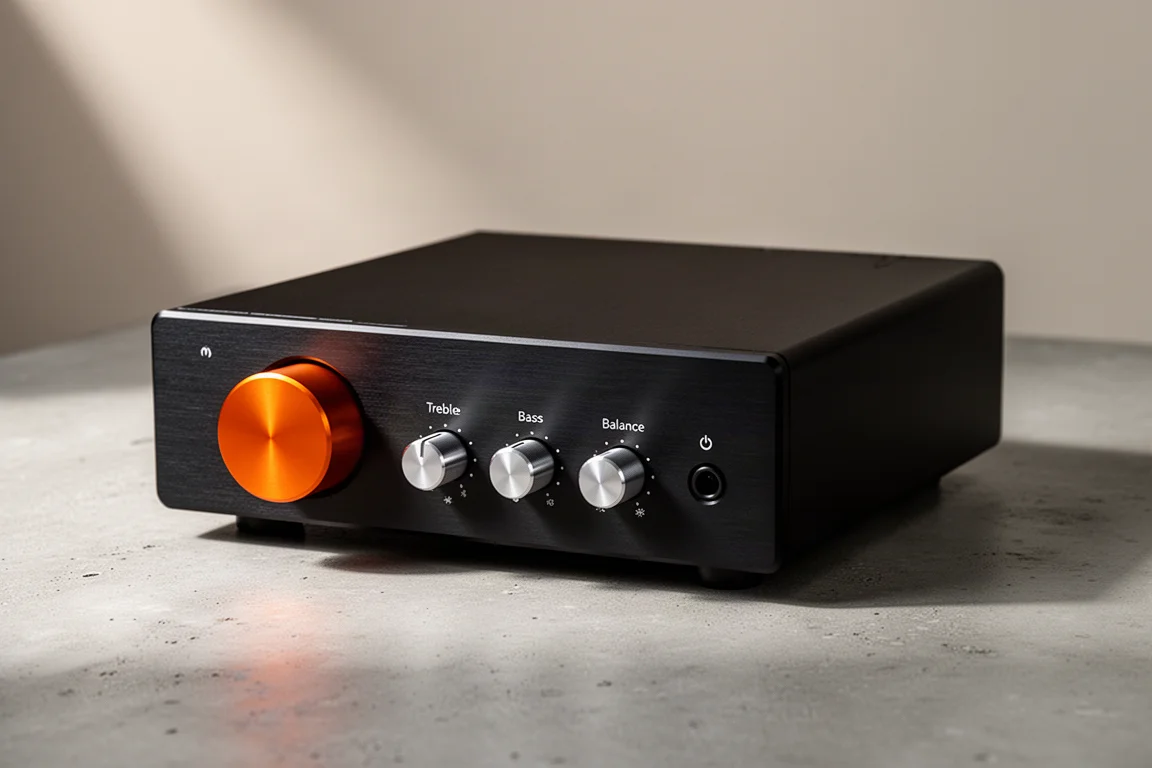
The most obvious strength is the control set. Treble, bass, and balance are all present on the front panel, and balance control is the one that matters most in practice. In a room where one speaker is cornered and the other has open space around it, a balance adjustment restores a centred stereo image in a way that repositioning alone often cannot.
The second strength is a switchable high-pass filter mounted on the underside of the chassis. It offers three settings: full range from 20 Hz to 20 kHz, a filter starting at 80 Hz, and a filter starting at 120 Hz. For anyone running a subwoofer or small bookshelf speakers, being able to hand the lowest octaves to a sub is a genuinely useful feature, and it is unusual to find it on a preamp at this price.
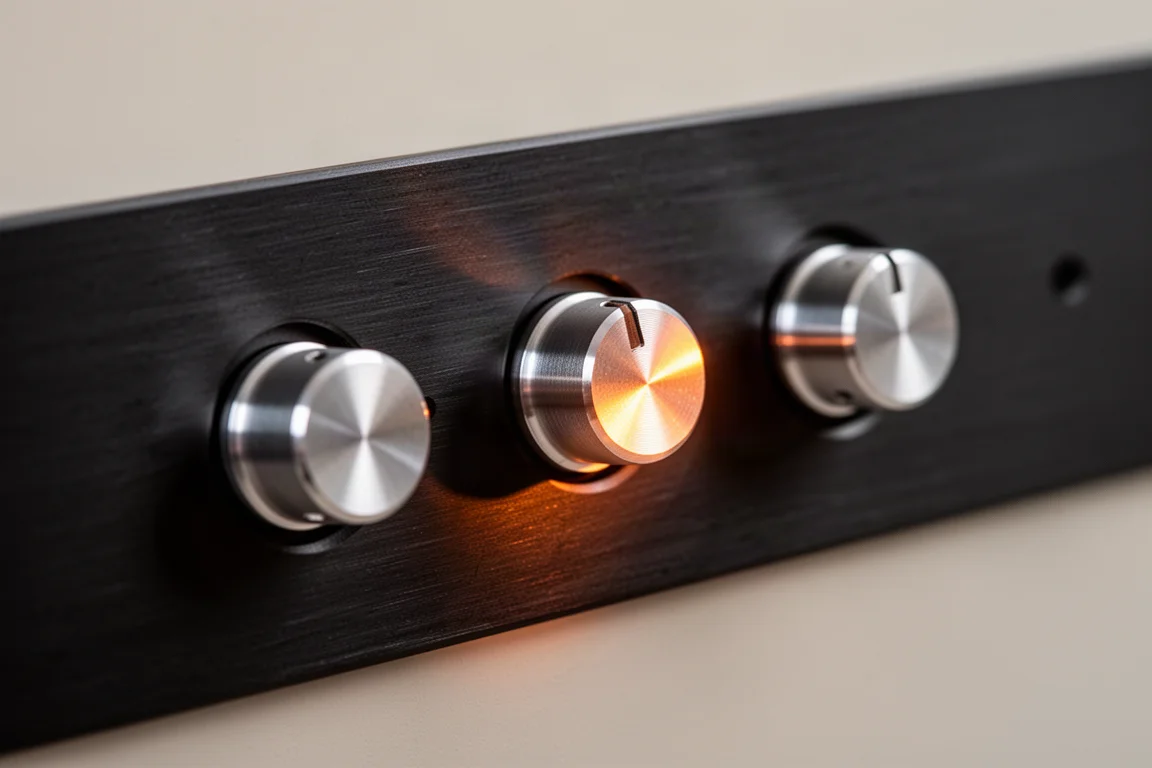
There is also a tone control bypass switch for listeners who prefer the shortest possible signal path, and the op amps are swappable, so the character of the preamp can be adjusted over time. The ZP3 uses an internal power supply, an evolution for this brand, and the styling has moved upmarket as well, led by the orange volume knob that has become a signature accent. At $200 for a fully functional analog preamp, the value proposition is difficult to argue with.
Design, Controls, and Connectivity
The front panel is simple and legible: a large orange volume knob, then knobs for treble, bass, and balance, and a power button that doubles as the input selector.
Connectivity is where the ZP3 asks for a little planning. There are two analog RCA inputs and one balanced analog input. That is enough for a DAC and a turntable, or a DAC and a CD player, but not much more. Buyers with three or more single-ended sources will need to think about how everything will be connected, or consider pairing the preamp with a DAC that offers its own inputs.
The chassis is light, which is worth noting but not alarming. Plenty of respected preamps, including models from much larger brands, are similarly light. The underside carries the high-pass filter switch and the tone control bypass switch, both of which are set-and-forget controls rather than everyday adjustments.
Sound Quality and Component Choices
The ZP3 sounds neutral. It is not thin, and it is not fat either. It does not add an obvious coloration of its own, which is what most listeners want from a preamp at this price.
That neutrality matters because the preamp section shapes more of a system’s overall character than many buyers expect. The ZP3 uses quality audio-grade components, and the swappable op amps mean that character can be nudged later, either toward a warmer presentation or toward more detail, without replacing the whole unit.
In practice, the sensible approach is to start with the stock configuration and only change op amps if a specific quality is missing from the system. The preamp is transparent enough that other parts of the chain, the speakers especially, will have a much larger influence on what you hear.
Things To Consider Before Buying
Input count is the first limitation to weigh. Two single-ended RCA inputs plus one balanced input is a modest set, and anyone with a larger analog collection will need a switching solution or a different preamp entirely.
The high-pass filter steps are the second. Full range, 80 Hz, and 120 Hz cover most situations, but a 60 Hz option would suit speakers that genuinely reach lower, and 120 Hz is higher than many systems need. A dedicated off setting in place of the full-range position would also be cleaner. These are small complaints about a feature most competitors at this price do not offer at all.
The tone control bypass is worth a mention. It is a welcome inclusion in principle, but the difference it makes is small enough that most listeners will likely leave the tone controls engaged.
Finally, the internal power supply is a step forward for the brand, but it also means there is no external supply to replace later. Listeners who enjoy swapping in a linear power supply on budget components will not have that option here.
Buying Advice
At $200, the ZP3 is best understood as one piece of a longer plan rather than a standalone purchase. The wider Fosi Audio range makes that plan concrete: a compact stereo amplifier at roughly $150 with swappable op amps and a mono mode for adding a second unit later, and a DAC at roughly $150 with HDMI, USB, optical, and coaxial inputs, balanced outputs, a remote, and its own volume control.
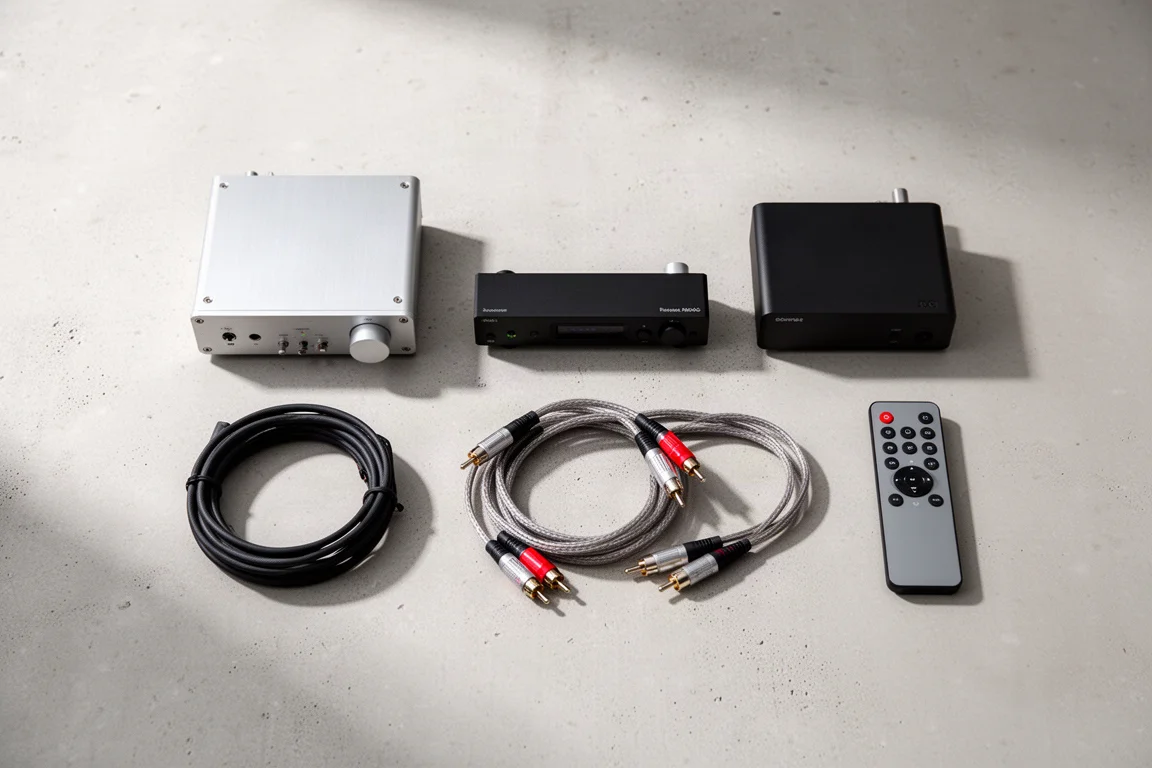
That DAC is the smart first step for many buyers. It can act as a digital preamp on its own, feeding an amplifier directly while you save for the ZP3. Add the preamp later and the system gains a true analog stage, tone controls, and a high-pass filter. A complete separates setup can be assembled for around $600 spread over three to six months, and every piece keeps its place in the chain as the system grows.
The usual counterargument is that three budget components cost as much as one used high-end unit. That is true, and it is also beside the point for many households. Spending $150 or $200 at a time is achievable in a way that a single $500 outlay often is not, and the incremental path lets you hear each improvement as it arrives.
It is also worth comparing before buying. Emotiva, Schiit Audio, SMSL, and Topping all operate in this space, and each offers a different balance of features, measurements, and price. Budget sources are plentiful as well, from affordable CD players to turntables around $200 from brands such as U-Turn and Fluance, so the rest of a first separates system does not have to be expensive.
Conclusion
The Fosi Audio ZP3 is a $200 analog preamp with tone controls, a balance control, a switchable high-pass filter, swappable op amps, and an internal power supply. Its limitations are real but specific: a modest input count and a high-pass filter with one setting too many and one setting missing.
For listeners who want to build a separates system slowly, on a genuine budget, and with room to upgrade, it is one of the more convincing options available. The broader story is that separates no longer demand a large upfront commitment, and the ZP3 is a clear example of how far that change has come.
Product link
View more details for Fosi Audio ZP3
This product is mentioned in the review. Check the specifications, options, and compatibility before buying.
View more details for Fosi Audio ZP3Further reading
Related Reviews
Hi-Fi Audio
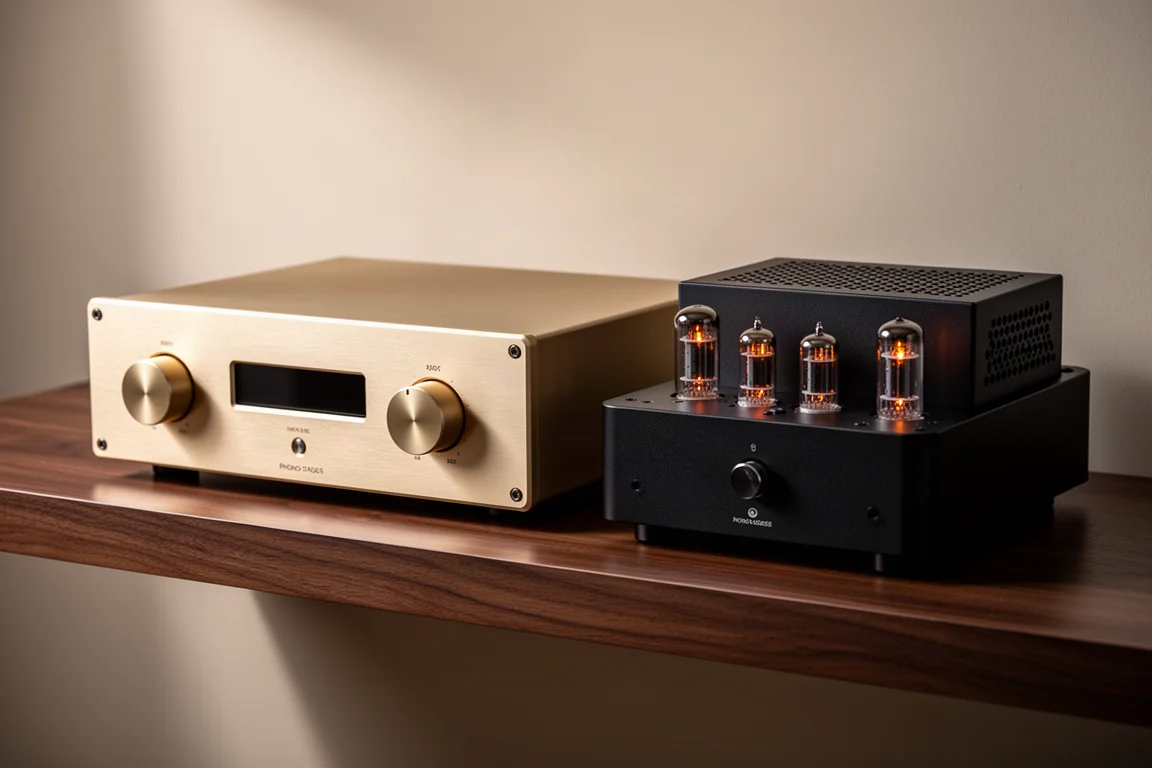
Accuphase C-57 vs Allnic H-7000V: Two High-End Phono Stages Compared
A fully balanced solid-state phono stage with a pitch-black noise floor meets a tube design built for well-loved records. Here is how to choose between them.
Hi-Fi Audio
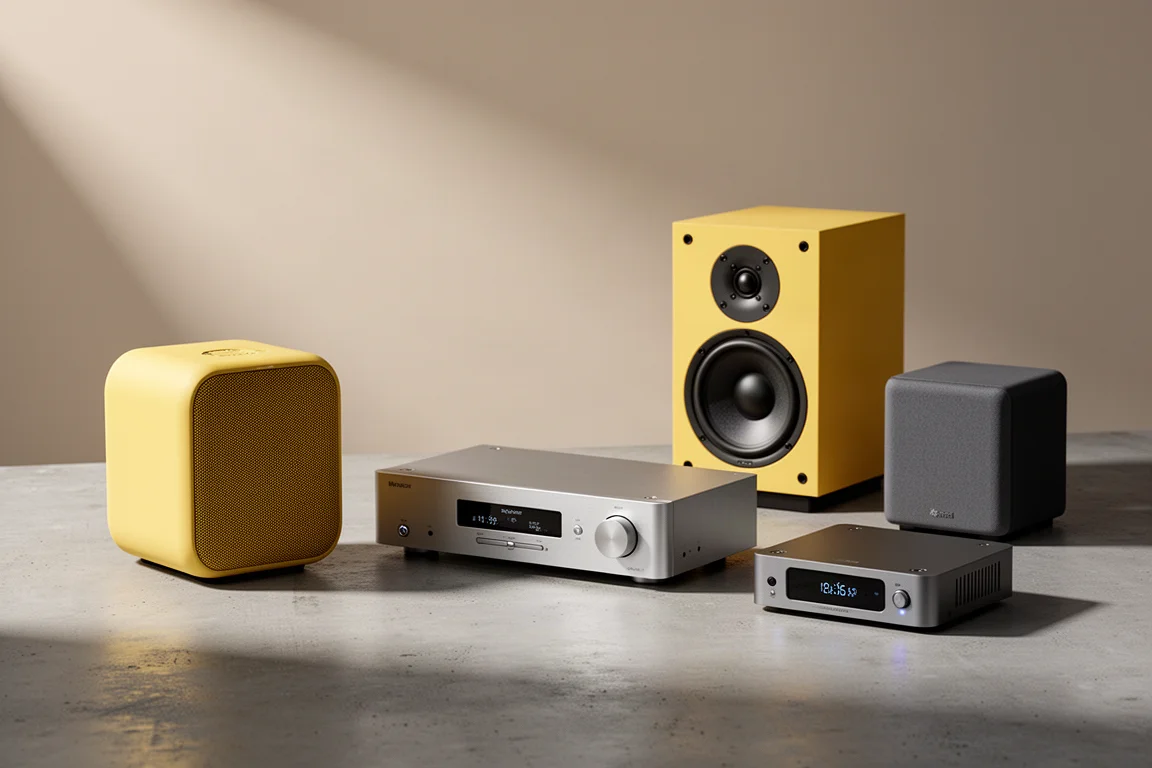
Active vs Passive Hi-Fi: Five Components for a Modern System
Five components that define modern active and passive hi-fi systems, with the strengths, trade-offs and setup details worth weighing before you buy.
Hi-Fi Audio
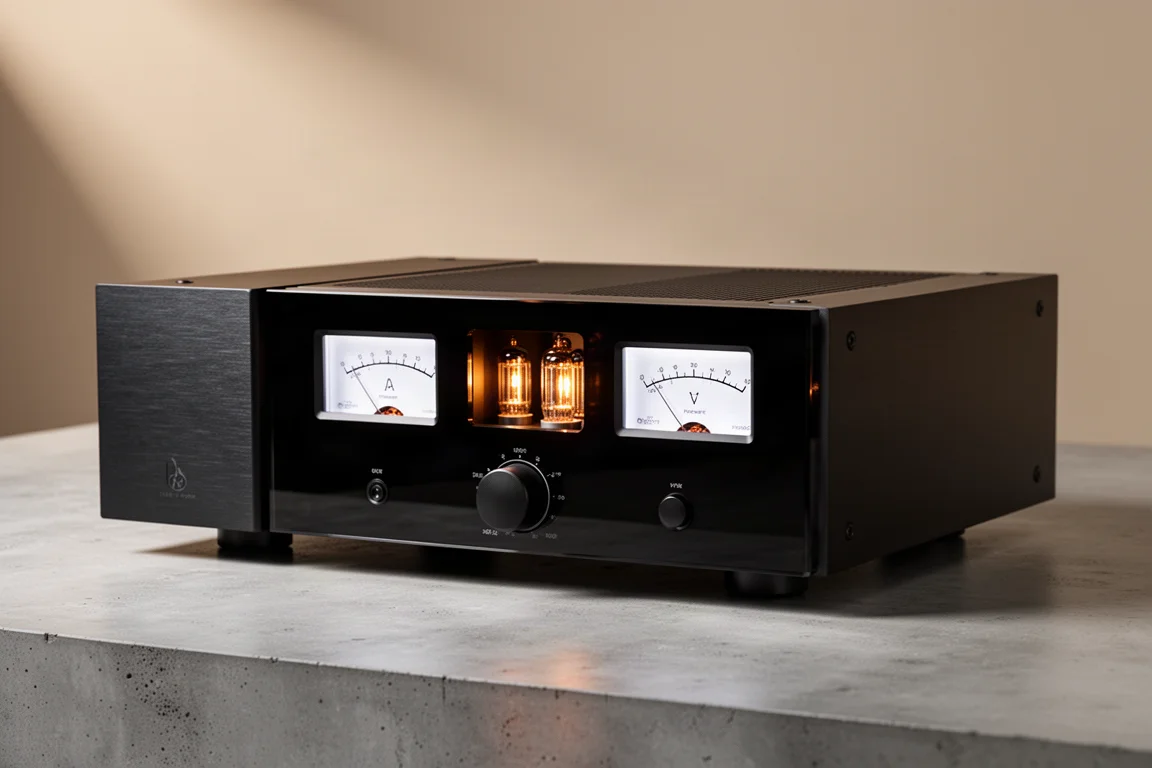
Advance Paris A10 Apex Review: A Hybrid Integrated Amplifier That Covers a Lot of Ground
A French hybrid integrated amplifier with a class A tube preamp stage, analogue power meters, and an internal DAC and phono stage good enough to make extra boxes unnecessary.