Bookshelf Speakers
Fosi Audio SP601 Review: A Strong First Speaker That Needs the Right Amplifier
The Fosi Audio SP601 is a $500 passive bookshelf speaker with an airy 1.5-inch tweeter, a neutral character, and a real appetite for amplifier current.
Introduction
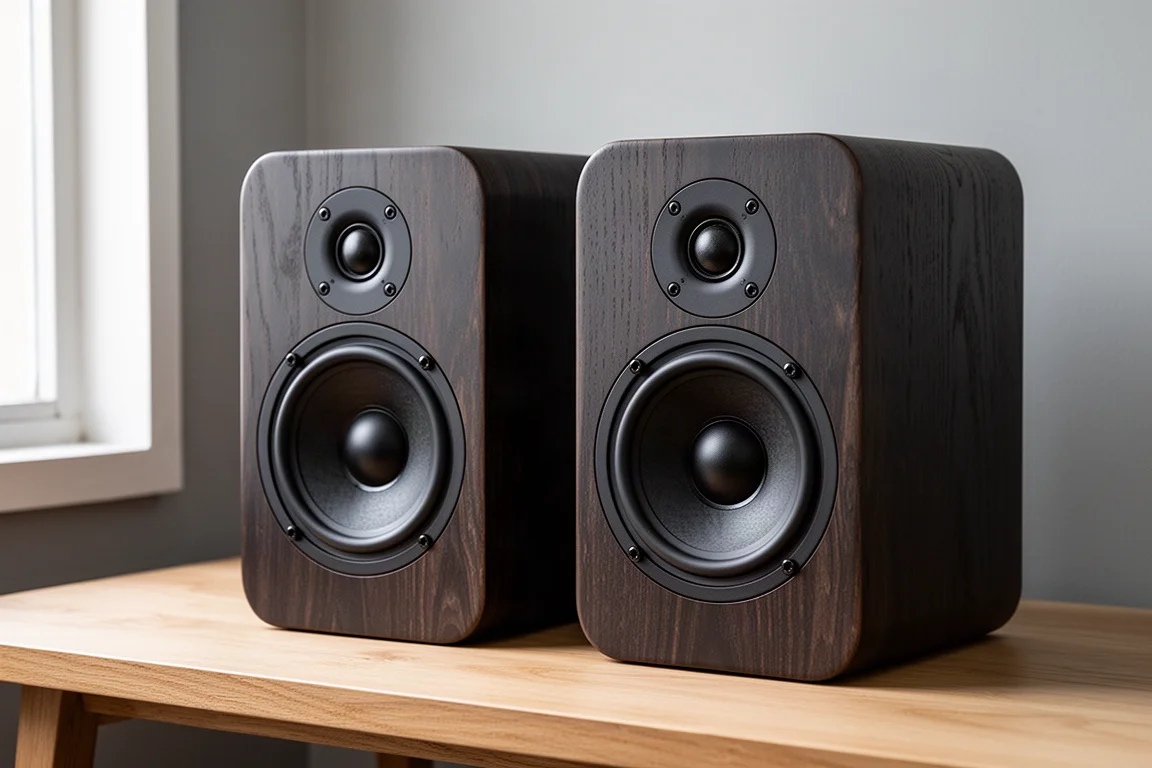
Fosi Audio built its reputation on compact, affordable electronics, and the SP601 is its first move into passive loudspeakers. It is a two-way bookshelf design priced at $500, which places it in one of the most contested brackets in hi-fi, where a first-time speaker maker has very little room for error.
The SP601 gets a lot right. It uses a large soft dome tweeter, a curved cabinet, and a tuning that stays neutral rather than exaggerated. It also asks more of the rest of the system than the price alone suggests. This review covers what the speaker does well, where it needs care, and who should consider it.
Who the Fosi Audio SP601 Is For
The SP601 is a passive two-way bookshelf speaker with a nominal impedance of 4 ohms and a stated sensitivity of 85 dB. In practice, that combination means it wants an amplifier with genuine current delivery rather than a small all-in-one with modest output.
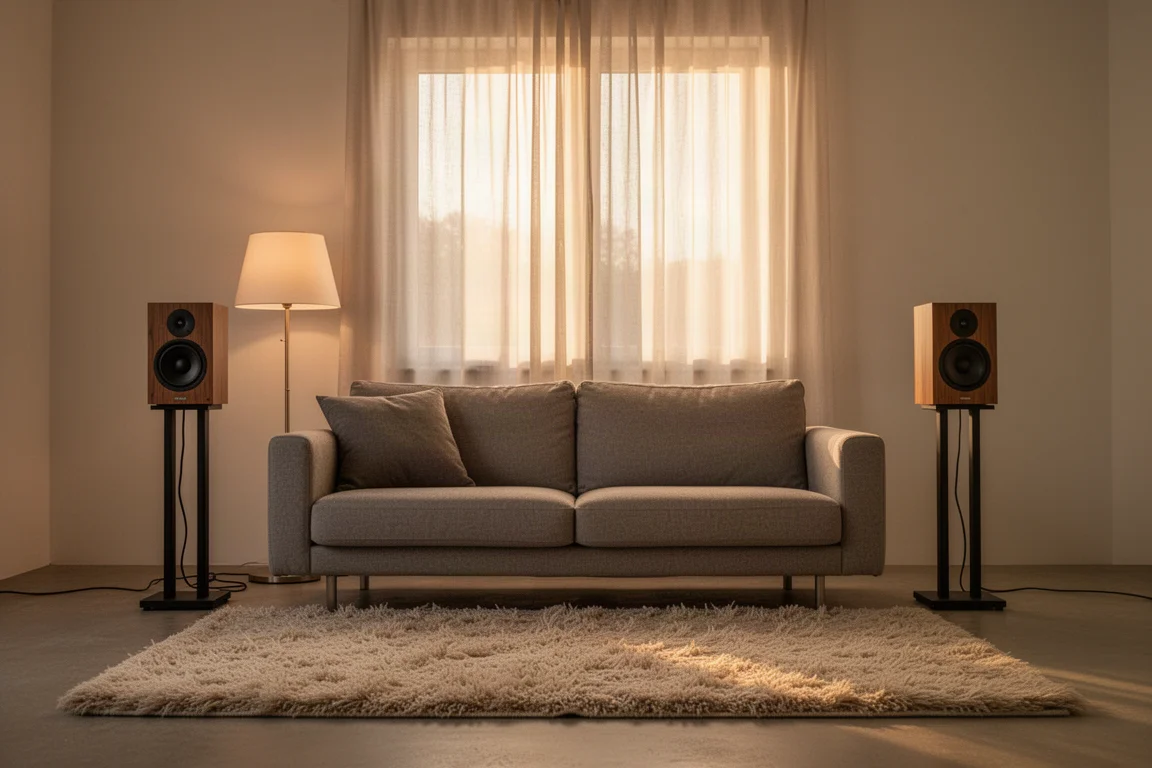
That shapes the ideal buyer. If you already own a capable integrated amplifier and want a neutral presentation with an airy top end, the SP601 is a sensible candidate. If your plan is to drive it from a compact streaming amplifier at the lower end of the market, expect it to sound flatter and less involving than it can be.
The speaker also rewards anyone willing to use EQ. A listener with an equalizer available can smooth out the region that needs attention, and that flexibility makes the SP601 far easier to live with over the long term.
Design and Build Quality
The cabinet is the first thing you notice. The side panels curve gently, closer in shape to European standmount designs than to a plain box, and the copper-toned woofer adds a warm accent that ties in with the orange used across the brand’s other products. Magnetic grilles, a rear-ported bass reflex alignment, and a set of solid binding posts round out the practical details.
Driver construction is more interesting than the price suggests. The woofer is described as a hybrid cone composite: a paper cone with an aluminium insert, a cast aluminium trim ring, and a rubber surround. Up top sits a 1.5-inch soft dome tweeter, notably larger than the 1-inch domes used in most speakers at this price.
Internally, the cabinet feels bottom-heavy, which suggests the mass sits low in the enclosure. Tapping the upper half gives a slightly livelier response than tapping a very inert cabinet would, and the information published for the speaker does not show obvious bracing in that area. Additional bracing across the upper half would likely help. Each speaker weighs 6.5 kg.
Main Strengths
The tweeter is the standout. Its size gives the SP601 a top end that sounds open and airy, and the treble stays linear rather than peaky. Recordings with sharp consonants never tipped into sibilance, which is unusual at this price and a genuine comfort advantage over long listening sessions.
The overall balance is neutral. Bass around 100 Hz arrives with real punch and good texture, and complex material stays articulate and quick. On acoustic jazz the speaker sounds clean and controlled rather than congested.
Then there is the amplifier story. Driven by a high-current integrated amplifier, the SP601 opened up noticeably and sounded considerably more confident than it did with a modest all-in-one. It is a speaker that scales with the electronics in front of it, and the better the current delivery, the better the result. For a first loudspeaker from a company known for amplifiers, that level of refinement is impressive.
Things to Consider Before Buying
The mid-range is the main point of discussion. The SP601 leans slightly forward between roughly 500 Hz and 2 kHz, and the response dips in the 300 to 500 Hz region before climbing back toward 1 kHz. That shape can make vocals sound cleaner and more forward than a recording really is, and some listeners will find it less cohesive than a flatter or warmer alternative.
That dip is also room dependent. In some spaces it will be more obvious than in others, and it is the first thing worth correcting with EQ if you have it.
Sensitivity is another consideration. At 85 dB with a 4 ohm nominal load, the speaker needs current, and a small amplifier with limited output will leave it sounding flat. Budget for amplification as part of the purchase rather than as an afterthought.
Finally, the price. At $500 the SP601 sits against speakers from established brands with long track records, and its enclosure does not feel as inert as the best of them. Neither point is fatal, but both matter when spending this much.
Amplifier Matching and Setup
The SP601 is amplifier dependent in the clearest sense: it tends to take on the character of whatever drives it. High-current integrated amplifiers produced the best results, with a fuller, more dynamic presentation and a firmer grip on the low end.
A lower-cost all-in-one streaming amplifier with less current was the weakest match, and the difference was not subtle. If you are weighing where to put more of your budget, this is a speaker that rewards the amplifier rather than punishing it.
Placement and Room Interaction
The 300 to 500 Hz dip responds to the room, and an equalizer is the most direct fix. A practical starting point is a couple of dB of boost in that region, paired with a gentle reduction between roughly 1 kHz and 4 kHz to keep the upper mid-range from dominating. From about 4 kHz upward the response is already linear and needs little help.
The bass reflex port is mounted on the rear of the cabinet, which is worth keeping in mind when you plan where the speakers will sit. The manufacturer states a frequency response of 44 Hz to 20 kHz, and that low-end reach is best served by giving the cabinets a little breathing room.
Buying Advice
At $500 the SP601 lands in a crowded part of the market. Close alternatives include the Elac Debut 3.0 at $450, the Emotiva XB1s at $500 that is frequently discounted, and the Q Acoustics 3030C at around $550. Each takes a different approach: the Elac is warmer with bigger dynamics, the Emotiva is more dynamic with a stronger top end and is easier to drive, and the Q Acoustics is a close tonal match. The SP601’s case rests on its airy treble, its neutral character, and how well it responds to a good amplifier.
Buy it if you have, or plan to buy, an amplifier with real current delivery and you are comfortable using EQ to fine-tune the response. Hold off if you want a speaker that sounds its best from a small all-in-one, or if you prefer a warmer, more forgiving presentation straight out of the box.
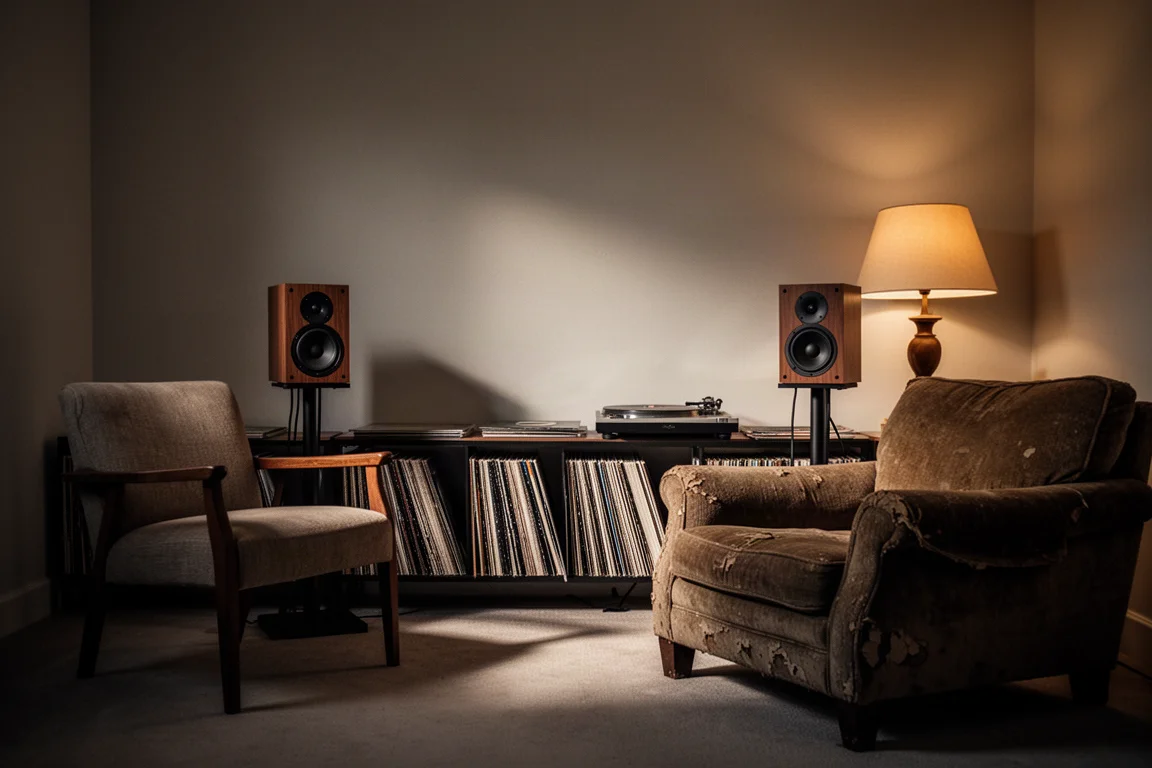
Weigh the price against those alternatives carefully. The SP601 is not the cheapest way into this bracket, and its strengths are most visible in a system that is already sorted. Get that part right and it holds its own.
Conclusion
The Fosi Audio SP601 is an impressive first loudspeaker. The 1.5-inch tweeter delivers an open, linear top end, the bass has punch and texture, and the neutral tuning gives a good amplifier something to work with. The mid-range shape, the modest sensitivity, and the $500 price are the points worth weighing before you commit. With the right amplifier and a little EQ, it is a genuinely enjoyable speaker. Without them, it will not show what it can do.
Product link
View more details for Fosi Audio SP601
This product is mentioned in the review. Check the specifications, options, and compatibility before buying.
View more details for Fosi Audio SP601Further reading
Related Reviews
Bookshelf Speakers
Acoustic Energy A100 Mark II Review: A Compact Standmount With an Expansive Soundstage
The Acoustic Energy A100 Mark II brings clarity, natural tonality and a wide soundstage to an entry-level standmount, with a few setup details worth knowing first.
Bookshelf Speakers
Acoustic Energy AE-100 Mark II Review: Compact Bookshelf Speakers With Standout Imaging
A compact British two-way bookshelf speaker with deep, layered imaging, fast bass, and a slight treble lift to weigh against a crowded $500 field.
Bookshelf Speakers
Acoustic Energy AE100 MK2 Review: Measured Performance and Four Alternatives
A close look at the Acoustic Energy AE100 MK2 bookshelf speaker, what its measured performance reveals, and four alternatives with different trade-offs.