Swim Gear
FORM Goggles Review: Real-Time Swim Metrics in the Lens
FORM Goggles put pace, stroke rate, and structured workouts directly in front of your eyes, giving swimmers the kind of live feedback cyclists and runners already take for granted.
Introduction
Cyclists ride with a computer on the bars, and runners glance at a watch for pace. Swimmers have traditionally had nothing, which is why so many sessions drift into guesswork. Pace varies from length to length, counts get lost, and technique falls apart halfway through a set without anyone noticing until the workout is over.
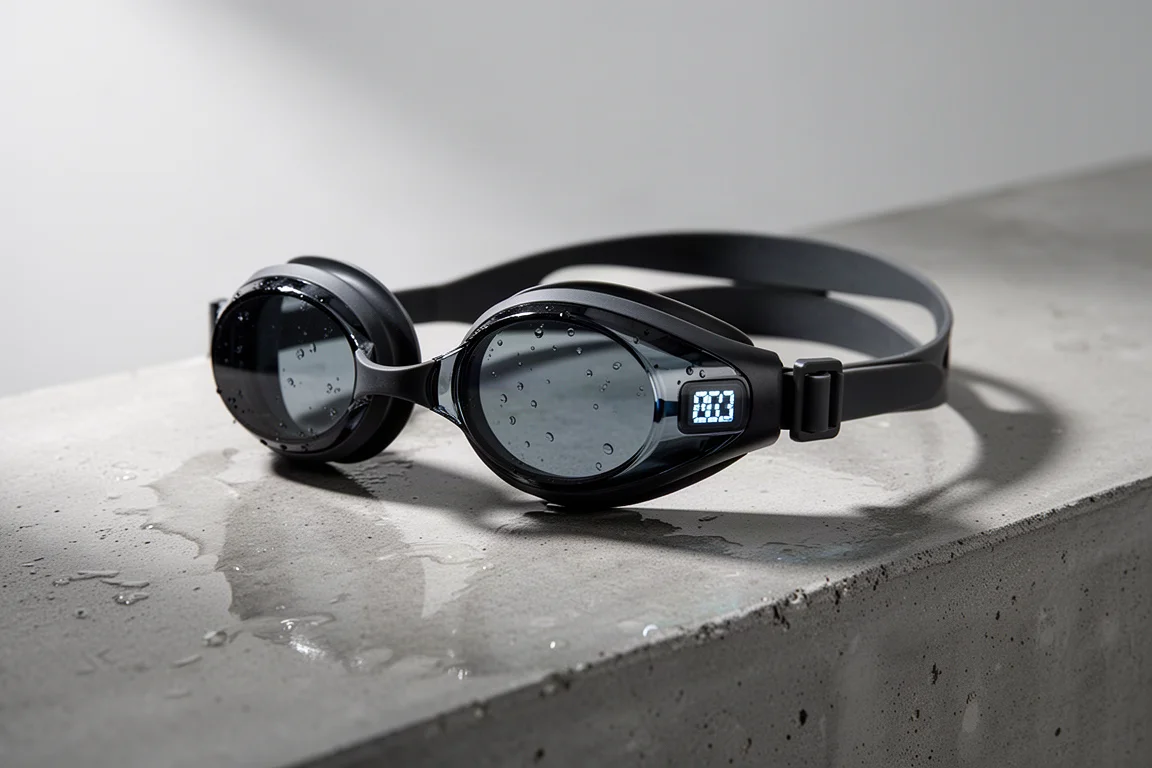
FORM Goggles address that gap directly. They are swim goggles with an augmented reality display built into one lens, showing pace and other training metrics in real time while you swim. The display side can be switched to suit the wearer, and the goggles pair with structured workouts so that a session has a shape before you even push off the wall.
Who FORM Goggles Are For
These goggles are aimed at swimmers and triathletes who already train consistently but cannot tell whether their effort is actually consistent. That includes athletes preparing for longer distance events, where even pacing across the swim leg matters as much as it does on the bike and run.
They are also a good fit for anyone who finds lap counting mentally draining. Longer main sets, such as six repetitions of 200 metres, are exactly the kind of work where swimmers lose track, forget which interval they are on, or let technique slide because all their attention is going into counting rather than swimming well.
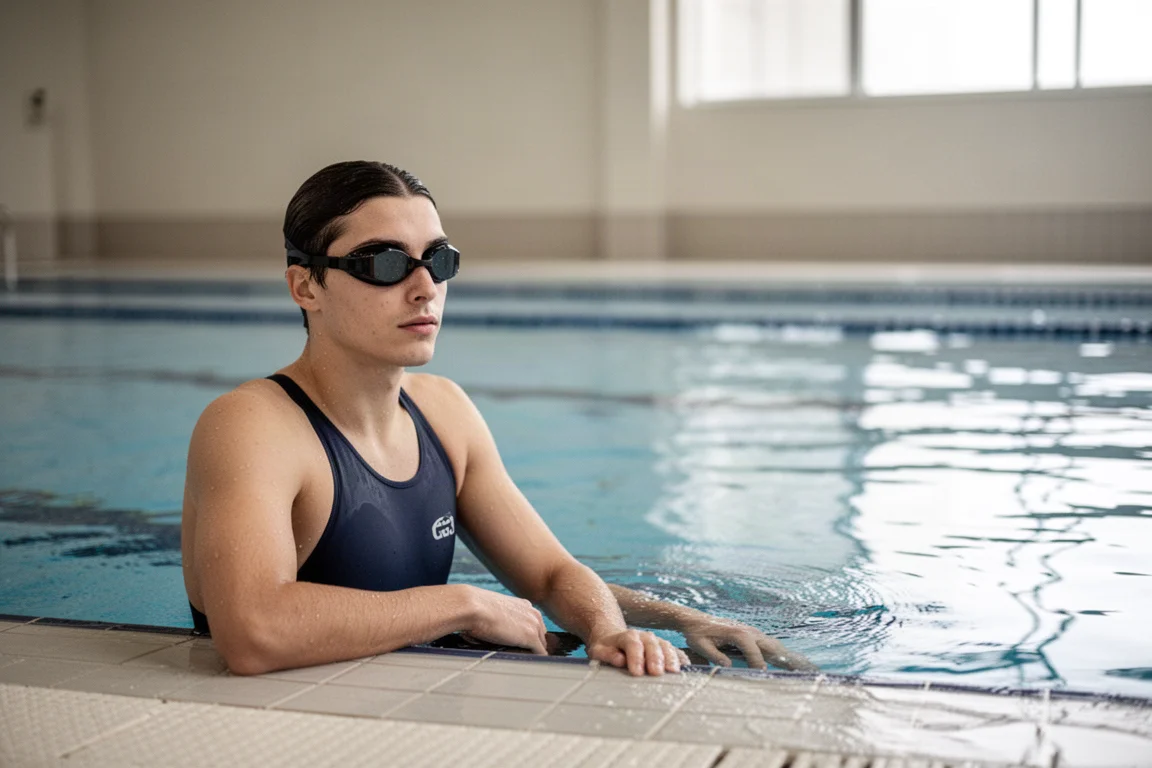
If you swim two or three times a week without much structure, the appeal is more about bringing order to that time than about chasing a personal best. The goggles work best for someone willing to follow a plan rather than simply logging distance.
Real-Time Pacing in the Lens
The core idea is simple. Pace appears inside the lens as you swim, alongside other metrics, so you can see the consequence of a change in effort or technique immediately rather than after the session. Push harder and the number should reflect it. Change your stroke and you can watch how that shows up too.
Feedback like this tends to expose how erratic natural pacing is. Swimmers often complete a straight 400 metres at a noticeably different speed on almost every length without realising it. Once that pattern is visible in the water, it becomes something you can actually correct, which is the same principle cyclists and runners apply when they hold a steady effort instead of surging and fading.
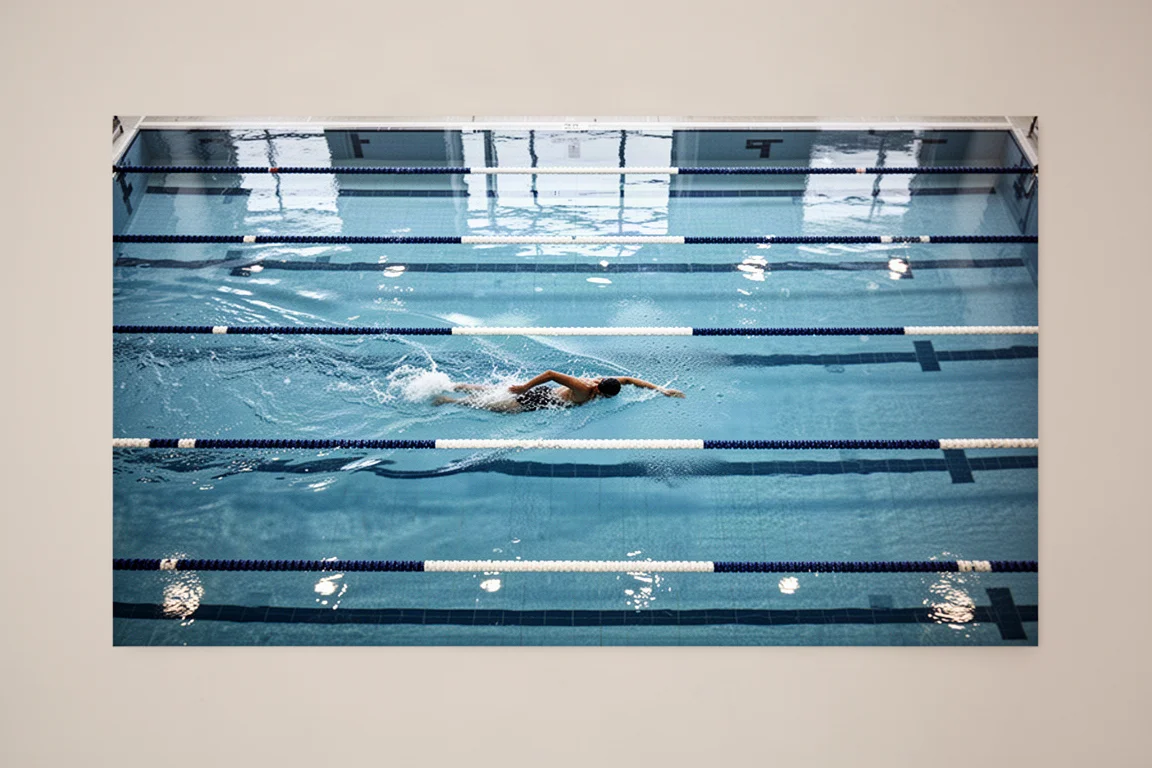
A useful side effect is engagement. The display gives the mind something to work with during long, repetitive sets, which makes it easier to stay focused on quality rather than simply getting to the end of the session.
Structured Workouts Built Into the Goggles
The goggles also ship with access to a library of pre-made structured workouts. A full Ironman triathlon training plan is available, spanning 24 weeks, with different levels of commitment; a mid-level plan suits an athlete already swimming a moderate number of sessions each week.
Once a plan is loaded, the goggles handle the bookkeeping. Motion detection starts timing as soon as you begin swimming and counts each length automatically, so there is no button pressing between repetitions and no pausing to check where you are. At the end of the session you press stop and save it.
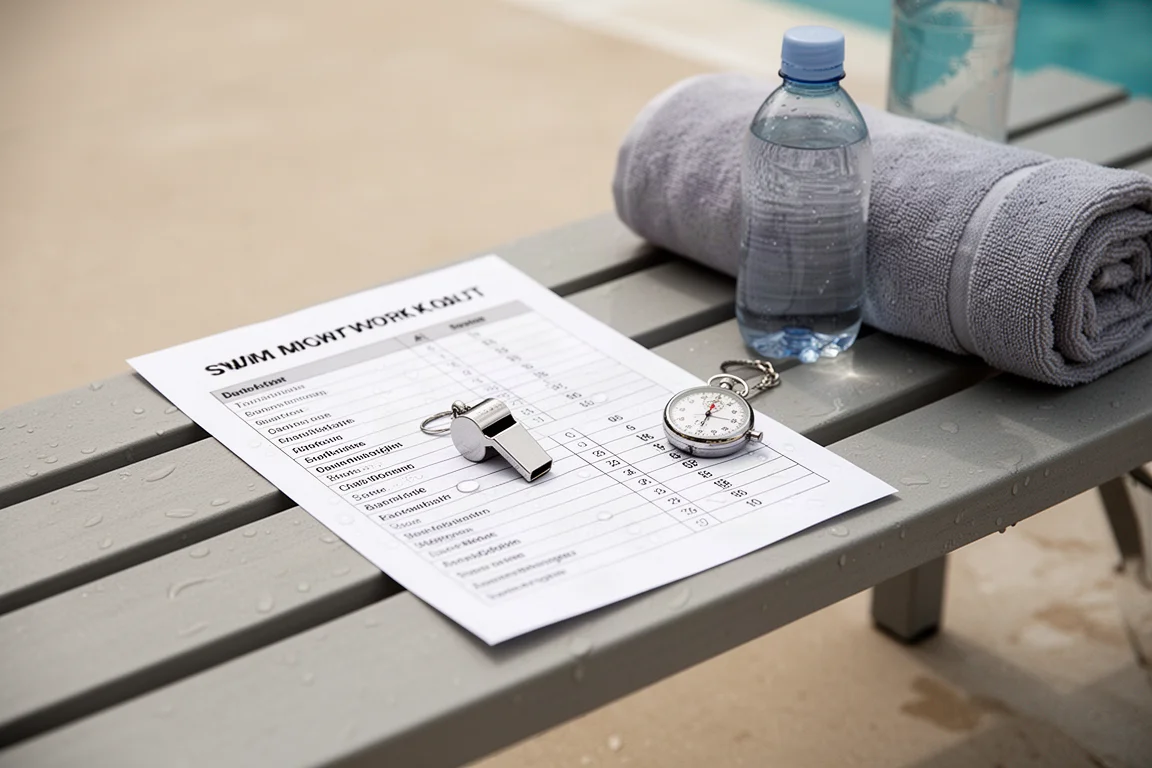
That removes a surprising amount of friction. Paper workout sheets get soaked and unreadable, and handwriting notes on a poolside board is awkward at best. Having the set, the interval, and the feedback in the same place keeps a session honest and makes it far easier to stick to the plan week after week.
Things to Consider Before Buying
The display takes a little adjustment. Seeing numbers floating in your field of view feels unusual at first, and the perceived distance of the information shifts once you are actually in the water. Most of that settles quickly, and the display can be tuned out or focused on at will, but it is worth expecting a short settling-in period rather than instant familiarity.
There is also a shift in how you train. If you currently swim unstructured sessions, the goggles will make that visible, and getting real value out of them means committing to planned workouts rather than junk yardage. That is a benefit in the long run, but it does ask more of you than a pair of ordinary goggles.
Because the goggles handle timing, counting, and display, they are a more involved piece of kit than a basic pair, and they need to be treated as such, charged and looked after between sessions.
Buying Advice
The strongest case for FORM Goggles is even pacing. If you are training for a triathlon or an open water event and your swim splits are inconsistent, live pace feedback is the most direct way to fix that, and it is the same discipline you already apply on the bike and run.
Buy them if you want a structured plan and honest feedback in the water, and if you are willing to work on technique as well as fitness. If you simply want to swim laps for general fitness without thinking about numbers, a standard pair of goggles will do the job for far less.
For triathletes specifically, the combination of pre-loaded plans and automatic lap tracking makes it easier to arrive at race day with a swim that is controlled rather than merely survived.
Conclusion
FORM Goggles bring something to swimming that the sport has largely done without: live, objective feedback. Pace, stroke consistency, and workout structure all become visible in the moment, and the automatic lap detection means you can concentrate on swimming rather than counting.
They suit athletes who train with intent and want their swim sessions to match the rigour of their bike and run sessions. Expect a short adaptation period and a genuine change in how you approach the pool, and the goggles make a persuasive case for themselves.
Product link
View more details for FORM Goggles
This product is mentioned in the review. Check the specifications, options, and compatibility before buying.
View more details for FORM GogglesFurther reading
Related Reviews
Triathlon Gear
Two Affordable Triathlon Gear Picks: A Race Suit and a Budget GPS Bike Computer
A short-sleeve trisuit and a budget GPS bike computer: two affordable triathlon upgrades with clear use cases, real strengths, and trade-offs to weigh first.
Swim Goggles
FORM Goggles Review: Head Coach Puts Swim Technique Feedback in the Lens
FORM Goggles add real-time technique coaching inside the lens, with head roll, head pitch and pacing scores tracked swim to swim. Here is what they do well and what to weigh first.
Triathlon Gear
How Fast Is Modern Triathlon Gear? Four Products Compared
A head-to-head comparison of modern triathlon gear against 1980s equipment, with measured differences in bike speed and running economy and what each product is worth.