Triathlon Gear
Two Affordable Triathlon Gear Picks: A Race Suit and a Budget GPS Bike Computer
A short-sleeve trisuit and a budget GPS bike computer: two affordable triathlon upgrades with clear use cases, real strengths, and trade-offs to weigh first.
Introduction
Triathlon gear has a reputation for being expensive, and it is not entirely undeserved. A top-tier race suit can run to around €600, and premium bike computers climb well past that. For most age-group athletes, though, the brief is simpler: equipment that does its job, survives a race season, and does not require a second mortgage.
This short roundup covers two items that sit at the affordable end of the market while still addressing what matters on race day. One is a short-sleeve trisuit built around a medium level of compression. The other is a wireless GPS bike computer with sensor compatibility and a proper waterproof rating.
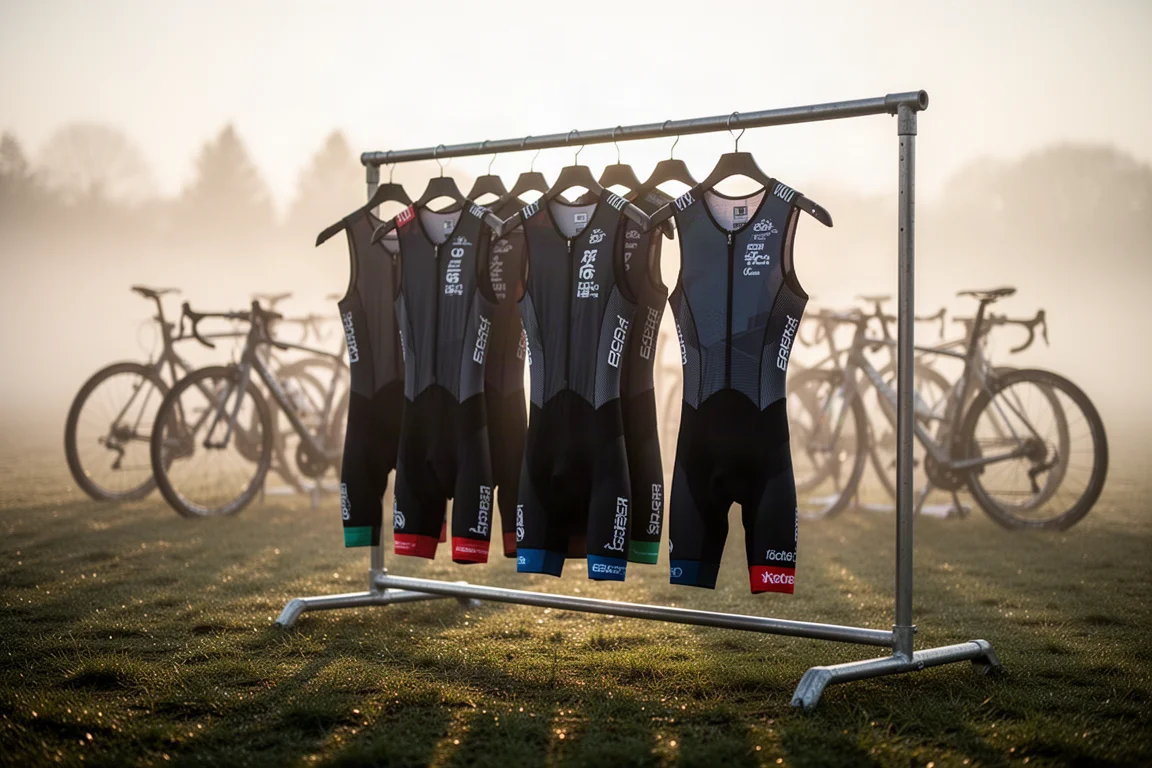
Neither item claims to replace top-of-the-range equipment. What they offer is a sensible starting point, whether you are lining up for a first sprint distance or simply want a second set of kit you can train in without wearing out your good race suit.
What to Look For in Affordable Triathlon Gear
At this price point, the priorities shift. Instead of chasing marginal gains, you are looking for gear that stays comfortable for the full duration of a race and does not introduce new problems.
On apparel, the two things worth checking first are the seams and the compression level. Flatlock seams sit flatter against the skin and reduce the chance of rubbing over a long effort, while a medium compression level supports the muscles without restricting movement. Pockets matter too: a race suit needs somewhere to carry nutrition that stays secure when you are moving.
On electronics, the checklist is shorter. You want a unit that acquires a GPS signal reliably, survives rain and sweat, and can pair with the sensors you already own. Battery behaviour and menu design are the details that decide whether a cheap computer feels like a bargain or a chore.
Team Lier Arrow Skin Suit: A Race Suit Without the Premium Price
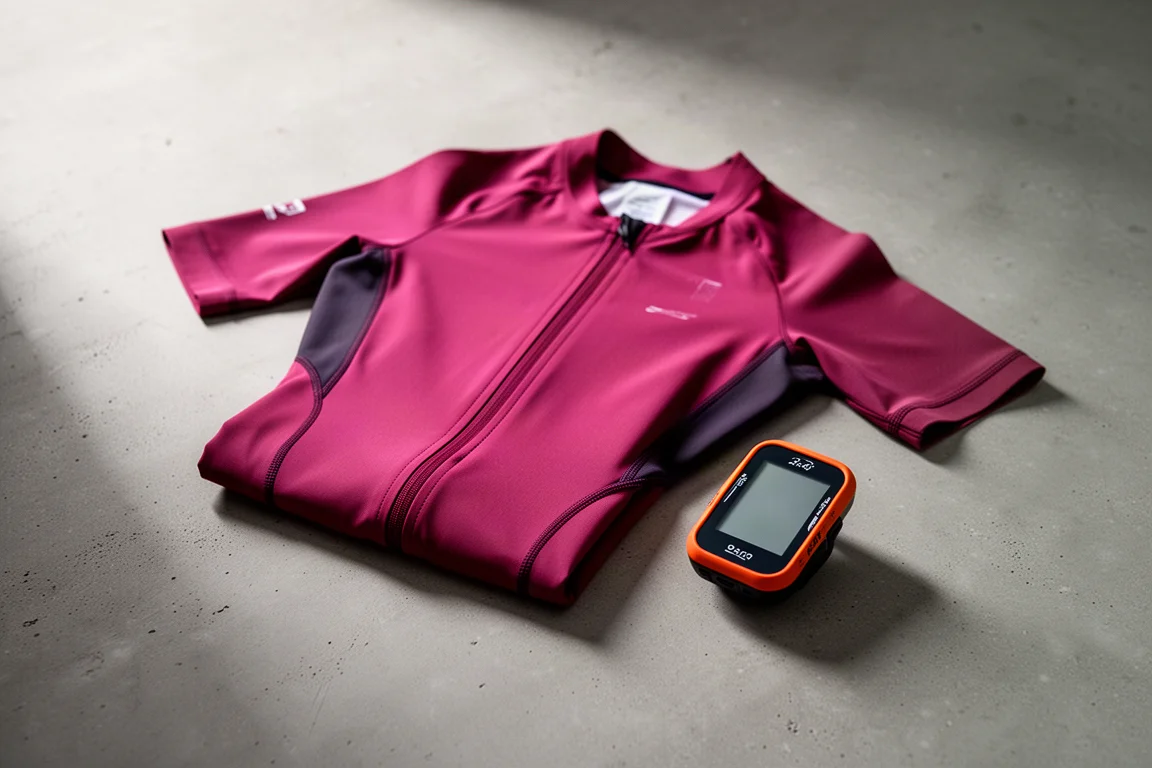
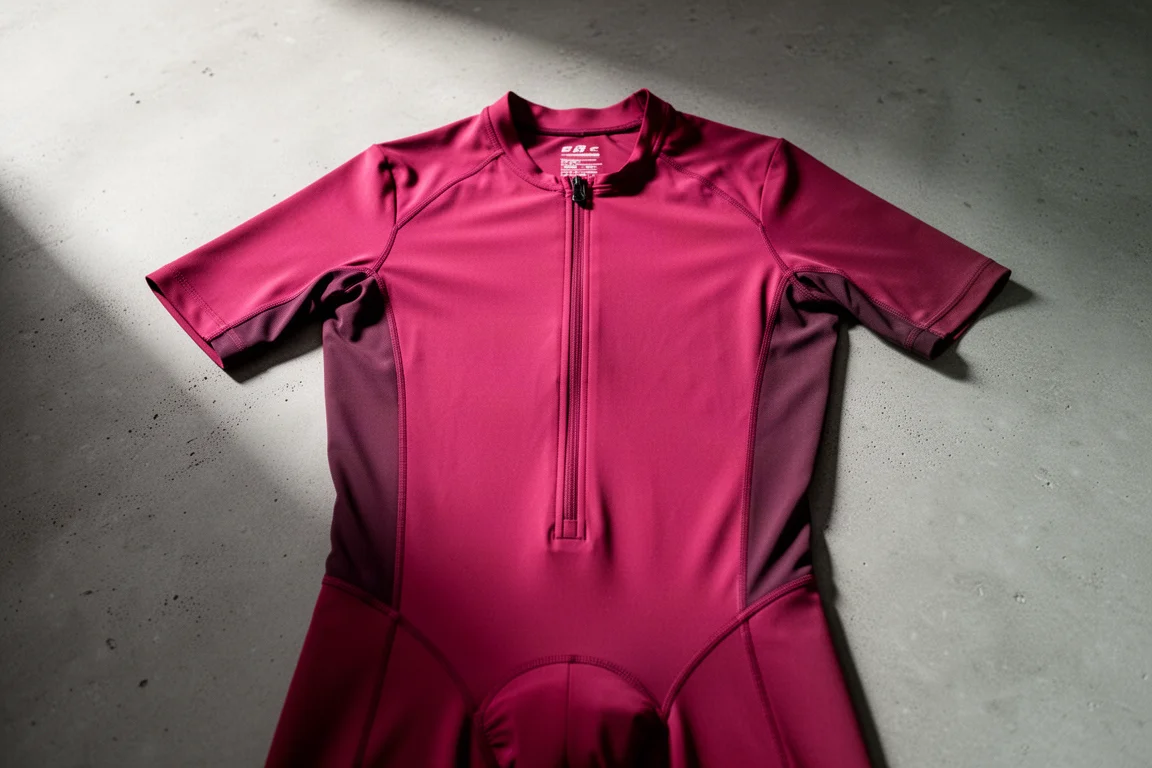
The Team Lier Arrow Skin Suit is a men’s short-sleeve trisuit built as a single one-piece garment for swimming, cycling, and running. It is designed around a medium level of compression, which is the middle ground most athletes want: enough support to feel purposeful through the run, without the tight, restrictive sensation that a heavier race cut can produce.
The construction details are the interesting part. The suit is finished with flatlock seams, which are intended to keep the surface smooth against the skin and reduce the chance of chafing during a race. Rear pockets are included for nutrition, so you have somewhere to stow gels without reaching into a separate belt or jersey.
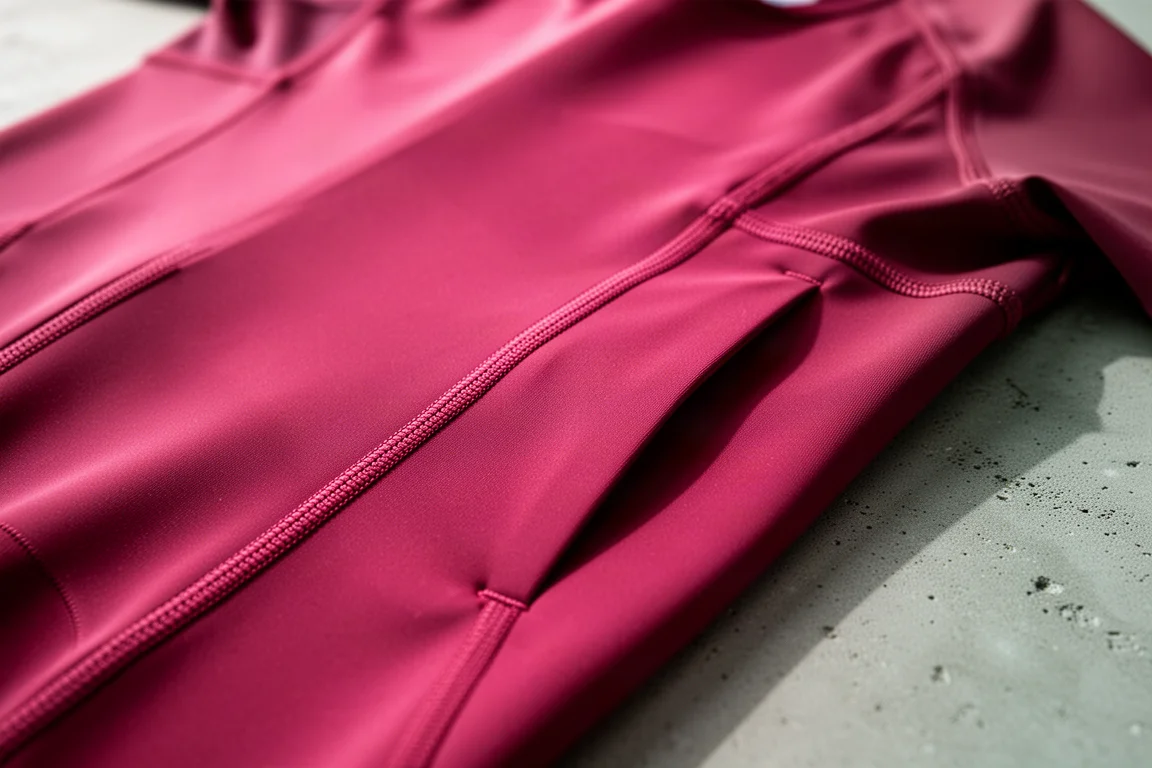
It is listed in a range of colours, which is a small thing but a useful one if you race in club colours or simply prefer not to blend into the crowd.
Fit deserves careful attention. The sizing follows a race-suit logic rather than a casual garment logic, so the size chart is worth reading properly before ordering rather than defaulting to whatever you normally wear. The cut is designed to be close through the arms and torso, which is exactly what a race suit should do, but it does mean the fit will feel unfamiliar if you are used to looser training kit. Get the size right and the compression does what it is supposed to do; get it wrong and no amount of good fabric will rescue the race.
For context, suits at the very top of the market can sit around the €600 mark. This one occupies a far more accessible bracket, which makes it a reasonable option for newer athletes or for anyone who wants a race suit they are not afraid to actually use.
Cuso BC 107: A Budget GPS Bike Computer
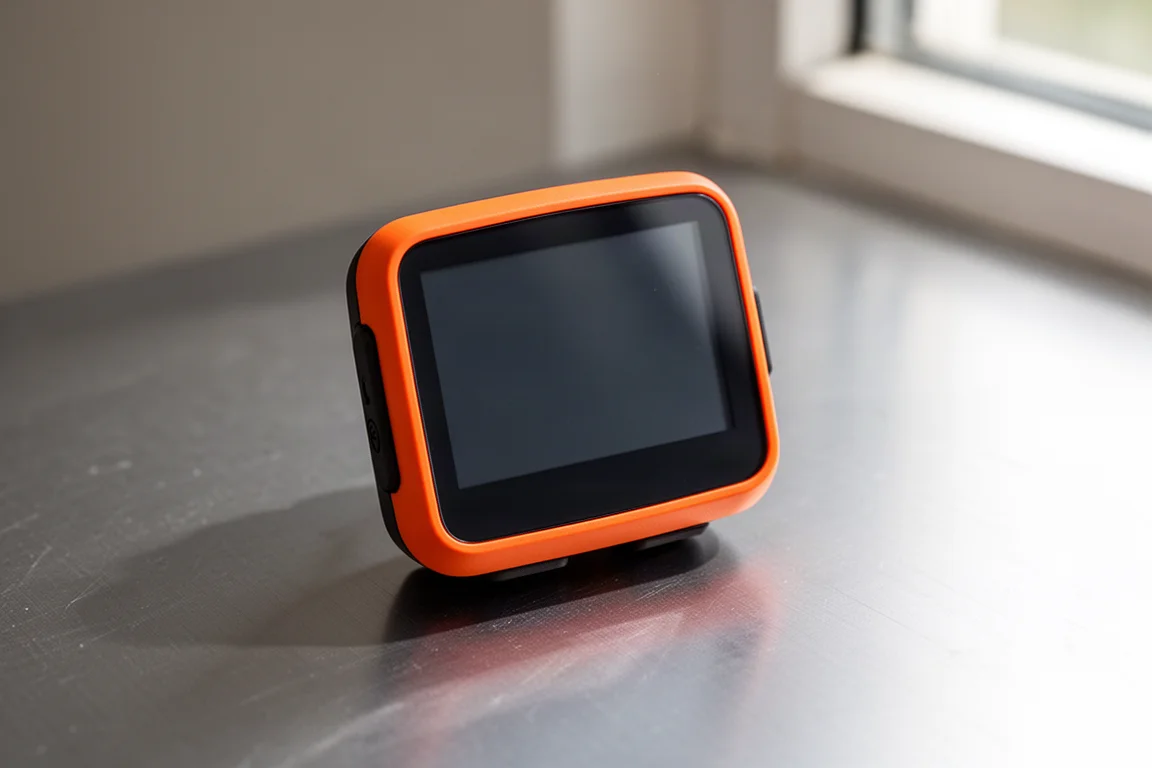
The Cuso BC 107 is a wireless bike computer that covers a lot of the practical checklist for a modest outlay. It offers GPS with automatic signal acquisition, automatic time adjustment, and a speedometer function, and it is described as suitable for all bikes. The waterproofing is rated IP67, which is the level you want for a device that will spend its life in rain, road spray, and sweat.
The display is a 2.4-inch panel with an automatic backlight, so it should remain readable as light fades. On the connectivity side, Bluetooth is listed along with sensor compatibility, which means the unit can pair with additional sensors such as a power meter rather than relying on GPS data alone.
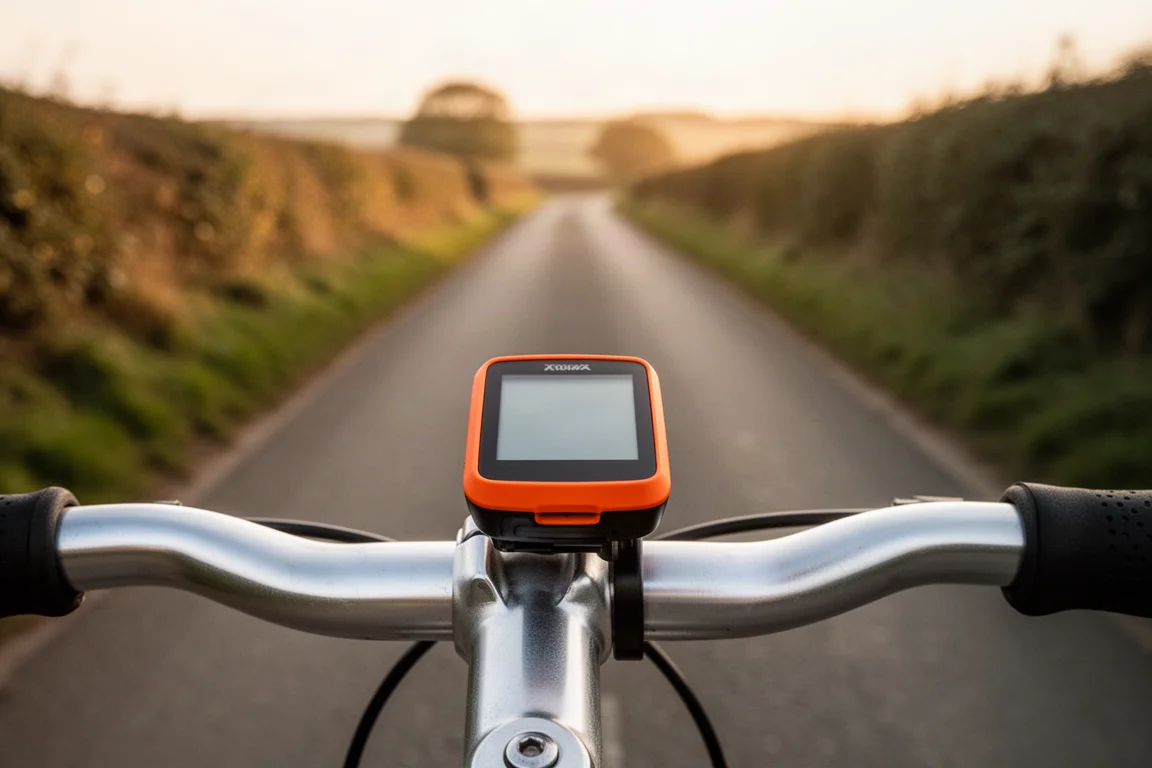
Setup follows a familiar pattern for budget computers. There are five setting pages, labelled P1 through P5, covering configuration such as wheel circumference, and navigation between them is done with the directional and select buttons on the housing. It works, but the menu system takes some getting used to, and it is worth spending ten minutes at home configuring it before you rely on it in a race.
GPS performance is the other thing to plan around. In weaker coverage, the unit can take three to five minutes of standing still to establish a solid satellite connection, and it reports signal strength as weak, normal, or strong. Once locked in, it tracks distance and speed, and with a paired sensor it can display power. One quirk worth knowing is that distance can keep accumulating while you are stationary, so treat the trip total as approximate rather than exact. An orange version is available, which makes it easy to spot in a transition bag.
For riders who want core ride data and sensor pairing without paying for a flagship head unit, the value proposition is straightforward.
Buying Advice: Where to Spend and Where to Save
The suit is the item to get right first, because it is the one piece of kit you will wear for the entire race. Compression level and seam construction affect comfort directly, and the sense of restriction does not fade over a long effort. Read the size chart carefully, and if you are between sizes, prioritise the measurement around the chest and torso over the sleeve length.
The computer is the easier decision. If all you need is GPS speed, distance, and the ability to pair a power meter, a budget unit covers that ground comfortably. Plan for a few minutes of satellite acquisition before your ride starts, and set up your wheel circumference and preferred pages at home rather than at the start line.
If you are building a race kit from scratch, this is a sensible order: get the suit sized and comfortable, then add the electronics that give you the data you will actually look at. Neither purchase needs to be expensive to be useful, and both leave room in the budget for the gear that follows later.
Conclusion
Affordable triathlon gear works best when you are honest about what you need from it. The Team Lier Arrow Skin Suit delivers the essentials of a race suit, with medium compression, flatlock seams, and rear pockets, in a price bracket well below the top of the market. The Cuso BC 107 covers GPS speed and distance, IP67 waterproofing, and sensor pairing at a budget price, with the trade-off being a setup process that rewards a little patience.
Buy for fit first and features second, and both of these remain straightforward, low-risk additions to a race bag.
Further reading
Related Reviews
Triathlon Gear
Best Triathlon Tech from Kona 2024: 11 Standout Gear Picks
A roundup of the most interesting triathlon gear spotted at the Kona 2024 Expo, from prototype bikes to smart goggles and recovery boots.
Triathlon Gear
Christmas Gift Ideas for Triathletes: 10 Practical Picks
A practical gift guide for triathletes, covering swim, bike, run, recovery and stocking fillers that solve real training problems.
Triathlon Gear
How Fast Is Modern Triathlon Gear? Four Products Compared
A head-to-head comparison of modern triathlon gear against 1980s equipment, with measured differences in bike speed and running economy and what each product is worth.