Swim Goggles
FORM Goggles Review: Head Coach Puts Swim Technique Feedback in the Lens
FORM Goggles add real-time technique coaching inside the lens, with head roll, head pitch and pacing scores tracked swim to swim. Here is what they do well and what to weigh first.
Introduction
Most swimmers who train without a coach on the pool deck are working from guesswork. You swim the laps, you feel like something is off, but there is no one to tell you whether your head is lifting too early, whether your breathing is pulling you out of line, or whether your pacing collapses halfway through a set. That is the gap FORM Goggles are built to close.
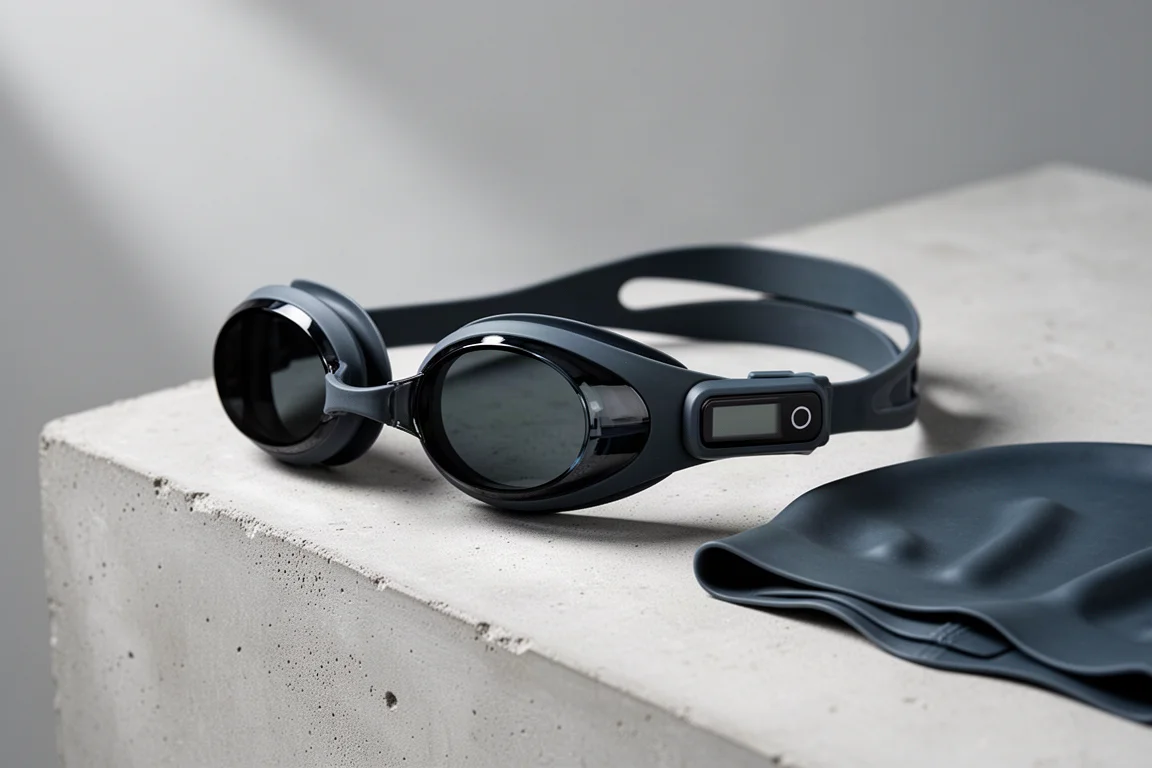
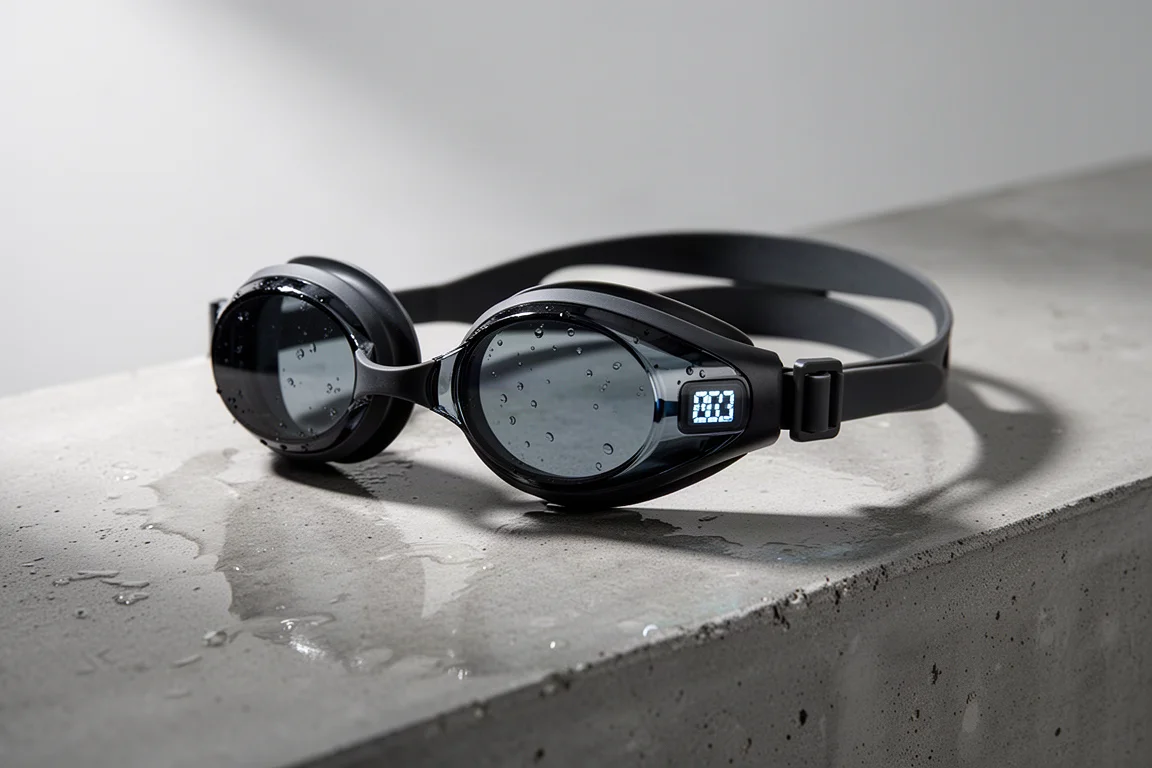
These are swim goggles with an augmented reality display built into one lens. The display shows your distance, stroke rate, pace and splits while you swim, and it can run structured workouts directly in the lens so you are not squinting at a sheet of paper on the poolside. The newest addition is called Head Coach, and it moves the goggles from a metrics display into something closer to real-time technique feedback.
That is a meaningful shift. Data on how far you swam is useful but passive. Feedback on how you are actually moving through the water, delivered while you are still in the stroke, is a different category of tool altogether.
Who These Goggles Are For
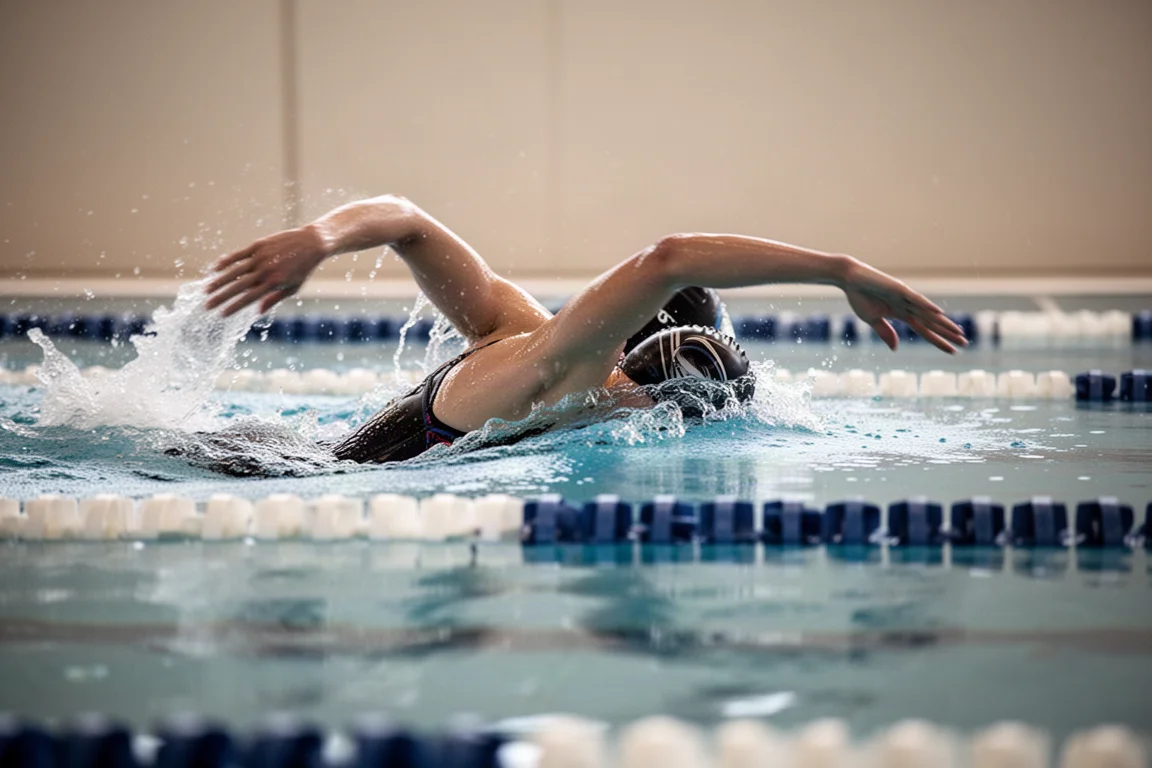
FORM Goggles make the most sense for swimmers who train largely on their own. If you are squeezing sessions into a busy week, swimming in whatever pool is available, and going weeks or months without anyone watching your stroke, the value proposition is straightforward. You get something to follow in the water and something to review afterwards.
They are also relevant for swimmers returning to structured training after time away, or for triathletes whose swim leg has plateaued. The common thread is the absence of regular one-to-one feedback. Technique errors that feel invisible from the inside are exactly the kind of thing an accelerometer can pick up.
They are less obviously aimed at swimmers who already work with a coach on deck every week, or at complete beginners who may benefit more from hands-on instruction before adding a display to the mix.
How the Head Coach Feature Works
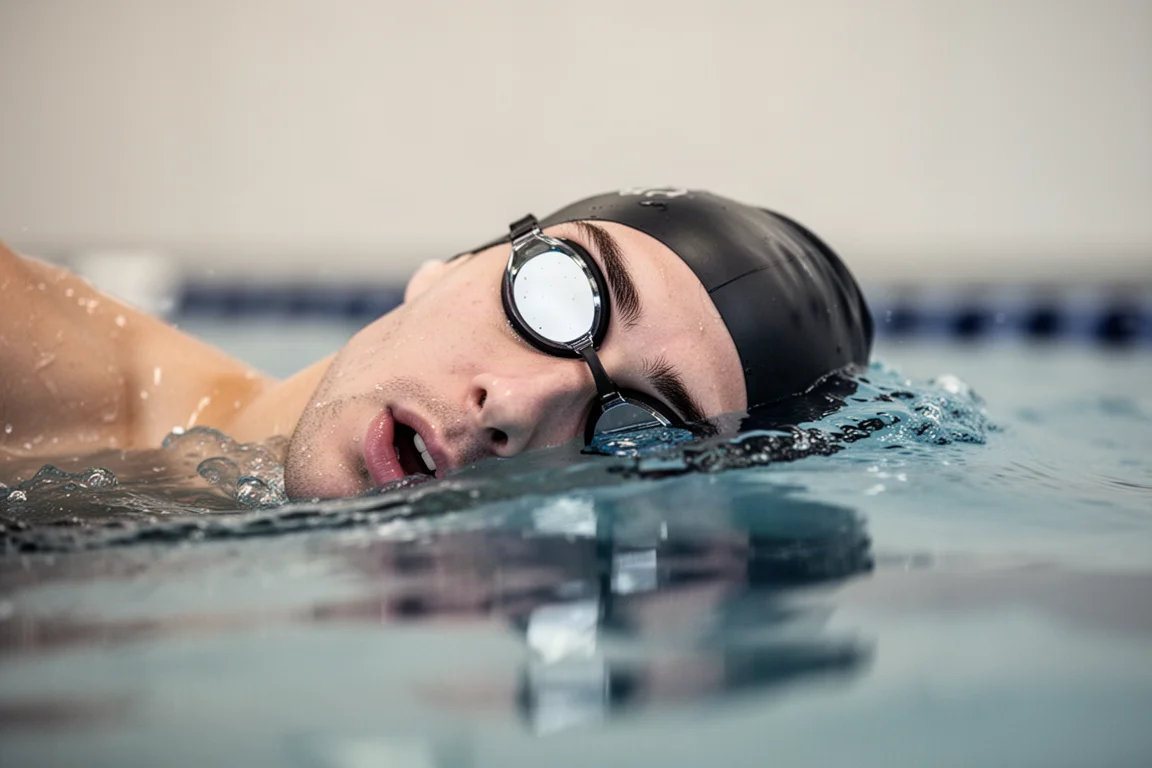
An accelerometer inside the goggles tracks head movement, and an algorithm interprets that movement across five individual skill sets. Head roll measures how much your head moves side to side when you breathe. Head pitch measures how far your head is angled up or down. Set pacing looks at how evenly you pace across an entire set, and interval pacing looks at how evenly you pace within each individual interval or length. Time to neutral measures how long it takes your head to return to a neutral position after a breath.
When the feature is active, the goggles analyse and capture data for all five skills. You can pull any of them up in the lens while swimming. Head roll, for example, shows a simple two-line graphic, and the goal is to keep the moving indicator between those lines. It is deliberately plain, which matters when you are mid-length and can only absorb a glance.
You can switch the on-lens coaching on or off at any point during a swim, and the goggles continue capturing data either way. That means a session where you want to focus purely on feel still produces material to review later.
Post-swim, the app is where the depth sits. Each skill gets a score from 0 to 100, and the app collates results across sessions so you can see whether a number is genuinely trending upward or just fluctuating. There is also the existing Form Score, an overall measure of swim efficiency that predates Head Coach. The logic is that as the individual skill scores improve, the broader efficiency measure should follow.
Main Strengths
The clearest strength is feedback frequency. A coach can only watch you for a length or two at a time and will notice the larger patterns. The goggles score every length, which makes small drift visible and turns each rep into a small feedback loop. Swimmers who have used the system describe it as genuinely motivational, partly because beating your own previous number on the next length is a surprisingly effective prompt.
The second strength is objectivity. Swimmers are often wrong about what their bodies are doing. Feeling that your hands are wide when the reality is that they cross the centre line is a common disconnect, and instrumented measurement removes that argument.
Third, the cues are specific rather than general. The goggles can tell you not to tilt your head up, or to keep one goggle in the water while breathing. For someone training alone, that is the kind of instruction that normally only arrives from someone standing at the end of the lane.
Finally, the setup travels well. The same goggles work across different pool lengths and in open water, so a session in a 25-yard pool and a session in open water both feed the same picture of your technique.
Things to Consider Before Buying
Technique change is slow. If you have been swimming for years, your breathing pattern and head position are deeply grooved, and no device rewrites that in a week. Progress tends to show up as score movement over weeks rather than a sudden transformation in the water, and anyone expecting an overnight fix will be disappointed.
There is also an adjustment period. Wearing a display in your field of view is disorienting at first, though most swimmers report that the brain adapts within a session or two. If you are prone to distraction in the water, give yourself a few swims before judging it.
Unfamiliar environments muddy the data. When you are sighting in an unfamiliar pool or in choppy open water, you naturally move your head more, and the scores reflect that. The numbers are most meaningful when compared like for like, in the same pool, under similar conditions.
Finally, the goggles reward review. The richest information lives in the app, and if you never open it, you are using a fraction of what the system offers.
Buying Advice
Think about this purchase as buying a training habit rather than a piece of hardware. The goggles only pay off if you actually look at the scores and pick one skill to work on at a time rather than trying to fix everything at once. Swimmers who have tracked a single metric over roughly six to eight weeks have seen scores move from the mid-forties into the sixties, which is a real shift for a stubborn part of the stroke.
If you already own a pair of FORM Goggles, the Head Coach feature is added through an update rather than a new purchase, so existing owners should check the app before considering anything new. If you are buying for the first time and you train alone most weeks, the combination of in-lens workouts, live pacing and technique scoring covers an unusually wide span of what a solo swimmer is missing.

Conclusion
FORM Goggles are the most complete attempt yet at giving self-coached swimmers the feedback loop they normally do without. Head Coach takes the concept past metrics and into technique, and the five tracked skills map onto the errors that quietly cost swimmers time for years.
The honest caveat is that the goggles are a feedback instrument, not a shortcut. They show you what to change and whether the change is holding, but the work of changing it still belongs to you. For a swimmer training alone, that trade is a good one.
Product link
View more details for FORM Goggles
This product is mentioned in the review. Check the specifications, options, and compatibility before buying.
View more details for FORM GogglesFurther reading
Related Reviews
Swim Gear
FORM Goggles Review: Real-Time Swim Metrics in the Lens
FORM Goggles put pace, stroke rate, and structured workouts directly in front of your eyes, giving swimmers the kind of live feedback cyclists and runners already take for granted.
Indoor Cycling
Rouvy Review: The Augmented Reality Indoor Cycling App Explained
A practical look at Rouvy, the indoor cycling app that layers virtual riders and road furniture over real-world footage, with more than 1,500 routes and a flexible membership structure.
Indoor Cycling Apps
Rouvy Review: Augmented Reality Indoor Cycling on Real Roads
Rouvy pairs a smart trainer with real-world video routes and augmented reality overlays. Here is how the platform works, what it costs, and who it suits.