Outdoor Shelters
Force Protector Gear Shelter Review: Military Field Blanket and Adapter Shade Panel
A layered tarp and shade system that reflects radiant heat, weighed against its real coverage, price, and temporary-use disclaimer.
Introduction
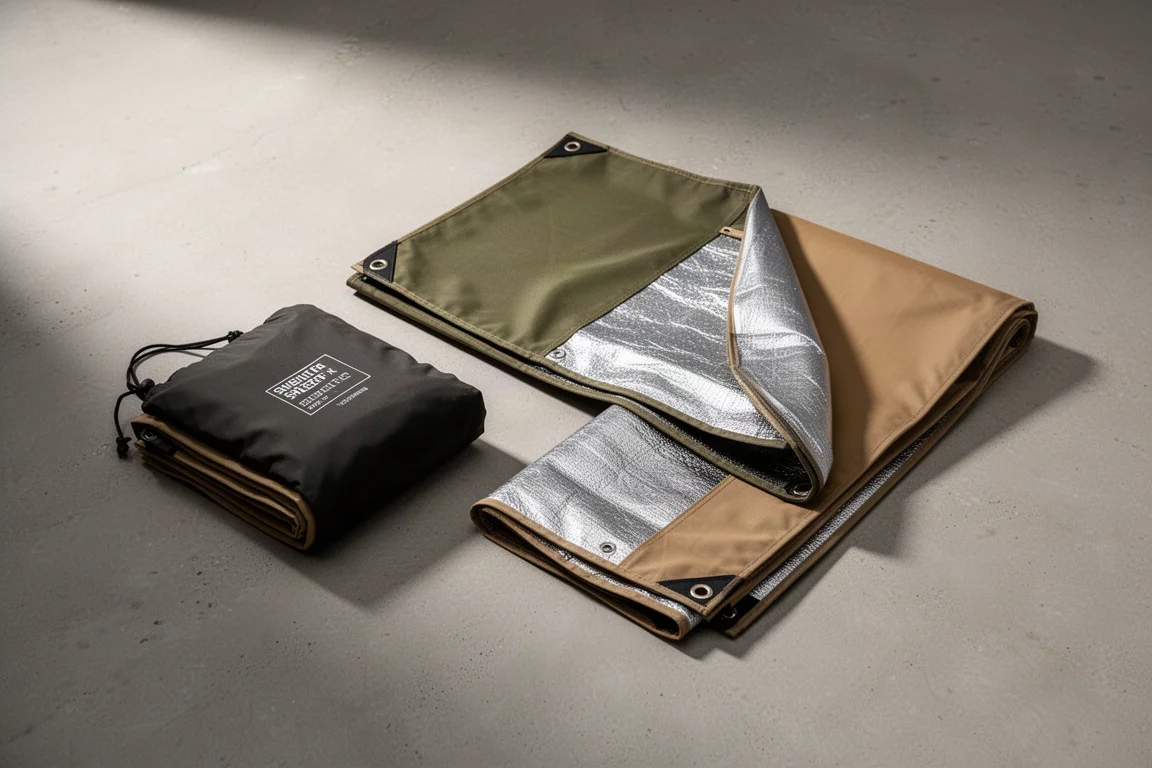
Force Protector Gear built its reputation on deployment bags, and the same company also makes a layered shelter system that works as a tarp, a blanket, and a sun reflector. The Military Field Blanket and Tarp System is the surplus version of that idea: a multi-layer panel with an aluminum Therma Shield core sandwiched between the outer fabrics. The civilian counterpart is the Adapter Shade Panel, which is aimed at vehicle mounting and includes covers over its hardware to keep metal away from paint.
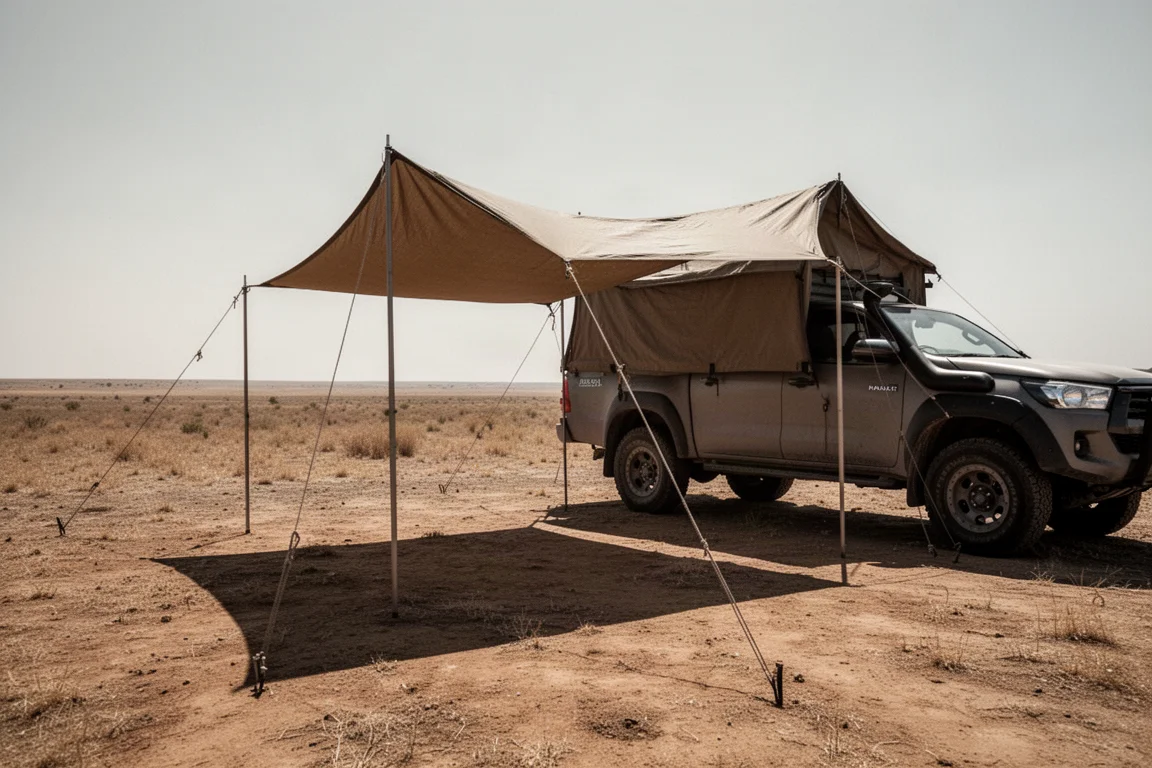
Both versions share the same basic promise. The Therma Shield layer is meant to reflect the sun’s heat rather than simply block the light, which makes the panel useful as shade on a bright day and as a wrap when temperatures drop. Force Protector Gear also lists it for vehicle awnings, hunting hides, and fire-side warmth.
The pricing is where the two versions diverge. The military version carries a retail price around $400, while the civilian Adapter Shade Panel is listed around $344. Military surplus stock has sold for far less, with units changing hands for around $80, which changes the value calculation considerably.
How the Therma Shield Layer Works
Therma Shield is the middle layer of the panel, an aluminum-based material similar in concept to an emergency mylar blanket. Instead of letting radiant heat pass through the fabric, it reflects it back. Force Protector Gear states that underneath the panel you can experience a 20 to 40 degree difference compared with standing outside in direct sun.
That number applies to radiant heat, not to air temperature. Hot is hot: in a genuinely hot environment the panel will not cool the air around you, it only stops the sun’s heat from radiating through the material. For anyone who has spent an afternoon under a standard tarp in full sun, that distinction is the whole point, because ordinary fabric still lets that radiant warmth through.
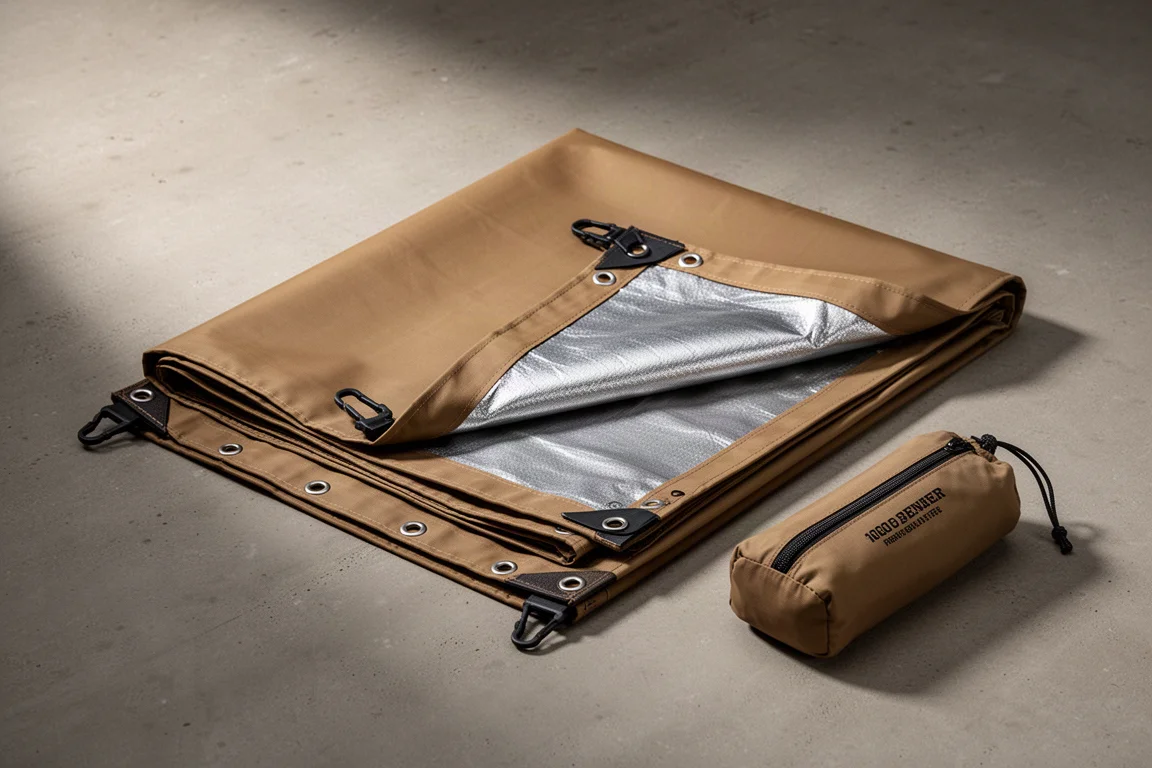
The rest of the construction is spelled out in the company’s own material names. The panel uses what Force Protector Gear calls Desert Cloth and Reflect Tech, and the attachment clips are branded Smart Clips. The storage case is made from 1000 denier Cordura with a YKK zipper, and the build includes military grade snaps, hook and loop, and thread. Color options include Multicam and coyote brown.
Military Field Blanket and Tarp System: Heat Blocking That Works
Setting the military panel up is straightforward. A practical approach is to clean the mounting surface on a vehicle, place suction cup anchors, and run cordage from them to the panel corners. Nine foot sections of 550 cord with a slip knot at the end work well for this, and the slip knot is worth learning because it is simple and adaptable.
The six quick fasteners do most of the work. They sit at the corners and at the midpoints of the sides, held in place by straps, and each one wraps around cordage and locks into its notches without a knot. Compared with rigging a plain tarp with guy lines, the setup is quicker. Compared with a purpose-built vehicle awning, it is slower, and there is no pretending otherwise.
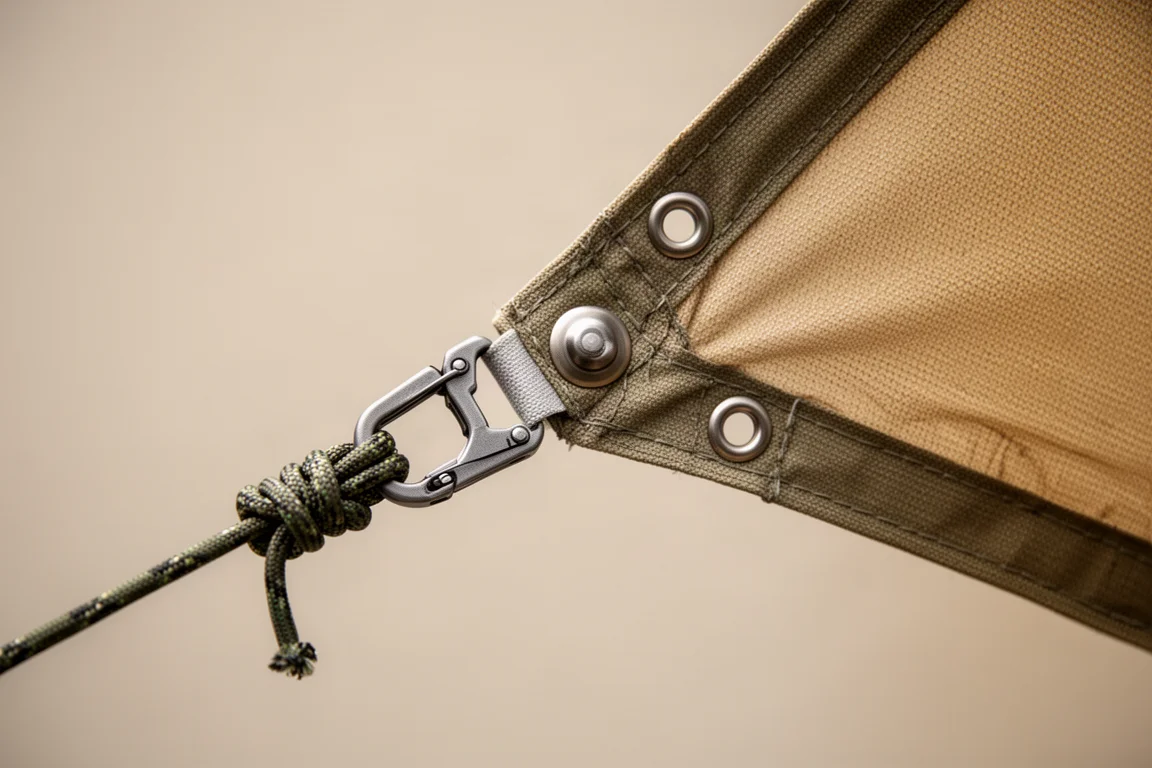
Around the body of the panel there are 24 snaps, and every other one has a small hole beside it. There are 12 of those holes in total, sized so poles can pass through them. The snaps also let you join additional panels, so the shelter can be extended in width or length and built into configurations that a single tarp cannot match.
The heat reflection is the standout feature. Blocking radiant heat is exactly what the Therma Shield layer is designed to do, and it is the most convincing argument for choosing this system over a conventional tarp. Build quality is very good as well, setup is easy, and the panel packs down fairly compactly, though it is a little heavy in the bag.
Adapter Shade Panel: The Civilian Vehicle Version
Force Protector Gear’s civilian option is the Adapter Shade Panel, which is designed more specifically for vehicle use than the military blanket. The most useful detail is a set of covers over the hardware, which keep metal components from contacting the paint on a vehicle. It is a small touch that makes a real difference on a daily-driven car.
At around $344 it is less expensive than the military version’s retail price, but it is still a serious outlay for a shade panel. The wider catalog does not help. Listings such as the Sweet Spot Vehicle Kit, the Adapter Shade Panel Light, and the Therma Shield panels look similar to one another across the military and civilian sections, and the differences between them are not explained clearly.
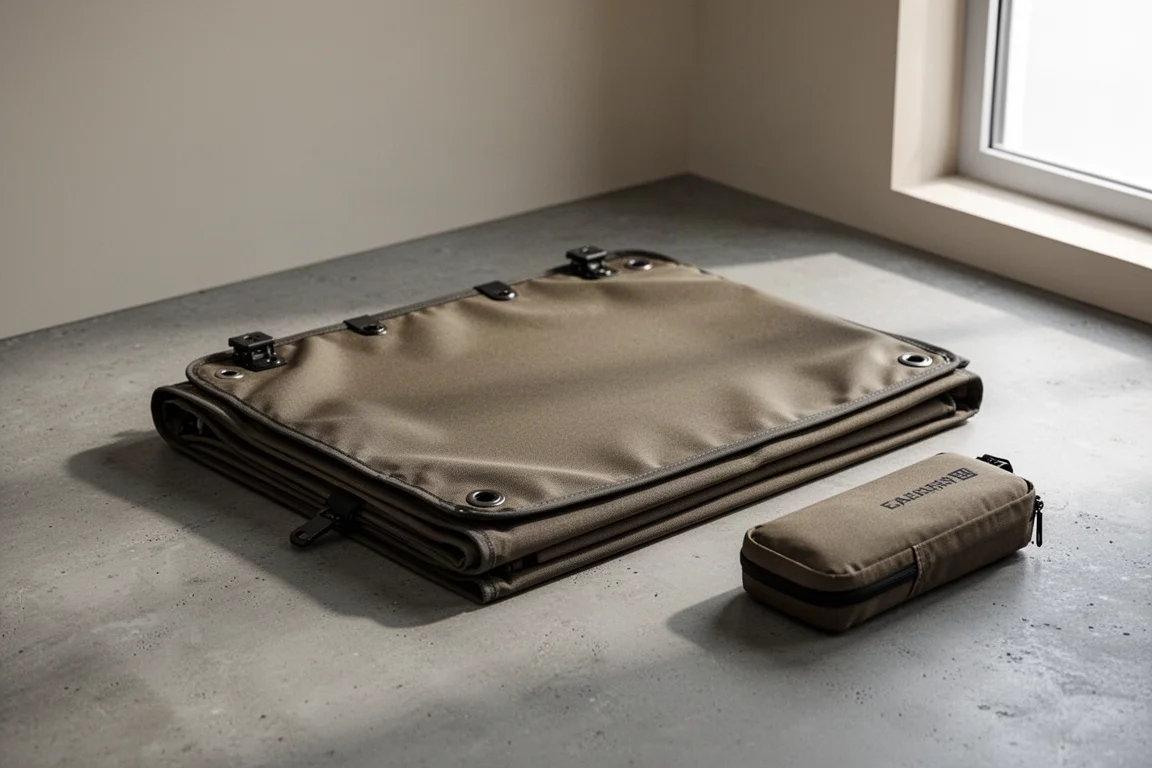
Size, Weight, and the Balloon Effect
Size is the biggest practical limitation. The filled blanket measures 112 inches long by 72 inches wide, which works out to 9 feet 4 inches by 6 feet. As tarps and sun protection go, that is neither long nor wide. To get meaningful coverage you would want two panels, and three would allow a genuinely substantial shelter system. A 10 by 10 or 12 by 10 panel would make more sense at this price point.
Weight is reasonable rather than remarkable. The total is 3 pounds 10 ounces including the storage pouch, and the pouch itself measures 10.5 inches by 7 inches with a depth of 2.5 inches.
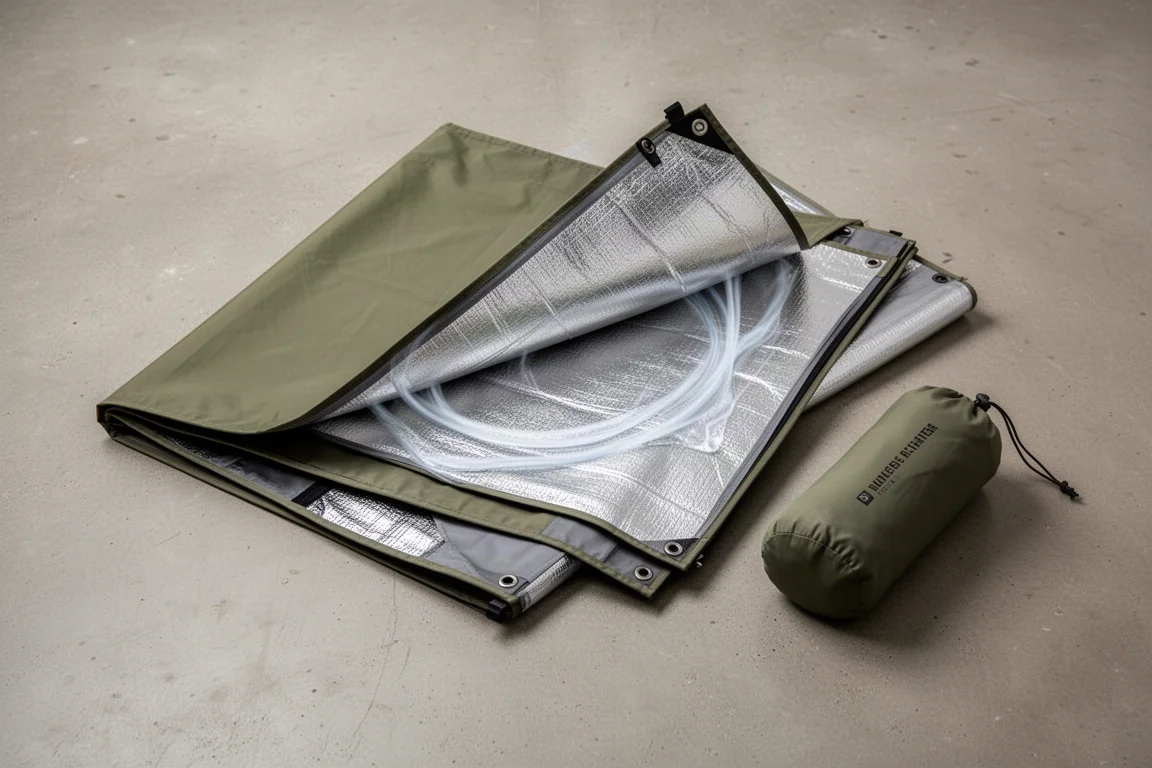
The layered construction brings one annoyance. Because the panel stacks an outer fabric, a Therma Shield core, and a second face, air gets trapped between the layers when you fold it up. The result is a balloon effect that makes packing down fussier than it should be.
Warranty, Documentation, and Buying Caveats
A label on the panel carries a Therma Shield disclaimer worth reading before purchase. It states that the product is not intended to be used as a permanent cover, that it was designed as an expedient and temporary shelter from the elements, and that long-term exposure to sun and other conditions will eventually degrade the materials. It adds that proper use and care will extend the lifetime of the materials.
That wording is a legitimate concern for a shelter that is meant to sit in the sun. It leaves room for a warranty claim to be declined on the basis of the very conditions the product is designed for.
Documentation is the other weak point. The company’s website makes it hard to understand what separates its similar-looking products, and the links that should explain Therma Shield do not work. Working out what the layer actually does takes more effort than it should.
Buying Advice: Matching the Shelter to the Trip
The case for this system depends almost entirely on the price you pay and the coverage you need. At around $400 for the military version, or around $344 for the civilian Adapter Shade Panel, a single panel covers a small area and you would likely want two or three of them, which multiplies the cost quickly.
Military surplus is a different story. At around $80, the heat reflection, the quick clips, the snap grid, and the very good build quality make far more sense, and the panel is easy to recommend at that level. Buyers who want a vehicle-mounted option with paint-protecting hardware covers should look at the civilian panel, while anyone planning extended sun exposure should weigh the temporary-use disclaimer carefully.
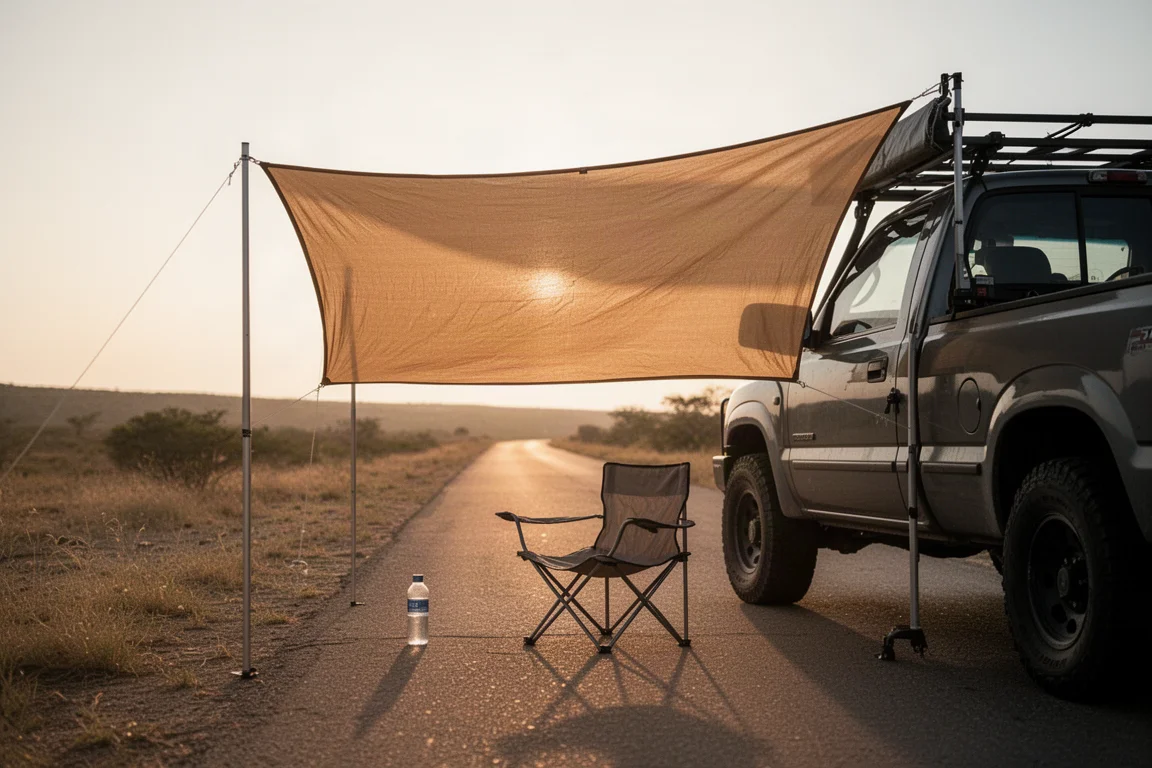
Coverage, not cleverness, is the deciding factor here. Measure the shaded area you actually need, then work out how many panels that takes. If the answer is one, the value is questionable at retail. If you can find surplus stock, the same panel becomes a much easier purchase.
Conclusion
The Military Field Blanket and Tarp System does the hard part well. The Therma Shield layer genuinely blocks radiant heat, the hardware is well made, and the snap grid gives it flexibility that a basic tarp cannot offer. Its limits are size, a multi-layer build that traps air when folded, and documentation that does not explain the range clearly.
At full retail the value is difficult to justify for the area covered. At surplus prices the same product is a much more attractive proposition, and that is the version most buyers should keep an eye out for.
Further reading
Related Reviews

Backpacking Gear
Building a 10 lb Base Weight: An Ultralight Backpacking Gear List
A practical walkthrough of the ultralight pieces behind a 10 lb base weight, from a 765 g pack and a roomy one-person tent to a full camp chair and a dependable water filter.
Road Bikes
10 New Road Bikes Worth Watching: Aero, Titanium, Steel and Endurance Standouts
A practical roundup of 10 new road bikes, from aero flagships chasing single-watt gains to titanium, steel and endurance platforms built for real roads.
Bikepacking Gear
11 Bikepacking Essentials for Long-Distance Cycling
Eleven bikepacking essentials for long-distance cycling, from a steel gravel frame and a two-person tent to helmet lights, packable gloves, and a frame bag that puts weight in the right place.