Mountain Bikes
Forbidden Druid V2 vs Scott Genius ST 910: Two Trail Bikes Compared
Two future-facing trail mountain bikes with the same travel brief and completely different answers, compared on climbing efficiency, descending composure, and who each one suits.
Introduction
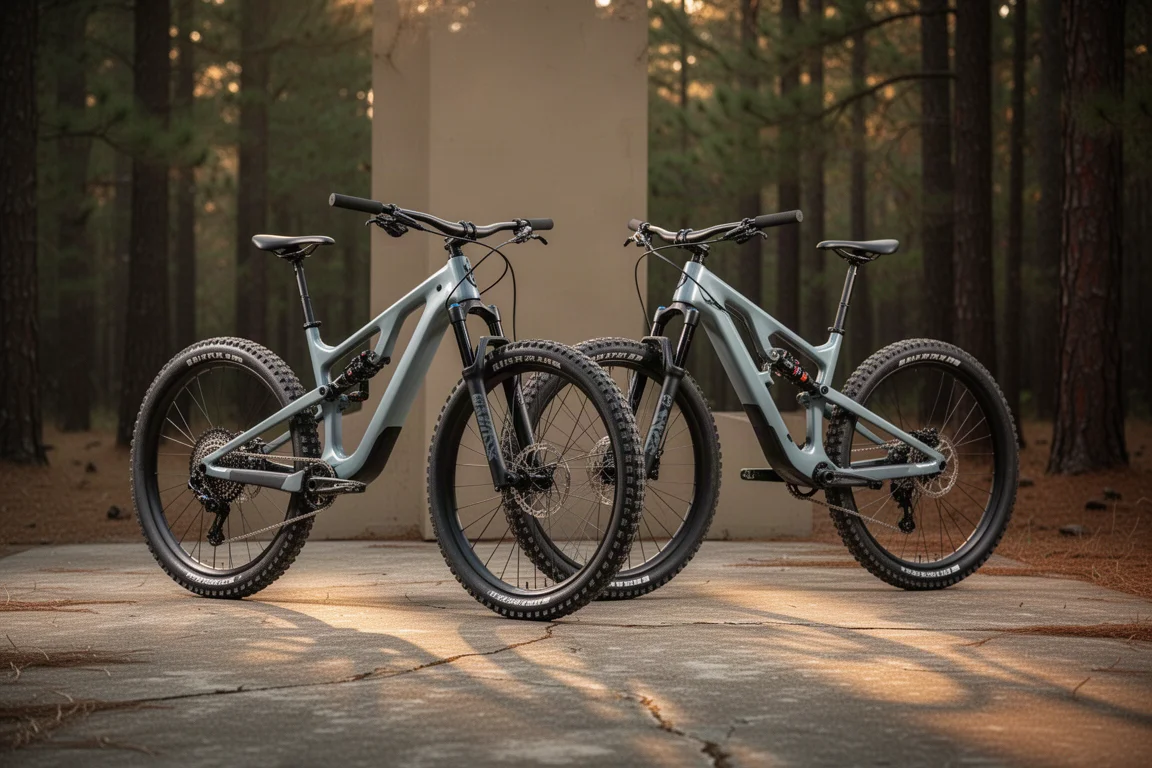
Trail bikes are usually defined by a familiar formula: 29-inch wheels, around 130mm of rear travel, and a balance that works going up, down and along. The Forbidden Druid V2 and the Scott Genius ST 910 both start from that idea, then take it somewhere much less conventional.
The Druid V2 keeps the travel figure but swaps in a high pivot suspension layout, an idler wheel and a mixed wheel size. The Genius ST 910 goes the other way, hiding a 150mm shock inside the frame and giving the bike the ability to change its own character at the push of a lever. The two sit close on price and weight, yet they reward very different riding styles.
What Separates These Two Trail Bikes
Both bikes are built around carbon fibre frames, both use a four-bar rear layout to manage braking forces, and both land around the same weight. From there, almost nothing is shared.
The Druid V2 uses a high pivot design with an idler wheel, which sends the rear axle rearwards through its travel. The Genius ST 910 keeps a more conventional rear suspension arrangement but mounts its shock low and largely out of sight, then uses a handlebar lever to shrink the air spring volume and firm up the damping when the terrain turns upwards.
That single difference in philosophy explains most of what follows. One bike is tuned around how it behaves on the way down, the other around how efficiently it covers ground in every direction.
Forbidden Druid V2: High Pivot Suspension and a Mullet Setup
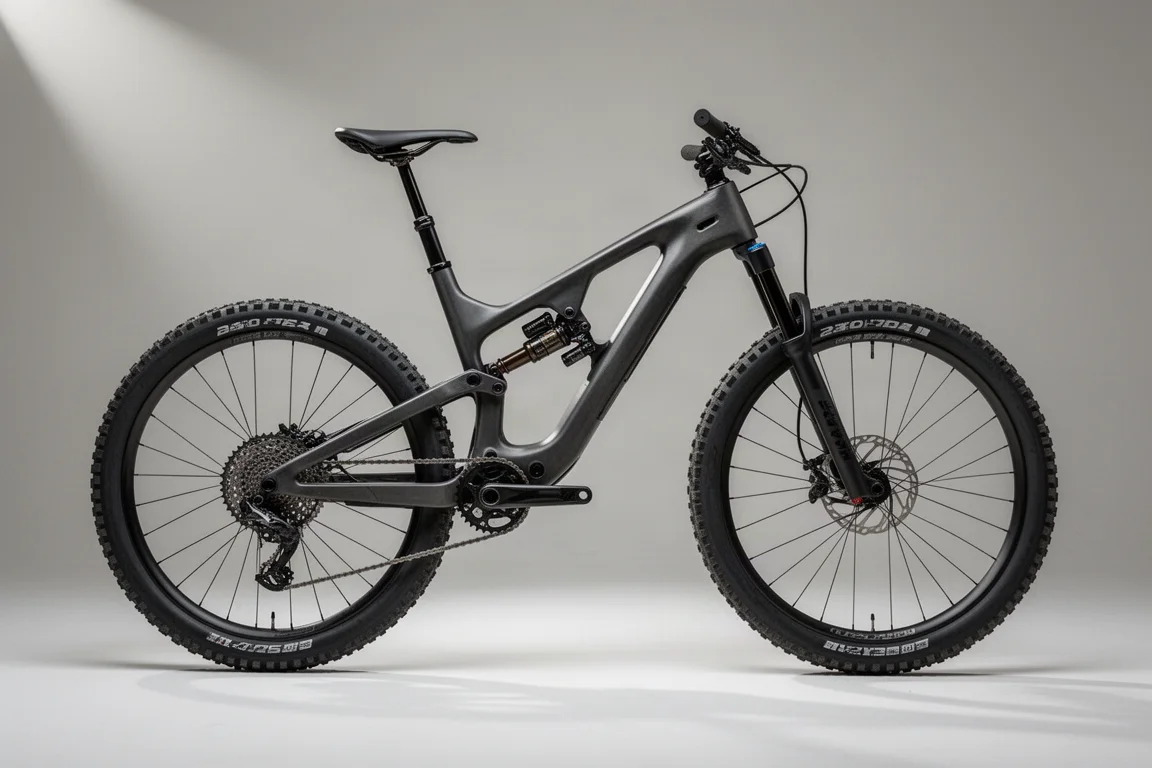
The Druid V2 runs 130mm of rear travel, but the number only tells part of the story. Its high pivot layout gives the rear wheel a rearward axle path through the whole stroke, letting the wheel move away from impacts rather than into them. An upside-down four-bar link sits behind that to isolate braking forces, which should translate into more traction when you are hard on the anchors.
The frame is carbon fibre with stainless steel and aluminium hardware, and it is sized so that chainstay length grows with the front end, keeping the balance consistent across the size range. It is a serious investment on its own: the frame retails for around £3,599. The GX AXS RS Plus build comes in at £6,999, pairing wireless electronic GX gearing with a mid-range RockShox Select Plus suspension package, so much of the money sits in the chassis rather than the components.
Riding the Forbidden Druid V2: Climbing and Descending
On the way up, the Druid V2 is more capable than its layout might suggest. The idler adds a faint mechanical note in the easier gears but never becomes intrusive, and the steep seat angle and long rear end make seated climbing genuinely comfortable. The 165mm cranks are short, trading a little torque for ground clearance and a smooth, fast spin.
Point it downhill and the character changes. The long back end gives the bike a planted, stable feel, and the four-bar link delivers braking performance that stands out even on steep, loose terrain. It carries speed well, drifts predictably and rides like a bike with considerably more travel than its 130mm figure suggests. Manuals take more effort thanks to the rearward axle path, but that is the trade for composure at speed. The mixed wheel setup keeps the same rear centre as the 29-inch version, so the smaller rear wheel does not shorten the bike or make it twitchier.
Scott Genius ST 910: A Hidden Shock With Three Ride Modes
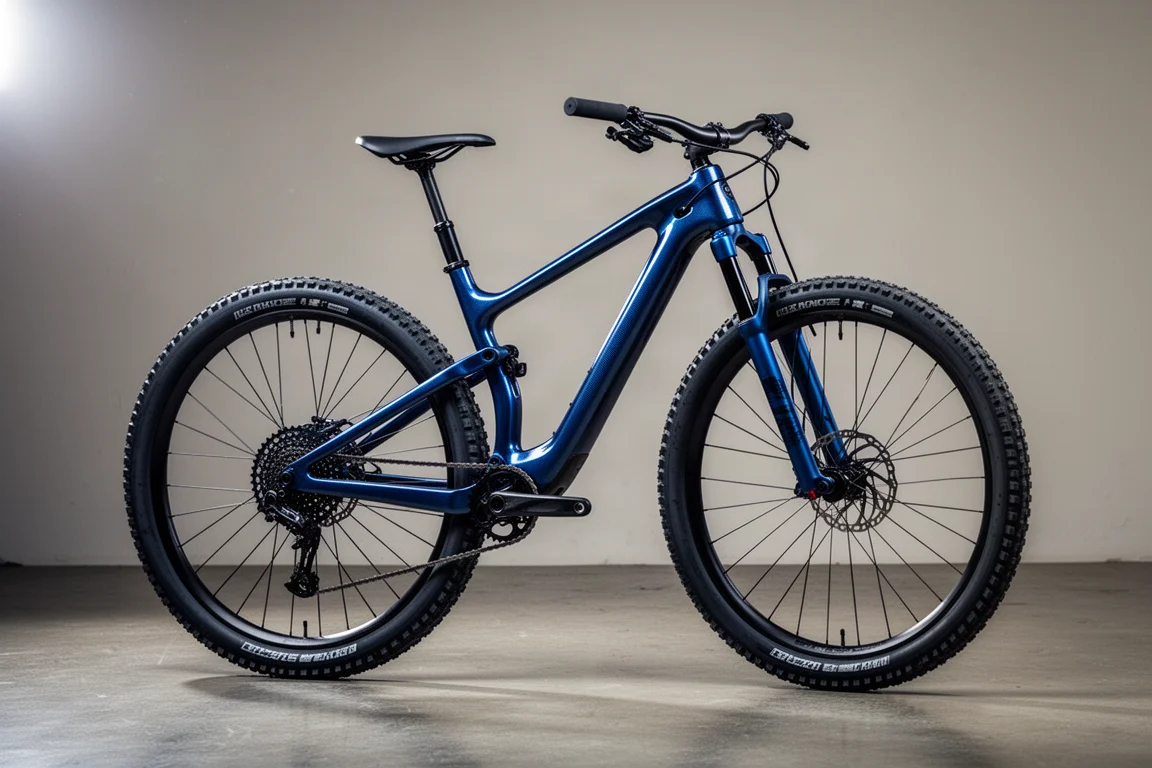
The Genius ST 910 is the more futuristic looking of the two, and much of that comes from what you cannot see. Its Fox Float X Nude shock is tucked into the frame, delivering 150mm of rear travel, while the front end runs 160mm through an Öhlins fork. A one-piece carbon handlebar and stem combo completes the clean front end.
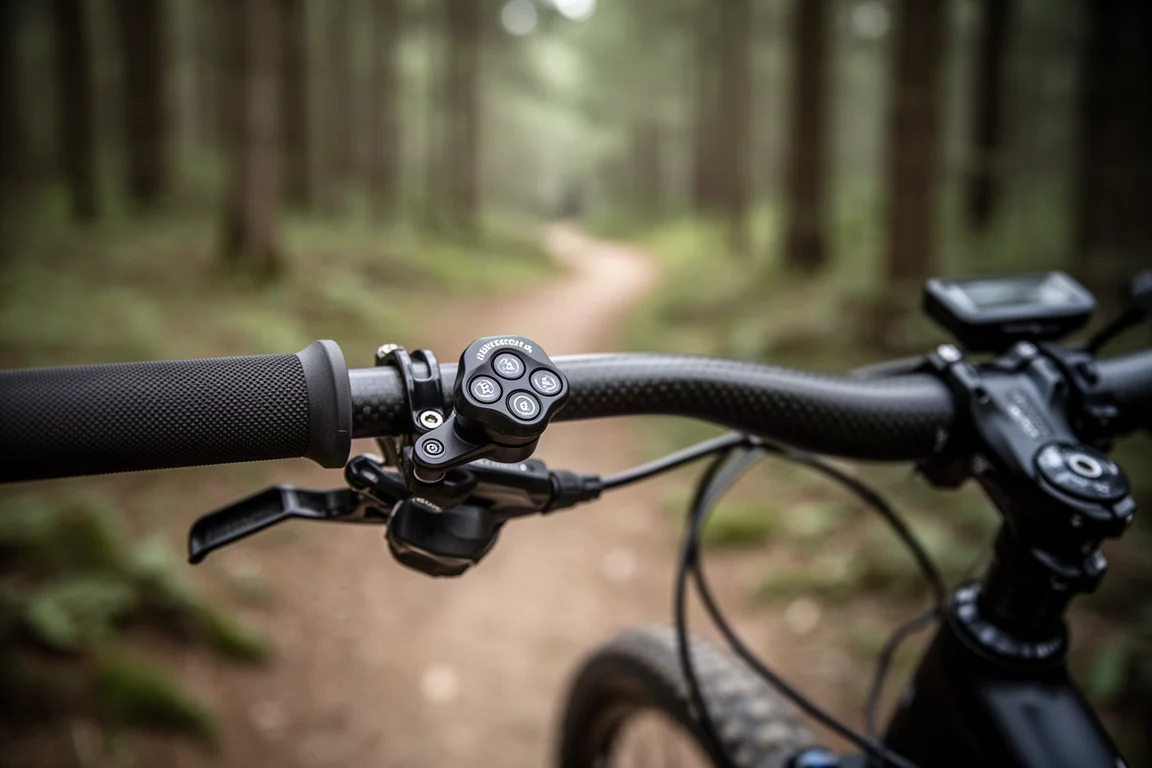
The trick is the lever on the bar. In Descend mode the damper and air spring are fully active for maximum volume and compliance. Move it to Ramp Control and a sleeve blocks a port, reducing the air spring volume and cutting usable travel from 150mm to roughly 100mm. Push the lever once more into Climb mode and a damping threshold is added on top of the reduced travel. The result is a bike that can feel like a cross-country machine on the way up and a much longer travel trail bike on the way down.
Riding the Scott Genius ST 910: Climbing and Descending
The Genius ST 910 weighs around 14.7kg, similar to the Druid V2, and feels sprightly on the way up. With the shock firmed up it transfers power to the ground very effectively, and the absence of an idler keeps it quieter than the Forbidden. Its 170mm cranks are 5mm longer, which helps with torque on steep pitches, though it is not quite as comfortable to spin at a high cadence. The 29-inch rear wheel rolls over small rocks a little more easily, and the Öhlins fork has its own damping threshold to limit bob.
Downhill, the bigger rear wheel and shorter back end make the Scott easy to flick around and simple to pop into a manual. It is a livelier, more playful ride, but not as composed as speeds climb. The more open shock tune and narrower bars contributed to a few sketchy moments on rough, fast terrain, where the Forbidden stays noticeably more settled.
Climbing Efficiency Compared
If climbing pace is the priority, the Scott has the edge. Its adjustable shock genuinely mimics a much shorter travel bike on steep, smooth climbs, and the firmer platform means less energy is lost to suspension movement. The lack of an idler also keeps the drivetrain quiet.
The Forbidden is no slouch, though. Its steep seat angle and long rear end make it a comfortable, steady climber, and the idler drag is mild enough that it rarely registers. It simply asks a little more of the rider than the Scott does once the gradient steepens.
Descending Composure Compared
On the descents the picture flips. The Druid V2’s high pivot suspension and long rear end give it a stability that a 130mm bike has little right to claim, and its braking performance over rough ground is the stronger of the two. Big hits and braking bumps are where it separates itself most clearly.
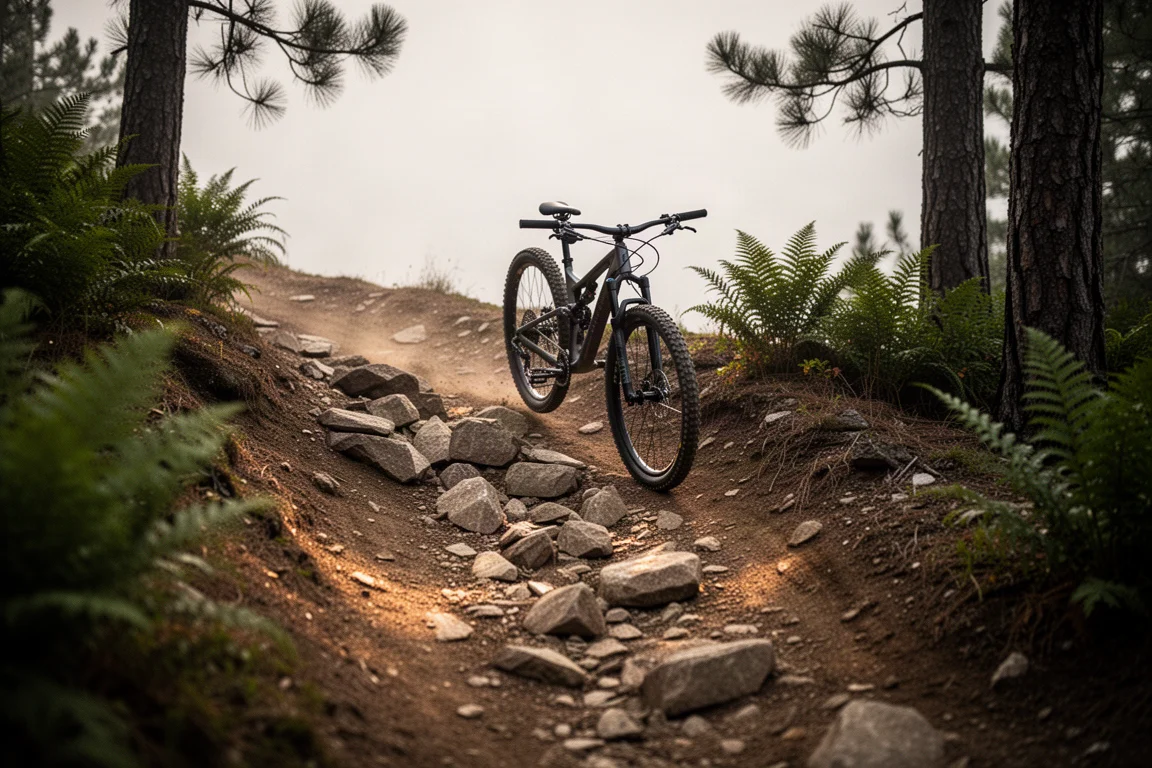
The Scott is quicker to change direction and easier to throw around, which makes it the more entertaining bike on smoother, more technical trails. Push it hard on sustained rough descents, however, and the more open tune and shorter rear end leave it feeling less planted than the Forbidden.
Overall Buying Advice
These two bikes cost roughly the same and weigh roughly the same, so the decision comes down to what you want the bike to feel like most of the time.
Choose the Forbidden Druid V2 if your priority is descending. It is a short travel bike with the composure of something much bigger, and its braking and stability on rough terrain are its defining strengths. Expect to pay for the chassis, and accept the mild idler drag and the extra effort a manual requires.
Choose the Scott Genius ST 910 if you want one bike that covers ground efficiently and can be sharpened up for climbing at the flick of a lever. It is the faster feeling all-rounder, with a playfulness that makes easier trails more fun, at the cost of some composure when the descents get long and rough.
Conclusion
Both bikes point at where trail riding is heading. Trail centres are building harder descents, and riders are asking whether they really need more travel to ride them. The Druid V2 answers that with suspension quality rather than quantity, while the Genius ST 910 answers it with adjustability. If descending composure matters most, the Forbidden is the more rewarding bike. If covering ground quickly and efficiently matters most, the Scott is the one that breaks the mould.
Further reading
Related Reviews
Mountain Bikes
Atherton AM.130 Review: 3D-Printed Titanium Lugs and a 130mm Trail Bike That Descends Like a Bigger Machine
The Atherton AM.130 pairs 3D-printed titanium lugs with carbon tubes and a DW6 suspension platform. Here is how it rides, what the build delivers, and who it suits.
Mountain Bikes
Beginner Mountain Bike Buying Guide: What to Look For in a Trailworthy Hardtail
A practical framework for evaluating beginner mountain bikes, whether new or used, by examining key components that indicate real trail capability.
Mountain Bikes
Best Aluminum Mountain Bikes 2026: Five Alloy Bikes Worth Your Attention
Five aluminum mountain bikes that show how far alloy has come, from a 120mm trail bike and a versatile machined frame to a 180mm freeride machine.