Mountain Bikes
Forbidden Druid V2 vs Scott Genius 910 ST: Which Futuristic Trail Bike Is Right for You?
Two carbon trail bikes that break the usual mould: one with high pivot suspension and mullet wheels, one with a hidden shock and adjustable travel.
Introduction
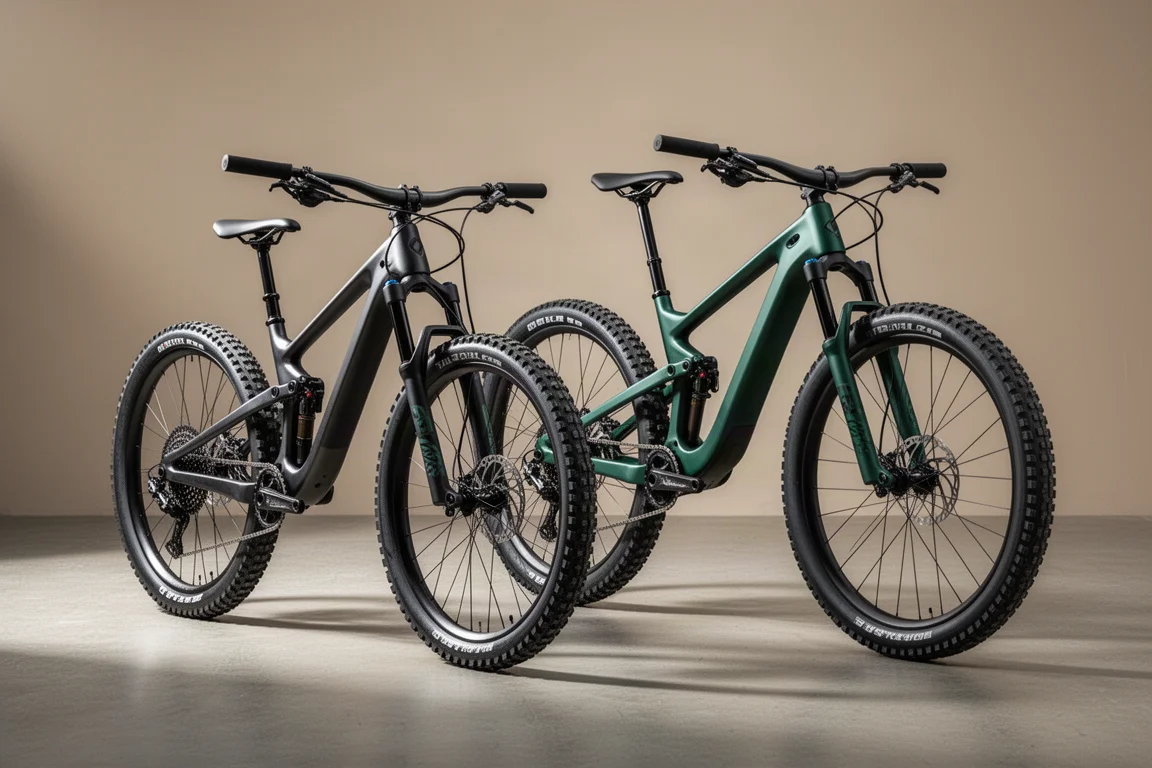
Most trail bikes follow a familiar formula: 29-inch wheels, around 130mm of rear travel, and a balance of climbing and descending manners. The Forbidden Druid V2 and the Scott Genius 910 ST both start from that brief and then take it somewhere else entirely.
The Druid V2 pairs 130mm of rear travel with a high pivot suspension layout, an idler wheel and a mullet wheel setup. The Genius 910 ST, where ST stands for Super Trail, hides its rear shock inside the frame and offers 160mm of front travel and 150mm of rear travel, with a lever that changes how much travel is available. The two are close in price and close in weight, but they ask very different things of a rider.
How These Two Trail Bikes Differ
Both bikes use carbon fibre frames, and both use a four bar rear suspension design to manage braking forces. From there they diverge.
The Druid V2 adds a high pivot with an idler wheel and an upside down four bar link, and it runs a smaller rear wheel than the front. The Genius 910 ST keeps a conventional rear suspension layout with no idler, runs a 29-inch rear wheel, and carries noticeably more travel: 160mm up front and 150mm at the back, against 130mm at the rear on the Druid.

Both come with wireless electronic gearing. The Scott tips the scales at 14.7kg and the Forbidden sits in a similar place, so neither bike wins on weight alone.
Price sits in the same bracket too. The Druid V2 in the GX AXS RS+ build costs £6,999, while the Genius 910 ST is £7,499. The Druid frame alone retails at £3,599 or $3,799, which explains why a mid-spec build still costs what it does.
Forbidden Druid V2: High Pivot Suspension and Mullet Wheels
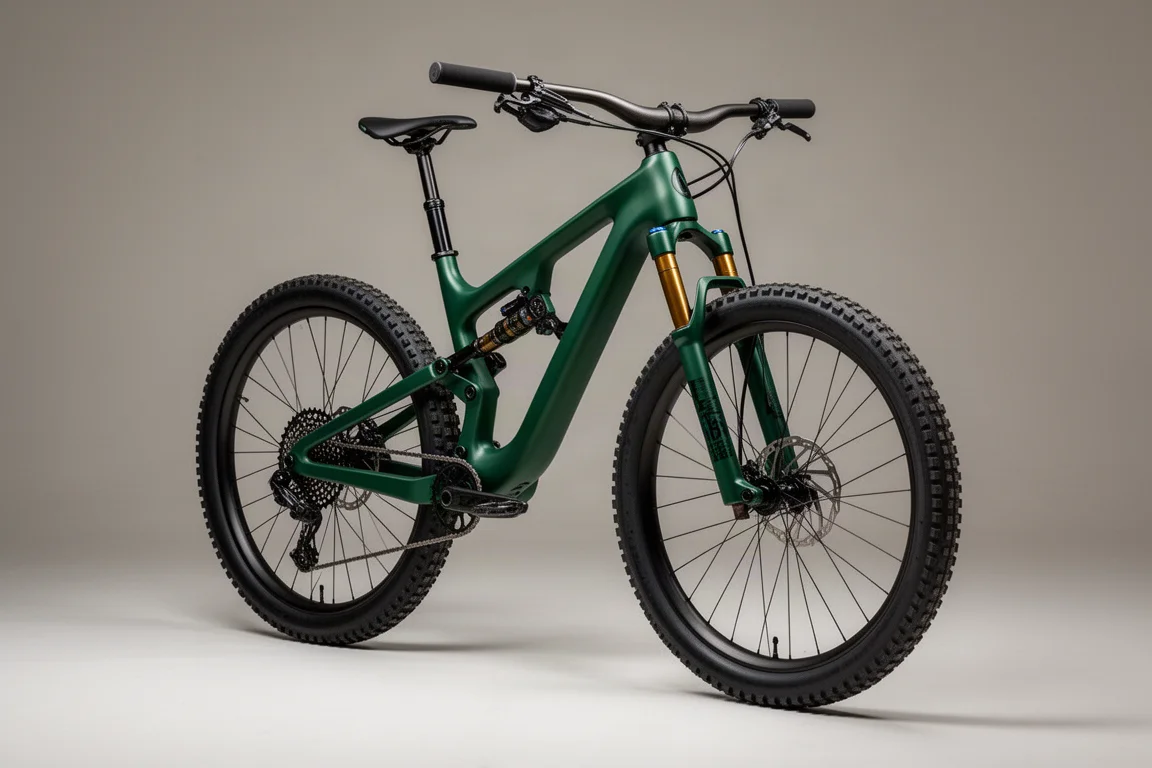
The Druid V2 is built around its frame. It uses carbon fibre with stainless steel and aluminium bolts, and the rear centre length changes with each frame size, so the chainstays grow proportionally to match the front end. The high pivot layout gives a rearward axle path throughout the travel, which lets the rear wheel move back and away from bumps and helps the bike carry speed over rough ground. The upside down four bar link isolates the suspension from braking forces, which should mean more traction at the rear wheel when you are hard on the brakes.
The trade-offs are real. An idler adds drag, and the high pivot feel can seem unusual to riders used to a more conventional system, particularly when the suspension compresses under load in jumps and corners.
On the trail the Druid climbs well for a bike of its type. There is no unpleasant drag and no intrusive noise, although the idler is audible in the easier gears. The 165mm cranks and the steep seat angle make seated climbing comfortable, and the long rear end adds stability. The mullet rear end is the same length as the 29-inch version, so the smaller wheel does not shorten the back end or make the bike twitchy.
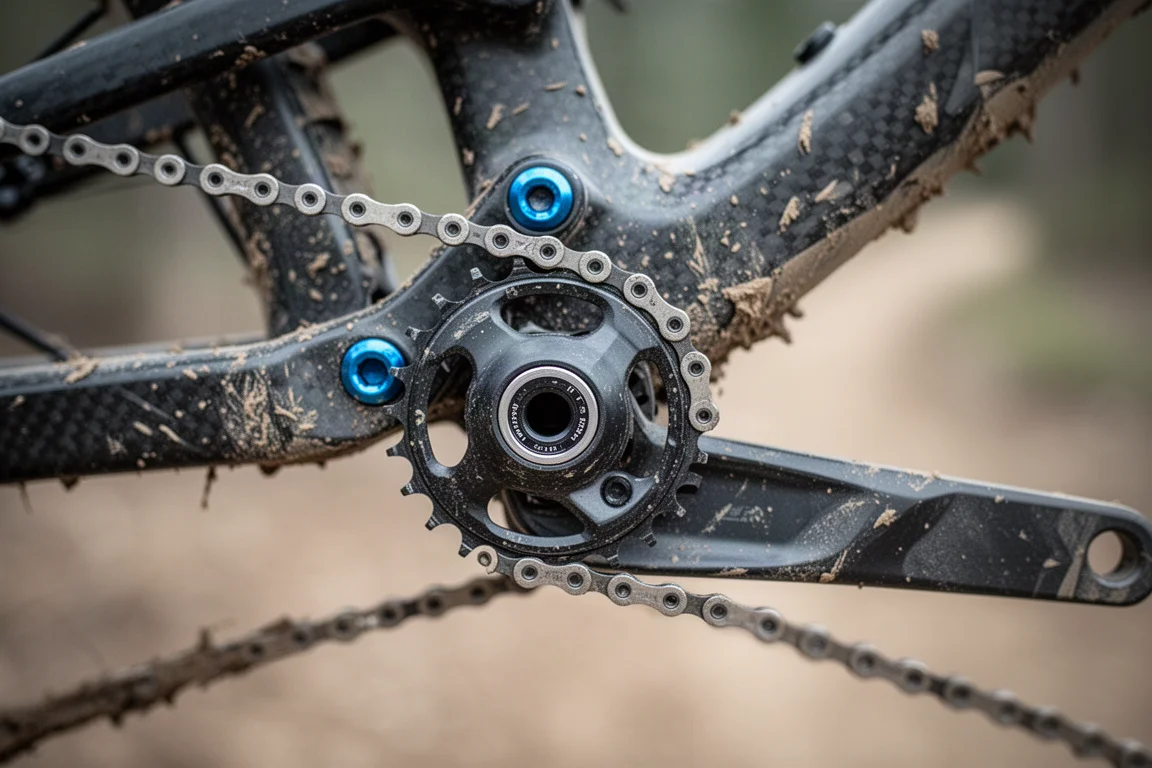
Descending is where the design pays off. The long back end gives stability and feel, braking performance from the four bar link is strong, and the bike carries speed through rough sections and drifts predictably. It rides like a bike with far more than 130mm of travel. The build includes a wide aluminium bar, a short stem, a OneUp dropper post, RockShox Select Plus suspension and Maxxis Forekaster 3C tyres with a soft shoulder compound for cornering grip.
Scott Genius 910 ST: Hidden Shock and Adjustable Travel
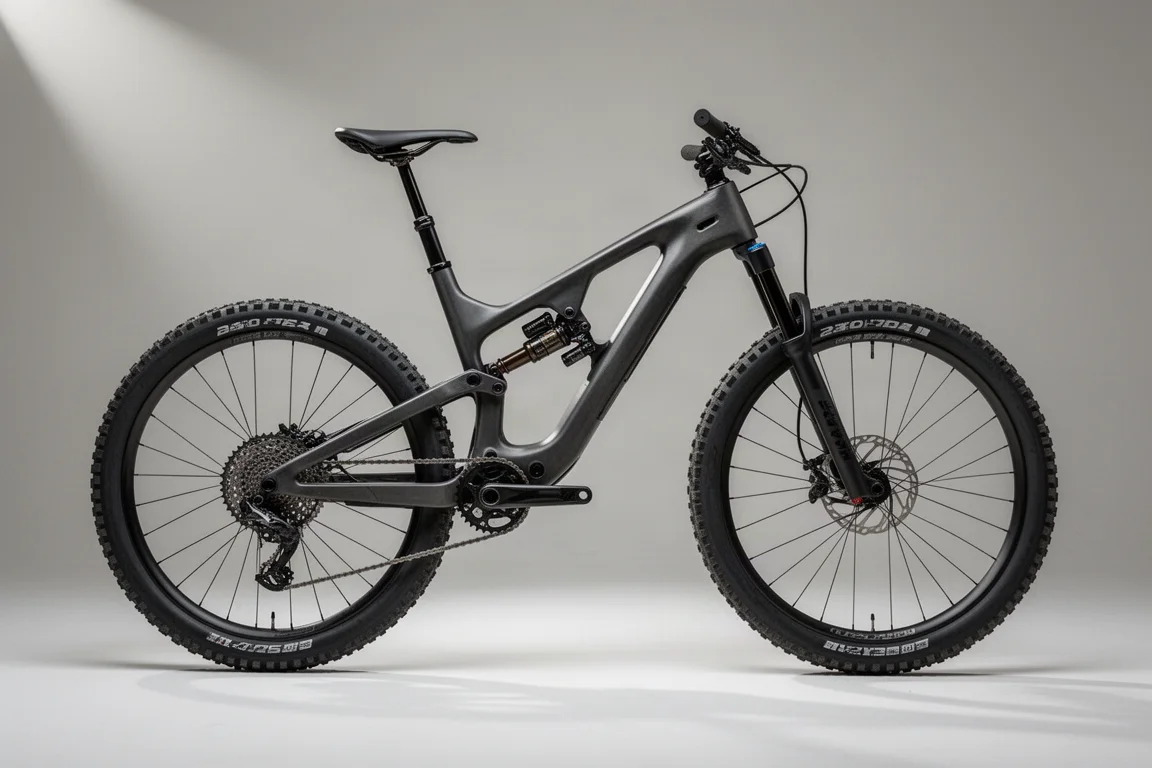
The Genius 910 ST is the more futuristic looking of the two. The frame is carbon fibre with a four bar rear suspension design, and there is no rear shock visible from the outside. It sits inside the frame: a Fox Float X Nude unit that provides 150mm of rear travel.
A lever on the handlebar changes how that shock behaves. In descent mode the damper and air spring are fully active at maximum volume. Move the lever into ramp control and a sleeve blocks a port, reducing the air spring volume and cutting the available travel from 150mm to a cross-country feeling 100mm. Push the lever further into climb mode and the reduced travel stays while the damping firms up through an added threshold.
Up front the bike runs 160mm of travel from an Öhlins fork that also has a damping threshold to limit bob on climbs. The rear wheel is a full 29 inches for traction and rolling speed, the tyres are 2.6 inches wide, and the cranks are 5mm longer than the Druid’s. There is also a one-piece carbon fibre handlebar and stem combo.
On the trail the bigger rear wheel rolls over small rocks a little better, and the lack of an idler makes the bike quieter. The shock does an excellent job of firming up the rear and putting power to the ground, so it climbs like a bike with far less travel. It feels sprightly, though not quite as planted as the Druid when seated on a climb.
Point it downhill and the shorter back end makes it easy to whip around and pop into a manual, and the bigger wheels roll faster. It is less stable than the Druid, and the more open, compliant shock tune does not carry quite as much speed when you are really pushing. On rough descents it loses composure from time to time.
Climbing Performance Compared
Both bikes shift through their gears electronically, and both firm up the rear for climbing, but they get there differently. The Druid relies on a climb lever on its low-mounted shock and on a chassis that is comfortable to sit and spin, helped by the steep seat angle and the long rear end. The Genius leans on its shock modes, which reduce travel and add a damping threshold, plus a 29-inch rear wheel that rolls over small obstacles with a little less effort.
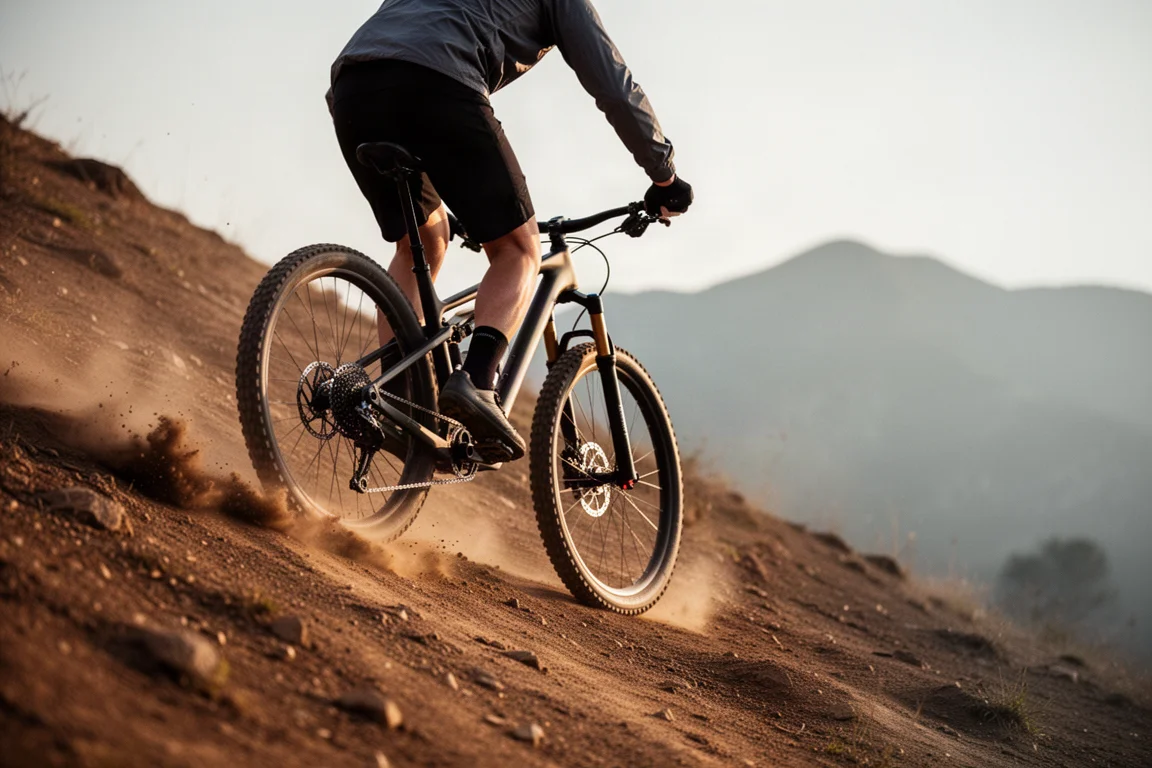
Crank length is a genuine difference. The Druid’s 165mm cranks give good clearance between your feet and the ground and spin easily, while the Genius runs 5mm longer cranks that deliver more torque at the cost of a slightly less comfortable high cadence. That is a real compromise either way, and it shapes how each bike feels on a long climb.
Weight is close between the two, with the Scott at 14.7kg and the Forbidden in the same region, so neither gives away much on the way up. The Forbidden feels more planted when seated, while the Scott feels more spritely and quieter in motion.
Descending Performance Compared
The two bikes take opposite approaches here, and the difference is easy to feel. The Druid’s firm compression tune, long rear end and rearward axle path make it the calmer bike at speed. Braking is a highlight: the upside down four bar link lets you get on the anchors hard and the bike simply stops, and the long back end carries speed through rough ground and drifts predictably. It feels like a much longer travel bike than its 130mm suggests, and it stays predictable when you send it into chunkier terrain.
The Genius is the more playful descender. The shorter back end makes it easy to manual and comfortable in the air, and the 29-inch wheels and 2.6-inch tyres roll quickly and find grip on roots and rough ground. What it gives up is composure. On big hits and braking bumps it is not as settled as the Druid, and the more open shock tune carries less speed when the terrain gets really rough.
Buying Advice: Choosing Between the Two
If you want a short travel trail bike that behaves like a much bigger one on the descents, the Forbidden Druid V2 is the more convincing choice. The high pivot suspension, the mullet wheel setup and the braking performance add up to a bike that is genuinely entertaining to point downhill, and the climbing manners are good enough that you will not dread the way back up. If the frame is what appeals most, it is also available on its own at £3,599 or $3,799.
If you want an efficient, light feeling all-rounder with technology you can feel working under you, the Scott Genius 910 ST is the more versatile option. The hidden shock and its three modes make it climb like a bike with far less travel, the one-piece cockpit keeps the front end clean, and the shorter back end makes it easy to throw around. Just go in expecting to give up some stability on the steepest, roughest descents.
Both bikes sit in the same price bracket, with the Druid at £6,999 in this build and the Genius at £7,499, so the decision comes down to character and the kind of riding you do most rather than to cost.
Conclusion
Trail bikes are being pushed in two directions at once. The Scott Genius 910 ST shows how much technology can be packed into a bike that still climbs like a cross-country machine, while the Forbidden Druid V2 shows how much descending capability can be squeezed out of 130mm of rear travel. Both break the mould of the traditional trail bike, and both make a strong case for where mountain bikes are heading.
Which one belongs in your garage depends on the riding you care about most. For a short travel bike built around the descent, the Druid V2 is the answer. For a fast, efficient, technically clever all-rounder, the Genius 910 ST is the one to look at.
Further reading
Related Reviews
Mountain Bikes
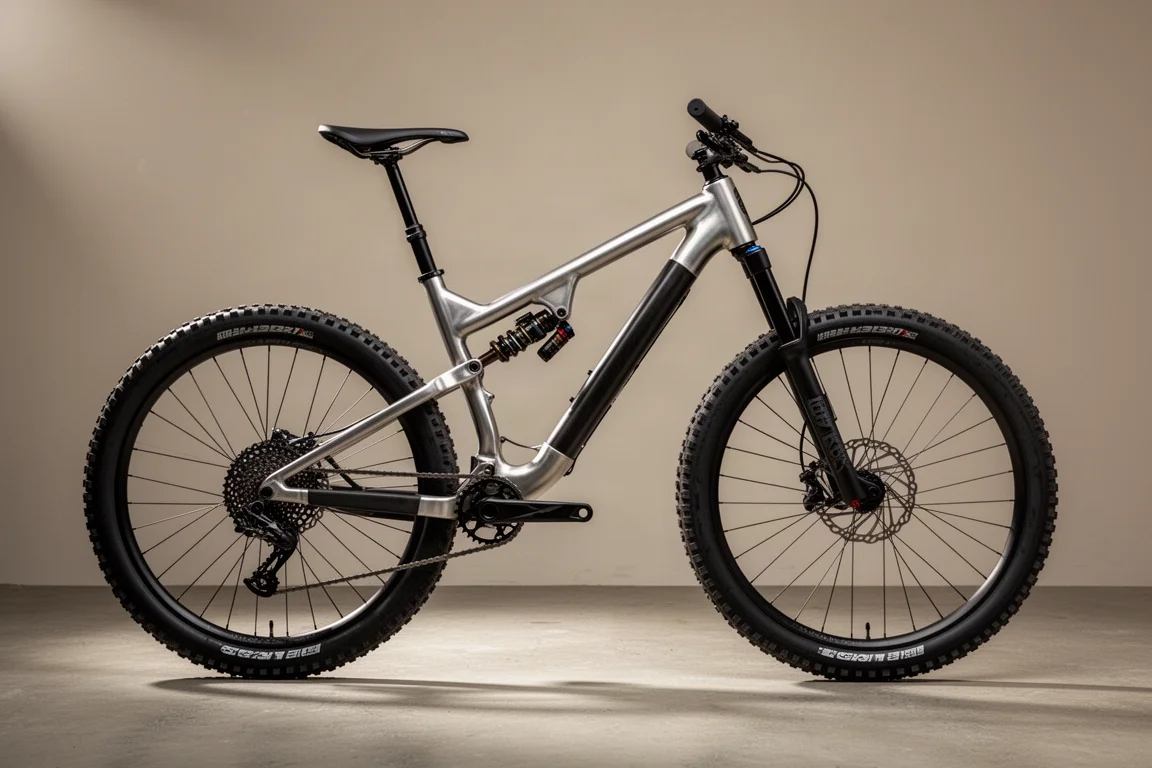
Atherton AM.130 Review: 3D-Printed Titanium Lugs and a 130mm Trail Bike That Descends Like a Bigger Machine
The Atherton AM.130 pairs 3D-printed titanium lugs with carbon tubes and a DW6 suspension platform. Here is how it rides, what the build delivers, and who it suits.
Mountain Bikes
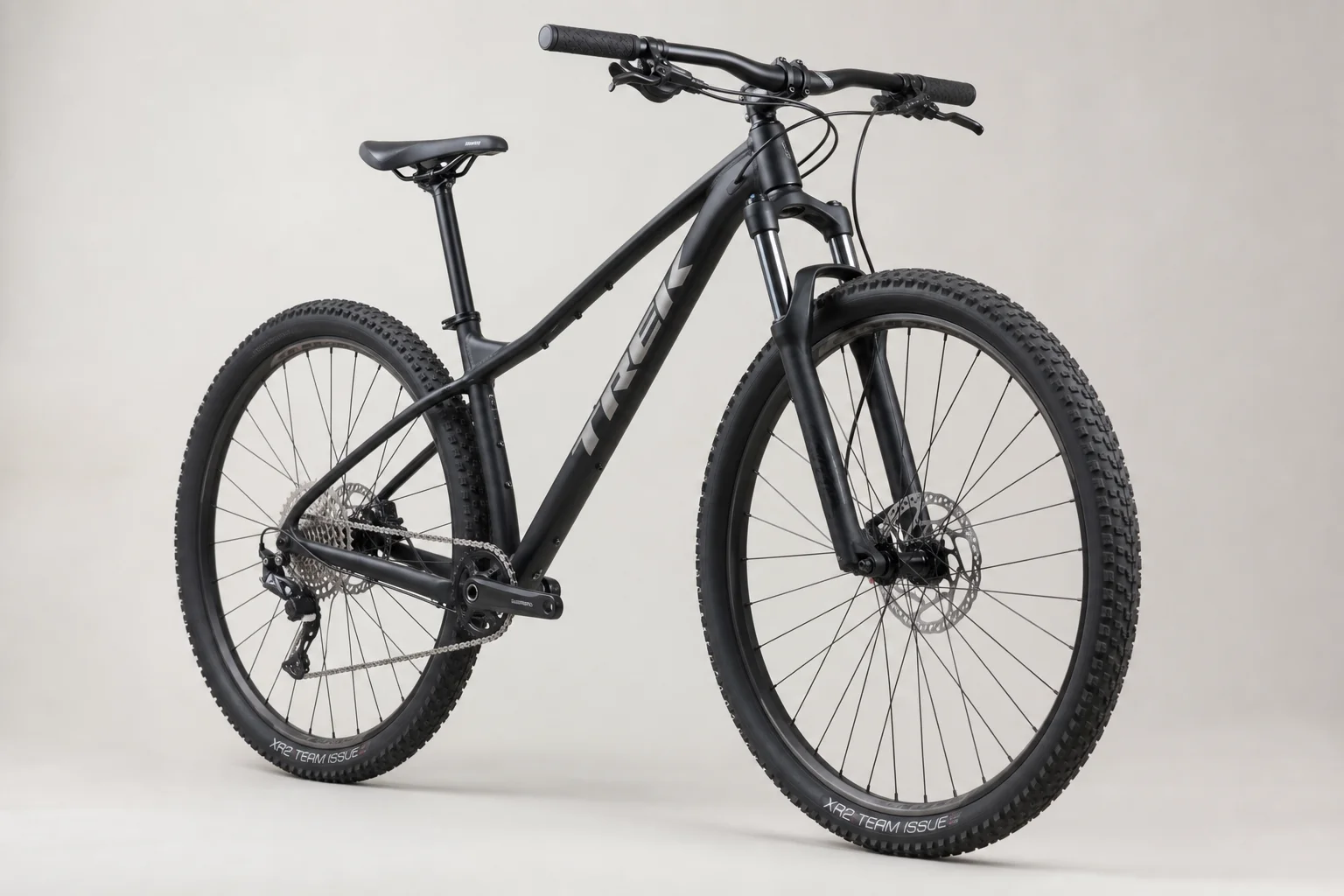
Beginner Mountain Bike Buying Guide: What to Look For in a Trailworthy Hardtail
A practical framework for evaluating beginner mountain bikes, whether new or used, by examining key components that indicate real trail capability.
Mountain Bikes
Best Aluminum Mountain Bikes 2026: Five Alloy Bikes Worth Your Attention
Five aluminum mountain bikes that show how far alloy has come, from a 120mm trail bike and a versatile machined frame to a 180mm freeride machine.