Food & Lifestyle
Three Food Trends Worth Buying: Shrubs, Sustainable Notebooks and Honey in Beeswax Pots
A closer look at three standout food and lifestyle finds: vinegar-based shrubs, notebooks made from recycled coffee cups, and honey packaged in an edible beeswax pot.
Introduction
The best food trends rarely arrive out of nowhere. More often, they are old ideas coming back with better packaging, better sourcing and a clearer sense of purpose. In this roundup we look at three finds that fit that pattern: shrubs, an old-fashioned vinegar syrup finding new life in cocktail bars; sustainable notebooks made from recycled takeaway coffee cups; and honey sold in a beeswax pot designed to go back to the hive. Each one solves a real problem, and each one is worth a closer look before you buy.
Shrubs: Vinegar Syrups Back Behind the Bar
A shrub is an old, almost ancient style of drink: a vinegar-based syrup or cordial made with roughly equal parts fruit and sugar, with an equal part of vinegar stirred in once the syrup has cooled. The result is a sweet, sour, tart and fruity concentrate that is usually built on live vinegar, which is part of why it is often pitched as being friendly to your gut. The name is thought to come from an Arabic word meaning to drink.
These days shrubs are showing up more and more in good cocktail bars, often backlit behind the bar in bottles, jugs and jars. They work as mixers for cocktails and soft drinks, and they are genuinely good simply diluted with sparkling water or tonic at around a one-to-five ratio. Straight from the spoon they are thick, sweet and tangy, closer to a sour fruit drink than a cordial, so dilution really matters.
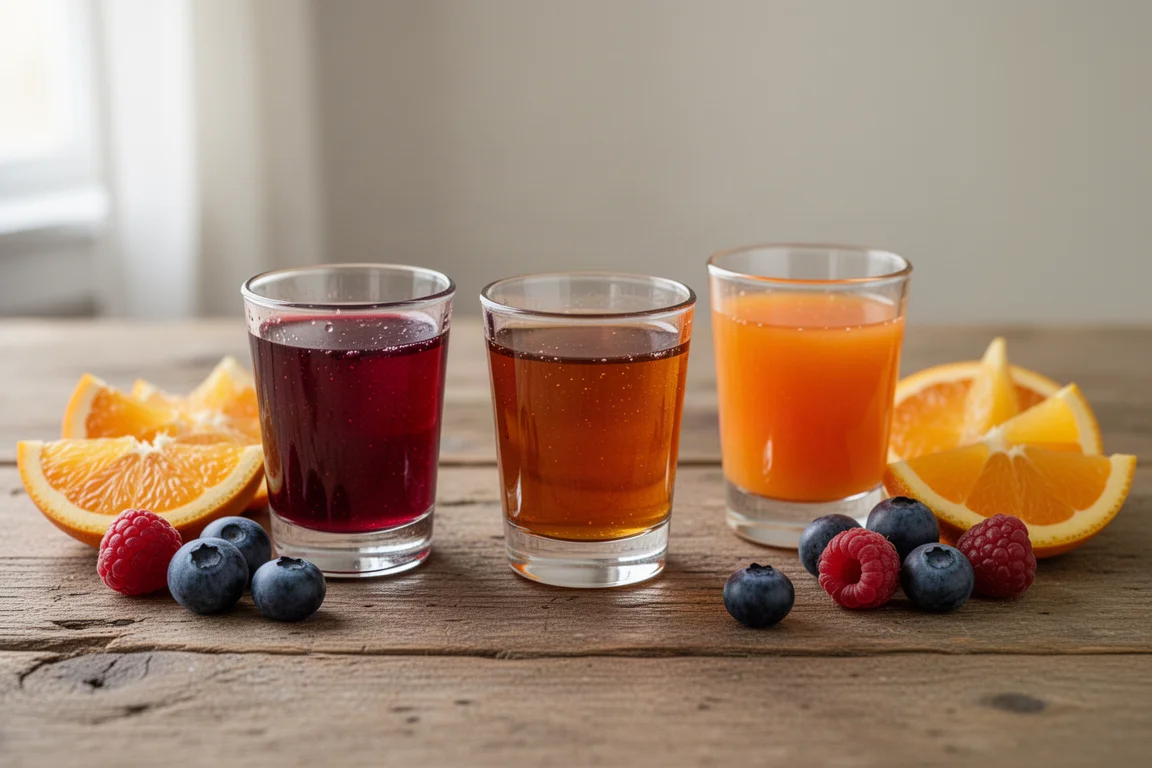
Historically, shrubs were born of necessity. When heavy taxes made luxury goods like spirits expensive, smuggled booze hidden along coastlines, sometimes even submerged in seawater, picked up off flavours, and shrubs were used to mask them. Today the appeal is simpler: a balanced, effervescent, savour-it-slowly drink that sits in the same space as kombucha, and that can also make low- and no-alcohol options feel more grown up. Flavours such as caramelized pineapple and ginger, blood orange and bitter lemon, or wild hedgerow and rose show how wide the range can be. Bought as a mixed selection, they are priced per bottle at a premium over supermarket cordials, but each bottle goes a long way once diluted. If you enjoy making drinks at home, this is an easy trend to try, and you can even experiment by adding a little vinegar to your own cordials, especially when fruit is in season and cheap.
Coffee Notes: Stationery Made from Recycled Coffee Cups
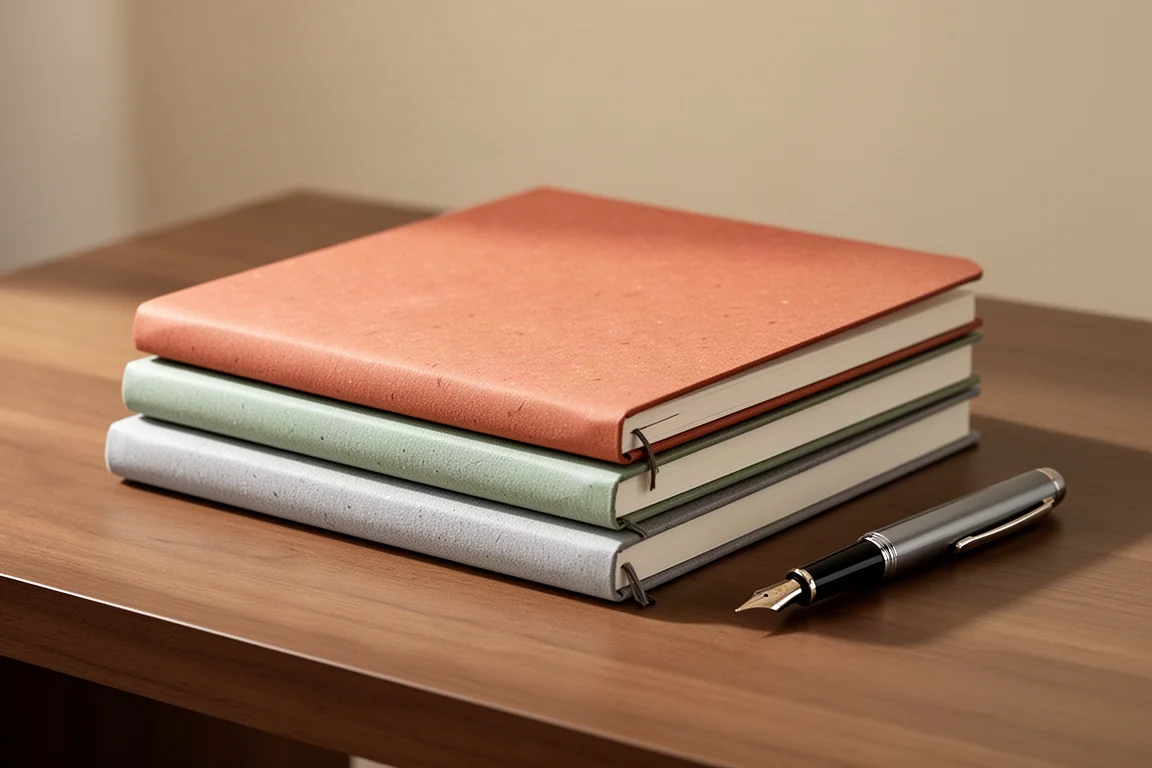
Coffee Notes makes simple, sustainable stationery with an unusual origin story. The paper inside these notebooks is made from recycled takeaway paper cups, of which around two and a half billion are thrown away every year in the UK alone. The problem is the plastic film lining: a cup with just paper would go soggy, but that lining makes standard recycling almost impossible. Coffee Notes separates the plastic, which is then used to fuel the factory and paper mill, while the remaining paper fibre becomes the notebook pages.
The covers are made from food waste, either spent grain from the brewing industry or leftover grapes and fruit from winemaking, which gives the notebooks their natural colour range without relying heavily on inks. The result is a plastic-free, premium-feeling notebook that is genuinely nice to write on.
The company was founded by two people with backgrounds in the paper and paper mill industry who used lockdown downtime to work out how to tackle this waste problem. Production takes place at one of the UK’s first carbon neutral paper mills in Cumbria, while the brand is based in Dorset. Coffee Notes also works with the World Land Trust, an organisation whose biodiversity work has been praised by its patron Sir David Attenborough. Pricing is reasonable: the smaller pocket notebooks work out at £10 for three, with the larger ones at £15 for three. Even if you do not buy these specifically, it is worth checking what your own notebooks are made from, including the plastic-coated wire often used for binding.

Citizens of Soil: Extra Virgin Olive Oil in a Box
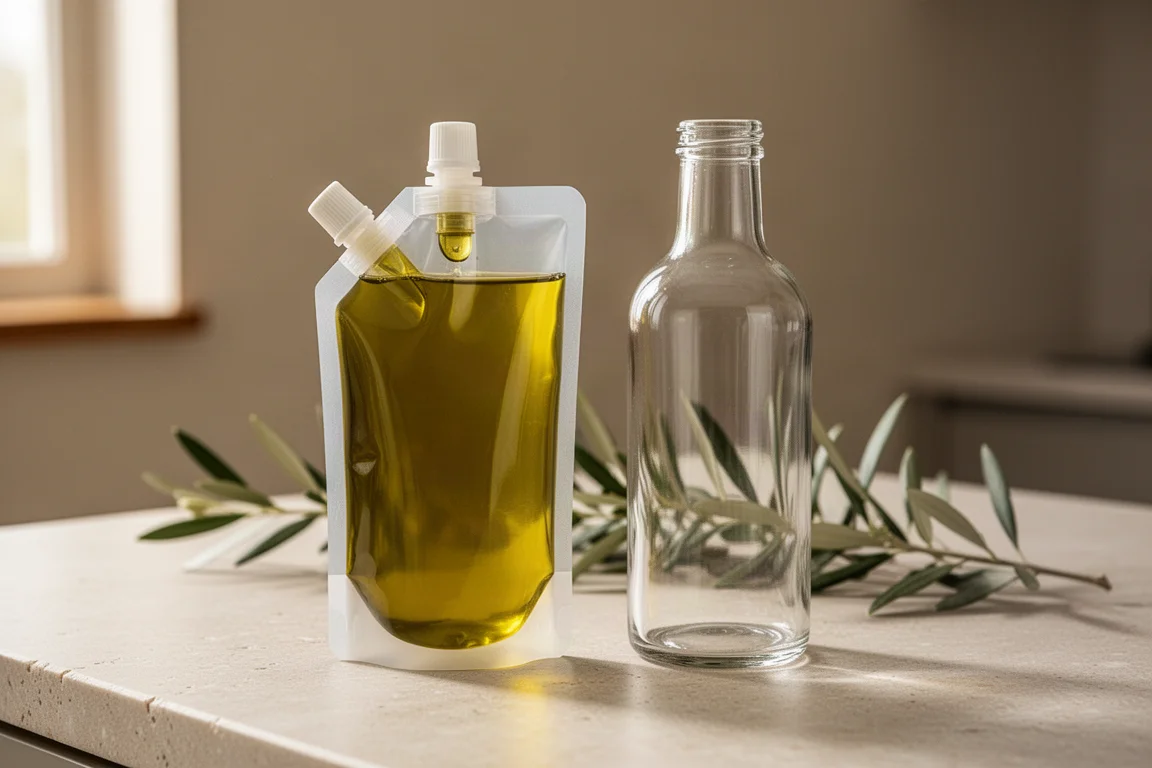
Citizens of Soil sells single-estate extra virgin olive oil, and its most striking move is the packaging: oil in a box, or in refillable pouches, instead of yet another glass bottle. The idea is to turn a commodity into a community, celebrating the farmers, their specific regional terroir and the small pockets of land behind each oil.
The transparency argument matters here. The olive oil industry has long suffered from anonymity, dilution and mislabelling, so it is not always clear what quality you are actually buying. Citizens of Soil focuses on small-batch, family-owned, organically farmed oils, and rewards producers who use regenerative farming to protect soils for future generations. You know the harvest date, the producer, the olive variety and the origin.
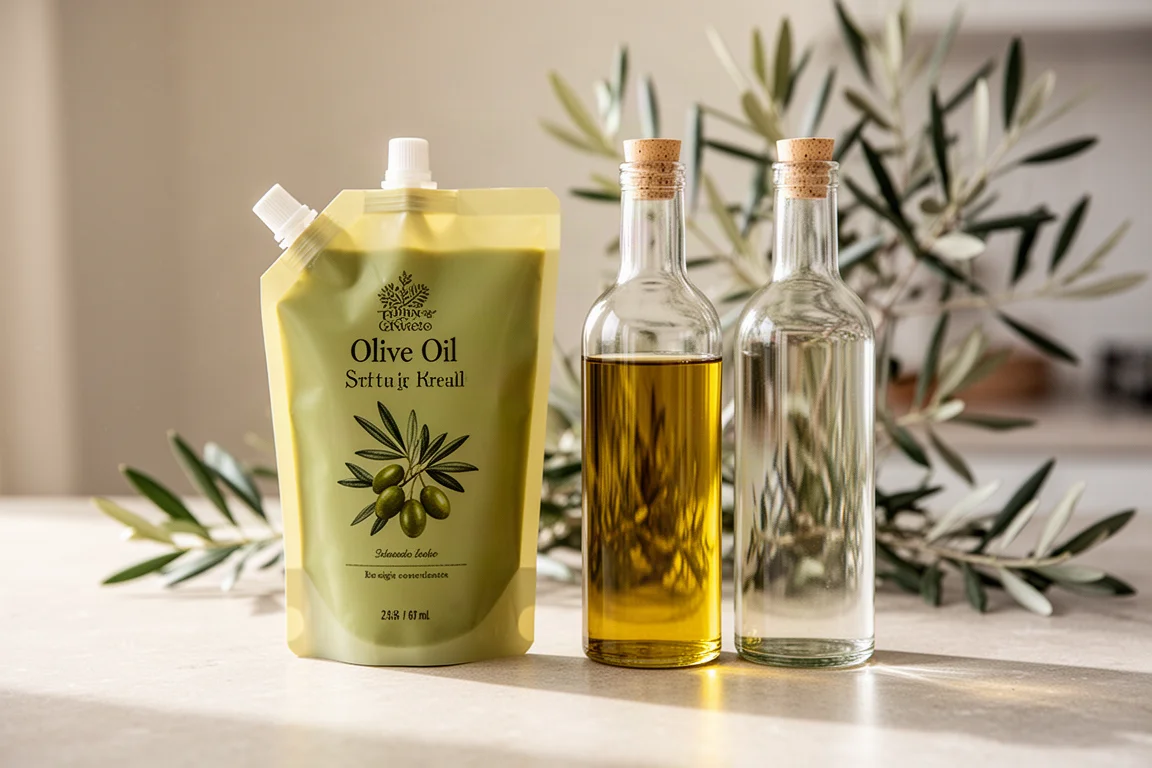
The packaging logic holds up too. The box contains an inner plastic bladder; once empty, you send the bladder and nozzle back free of charge for refills, or buy a refill pouch and decant into any bottle you already have at home. Boxes stack better than bottles, weigh less to transport and are far less likely to break. The three-litre box is priced at £85, which works out at £2.83 per 100ml, more than basic supermarket oil but reasonable for a genuinely traceable, high-quality product bought in bulk. The refill pouch format is more accessible, with one Spanish oil at £13.50. The outlay for the box format is significant, but the oil keeps well and you will use it.
Be Loop: Honey in a Beeswax Pot
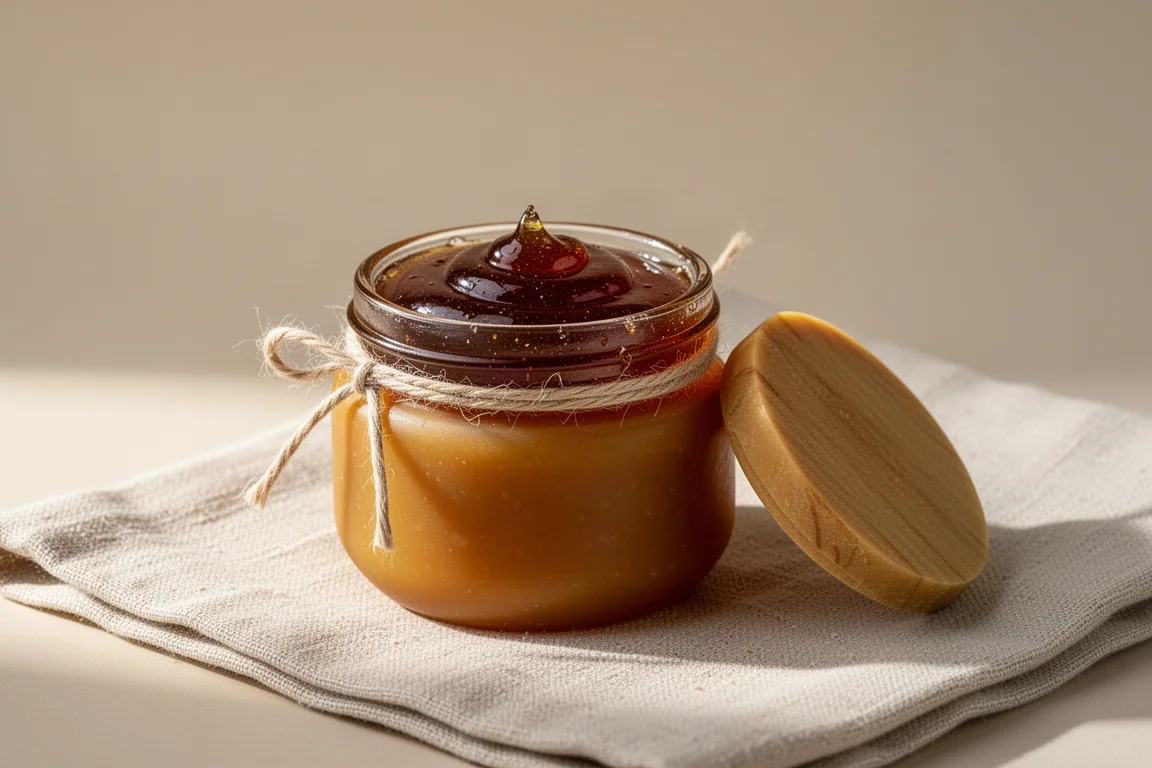
Be Loop, based in Lithuania, sells honey in a pot made entirely of beeswax, sealed and tied with a small piece of organic linen string. The honey itself is dark, rich and deeply floral, the kind that reminds you what honey is supposed to taste like.
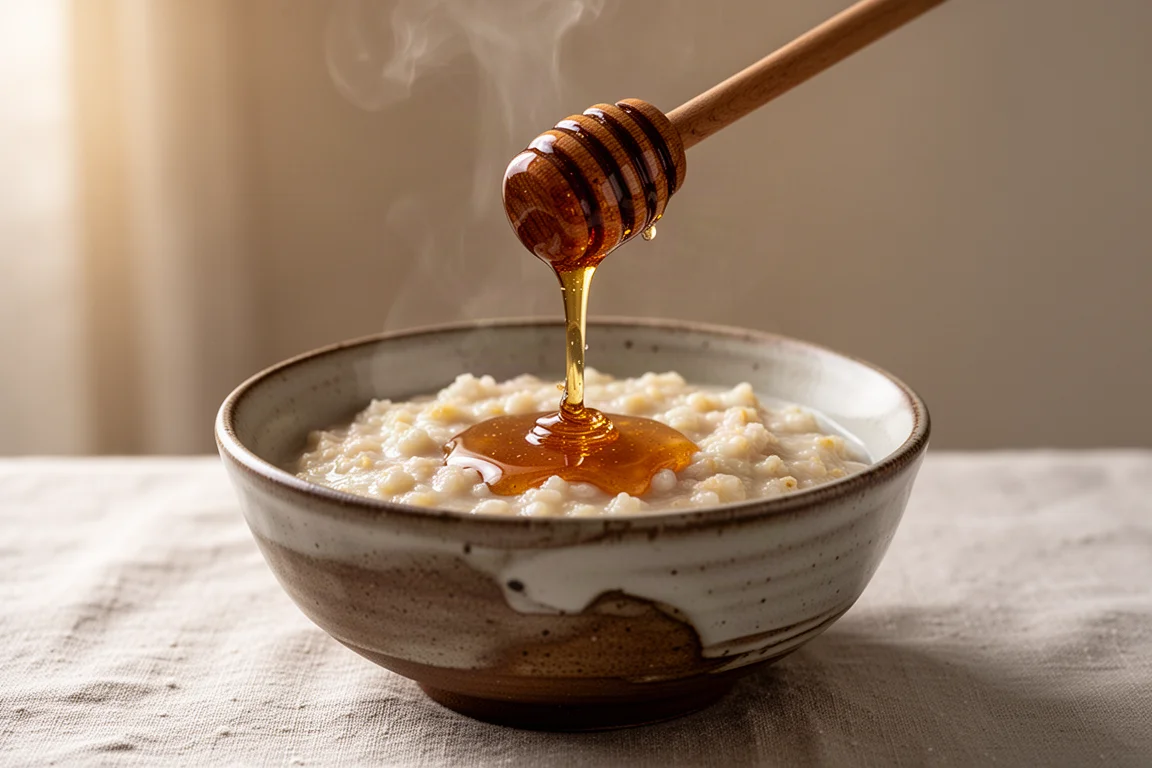
The packaging concept is a closed loop. The whole pot is recyclable, sustainable, compostable and biodegradable, and 99.99% edible; the only component the company does not recommend eating is the string. When you finish the honey, you can keep the pot and upcycle it, even turning it into a candle, or better yet, post it back to Be Loop in Lithuania or take it to any local beekeeper. There it is washed, melted down, filtered and strained, then returned to the bees in the form of wax sheets. This matters more than it might seem: bees provided with wax sheets spend less energy building comb and more energy making honey, and organic beeswax is increasingly hard to source because so much farmland now carries chemical inputs that bees cannot be given.
A third of all the food we eat depends on pollinators, so anything that lightens their workload deserves attention. The pot we looked at is priced at €30, which positions this firmly as a premium gift as much as a pantry item, and the company is upfront about that, marketing it as a unique sustainable gift that gives back on behalf of the planet.
Overall Buying Advice
These three products share a common thread: each takes something familiar and rebuilds it with less waste and more transparency. The shrubs reward anyone who enjoys making drinks at home and wants something more interesting than standard mixers. Coffee Notes is an easy, affordable switch if you buy notebooks anyway. Citizens of Soil makes sense if you use olive oil heavily and want traceable quality in bulk, though the upfront cost of the box format is real. Be Loop honey is the most gift-oriented of the three, best bought when you want the story and the packaging to be part of the present.
Conclusion
None of these ideas is entirely new, and that is exactly the point. Shrubs, recycled paper and reusable packaging all existed before; what makes them interesting now is that small companies are doing the harder work of making them convenient, affordable and genuinely good. If one of them fits how you already cook, write or gift, they are all worth a try.
Further reading
Related Reviews

Backpacking Gear
Building a 10 lb Base Weight: An Ultralight Backpacking Gear List
A practical walkthrough of the ultralight pieces behind a 10 lb base weight, from a 765 g pack and a roomy one-person tent to a full camp chair and a dependable water filter.

Road Bikes
10 New Road Bikes Worth Watching: Aero, Titanium, Steel and Endurance Standouts
A practical roundup of 10 new road bikes, from aero flagships chasing single-watt gains to titanium, steel and endurance platforms built for real roads.

Bikepacking Gear
11 Bikepacking Essentials for Long-Distance Cycling
Eleven bikepacking essentials for long-distance cycling, from a steel gravel frame and a two-person tent to helmet lights, packable gloves, and a frame bag that puts weight in the right place.