Audio Interfaces
Focusrite Scarlett 2i2 vs Universal Audio Apollo Twin: Does Sound Quality Justify the Upgrade?
A side-by-side listening comparison of an affordable and a premium audio interface, and what the narrow audible gap means for your studio budget.
Introduction
Choosing an audio interface often comes down to one uncomfortable question: how much of the price difference can you actually hear? That question sits at the centre of the Focusrite Scarlett 2i2 versus Universal Audio Apollo Twin comparison, where an affordable interface meets a premium one and the two are recorded back to back with identical microphones and identical takes.
The short answer is that the gap is smaller than the price tags suggest. Even listeners with a well-trained ear can find it difficult to separate the two consistently, and most people would struggle to hear a difference at all. That is genuinely encouraging news for anyone building a studio on a modest budget: professional-sounding recordings no longer depend on owning the most expensive gear.
What follows is a breakdown of what the comparison covered, where each interface fits, and how to decide whether the step up is worth it for the way you work.
What This Comparison Covered
The two interfaces were compared using the same voice performance captured through two different microphones: a Shure SM58 dynamic microphone and a Lewitt LCT 640 TS condenser microphone. Each microphone was recorded through both interfaces, so the test covers two very different front ends. A dynamic microphone such as the SM58 places modest demands on a preamp, while a condenser microphone captures far more detail and tends to reveal the character of an interface more clearly.
That structure matters, because it tests both units in a forgiving scenario and in a revealing one. If a difference is going to show up, it is most likely to appear with the more sensitive condenser microphone.
Focusrite Scarlett 2i2: The Affordable Contender
The Focusrite Scarlett 2i2 sits at the affordable end of this pairing, and it is the interface that makes the comparison interesting. Recorded alongside a far more expensive unit, it holds its own: the vocal takes stay clear and usable through both the dynamic and the condenser microphone, and nothing about the result sounds compromised in a way that would hold a production back.
For a home studio, that is the practical takeaway. The Scarlett 2i2 is positioned as an entry point into recording, and this comparison suggests it can carry a session without the listener feeling short-changed by the hardware.
Universal Audio Apollo Twin: The Premium Option
The Universal Audio Apollo Twin sits at the other end of the scale, and its sound is the benchmark the affordable interface is measured against. Across the same two microphone tests, the differences between it and the Scarlett 2i2 are subtle rather than dramatic. Listeners with a well-trained ear may be able to pick out the premium interface consistently; for most people, the two are hard to tell apart.
That is not a criticism of the Apollo Twin. It simply means the case for buying one rarely rests on sound quality alone. There are other reasons to move up to a better interface when the budget allows, and those reasons are worth weighing carefully rather than treating as an afterthought.
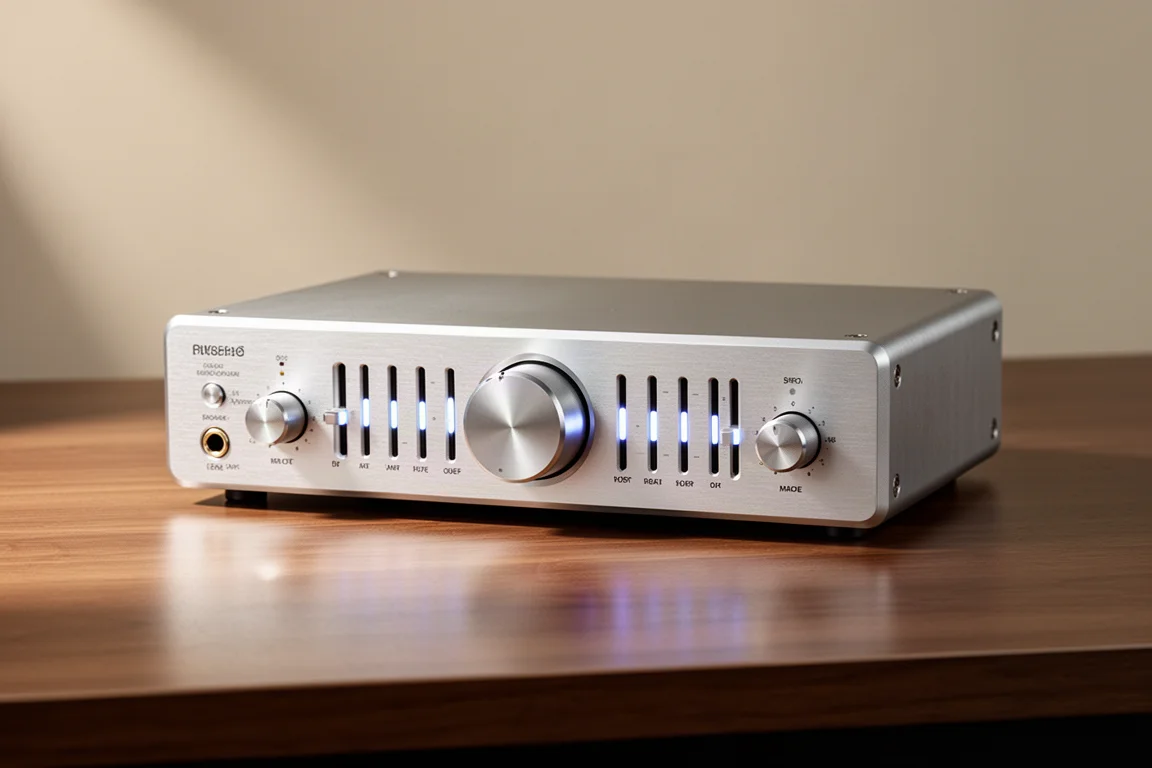
What the Listening Test Suggests
Two conclusions stand out from the comparison. First, an affordable interface can sound genuinely good. Second, the distance between an affordable interface and a premium one is narrow enough that it is easy to overestimate from price alone.
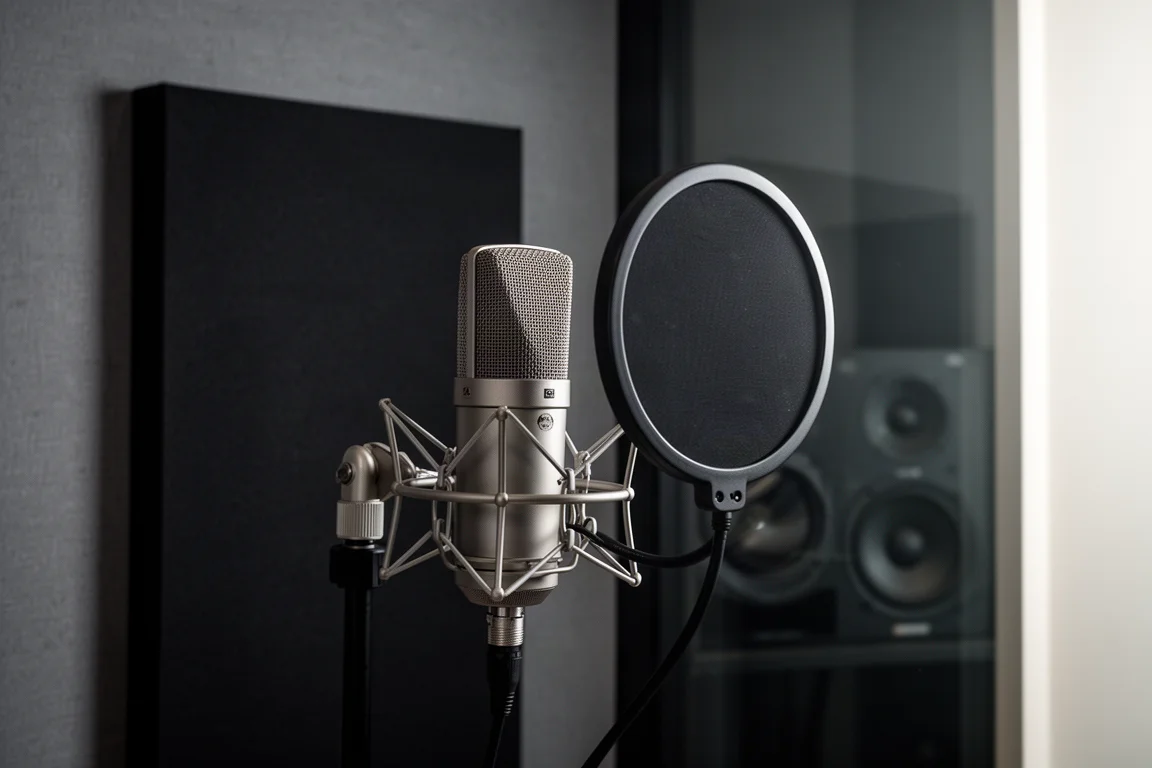
This is an encouraging picture for anyone starting out. The financial barrier to making professional-sounding music is lower than it has ever been, and a modest interface is no longer the thing standing between a good song and a good recording.
Why Sound Quality Is Only Part of the Story
None of this means a premium interface is pointless. If your budget stretches to a higher tier, there are several reasons to consider moving up, and they sit outside of pure sound quality.
For some producers, those non-sonic advantages are the real reason to spend more, while for others an affordable interface covers everything the work requires. Being honest about which group you fall into is far more useful than chasing a difference you may never hear.
Practical Buying Advice
If you are recording vocals, instruments, or a full home setup on a limited budget, the Focusrite Scarlett 2i2 is an easy recommendation. It competes credibly in a direct comparison with a far more expensive interface, which means your money can go toward a better microphone, acoustic treatment, or simply more time spent making music.
If your budget allows for a premium interface and you want the additional benefits that come with moving up a tier, the Universal Audio Apollo Twin is the natural step. The important thing is to buy it for those reasons rather than for a night-and-day change in tone, because the comparison does not support that expectation.
Either way, the decision is less risky than the price difference implies. Both interfaces deliver results that can carry a release.
Conclusion
The Focusrite Scarlett 2i2 and the Universal Audio Apollo Twin sit at opposite ends of the interface market, yet this listening comparison shows how narrow the audible gap between them really is. Choose the Scarlett if you want professional-sounding recordings without stretching your budget, and consider the Apollo Twin if your budget allows and you want the advantages that come with a premium interface beyond sound quality. Neither choice will hold your music back.
Further reading
Related Reviews
Audio Interfaces
Audient EVO and iD Range Guide: Eight Audio Interfaces Explained
A practical walkthrough of eight Audient interfaces, from the compact EVO 4 to the expandable iD44, and how to match one to the way you record.
Audio Interfaces
How Many Mic Inputs Do You Need? An Audio Interface Buying Guide
Microphone input count is the decision that shapes every audio interface purchase. A practical guide to choosing an interface you will not outgrow.
Audio Interfaces
Best Audio Interfaces Under $200: Nine Practical Picks for Home Recording
Nine audio interfaces under $200 grouped by microphone input count, from single-input models for solo work to eight-input setups for tracking a full band.