Bookshelf Speakers
Focal Vestia No.1 Review: A Neutral, Detailed Bookshelf Speaker That Rewards Careful Setup
The Focal Vestia No.1 brings a refined, neutral-leaning sound to a crowded bookshelf speaker bracket. Here is what it does well, where it falls short, and what to plan for.
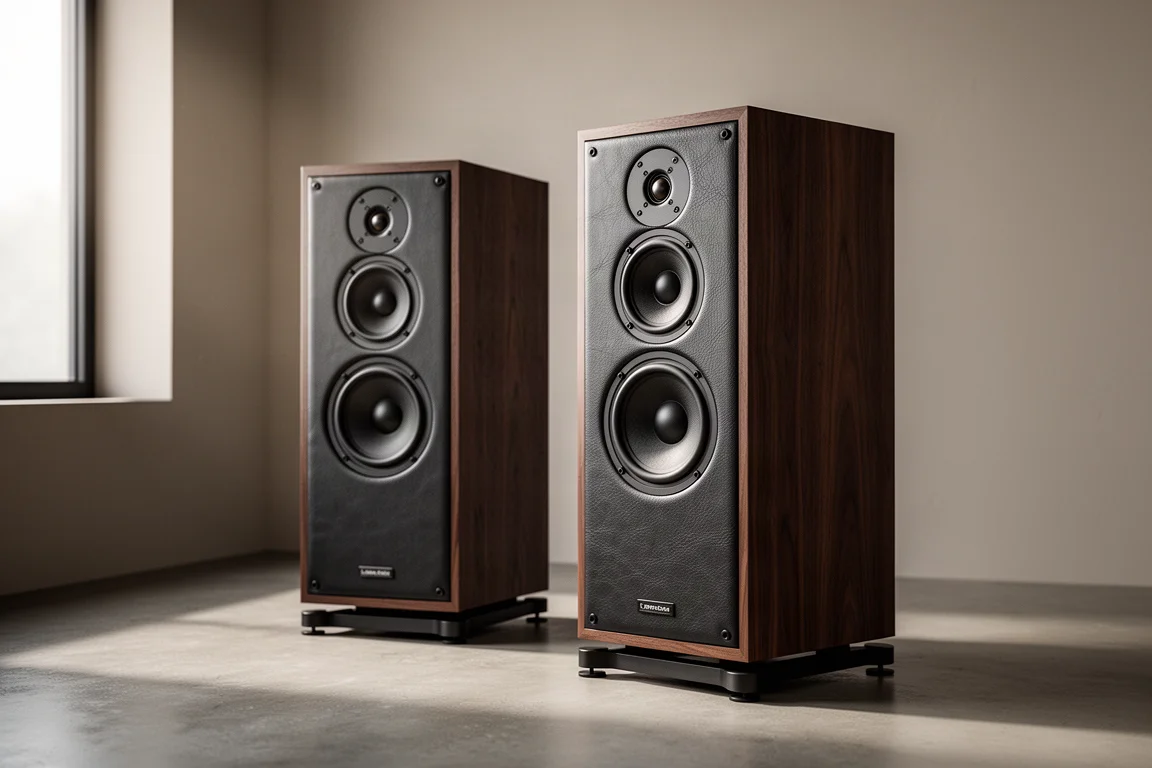
Introduction
Focal’s Vestia series arrived alongside a second new line, Theva, and the two sit in different places in the range. The Vestia No.1 is not a replacement for the Chora 806. The Theva line is the one positioned to take over from Chora. What the Vestia No.1 does instead is carry a measure of the company’s more expensive Aria character down to a lower price.
That positioning shapes everything about the speaker. It is a two-way bookshelf design, built in France, with a front-ported cabinet and a stated frequency response of 56 Hz to 30 kHz. The sound leans neutral rather than lively, and it rewards a listener who is willing to spend a little time on placement.
Who This Speaker Is For
The Vestia No.1 suits listeners who value intelligibility, detail, and a wide, well-defined soundstage over a punchy, bass-forward presentation. It works well in small and mid-sized rooms, partly because its tonal balance stays consistent whether it sits close to a wall or out in the room.
It also makes sense for anyone building a system in stages. The speaker is amplifier friendly and easy to grow with, so a modest integrated amp today does not rule out better electronics later. Listeners who already own, or plan to add, a subwoofer will get the most out of it.
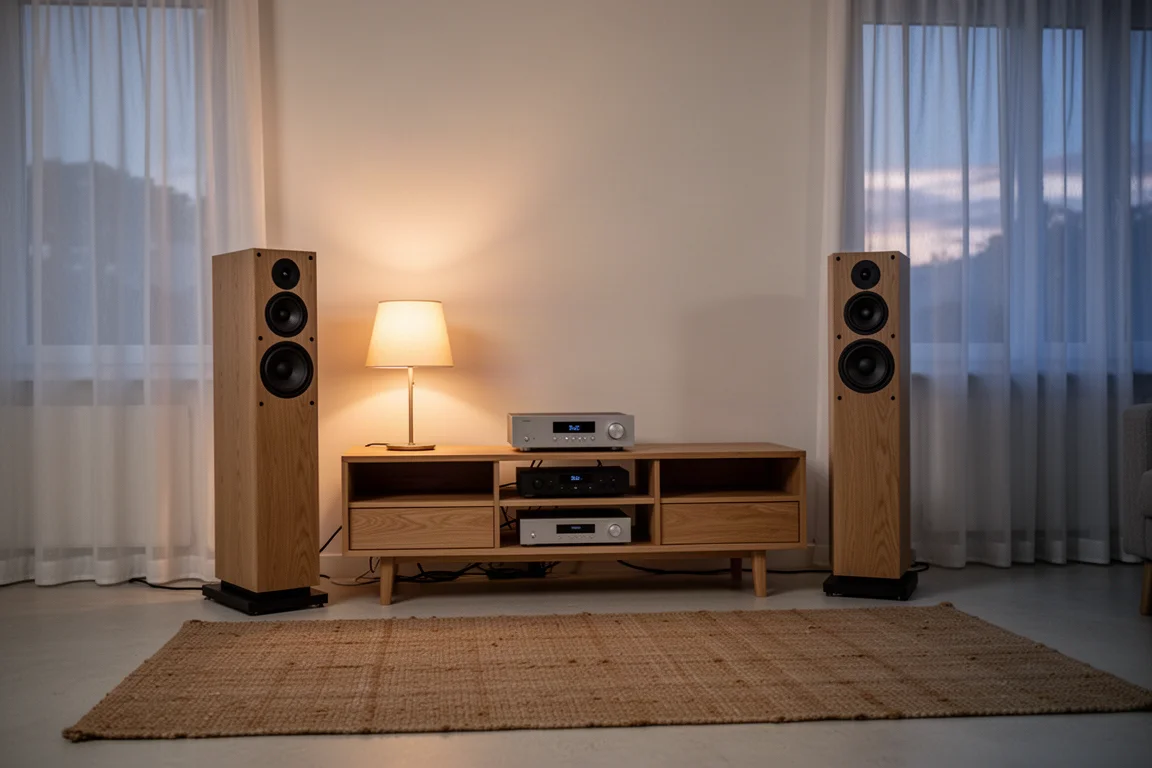
Where it is less suited is a system that has to deliver full-range weight on its own. The Vestia No.1 rolls off early in the low end, and there are bookshelf speakers in this class that give a greater sense of weight.
Sound Character and Tuning
The No.1 pairs a 6.5-inch Slate Fiber mid-bass driver with a 1-inch inverted dome tweeter. Both drivers, like the speaker itself, are manufactured in France. Sensitivity is rated at 89.5 dB, and nominal impedance is 8 ohms, though Focal states the load can dip to about 4.5 ohms.
Tonally, this is a neutral-leaning speaker rather than an exciting one. Compared with the Chora line, it is calmer and less lively. The low end is extended but not boosted, and the midrange is the standout: vocals and midrange-led instruments carry fine detail and inflection at every volume, without becoming shouty or overly chesty when pushed hard. The treble is refined, and it stays free of brittleness or fatigue even at high levels.
Build, Finishes, and Placement
The cabinet is available in high gloss black, dark wood, and light wood. The wood side panels are paired with a leather-like finish on the front and back, which gives the speaker a more premium look than its price bracket might suggest. Magnetic grilles are included, a practical detail for households where small hands or paws might reach the drivers. The one build note worth flagging is panel alignment: the wood side panels do not line up as precisely with the MDF cabinet as they could.
Placement is one of the speaker’s stronger points. Its frequency response barely changes whether it sits near a wall or well out into the room, which is genuinely useful in a tight space. Soundstage depth does suffer slightly when the speaker is close to a wall, but the overall tone stays consistent, with little bass loading from the front-facing port.
Setup and Amplifier Pairing
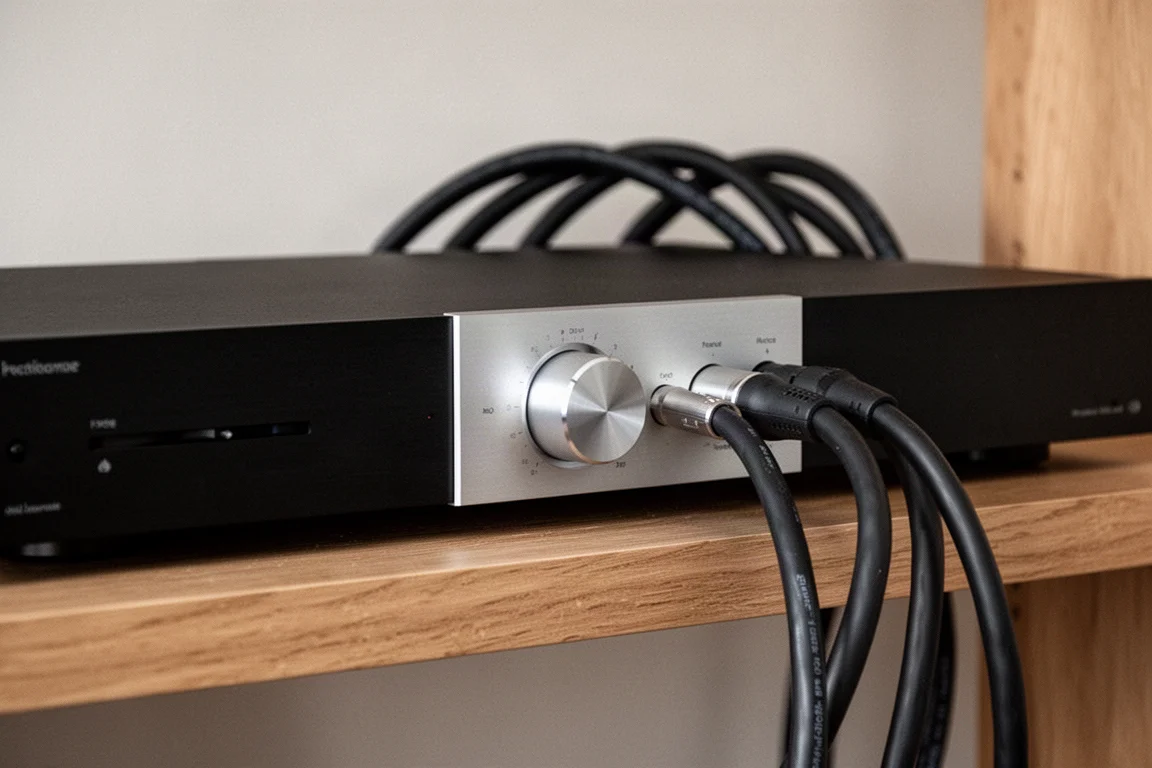
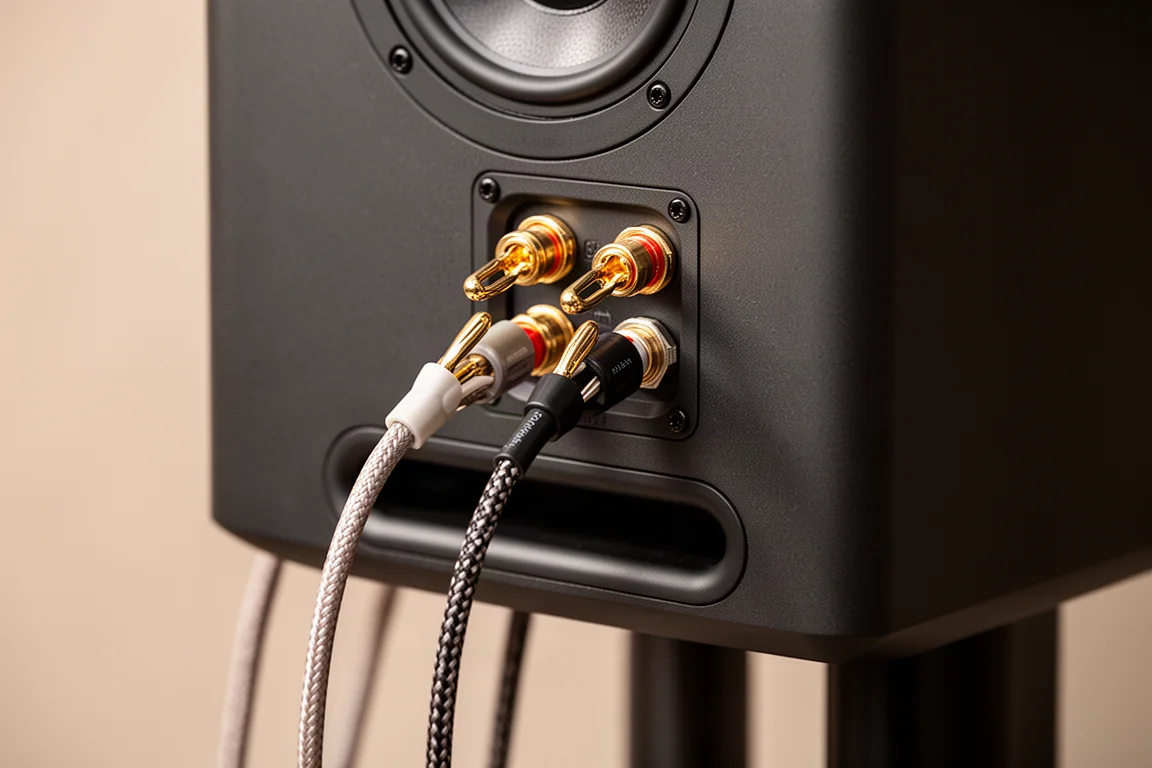
Impedance is the main thing to check. The Vestia No.1 presents an 8-ohm nominal load that can dip to roughly 4.5 ohms, so any amplifier rated for a 4-ohm load should be comfortable. Testing across a wide range of electronics, from an affordable Cambridge Audio AXA25 up to a Marantz separates system, showed the speaker scaling with the quality of what fed it. In a roughly 500 square foot room, every one of those pairings drove the speakers to full volume without strain. The best results came from the most expensive electronics, but the point is that the speaker does not need them.
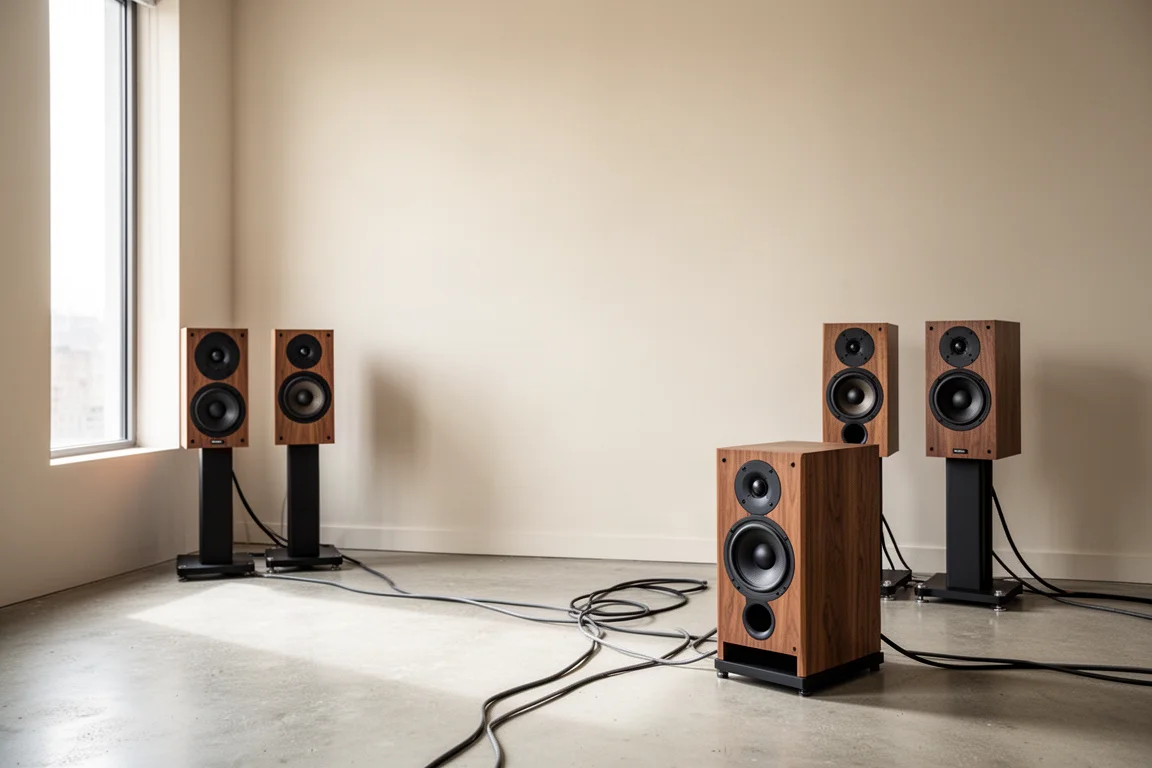
Toe-in matters more here than on most speakers. With the speakers aimed directly at the listening position, the treble picks up added sparkle and brightness, though it never turns brittle. With only a slight amount of toe-in, the top end is a little less airy and slightly drier. The middle ground is worth hunting for: a hint of toe-in brought the treble into closer alignment with the midrange in a setup where the speakers sat about 24 inches from the front wall and roughly nine feet apart.
Frequency sweeps show a mostly linear response with some roll-off in the treble beginning around 1 kHz, and the amount depends on how much toe-in is used. The speaker responds well to manual equalisation or software room correction, and after correction it measures respectably in-room.
Things to Consider Before Buying
Bass weight is the clearest trade-off. The Vestia No.1 has good extension for its size, but it is not a bass-heavy speaker, and it does not sound bigger or richer than its specifications suggest. Kick drums in particular lack the weight to land with realistic authority, and the speaker’s otherwise quick reflexes need a subwoofer to fill in the bottom octaves. Adding one also brings a welcome sense of body to the midrange, so the extra cost is worth budgeting for.
The white finish deserves a second thought. The white leatherette on the front and back shows dirt and oil, and marks can be difficult to remove completely. The darker finishes use the same leather-like material in black or darker tones, which is the safer choice for a busy household.
Finally, the price bracket is crowded. This part of the market overlaps with speakers costing about half as much and with models priced a little higher, so it is worth comparing before committing.
How It Compares to Other Bookshelf Speakers
The closest comparison is the Focal Chora 806, which the Vestia line does not replace. The Chora is the more dynamic and exciting speaker, with a gentle V-shaped balance, a push in the bass, and a rise in the treble that brings out detail at lower volumes. Pushed hard, the Chora can turn bright or fatiguing for some listeners. The Vestia No.1 stays composed far higher up the volume range, and its top end is the more refined of the two.
Against the Sonus Faber Lumina II, which is priced closely per pair, the Focal is the better balanced speaker overall. The Lumina II has a slightly smaller woofer, roughly comparable frequency response, and a treble rise that lets detail shine at lower volumes, but it is harder to drive and its smaller cabinet runs out of composure sooner at high volume. The Focal’s larger cabinet handles high output more comfortably.
The Revel M16 is an older design but still relevant. It rolls off more and delivers a greater sense of bass weight, and it also benefits from a subwoofer. Pairs can be found for roughly half the price of the Focals, which makes it a strong value alternative while stock lasts.
The Polk R200 is another worthy competitor at about half the cost. It will not match the Focal’s top-end detail or soundstage transparency, but its fuller bottom end can make it feel more full range, especially in smaller rooms. The original R200 remains the better buy over the pricier R200 AE.
The Klipsch RP-600M II is comparable in both size and performance, is friendly to small spaces, and costs less. Its second-generation tuning is milder than the original, and it holds its response steady whether it sits near a wall or out in the room. Its finish options are more limited.
The Arendal 1961 Bookshelf is smaller and sealed, and it needs a subwoofer crossed over higher than the Focal requires. It measures more linear without correction, which suits listeners who would rather not use equalisation, and it is a strong home theater option with a design-forward look. It simply does not play as deep as the Vestia No.1.
Value and Long-Term Ownership
The Vestia No.1 is interesting mainly because it borrows enough of the more expensive Aria character while costing less, which is an unusual move in this market. It is not identical to the Aria 906, and it is not claimed to be, but the family resemblance is strong enough that the cheaper line is easy to justify.
It is also a speaker that can be bought now and grown into. The amplifier-friendly load, the consistent response near a wall, and the strong reaction to room correction all mean the speaker keeps improving as the rest of the system does. A subwoofer is the first upgrade that makes sense, and better electronics come second.
One thing to keep in mind is that the lineup is in motion. The Theva line, which takes over from Chora, was not available yet, and its arrival could complicate the choice further, since it is not expected to be dramatically cheaper than the Vestia line.
Buying Advice
If a wide, detailed soundstage, strong vocal intelligibility, and a neutral balance that never turns harsh are high priorities, the Vestia No.1 belongs on an audition list. Budget for a subwoofer from the start, choose a darker finish if the speaker will live in a busy room, and plan on spending a little time with toe-in to find the treble balance you prefer.
It also helps to decide what you are optimising for. Listeners who want maximum excitement at moderate volumes may prefer the Chora 806. Listeners who want the most linear response without any equalisation may prefer the Arendal 1961 Bookshelf. Listeners who want to spend less and still get a very capable speaker have the Revel M16, Polk R200, and Klipsch RP-600M II to consider. The Vestia No.1 sits in the middle of that group as the more refined, more neutral option, and it makes a convincing case for itself if that is the sound you are after.
Conclusion
The Focal Vestia No.1 is a solid, well-balanced bookshelf speaker that trades excitement for refinement. Its midrange detail, consistent in-room tone, and flexible placement make it easy to live with, while its limited bass weight and finish care requirements are the things to plan around. Add a subwoofer, feed it a competent amplifier, and it delivers a taste of Focal’s higher-end character for considerably less money.
Product link
View more details for Focal Vestia No.1
This product is mentioned in the review. Check the specifications, options, and compatibility before buying.
View more details for Focal Vestia No.1Further reading
Related Reviews
Bookshelf Speakers
Acoustic Energy A100 Mark II Review: A Compact Standmount With an Expansive Soundstage
The Acoustic Energy A100 Mark II brings clarity, natural tonality and a wide soundstage to an entry-level standmount, with a few setup details worth knowing first.
Bookshelf Speakers
Acoustic Energy AE-100 Mark II Review: Compact Bookshelf Speakers With Standout Imaging
A compact British two-way bookshelf speaker with deep, layered imaging, fast bass, and a slight treble lift to weigh against a crowded $500 field.
Bookshelf Speakers
Acoustic Energy AE100 MK2 Review: Measured Performance and Four Alternatives
A close look at the Acoustic Energy AE100 MK2 bookshelf speaker, what its measured performance reveals, and four alternatives with different trade-offs.