Home Audio
Focal Theva Series Review: A Complete Speaker Line for Stereo and Home Theater
A model by model look at the Focal Theva range, from the No.1 bookshelf to the No.3D height-channel tower, and why the shared tweeter and slate fiber drivers matter for a matched system.
Introduction
Focal has replaced its long-running Chora speaker line with the Theva series, and the change is more than a new badge on familiar cabinets. Theva carries over design work, driver materials, and crossover thinking that Focal developed for far more expensive models, including the Grand Utopia Evo, a flagship that sells for close to $300,000 a pair. The line is designed in France, and Focal builds many of the key materials in house.
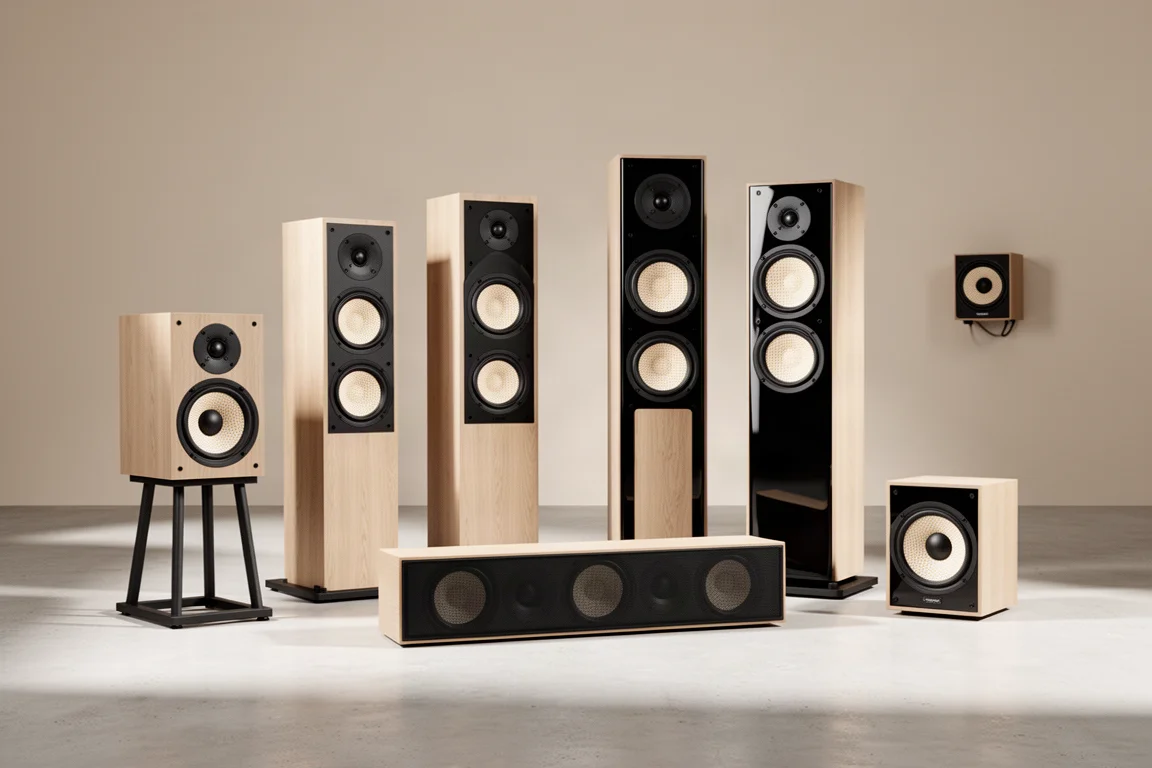
The range is deliberately simple to navigate. There is one bookshelf model, two floorstanders, a floorstander with built-in height channels, a matching center channel, and a surround speaker. All of them share the same tweeter and the same family of midrange and bass drivers, which matters a great deal if you plan to build a surround system around them.
What Every Focal Theva Model Shares
The tweeter across the entire line is the one Focal calls the TNF. It uses an aluminum and magnesium inverted dome, an approach Focal has refined for more than two decades, and it is the same tweeter used in the Chora series and in several more expensive Focal models. What is new is the suspension between the dome and its bracket, which uses a material called poron. Poron has shape memory, and using it in that position cuts distortion in the 2 to 3 kHz range by a factor of three. Focal also reworked the waveguide so the tweeter holds a wide and linear dispersion pattern well off axis, which is exactly what a media room needs when listeners are not sitting in the sweet spot.
The midrange and bass drivers use a material Focal calls slate fiber. The idea came from the aviation industry: recycled carbon fiber held together by a thermoplastic polymer, with the strands aligned in roughly the same direction rather than woven. That combination proved lighter, stiffer, and better damped than the alternatives Focal tested, and it required custom machinery at the company’s factory in France. The random alignment of the strands gives the cones a slate-like look, and no two drivers are quite alike.
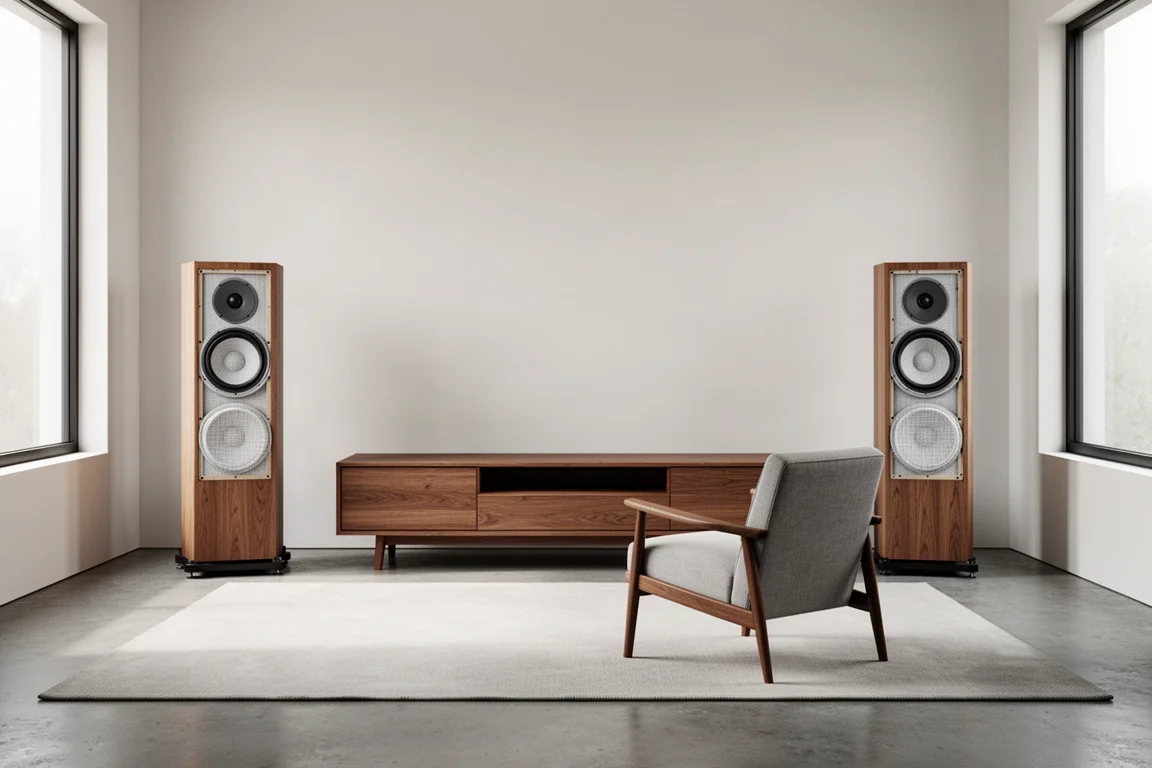
Because every model in the line uses the same tweeter and slate fiber drivers, a full Theva surround system keeps a consistent voice from front to back. Surround and height effects pan across the room without an audible change in character, which is the practical benefit of matching drivers throughout a system.
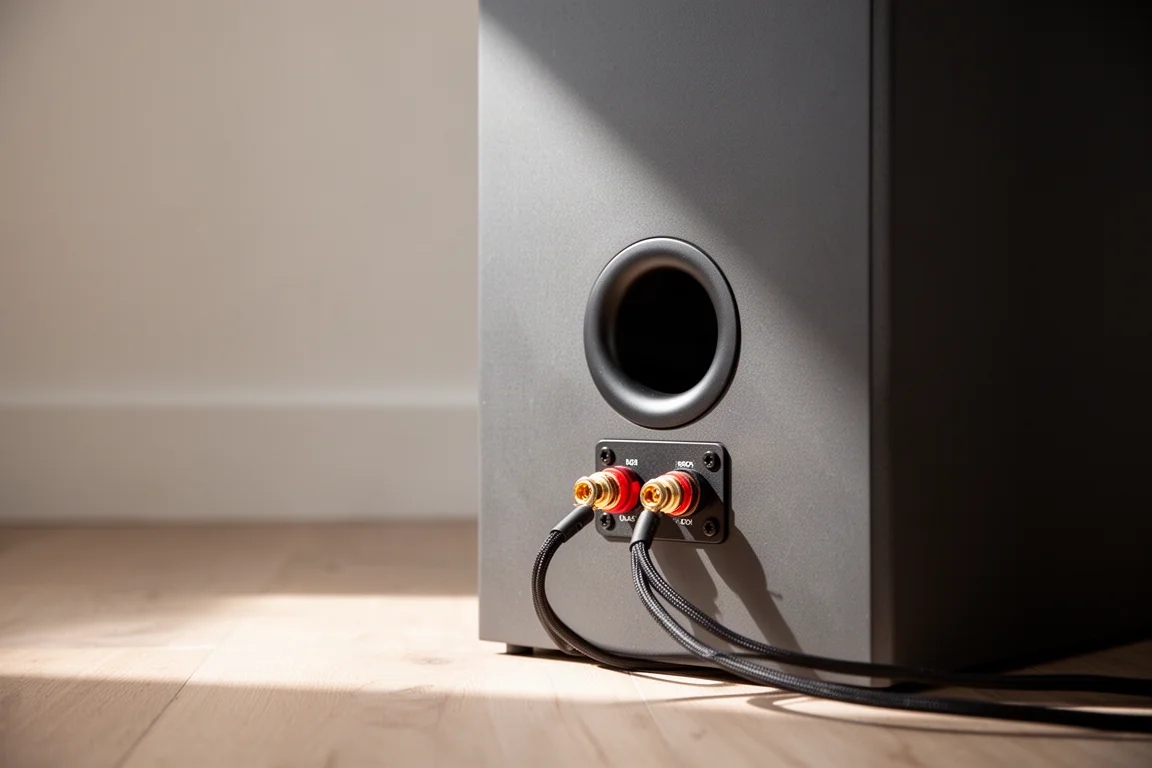
Two details apply to the whole range. First, Focal moved the bass ports to the rear of the cabinets, which allowed slimmer enclosures but means the speakers need some breathing room from the wall behind them. Second, finishes: most models come in gloss black with a matching front plate, a light wood with an ivory front plate, or a darker wood with a gray front plate, and the surround model is the exception to that choice. Each speaker has a magnetically attached grille, and with the grilles off the Focal logo is screen printed around each driver ring.
Focal Theva No.1: The Bookshelf Model
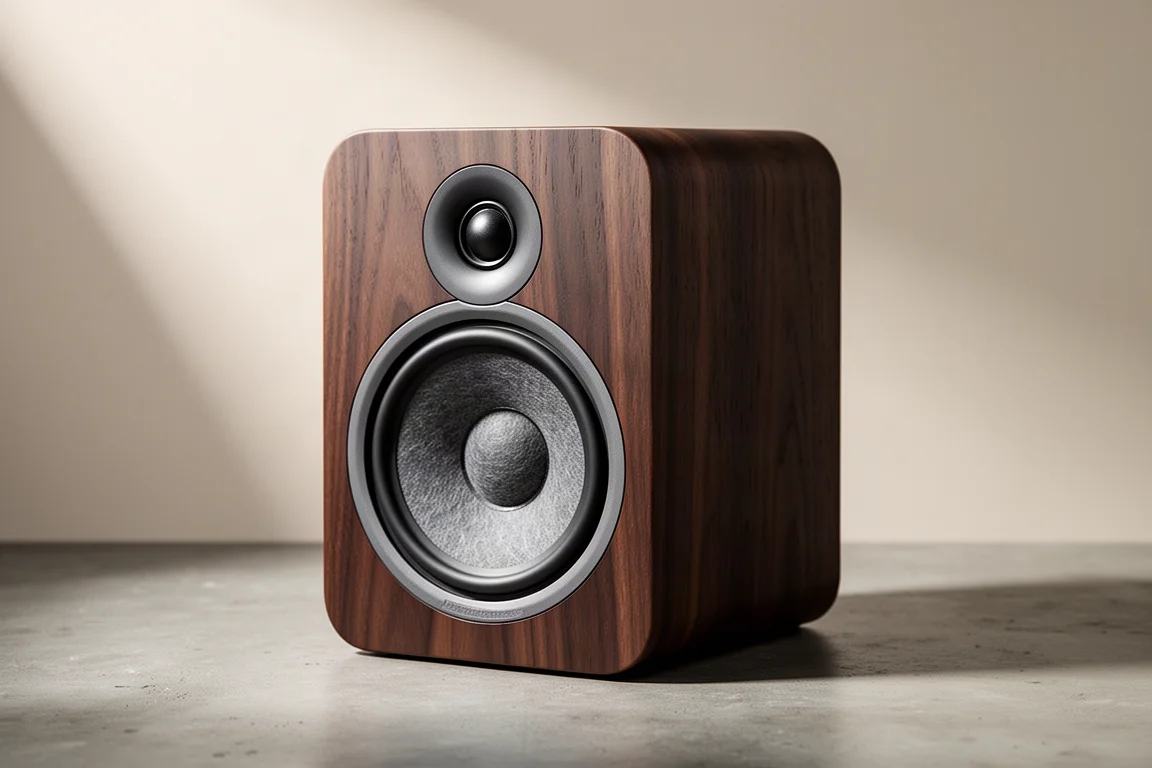
The No.1 is the bookshelf entry in the range, pairing the TNF tweeter with a 6.5 inch slate fiber driver. It measures a little over 15 inches tall, about 10 inches deep, and 8 inches wide, so it is larger than many shelf speakers and will not fit every bookcase. The optional stands are worth considering: they are solid and rigid, and they tilt the cabinet back to align the drivers in time.
Focal rates the No.1 at 89 dB sensitivity, which is decent for a bookshelf design, with bass extending down to 49 Hz at the 6 dB down point and the tweeter reaching out to 29 kHz. The top end stays smooth yet extended. A pair works well in a two channel system in a smaller room, and the same speaker is equally usable as a side or rear channel in a surround setup.
Focal Theva No.2: The Compact Tower
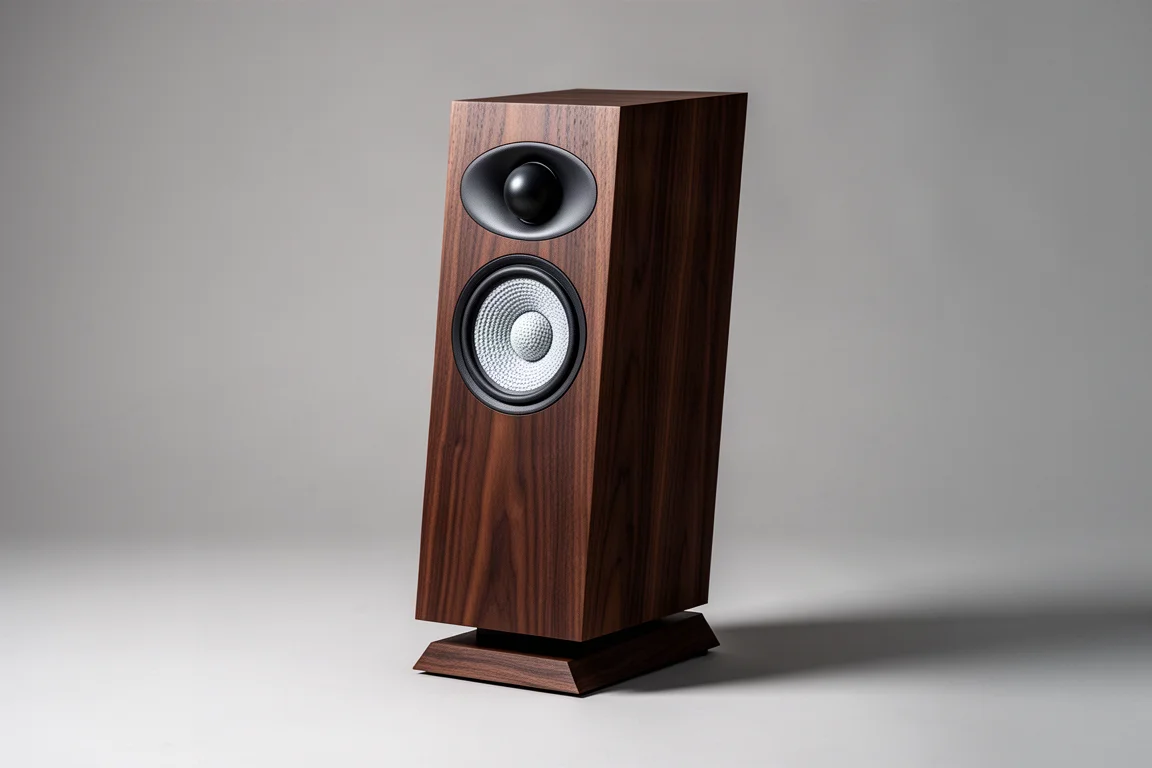
The No.2 is new to this generation and was not part of the Chora line. It exists so that a tower speaker can fit into a smaller space: a narrow cabinet with two 5 inch slate fiber drivers and the TNF tweeter, supplied with a floor stand that tilts the speaker back for time alignment.
Small drivers in a tall, slim cabinet are a formula for speed, and the narrow baffle produces very strong stereo imaging. Focal rates the No.2 at 90 dB sensitivity with a 6 dB down point of 44 Hz, so it reaches reasonably deep while staying easy to drive. Set up correctly in a small or mid sized room, it delivers a level of focus that is hard to match at this size.
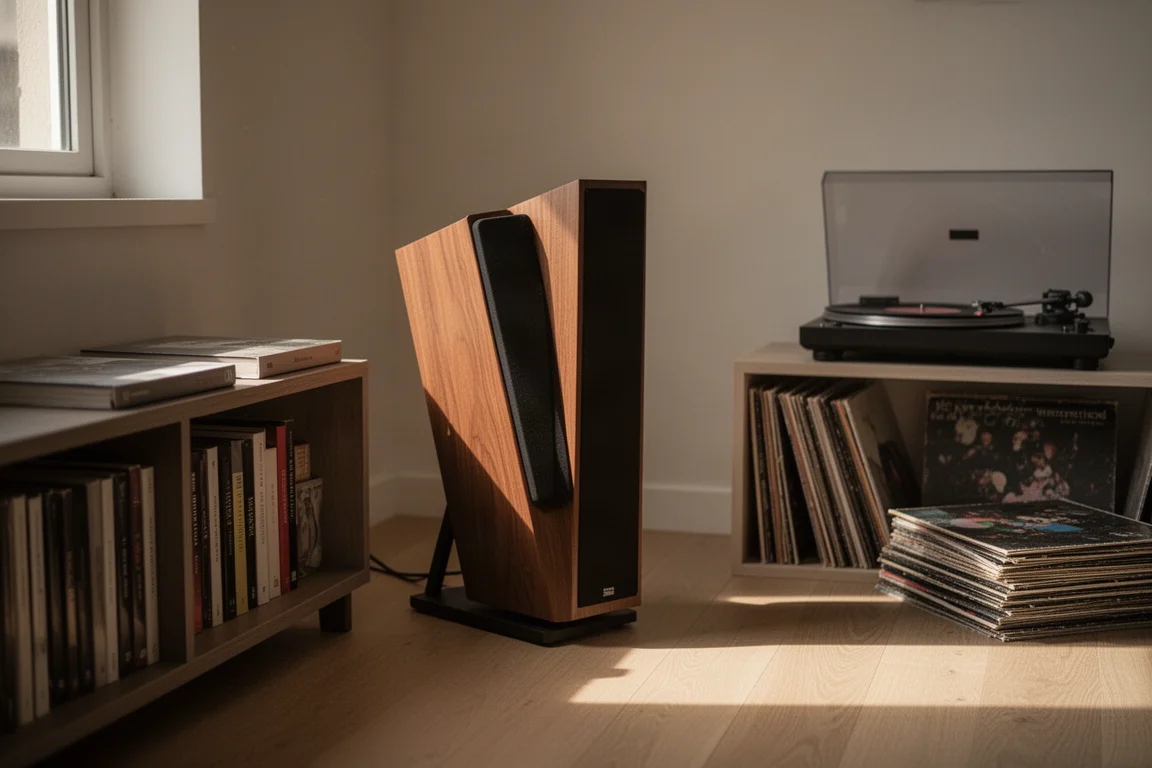
As with the rest of the range, the rear port means that leaving some distance behind the cabinet pays off. For listeners who want tower performance without letting the speakers dominate the room, this is the most interesting model in the line.
Focal Theva No.3: The Flagship Tower
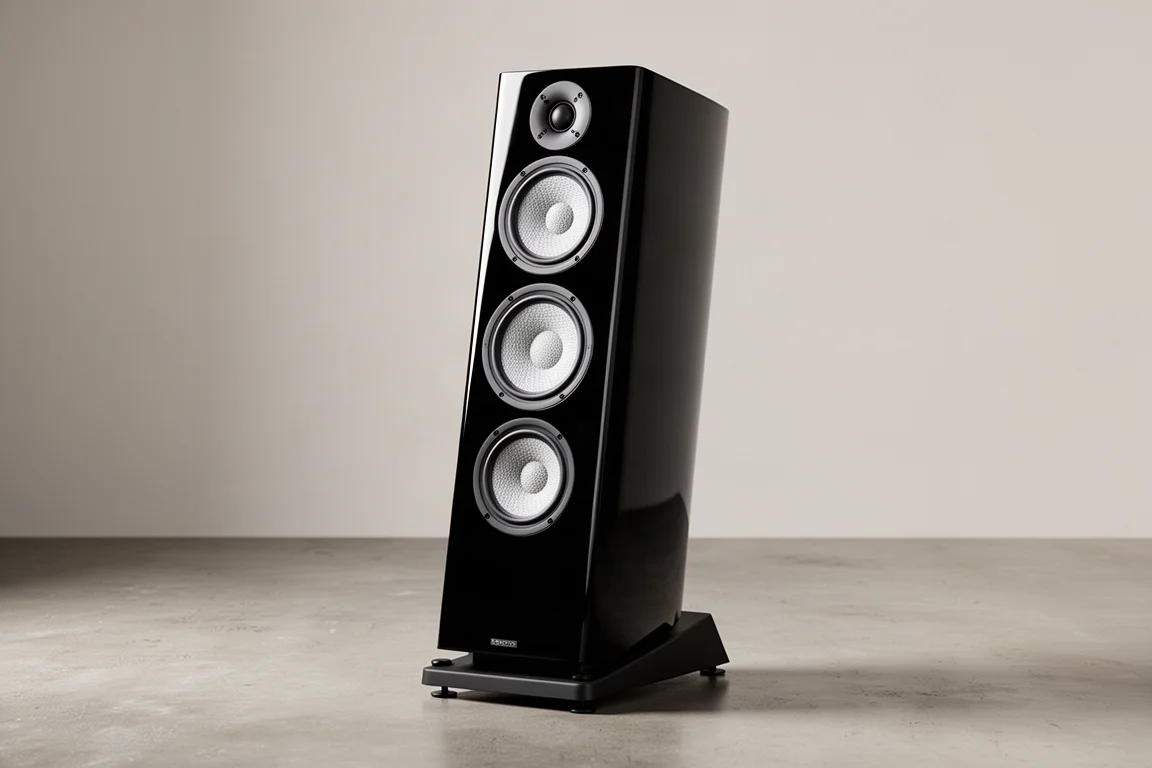
The No.3 is the top floorstander in the range and follows the shape of the Chora model it replaces. It uses two 6.5 inch slate fiber woofers with a 6 dB down point of 39 Hz, a 6.5 inch slate fiber midrange, and the TNF tweeter. Sensitivity is rated at 91 dB.
That single decibel over the No.2 does not tell the whole story. The larger drivers move more air and the bigger cabinet gives the No.3 noticeably more weight and impact. It comes with the same tilting stand for driver alignment and measures 39 inches tall, 8.5 inches wide, and 15 inches deep, which puts it at home in a midsize to larger listening room.
Focal Theva No.3D: The Tower with Built-In Height Channels
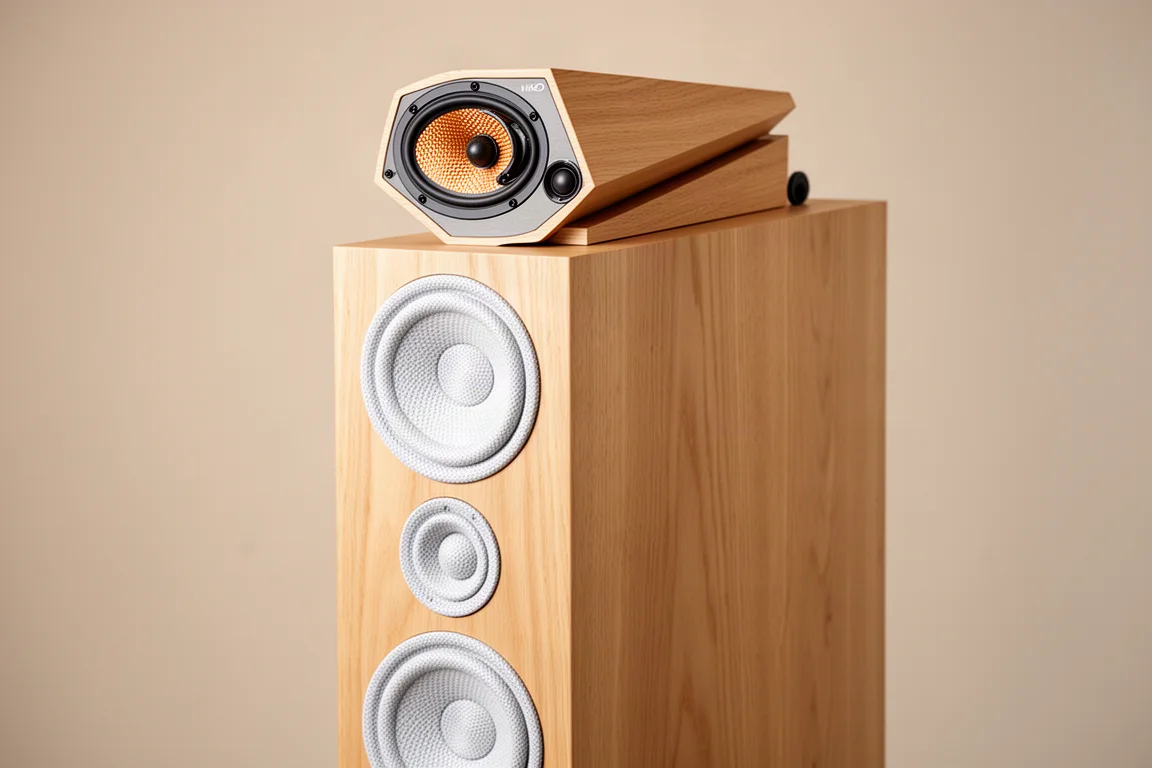
The No.3D is a No.3 with a height channel module built into the top of the cabinet. Two channel performance is identical to the No.3, and the added module is a practical way to get height effects into a room without cutting holes in the ceiling.
An oval grille on top hides a 5 inch slate fiber woofer and an aluminum and magnesium inverted dome tweeter, mounted at an angle so the height effects reflect off the ceiling. Focal positions this design for flat ceilings between 8 and 12 feet high.
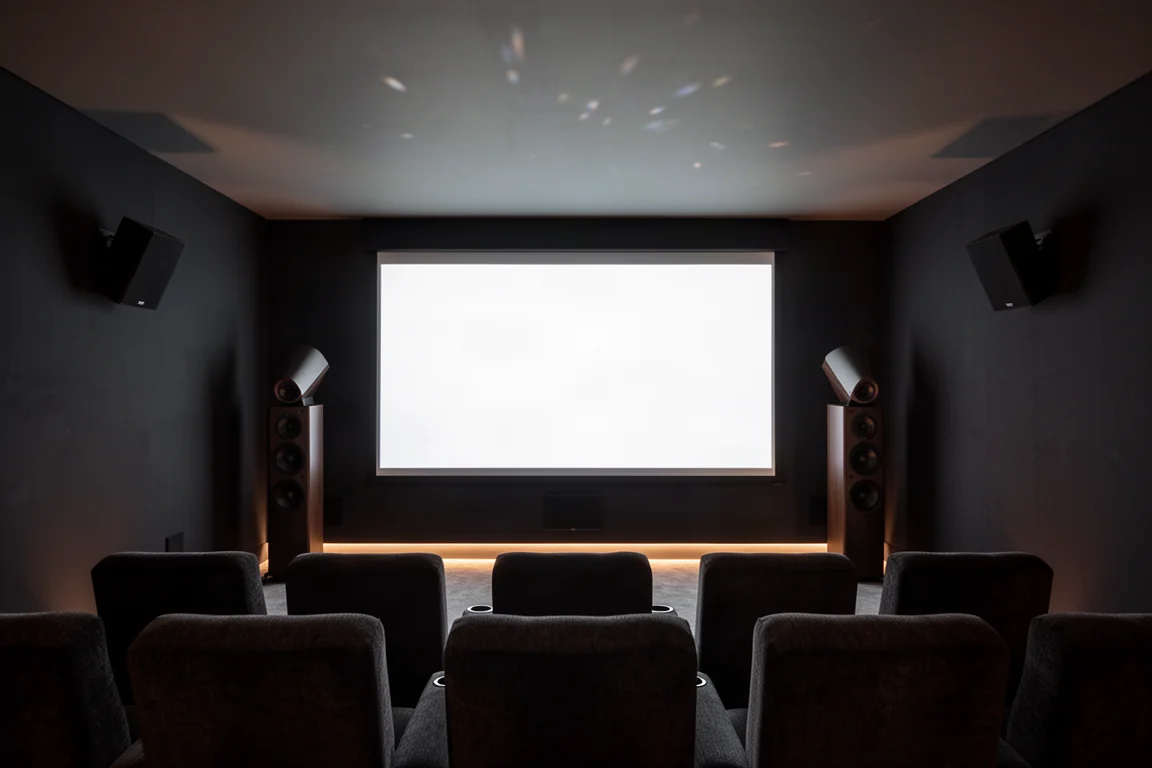
For anyone building a home theater around the line, the No.3D is the simplest route to a full height layer while keeping the front stage consistent with the rest of the Theva drivers.
Focal Theva Center: The Center Channel
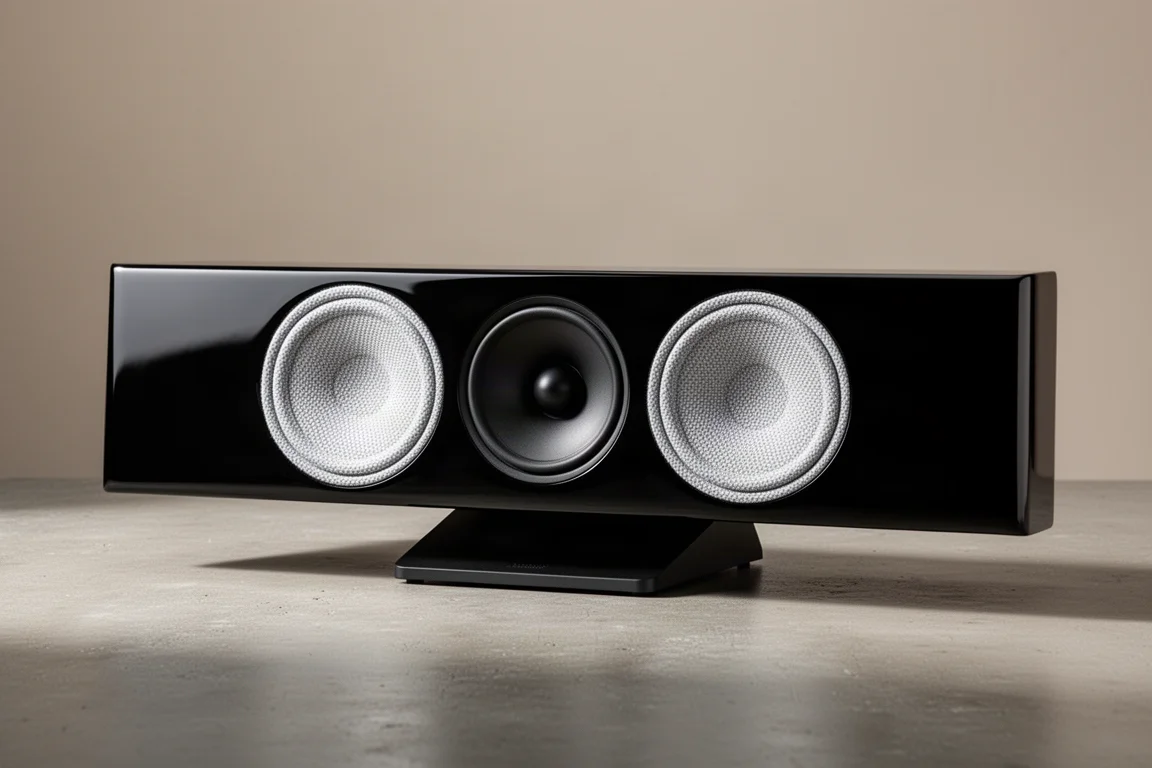
The center channel pairs the TNF tweeter with two 6.5 inch slate fiber midrange and mid bass drivers. It is more than 20 inches wide and 8.5 inches tall, so it needs a generous surface.
Placement matters here. Because the cabinet is rear ported, sitting it inside a tight cabinet is not ideal unless the enclosure can be properly damped; on top of a media cabinet or on an open shelf is the better option. Focal includes a small base that tilts the speaker upward, and a matching stand provides the same tilt to align it in time and aim it at the listening position.
With 91 dB sensitivity, this is a dynamic center channel that can keep up with demanding action mixes, and the slate fiber cones handle dialogue cleanly.
Focal Theva Surround: The Surround Speaker
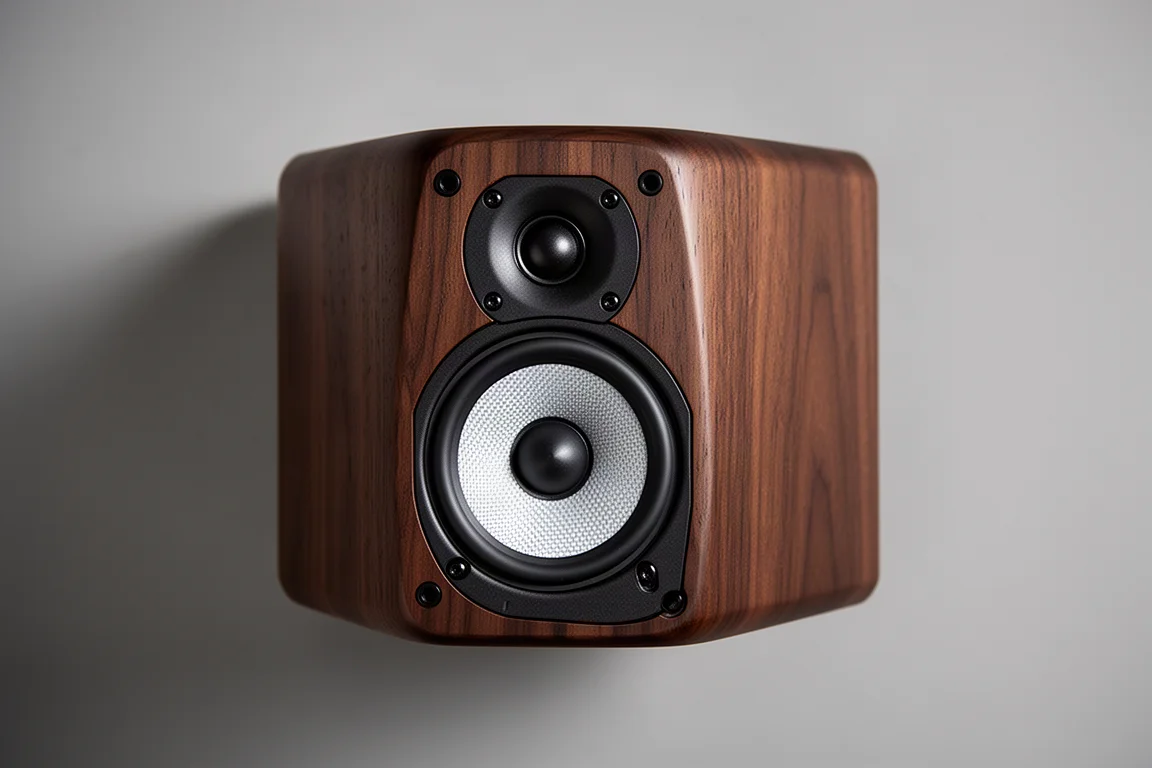
The surround model looks similar to the Chora surround, but it has been upgraded rather than carried over. The cabinet is slightly larger and heavier, which allows a little more dynamic range.
It uses the same 6.5 inch slate fiber mid bass driver and TNF tweeter found throughout the range. Mounting is straightforward: the tweeter ends up at whatever height you install the wall bracket, and the speaker slides onto the bracket using feet on its back panel. Speaker cable can hang down behind the speaker or be run inside the wall for a cleaner finish.
How to Choose the Right Focal Theva Model
Start with the room and the job. A two channel system in a smaller space is well served by the No.1 on its stands, while the No.2 is the pick when a tower needs to fit into a compact footprint. The No.3 and No.3D are for midsize to larger rooms where the extra cabinet volume and larger woofers can be put to use.
If surround sound is the goal, the decision is easier than usual because the whole line shares the same tweeter and driver family. Pairing the No.3D with the center channel and the surround speakers gives a system with a consistent voice, so effects pan around the room without a change in tone.
Two practical points are worth planning for. The rear ports mean the speakers should sit some distance from the wall behind them, and the center channel needs an open surface or a dedicated stand rather than a tight shelf. Amplification also matters: a quality integrated amplifier for stereo, or a higher level receiver for home theater, lets these speakers open up and deliver the dynamics and musicality they are capable of.
Conclusion
The Focal Theva series is a considered replacement for the Chora line rather than a cosmetic update. The poron-damped tweeter, the slate fiber drivers, and the revised crossovers and cabinet bracing all draw on work Focal did for much more expensive speakers, and the shared driver set makes the range unusually easy to match across a home theater system.
The line covers a bookshelf pair, two floorstanders, a height-channel tower, a center channel, and a surround speaker, all in finishes that go well beyond basic black. Choose the model that fits your room, leave space behind the cabinets for the rear ports, and give them decent power. Within those simple limits, this is a lineup that should satisfy listeners for a long time.
Further reading
Related Reviews
Home Audio
Aperion Novus Tower and Center Review: Punchy Home Theater Sound With Real Refinement
A close look at the Aperion Novus tower and center speakers, from their layered paint finish and punchy bass to the 4-ohm load and what the price actually buys.
Home Audio
Arendal 1610 Tower Review: Flagship Dynamics in a Room-Friendly Tower
A compact floorstanding tower with three 8-inch aluminium woofers, a 5-inch carbon midrange, and the kind of bass heft usually reserved for much larger speakers.
Home Audio
Arendal 1723 S THX Review: A Reference Speaker Built Like a Tank
A practical look at the Arendal 1723 S THX, a sealed, THX-certified speaker with exceptional build quality, a very flat top end, and a midrange that responds beautifully to EQ.