Home Audio
Focal OMA Series Review: No.1, No.3, No.4 and Center Channel Explained
A practical walkthrough of the Focal OMA speaker lineup, from the compact No.1 bookshelf to the flagship No.4 floorstander and the matching center channel.
Introduction
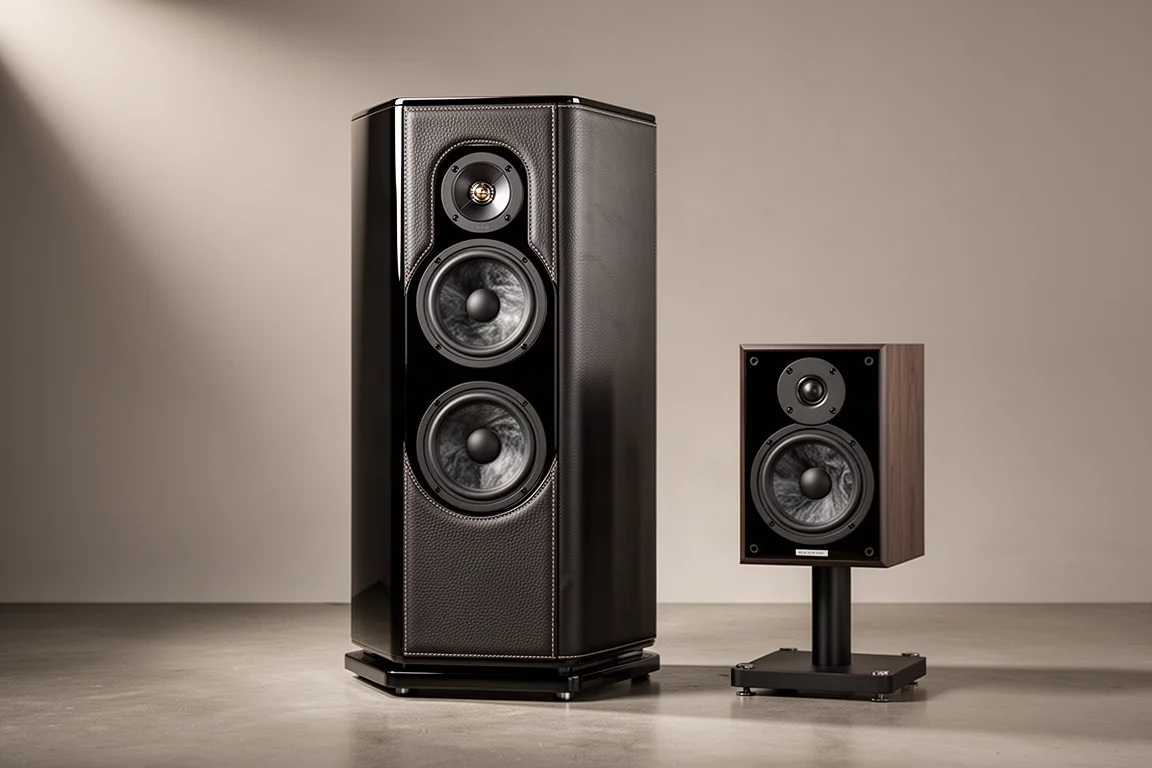
Focal has been a driving force in high-end audio for decades, and the OMA series continues that tradition with a lineup built around natural, detailed sound. The family covers four models: the compact OMA No.1 bookshelf, the OMA No.3 and OMA No.4 floorstanders, and the matching OMA center channel.
Because every model uses the same core driver materials, the lineup shares a consistent sound character. That makes it considerably easier to combine models into a cohesive two-channel system or a full home theater setup, without the tonal mismatch that so often comes from mixing unrelated speakers.
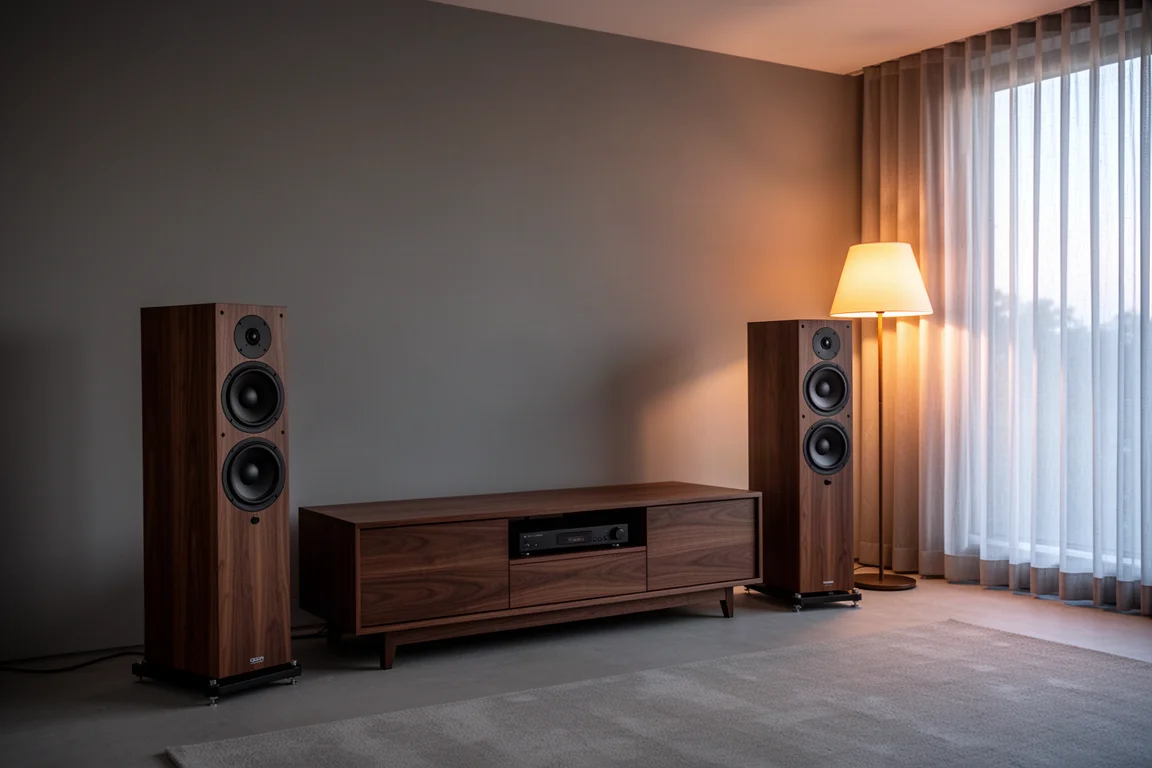
The OMA range also draws on work done for Focal’s flagship Grand Utopia designs, a pair of which sells for close to $300,000. Ideas developed for that speaker have been carried into these much more affordable models. Everything is designed in France, using proprietary materials Focal develops and manufactures itself.
Shared Technology and Design
All four models are built on the same foundation, which is the main reason the lineup blends so well.
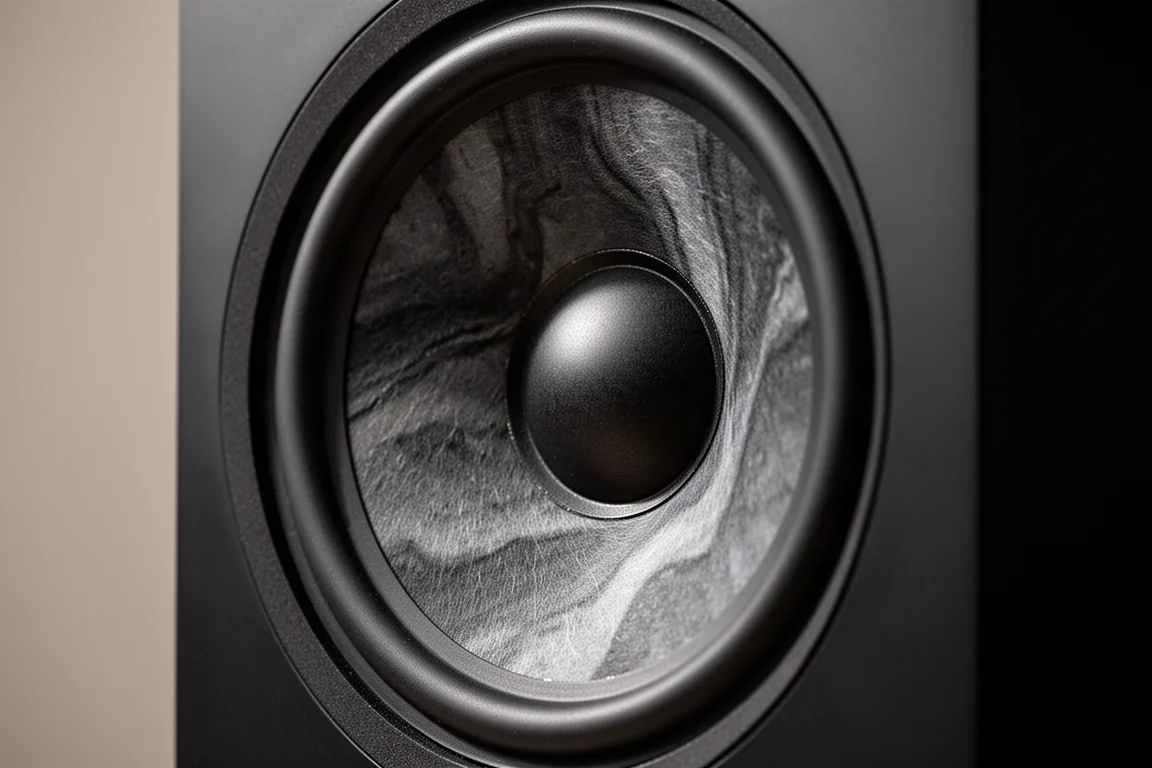
The most visible element is the slate fiber driver. Focal experimented with a wide range of material combinations before borrowing an approach from the aviation industry: recycled carbon fiber paired with a thermoplastic polymer. Instead of weaving the fibers the way a traditional composite would, the company found better results with all fibers running in the same direction, held in place by the polymer. Custom machinery was designed for the French factory to manufacture the material consistently. Because the carbon strands settle into the polymer in a naturally random way, every membrane has a slightly different texture that resembles natural slate, which is where the name comes from. No two drivers look exactly alike.
The tweeter is the other headline piece. The M-shaped TAM tweeter uses an aluminum and magnesium alloy dome. Forming it into Focal’s M profile adds stiffness, improves linearity through the treble range, and widens dispersion, so the sound stays smooth and consistent even when you are not sitting front and center. The alloy blend gives the dome a mix of rigidity and natural damping, which keeps transient response fast and clean while the top end stays relaxed enough for long listening sessions. Cymbals keep their natural shimmer, string overtones feel textured, and vocals carry a sense of air without turning bright.
A urethane tweeter plate with a built-in waveguide improves horizontal directivity and helps create a wider, more stable soundstage. Urethane also provides damping around the tweeter, reducing diffraction from the baffle so you hear the driver itself rather than reflections from the cabinet. A rear decompression chamber then reduces internal reflections, which is part of why the tweeter sounds so natural and open.
Both floorstanders add Focal’s Power Flow multiport system, which combines a front-firing port with a rear-firing port in a bass reflex enclosure. The front port is impact driven, giving bass punch and energy that makes music lively and engaging, while the rear port reinforces the lowest octave, adding depth and helping anchor the bass in the room. The combination delivers the body and presence of the recorded space along with the dynamic impact that makes music and soundtracks feel real.
Cabinets are finished in glossy black with a leather-style front panel. The texture breaks up the shine and warms up the look, so the speakers feel inviting in a room rather than reading as another hard reflective surface.
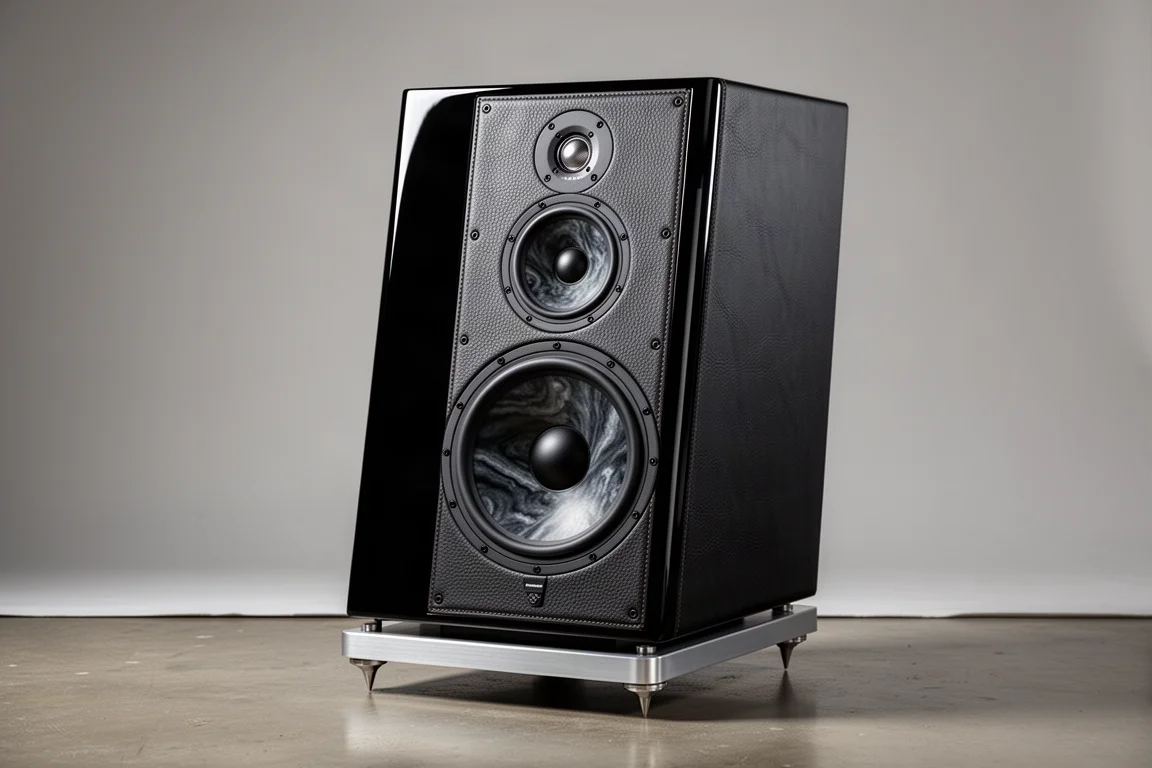
Focal OMA No.1: The Compact Bookshelf Speaker
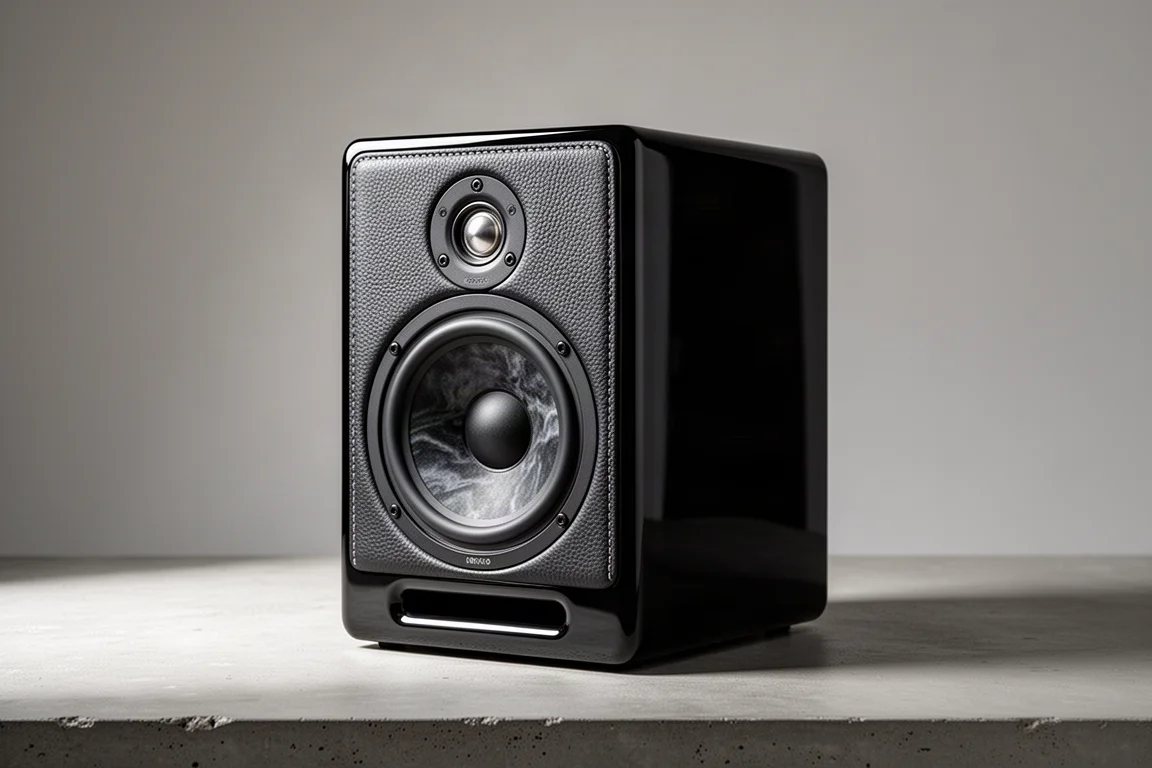
The OMA No.1 is a compact two-way bookshelf speaker that performs well beyond its size. A slate fiber midbass driver handles the lower registers and pairs with the 1-inch TAM tweeter, producing a lively, detailed presentation that stays smooth at the top. Sensitivity is rated at 89.5 dB, and bass extension reaches 48 Hz at the 6 dB point.
An aerodynamic front port keeps distortion low and makes placement a little simpler near walls or on media furniture. On Focal’s optional tilted stands, the No.1 locks in imaging and feels right at home in smaller rooms.
It works beautifully in a two-channel system with a quality integrated amplifier, and it also serves well as surround speakers in a larger OMA theater setup.
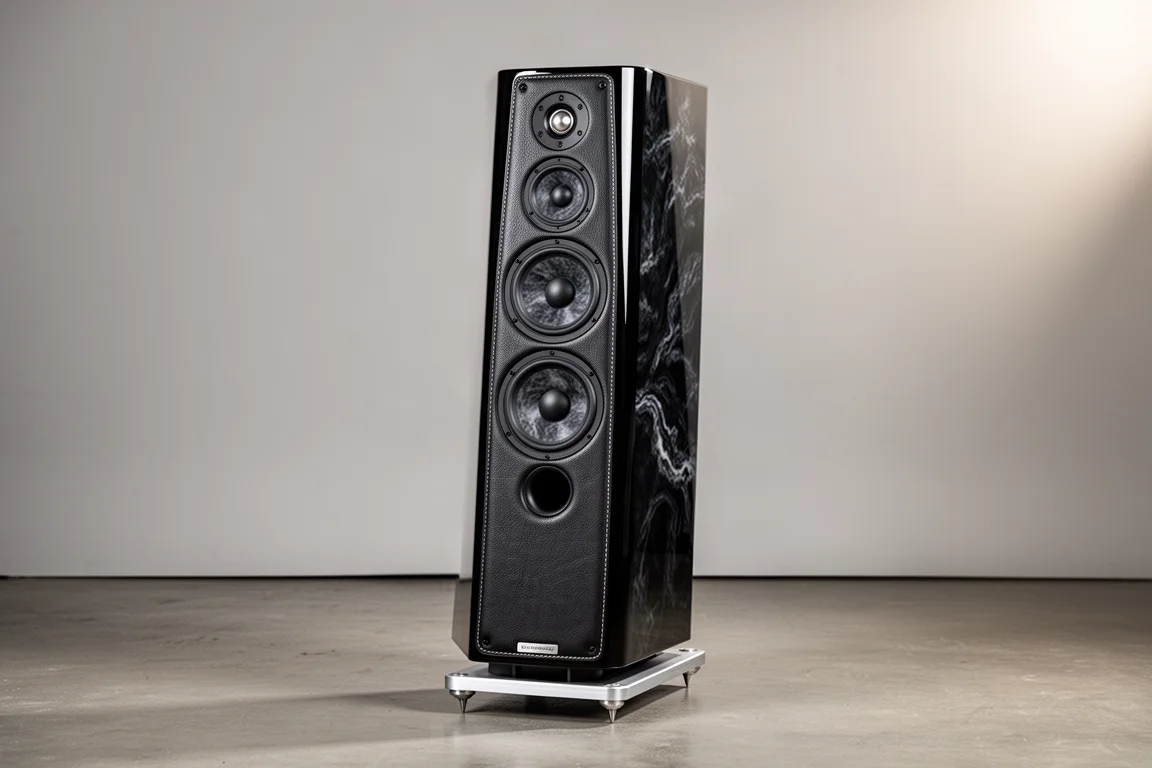
Focal OMA No.3: The Balanced Floorstander
The OMA No.3 is a slender three-way floorstander that many listeners will see as the sweet spot of the range. Three 6.5-inch slate fiber woofers deliver deep, controlled bass, a dedicated 6.5-inch slate fiber midrange covers the critical middle frequencies, and the TAM tweeter extends highs to 30 kHz.
Sensitivity is a very amplifier-friendly 92 dB, which helps the No.3 feel lively and dynamic for its size even with modest power behind it. Frequency response is rated from 42 Hz to 30 kHz within plus or minus 3 dB, giving strong low-end extension for both music and movie soundtracks. The Power Flow multiport system reduces compression and maintains impact at higher listening levels.
With the tilted aluminum base and included spikes, the No.3 images well and fills medium to large rooms rather nicely. It is a strong choice for a dedicated two-channel system, and it works just as well as the front pair in a home theater where accuracy, depth, scale and punch matter more than sheer cabinet size.
Focal OMA No.4: The Flagship Floorstander
The OMA No.4 is the flagship floorstander of the line, built for listeners who want a bit more authority and headroom in their system. It steps up to dual 8.25-inch slate fiber woofers for deep, powerful bass, keeps the 6.5-inch slate fiber midrange, and uses the same TAM tweeter.
Sensitivity remains a healthy 92 dB, with a rated response of 40 Hz to 30 kHz within plus or minus 3 dB and a 34 Hz point at 6 dB. The Power Flow port arrangement appears on the front and the bottom, and the aluminum base provides the same tilt for time alignment along with solid footing.
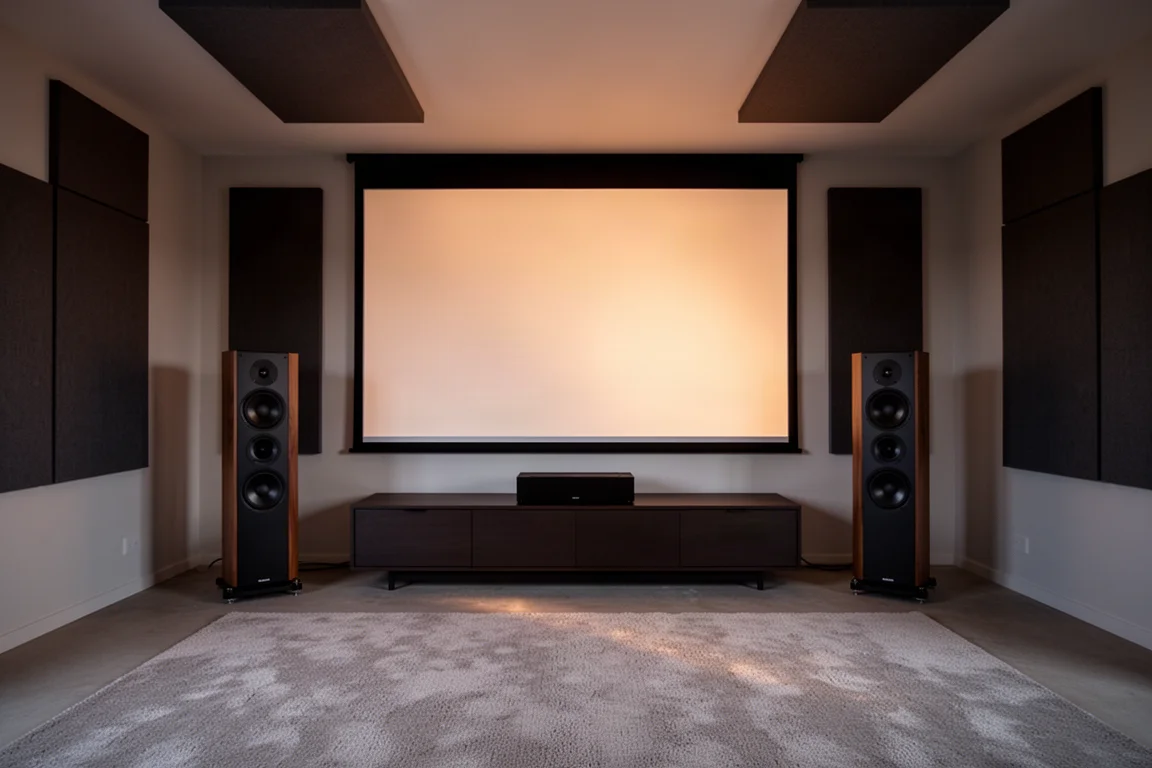
The No.4 fits best in larger rooms or theater front stages, where full-scale dynamics and the presence of a live performance are the goal.
Focal OMA Center Channel
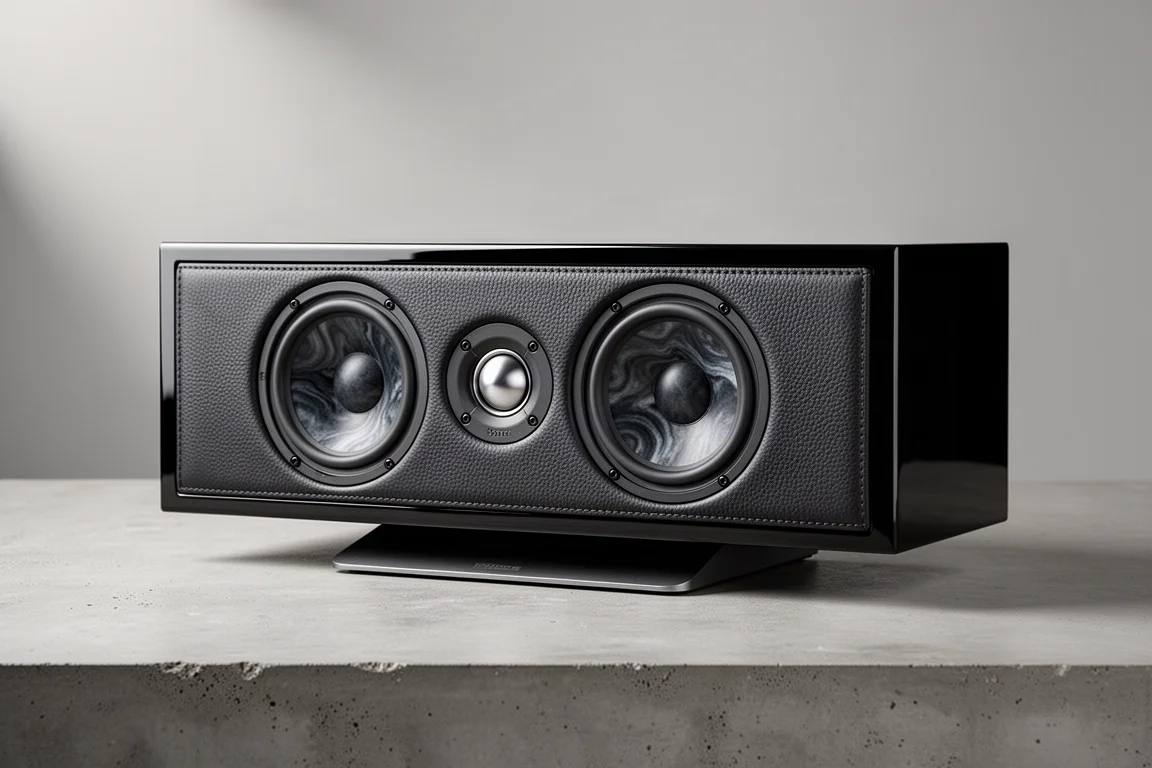
The center channel completes the family, delivering crystal-clear dialogue and a seamless tonal match to the towers and the bookshelf model. Two 6.5-inch slate fiber midbass drivers flank the TAM tweeter. Sensitivity is rated at 91.5 dB, and response spans 58 Hz to 30 kHz within plus or minus 3 dB.
A tilted base is included to aim the sound at ear level when the speaker sits on a cabinet or an open shelf. Dual rear ports help the center breathe, adding convincing dynamics and weight to its sound.
In small to medium theaters it pairs naturally with the No.1 and No.3 models, while larger setups built around the No.4 towers benefit from the power and clarity it brings. It anchors the soundstage with clean, intelligible dialogue and smooth transitions across the front of the room, and the larger drivers help voices sound full and natural, much like they do in real life.
Buying Advice: Building a Cohesive OMA System
Start with the room. The No.1 suits smaller spaces and works well on stands or on media furniture, while the No.3 is the flexible middle option for medium to large rooms. The No.4 is the right pick when a large room or a dedicated theater front stage calls for maximum scale and authority.
Amplifier matching is unusually easy across this range. The floorstanders are rated at 92 dB, the center channel at 91.5 dB, and the bookshelf at 89.5 dB, so even modest integrated amplifiers can drive them to lively levels without strain.
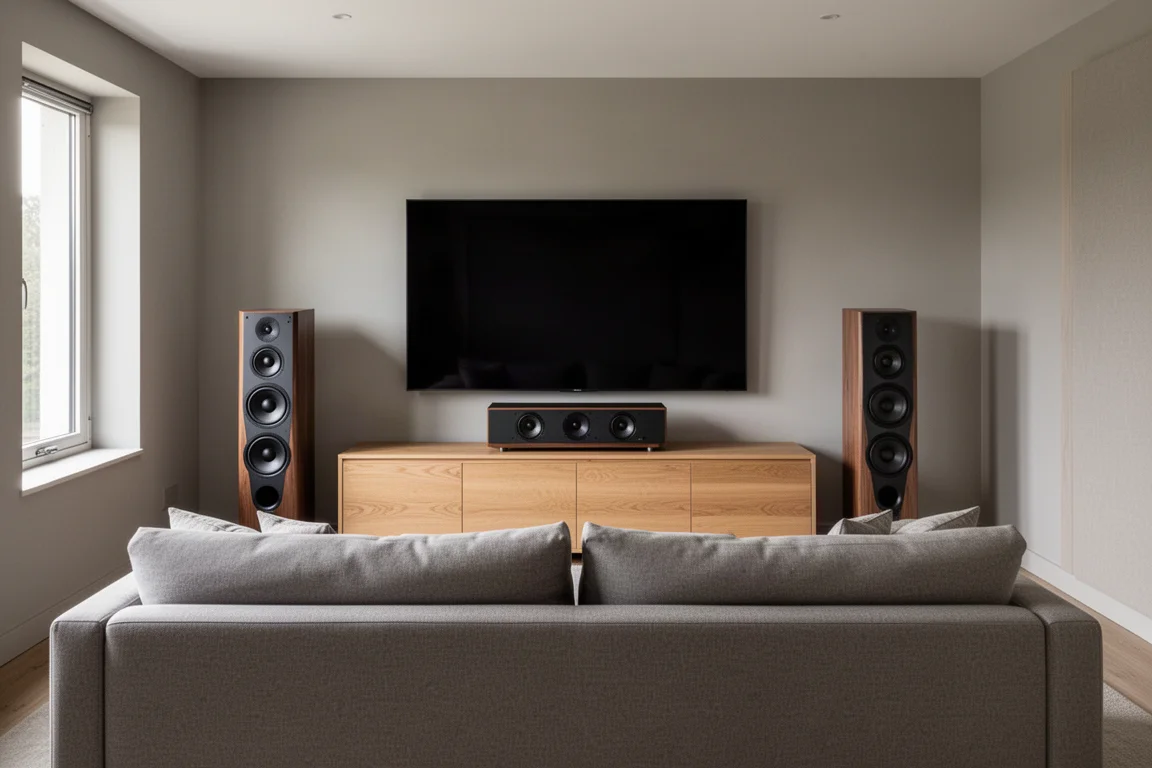
If the plan is a home theater, the center channel is the piece to prioritize, since it carries the dialogue that anchors everything on screen. Pair it with the No.1 or No.3 in small and medium rooms, or step up to the No.4 towers in a larger space. For two-channel listening, the No.1 with a quality integrated amplifier is a compact starting point, and the No.3 is the natural middle ground between size, output and low-end reach.
Conclusion
The OMA series delivers the qualities Focal is known for: neutral and engaging sound with a bit of liveliness, wide dispersion for real-world seating positions, and cabinetry and finishes that feel premium. For anyone building a system that looks elegant and stays truthful to the music, the lineup is a genuinely strong choice.
Further reading
Related Reviews
Home Audio
Aperion Novus Tower and Center Review: Punchy Home Theater Sound With Real Refinement
A close look at the Aperion Novus tower and center speakers, from their layered paint finish and punchy bass to the 4-ohm load and what the price actually buys.
Home Audio
Arendal 1610 Tower Review: Flagship Dynamics in a Room-Friendly Tower
A compact floorstanding tower with three 8-inch aluminium woofers, a 5-inch carbon midrange, and the kind of bass heft usually reserved for much larger speakers.
Home Audio
Arendal 1723 S THX Review: A Reference Speaker Built Like a Tank
A practical look at the Arendal 1723 S THX, a sealed, THX-certified speaker with exceptional build quality, a very flat top end, and a midrange that responds beautifully to EQ.