Bookshelf Speakers
Focal Kanta No.1 vs Bowers & Wilkins 805 D4 vs Perlisten S4b: Three Premium Bookshelf Speakers Compared
A close comparison of three high-end bookshelf speakers, covering tone, resolution, cabinet design, placement demands, and the amplification each one rewards.
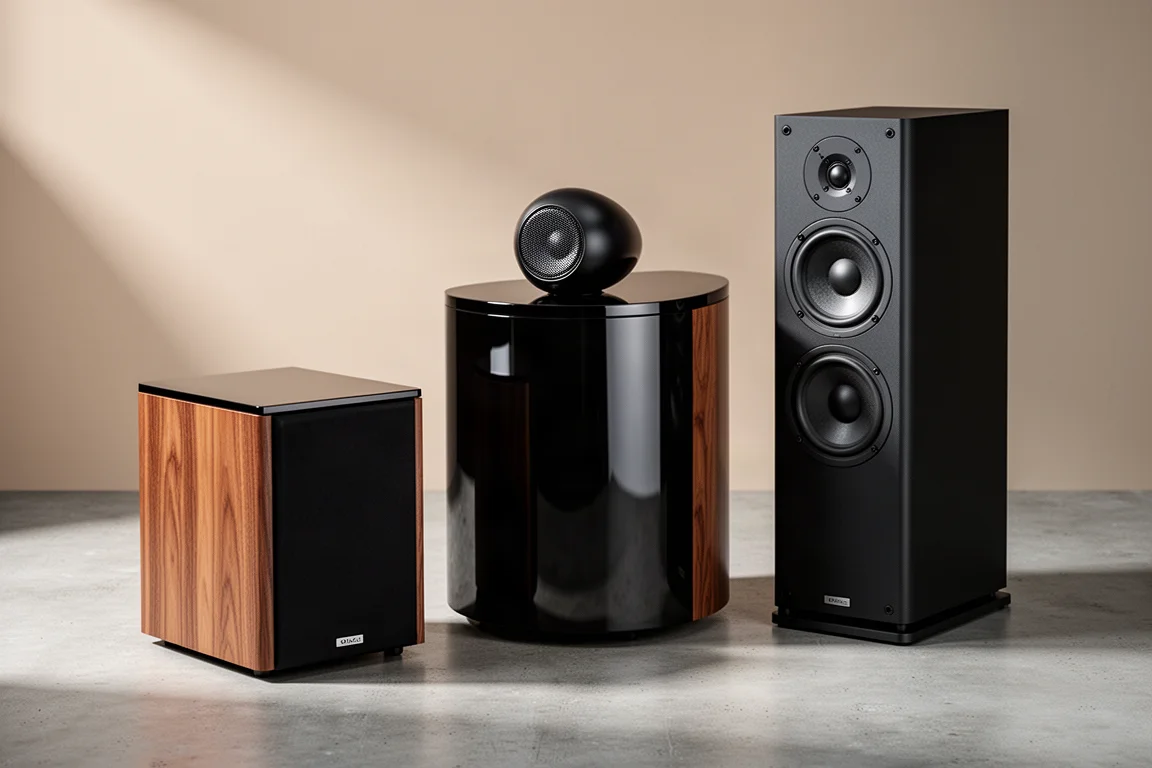
Introduction
Three premium bookshelf speakers, three quite different ideas about what a small speaker should do. The Focal Kanta No.1, the Bowers & Wilkins 805 D4 and the Perlisten S4b all sit in the upper bracket of the compact loudspeaker market, and all three can be driven to genuinely satisfying results. What separates them is not quality so much as temperament: how much bass weight they bring, how sharply they carve out individual instruments, and how much work they ask of the room and the amplifier behind them.
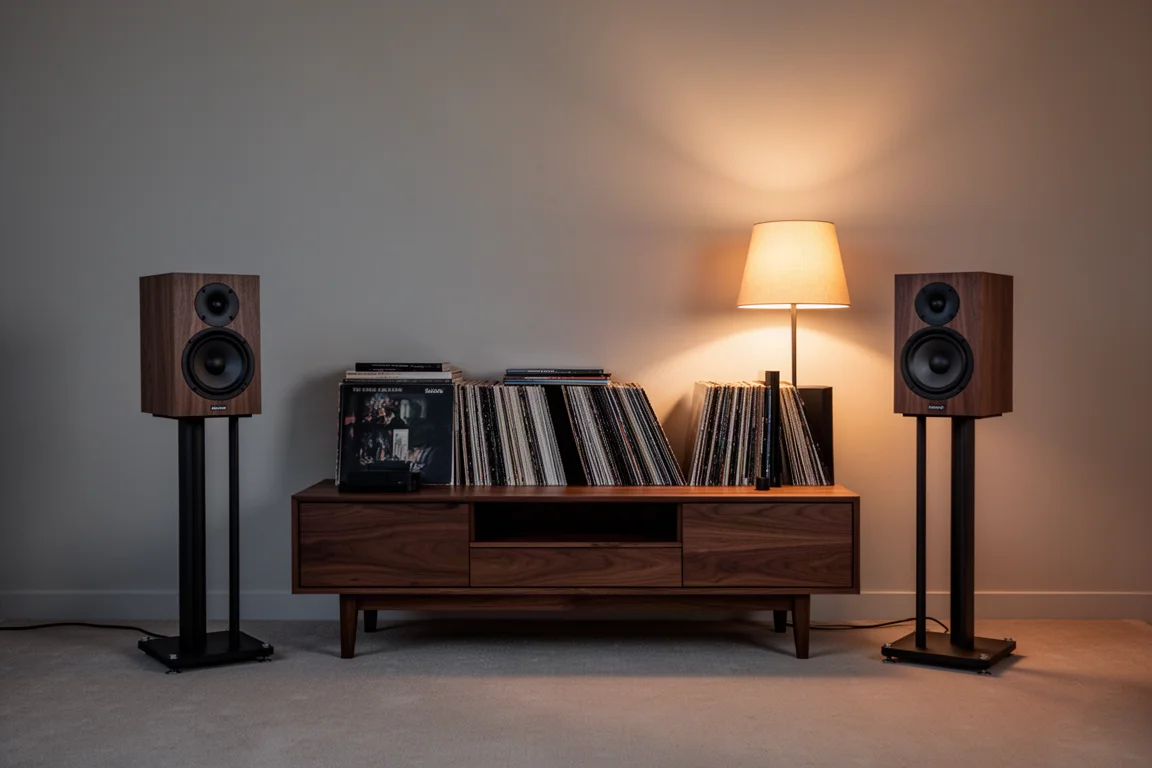
The Kanta No.1 is the most distinctive of the three, because it deliberately steps away from the sound many listeners associate with Focal. The 805 D4 takes the opposite approach, trading some low-end heft for speed and resolution. The Perlisten S4b arrives at a higher price and makes its case through cabinet engineering rather than voicing. Each one rewards a different set of priorities.
This comparison looks at what each speaker actually does well, where each one asks for care, and which listener is most likely to be happy with the result. Placement and amplification matter enormously here, so both are covered in detail.
What to Know Before Buying a High-End Bookshelf Speaker
The first thing to understand is that a rear-ported cabinet, such as the one used by the Kanta No.1, dissipates a large amount of energy out of the back of the speaker. That energy interacts with whatever sits behind it. Move the speaker out into the room and you hear more of the lively, dynamic, detailed character the design is capable of. Push it too close to a wall and the reinforced bass can thicken the midrange until the speaker stops sounding like itself. Roughly a metre of clear space behind the cabinet is a reasonable starting point.
The second factor is amplification. The Kanta No.1 is rated at 88 dB sensitivity with a nominal 8 ohm impedance, dipping as low as 3.9 ohms. Most of the time it will not be difficult to drive to loud, satisfying levels, but for the most demanding content a competent amplifier is needed to get the best result. Amplifiers with grip and authority suit this speaker better than warmer, more romantic designs.
The third factor is the trade-off between weight and precision. More bass presence and a fuller tonal balance come at some cost in articulation, while a leaner low end often comes with faster, more surgical bass. Neither approach is better in the abstract. It depends on the music you play and how you listen.
Focal Kanta No.1: Focal’s House Sound, Reinterpreted
The Kanta No.1 is a two-way rear-ported bookshelf speaker built around a roughly one-inch beryllium tweeter sitting above a 6.5-inch flax cone woofer. Together with the rear port, Focal reports a frequency response of 46 Hz to 40 kHz, sensitivity of 88 dB, and a nominal impedance of 8 ohms. It is made in France and weighs close to 30 pounds per speaker, which makes it a substantial object for a stand-mounted design.
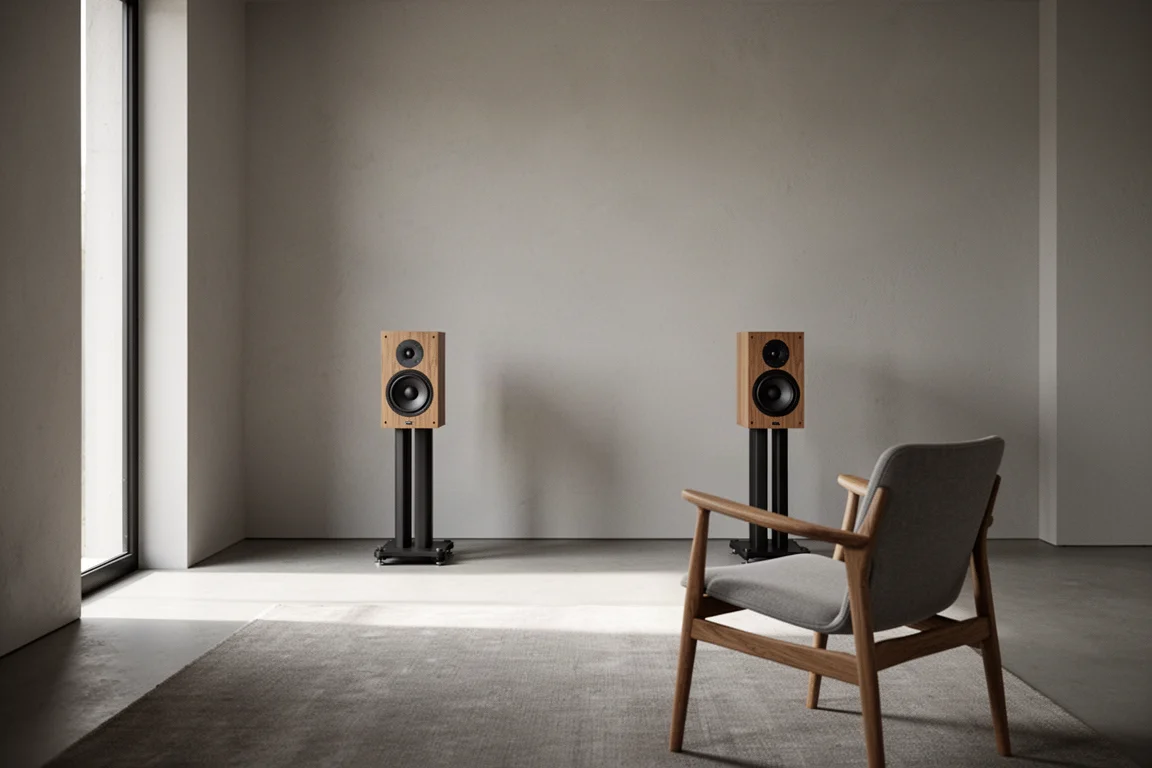
Its most recognisable physical trait is the upward-angled baffle, a signature borrowed from Focal’s flagship models such as the Diablo Utopia Evo. The finish is genuinely three-part: piano gloss black on the top and bottom, veneer on the sides and back, and a separate accent colour on the front baffle. The matte walnut and ivory scheme shown here looks considerably softer and whiter in person than it does in typical product photography, and a high gloss white version is also offered.
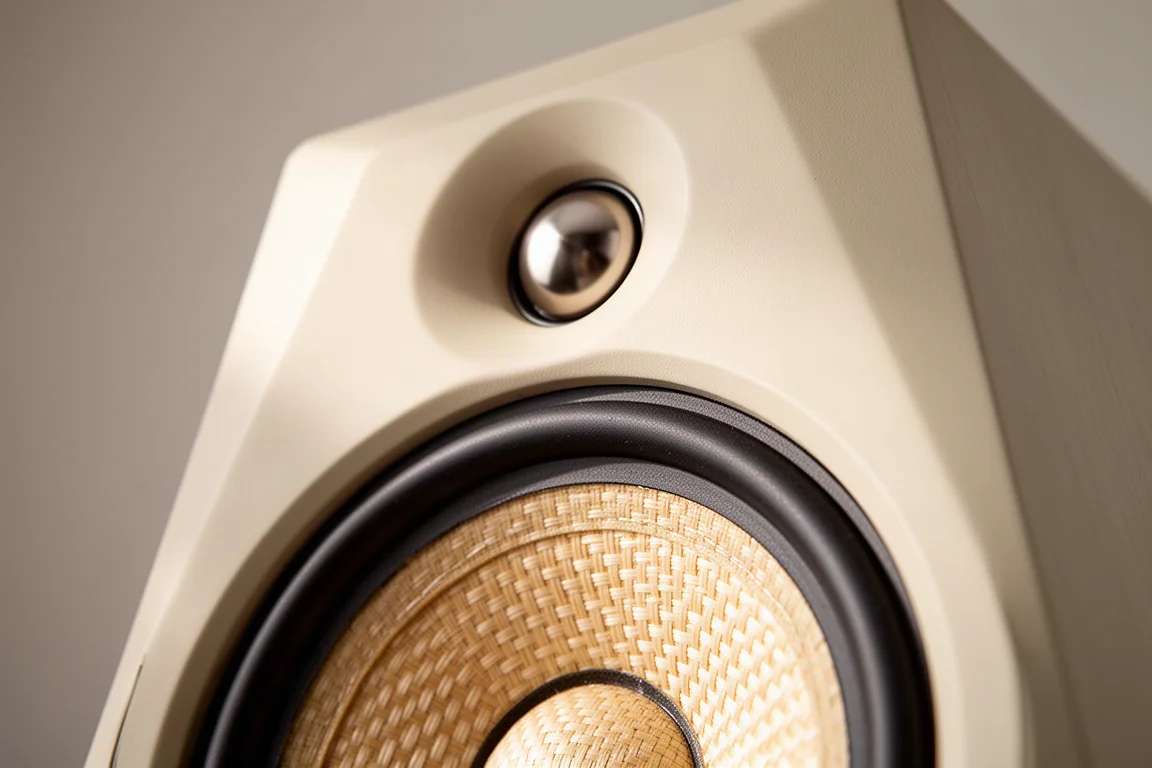
Sonically, the Kanta No.1 is a departure. In-room measurements track in a broadly linear fashion, with a noticeable injection of energy around 200 Hz, and the rear port pays real dividends in the bass. These speakers play with authority down to 40 Hz and add a little extra body to low notes, so double bass and kick drums carry more weight than they do through the 805 D4. The beryllium tweeter is ever so slightly rolled off, which keeps detail present without tipping into fatigue, and even at high volume it neither rings nor glares.
The soundstage is wide and deep with a solid centre image, though there is a faint smoothness around the edges of performers and instruments that stops the stage from feeling chiselled out of granite. At moderate levels in the 60 to 75 dB range the speaker is smooth and mellow; push dynamic peaks toward 90 to 95 dB and it becomes noticeably more agile and explosive. Pairing matters. A Technics R1000 proved the most convincing match in this setup, and the Rotel 1592 is worth considering for the same reason: both bring the low-end authority the speaker benefits from.
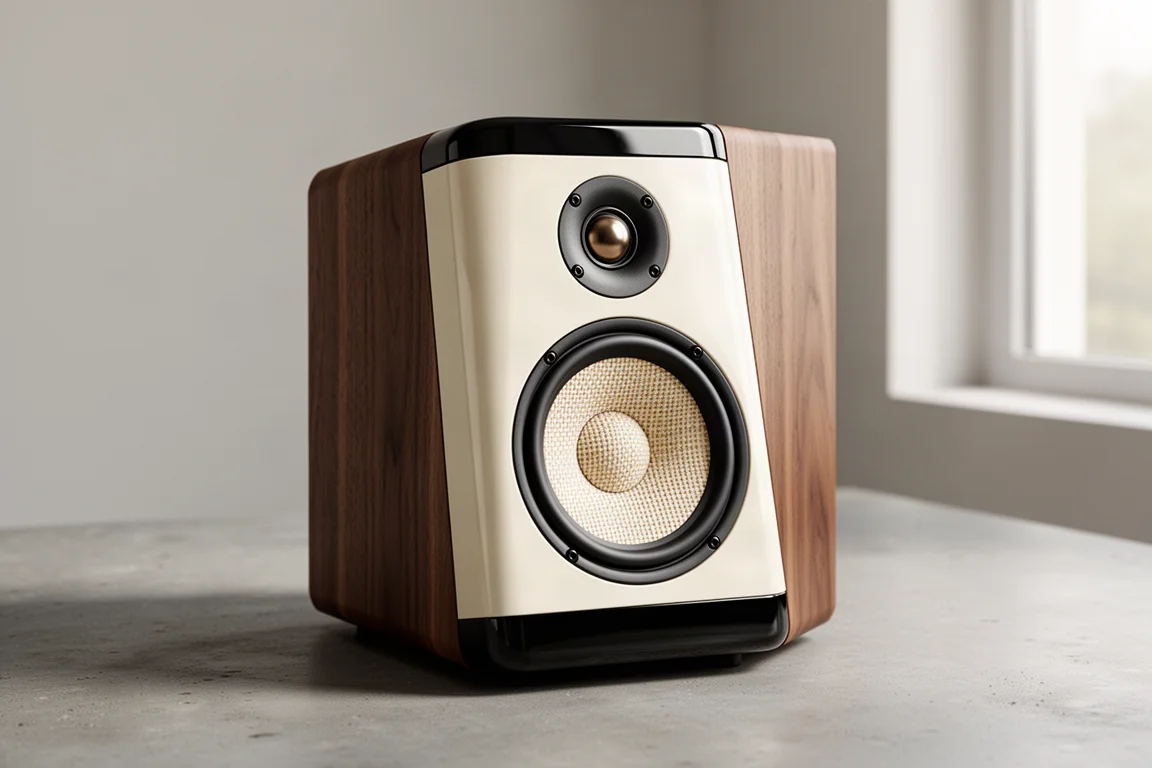
Bowers & Wilkins 805 D4: Leaner, Quicker, More Resolving
The 805 D4 sits in a similar price bracket to the Kanta No.1, which makes the comparison unusually direct. Tonally the Bowers & Wilkins is a little less forward. It is leaner as it approaches its low bass limits, and it gives away some of the weight and presence that the Focal brings to the bottom end.
What it gives back is resolution and speed. The 805 D4 is quicker on the draw and more resolving across the range, and in a direct comparison it sounds like it unlocks more of the music for the money. Its cabinet is more inert, its build quality reads as slightly better, and its styling is likely to appeal to more listeners. The result is a greater sense of separation between individual performers and instruments, which is exactly the quality the Kanta No.1 softens at the edges.
If your listening leans toward acoustic recordings, layered mixes or anything where you want to follow a single line inside a dense arrangement, that extra separation is the whole point. If you would rather feel the weight of a low note, the Focal makes the stronger case.
Perlisten S4b: Cabinet Engineering Above All
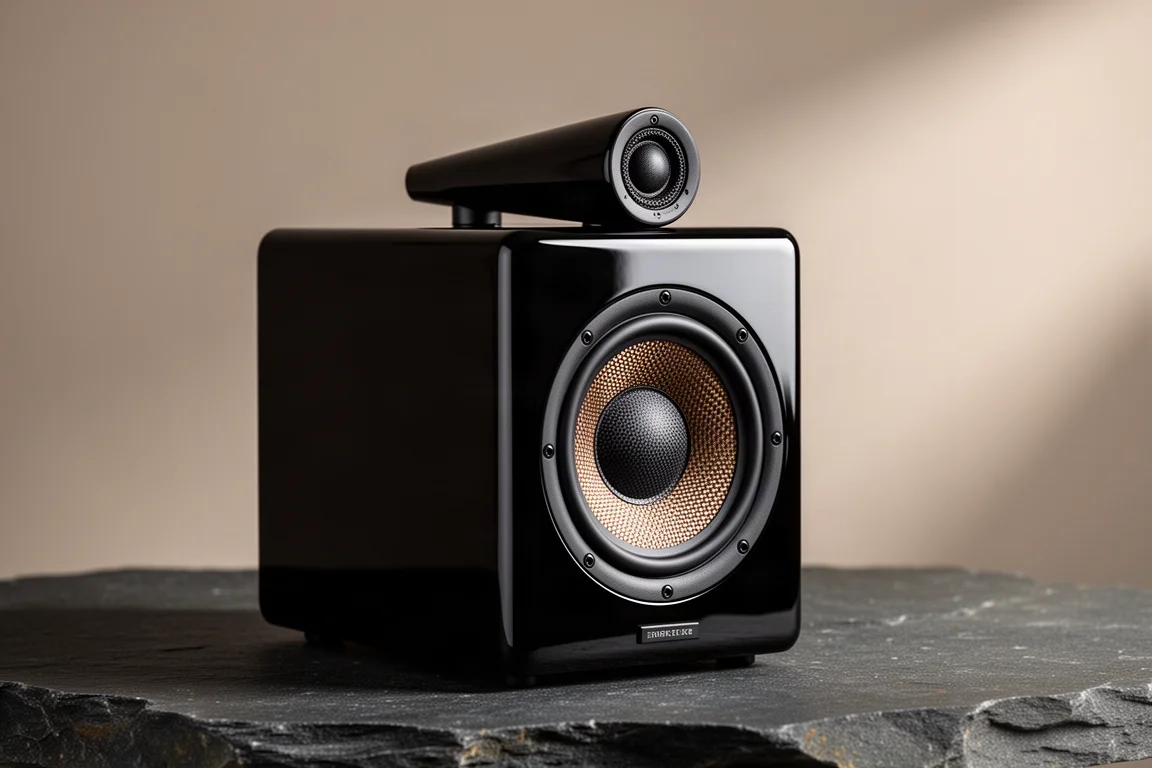
The Perlisten S4b costs roughly two thousand dollars more than the Kanta No.1, and the comparison between the two is a useful illustration of what is possible when two speakers share a similar performance envelope but take very different approaches to cabinet design. Both aim for neutrality through the midrange, and both roll off in a comparable way at the top end. The difference is the enclosure.
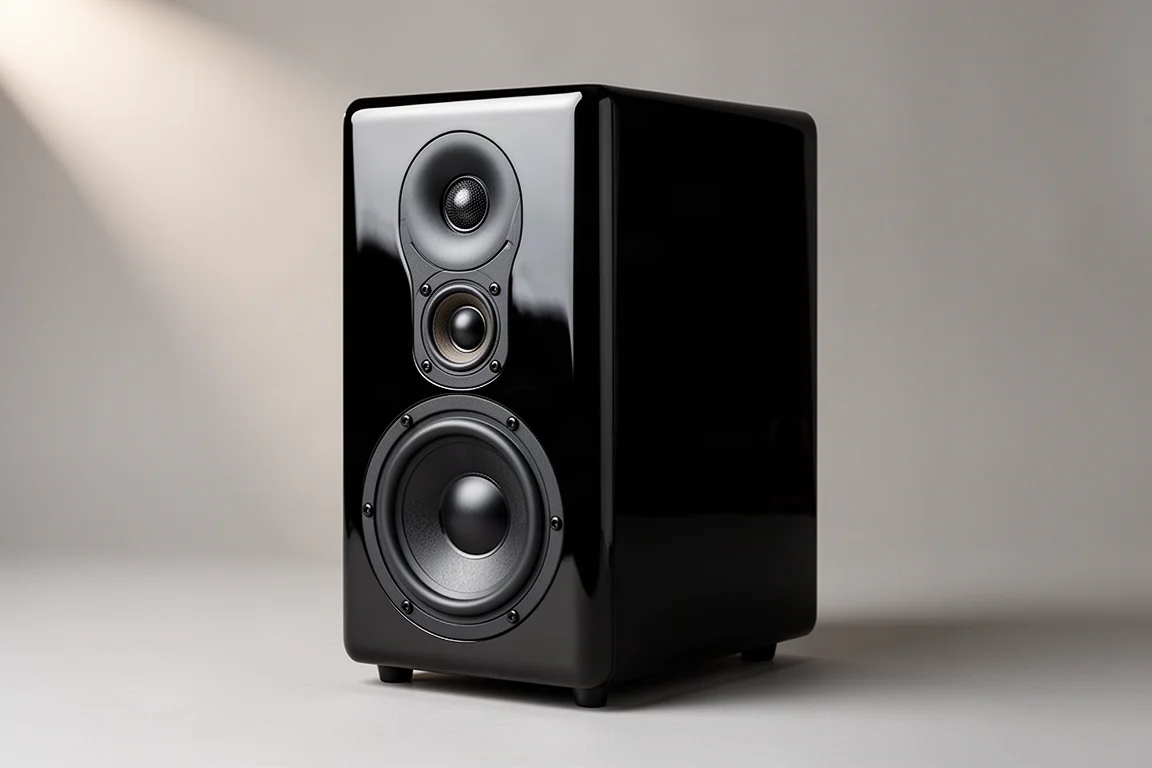
That cabinet is the reason the S4b wins this particular matchup. It delivers a greater sense of separation than either of the other two speakers here, and that extra clarity is audible across the whole range rather than in one narrow band. It is also the reason the speaker looks the way it does. The S4b is less decor-friendly than the Kanta No.1, with a more utilitarian, street-like appearance that will not suit every room.
Whether the additional outlay is justified comes down to how much you value that separation and how much you value the way a speaker looks in your living space. The Kanta No.1 is the friendlier object of the two, and the S4b is the more transparent performer.
Buying Advice: Matching the Speaker to the Room and the Listener
Choose the Focal Kanta No.1 if you want the fullest, warmest presentation of the three and you can give a rear-ported cabinet real space behind it. It is the most bass-forward option here, and it responds well to an amplifier with grip rather than warmth. If your room forces the speakers close to a wall, expect the balance to shift toward a richer, heavier sound and plan accordingly.
Choose the Bowers & Wilkins 805 D4 if precision and resolution matter more to you than low-end weight, and if you want a speaker in a similar price range that extracts more detail from a recording. Its leaner bass and more inert cabinet give it a quicker, cleaner character that many listeners will prefer over long sessions.
Choose the Perlisten S4b if the cabinet design and the resulting separation are worth roughly two thousand dollars more to you, and if its more functional appearance suits your space. It is the most transparent speaker of the three, and the least interested in flattering the room around it.
One more consideration applies to all three: within Focal’s own range, the more affordable models remain the value-led route to the brand’s typical lively, detailed character, and the flagship designs sit at the opposite extreme. The Kanta No.1 lands between those poles, closer in spirit to warm, bass-rich speakers than to the lean, surgical sound the brand is often known for. That is not a flaw. It is simply a different answer to the same question, and it will appeal to listeners who previously found Focal too bright or too lean.
Conclusion
All three of these speakers are capable of excellent results, and none of them is a compromise in build or intent. The Kanta No.1 brings bass authority and a fuller, warmer tonal balance, at the cost of some articulation and a real dependence on placement and amplification. The 805 D4 trades low-end heft for speed, resolution and separation at a similar price. The Perlisten S4b asks for more money and returns the greatest clarity of the three, wrapped in a cabinet that prioritises engineering over interior styling.
The honest answer is that the right choice depends on the room you have and the sound you are chasing. If weight and warmth come first, the Focal is the one to audition. If detail and agility come first, the Bowers & Wilkins is the safer bet. If separation is worth the premium, the Perlisten earns its price.
Further reading
Related Reviews
Bookshelf Speakers
Acoustic Energy A100 Mark II Review: A Compact Standmount With an Expansive Soundstage
The Acoustic Energy A100 Mark II brings clarity, natural tonality and a wide soundstage to an entry-level standmount, with a few setup details worth knowing first.
Bookshelf Speakers
Acoustic Energy AE-100 Mark II Review: Compact Bookshelf Speakers With Standout Imaging
A compact British two-way bookshelf speaker with deep, layered imaging, fast bass, and a slight treble lift to weigh against a crowded $500 field.
Bookshelf Speakers
Acoustic Energy AE100 MK2 Review: Measured Performance and Four Alternatives
A close look at the Acoustic Energy AE100 MK2 bookshelf speaker, what its measured performance reveals, and four alternatives with different trade-offs.